The management plan for Beatys Butte HMA allows a stocking rate of 0.6 wild horses per thousand acres at the upper end of AML. Anything above that will degrade the land.
The management plan at Stinkingwater HMA allows 0.9 wild horses per thousand acres but anything more will degrade the range, or so we’re told.
The management plan at Sand Wash Basin HMA allows a generous 2.3 wild horses per thousand acres but anything higher is not sustainable.
The target rate across all HMAs is one wild horse per thousand acres (27,000 animals on 27 million acres). The on-range population of 85,000 must be reduced immediately to save the land from total destruction. The stocking rate has exceeded the limit by a factor of three!
The management plan at Beatys Butte allows a stocking rate of 6.9 cow/calf pairs per thousand acres, twelve times higher than the rate for horses, as shown in this report.
The management plan at Stinkingwater allows a stocking rate of 15.5 cow/calf pairs per thousand acres, sixteen times higher than the rate for horses, as shown in this report.
The management plan at Sand Wash Basin allows 16.2 cow/calf pairs per thousand acres, seven times higher than the rate for horses, as shown in this report.
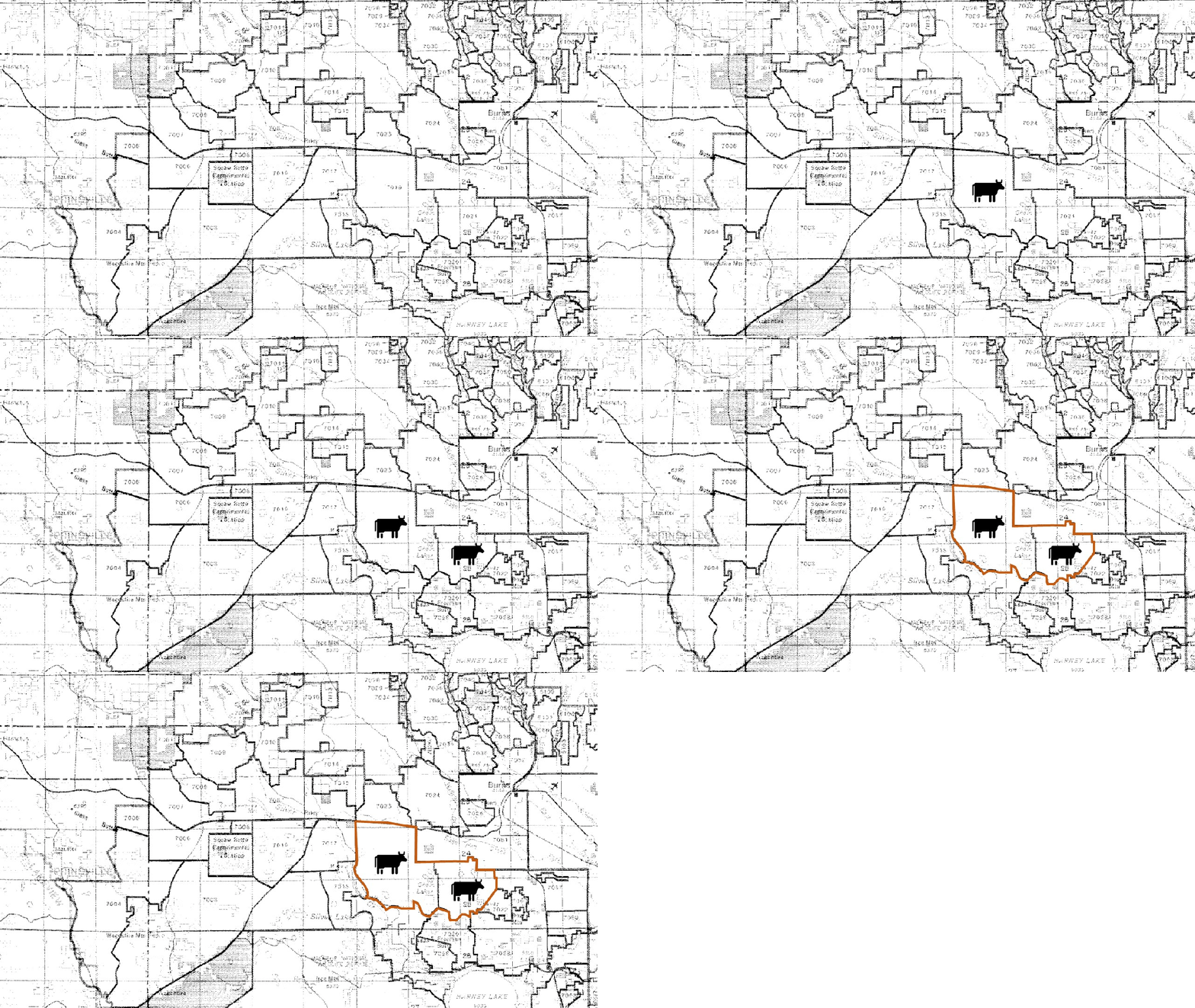
Given that livestock usually don’t graze on entire allotments but in subsets known as pastures, the short-term rates are even higher.
Wild horses are destroying the range at stocking rates in the low single digits, but double-digit stocking rates for livestock are not?
You can’t have it both ways.
This would explain why almost 60% of the BLM grazing land in ten western states, most of it off limits to wild horses, does not meet standards for rangeland health.




 Western Horse Watchers Association