How Many Wild Horses Can McCullough Peaks Support?

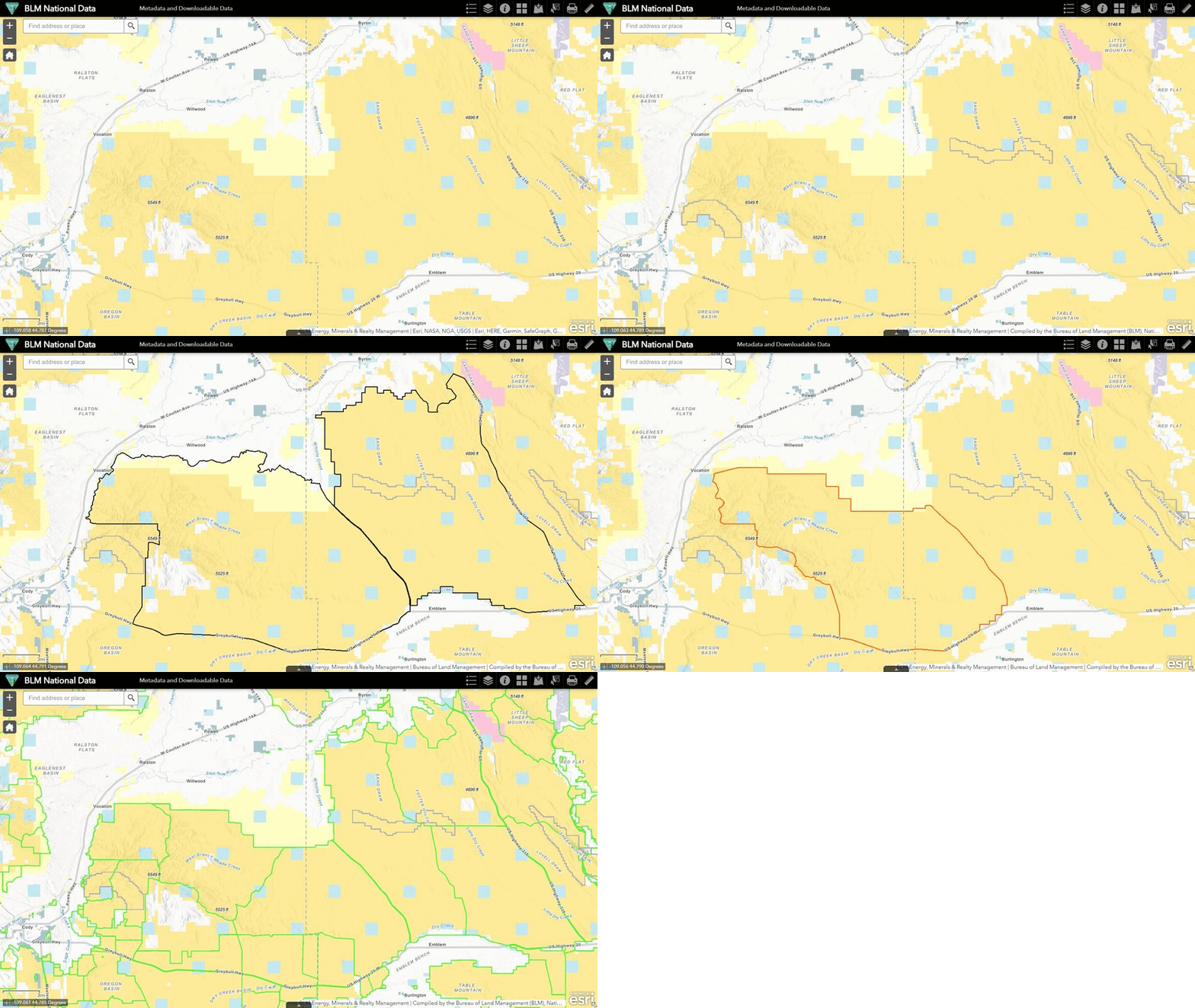
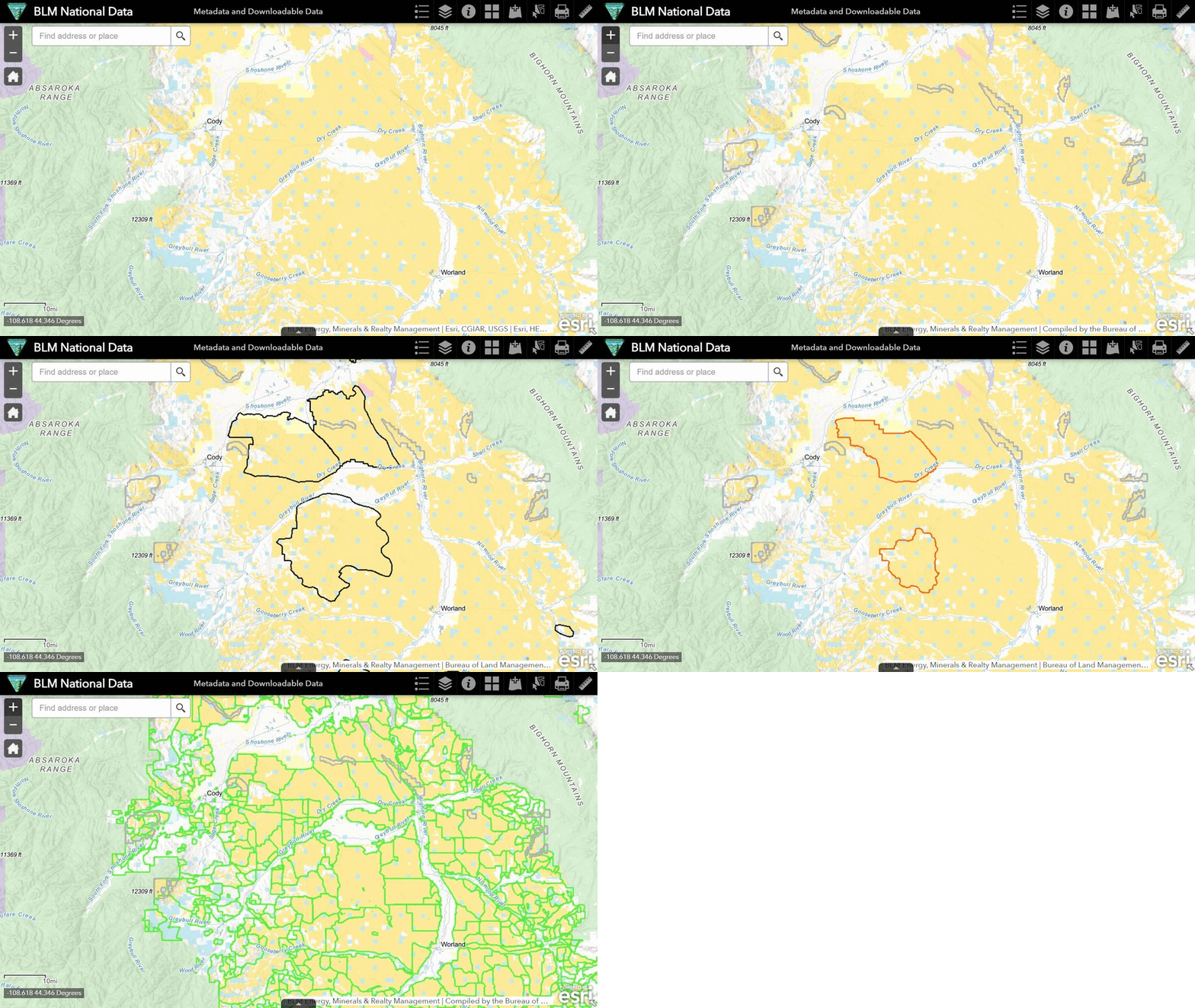
The HMA overlaps six allotments, as shown in this map from the National Data Viewer.

Although Peaks 1064 and Red Point extend beyond the HMA boundary, the forage assigned to livestock inside the HMA is easy to estimate on a per-acre basis.

The HMA covers 120,412 total acres, including 113,938 public acres, according to the BLM HMA Report, and the 140 horses allowed by plan require 1,680 AUMs per year.

The stocking rate allowed by plan is 1.2 wild horses per thousand public acres.

Click on image to open in new tab.

McCullough Allotment Map 01-13-23

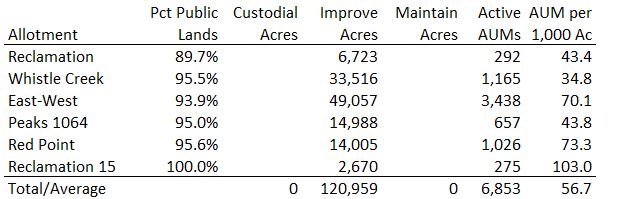
The Allotment Master Report from RAS provides management status, acreage and active AUMs.
McCullough Allotment Calcs 01-13-23

All of the allotments are in the Improve category.

The weighted average forage availability across the six parcels is 56.7 AUMs per year per thousand public acres, enough to support 4.7 wild horses per thousand public acres.

The number of wild horses displaced from their lawful home by permitted grazing is 4.7 × 113,938 ÷ 1,000 = 535, putting the True AML at 675, to be achieved by confining the ranchers to their base properties in a year-long off-season.

The BLM spends around $1 million per year to care for the 535 refugees in short-term holding, while it collects about $9,000 per year in grazing fees from ranching activity inside the HMA.

Would you say that’s a wise use of the public lands?

The current population is thought to be 179, well within the carrying capacity of the HMA.

Given that the advocates are trying to suppress the herd with their favorite pesticide, they are voices for the bureaucrats and ranchers, not the horses.

RELATED: What the McCullough Advocates Are Trying to Protect.

Foal-Free Friday, Getting Rid of Them Inconspicuously Edition

There is little if any diversity of thought among the wild horse advocates.

Curiosity is also in short supply.

In their desire to be respected by the bureaucrats and ranchers, they focus almost exclusively on removal, not on preservation.

They don’t want you questioning the overpopulation narrative and mismanagement of resources in areas identified for wild horses.

They don’t want you questioning their authority.

And they damn sure don’t want you questioning their knowledge, abilities and understanding of the issues.

So they operate inconspicuously, quietly stalking the mares and poisoning them with their favorite pesticide.

There are no helicopters, no traps, pipe panels or trailers.

There are no observers sitting in blinds to document cruelty, injuries and deaths.

Sterility is the long-term goal.  Mares so disposed are said to be “self-boosting.”

There is no accountability to the public, no data on herd size, birth rates, death rates, percentages of males, females and foals, changes year over year.

There is no adverse effects reporting, no information on unexpected results.

The bureaucrats keep the destruction out of the public eye, with the aid of a compliant media.

These charlatans are free to conduct their business as they please, within the confines of the law, but you don’t have to be part of it.

RELATED: Foal-Free Friday, Everything’s Going According to Plan Edition.

Stalking Wild Horses 12-30-22

Assateague Census, January 2023

The Assateague Island Alliance reported 78 horses on the Maryland side of the island as of January 4, no change from December.

The current roster shows band affiliation but does not indicate sex.

New foals probably won’t be hitting the ground for another six to eight weeks.

The herd shows little if any growth since 2016, when the safe, proven and reversible fertility control program was shut off, a result that will please most of the advocates.

Others will realize that the herd has been ruined by the Montana Solution and the nitwits who promote it.

RELATED: Assateague Census for December.

What the McCullough Advocates Are Trying to Protect

In this map from the National Data Viewer, areas of critical environmental concern are shown in gray, herd areas are black, the HMA is orange and the allotments are green.

The presence of livestock in the lawful home of wild horses tells you that the land can support many more animals than the government admits.

Instead of working in support of the horses, the advocates work in favor of the ranchers by destroying the ovaries of the mares with their favorite pesticide.

The practice is not unique to McCullough Peaks.

It’s accepted and promoted everywhere in the wild horse world by frauds who claim to have a better way to manage wild horses.

RELATED: Scoping Begins for McCullough Peaks Livestock Protection Plan.

What the McCullough Advocates Are Trying to Protect 01-11-23

Burros Lost at Axtell?

Western Horse Watchers is unable to corroborate the story by Deseret News with reports from the BLM.

Unlike the incident at Cañon City, the agency has not acknowledged the loss at its news site or the Utah HMA page.

The reporter’s source was the self-serving Campaign Against America’s Wild Horses, whose representatives used the deaths to justify their ruinous darting programs.

In cases like these, you have to wonder if the reporter contacted CAAWH through the course of her research or if CAAWH approached her as an outlet for its propaganda.

Scoping Begins for McCullough Peaks Livestock Protection Plan

Your mission, should you decide to accept it, is to help the bureaucrats eliminate unauthorized native species (excess horses) in favor of authorized non-native species (livestock), under the guise of a thriving natural ecological balance.

Volunteers with FOAL are experts in this regard.

Suggestions that benefit the horses are outside the scope of the project.

Comments will be accepted through February 7, according to a BLM news release.

RELATED: Bait Traps Coming to McCullough Peaks HMA?

McCullough Peaks HMA Map 10-26-22

American Prairie Using Leverage to Achieve Conservation Goals

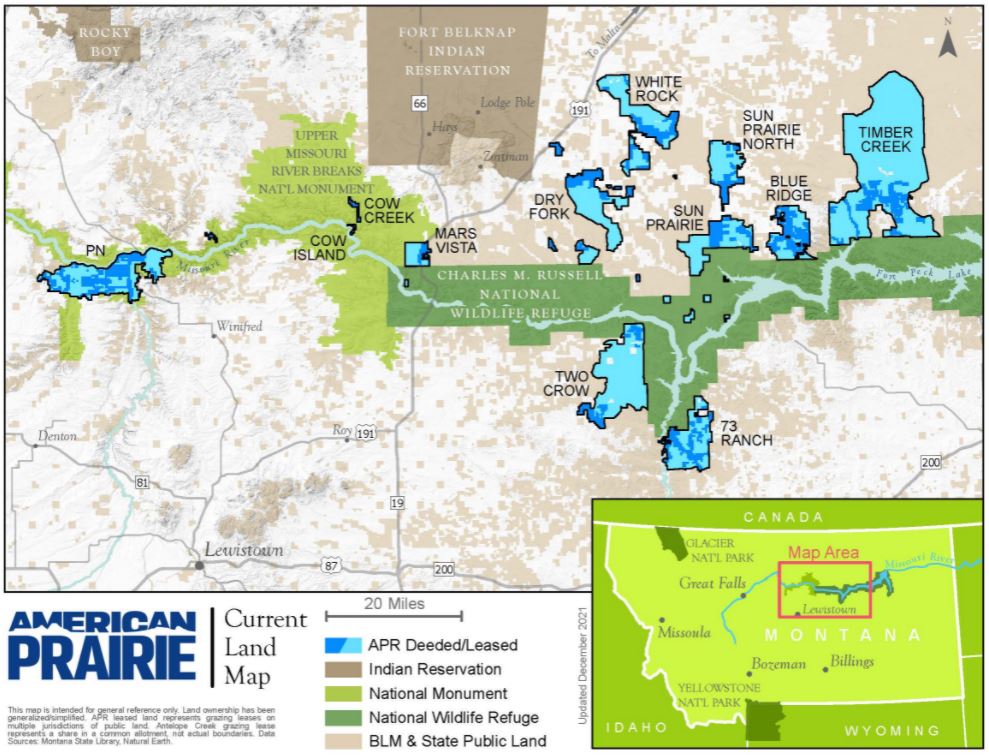
Put simply, they buy small amounts of land to achieve landscape-scale results.

They can assemble three million acres of public lands by acquiring and managing 500,000 acres of private lands, creating a fully functioning ecosystem complete with migration corridors and all native wildlife.

This is how you turn 5,000 deeded acres into a 40,000-acre ranch.

Madeleine Pickens purchased base properties in Nevada fifteen years ago with the goal of returning wild horses to the range, but the plan was thwarted by the BLM at the behest of ranching interests.

Will the same thing happen to American Prairie?

The wild horse advocates use the Montana Solution to achieve their land-use goals, which align with those of the bureaucrats and ranchers.

Curiously, the Billings School of PZP Darting and Public Deception is only about 150 miles from the American Prairie project area.

RELATED: State Tries to Block American Prairie Grazing Decision.

Speaker of House Elected, New Congress Seated

McCarthy succeeded on the 15th ballot and House lawmakers took their oaths of office shortly thereafter, according to a story dated January 7 by The Hill.

The one-horse pony acknowledged the result.

The advocates can now mobilize their lobbyists to resurrect the stupid ideas from 2022, including the helicopter ban (removal of wild horses by wranglers), the veterans for livestock act (get rid of them with the Montana Solution) and the surgical sterilization is bad act (but not chemical sterilization if achieved with their favorite pesticide).

RELATED: What the House Conservatives Are Trying to Prevent.

State Tries to Block American Prairie Grazing Decision

Montana Governor Greg Gianforte has joined forces with the Montana Department of Agriculture, Montana Department of Livestock, Montana Department of Natural Resources and Conservation and the Montana Department of Fish, Wildlife and Parks in opposition to a change in livestock type on seven allotments requested by American Prairie and granted by the BLM in 2022.

Not mentioned in the article by Western Livestock Journal is that American Prairie obtained preference by acquiring base properties tied to the allotments, a customary, legitimate and necessary step in applying for grazing permits on public lands.

Almost certainly the governor acted in response to butthurt ranchers, their overlords, cheerleaders and political allies who see the decision as threat to their domination and control of government agencies and the lands they manage.

The planning area included lands near the Charles M. Russell National Wildlife Refuge in northern Montana.

RELATED: American Prairie Grazing Decision Finalized.

American Prairie Land Map 04-03-22

Purpose of Three Fingers and Jackies Butte Pest Control Plan?

As in other areas, the goal is to eliminate unauthorized native species (excess horses) in favor of authorized non-native species (lifestock).

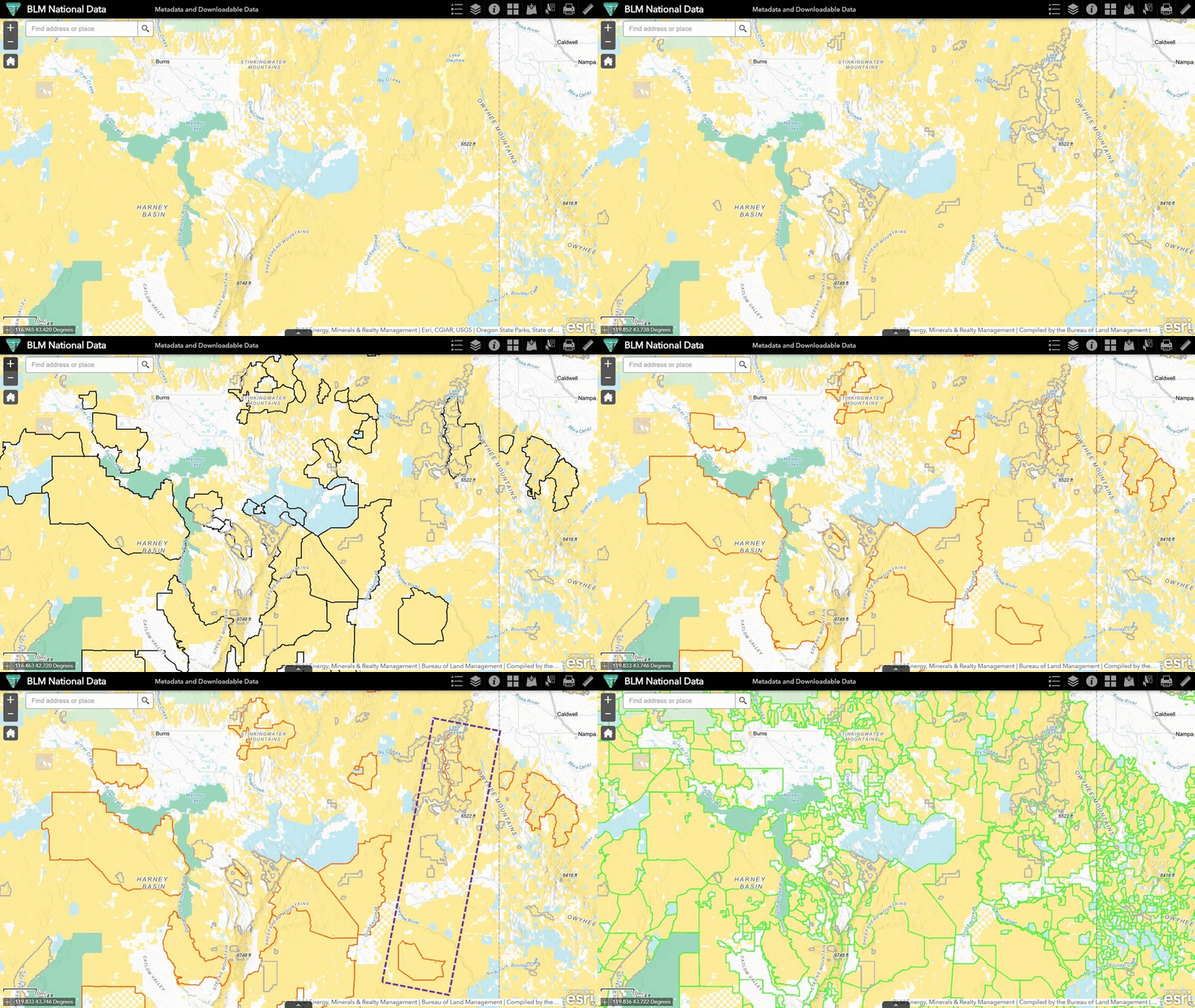
In this map from the National Data Viewer, areas of critical environmental concern are marked in gray, HAs are black, HMAs are orange and grazing allotments are green.

The two HMAs are in eastern Oregon near the Idaho state line.

Click on image to open in new tab.

RELATED: Decision Pending for Malheur County Pest Control Plan?

Three Fingers and Jackies Butte Allotments 01-06-23

Foal-Free Friday, Everything’s Going According to Plan Edition

Many more horses will be lost to the Virginia Range darting program, now moving into its fifth year, than harsh winter conditions.

With few if any new foals hitting the ground, the death rate is going up as the average age of the herd increases.

Many of the mares are now at risk of sterility.

Advocates with the Campaign Against America’s Wild Horses and bureaucrats with the Nevada Department of Agriculture are responsible for the destruction.

RELATED: Foal-Free Friday, Auld Lang Syne Edition.

Decision Pending for Malheur County Pest Control Plan?

A story by the Malheur Enterprise of Vale, OR indicates the BLM will publish a ten-year plan later this month but does not specify the target HMA(s).

You must subscribe for details.

Western Horse Watchers suspects it’s Three Fingers and Jackies Butte.

No documents have been posted to the project folder since May 6.

RELATED: Draft EA for Three Fingers and Jackies Butte Out for Review.

Advocates Need New Touchstone for Wild Horse Management?

With the Assateague herd ruined by the Montana Solution and the Park Service mum, the advocates need a rising star they can point to as an example of the safety of their darting programs, before the American people realize they’re liars and frauds.

The Virginia Range is one contender.  It’s the largest program of its kind and, although the effects are not yet obvious, the long-term goal may be to take a herd of 3,000 wild horses down to 600 or less as suggested by the Nevada Department of Agriculture.

Massive sterilization will be required to hit the target in a reasonable timeframe.

But the Campaign Against America’s Wild Horses is up to the challenge, aided by four nitwits who have delivered over 1,000 doses each of the pesticide.

The Salt River was also a candidate, but the program lost some of its luster recently when the ringleader admitted she’s trying to get rid of the horses.

As always, the truth will be their undoing.

But now, an article written by a PZP darter about another PZP darter offers new hope.

The Spring Creek Basin HMA in Colorado has been roundup free since 2011, thanks to the efforts of a volunteer and her safe, proven and reversible darting program, the same type that ruined the Assateague herd.

The AML increase was underwritten by changes to forage allocations in a management plan update.

Also included were population growth suppression, introduction of horses from other areas and forced age distribution.

As for the dearth of roundups, you can find any number of HMAs that haven’t been gathered in the last ten years by looking at the March 1 HA/HMA Report.  The last gather date is given in the second column from the right in the tables for each state.

RELATED: Spring Creek Herd to Die Off in Ten Years?

Wild Horse Management Trends in Northern Wyoming

From the National Data Viewer.

Areas of Critical Environmental Concern are shown in gray.

Areas identified for wild horses are shown in black.

Areas managed for wild horses are shown in orange.  McCullough Peaks is east of Cody, Fifteenmile is southeast.

Areas managed for livestock are shown in green, an indication of what the McCullough advocates are trying to protect with their ruinous darting program.

While ACECs may be an impediment to management of wild horses, they don’t appear to be a major obstacle to permitted grazing.

Although horses are often blamed for poor rangeland health, most of the BLM land in this map, denoted by tan, is horse free.

RELATED: Wild Horse Management Trends in Southwestern Wyoming.

Wild Horse Management Trends in Northern Wyoming 01-03-22

Advocates Ideally Positioned to Help Park Service at TRNP

Under Alternative C, the Proposed Action, NPS would get rid of wild horses they put there after the original herd, thought to be descended from Sitting Bull’s horses, was eradicated.

Waaaaaah!

Those upset by the plan are a day late and a dollar short.

If approved, a reduced herd of fully contracepted horses would be established and allowed to remain in the park to live out their lives.

Fully contracepted means sterile, nonreproducing, let the herd die off.

What’s the least controversial way to achieve the goal?  The Montana Solution.

Who’s best equipped to get the job done?  The network consisting of the Campaign Against America’s Wild Horses, its affiliates, offshoots and supporters.

RELATED: Online Scoping Meeting Next Week for TRNP Livestock Plan.

Advocates are the Predators 11-30-21

Online Scoping Meeting Next Week for TRNP Livestock Plan

The meeting will be held on January 12, starting at 6:00 PM Mountain time.

The meeting notice includes a link to join.

Comments on the scoping newsletter will be accepted through January 31.

Three management options have been identified and the Park Service has designated Alternative C as the Proposed Action – Phased Reduction of Herds to No Livestock.

RELATED: More Angst at TRNP.