Words Have Different Meanings in the Wild Horse World

Here’s a quick update on current usage:

Protect Wild Horses – Get rid of them with the Montana Solution

Keep Them Wild and Free – Ditto

Cruel and Costly Roundups – The advocates have a better way (to get rid of them)

On-Range Management – Take them off the range with the Montana Solution

Humane Management – Ditto

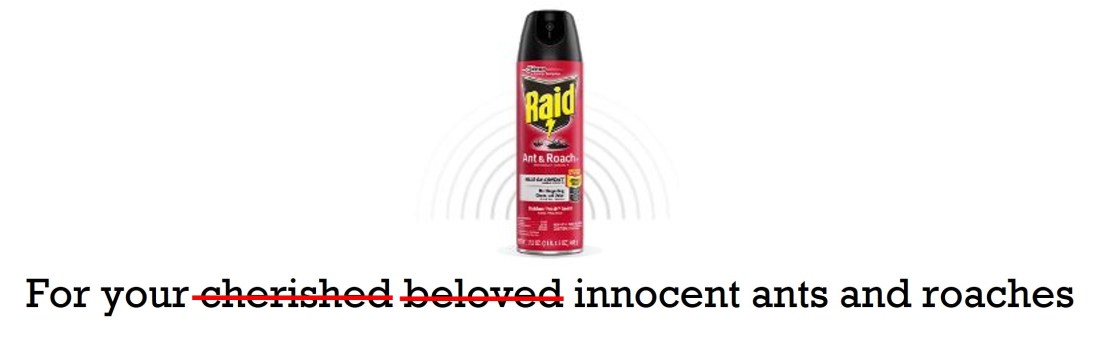
Cherished/Beloved/Innocent Wild Horses – Pests

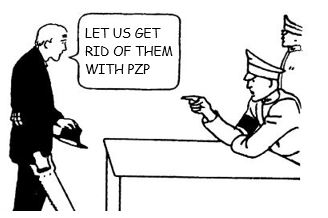
In this example, the Campaign Against America’s Wild Horses wants to replace removal by helicopter with removal by pesticide.

CAAWH Paid Ad on Google 12-29-22

As announced by one of their field marshals in September, you need to manage the numbers to fit what’s available for the horses.

What a loser.

Documenting roundups does not stop roundups and it damn sure doesn’t tell you what to do instead.

You’ll have to look elsewhere for that knowledge.

RELATED: Two Doses of PZP for the Price of One?

For Your Innocent Ants and Roaches 10-23-22

Two Doses of PZP for the Price of One?

The Billings School of PZP Darting is not having an after-Christmas sale.

Rather, the Campaign Against America’s Wild Horses has a one-for-one matching gift program through the end of the year.

If you donate, say, $35, the cost of one dose of their favorite pesticide, an unnamed donor will also contribute $35, allowing them to inhibit two wild mares for a year, not just one, or push two older mares into sterility.

The downside is that darted mares still eat but in the long run, ranchers will be able to access more and more of their food as the herds die off.

CAAWH Matching Gift 12-28-22

Would you be surprised if the unnamed donor was a ranching advocacy group, farm bureau or stockgrower’s association?

Their legislative agenda consists of persuading the politicians to allocate more and more money for on-range management, code words for getting rid of them with the Montana Solution, and to influence new bills such as the self-serving HR 9154.

As for the legal agenda, they may try to block a roundup every now and then or thwart the construction of a new off-range holding facility, but they won’t say a word about the management plans that assign most of the resources to privately owned livestock.

From time to time they criticize the public-lands ranchers, but no offense is taken.

It’s all part of the charade that keeps the donations rolling in while maintaining the status quo.

More Angst at TRNP

Good grief.  The original wild horse herd has been gone for over twenty years.

The horses you see today were put there by the Park Service, as an exhibit.

With the Park Service threatening to remove them, the advocates are fighting back.

When their comrades try to eradicate other herds with the Montana Solution, there’s not even a whimper.

Have you seen a film by Deb Carson and Jamie Baldanza calling attention to the Virginia Range mustangs?

RELATED: Wailing and Gnashing of Teeth at TRNP?

FY 2023 Omnibus Clears House and Senate

The news release includes links to the full bill, division summaries and explanatory statements.

Despite last-minute amendments, the FY 2023 budget for the wild horse and burro program remains at $147,888,000.

The measure will likely be signed today by the one-horse pony, avoiding a government shutdown.  A White House statement confirms that.

RELATED: Committee Releases Overview of FY 2023 Omnibus.

Wild Horse Fire Brigade Serves Ranchers, Not Wild Horses

Imagine completing 198 laps in a 200-lap race and running out of gas.

This news release about the Wild Horse Fire Brigade, written by its creator and leading proponent, plays the course well but chokes on the back nine in the final round.

Roundups and stockpiling of captured animals are costly, as the author notes, and they represent irresponsible use of the taxpayer’s money and the public lands.

The 768,000 AUMs per year needed to support the 64,000 animals in off-range holding are readily available in their lawful homes, at a loss of $1 million per year in grazing fees but with savings of $70 million per year in holding costs.

Who wouldn’t jump on that?  The bureaucrats, ranchers and their political allies.

These figures were not mentioned in the announcement.

Fertility control and on-range management are euphemisms for chemical sterilization of mares with vaccines that cause illness instead of preventing it.  Spot on.

Wild horses and burros were to be protected from capture, branding, harassment and death, and their land was to be managed principally for them, yet we see everything that was prohibited in the 1971 Act.  Correct, the Act no longer affords the protections sought by Velma!

In case you haven’t been keeping score, we’re ahead 3-2 in the top of the eighth.

Keeping wild horses in areas where they are in conflict with commercial interests guarantees they will remain targets of those interests, resulting in the highly flawed and costly management concepts previously cited.

Oh crap, bases loaded.

Is there a solution to the problem?

Yes, the Natural Wildfire Abatement and Forest Protection Plan, also known as the Wild Horse Fire Brigade.

Move the horses to remote wilderness areas not particularly suited for livestock grazing, or anything else.

Using just 20 million acres of these vast water and forage-rich areas, up to 100,000 wild horses could be relocated as family bands, at the rate of one horse per 200 acres (five horses per thousand acres), ending the conflicts with commercial interests.

Dang, the other team just drove in two runs.

Where would the family bands come from?  Not from the off-range corrals and long-term pastures.

Why resolve the conflicts by getting rid of the horses?  That’s what the advocates do.

The same result could be achieved by confining the ranchers to their base properties in a year-round off season, while expecting them to pay the going rate to feed their animals.

This would be in line with the original statute.

Game saved with one out remaining.

RELATED: ‘Wild Horse Fire Brigade’ Means Victory for Permittees.

RTF Applauds FY 2023 Budget Increase for WHB Program

Contrary to the Division G summary issued by the Senate, the organization’s president claims in today’s news release that the higher level of funding marks a new direction for wild horse and burro management.

Like most advocacy groups, Return to Freedom is known for its unwavering support of safe, proven and reversible fertility control—which doesn’t exist—as an alternative to capture and removal.

Resource allocations and management priorities are never questioned.

RELATED: BLM Shuns Montana Solution?

Thriving Ecological Balance-3

Impact of FY 2023 Omnibus on Wild Horses and Burros?

Like the House news release, the December 20 announcement by the Senate appropriations committee included links to the full bill, division summaries and explanatory statements.

However, the Division G summary puts a different spin on the authorization for the wild horse and burro program.

“The wild horse and burro program is provided $148 million to accelerate removals from degraded and drought-plagued areas, to house horses off-range, and to jumpstart a fertility control program to reduce the future horse population.”

The emphasis is on removals, off-range holding and on-range management (as the advocates like to describe it).

Research was not mentioned.

The new roundup schedule does not reflect these priorities.

Not yet, anyway.

RELATED: Committee Releases Overview of FY 2023 Omnibus.

BLM Shuns Montana Solution?

The Division G summary for the 2023 spending bill says it provides $148 million for the Wild Horse and Burro Program, including $11 million for research on reversible immunocontraceptive fertility control.

Not long ago, the advocates secured $11 million for use of their favorite pesticide in PZP Amendments.

What changed?

The truth is coming out.

For years the advocates have been lying about the safety of the Montana Solution.

The vaccine causes illness instead of preventing it.

Mares whose ovaries have been destroyed are referred to as self-boosting, not sterile.

If PZP is banished, they have no reason to exist.  They are one-trick ponies.

It’s time to move on and tackle the real problem: Resource management in areas set aside for wild horses and burros.

RELATED: Committee Releases Overview of FY 2023 Omnibus.

PZP Dangers 10-21-22

Horses and Cattle to Be Removed from TRNP?

The Park Service is working on a new livestock management plan that will protect native species and the natural prairie ecosystem at the expense of nonnative horses and cattle, according to a story posted this evening by The Bismarck Tribune.

Not mentioned in the report:

An advocate interviewed for the story said all the horses can’t stay but maybe the Park Service can keep some of them.

You have to give them credit: They think alike.

“If we get rid of them, they can stay.”

RELATED: Advocates Criticize Treatment of Horses at TRNP.

Leave Your Estate to the Wild Horse Advocates?

They could spend more time on the range pummeling the mares with their favorite pesticide and less time devising ways to separate you from your money.

New Pine Nut Calendar 11-19-22

Their mission is to help the bureaucrats enforce management plans that assign most of the resources to privately owned livestock in areas set aside for wild horses.

If you think they’re doing a good job and deserve a share of your estate, refer to this month’s episode of “Wild Horse Tales,” starting on page 13 in the December edition of Horse Tales.

Donations from ranchers and ranching sympathizers always accepted.

RELATED: The Trials and Tribulations of the Advocates

Advocates Say Currituck Herd Spends Most of Its Time Eating

That’s probably not a surprise to many in the wild horse world but a statement last week on socialist media, reported yesterday by The News & Observer of Raliegh, NC, might raise a few eyebrows:

“This time of year, the herd spends 89% of the day, or 16-plus hours, fattening up for winter.”

If 89% of the day corresponds to 16 hours, then a day spans just 18 hours, not 24.

Maybe it’s a typo—or an undocumented effect of global warming.

The story also indicated that the horses poop 1.5% of the time, with travel and rest occupying 10.5% and 12.5% of their day, respectively.

Western Horse Watchers thought they spent 98% of their time hiding from the advocates, who have been targeting the mares with their favorite pesticide.

RELATED: Praising the Currituck Advocates.

Guide to End-of-Year Giving

You want to help wild horses but don’t know who to support.

Western Horse Watchers doesn’t either.

Most of the 501(c)(3) nonprofits are fraudulent.

They tell you they’re saving wild horses while they’re actually getting rid of them, with benefits accruing to the public-lands ranchers.

If they talk about cruel and costly roundups, humane management and cherished wild horses, your donation may be used to dart the mares with PZP, a restricted-use pesticide and sterilant marketed as a safe, proven and reversible vaccine.

File under: Charlatans.

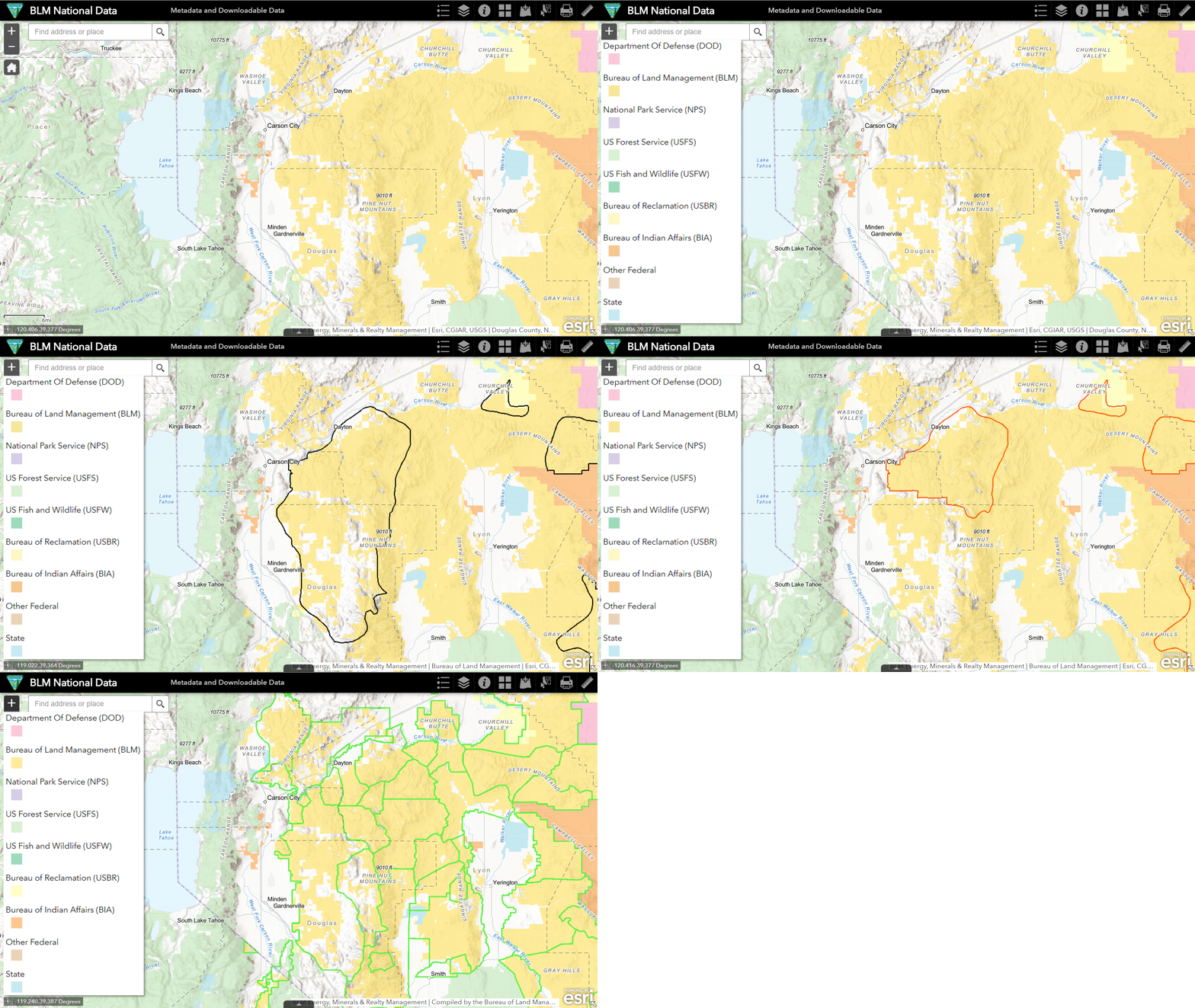
New Pine Nut Calendar 11-19-22

Forest Service Cedes Oversight of Allotments to Permittees?

A story dated December 2 by the Western Livestock Journal said the Public Lands Council and U.S. Forest Service have signed a memorandum of understanding to promote cooperative monitoring of grazing allotments on National Forest System lands.

The MOU will allow sharing of information about rangeland health between permittees and the Forest Service and will strengthen the partnership between them, according to the report.

A similar agreement with the Bureau of Land Management is expected by the end of the year.

An article dated December 9 by Wyoming Livestock Roundup indicates that range monitoring carried out by permittees will be accepted by the Forest Service as a legitimate source of data and the agency will treat that information as its own!

The writers did not indicate if the ranchers’ reports would be subject to audits or other administrative controls.

The Public Lands Council and its parent organization, the National Cattlemen’s Beef Association, have been pushing for changes to standards for rangeland health, temporary non-use and flexibility with on and off dates, according to WYLR.

The groups submitted an appropriations request of $153.1 million for the wild horse and burro program [in FY 2023?], which was about $20 million higher [than FY 2022?].

Like other government dependents, they want the federal government to confiscate more and more money from American wage earners and spend it on programs that benefit them.

This process, known as “redistribution of wealth,” is a hallmark of liberalism, socialism and communism.

Amtrak on the Range 11-21-22

The Advocates Have No Role in Wild Horse Preservation

Defined by their unwavering support of the Montana Solution and management plans that assign most of the forage to public-lands ranchers, they are to be opposed at every opportunity.

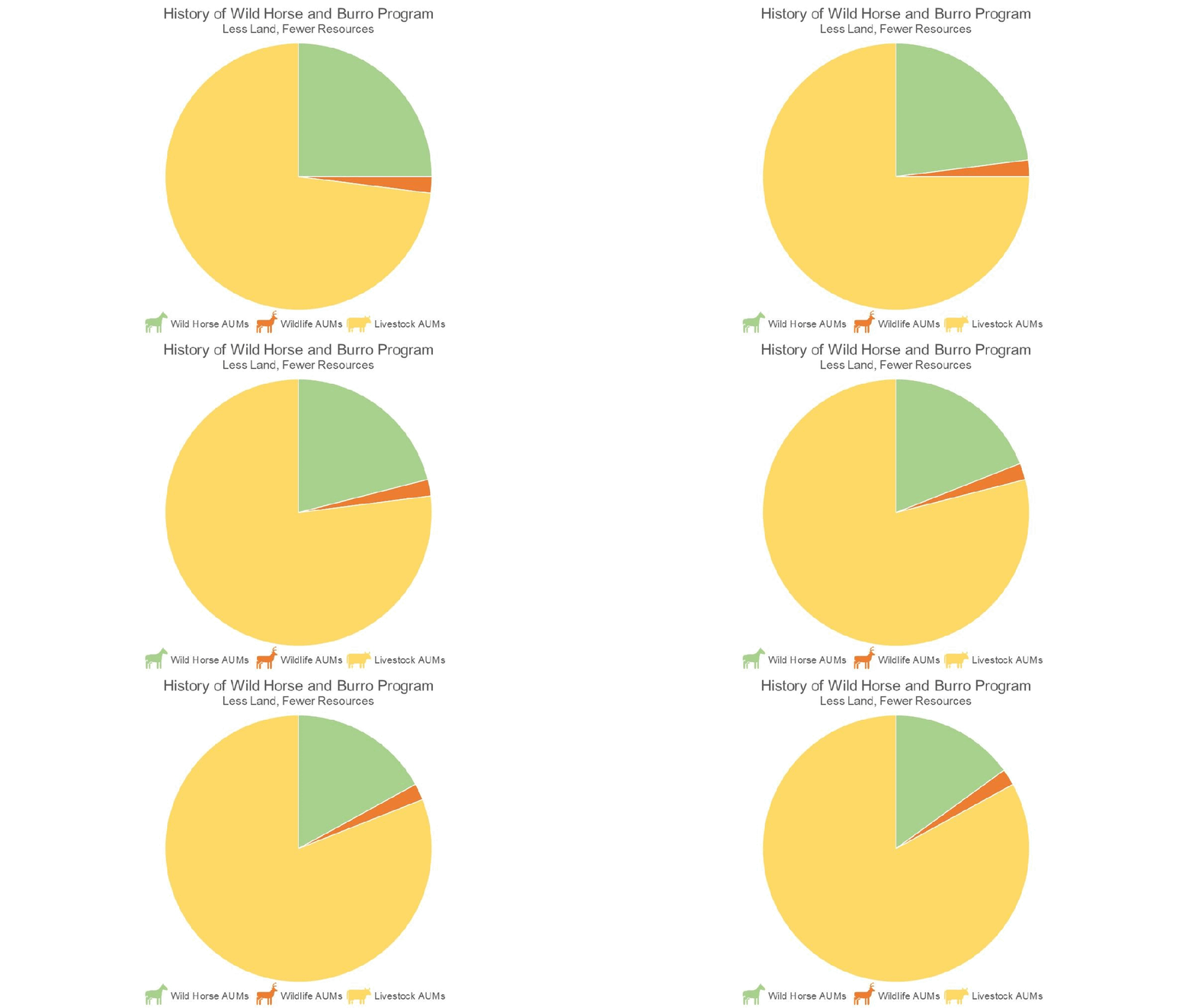
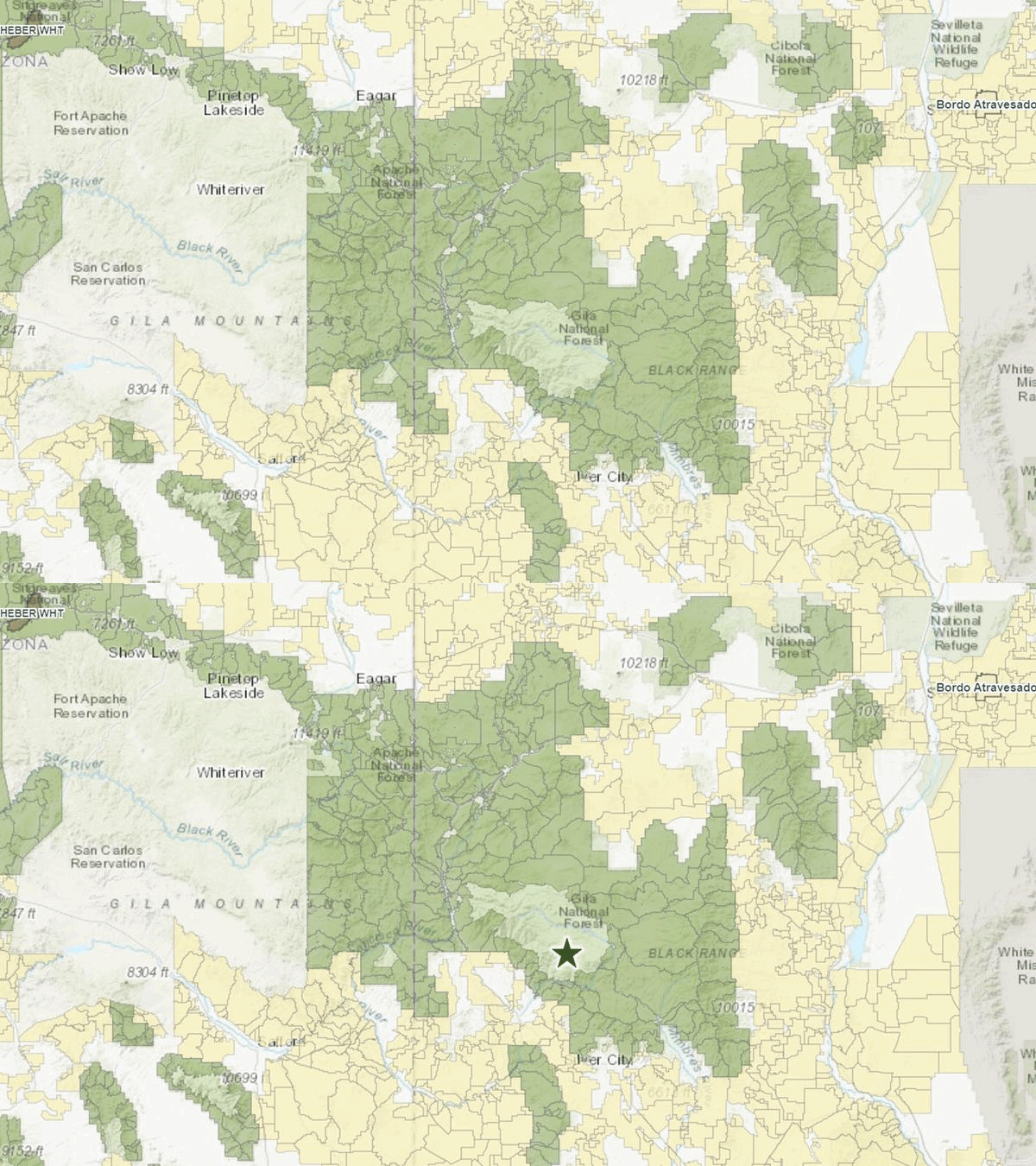
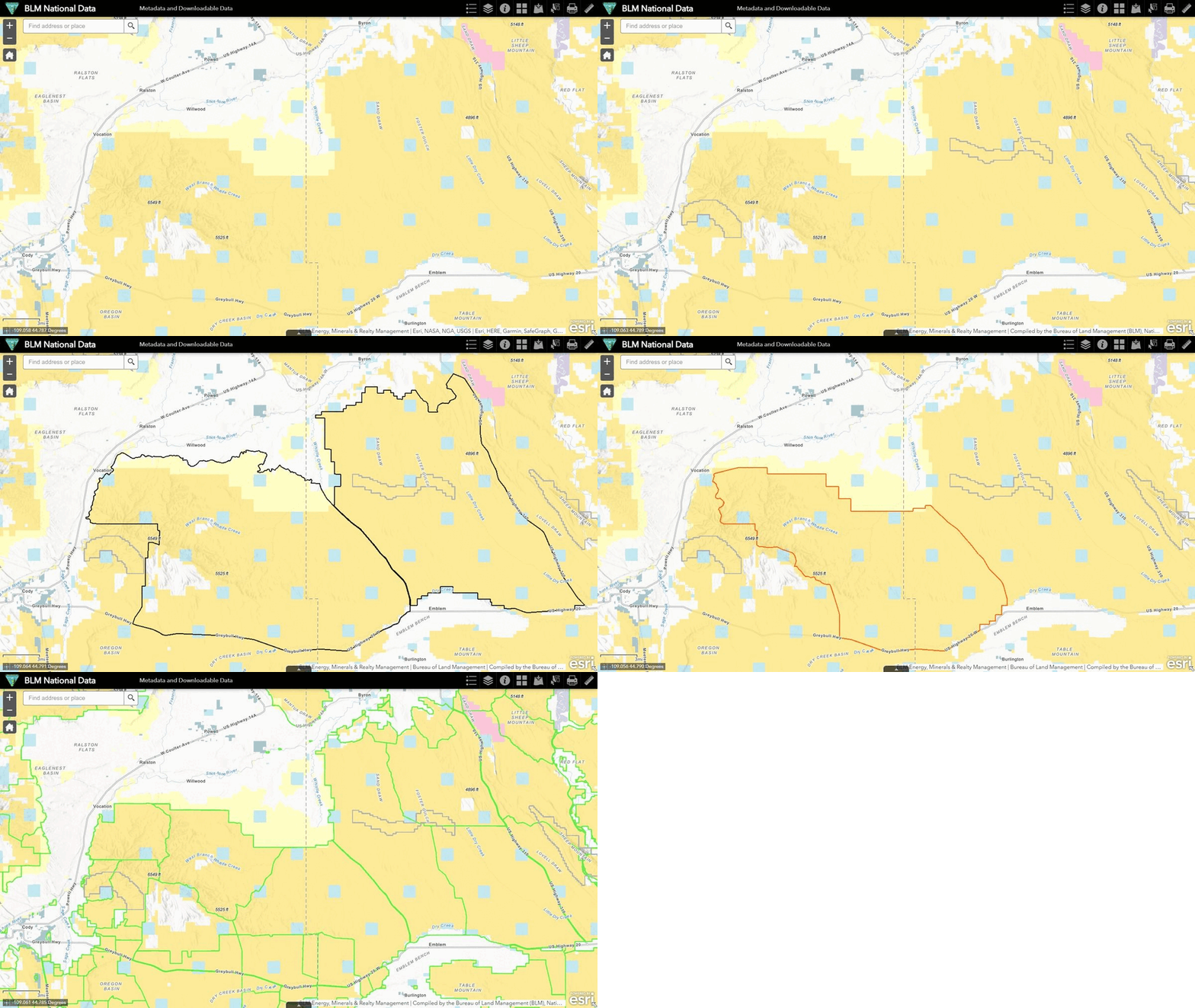
This chart shows you what they’re trying to protect.

The Problem 12-04-22

The cart also explains why you see capture, branding, harassment and death of wild horses, all prohibited in the original statute.

“You have to manage the numbers to fit what’s available for the horses.”

This chart shows you what Congress intended.

The Solution 12-04-22

There was only one requirement for lands to be managed in this manner: Horses were found there when the legislation was signed into law.

If you’re thinking about a year-end donation to a group that talks about cruel and costly roundups, humane management, keep them wild and free, or protect our cherished horses, think again.

RELATED: The Carrying Capacity Puzzle.