You are a serf. Obey your masters. Take the vaccines. Do not use Ivermectin.

Even if the stores in North Carolina can’t keep it in stock.
RELATED: Ivermectin Sells Out in Oklahoma.
Western Horse Watchers Association
Exposing the Hypocrisy, Lies and Incompetence of the Wild Horse Advocates
Opinion
You are a serf. Obey your masters. Take the vaccines. Do not use Ivermectin.

Even if the stores in North Carolina can’t keep it in stock.
RELATED: Ivermectin Sells Out in Oklahoma.
Refer to this story by KFOR News of Oklahoma City, posted today.

The one-horse pony and his illicit administration want you to take the clotshots instead.
RELATED: Ivermectin Flying Off Shelves?
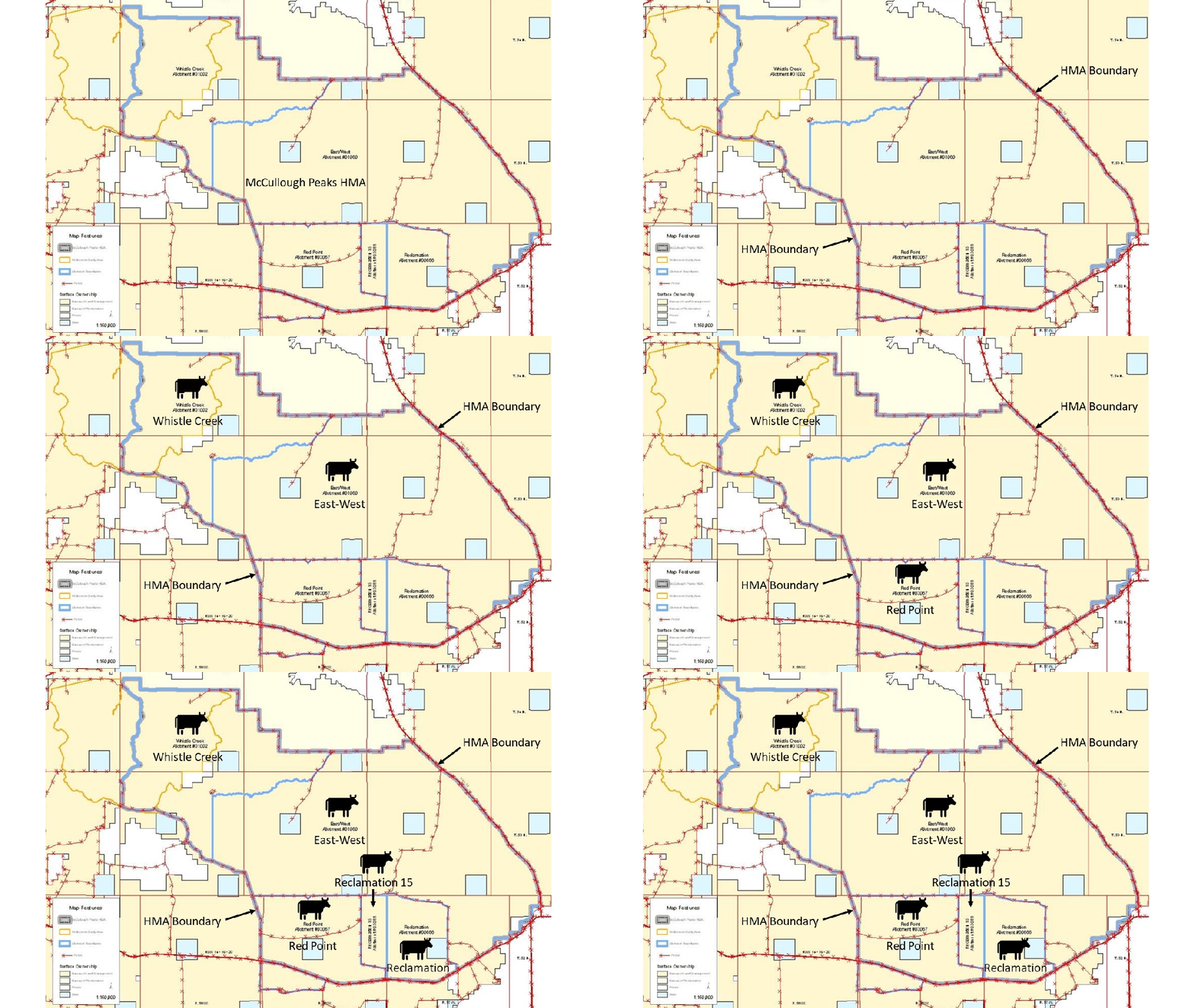
How many wild horses have been displaced from the Antelope Complex, now subject to a massive roundup, by privately owned livestock?
A few dozen? Maybe a couple hundred? No, over 6,000.
Did your favorite advocacy group tell you that? Why not? Who are they protecting?
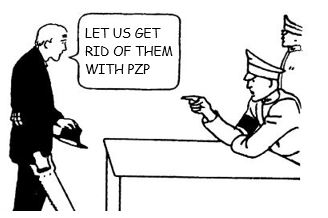
Are they telling you that the government should be getting rid of the horses with PZP, not helicopters?
If so, you might want to find a better source of information about wild horses.
Did they tell you that over 1,500 wild horses have been denied a spot on Beatys Butte HMA because of privately owned livestock?
That roughly 700 wild horses have been cheated out of a place at Stinkingwater HMA by privately owned livestock?
Did they mention that 1,400 wild horses at Sand Wash Basin HMA have been forced into off-range holding by privately owned livestock? Do they even acknowledge that livestock graze in the HMA?
Do they know how to compute these numbers? Do they talk about environmental assessments, resource allocations and land-use plans? Or do they tell you there isn’t a good way to calculate the number of wild horses an area can support?
Do they distinguish between cause and effect, between upstream and downstream parts of the management process?
Did they tell you that all of the horses in off-range could be returned to the range if public-lands ranching was stopped in just a few dozen HMAs? That the off-range pastures and corrals could be emptied three to five times over if permitted grazing was stopped on all HMAs?
If not, you might want to find another source of information about wild horses.
RELATED: Keeping Wild Horses in Check While Livestock Proliferate.
A match made in heaven. Wild horses and burros need not apply.
RELATED: You Might Be on the Wrong Side of the Wild Horse Debate If…

A story posted yesterday by the Los Angeles Times suggests that she’s still on life support, contrary to a report earlier this week by the Turlock Journal, so the best pieces can be harvested. Then they will pull the plug.
Just three days after admission, doctors said she was brain dead, so, with some hesitation, the family agreed to part her body out.
With no second opinions, no additional tests, no waiting to see what happens?
Is this how Obamacare works?
As of today, the investigation focuses on the driver.
RELATED: Distracted Driver Didn’t Kill Rider.
The writer of this letter to the Colorado Times Recorder has the right idea but Western Horse Watchers believes the review should focus on resource allocations, management priorities and land-use plans.
Why do the bureaucrats cater to public-lands ranchers at the expense of wild horses and burros, in areas set aside for wild horses and burros?
…someone from a farm bureau or stock grower’s association salutes your darting efforts, as they did for Wild Horse Connection on the Virginia Range.
RELATED: Wild Horse Connection Thrives on Double Standard.

The driver of the truck said he was dispatched to a ranch near San Antonio to pick up horses and knew he was transporting something illegal but did not know what, according to a report posted yesterday by the Laredo Morning Times.
The story did not indicate how many carrots were needed to load the trailer and what would have happened to the horses had the driver reached his destination.

Although not approved by the FDA to treat Covid-19, it’s selling like hotcakes, according to a story posted yesterday by KOAM News of Pittsburg, KS.
The one-horse pony and usurper of the White House, his illicit administration and godless political party, along with their sycophants in the media, want you to take the clotshot instead, so roll up your sleeves when the third dose becomes available.
RELATED: Yes We Have No Ivermectin.

We’ve never seen this before. Dry conditions out west. Worsened by global warming.
We should give it a name. Western Horse Watchers proposes Megadrought Sandy.
As for the horses, how many HMAs are not occupied by privately owned livestock?
How can emergency roundups provide relief to fragile ecosystems without similar cutbacks in permitted grazing?
When conditions improve, will the horses be returned to the range?
The government is not trying to save wild horses, but to insulate the public-lands ranchers from the effects of temporary changes in the weather, and improve their fortunes in the future. What drives this obsession?
Man-made climate change is a lie, despite what you might read in stories like this one by AP News.
If you want to get off the grid and put your car on blocks, knock yourself out.
Management of the Virginia Range mustangs should be left to them.
If you get too close to wild horses, you might receive a citation.
If you feed them you might be accused of unlawful conduct.
If you shoot them with darts you might be charged with animal cruelty.
Not so for the advocates.

This is the double standard of the wild horse world.
The announcement by WVEC News did not indicate if the advocates would be discussing their fertility control program and if viewers would be asked to accept statements such as “Few horses remain but we’re darting as many as necessary.”
A story posted August 4 by This Is Reno considers a key finding from a USGS study: Greater sage-grouse populations may continue to decline—by more than 70% within areas where the horses live by 2034—of horse populations continue increasing at current rates.
Let’s take a closer look at ‘areas where the horses live.’ How many of them are not occupied by privately owned livestock? How did the researchers get a clean separation between the effects related to horses and those related to livestock, a problem known as ‘confounding?’ Who commissioned the study?
A subsequent column in the Sierra Nevada Ally dated August 8 asks similar questions.

Please check your email address before hitting the Submit button at the Contact page.
Western Horse Watchers can’t respond if it’s not valid.
You might conclude that the answer is ‘No’ based on this story by 9News of Denver.
An emergency roundup, set to begin on September 1, will remove 733 wild horses from the area, according to the latest schedule. Not enough food and water. Pay no attention to the condition of the horses in the story.
The horses share the land “with Sage Grouse, Elk, Deer, Pronghorn, Coyotes, Mountain Lions, Badgers, Golden and Bald Eagles, along with Dirt Bikes and ATV Riders,” according the local advocacy group. No PZP darting either.
Clearly a wild horse heaven.
A case brought by the American Wild Horse Campaign, Skydog Ranch & Sanctuary, Evanescent Mustang Rescue and Sanctuary Inc., Clare Staples and Carol Walker has been transferred from the District of Columbia District Court to the District of Colorado, where a similar case filed by Friends of Animals is pending, according to a report posted today by Law Street Media.
Adoptions and financial incentives are downstream programs. They help the ranchers, not the horses.
Nevada is getting as nutty as California. NV Energy is expanding its use of power outages to reduce the risk of wildfires in Humboldt County, Lyon County, Storey County, Elko County, Washoe County and Carson City, according to a report posted today by Carson Now.
This will affect the water station for the mustangs.
When you’re on a well and need water most—during a fire—you won’t have any.
Good job, guys. Great time to be in the generator business.

Should humans try to break up these fights? No, they’re natural behaviors, noted one of the advocates in a story published this morning by The Charlotte Observer.
So is breeding but that doesn’t stop them from intervening.
The current herd, consisting of 800 to 900 horses, looks healthy, according to a report posted yesterday by 9News of Denver.
So why are they going to be removed in an emergency roundup?
All together now: Because most of the resources have been assigned to privately owned livestock. It’s not about saving the horses, it’s about protecting the ranchers, an obsession of the federal government.
Most of the horses won’t be adopted. By the end of the year, the system will be flooded with ‘excess’ animals, whose fate we’ll never know.
This letter to the Herald Times of Meeker, CO may be a little over the top but it points to an important concept: Consent of the governed.
The writer states that the West Douglas roundup is “currently taking place without allowing timely input from the public, who legally own these public lands.”
Public comments are usually invited on new/proposed resource enforcement actions, sometimes referred to as wild horse gathers and removals, but those projects don’t address—and can’t change—the resource allocations and management priorities that drive the actions.
Yes, the American people have a voice in their government through their elected representatives. But do those representatives call the shots on America’s public lands?
Not necessarily. They may establish a framework through the legislative process, such as the WHB Act, but the grunt work is carried out by the unelected bureaucracy that operates with another set of rules that they invent, known as federal regulations.
Those rules fill in the gaps or correct perceived deficiencies in the statutes.
Can the bureaucracy be influenced by special interests? Of course.
The rules for wild horse management seem to reflect that.
For example, the statute defines a range as the amount of land necessary to sustain an existing herd or herds of wild free-roaming horses and burros, which does not exceed their known territorial limits, and which is devoted principally but not necessarily exclusively to their welfare in keeping with the multiple-use management concept for the public lands. No change from 1971.
But a regulation says they are at the discretion of government: Herd management areas may also be designated as wild horse or burro ranges to be managed principally, but not necessarily exclusively, for wild horse or burro herds. Only four out of roughly 200 are.
The writer makes a good point. Can regulations override statutes? Can the bureaucracy put special interests above the will of the people?
That is the case that should be taken to court.