Pine Nut Advocate: If We Don’t Get Rid of Them the BLM Will

The August edition of Horse Tales is out with a Q&A about the Pine Nut darting program by the real estate agent and PZP fanatic in the Minden-Gardnerville area.

Perfect topic for Foal-Free Friday, starting on page seven.

The article builds on remarks of the “No Major Side Effects” and “Exposing the Lies of the Advocates” episodes.

Question: Does BLM pay for your birth control program?

Answer: No, our program is paid for by donations.

Would you be surprised if they accept donations from the Pine Nut permittees?

Question: Are you concerned about making the horses extinct?

Answer: Our goal is to aggressively dart mares until we reduce the population to a number that the BLM believes is the Appropriate Management Level.

The AML for the Pine Nut HA, where she operates, is zero.

Question: Does the birth control sterilize them?

Answer: We use PZP.  It requires a one-time primer vaccine and then any time after two weeks a booster.  After that she can receive an annual booster.  If you dart the mares and they do not foal about 7 years in a row it is possible they will self boost and could be sterile.  We are careful to only boost 5 years in a row if the mare has already contributed a live healthy foal to the gene pool.

Might be preceeded by one or two dead ones but who’s counting?  Self-boosting means the ovaries have been destroyed, a gradual process that begins with the first injection.

Question: Why can’t you just leave them alone?

Answer: We have already interfered by building homes, airports, industrial projects, streets and parks in their historic rangelands.  Thousands of acres have been removed from only a few decades ago.  We do our best to be sure they have adequate food and water by not allowing their numbers to increase to a point that BLM feels they need to remove them.  Our goal is to keep our horses out of a long term holding facility at a high cost to the taxpayers.

Not one word about permitted grazing and the number of horses displaced thereby.

Question: Do you need more volunteers?

Answer: I think all the groups need volunteers who can work as a team.  They all need people to ID the horses, photograph them for the database and get certified to provide the birth control vaccine and then trained on the range.  It is essential we reduce the reproduction rate in order to protect them from removal.

Let that sink in.  If we get rid of them they can stay.
Foal-Free Friday, On-Range Management Edition

The advocates want horses taken off the range as much as the bureaucrats and ranchers.

But they want it done with PZP, not helicopters.

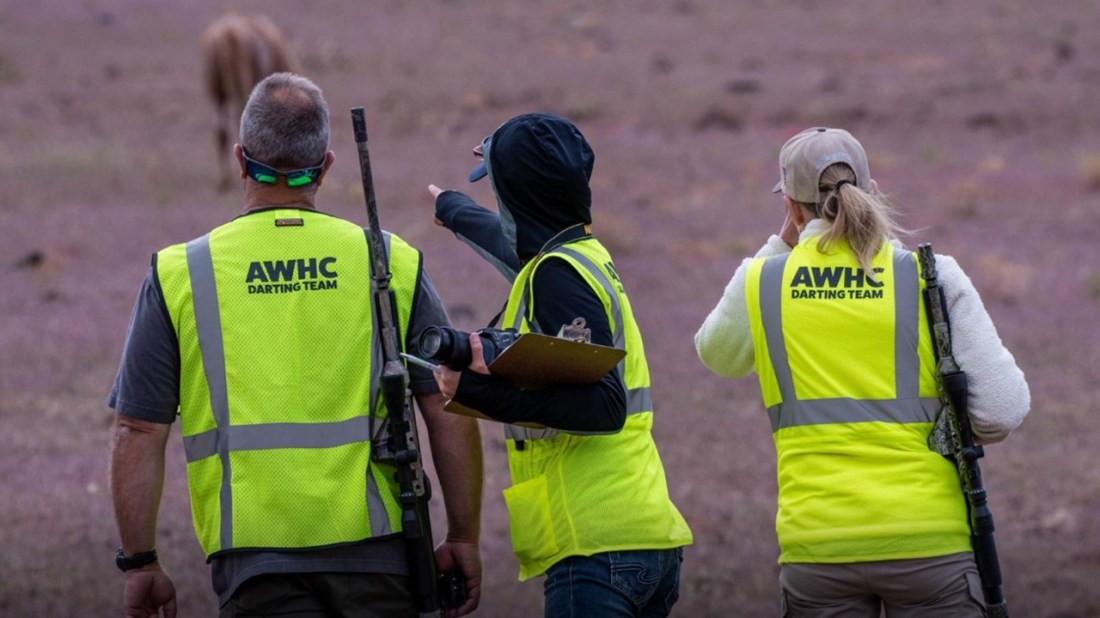
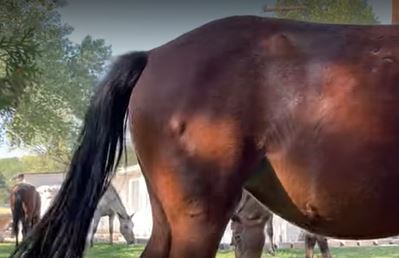
VR Darting Injury 09-15-21

On-range management, code words for the Montana Solution, means off the range.

Pay attention to what the advocates do, not what they say.

Q. What’s harder to find on the Virginia Range than foals?

A. Darting teams affiliated with Friends of Animals.

Ever notice that?

Same for the Salt River and any of the HMAs in the fertility control section of the latest roundup schedule.

RELATED: Foal-Free Friday, Pesticides and Cherished Horses Edition.

CAAWH Field Darters 07-16-22

Bible Springs Roundup, Day 11

The incident began on August 7.  Gather stats through August 17:

  • Target: Horses
  • Type: Planned
  • Method: Helicopter
  • Category: Cruel and costly
  • Captured: 285, up from 224 on Day 9
  • Average daily take: 25.9
  • Capture goal: 450
  • Removal goal: 410
  • Returned: None
  • Deaths: 1, no change from Day 9
  • Shipped: 237, up from 153 on Day 9

The figures above are based on the daily reports, not the totals posted by the BLM.

The death rate is 0.4%.

The capture total includes 86 stallions, 137 mares and 62 foals.

Youngsters represented 21.8% of the animals gathered.

Of the adults, 38.6% were male and 61.4% were female.

A birth rate of 22% is consistent with a growth rate of 17% per year, assuming a death rate of 5% per year.  Land managers often use 20% per year to predict herd sizes and justify resource enforcement actions.

The observed percentages of stallions and mares cannot be attributed to a simple random process centered at 50% males / 50% females.

Abnormal sex ratios are often associated with the Montana Solution but not double-digit birth rates.

Body condition scores were not given.

The location of the trap was not disclosed.

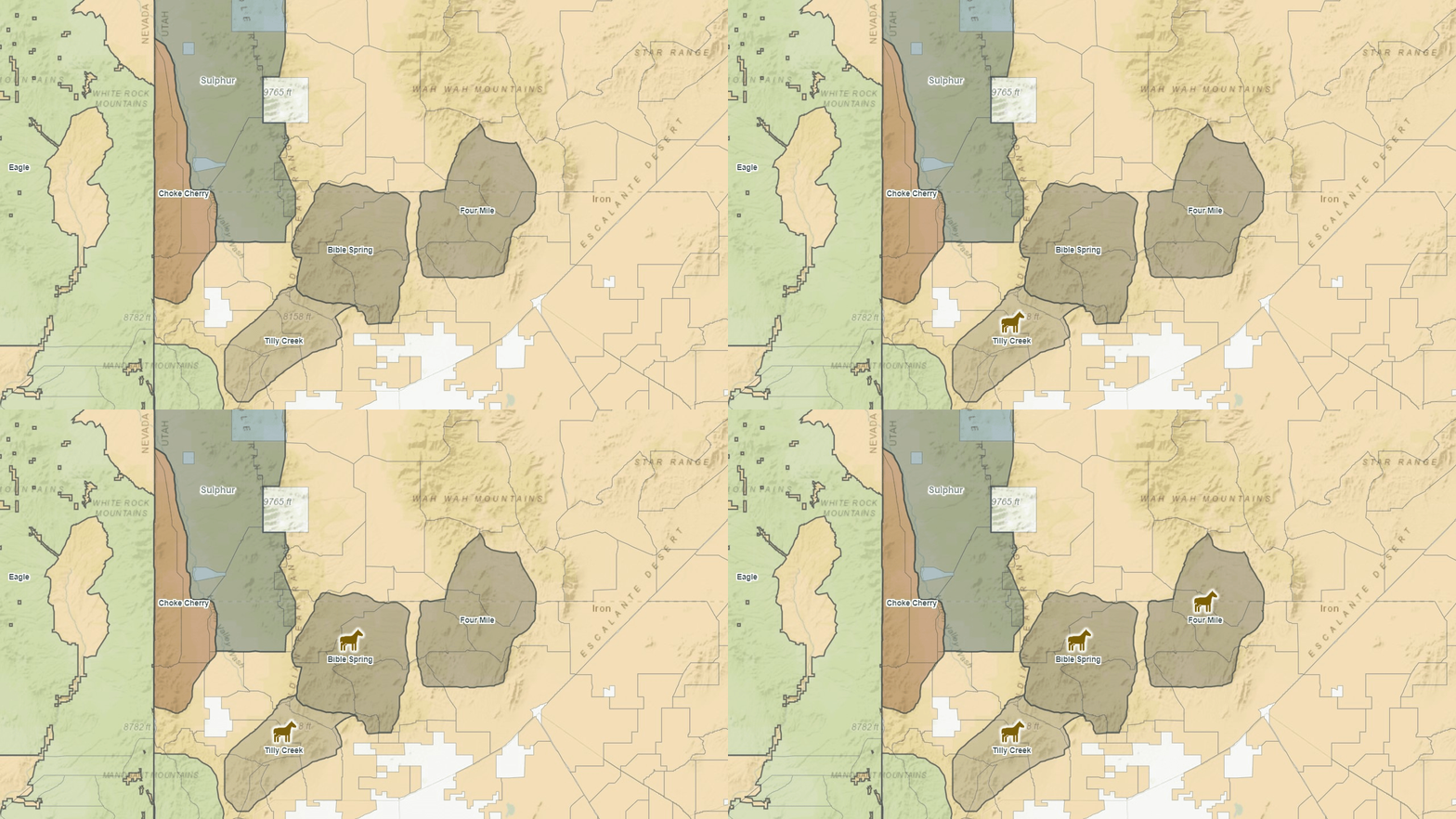
The Complex and surrounding lands are subject to permitted grazing.

Bible Springs Complex Map 02-24-22

Day 11 ended with 47 unaccounted-for animals.

Mares treated with fertility control would be returned to the area at a later date.

Other statistics:

  • Horses allowed by plan (AML): 170
  • Forage assigned to horses: 2,040 AUMs per year
  • Pre-gather population: 831
  • Forage liberated to date: 3,420 AUMs per year
  • Water liberated to date: 2,850 gallons per day
  • Forage assigned to livestock: 9,890 AUMs per year (estimated)
  • Horses displaced from Complex by permitted grazing: 817
  • True AML: 987
  • Stocking rate at new AML: 4.6 horses per thousand acres
  • Horses displaced from Complex by drilling and mining: Ask the advocates

RELATED: Bible Springs Roundup, Day 9.

Cedar Mountain Decision Issued

The Decision Record, which authorizes the Proposed Action with modifications, was copied to the project folder today along with the FONSI and Final EA.

The BLM will gather and remove excess horses in and around the HMA, suppress population growth with one or more fertility control vaccines and equip some animals with GPS tracking devices over a ten-year period.

The initial roundup may occur by the end of the year, which was not mentioned in the news release.

RELATED: New Resource Enforcement Plan for Cedar Mountain Announced.

Triple B Roundup, Day 32

The incident began on July 17.  Gather stats through August 17:

  • Target: Horses
  • Type: Planned
  • Method: Helicopter
  • Category: Cruel and costly
  • Captured: 1,287, up from 1,189 on Day 30
  • Average daily take: 40.2
  • Capture goal: 1,900
  • Removal goal: 1,800
  • Returned: None
  • Deaths: 20, no change from Day 30
  • Shipped: 1,211, up from 1,168 on Day 30

The figures above are based on the daily reports, not the totals posted by the BLM.

Gather ops resumed on Day 31 after a three-day hiatus.

The death rate is 1.6%.

The capture total includes 451 stallions, 624 mares and 212 foals.

Youngsters represented 16.5% of the animals gathered.

Of the adults, 42.0% were male and 58.0% were female.

The herd can’t be growing at a rate of 20% per year with a birth rate of 17% per year.

A better estimate would be 12% per year, assuming a death rate of 5% per year.

The observed percentages of stallions and mares cannot be attributed to a simple random process centered at 50% males / 50% females.

Abnormal sex ratios are often found in herds subject to the Montana Solution but not double-digit birth rates.

Body condition scores were not provided.

The location of the trap was not disclosed.

The Complex and surrounding lands are subject to permitted grazing.

Triple B Complex Map 07-11-22

Day 32 ended with 56 unaccounted-for animals.

Mares treated with fertility control may be returned to the area at a later date.

Other statistics:

  • Horses allowed by plan (AML): 821
  • Forage assigned to horses: 9,852 AUMs per year
  • Pre-gather population: 3,475
  • Forage liberated to date: 15,444 AUMs per year
  • Water liberated to date: 12,870 gallons per day
  • Forage assigned to livestock: 49,188 AUMs per year (estimated)
  • Horses displaced from Complex by permitted grazing: 4,099
  • True AML: 4,911
  • Stocking rate at new AML: 3.0 horses per thousand acres
  • Horses displaced from Complex by drilling and mining: Ask the advocates

RELATED: Triple B Roundup, Day 30.

Moon Rocket to Search for New Grazing Opportunities?

The public-lands ranchers are students of history.

They’re not going to let another new world be overrun by horses that escape from explorers and settlers.

This time, they’re backing a plan that will assess the grazing potential of an area known as the Sea of Ubiquity, aptly named for a practice that occurs almost everywhere in the American west.

Moon Rocket on Launch Pad 08-17-22

If detected, new legislation would protect the resources and reserve them for privately owned cattle and sheep.

Land would be divided into allotments, to be managed exclusively for livestock, and ranchers would be shielded from the realities of a free market.

Taxes would be increased to pay for the program, with cattlemen reaping the benefits.

Critics condemn the plan as redistribution of wealth, a product of left-wing ideology.

Supporting the effort are numerous advocacy groups, who are redesigning their darting rifles for the lower-gravity environment.

“We’ve had an uphill battle on earth,” said one of their members, “too may people want the horses to succeed, not the livestock.”

Another delegate who attended the press conference said “This is our chance to get out in front, to stop those mustangs before they get started, a goal we’ve always held but were afraid to discuss.”

“Public support would dry up,” she lamented.

Complaint Targets Winnemucca Off-Range Corrals

Friends of Animals filed suit in U.S. District Court yesterday alleging that the BLM illegally approved plans for the facility, to be built by JS Livestock, according to a report posted this evening by AP News.

The complaint said the 2022 roundup schedule was based on the availability of the new feedlot, to be built on private land north of Winnemucca, NV.

RELATED: Winnemucca CAFO Approved.

UPDATE: The FOA news release includes a link to the complaint, which claims in paragraph 77 that JS Livestock does not have any experience in the containment, feeding and care of wild horses and burros.

South Steens Roundup Set for Next Month

The incident will begin on or around September 10, as noted in today’s news release.

The capture goal is 400 and the removal goal is 350, according to the latest schedule.

Horses will be pushed into the traps by helicopters and operations will be open to public observation.

Up to 25 mares will be treated with the Montana Solution and returned to the range, along with 25 stallions.

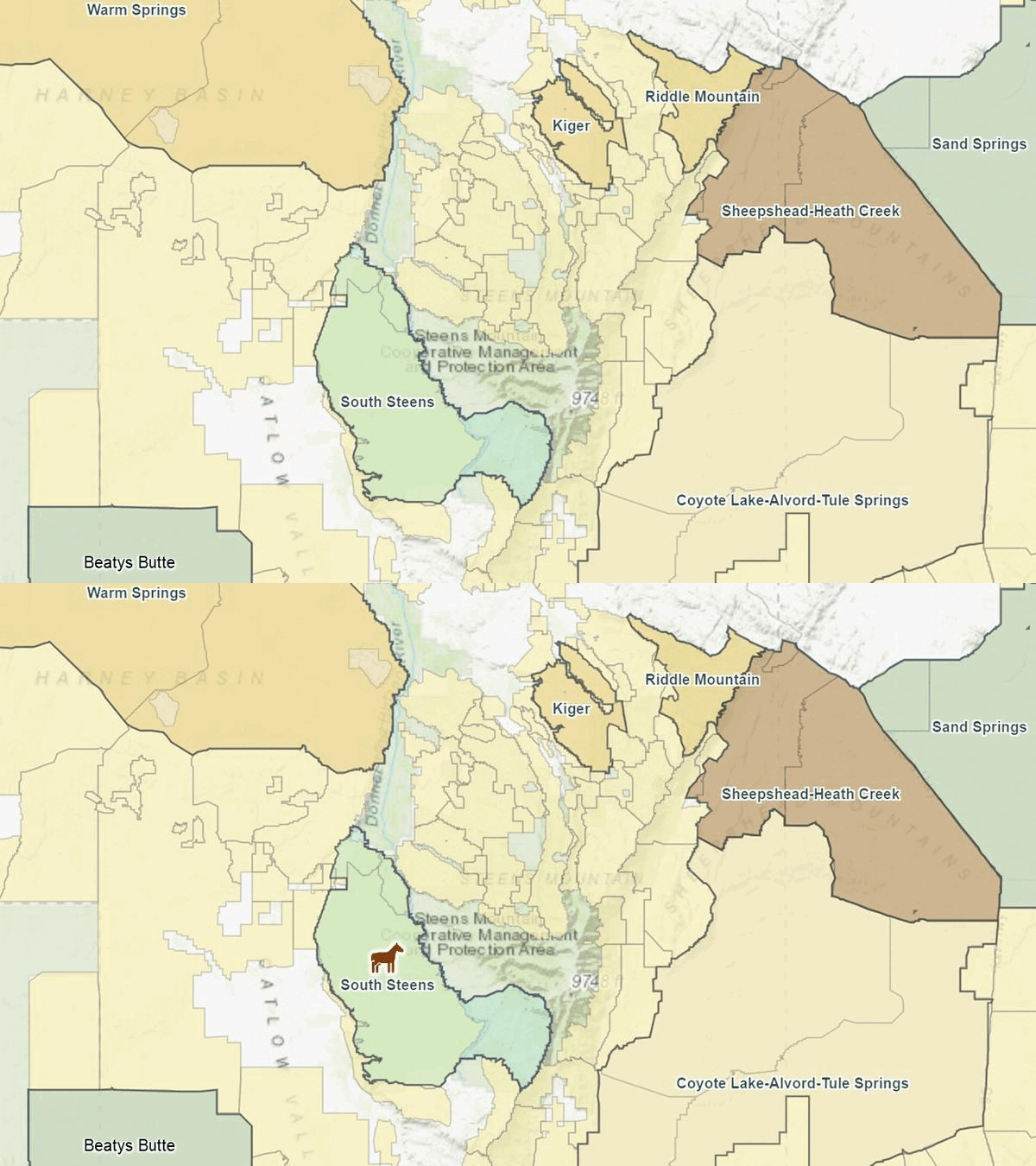
The HMA covers about 134,000 acres in southeastern Oregon.

The 304 horses allowed by plan require 3,648 AUMs per year.

The stocking rate allowed by plan is 2.3 horses per thousand acres.

The current population is thought to be 1,370 including foals.

South Steens HMA Map 08-17-22

Most of the HMA is subject to permitted grazing.  Livestock receive an estimated 10,299 AUMs per year, enough to support 858 wild horses.

The BLM will collect $13,904 in grazing fees from ranching operations inside the HMA, while it spends about $1.6 million per year to care for the 858 horses displaced thereby.

Captured animals will be taken to the off-range corrals in Hines.

Gather stats and daily reports will be posted to this page.

RELATED: South Steens Wild Horses Get Short End of Stick.

Twin Peaks Roundup Ends

The incident concluded on August 15, according to a statement at the gather page, with 2,111 horses captured, 2,075 shipped, 27 released and 31 dead.

More horses were processed than captured.

The totals, based on the daily reports, were 2,111 horses captured, 2,076 shipped, none released and 31 dead, leaving four unaccounted-for animals.

The death rate was 1.5%.

The operation also took 339 burros off the HMA, according to the gather page, with 339 shipped, one released and none dead.

More burros were processed than captured.

The totals, based on the daily reports, were 339 burros captured, 236 shipped, none released and no deaths, with 103 unaccounted-for animals.

The unaccounted-for burros likely correspond to those gathered on August 11, when no shipments were reported.

Foals represented 16.6% of the horses gathered and 10.6% of the burros, considerably less than the 25% needed for herd growth rates of 20% per year.

Data quality was poor.

The capture goal for horses increased from 1,978 to 2,106 on August 8.

The removal goal increased from 1,868 to 1,996.

The capture and removal goals for burros were unchanged at 339.

A CBS film crew documented the action on July 26.

The BLM news release, posted today, omits most of these details.

RELATED: Twin Peaks Roundup Announced.

YPG Roundup in Progress

The incident began on August 6, according to the gather page, with 30 burros captured, none shipped and no deaths.

As of August 14, 61 animals have been trapped, 49 have been shipped and no deaths have been reported.

The capture total includes 24 jacks, 28 jennies and nine foals.

Youngsters represented 14.8% of the animals gathered.

Of the adults, 46.2% were male and 53.8% were female.

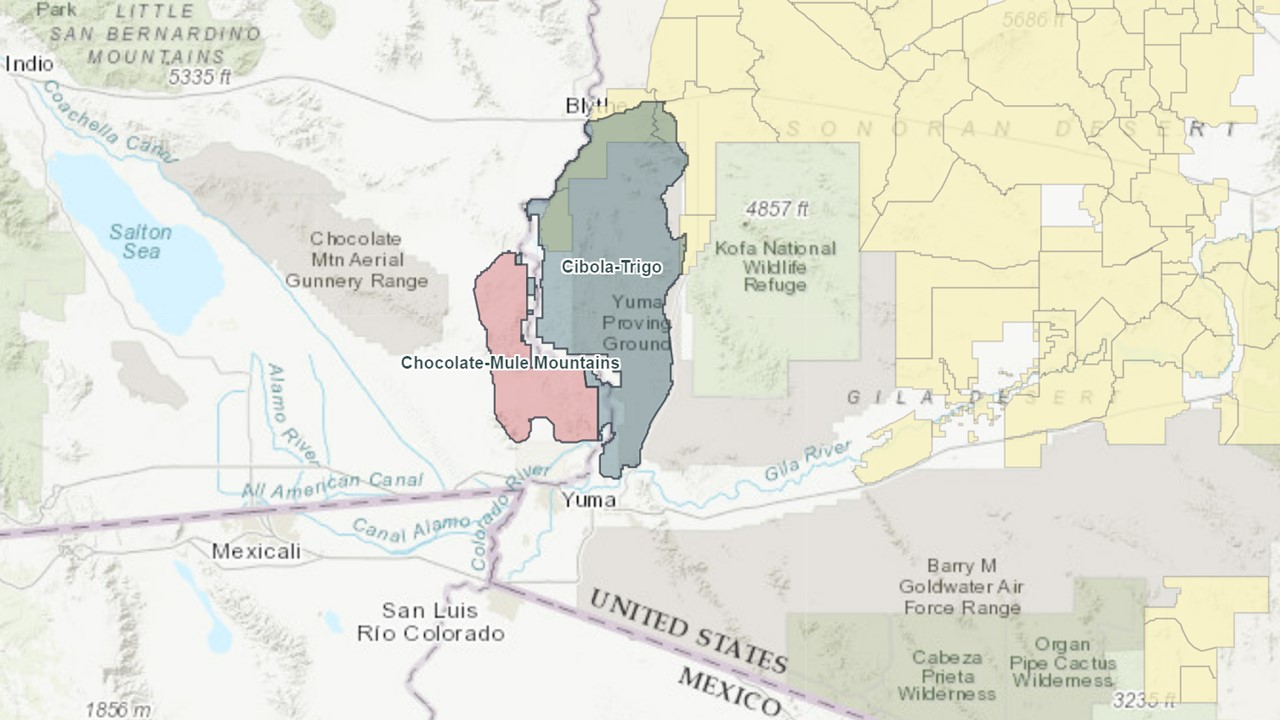
The location of the trap site is not known but the burros are associated with the Cibola-Trigo HMA, which overlaps the Yuma Proving Ground.

Cibola-Trigo HMA Map 07-15-22

Day 9 ended with 12 unaccounted-for animals.

The capture and removal goals are 80 each according to the latest schedule.

The roundup was not announced at the BLM news site.

RELATED: BLM to Remove Wild Burros from Yuma Proving Ground?

Bible Springs Roundup, Day 9

The incident began on August 7.  Gather stats through August 15:

  • Target: Horses
  • Type: Planned
  • Method: Helicopter
  • Category: Cruel and costly
  • Captured: 224, up from 184 on Day 7
  • Average daily take: 24.9
  • Capture goal: 450
  • Removal goal: 410
  • Returned: None
  • Deaths: 1, no change from Day 7
  • Shipped: 153, up from 110 on Day 7

The figures above are based on the daily reports, not the totals posted by the BLM.

The death rate is 0.4%.

The capture total includes 71 stallions, 105 mares and 48 foals.

Youngsters represented 21.4% of the animals gathered.

Of the adults, 40.3% were male and 59.7% were female.

A birth rate of 21% is consistent with a growth rate of 16% per year, assuming a death rate of 5% per year.  Land managers often use 20% per year to predict herd sizes and justify resource enforcement actions.

Body condition scores were not given.

The location of the trap was not disclosed.

The Complex and surrounding lands are subject to permitted grazing.

Bible Springs Complex Map 02-24-22

Day 9 ended with 70 unaccounted-for animals.

Mares treated with fertility control would be returned to the area at a later date.

Other statistics:

  • Horses allowed by plan (AML): 170
  • Forage assigned to horses: 2,040 AUMs per year
  • Pre-gather population: 831
  • Forage liberated to date: 2,688 AUMs per year
  • Water liberated to date: 2,240 gallons per day
  • Forage assigned to livestock: 9,890 AUMs per year (estimated)
  • Horses displaced from Complex by permitted grazing: 817
  • True AML: 987
  • Stocking rate at new AML: 4.6 horses per thousand acres
  • Horses displaced from Complex by drilling and mining: Ask the advocates

RELATED: Bible Springs Roundup, Day 7.

Triple B Roundup, Day 30

The incident began on July 17.  Gather stats through August 15:

  • Target: Horses
  • Type: Planned
  • Method: Helicopter
  • Category: Cruel and costly
  • Captured: 1,189, no change from Day 27
  • Average daily take: 39.6
  • Capture goal: 1,900
  • Removal goal: 1,800
  • Returned: None
  • Deaths: 20, no change from Day 27
  • Shipped: 1,168, up from 1,092 on Day 27

The figures above are based on the daily reports, not the totals posted by the BLM.

Helicopters did not fly on Days 28 to 30.  No explanation was given.

The death rate is 1.7%.

The capture total includes 420 stallions, 577 mares and 192 foals.

Youngsters represented 16.1% of the animals gathered.

Of the adults, 42.1% were male and 57.9% were female.

The herd can’t be growing at a rate of 20% per year with a birth rate of 16% per year.

A better estimate would be 11% per year, assuming a death rate of 5% per year.

The observed percentages of stallions and mares cannot be attributed to a simple random process centered at 50% males / 50% females.

Abnormal sex ratios are often found in herds subject to the Montana Solution but not double-digit birth rates.

Body condition scores were not provided.

The location of the trap was not disclosed.

The Complex and surrounding lands are subject to permitted grazing.

Triple B Complex Map 07-11-22

Day 30 ended with one unaccounted-for animal.

Mares treated with fertility control may be returned to the area at a later date.

Other statistics:

  • Horses allowed by plan (AML): 821
  • Forage assigned to horses: 9,852 AUMs per year
  • Pre-gather population: 3,475
  • Forage liberated to date: 14,268 AUMs per year
  • Water liberated to date: 11,890 gallons per day
  • Forage assigned to livestock: 49,188 AUMs per year (estimated)
  • Horses displaced from Complex by permitted grazing: 4,099
  • True AML: 4,911
  • Stocking rate at new AML: 3.0 horses per thousand acres
  • Horses displaced from Complex by drilling and mining: Ask the advocates

RELATED: Triple B Roundup, Day 27.

Twin Peaks Roundup, Day 23

The incident began on July 23.  Gather stats through August 14:

  • Target: Horses and burros
  • Type: Planned
  • Method: Helicopter
  • Category: Cruel and costly
  • Horses captured: 2,111, up from 2,110 on Day 21
  • Burros captured: 292, up from 200 on Day 21
  • Average daily take: 91.8 horses, 12.7 burros
  • Capture goal: 1,978 horses, 339 burros, horses increased to 2,106 on Day 17
  • Removal goal: 1,868 horses, 339 burros, horses increased to 1,996 on Day 17
  • Horses returned: None
  • Burros returned: None
  • Horse deaths: 31, no change from Day 21
  • Burro deaths: None
  • Horses shipped: 2,076, up from 2,075 on Day 21
  • Burros shipped: 189, up from 97 on Day 21

The figures above are based on the daily reports, not the totals posted by the BLM.

The trap was moved on Day 22 or 23.

One burro and 27 horses have been returned to the HMA but this has not been documented in the daily reports.

The horse death rate is 1.5%.

The horse total includes 819 stallions, 942 mares and 350 foals.

Youngsters represented 16.6% of the horses captured.

Of the adults, 46.5% were male and 53.5% were female.

The burro total includes 149 jacks, 113 jennies and 30 foals.

Youngsters represented 10.3% of the burros gathered.

Of the adults, 56.9% were male and 43.1% were female.

The herd can’t be growing at a rate of 20% per year with a birth rate of 10%.

A better estimate would be 5% per year, assuming a death rate of 5% per year.

Body condition scores on Days 22 and 23 ranged from 4 to 5.

The trap is in the Dry Valley Home Range.

The HMA is subject to permitted grazing.

Twin Peaks HMA Map 07-19-22

Day 23 ended with four unaccounted-for horses and 103 unaccounted-for burros.

The horse capture goal has been reached and the burro goal is 86% complete.

Mares treated with fertility control will be returned to the area at a later date.

Other statistics:

  • AML: 758 horses and 116 burros, equivalent to 816 horses
  • Forage assigned to horses and burros: 9,792 AUMs per year
  • Pre-gather population: 3,316 horses and 401 burros, equivalent to 3,516 horses
  • Forage liberated to date: 27,084 AUMs per year
  • Water liberated to date: 22,570 gallons per day
  • Forage assigned to livestock: 27,178 AUMs per year (estimated)
  • Animals displaced from HMA by permitted grazing: 2,264 horses
  • True AML: 3,022 horses and 116 burros, equivalent to 3,080 horses
  • Stocking rate at new AML: 4.1 horses per thousand acres
  • Horses displaced from HMA by drilling and mining: Ask the advocates

RELATED: Twin Peaks Roundup, Day 21.

Chemehuevi Nuisance Roundup in the Works?

A new project has been created in ePlanning and a Categorical Exclusion has been posted with no opportunities for public comment.

The document includes a signed Decision Memorandum on page 17, suggesting the process is now in the appeal stage.

The Proposed Action would utilize bait traps to capture and remove approximately 275 nuisance burros outside the Chemehuevi HA and HMA, on tribal lands within the Chemehuevi Indian Reservation, Colorado River Indian Tribe lands and Metropolitan Water District private property.

The HMA occupies about one third of the HA, with 108 burros allowed by plan.

The maps in Attachment 1 show the arrangement.

The current population is thought to be 764, with burros drifting into populated areas causing disturbance within the Chemehuevi Indian Reservation, creating hazardous conditions to the public near highways and public health and safety issues on private property, according to the discussion in Section A of the CX.

A Chemehuevi roundup does not appear in the latest schedule.

Chemehuevi HMA Map 08-15-22

Bible Springs Roundup, Day 7

The incident began on August 7.  Gather stats through August 13:

  • Target: Horses
  • Type: Planned
  • Method: Helicopter
  • Category: Cruel and costly
  • Captured: 184, up from 121 on Day 5
  • Average daily take: 26.3
  • Capture goal: 450
  • Removal goal: 410
  • Returned: None
  • Deaths: 1, no change from Day 5
  • Shipped: 110, up from 69 on Day 5

The figures above are based on the daily reports, not the totals posted by the BLM.

The death rate is 0.5%.

The capture total includes 59 stallions, 86 mares and 39 foals.

Youngsters represented 21.2% of the animals gathered.

Of the adults, 40.7% were male and 59.3% were female.

A birth rate of 21% is consistent with a growth rate of 16% per year, assuming a death rate of 5% per year.  Land managers often use 20% per year to predict herd sizes and justify resource enforcement actions.

Body condition scores were not given.

The location of the trap was not disclosed.

The Complex and surrounding lands are subject to permitted grazing.

Bible Springs Complex Map 02-24-22

Day 7 ended with 73 unaccounted-for animals.

Mares treated with fertility control would be returned to the area at a later date.

Other statistics:

  • Horses allowed by plan (AML): 170
  • Forage assigned to horses: 2,040 AUMs per year
  • Pre-gather population: 831
  • Forage liberated to date: 2,208 AUMs per year
  • Water liberated to date: 1,840 gallons per day
  • Forage assigned to livestock: 9,890 AUMs per year (estimated)
  • Horses displaced from Complex by permitted grazing: 817
  • True AML: 987
  • Stocking rate at new AML: 4.6 horses per thousand acres
  • Horses displaced from Complex by drilling and mining: Ask the advocates

RELATED: Bible Springs Roundup, Day 5.