Saw this on Redfin.

The link pointed to a ten-acre parcel 14 miles east of Winnemucca.

Exposing the Hypocrisy, Lies and Incompetence of the Wild Horse Advocates
The Onaqui Catalogue Foundation reported earlier this year that the herd consisted of 144 males, 127 females, ten undetermined and 24 foals, for a total of 305, compared to an AML of 210.
The 2021 roundup took 435 wild horses into custody and returned 123 to the HMA, for a net removal of 312.
The BLM said the pre-gather population was over 475, plus that year’s foals.
Today, foals represent just 7.9% of the population, which is unnatural, a product of the darting program administered by the Wild Horses of America Foundation, not climate change or drought.
This amount is probably only two or three percentage points above the death rate, which was not given.
Why is it important to achieve and maintain AMLs? So ranchers can access most of the resources in the lawful homes of wild horses.
WITHOUT DARTING PROGRAMS
WITH DARTING PROGRAMS
These programs are safe, proven and reversible according to their adherents.
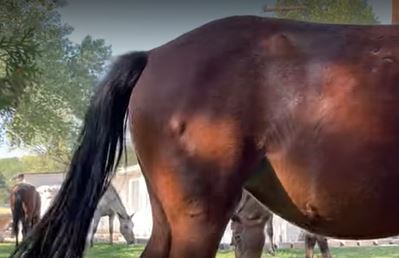
Those who disagree with permitted grazing, and don’t want the mares’ ovaries destroyed with a restricted-use pesticide, are derided by the charlatans at WHAF, who claim to be “in the know” and describe the concern as a “juvenile argument.”

A keyword search of their page about PZP yielded these results:
As for the wild horse shootings, two stallions were lost.
A herd composed of 281 adults should see around 50 new foals in a given year, a 17.8% birth rate, but only 22 were born in 2022.
That means the advocates got rid of 28 federally protected animals, 14 times more than the shooters.
Why hasn’t a warrant been issued for their arrest?
RELATED: Onaqui Reward Climbs.
The Utah Humane Society pledged $15,000 today, lifting the total to $37,500, according to a story by ABC4 News of Salt Lake City.
To date, no funds have been contributed from farm bureaus, stock grower’s associations or cattlemen’s groups.
RELATED: More on the Onaqui Poseurs.
The hypocrisy of the Campaign Against America’s Wild Horses and the National Mustang Association, contributors to the $22,500 reward for information about the shootings, are well known and have been documented previously.
Of two other groups pledging financial support, the Onaqui Catalogue Foundation does not appear to be a 501(c)(3) non-profit while the Red Birds Trust is.
Both groups endorse the Montana Solution.
Bios of the Onaqui team begin with suggested pronouns, a big red flag.
Theresa Orison, treasurer, is “married” to Sue Robbins.
The Board at Red Birds includes Alisa Graham, treasurer, also “married” to a woman.
The groups know much about wild horses but little about permitted grazing, apparently.
Has their access to the herd and inside information from the BLM been purchased at the price of silence?
A coalition was formed and a reward was established before the agency went public with news of the incident.
Overpopulation.
Mistreatment during roundups.
Illness and death in off-range holding.
Adoptions resulting in abuse and slaughter.
Why do the advocates harp about these things?
Because they have a better way.
These problems could be avoided if there were no wild horses.

This of course means the Montana Solution.
There are no other options.
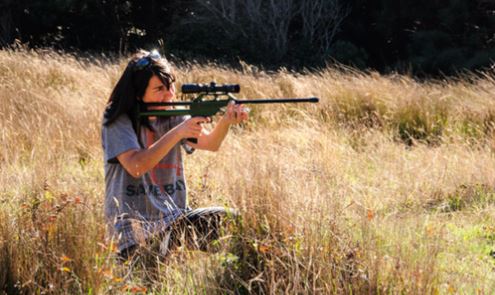
Sterility is the goal.
Ranching interests must prevail.
All roads lead to the Billings School of PZP Darting if you’re a wild horse advocate.
RELATED: Foal-Free Friday, Noticing Their Hypocrisy Edition.
An update at the GoFundMe page says $240,000 has been collected as of March 21.
Western Horse Watchers does not know if the property has been appraised and the asking price of $625,000 represents fair market value.
Other fundraising events have been scheduled for April.
RELATED: Museum Gets Another Month to Save Beebe Ranch.
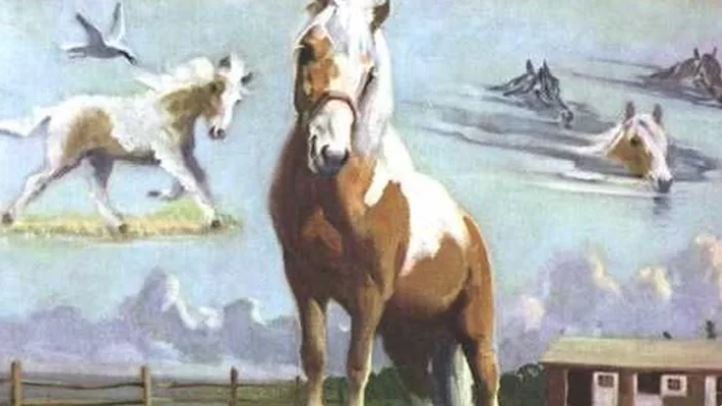
The ordinance, which would prohibit the feeding of wild horses within Sandoval County, failed in yesterday’s meeting, according to a story by KRQE News.
RELATED: Commissioners to Ban Feeding of Placitas Wild Horses?
The remains were discovered on March 19, according to a BLM news release.
Several poseurs joined the BLM in posting the $22,500 reward, including Suzanne Roy of the Campaign Against America’s Wild Horses, who said shooting these protected animals is a serious federal crime but did not acknowledge her role in the shooting of thousands of wild mares with a restricted-use pesticide.
Roy, of course, is trying to establish her bona fides with the bureaucrats and ranchers, hoping to become the dominant player in the wild horse removal industry.
The National Mustang Association runs cattle on a Utah allotment, consuming forage in areas set aside for wild horses. Rock solid advocates, those guys, just like CAAWH and dozens of other charlatans.
Most of the wild horses were taken off the Onaqui Mountain HMA in a 2021 roundup and the advocates are now working diligently to make sure the herd never comes back.
A well-defined problem is half solved. That may be true in some cases, but the other 50% comes from identification of causes, a concept that eludes the wild horse advocates.
For example, a column in today’s edition of The Nevada Independent indicates that tens of thousands of privately owned livestock graze on allotments overlapping the Pancake Complex in Nevada, an area identified for wild horses, yet only 638 such animals are allowed to live there.
This pattern occurs throughout the western U.S. not because the BLM failed to create HMAPs, as suggested by the author, but because it’s specified in the land-use plans.
HMAPs must comply with LUPs. If the LUP assigns 84% of the authorized forage to privately owned livestock in an area set aside for wild horses, so will the HMAP.
Drilling and mining affect anywhere from a few acres to a few thousand acres, not mentioned by the writer, while public-lands ranching devours entire HMAs and beyond. There’s no comparison.
As for the advocates, articles like this keep their base fired up and the donations rolling in, while accomplishing nothing useful for America’s wild horses.
RELATED: The Truth About HMAPs.
There were 124 wild horses on the island at the end of the year, according to an undated report by the Park Service, up from 121 at the end of 2021.
The growth rate was 2.5%, considerably less than the rate for free-roaming herds in the American west (provided the advocates are not involved).
Thirteen foals were born in 2022, for a birth rate of 10.7%.
Nine horses died.
One of the foals was removed illegally.
The herd was 61% female and 39% male.
The report said that some females are living longer, typical of herds subject to the Montana Solution.
Readers of these pages know that as a euphemism for abnormal sex ratio.
Contrary to what you read in this column by Tracy “You need to manage the numbers to fit what’s available for the horses” Wilson, field marshal for the Campaign Against America’s Wild Horses, the people of Nevada should tell their state representatives not to pass SB90 until the following language is removed:

No glorifying, legitimizing or ratifying the darting program and those involved, an affront to Velma’s legacy.
In her March 7 testimony before the Nevada Senate Natural Resources Committee, Wilson described the poisoning of the Virginia Range mares as the world’s largest wild horse conservation program.
With the effort moving into its fifth year, many are now at risk of sterility.
RELATED: We’re Out for Ourselves!
The loss was probably due to natural causes, according to a story posted this morning by The Charlotte Observer.
The current population on Shackleford Banks is thought to be around 120.
The article did not indicate if the mare had been treated with the Montana Solution.
Near Pahrump, NV with Robert Witham.
It defies the overpopulation and carrying capacity narratives.
You can’t be telling the American people that public lands in the western U.S. can only support one wild horse per thousand acres (27,000 animals on 27 million acres) while the Virginia Range is carrying ten (3,000 animals on 300,000 acres).
It must be erased, and the advocates are eager to help.
The population target of 600 animals, mentioned at the March 7 hearing for SB90, means an 80% reduction in herd size, at least, exactly what Velma was trying to stop.
As for the advocates, they are fools. Don’t give them a penny.
RELATED: Why Oppose SB90?

The allotment offers 3,325 AUMs per year on 186,083 public acres, as noted last week.
Is that good or bad?
Forage availability works out to 17.9 AUMs per year per thousand public acres, enough to support 1.5 cow/calf pairs, or 1.5 wild horses, per thousand public acres.
That’s not very much, when you realize the Virginia Range is carrying ten, or at least it did before the advocates got involved.
For comparison, the allotments in Sand Wash Basin HMA offer a weighted average 117.6 AUMs per year per thousand public acres, enough to support an additional 9.8 wild horses per thousand public acres, on top of the 2.4 wild horses allowed by plan.
This is what sinks the overpopulation narrative, repeated constantly by the advocates, not by what they say but by what they do.
The limited amount of forage on Majuba explains why the Antelope Range HA was zeroed out and why the doctrine of multiple use goes out the window in such cases.
The advocates are working with BLM staff at Palomino Valley to purchase 18 animals trapped last month in a nuisance roundup, according to a story on page 11 of the March edition of Horse Tales.
The studs will be cut and the mares may be sterile, thanks to the darting program.
The sanctuary is not open to the public.
The deadline has been extended to April 30 to match the developer’s offer.
The total as of today has passed $200,000.
Donations accepted at the Beebe Ranch GoFundMe page.
RELATED: Beebe Ranch Fundraiser, Day 10.
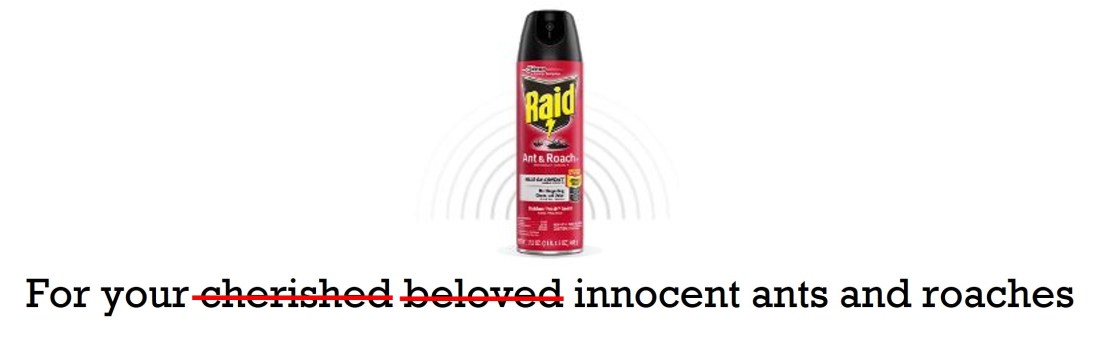
What would you say about an exterminator that urges you to write your elected officials demanding more and more funding for pest control, which he markets as protection?
Moreover, eradication of the pests from their lawful homes leaves more food and water for their enemies.
That’s the Campaign Against America’s Wild Horses, evident in this call to action on the propaganda page managed by Lucky Three Ranch.
Totally self-serving!
Nobody trumpets the overpopulation narrative like CAAWH.
File under: Charlatans.
The measure was defeated yesterday in a Senate vote that favored ranchers and livestock groups, according to a story by The Colorado Sun.
Amendments last month stripped the legislation of its original intent, transforming it into livestock transportation bill.
RELATED: Senate Committee Tries to Alter Colorado Anti-Slaughter Bill.
Advocates with the Salt River Wild Horse Darting Group, an affiliate of the Campaign Against America’s Wild Horses, said on March 14 that “It’s never nice to disturb any wild animals, but to come in with gloves and lasso and pursue Salt River wild horses will get you in deep trouble here, because the Salt River wild horses are protected from harassment and interfering by State law.” Click on image to read the story.

There are no foals in the photos, because the advocates have poisoned the mares with a restricted-use pesticide.
Apparently, riding your horse on public lands is harassment, but stalking wild horses with phones, tablets and darting rifles, with the intent of destroying their ovaries, is not.

If PZP was taken off the market, the advocates would have nothing, no reason to exist.
RELATED: Foal-Free Friday, Developing a Critical Eye Edition.

