
At Washoe Lake, southwest corner of Virginia Range, with Nomad Drone.
Category: Range
On the range
Beebe Ranch Fundraiser, Day 7
Commissioners to Ban Feeding of Placitas Wild Horses?
They’re taking public comment on the proposal, according to a story dated February 24 by the Corrales Comment.
The topic does not appear on their March 8 meeting agenda.
A web page managed by the County indicates that Mt. Taylor Mustangs was hired to apply the Montana Solution to the herd, which is considered the industry standard wildlife fertility control method that has been successfully used for decades.
Success, of course, means gradual extermination.
The fourth quarter update indicates 168 horses roaming in 22 bands, with 80 treatments delivered and six foals born in 2022.
A herd of that size would probably see eight to nine deaths in the same period, meaning the herd is probably shrinking, a hallmark of PZP darting programs.
Beebe Ranch Fundraiser, Day 5

Beebe Ranch Fundraiser, Day 4
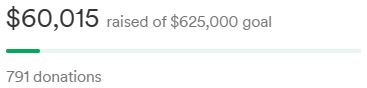
The numbers are changing minute by minute, but the total as of this evening represents about 6.6% of the goal.

The museum has 30 days to match the developer’s bid. Donations can be made here.
Chincoteague Museum Tries to Save Misty’s Ranch
The 10.3 acre farm, popularized by Marguerite Henry’s novel, is on the market and a developer has already offered $625,000, according to a story posted yesterday by Chesapeake Bay Magazine.
Staff with the Museum have launched a fundraising campaign to purchase the property and save it future generations.

The family prefers to sell to the museum, but it has only one month to raise the funds.
Donations are tax-deductible and can be made online or by mail.
Gila Cattle Shoot Fizzles?
Today’s news release says 19 animals were dispatched over three days of operations.
The project area was searched at least four times and no additional cattle were seen.
A news release dated February 16 said the best estimate was 150 head.
The number of animals injured and left to die was not reported.
The closure order covering the area of operations will be lifted tomorrow.
RELATED: Forest Service Acknowledges Source of Gila Livestock.
HJR3 Dead
A story posted today by the Cody Enterprise confirms the resolution failed in a split vote on February 16.
RELATED: HJR3 Stumbles in Senate?
BLM Reopens Clan Alpine Scoping Period
The agency seeks public input regarding historic properties in or near the project area, according to today’s news release.
The preferred method for submitting comments is at the project site on ePlanning, but a Participate Now button has not been added to the documents folder.
The project would gather and remove excess wild horses from in and around the HMA and implement a range of fertility control techniques to maintain the population within AML over a period of ten years.
RELATED: Clan Alpine Scoping Begins.
Mustang Monday
At the Needle Rock Day Use Area, Tonto National Forest, with Will Ohlund.
Last week’s episode was likely filmed at this location.
Forest Service Acknowledges Source of Gila Livestock
The issue started when a permittee abandoned cattle on the Redstone Allotment, according to the Decision Memo, copied to the project folder with other documents.
That happened in the 1970s according to remarks at the bottom of page two in the Response to Comments.
Scroll down to the documents section and click on the Decision folder to access these files.
Western Horse Watchers has been unable to find any news reports covering the killings, which were to start on February 23.
The Center for Biological Diversity, instigator of the Apache “Jumping Mouse” horse removal, supports this effort.
RELATED: Gila Cattle Shoot in Progress?
Gila Cattle Shoot in Progress?
The action was to resume yesterday, according to a notice dated February 16 by the Forest Service, and continue through February 26.
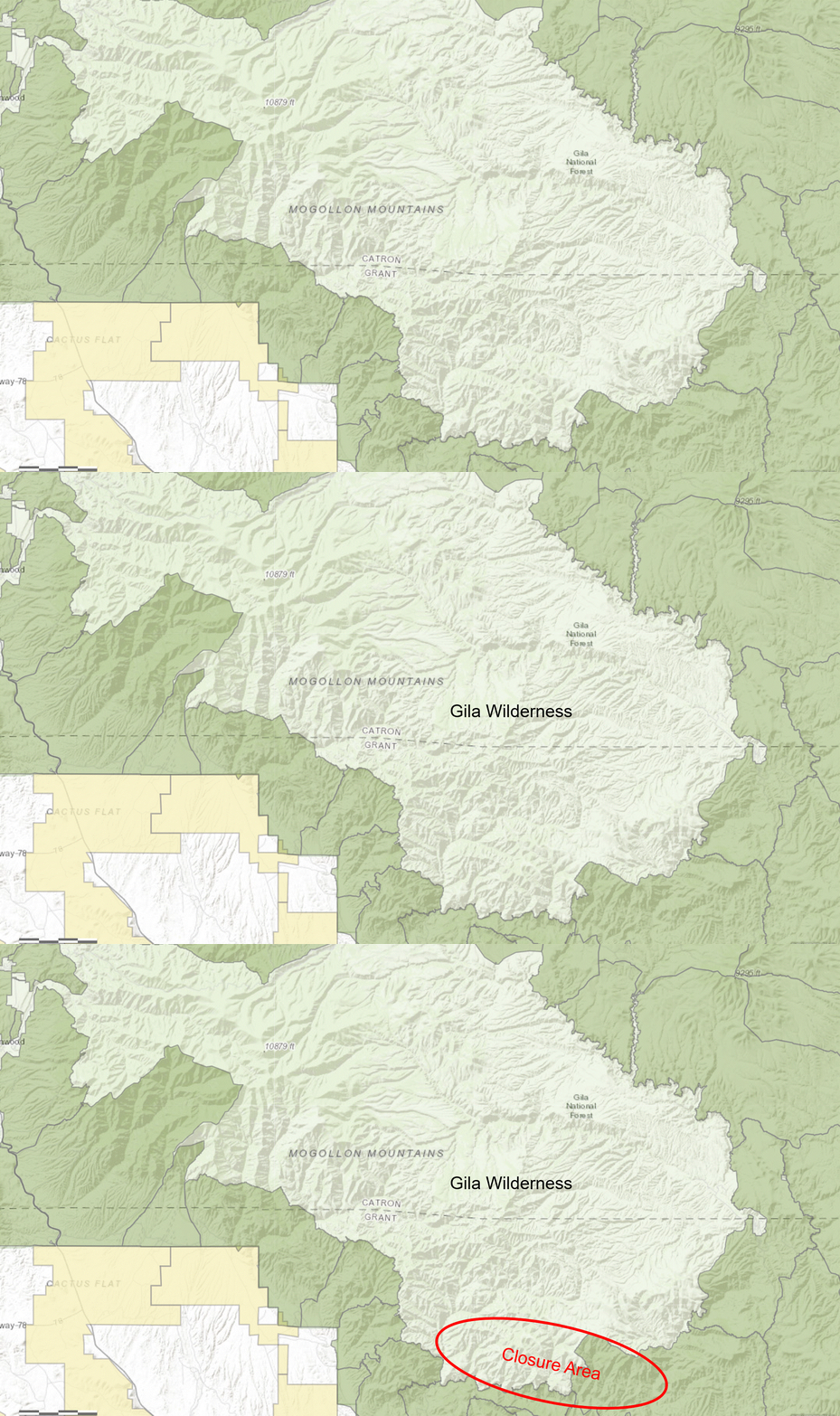
The closure area, effective February 20, is bounded by Turkey Creek to the north, the Gila River to the south, and extends eastward into the vacant Redstone Allotment.
The Gila Wilderness is surrounded by USFS grazing allotments, the likely source of the target animals. Click on image to open in new tab.
RELATED: Forest Service to Resume Aerial Shooting of Gila Livestock.
LRTC Seeks Volunteers for Large Animal Rescue Team
The 2023 spring training and certification cycle is starting now, according to a report by The Fernley Reporter.
The non-profit serves most of the Virginia Range and surrounding counties.
The article did not indicate if interventions have increased over the last five years as the horses scatter in fear of the advocates.
RELATED: Press Briefing for Virginia Range Horse Program?

Winnemucca Base Property Hits Market for $11.2 Million
The ranch covers 3,621 deeded acres along the Humboldt River, according to the agent’s listing, with grazing preference on the Sonoma Allotment.
The Allotment Master Report puts it in the Improve category, with 1,485 active AUMs.
The Authorization Use Report indicates a four-month grazing season.
Where do you suppose the cattle go during the off season?
Most of the public land, representing about 50% of the total, is in the Sonoma Range HA, as shown in the following map from the National Data Viewer. Click on image to open in new tab.
The new owner need not run cattle on Sonoma.
He could petition the BLM for a change in livestock type and season of use, as American Prairie did in Montana, allowing horses to return to a small part of their lawful home.

On the Nevada Checkerboard
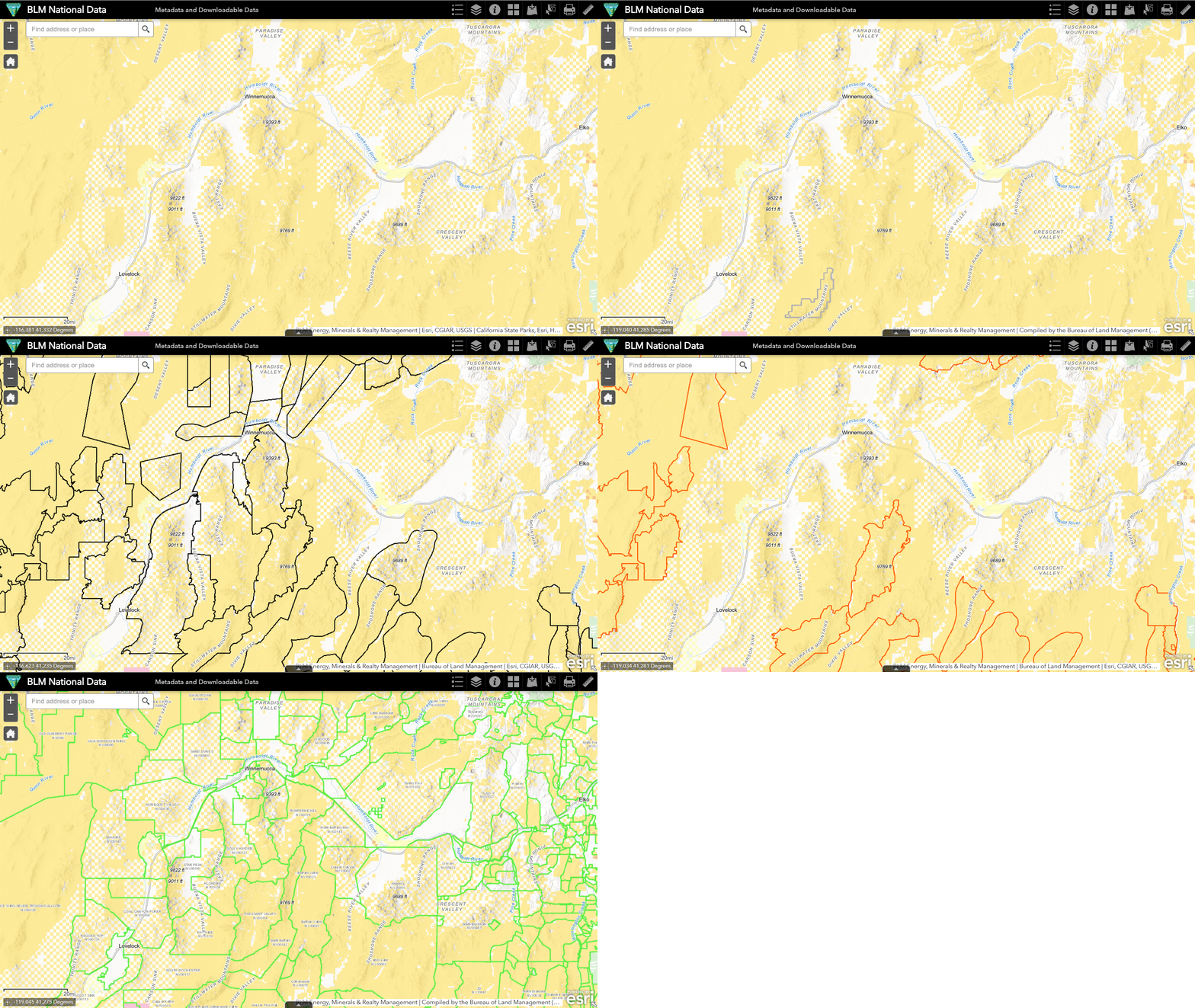
The following maps from the National Data Viewer show land designations along the I-80 corridor from Lovelock to Elko. Click on image to open in new tab.
BLM land is tan, private property is white.
First, areas of critical environmental concern, in gray.
Next, herd areas, in black, where wild horses were found in 1971.
In orange, herd management areas, with non-zero AMLs, a subset of the herd areas.
Finally, in green, the grazing allotments.
What’s the predominant use of public lands in this area?
New Grazing Fee Untouched by Inflation
The price for 2023 is $1.35 per AUM, same as last year, according to a BLM news release dated January 31.
Western Horse Watchers believes it was posted more recently but was backdated to bury it in the archives.
The announcement means the fee has been at rock bottom for three years in a row.
The price of hay in this area has gone from around $95 per AUM in 2021 to $180 per AUM in 2023.
The new fee goes into effect on March 1.
Mustang Monday
Somewhere in Arizona with Patrick Patterson.
The exact location was not given but the absence of youngsters suggests one possibility.
Senate Committee Tries to Alter Colorado Anti-Slaughter Bill
Two amendments were proposed yesterday in the Agriculture and Natural Resources Committee, L.007 and L.008.
They will not be incorporated into the bill unless adopted by the full Senate.
The changes would turn the measure into a livestock transportation bill, according to a report posted this morning by The Colorado Sun.
Slaughtering horses and burros for human consumption would become a crime under the original bill but with the amendments it would only establish tighter regulations when transporting twenty or more horses for slaughter.
Dan Waldvogle, director of the Rocky Mountain Farmers Union, which represents 17,000 farmers and ranchers in the state, said “Numerous cultures embrace horse consumption and we support their access to culturally relevant products and increasing their food sovereignty.”
You can monitor the status of SB23-038 at this page.
RELATED: Colorado Legislature Considers Bill to Prohibit Slaughter.
SB 301 Advances to New Mexico Judiciary Committee
The bill cleared the Senate Conservation Committee yesterday, according to a story by KRQE News.
A representative of Animal Protection Voters spoke in favor of the measure.
An APV fact sheet says the bill allows population suppression (PZP for mares, castration for stallions), relocation to other areas, transfer to rescues and preserves for sanctuary or adoption and euthanasia of horses with untreatable medical conditions.
Curiously, the Campaign Against America’s Wild Horses opposed the bill, claiming that it could undermine efforts to control free-roaming herds with contraceptives.
The status of the bill can be monitored at this page.
Foal-Free Friday, Spending Your Money Wisely Edition
Would you attend a conference organized by those who say PZP is not a pesticide?
Should you support an organization that
- Protects wild mustangs by destroying their ovaries with said pesticide?
- Admits they’re getting rid of wild horses and won’t tell you how far they plan to go?
- Wants to move free-roaming horses from their lawful homes to remote wilderness areas, leaving all of their food to the public-lands ranchers?
What about groups that
- Care far more about their standing with the bureaucrats and ranchers than they do about the horses?
- Want to be leaders in the wild horse removal industry?
- Won’t provide data for their darting programs, including herd sizes, demographics and changes year over year?
What about individuals that
- Refer to sterilized mares as self-boosting?
- Describe abnormal sex ratios as mares living longer?
- Say preservation when they mean eradication?
- Tell you the herds are aging out, not dying off?
- Want the ranchers to succeed, not the horses?
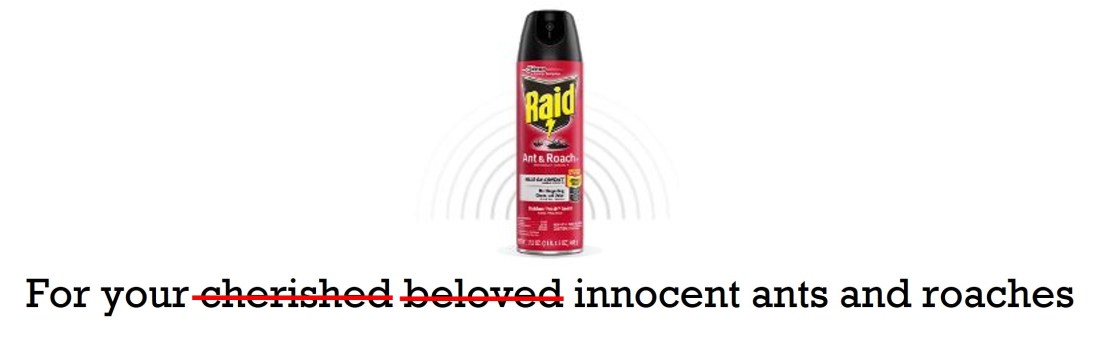
- Treat their cherished/beloved/innocent wild horses as pests.
What should you believe? Their words or their deeds?
RELATED: Foal-Free Friday, Fooling You with Euphemisms Edition.
 Western Horse Watchers Association