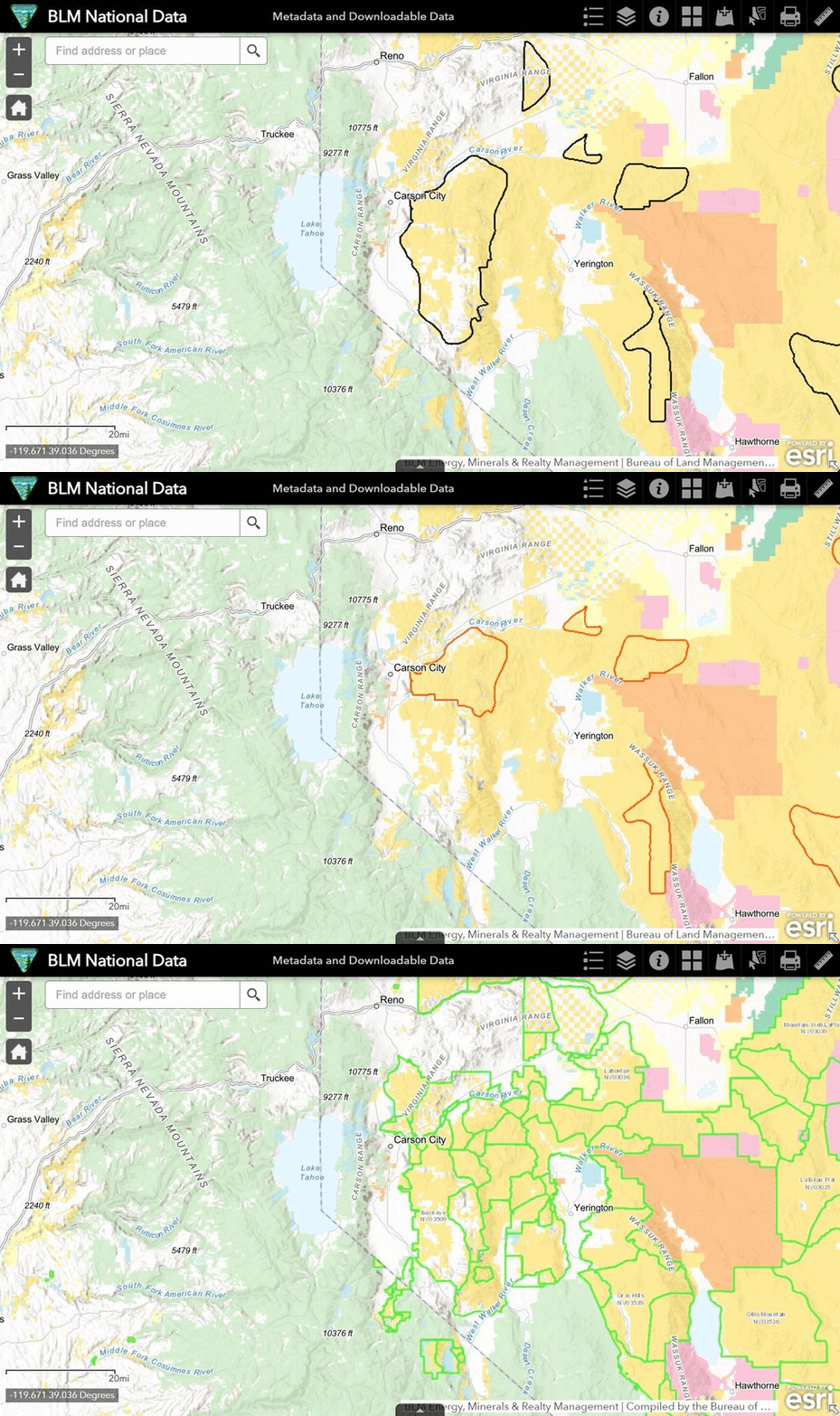
What Happened to the Pine Nut Mountains AUMs?

From the National Data Viewer.

First, the HA in black, just east of Carson City, an area identified for wild horses.

Next, the HMA, in orange, an area managed for wild horses, much smaller than the HA.

Finally, the grazing allotments, in green, an indication of what the Pine Nut advocates and their overlords at the Campaign Against America’s Wild Horses are trying to protect.

RELATED: Population Explosion Coming to Carson Valley?

What Happened to Pine Nut AUMs 01-01-23

Colorado Grazing Project Offers Hope for Wild Horses

The Proposed Action, Alternative B, would reissue 24 grazing permits on 36 allotments with updated terms and conditions to protect the Colorado hookless cactus and DeBeque phacelia, according to the scoping document.

The allotments and the affected species are shown in Figure 2.

Not shown in the map is the Little Book Cliffs WHR, which is west of and adjacent to Red Rock.  Click on image to open in new tab.
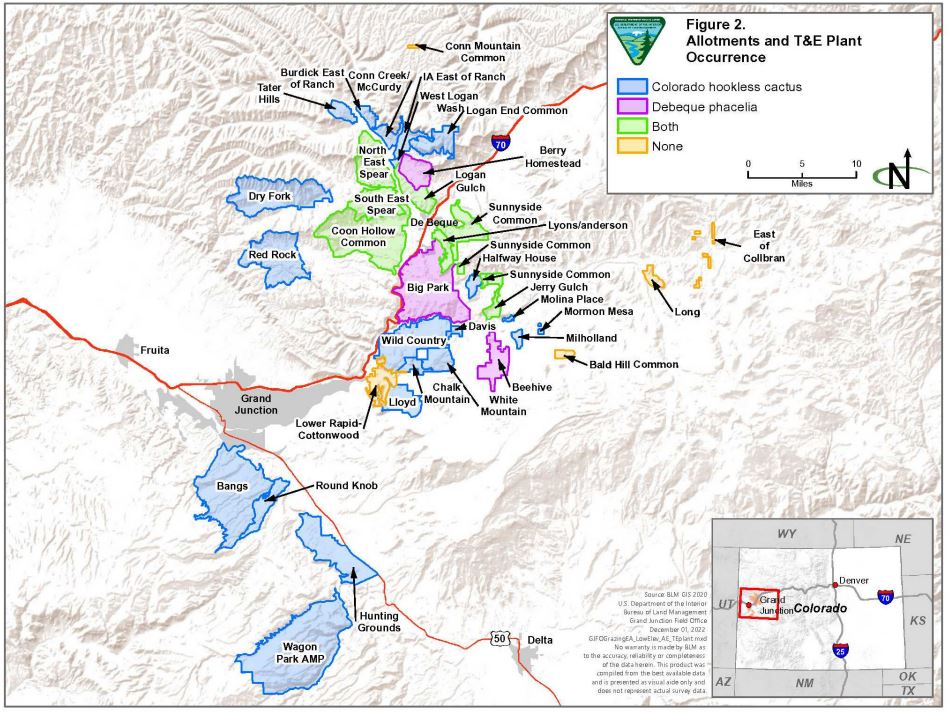
Figure 2 Colorado Scoping Document 12-31-22

Although comments will be accepted through January 10, Western Horse Watchers was unable to find the “Participate Now” button mentioned in the “How to Get Involved” section of the project.

Of interest to the wild horse world is Alternative C, the No Grazing option.

Under this alternative, public lands within the allotments would be devoted to a public purpose that precludes livestock grazing.  The grazing permits would be canceled on the 36 allotments, and use of the allotments by livestock would be discontinued.

The permittees would be given two years’ prior notification before their grazing permit and grazing preference were canceled as specified in 43 CFR 4110.4-2.

Further, no livestock grazing would be authorized after the termination date unless a new environmental analysis is completed which determines that livestock grazing could be authorized on all or some portion of the area.

Any private acreage within the allotments or private lands in close proximity to the allotments could continue to be grazed at landowners’ discretion.  However, landowners would be required to keep their livestock off BLM-administered public lands and additional fencing may be needed to prevent livestock from trespassing on said lands.

Livestock-related range improvements would be abandoned and/or removed and reclaimed where there is no clear benefit to other programs.

In short, confine the ranchers to their base properties in a year-round off season and let them pay market rates to feed their animals.

This is a much better option for our wild horses than the Wild Horse Fire Brigade.

RELATED: Wild Horse Fire Brigade Serves Ranchers, Not Wild Horses.
Ringleader Admits Her Group Is Getting Rid of Salt River Horses!

“Through our humane fertility control program, we make sure the population is reducing without ever removing one horse.”

Yep, we’re protecting them from removal by getting rid of them with PZP.

You won’t see one foal in the video.  How can that possibly bode well for the horses?

RELATED: Words Have Different Meanings in the Wild Horse World.

Foal-Free Friday, Auld Lang Syne Edition

The year saw some of the stupidest ideas yet from the advocates.

In the legislative arena, three bills come to mind:

All three died in committee, thankfully.  But they speak volumes about those who supported them.

Regarding their important work, the advocates came up with these profound ideas:

  • If we get rid of them, they can stay
  • We’re protecting them from removal by getting rid of them with PZP
  • If we don’t get rid of them, the BLM will
  • We’re changing the way wild horse herds are managed, not their land
  • We have a better way (to get rid of wild horses)
  • You have to manage the numbers to fit what’s available for the horses

It’s getting harder and harder to distinguish them from the tools of their trade.

Give them the boot in 2023.

RELATED: Foal-Free Friday, Christmas Wish Edition.

Students Learn About Darting 10-26-22

Alpine Horses Killed Because People Saw Harm They Caused?

That’s a possibility according to Bob Vahle, biologist and Region 1 Director for the Arizona Wildlife Federation, a hunting advocacy group.

Vahle told a reporter for Arizona PBS in a story posted today that the horses are competing with native wildlife.

“They may be competing with a permittee’s livestock … you think everybody loves horses, but I kind of take it in this situation, they’re looking at them as having impacts on habitat, impacts on the wildlife that they may like or impacts on maybe a rancher’s livelihood.”

So in those cases it’s okay to shoot them?

Contrary to what you read in the article, horses appear in the North American fossil record, cattle and sheep do not.

A spokesman for the Forest Servive said the best way to prevent future shootings is to get rid of them, the same approach used by the advocates to stop roundups.

He indicated that adverse impacts to the forest are due to unauthorized non-native species, not authorized non-native species, suggesting that the real issue is not wild vs feral, but who’s robbing forage from whom.

Curiously, the writer noted that “Horses present during the passage of the Wild Horse and Burro Act are protected, but those that arrived after that or were born out there are considered unauthorized livestock and aren’t protected.”

RELATED: Alpine Roundup Continues as More Horses Found Dead.

How to Submit Useful Comments for Clan Alpine Scoping

Just remember that you’re dealing with a resource enforcement action, or livestock protection plan if you prefer, not an RMP amendment.

Concerns about forage allocations and management priorities, although valid, are outside the scope of the project.

Comments should focus on the removal of excess horses, achieving AML and keeping the population at that level, so ranchers can access their fair share of the resources.

That the area was identified for wild horses is of no consequence.

Here are some examples:

  • Revealing the location of horses near private property
  • Reporting damage to a road that may be used to haul captured horses
  • Offering to provide an aggressive darting program at no cost to the government
  • Encouraging the BLM to get the numbers down as soon as possible
  • Submitting photos of damage to livestock fencing

The careful observer will realize that this opportunity for public involvement is a ruse that maintains the status quo at the expense of America’s wild horses.

RELATED: Clan Alpine Scoping Begins.

Pile Burning This Week on the Virginia Range?

The December 20 news release said the BLM would burn piles of branches near Jackson Ranch in Genoa, NV and Geiger Grade in the Virginia City Highlands when enough precipitation has fallen to prevent the fires from spreading beyond the pile areas and road conditions allow safe access.

The forecast for Virginia City, slightly to the south, shows rain and snow most of the week, perhaps too much to get anything to burn.

Virginia City Forecast 12-26-22

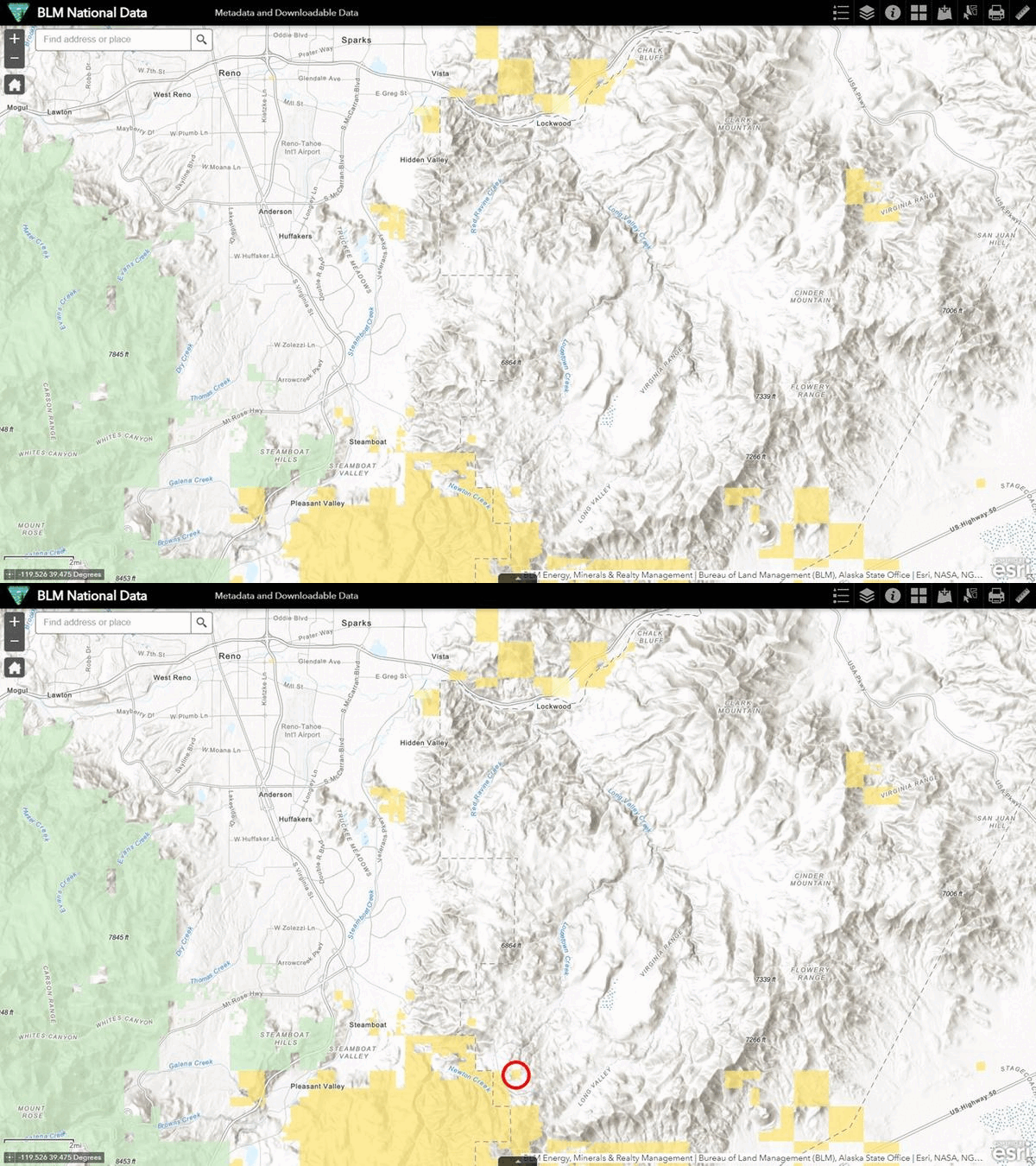
Most of the land in the Virginia Range is privately owned, denoted by white in this map from the National Data Viewer, but the BLM does control some acreage, denoted by tan.

Western Horse Watchers suspects the burns in the Highlands will occur on a 44-acre parcel surrounded by private lots, as shown in Storey County parcel map 03-18.

Pile Burning on Virginia Range 12-26-22

The announcement said the trees, probably pinyon pines and junipers, were thinned to reduce high severity wildfire and increase growth and vigor of the remaining trees.

Western Horse Watchers knows what you’re thinking: They sound like the advocates!

“If we get rid of them, they can stay.”

Speaking of the advocates, they have been pummeling the Virginia Range mares with their favorite pesticide for four years, and many are now at risk of sterility.

They do this not because they care about the horses but because they’re desperate for the approval of the bureaucrats and ranchers.

They are not having second thoughts about what they are doing.

Why are you still giving them money?

RELATED: Virginia Range Crimefighting Update for December.

How to Help the Bordo Atravesado Wild Horses

During the comment period for the draft EA, several advocates urged the BLM to reduce livestock grazing inside the HMA and/or shift livestock AUMs back to the horses, apparently unaware they were dealing with a resource enforcement action, or, if you prefer, a livestock protection plan, not an amendment to the land-use plan.

This is like asking a highway patrol officer to change the speed limit.  He doesn’t write them, he doesn’t review them, he enforces them.

Fortunately, the answer is in Appendix G of the Decision Packet.

“Changes to livestock grazing cannot be made through a wild horse and burro gather decision or through 4710.5(a), and are only possible if the BLM first revises the land-use plans to allocate livestock forage to wild horses and to eliminate or reduce livestock grazing.”

That would be the Socorro Resource Management Plan.

RELATED: Bordo Atravesado Decision Signed But Not Announced.

Wailing and Gnashing of Teeth at TRNP?

“And then everyone will look back at the tragedy of these horses being gone and why didn’t anyone try to save them?”

There is much consternation about the possible removal of wild horses from Theodore Roosevelt National Park, including this opinion piece dated December 23 in INFORUM, a news service based in Fargo, ND.

The horses you see today were put there by the Park Service.

The original herd, thought to be descended from Sitting Bull’s horses, is gone, thanks to the Park Service.

Some were rescued by Leo Kuntz and moved to his ranch near Linton.

He called them Nokotas.

The story unfolds in Nakota Heart, a 60-minute film you can watch on YouTube.

RELATED: Horses and Cattle to Be Removed from TRNP?

FY 2023 Omnibus Going Through Enrollment Process

That’s the current status according to a story posted this morning by The Hill.

Enrollment is an administrative step that verifies the accuracy of bill texts, confirms House and Senate actions and prepares the measure for delivery to the President.

A bill must pass both chambers in identical form before it can be printed and sent to the President.

As for the Omnibus, you know it’s bad for the country because liberals support it.

Similarly, you know an idea is bad for wild horses if the advocates endorse it.

RELATED: FY 2023 Omnibus Not Signed, Stopgap Measure Extended.

Sand Wash Advocates 01-17-22

Comparing the HAs and HMAs

From the National Data Viewer.  Forest Service not included.

Areas identified for wild horses and burros (HAs) in black.

Areas managed for wild horses and burros (HMAs) in orange.

Nullification is the process by which the administration and the unelected bureaucracy ignore laws they don’t agree with.

That’s what’s happening at the southern border and in the wild horse world.

Click on image to open in new tab.

RELATED: Resource Management in Pictures.

Comparing the HAs and HMAs 12-24-22

FY 2023 Omnibus Not Signed, Stopgap Measure Extended

A bill originally introduced as the Department of State, Foreign Operations and Related Programs Appropriations Act of 2022 was modified and rebranded as the Further Additional Continuing Appropriations and Extensions Act of 2023 and signed into law today according to a White House news release.

The Act provides temporary funding for the federal government through December 30.

The announcement did not indicate why the signing of the omnibus was delayed.

RELATED: FY 2023 Omnibus Clears House and Senate.

Bordo Atravesado Decision Signed But Not Announced

The Final EA, DR and FONSI were combined into one document and posted to the project folder on October 31.  The move was not announced at the BLM news site.

The Decision Record, signed on October 26, authorizes Alternative A, the Proposed Action, which calls for the removal of 190 excess wild horses in and around the HMA and the application of population control measures over a ten-year period.

The area is subject to permitted grazing and the new enforcement plan will ensure that the ranchers get their due.

RELATED: Bordo Atravesado Enforcement Plan Announced.

Bordo Atravesado HMA Map 07-31-22