The Consolidated Appropriations Act of 2023, HR 2617, was signed today according to a White House news release.
The fledgling roundup schedule may grow noticeably larger.
Western Horse Watchers Association
Exposing the Hypocrisy, Lies and Incompetence of the Wild Horse Advocates
On the range
The Consolidated Appropriations Act of 2023, HR 2617, was signed today according to a White House news release.
The fledgling roundup schedule may grow noticeably larger.
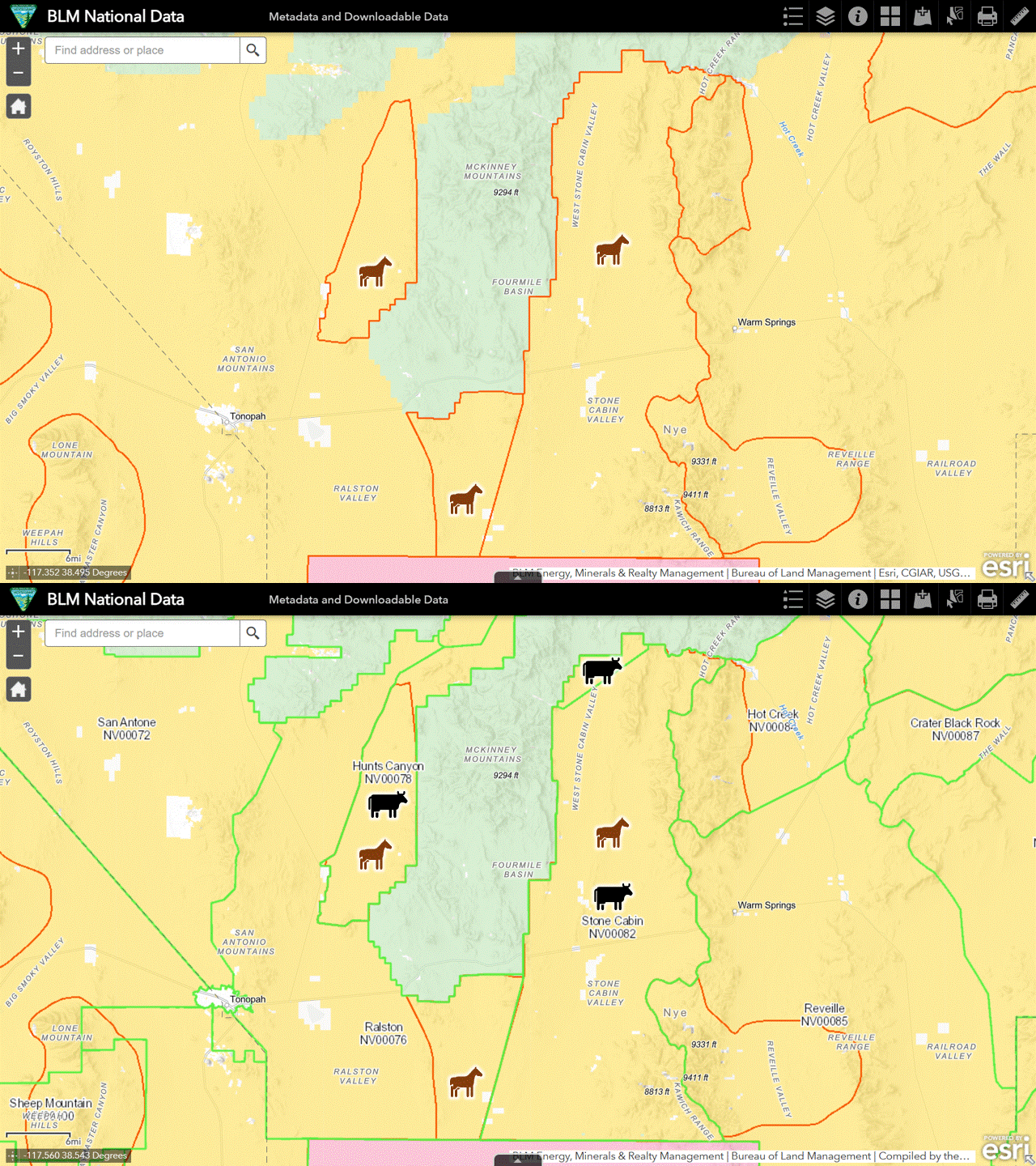
From the National Data Viewer.
First, the nearest HMAs, in orange.
Next, the former HMAs in black, unfit for wild horses.
Finally, the grazing allotments in green, managed exclusively for livestock.
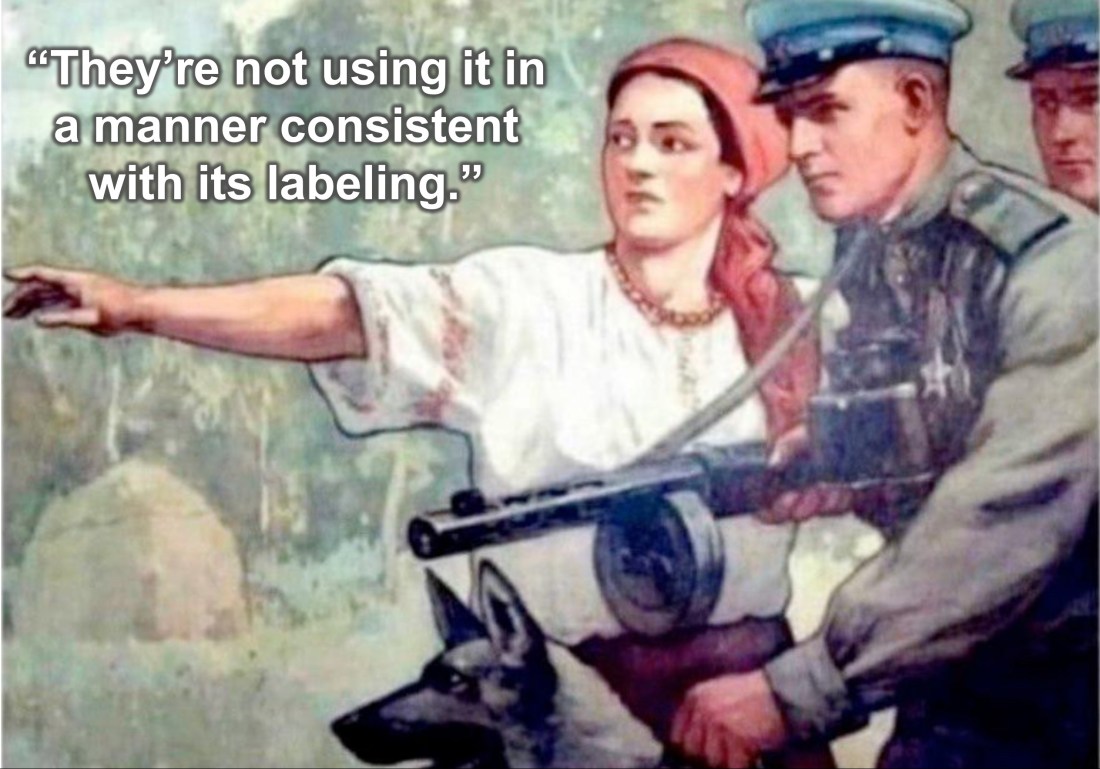
This is how the bureaucrats nullify laws they don’t agree with.
RELATED: Comparing the HAs and HMAs.
The winner named the foal “Tako Kichi,” according to a story by the Maryland Coast Dispatch, but the list maintained by AIA indicates “Take Kichi.”
RELATED: Assateague Filly Up for Naming.
Just remember that you’re dealing with a resource enforcement action, or livestock protection plan if you prefer, not an RMP amendment.
Concerns about forage allocations and management priorities, although valid, are outside the scope of the project.
Comments should focus on the removal of excess horses, achieving AML and keeping the population at that level, so ranchers can access their fair share of the resources.
That the area was identified for wild horses is of no consequence.
Here are some examples:
The careful observer will realize that this opportunity for public involvement is a ruse that maintains the status quo at the expense of America’s wild horses.
RELATED: Clan Alpine Scoping Begins.
The December 20 news release said the BLM would burn piles of branches near Jackson Ranch in Genoa, NV and Geiger Grade in the Virginia City Highlands when enough precipitation has fallen to prevent the fires from spreading beyond the pile areas and road conditions allow safe access.
The forecast for Virginia City, slightly to the south, shows rain and snow most of the week, perhaps too much to get anything to burn.

Most of the land in the Virginia Range is privately owned, denoted by white in this map from the National Data Viewer, but the BLM does control some acreage, denoted by tan.
Western Horse Watchers suspects the burns in the Highlands will occur on a 44-acre parcel surrounded by private lots, as shown in Storey County parcel map 03-18.
The announcement said the trees, probably pinyon pines and junipers, were thinned to reduce high severity wildfire and increase growth and vigor of the remaining trees.
Western Horse Watchers knows what you’re thinking: They sound like the advocates!
“If we get rid of them, they can stay.”
Speaking of the advocates, they have been pummeling the Virginia Range mares with their favorite pesticide for four years, and many are now at risk of sterility.
They do this not because they care about the horses but because they’re desperate for the approval of the bureaucrats and ranchers.
They are not having second thoughts about what they are doing.
Why are you still giving them money?
During the comment period for the draft EA, several advocates urged the BLM to reduce livestock grazing inside the HMA and/or shift livestock AUMs back to the horses, apparently unaware they were dealing with a resource enforcement action, or, if you prefer, a livestock protection plan, not an amendment to the land-use plan.
This is like asking a highway patrol officer to change the speed limit. He doesn’t write them, he doesn’t review them, he enforces them.
Fortunately, the answer is in Appendix G of the Decision Packet.
“Changes to livestock grazing cannot be made through a wild horse and burro gather decision or through 4710.5(a), and are only possible if the BLM first revises the land-use plans to allocate livestock forage to wild horses and to eliminate or reduce livestock grazing.”
That would be the Socorro Resource Management Plan.
RELATED: Bordo Atravesado Decision Signed But Not Announced.
“And then everyone will look back at the tragedy of these horses being gone and why didn’t anyone try to save them?”
There is much consternation about the possible removal of wild horses from Theodore Roosevelt National Park, including this opinion piece dated December 23 in INFORUM, a news service based in Fargo, ND.
The horses you see today were put there by the Park Service.
The original herd, thought to be descended from Sitting Bull’s horses, is gone, thanks to the Park Service.
Some were rescued by Leo Kuntz and moved to his ranch near Linton.
He called them Nokotas.
The story unfolds in Nakota Heart, a 60-minute film you can watch on YouTube.
RELATED: Horses and Cattle to Be Removed from TRNP?
That’s the current status according to a story posted this morning by The Hill.
Enrollment is an administrative step that verifies the accuracy of bill texts, confirms House and Senate actions and prepares the measure for delivery to the President.
A bill must pass both chambers in identical form before it can be printed and sent to the President.
As for the Omnibus, you know it’s bad for the country because liberals support it.
Similarly, you know an idea is bad for wild horses if the advocates endorse it.
RELATED: FY 2023 Omnibus Not Signed, Stopgap Measure Extended.

From the National Data Viewer. Forest Service not included.
Areas identified for wild horses and burros (HAs) in black.
Areas managed for wild horses and burros (HMAs) in orange.
Nullification is the process by which the administration and the unelected bureaucracy ignore laws they don’t agree with.
That’s what’s happening at the southern border and in the wild horse world.
Click on image to open in new tab.
RELATED: Resource Management in Pictures.
From the National Data Viewer. Forest Service not included.
Areas identified for wild horses and burros in black.
Areas managed for wild horses and burros in orange.
Areas designated for permitted grazing in green.
Who gets the lion’s share of the resources?
Click on image to open in new tab.
RELATED: Where Did All the AUMs Go?
A bill originally introduced as the Department of State, Foreign Operations and Related Programs Appropriations Act of 2022 was modified and rebranded as the Further Additional Continuing Appropriations and Extensions Act of 2023 and signed into law today according to a White House news release.
The Act provides temporary funding for the federal government through December 30.
The announcement did not indicate why the signing of the omnibus was delayed.
RELATED: FY 2023 Omnibus Clears House and Senate.
The scoping package was posted to the project folder on May 11, along with a news release, but the BLM news site was not included in the distribution channels.
Comments were due by June 10.
Three HMAs are affected. All are subject to permitted grazing.
RELATED: New Resource Enforcement Plan Coming to Owyhee Mountains?
The Final EA, DR and FONSI were combined into one document and posted to the project folder on October 31. The move was not announced at the BLM news site.
The Decision Record, signed on October 26, authorizes Alternative A, the Proposed Action, which calls for the removal of 190 excess wild horses in and around the HMA and the application of population control measures over a ten-year period.
The area is subject to permitted grazing and the new enforcement plan will ensure that the ranchers get their due.
The scoping letter was posted to the project folder on or about Deember 21.
Comments are due by January 20.
The project has not been announced at the BLM news site.
The letter may have been sent to interested parties and/or published in a newspaper of record.
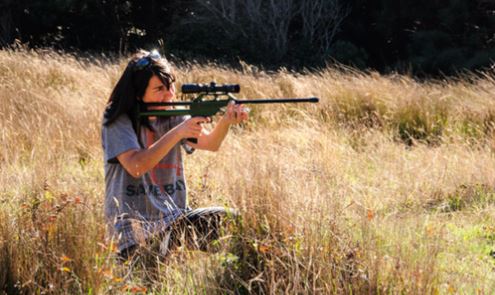
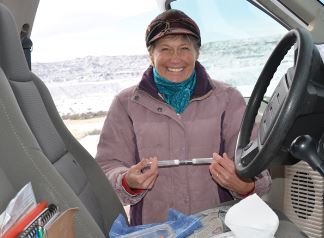
Advocates with the Salt River Wild Horse Darting Group, an affiliate of the Campaign Against America’s Wild Horses, believe every wild horse herd should have a humane management program like theirs.

That means they want every herd cut down to size (with the Montana Solution).
Western Horse Watchers knows what you’re thinking: They sound like the bureaucrats and ranchers!
That’s because they’re in bed with the bureaucrats and ranchers.
Let’s take a look at what they’re offering:
Whenever you see a reference to cruel and costly roundups, humane management, keep them wild and free, or help us protect our cherished/beloved/innocent wild horses, you know you’re being swindled.
Don’t give them a penny.
RELATED: Foal-Free Friday, Don’t Let Them Near the Horses Edition.

The video description says most of the cattle in Carson Valley (south of Carson City, NV) are getting ready to pop.
Babies will be everywhere!
The advocates would never suggest fertility control for livestock in areas designated for wild horses.
Only the animals they claim to protect.
Ever notice that?
File under: Charlatans.
Although a FY 2023 spending package was unveiled yesterday, the federal government runs out of money on December 23 because it has not been ratified by Congress and signed by the one-horse pony.
Therefore, the new schedule has likely been abbreviated and will grow when the bill becomes law.
The previous schedule had 14 darting programs. The new schedule has eight.
All but one of the eight roundups employ bait trapping by agency personnel.
The Beatys Butte roundup started on December 12, not on December 1 as originally announced, but there is no link for it on the Oregon gather page.
RELATED: FY 2023 Roundup Schedule Inching Closer to Publication?
The September Facility Report showed two preparation facilities in Nevada as of September 19, Fallon and Palomino Valley.
The November report shows three such facilities as of October 24, Fallon, Palomino Valley and Winnemucca, the third and newest with a capacity of 4,000 animals and current population of 143.
The report showed 505 animals at Winnemucca on November 21.
The facility is owned and operated by JS Livestock.
RELATED: Winnemucca CAFO Approved.
Yesterday’s report by The Epoch Times indicates 43 confirmed deaths, with 11 horses still missing.
You will be prompted to log in to continue reading. Western Horse Watchers copied the article to a text editor before the message appeared. CTRL+A, CTRL+C, CTRL+V.
The advocates hope that DNA testing will determine whether the herd is of domestic or wild lineage.
Between the removals and the shootings, they estimate that fewer than 200 of the original 400 horses in the herd remain.
The Forest Service has acknowledged none of this at the ASNF home page.
RELATED: Alpine Shooting Update.