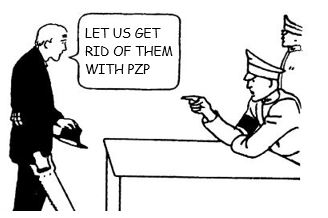
Since 2019 they’ve been stalking the mares across 300,000 acres in western Nevada and destroying their ovaries with a restricted-use pesticide.
Next year they’ll refer the animals as self-boosting, a code word for sterile.
Their goal is to win the approval of the bureaucrats and ranchers and spread the destruction over a much larger area, moving them into the upper echelon of the wild horse removal industry.
That’s how they protect wild horses.
But you won’t see any of that in this article about the Virginia Range darting program.
The story said that advocates with the Campaign Against America’s Wild Horses announced yesterday that their four-year long fertility control effort is reducing births and could set a new model for managing wild herds but did not say where or how the announcement was made.
Now they’re praising HR 726, legislation that would protect wild horses and burros on federal lands, reduce or eliminate the need for inhumane helicopter roundups, and provide jobs and avenues for healing American veterans with Post Traumatic Stress and other disorders resulting from combat, according to a news release on EIN by Animal Wellness Action.
This would be accomplished by stalking the mares and jennies in their lawful homes and destroying their ovaries with a restricted-use pesticide.
Getting rid of wild horses is their job, not the government’s.
The possibility of a nuisance gather was mentioned in the January edition of Horse Tales, in a column starting at the top of page four.
The author, a real estate agent, PZP darter and pleader for the public-lands ranchers, was interviewed for a story about the removal by The Record-Courier of Minden, NV.
Five horses were captured and taken to the off-range corrals at Palomino Valley.
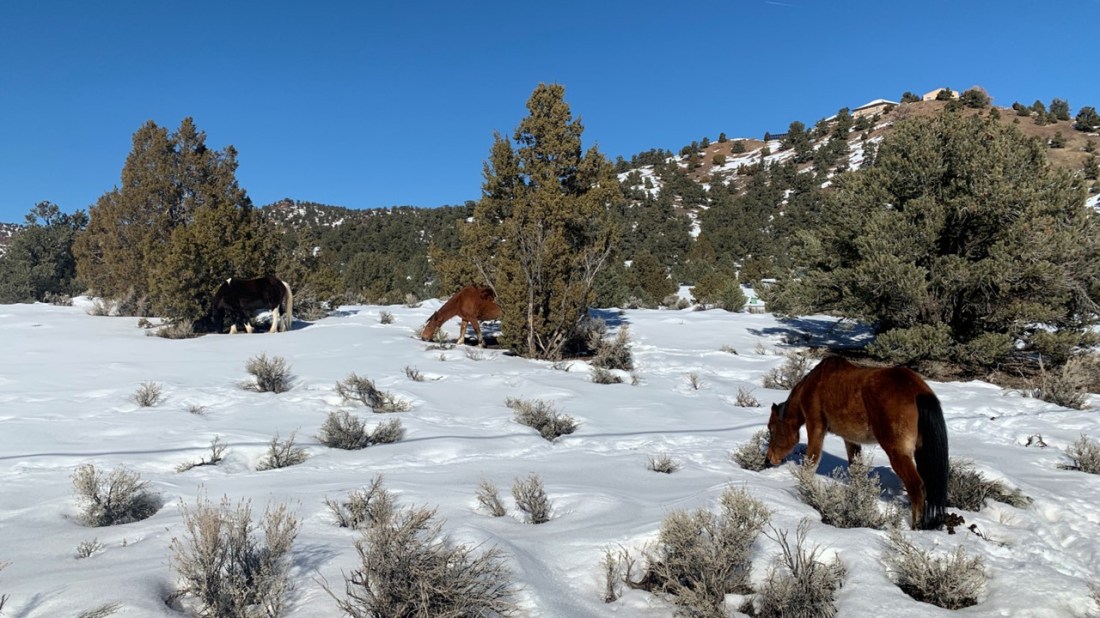
Note the absence of youngsters in the photo. This is the handiwork of the advocates.
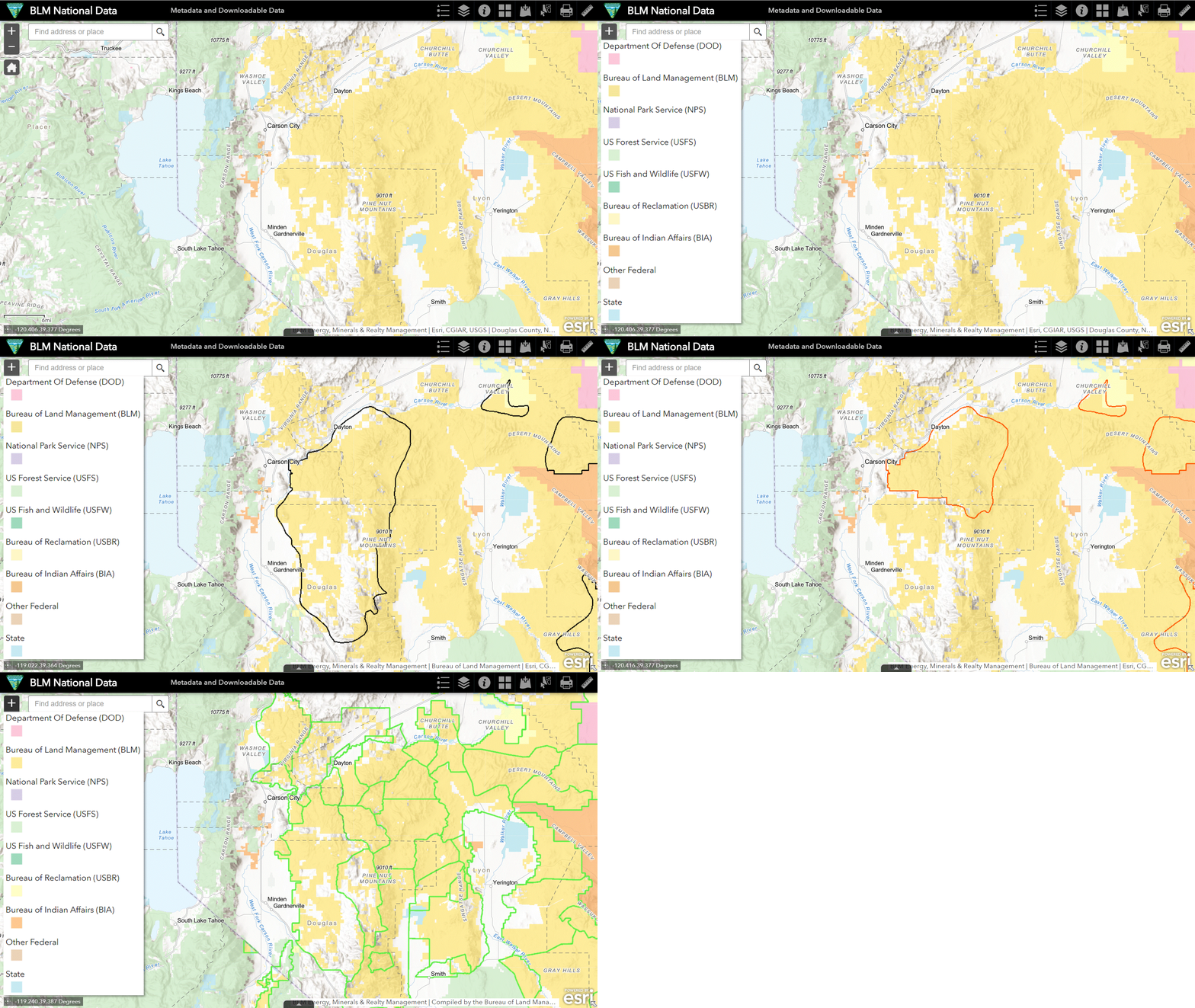
The horses don’t have to compete with cattle according to the article, although the National Data Viewer suggests otherwise.
In this map, the Pine Nut HA is shown in black, the HMA is orange and the allotments are green. Click on image to open in new tab.
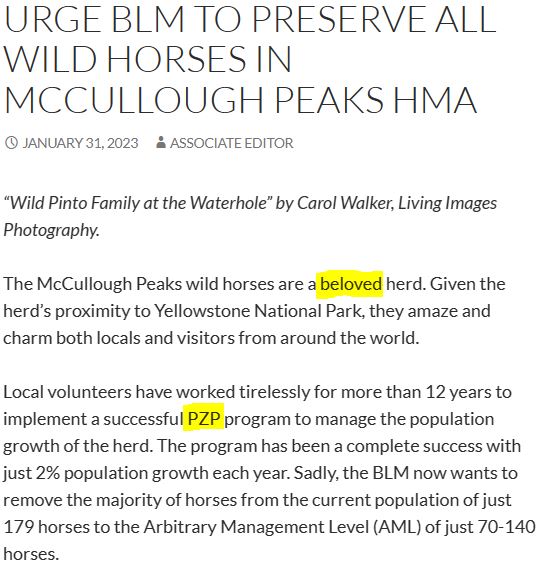
A blog post by Horses in the South dated January 31 has all the markings of a useless, perhaps harmful, call to action by the wild horse advocates.
Readers are directed to the project site in ePlanning, where they are supposed to tell the BLM that they
Support the (ruinous) darting program, a model for other HMAs
Disagree with the removal of any wild horses (unless done with PZP)
Oppose the use of GonaCon and other methods that destroy ovaries (PZP excepted)
The action alert was attributed to The Cloud Foundation.
Western Horse Watchers does not know if it originated with TCF or is simply a reprint of an exhortation written by other PZP fanatics and pleaders for the public-lands ranchers and forwarded by TCF to drive the comment total even higher.
Changes that actually help the horses, such as managing the HMA principally for them, as specified in the original statute, cannot be made through a gather decision.
The advocates and their drones apparently don’t understand that.
Comments on the project, which consists of a scoping letter and nothing else, will be accepted through February 7.
A sigh of relief will go up when that day arrives.
North Dakota governor Doug Burgum sent a letter to the Park Service today expressing confidence that the agency can find a solution that supports genetic diversity and protects the environmental integrity and capacity of the park for current and future generations of visitors, according to a report by The Bismarck Tribune.
A news release dated January 28 by the Salt River Wild Horse Darting Group says the only reason to disagree with the bill, which calls for humane management of the beloved Alpine herd, a euphemism for inhibiting the mares with their favorite pesticide, would be if you enjoy seeing wild horses go to slaughter.
Sorry, but here are ten reasons why we oppose your stupid ideas:
No youngsters in this band. The mares should be heavily pregnant by now, at least some of them, but the advocates have blocked this essential part of their existence.
With the darting program moving into its fifth year, many of the mares are at risk of sterility and the herd is dying off. That’s how the advocates save wild horses.
Before they got involved, the Virginia Range was carrying at least ten wild horses per thousand acres, ten times higher than the target rate of the bureaucrats and ranchers, who want this outlier erased.
The advocates are eager to comply.
The Nevada Department of Agriculture and the Campaign Against America’s Wild Horses, to whom you provide financial support, are responsible for the destruction.
Although 43 wild horses were shot dead in October, as indicated in this story by the CBS affiliate in Phoenix, the losses will be much greater if the advocates have their way.
The bureaucrats want the horses gone.
The ranchers, whom they serve, want them gone.
The hunters and biologists want them gone.
So, the advocates, working in concert with state legislators, have drafted SB 1057, which would spread their ruinous darting program into the Apache National Forest.
Alternative C in the scoping newsletter for the livestock plan at TRNP may provide a solution that satisfies all of the stakeholders: Now that the herd has been thinned by shooting and trapping, a fully contracepted (sterilized) herd could be achieved and the horses could stay in the forest to live out their lives, a task for which the advocates are eminently qualified.
The refuge will house up to 500 wild horses taken from HMAs in Colorado.
The announcement did not indicate of the horses would be darted, sterilized and/or kept in segregated pastures.
The transaction represents a victory for the bureaucrats and ranchers. Get the horses off the public lands and into private care, giving livestock unfettered access to their food.
The facility covers 18,650 deeded acres west of Craig, with an additional 3,500 acres in BLM leases and one 300-acre private lease, according to the agent’s listing.
The operator information report in RAS links the ranch to grazing authorizations 0504787 and 0504788.
The allotment information report ties the authorizations to three allotments.
The news release did not say if the new owners would petition the BLM for changes in livestock types and seasons of use, as American Prairie did in Montana. Such changes would likely have the ranching community crying foul, as it did with American Prairie.
That gap has been closed with the demonstration below. More information at iUPOD.
Although helicopter roundups are the fastest and most efficient way of shifting food and water to livestock operators in areas identified for wild horses, population growth suppression ensures the herds don’t bounce back, keeping the resource scales tipped in favor of the ranchers for many years to come.
The project will protect ranching interests and enforce the specifications of the land-use plan over a ten-year period by gathering and removing excess animals to the low end of the AML while thwarting population growth with pesticides, including alternate treatments for mares not responding to the Montana Solution.
Is that what they don’t like?
They’re all in if the government ruins the mares with PZP but not with Gonacon or other technologies such as IUDs?
Attorneys for the Central Oregon Wild Horse Coalition and the federal government appeared today before a federal judge regarding a plan by the Forest Service to reduce the AML and bring the current population in line therewith, according to a story posted today by Courthouse News.
The judge adjourned the hearing after two hours, stating he would take the matter under advisement and issue an opinion at a later date.