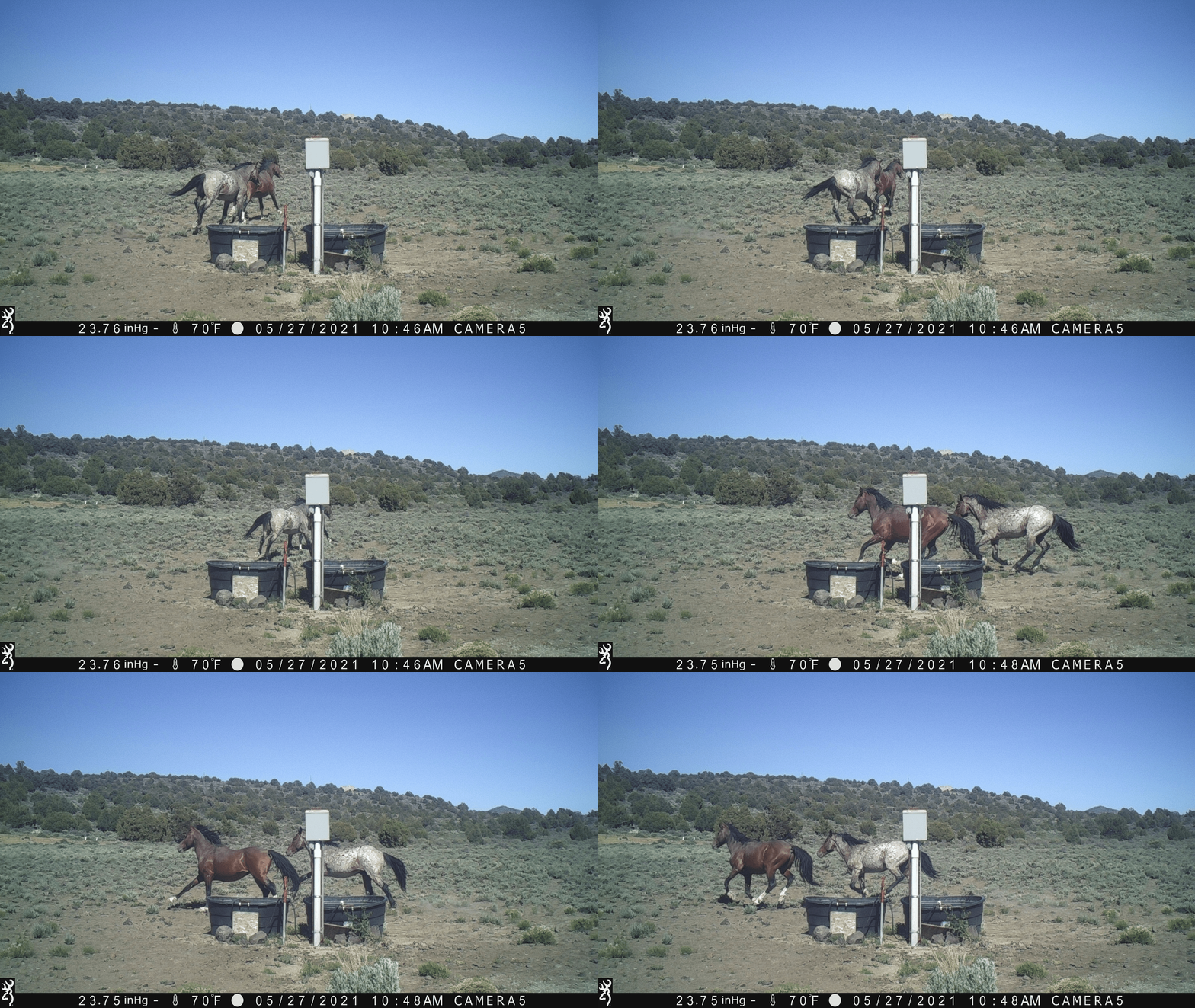
Check out the video in this story by KOAT News of Albuquerque, NM.
WARNING: Includes youngsters.
RELATED: Rush Hour in Ruidoso.
UPDATE: Added video.

Exposing the Hypocrisy, Lies and Incompetence of the Wild Horse Advocates
Check out the video in this story by KOAT News of Albuquerque, NM.
WARNING: Includes youngsters.
RELATED: Rush Hour in Ruidoso.
UPDATE: Added video.
The video is fine, for the most part, but the description in YouTube says the roundup should be supplanted with “scientific, proven methods of humane, on the range management,” a plug for the fertility control program.
How do (1) stalking the mares and shooting them with darts every year, (2) driving birth rates to zero, and (3) letting the herds die off qualify as humane or protection?
How can you defend that when most of their food has been shifted to privately owned livestock? How many horses have been cheated out of a spot on their home range by non-native, non-protected species?
The advocates are wrong and the Campaign Against America’s Wild Horses doesn’t deserve any of your hard-earned donations.
RELATED: Rallying for Onaqui Wild Horses or Privately Owned Livestock?
The planned start date was June 25, according to the latest schedule, but the actual start date was July 4, according to the daily reports, with 64 animals taken through July 6.
The operation, not announced at the BLM news site, involves public and private lands in and around the Cibola National Wildlife Refuge, west of the HMA.
The AML is 165 burros and 150 horses but only burros are targeted.
The removal goal is 200, to be achieved with bait and water traps. The incident is not open to public observation.
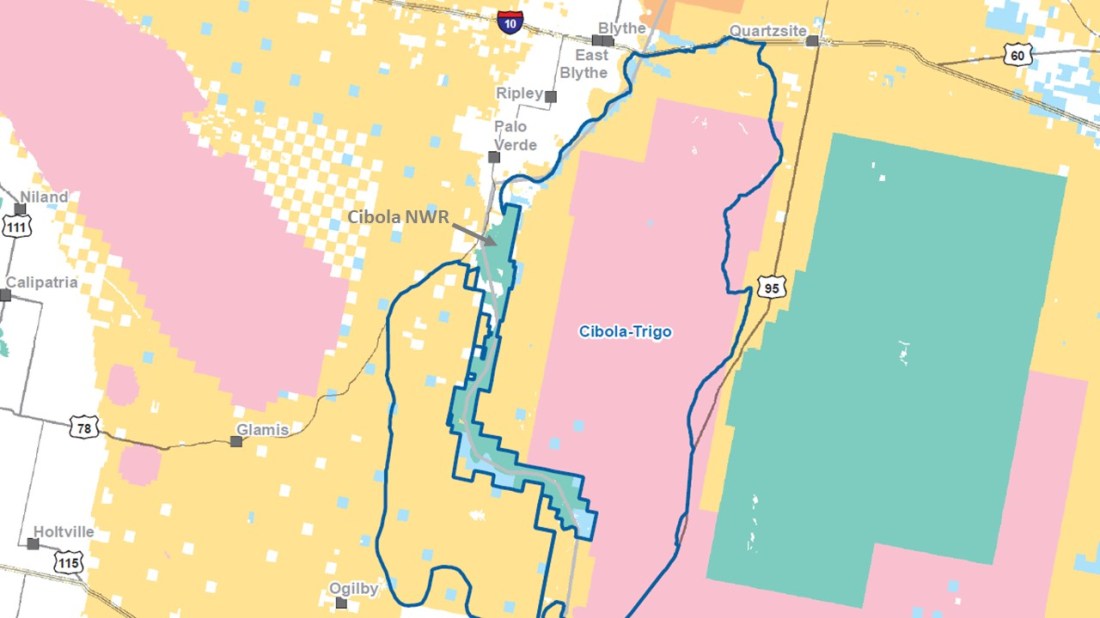
Captured animals will be taken to the off-range corrals in Florence, AZ.
Last year, around 300 burros were removed from the area. The actual number is not clear due to data quality issues.
Five horses were put down in Uintah County after being exposed to equine infectious anemia, according to a story by ABC4 News of Salt Lake City, and others have been tested who were in contact.
Although they were running at large in the area, they were not considered wild.
They’re constantly screwing it up. They said the preview link, new today, would not appear when the post went live, but there it is.
If you’re thinking about starting a blog, go elsewhere. WordPress is third rate.
A four year old mare was found dead yesterday on the Maryland side of the island, according to a report by Shore Daily News, following a hit-and-run incident last week.
The foal is lame but will remain in the wild.
The herd is trying to recover from the disastrous fertility control program, which was shut off in 2016.
HMAs in the northern part of the state are not doing as well as those in the south, according to a story by The Daily Sentinel, with water hauling in progress at Sand Wash Basin and contemplated at Piceanace-East Douglas.
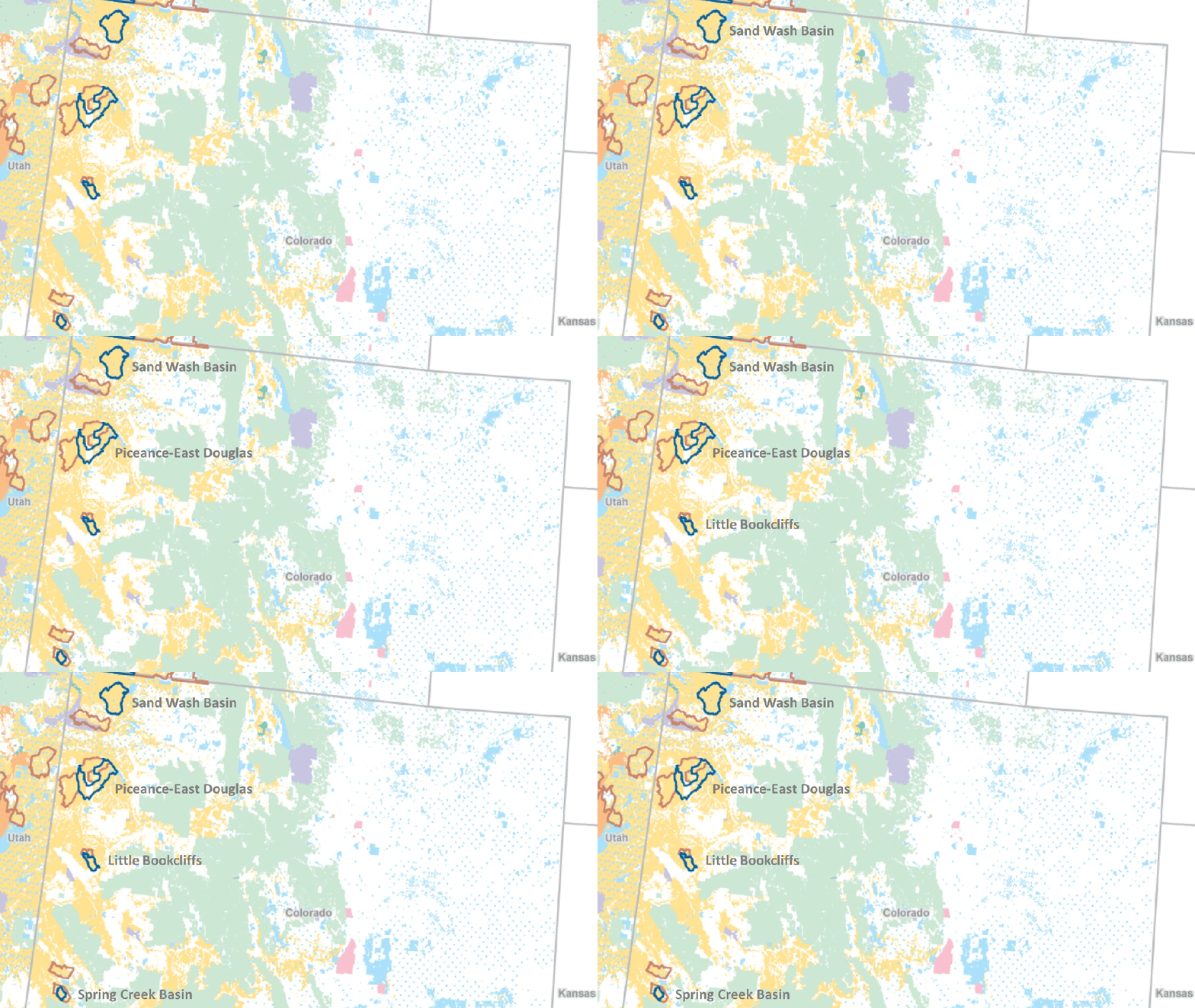
Water availability is okay at Little Bookcliffs and Spring Creek Basin, but deliveries may be required before the summer is over.
A small group of horses has moved to the western side of the HMA, along Highway 75, prompting safety concerns for motorists and themselves, according to a story by the Idaho Mountain Express.
A BLM representative said that personnel with the Challis Field Office will probably conduct a bait-trap gather in the next few weeks to remove them from the area.
The report did not indicate if their current location was within the HMA.
Nearly three hundred wild horses were taken off the HMA in 2019, with 61 returned later that year.
The start date was supposed to be August 1, according to the latest schedule, but a report by the Lake County Examiner says it starts tomorrow.
The goal is 100 horses gathered with 50 removed. The current population is 261.
The story did not indicate if an excess of studs would be returned to the HMA to skew the sex ratio or if the mares would be treated with contraceptives.
The operation will be carried out with bait and water traps and will not be open to public observation.
The HMA covers about 434,000 acres in southern Oregon and has an AML of 250.
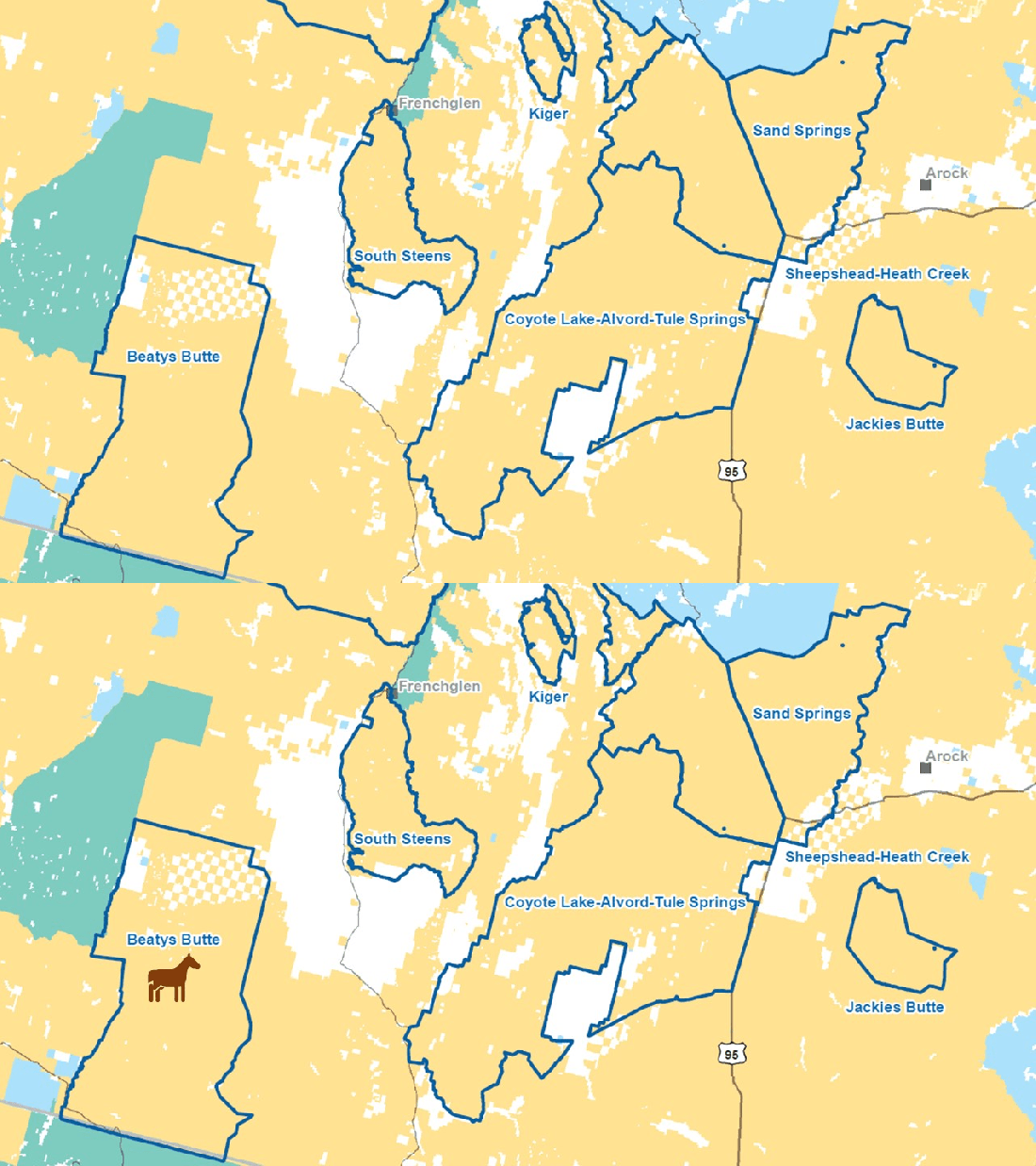
The HMA lies within the Beaty Butte allotment and is managed primarily for livestock.
Captured animals will be taken to the off-range corrals in Hines.
Gather stats and daily reports will be posted to this page.
As of today, an announcement has not appeared on the BLM news site.
The latest track puts the storm over North Carolina on Thursday with onshore winds, shifting to offshore that evening.

A story by WMTV News of Madison says he was a Belgian that weighed 2,500 pounds and was a quarter inch shy of 20.3 hh.
Wild horses typically range from 14 to 15 hh.
He was certified by the Guinness Book of World Records in 2010.
He seems to be doing okay and should make a full recovery but can’t be returned to the wild, according to a story by OBX Today.
The advocates are getting rid of more wild horses in the area with their darting program than tourists and vacationers ever could.
The fictitious HMA was the subject of a presentation last week about gather planning and scheduling in wild horse areas, according to the WHBAB agenda.
Characteristics from page 6 of the slide deck:
The horses allowed by plan require 6,000 AUMs per year and the aimed-at stocking rate is approximately 0.7 horses per thousand acres.
The presentation did not provide any information about resources assigned to livestock and did not include an EA for enforcement actions associated therewith, so the meaning of ‘limited’ is not clear.
Western Horse Watchers has yet to see an HMA where, say, twenty to thirty percent of the authorized forage has been allocated to privately owned cattle and sheep, neglecting those areas where permitted grazing is not allowed.
We need a bridge that will take us from the horse side of the management plan to the ranching side and the chart in this post about stocking rates will do exactly that.
Start on the x-axis at 0.7, move vertically until reaching the dashed line, then go horizontally to the left until you hit the y-axis. An estimated 85% of the forage has been assigned to other users of public lands (with a small amount reserved for wildlife, not considered in this post).
So, indeed, grazing is limited. Healthy Horse HMA is managed primarily for livestock, not principally. Areas no longer designated for wild horses, around half of the land identified in 1971, might be managed almost exclusively for livestock.
The total authorized forage is 6,000 ÷ .15 = 40,000 AUMs per year, with 34,000 AUMs per year dedicated to livestock.
The advocates, not mentioned in the presentation, are undeterred by these figures and continue to push their darting programs. The voices of one or more celebrities may have been added to bolster the effort.
Occasionally, water may be scarce for the horses, but the ranchers have installed various improvements that insulate their herds from droughts, perhaps with the assistance of the federal government. Every year, 50% of the grazing fees, or $10 million, whichever is greater, is plowed back into the program.
In recent years, the $10 million limit has prevailed, because the grazing fees, stuck in a time capsule since the 1960s, are artificially low.
The forage assigned to livestock would support an additional 2,833 wild horses, for a True AML of 3,333.
The stocking rate at the new AML would be approximately 4.4 horses per thousand acres, or if you prefer, about 227 acres per animal.
A larger horse population might do a better job of knocking down those invasive weeds.
The 2,833 horses displaced from the HMA by privately owned livestock represent 5.8% of the 48,897 horses currently in off-range holding, according to figures provided at the meeting.
Conversely, up to 5.8% of the horses in off-range holding could be returned to the range by ending public-lands ranching at Healthy Horse HMA, a savings of two to five million dollars per year.
The decrease in receipts from lost grazing fees would be $45,900 per year.
Most people would eagerly give up that income if they could save that much money.
The presentation said that a survey found 1,200 wild horses in the area, considerably less than 3,333, so there is no need for a roundup. The problem is livestock, not horses.
RELATED: WHBAB Offers New Slate of Anti-Horse Recommendations.
At or near Conant Creek HMA, part of the Lander Complex, with QRP Adventures.
China, North Korea and Cuba are independent nations but their people have no rights and are enslaved to totalitarian governments.
The Constitution protects you from tyranny.
We don’t need a January 6th commission, we need a November 3rd commission, followed by justice, up to and including execution of those involved.
RELATED: Independence Day Quiz.
No kayaks, of course, but it’s the same players with the same plan:
RELATED: AIP Fallout, Managing Humanely and Virginia Range Update.

More antics from the Virginia Range.
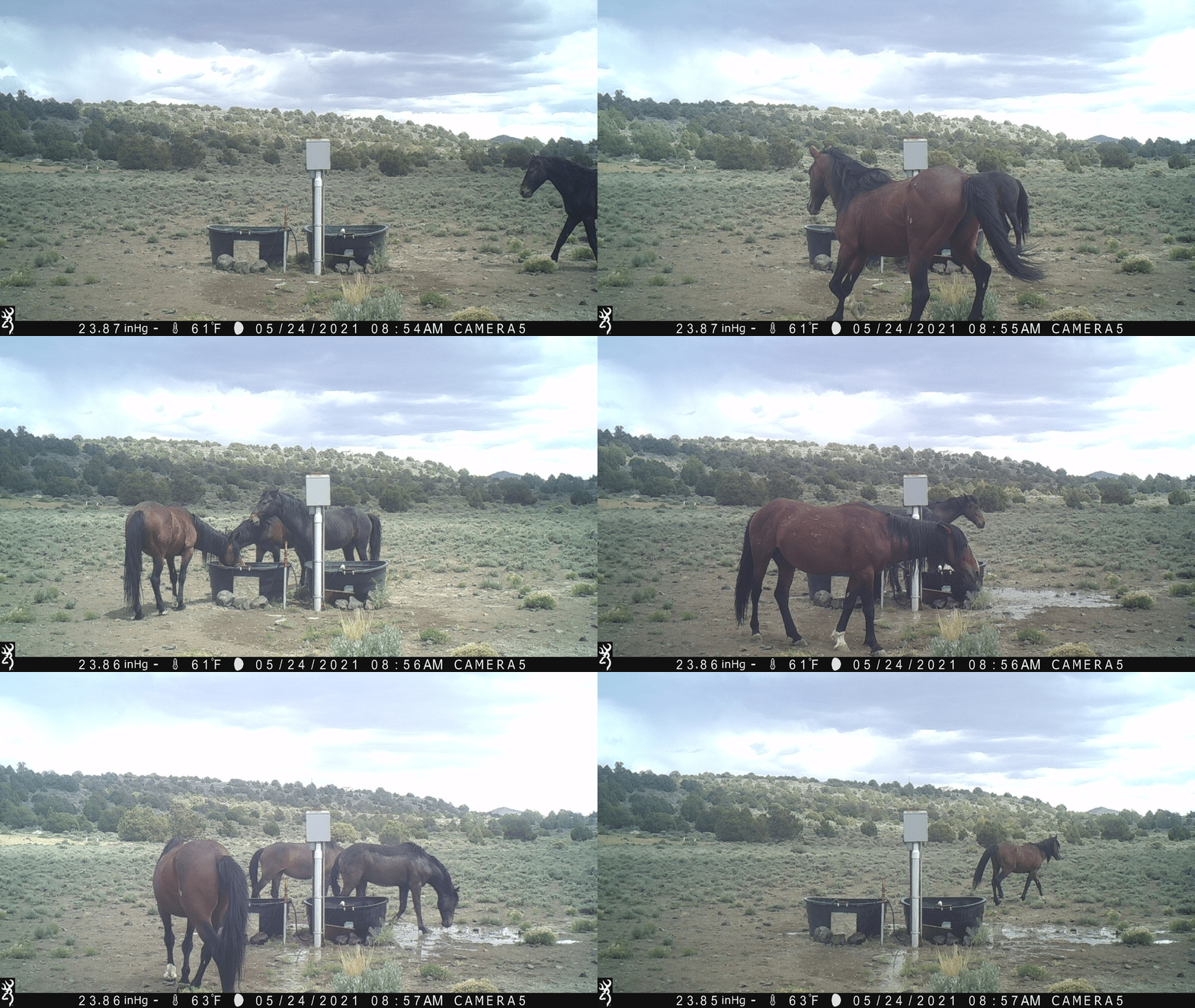
The advocates have eliminated an estimated 100 wild horses this year and they’re now letting the herd die off. How many horses have been lost to kayakers?
Thanks to Mark McEuen for the footage.
RELATED: Salt River Darting Program Taking Its Toll.
Public scoping has begun for a proposed drilling rig and supporting equipment in the Diamond Valley, south of Elko, NV. Comments can be submitted by email until July 30.
The coordinates given in the news release put the project on the western side of the HMA or slightly beyond, so there are probably some wild horses in the area—those that escaped last year’s roundup or have migrated in to fill the vacuum.
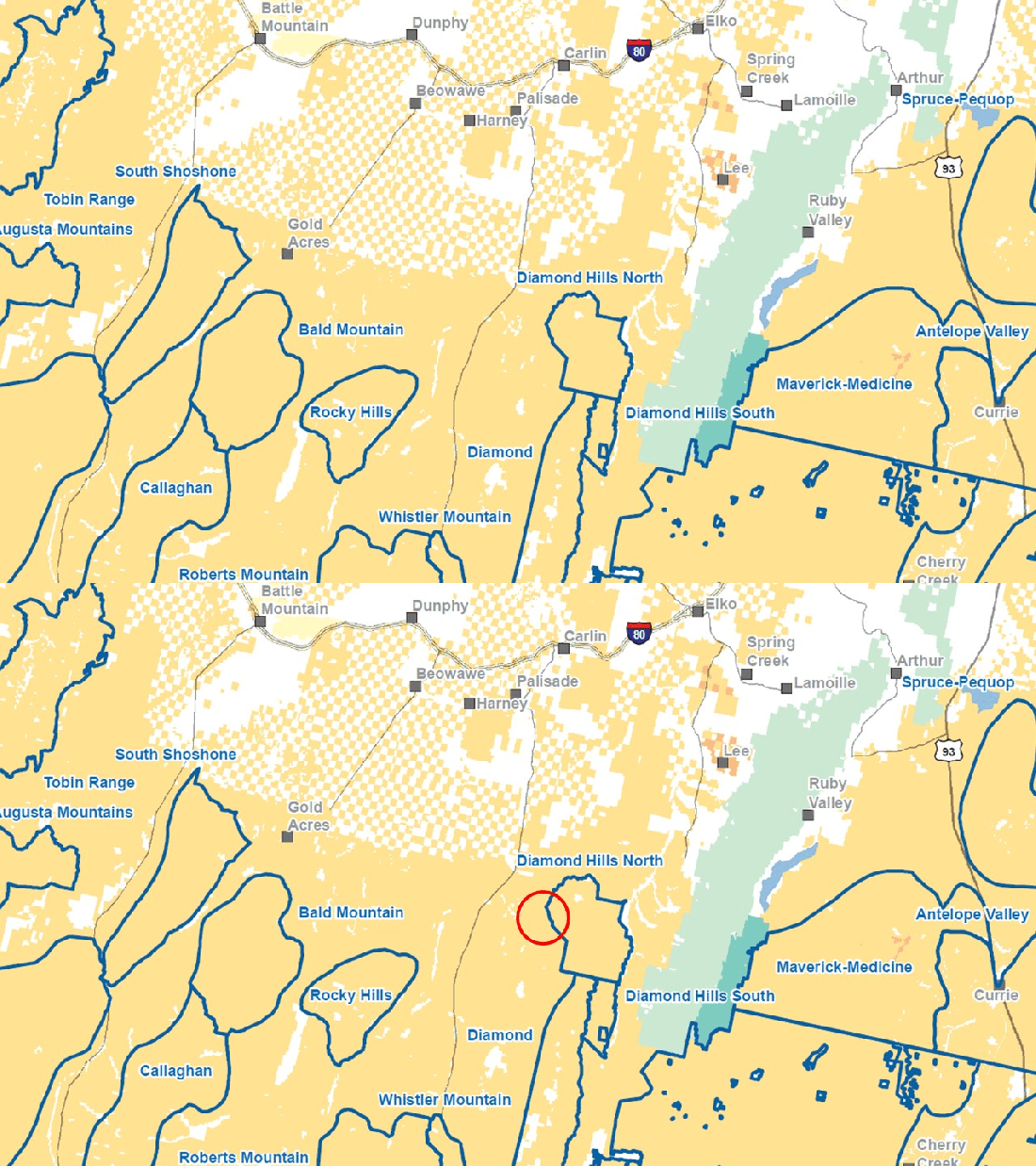
As of today, the project documents include a topographic map but that’s it. The amount of land needed for the project is probably just a few acres, enough to displace 1/200th of a horse at typical stocking rates.
The number of horses displaced from public lands by permitted grazing and those lost to fertility controls are far greater.
Undeniable Truth #3.
RELATED: Diamond Wild Horses Get Short End of Stick.
UPDATE: The BLM rep listed in the news release said on July 6 that the project requires five acres, which would displace 1/200th of a horse as noted above.