Two deaths were reported in the May 2 update, bringing the total to 119.
The sitrep indicates the virus is of the Florida Clade 1 sublineage.

Western Horse Watchers Association
Exposing the Hypocrisy, Lies and Incompetence of the Wild Horse Advocates
Two deaths were reported in the May 2 update, bringing the total to 119.
The sitrep indicates the virus is of the Florida Clade 1 sublineage.
He was sent to a wildlife sanctuary in Texas according to a report by WBOC News of Salisbury, MD because he had become aggressive toward park visitors and staff.
Stallions are in the minority on the Maryland side of the island, or at least they were a year ago. Western Horse Watchers has not seen a census report for 2022.
The island has been a test bed for the Montana Solution since 1995.
The advocates point to it as a model of wild horse management.
Better if they were not even born according to a column in today’s edition of The Gazette of Colorado Springs, CO.
Let the permittees have most of the food and water in areas set aside for wild horses.
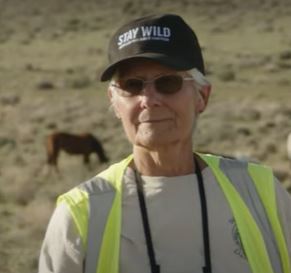
Exactly what you’d expect from the advocates.
RELATED: RTF Pushes Montana Solution in Wake of Cañon City Deaths!
At the Ozark National Scenic Riverways with Tim Layton.
The number of horses lost at the off-range corrals between April 23 and April 29 was 102, roughly equal to the number of lives denied every year on the Salt River by the darting program.
These are horses that should have joined the herd to replace those who died, but didn’t because of the Montana Solution.
RELATED: Virginia Range Darting Program Dwarfs Losses at Cañon City.
Eleven deaths were reported in the May 1 update, bringing the total to 117.
The sitrep indicates all fatalities have occurred in the pens holding animals from the West Douglas roundup last August.
RELATED: Death Rate Slowing at Cañon City Off-Range Corrals?
In most wild horse areas, AMLs are small relative to the available resources because most of them have been assigned to privately owned livestock.
Permitted grazing does not occur at Little Bookcliffs WHR in Colorado, one of four such areas managed by the BLM.
Does the AML reflect full utilization of the available forage?
The 150 horses allowed by plan require 1,800 AUMs per year. The WHR covers 36,113 acres and the stocking rate allowed by plan is 4.2 wild horses per thousand acres.
The average rate across all HMAs is one wild horse per thousand acres.
The land must be able to produce at least 49.8 AUMs per year per thousand acres to support the Little Bookcliffs horses.
The Western Watersheds map shows six allotments adjacent to the WHR.

The Allotment Master Report at RAS provides acreage, management status and active AUMs for the allotments. Roughly 76% of the public acres are in the Improve category.
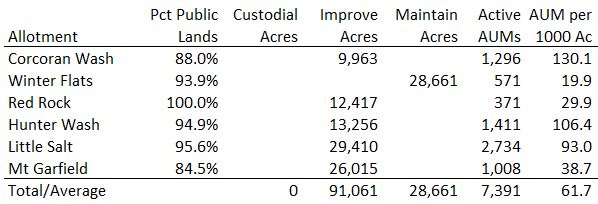
Forage production across the six allotments averages 61.7 AUMs per year per thousand acres, enough to support five wild horses per thousand acres.
The target rate at Little Bookcliffs is close, so the AML probably represents most of the forage in the WHR, with a small amount reserved for wildlife.
Two years ago the Pine Gulch Fire came within a mile of the north end of the WHR.
Almost certainly much of forage in Corcoran Wash was lost, yet it ranks #1 in terms of forage density. That resource would support ten wild horses per thousand acres.
A bill known as the Veterans for Mustangs Act, sponsored by three U.S. representatives, was unveiled on April 28 according to a story by Fox21 News of Colorado Springs, CO.
The measure would increase the use of PZP in areas set aside for wild horses, reducing the need for roundups and potentially saving taxpayers billions of dollars over the next ten years, while offering a unique form of healing for veterans.
Contrary to statements in the article, PZP is a pesticide, not a medicine. It protects the public-lands ranchers, not the horses, and PTSD is not alleviated by engaging in the same type of activity that created it, especially when the targets are symbols of the freedoms you fought for.
Supporters of the idea include Marty Irby of Animal Wellness Action, Scott Beckstead of the Center for a Humane Economy and Cameron Ring of Veterans for Mustangs, according to a news release dated April 29 on EIN.
Curiously, Irby and Beckstead spoke at the SOWH conference just concluded.
Our servicemen and horses deserve something better.
The incident began today, according to information at the gather page, with 53 burros captured, 53 shipped and no deaths.
The current population is around 328 and the removal goal is 260, which will leave the herd near the high end of its AML.
The HMA is subject to permitted grazing.
RELATED: Sinbad Roundup Announced.
A bale of alfalfa-grass mix was $28 today, 20 bales minimum, compared to $26 on March 5.
That works out to $140 per AUM for the average horse.
The single-bale price was $29.
The price last July was $19 per bale, 20 bales minimum, so the increase over ten months is 47%.
The public-lands ranchers currently pay $1.35 per AUM, the same as they did last year.
With the rising cost of feed and illnesses at the off-range corrals, wild horse adoptions may be heading for a downturn.
RELATED: Price of Hay Jumps Again.
Four horses died over the past 24 hours, according to the April 30 update at the Colorado HMA page, bringing the total to 106.
Eight horses were lost yesterday and ten the day before.
The sitrep has been updated with corrections marked in red.
RELATED: More Deaths Reported at Cañon City Off-Range Corrals.
The incident began on April 25. Gather stats through April 29:
Helicopters were grounded on Day 4 due to high winds.
The cumulative total includes 34 jacks, 37 jennies and seven foals.
Youngsters represented 9% of the animals captured. Of the adults, 48% were jacks and 52% were jennies.
The herd can’t be growing at a rate of 20% per year with a birth rate of 9%. If the death rate is 5%, the growth rate would be around 4% per year. The BLM did not indicate if the jennies had been treated with the Montana Solution.
The location of the trap site was not provided.
The maps in Appendix B of the project documents show the location of gather activity relative to the park. The Western Watersheds map does not show Herd Areas.

Day 5 ended with no unaccounted-for animals.
The number of burros removed to date is 78.
Other statistics:
RELATED: Death Valley Auxiliary Roundup Day 3.
The nation is rigged against the downtrodden and underserved. They can’t succeed without the help of government. Self-reliance is overrated.
The whinefest produced by Golden Productions for the Nevada Rangeland Resources Commission sends the same message.
You can’t expect the ranchers to operate their business on their own land while paying the going rate to feed their animals. Nobody in this country does that and nobody should be held to that standard.
RELATED: Rising Price of Hay Explained.
The investigation currently centers around the outbreak of an influenza virus and the vaccine protocols intended to prevent it, as discussed in the following report by CBS News in Denver.
The government has not provided a satisfactory explanation for the high mortality rate in the West Douglas horses compared to other animals at the facility.
But nobody’s asking why they aren’t living on their home range.
The problem is the way our public lands are managed, especially in areas set aside for wild horses.
Most of the food and water have been assigned to privately owned cattle and sheep.
With few resources remaining for the horses, most of them end up in off-range holding.
A blog post dated April 27 by the BLM describes that as nirvana.
Privately owned land formerly used for cattle grazing has been repurposed for wild horses and public lands designated for the horses are now used for cattle grazing, with expenses covered by the taxpayers.
It’s absolutely nuts. The aim of the wild horse and burro program is to minimize its impact on the grazing program.
Confine the ranchers to their base properties and let them pay the going rate to feed their animals. They’ve been insulated from the realities of a free market, at least on the cost side, for too long.
RELATED: Can Anything Good Come from Cañon City Incident?
No, because it’s too far downstream to be of any use to the horses. It can’t change the conditions that forced them off the range in the first place.
Consider this example from the North Lander Complex:
The Proposed Action in the new resource enforcement plan will make the area a nirvana for the ranchers and its rightful inhabitants will end up in off-range holding.
RELATED: More Deaths Reported at Cañon City Off-Range Corrals.
Eight horses died over the past 24 hours, according to the April 29 update at the Colorado HMA page, bringing the total to 102.
Figures reported previously have been revised due to an error in the initial count:
The Colorado State Veterinarian’s Office posted an FAQ for Equine Influenza.
The sitrep has been updated with corrections in red.
RELATED: Death Toll Still Climbing at Cañon City Off-Range Corrals.
As stated in today’s news release on PR Newswire: “RTF has long advocated for the use of a readily available fertility control vaccine that if properly implemented can replace removals as the agency’s primary management tool and allow for the phasing out of long-term holding.”
The advocates will demand an end to the roundups and warehousing of wild horses in off-range corrals.
But they won’t call for an end to the removals.
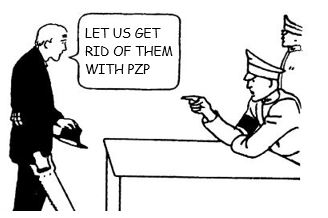
Instead, they’ll insist that the government get rid of them with the Montana Solution, a business they plan to dominate while the pilots and wranglers sit on the sidelines.
RELATED: Death Toll Still Climbing at Cañon City Off-Range Corrals.
The incident began on April 25. Gather stats through April 27:
The cumulative total includes 23 jacks, 27 jennies and five foals.
Youngsters represented 9% of the animals captured. Of the adults, 46% were jacks and 54% were jennies.
The location of the trap site was not provided.
Refer to Appendix B of the project documents for the location of gather activity relative to the park. The Western Watersheds map does not show Herd Areas.
Day 3 ended with no unaccounted-for animals.
The number of burros removed to date is 55.
Other statistics:
On the Virginia Range with Western Horse Watchers.
The advocates love to criticize the government for its treatment of wild horses, while absolving themselves from any wrongdoing.
RELATED: Foal-Free Friday, If We Get Rid of Them They Can Stay.