
In the Utah desert. HMA unknown. Probably Onaqui Mountain or Cedar Mountain.
Author: Western Horse Watchers
Stood Up
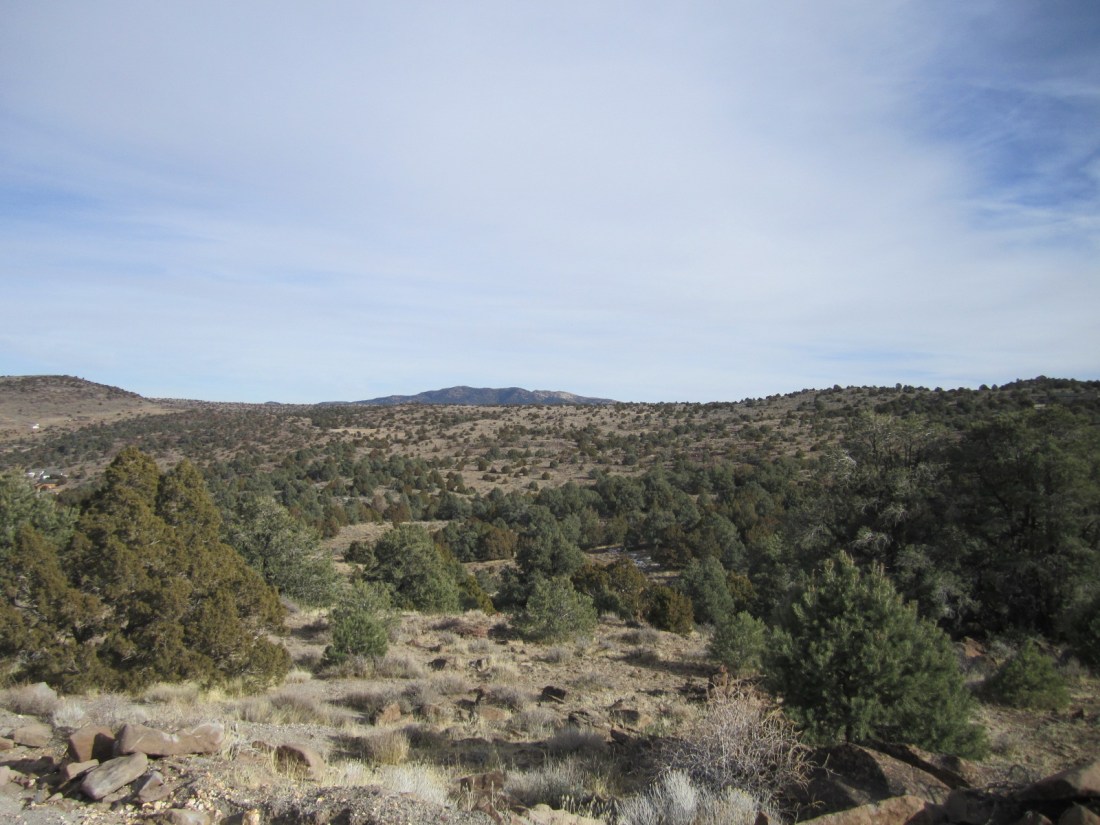
Sorry folks, VR horses didn’t want to be seen yesterday. Here’s a photo looking north across their habitat on 01/13/18.

They Must Be Miserable
No blankets, no shoes, no pretty braided tails, no shampoo scent. No see-sawing the bit, no gymkhana on Saturday. Just awful.

Wild Horses in Louisiana?
Let Them Be
Darting mares is not harassment?

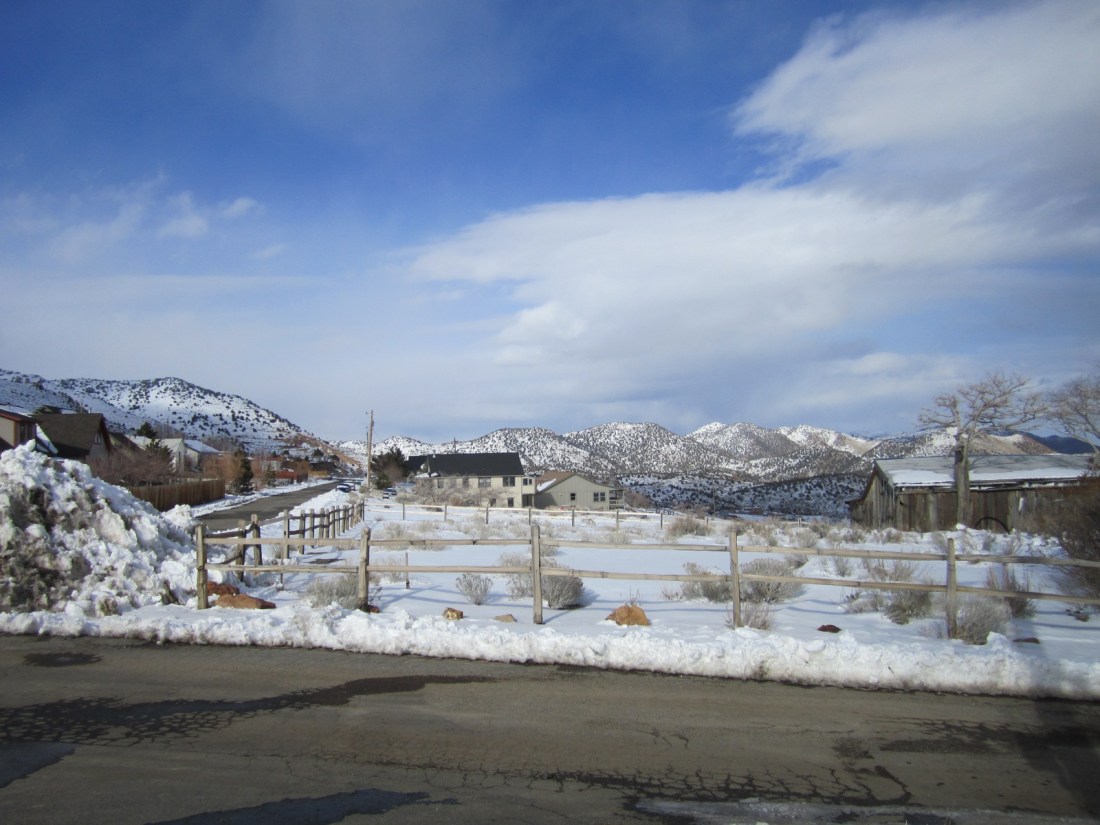
Winter on the Comstock
Looking north in Virginia City, 02/24/17.
Mustang Monday
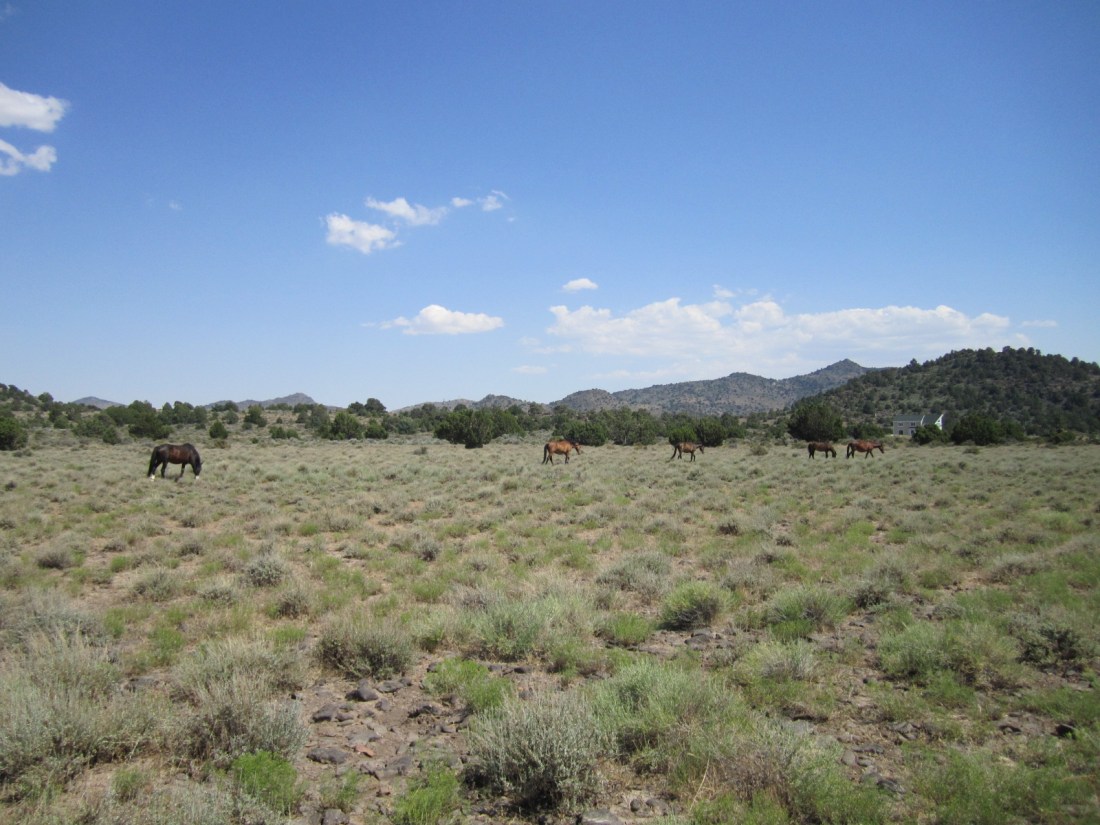
Importance of Family
Small band on the Virginia Range, 07/03/17. Stallion on the left, mare in front, heading to water. This is where a foal learns to respect higher authority, follow orders and work with others for safety of the group.
Rural Water Systems – Controls
The tee at the base of your pressure tank probably has a 1/4 inch tap for a pressure switch, along with other connections for a relief valve, drain valve and pressure gauge.
If you only have one such tank, you can install the pressure switch on the tee.
If you have several tanks in parallel (recommended), mount the pressure switch on the line that feeds the tanks. Some day you will want to isolate and drain each tank to remove sediment and check the air pressure in the upper chamber. But you don’t want to shut the entire system down to do it.

The only valve normally closed in the diagram above is the bypass. In colder climates, the valve at the exterior hose bibb would be closed during the winter, and water trapped between the two valves would be drained. If your horses stay off the pasture in the winter you might close that valve as well and drain the line for freeze protection.
This pressure tank is in the loft of a barn. It is one of several that ‘ride the line’ between the well and treatment system. Note the tap for the pressure switch is plugged.

To service the tank, you’d shut the valve on the left and open the drain valve near the pressure gauge. Connect a hose to the drain valve to route the water to a safe location. Remember, it’s still under pressure even though the isolation valve is closed!
You’ll need 120/240 VAC for your water system. The motor on your pump probably runs on 240 volts. Equipment in your pump house likely needs 120 volts but in colder climates you may also need 240 volts for a space heater.
Your contractor will likely install a device that automatically shuts off the pump if it detects low flow or dry running. If it activates you may have to reset it manually. The device may be located near the well or in the pump house with other controls. Ask your contractor so you’ll know what to do when the time comes.
If everything works properly, you’ll have a reliable source of water for your horses.
You’ll only have to worry about a power outage and that won’t be a problem if you have a back-up generator (to be considered in a subsequent post).
Update on NDA Plan for VR Horses
The backlash continues, see this report in the Reno Gazette Journal.
You’d think the people in Storey County would welcome the chance to become guardians of the Virginia Range horses. But it ain’t so.
Concerns about private owners removing the horses and selling them at auction can be addressed in the bylaws of the new organization. Those rules could also put an end to harmful practices like PZP darting of mares.
The horses will never be safe until they’re placed into the hands of the people who love them and provide the land for them to roam, via a non-profit corporation chartered for this purpose.
Story of the Onaqui Horses
America’s enduring horses.
They fought our wars and carried our dead as well.
The Slow Way is the Fast Way
The greatest gift you can give your mustang is patience.
Remember, he’s been chased by helicopters, probably for several days, jammed into a chute and freeze-marked, had his boys cut off, brusquely handled by wranglers, and hauled off to an alien world.
Now you want to put him in a confined space and try to make friends when he doesn’t trust you and is ill-prepared for the experience?
How do you give him release when your presence is pressure?
What kind of learning happens in this environment?
The first thing you have to do is sack him out to you.
Let him come to terms with his new surroundings on his own timeframe. Spend some time with him doing chores (scooping poop and filling water buckets). Give him a chance to figure out you’re not a threat. The older he is the longer this will take.
An exception might be when he is aggressive and dangerous (because he was taught bad lessons by someone else) and will be put down or sold at auction.
It’s not the rope.
He’s not flighty.
It’s you.
More Thoughts on NDA Plan for VR Horses
Suppose private party A wants to graze livestock on lands owned by private party B.
1. What happens if an animal (owned by A) is hurt on B’s land? Is A free to enter B’s land to care for it? Is B liable?
2. What happens if A’s agent (employee, friend, contractor) trips over a rock on B’s land while checking the animals and breaks an arm?
3. What happens if an animal owned by A knocks down a fence on B’s property and feeds on B’s gardens?
To answer these questions, B may ask A to sign a lease or easement before placing any livestock on his property. This agreement spells out the relationship between the land owner (grantor) and livestock owner (grantee), sets limits of liability, specifies how and under what conditions grantee may enter grantor’s land, fees to be paid, termination of rights granted thereunder, etc.
In this and other such cases, grantee is subordinate to grantor. Grantor controls the situation, he specifies the terms of the deal.
Allowing an established advocacy group to take control of the Virginia Range horses, where Virginia Range land owners have no voice in the process, inverts the traditional relationship between grantor and grantee.
That is why ownership of the Virginia Range horses should be transferred to a non-profit corporation with land owners as voting members.
They’re Still Up in the Hills
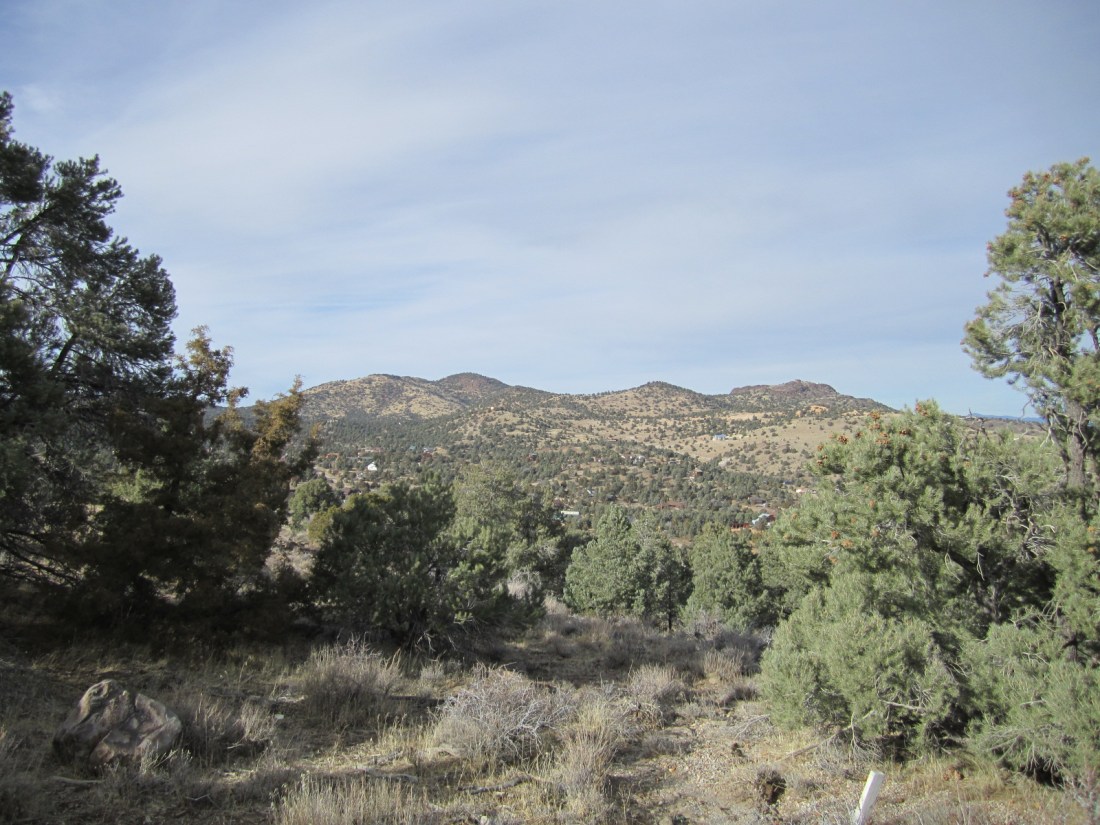
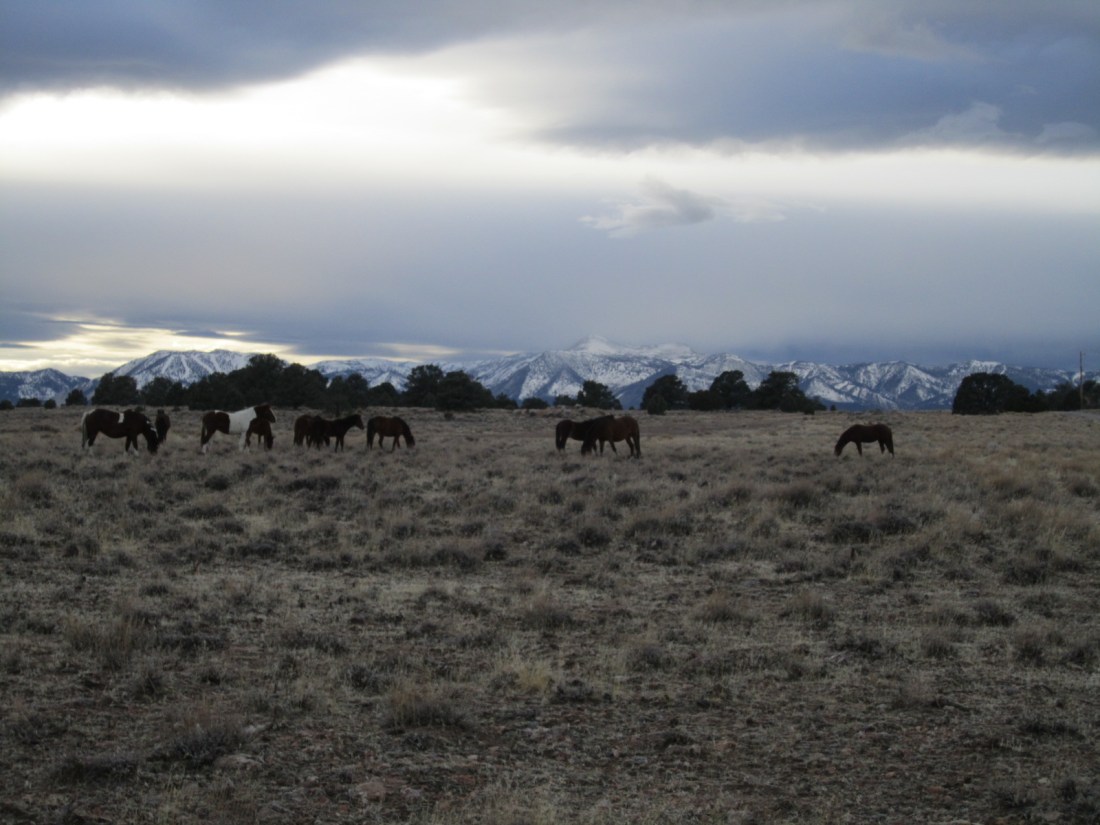
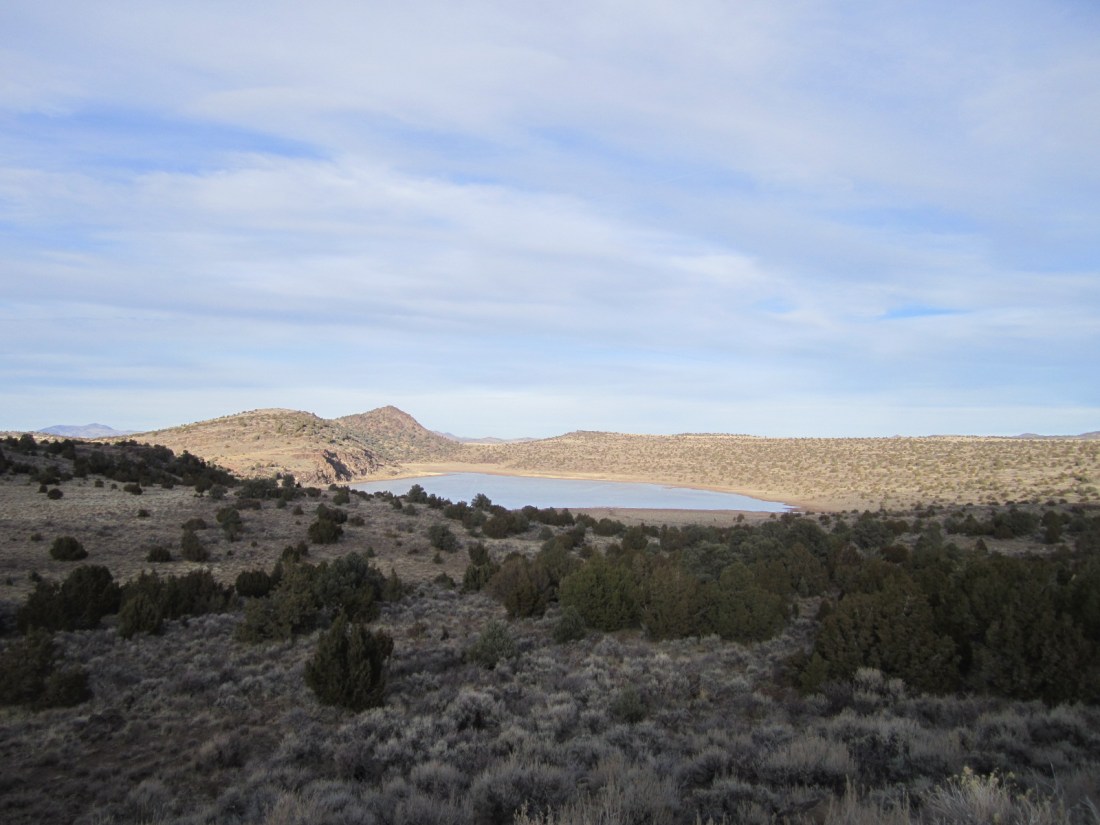
Family unit on the Virginia Range, 12/31/17. Food and water still accessible. Mt. Rose in background, center. Ski area on the left. Water hole (next photo) several miles away.
No Partying for These Guys
Fire prevention crew at work on the Virginia Range, 12/31/17. They never call in sick, never ask for time off.

More Checks & Balances
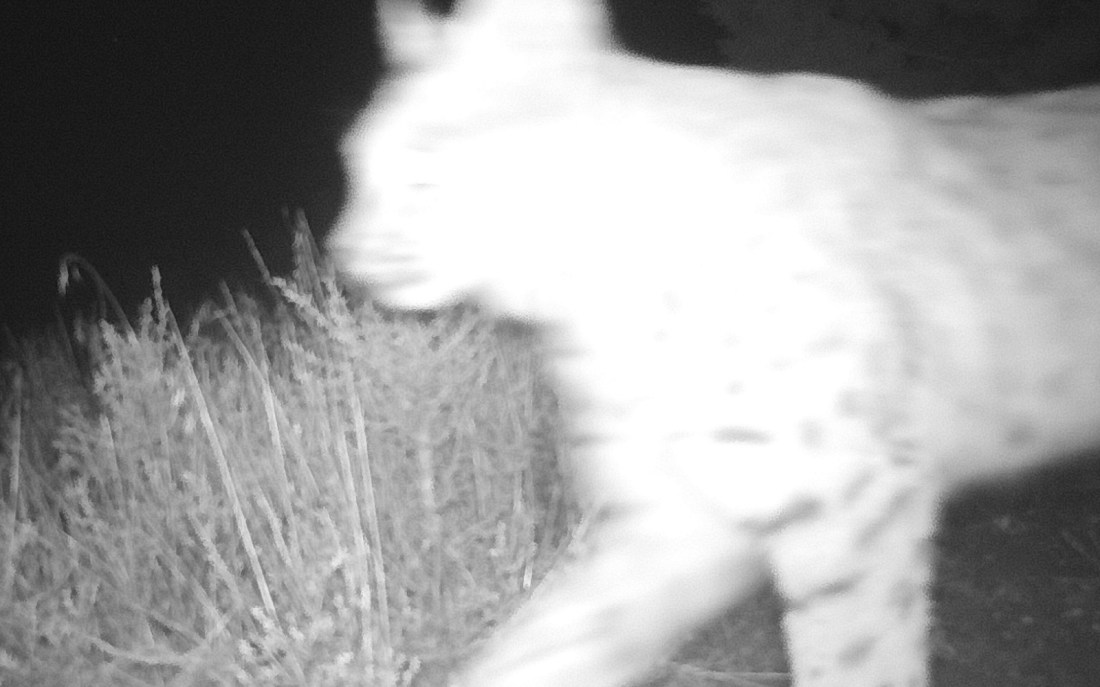
Trailcam photo from 12/19/17 on the Virginia Range. Darters need not apply.
Related: Checks & Balances
Mustang Monday
Rural Water Systems – Tanks
If your water system is supplied by a well, it must have at least one pressure tank. The tank has two chambers. The upper section is filled with compressed air, the lower section holds water from the well. The water chamber usually has a rubber liner that provides a flexible diaphragm between the two chambers (like a balloon).
As water flows into the lower chamber, the diaphragm expands and pushes against the air, which is compressed in the upper chamber. The air pushes back against the diaphragm.
This maintains system pressure.
When you fill water buckets for your horses, air in the upper chamber pushes water out of the tank and into your system. Check valves in the discharge line from the pump make sure water doesn’t go back into the well.
When the system pressure drops below a pre-set point (determined by the pressure switch), the pump cuts in and refills the tank.
Pressure tanks are usually installed on the ‘raw’ side of the system, that is, upstream of the treatment equipment. More on that in a subsequent post.
You probably want a pressure tank that holds at least 20 gallons of water. The more capacity you have, the fewer on/off cycles for the pump, which extends its life. You can install pressure tanks in parallel for more storage. A horse ranch should have at least 40 to 60 gallons of water under pressure. Install a valve at each tank so it can be taken off-line without shutting the system down.
Vendors such as this one offer a range of pressure tanks and parts.
Tanks must be emptied of water before setting the air pressure in the upper chamber, which should be two psi below the ‘low’ setpoint of the pressure switch. If your switch turns the pump on at 40 psi water pressure, set the pressure in the upper chamber to 38 psi.
Pressure tanks often have valve stems on top similar to those on the tires of your car. You can use the same tool to check the air pressure in your tank(s).
If you live on a ranch, you may have a portable compressor for keeping the tires of your tractor properly inflated. You can use the same machine to service your tank(s).
In some areas, large non-pressurized tanks may also be required to provide water for fire protection. For example, a 5000 gallon poly tank with roof, or two 2500 gallon poly tanks in parallel. Water in these tanks might sit there for weeks or months.
Bulk tanks don’t store water under pressure. You’ll need a booster pump to supply the firewater system.
If these tanks provide water for your potable system, the booster pump would send water over to the treatment equipment and then out to your horses.
In both cases, the tanks would hold untreated (raw) water from your well, taken from a point downstream of the pressure tanks.
Your pump may run for several hours when filling a bulk tank. Make sure you’re not drawing water out of the well faster than it flows in!

ISPMB Update
Go to this FB page for the latest on the rescue, now in its final stages. A home is needed for twenty aged and/or blind stallions.
The story of the ISPMB rescue appears on a related FB page.
Three cheers to Elaine Nash and her team at Fleet of Angels, along with Palomino and Matt Armstrong of Chilly Pepper Miracle Mustang!
The ISPMB sanctuary included horses from White Sands NM, Gila Bend AZ, Virginia Range NV and Sheldon National Wildlife Refuge NV.
RFP for VR Horses: Stakeholder Involvement Required
According to the motion approved by the Nevada Board of Agriculture on 12/12/17, ownership of the Virginia Range horses could be transferred to ____________.
- A faraway animal advocacy group that specializes in dogs and cats.
- A non-profit group sponsored by a cattle rancher’s association.
- A network of veterinarians with ties to the pharmaceutical industry.
- An environmental group that sees great potential for wind and solar.
- A private group that puts animal rights ahead of property rights.
Answer: None of the above. The Department of Agriculture probably wouldn’t accept any of those choices. Neither would the people in and around the Virginia Range.
Why? No stakeholder involvement.
Consider this approach: Privately owned but publicly held.
The group that owns the horses should be related to those who own the land on which the horses roam. Keep decision-making authority close to the people affected.
Power over the horses should not be concentrated in the hands of a few. A non-profit corporation directed by its members (e.g., land owners) might work. This would be the legal entity to which the horses are transferred. The land owners could provide ‘seed money’ for the corporation.
The corporation would also accept support from other interested parties, such as monetary donations, grants, donations of equipment/materials/tools, donations of services, people who volunteer their time.
Bylaws would specify what the corporation does and does not do, procedures for meetings, how to make decisions, who has voting rights, etc.
Policies, programs and practices for managing the horses would be subject to member approval.
Some folks are upset with the Board’s decision, understandably. But we have to face the situation as it is and be creative. These are Annie’s horses. The Virginia Range is ground zero for the wild horse preservation movement.
You can still spend a lot of time with those guys (the VR horses). There is a lot of work to do and the clock is ticking. The RFP will be posted in three or four weeks.

