Colorado Wild Horse Project Clears House

The measure passed its third reading on May 6 with no new amendments, according to the bill history.

In the current version, text with gray shading denotes House amendments, double underlining marks Senate amendments.

The bill will likely go back to the Senate for review and approval.

Section 1 notes that local volunteers undertake the majority of care and management of the state’s wild herds, but those groups have insufficient resources to meet the need and they often struggle to find and retain qualified volunteers to perform critical activities.

Who knows, the pool of donors and field workers may be going down as the risk of legal trouble goes up?

These hard-working individuals apply restricted-use pesticides in the state’s HMAs, all of which overlap or abut federal grazing allotments.

RELATED: Colorado Wild Horse Project Amended, Passed and Referred.
They're Using it for Pest Control 05-07-23

No Relief in Cost of Feed

The one-horse pony’s economic policies are not working for horse owners, or anybody else for that matter, America’s enemies excepted.

The price of a bale of alfalfa-grass mix was $36 yesterday, 20 bales minimum, putting the cost of feed at $180 per AUM.

The average horse would need about five bales per month.

The price was $19 per bale in July 2021.

Other items on the ticket:

  • Layena Crumbles, 50-pound sack, $29 each
  • Strategy Healthy Edge, 50-pound sack, $35 each
  • Rice bran pellets, nonstabilized, 50-pound sack, $32 each
  • Alfalfa pellets, 50-pound sack, $27 each
  • Sales tax, $93

The drive-out price was $1,184.  Two years ago, the total would have been around $550.

On public lands, forage sells for $1.35 per AUM, meaning the ranchers are paying less than a penny on the dollar to graze their livestock.

They are further subsidized by taxpayer-funded programs such as the wild horse and burro program, which keeps the pests in check, at least in theory.

The nonprofits have assumed a larger role in the process, poisoning the mares and jennies with restricted-use pesticides, and they want you to pay for that too.

RELATED: No Relief in Hay Prices

Momma in Barn 03-05-22

Loss of Foals Attributable to Wild Horse Advocates?

If you saw 15% foals in an area two weeks ago, and now you only see 5%, and some of the animals show signs of attack, predators may be responsible.

If you saw 15% foals in an area three years ago, and now you only see 5%, and some of the animals show signs of attack, the advocates may be responsible.

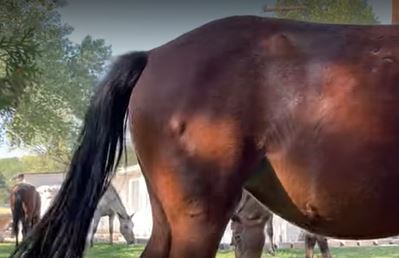
VR Darting Injury 09-15-21

The story about the disappearance of foals in Grayson Highlands is a reminder that the advocates are not the only predators in areas inhabited by wild horses.

The bureaucrats and ranchers insist that there are none, even though the advocates rely on them to take out any foals that slip through their darting programs.

Their claim warrants some belief, however, because those animals also target calves and lambs, to the disdain of state wildlife agencies.

RELATED: Safer in Town Than on Their Home Range?

Multiple Use Applies to Public Lands, Not Registered Pesticides

The Environmental Protection Agency registers pesticides and their use on specific pests and under specific circumstances.

For example, a pesticide registered for use on apples may not be used legally on grapes, and an insecticide registered for outdoor use may not legally be used inside a building.

The advocates use Zonastat-H (the Montana Solution) to control pests (horses and burros) that interfere with animal agriculture (permitted grazing), a purpose for which the pesticide was not registered.

Some groups may not have Delegations of Authority or other such documents naming them as designated agents of state and federal governments, a violation of federal law.

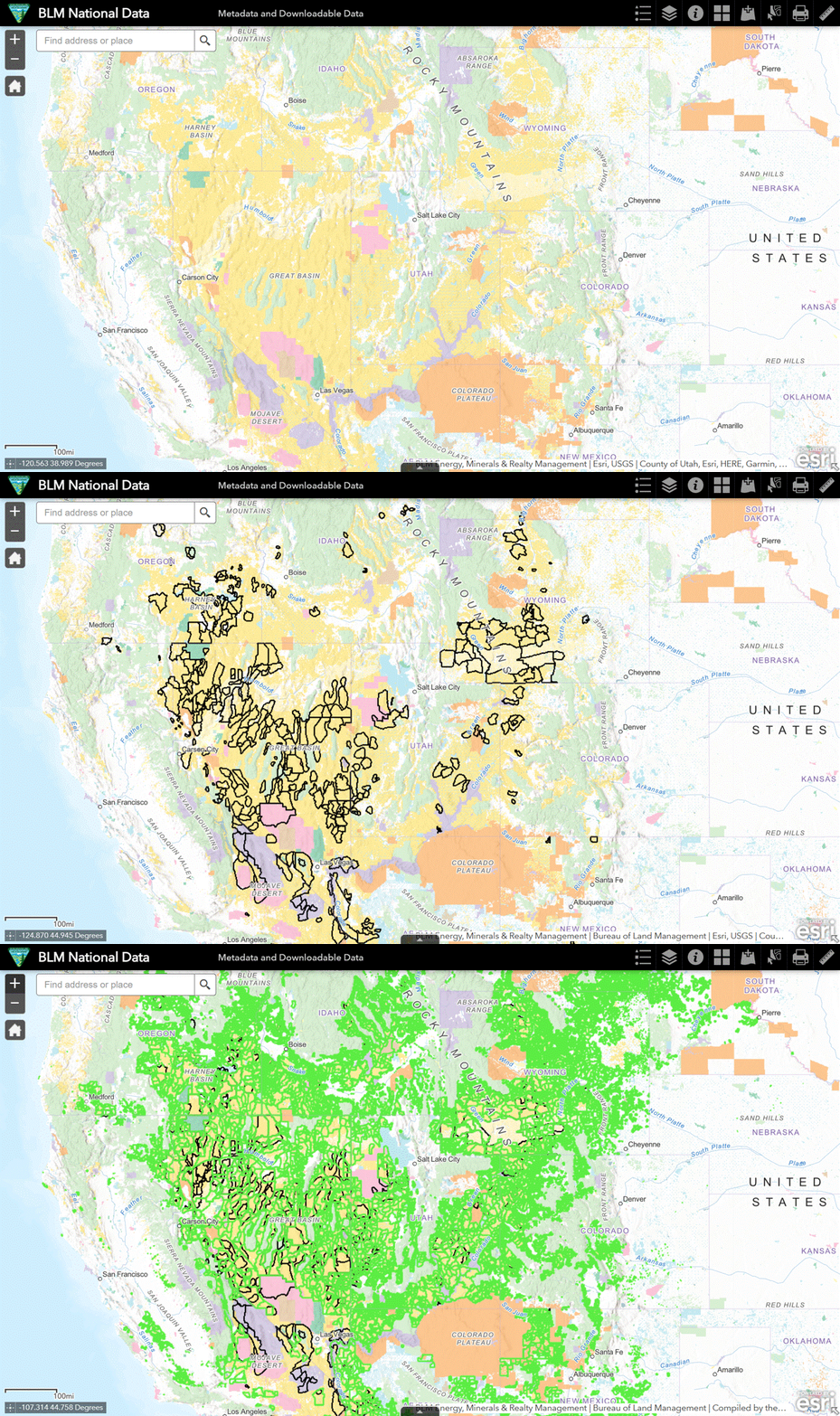
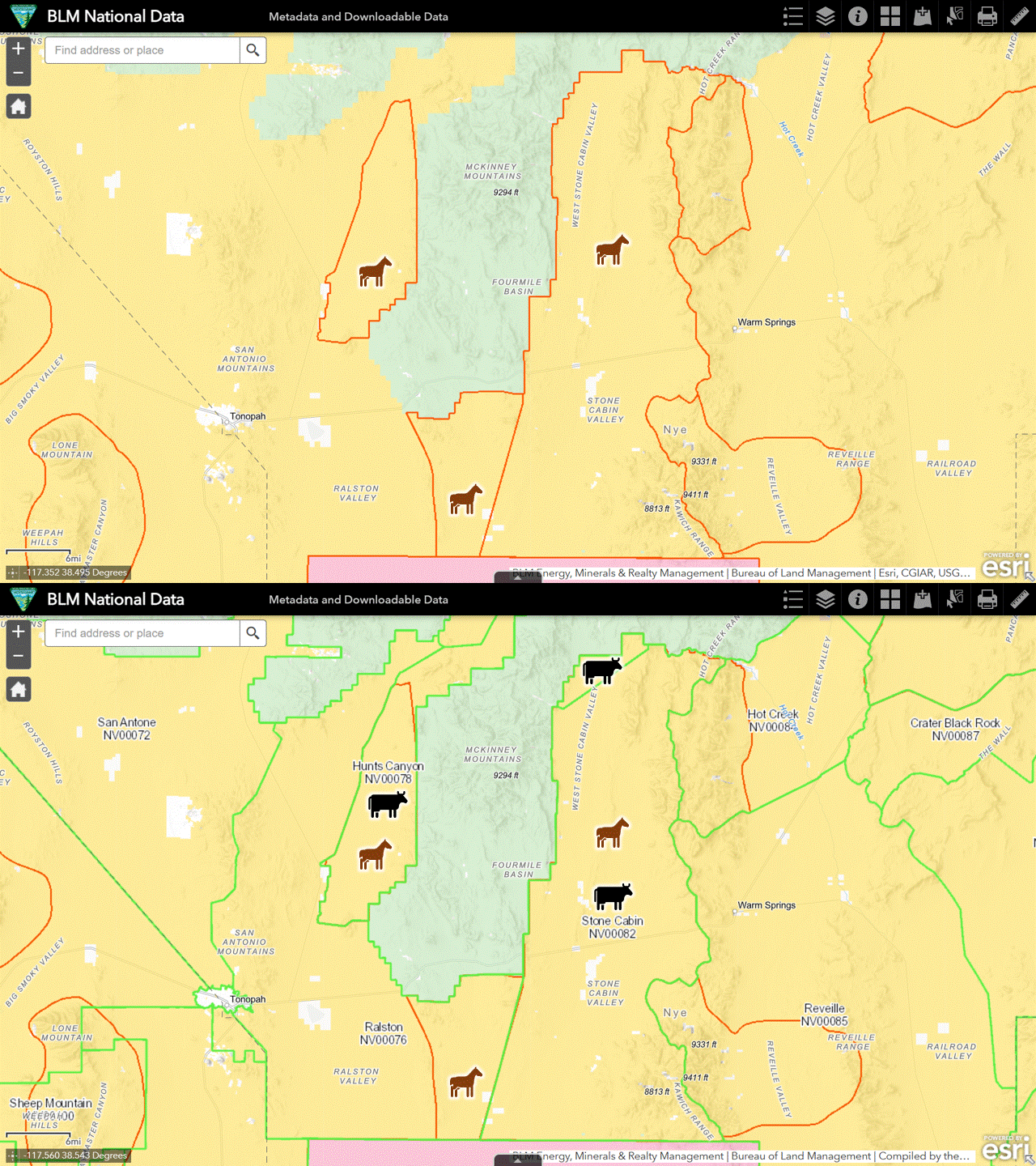
Most the areas identified for horses and burros, shown in black on the following map, intersect or abut one or more allotments, shown in green, an indication of the potential for unlawful activity on America’s public lands.  Click on image to open in new tab.

RELATED: Immunocontraceptive Wish List.

Pesticides and Multiple Use 05-06-23

Why Are Grayson Highlands Foals Disappearing?

At least five have vanished recently and a spokesman for the Wilburn Ridge Pony Association told WSET News in a story posted yesterday that it could be a bear, mountain lion, or pack of coyotes.

Eventually the animal will run out of ponies, he warned.  “It’s only a matter of time before it’s someone’s pet or child.”

Hikers on the Appalachian Trail often pass through the park, posting videos of the ponies on YouTube.

Immunocontraceptive Wish List

Perfect topic for Foal-Free Friday.

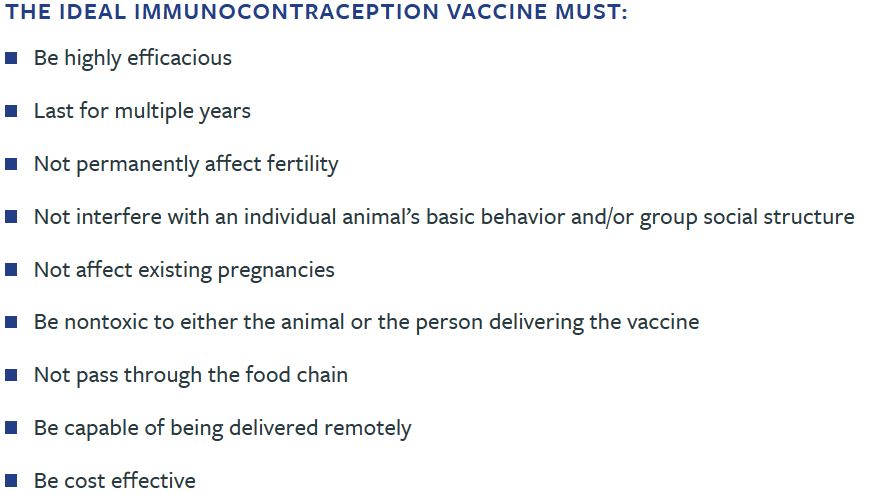
In a discussion of the Next Generation PZP Project, The Humane Society of the United States identified nine characteristics of the new product:

PZP Wish List 05-05-23

They note that the current formulation meets most of these criteria.

However, the signatory to the rancher-friendly “Path Forward” forgot one important detail that renders current use illegal:

PZP Wish List Adder 05-05-23

The folks at HSUS are joined by thousands of signatories in principle who want the herds reduced so ranchers can access most of their food, and they want you to pay for it.

RELATED: The Promises of PZP, Unfulfilled.

Foal-Free Friday, Tarnishing Kirkpatrick’s Legacy Edition

The developer of Zonastat-H, sometimes referred to as the Montana Solution, never envisioned the ruthlessness of the advocates and their enmity toward wild horses, reflected in their callous disregard for the rules when handling the product.

In the introduction to “Immunocontraceptive Reproductive Control Utilizing Porcine Zona Pellucida (PZP) in Federal Wild Horse Populations,” a paper published in 2012, he indicated that oversight by The Humane Society of the United States would assure that the vaccine is used only to slow reproduction and would not be used for extermination of entire herds.

He was wrong.

What we see today is the willful destruction of entire herds, with the cooperation of state and federal governments, while the Humane Society looks the other way.

Were you expecting something different from a signatory to the “Path Forward?”

In case you did not know, Zonastat-H is a restricted-use pesticide, not a vaccine, appearing on the same list as noxious chemicals.

The product skews sex ratios in favor of females, the opposite of what’s needed to reverse population growth, so the advocates must ensure that the mares are sterilized, a condition that occurs after five consecutive years of use, as Kirkpatrick warned in his introductory remarks.

RELATED: Foal-Free Friday, Actual Versus Expected Trends Edition.

Managing Wild Horses as Wildlife, Livestock and Pets?

Scientists at the University of Wyoming and Oklahoma State University have concluded that current methods will fail because the animals are simultaneously viewed as wildlife, livestock and pets.

Choosing one of the labels, and tailoring plans accordingly, offers the best hope for success in wild horse management, according to an article dated May 4 by the University of Wyoming.

Why would they care about wild horses?

Why do we have to choose from those three?

Why are they silent about privately owned cattle and sheep, the predominant species on America’s public lands, found nowhere in the north Americal fossil record?

Why won’t they admit that there is enough food in areas identified for wild horses to support

  • The 27,000 animals allowed by plan,
  • The roughly 50,000 “excess” animals found therein, and
  • The 62,000 animals stockpiled in off-range holding, several times over?

Maybe there is a hidden agenda.

Meetings Scheduled for New Public Lands Rule

Dates were announced in yesterday’s news release but not times and locations.

The first and last sessions will be online, separated by in-person meetings in Denver, Reno and Albuquerque.

The proposed rule would assert, not clarify as stated in the summary, that conservation is a valid use of public lands, on par with other such uses, with no statutory changes, an end-run around the legislative process.

The Public Lands Council, a ranching advocacy group, denounced the new rule.

As of this morning, over 13,000 comments have been submitted.

RELATED: Bureaucrats Trying to Amend FLPMA, Expand “Multiple Use?”

Colorado Wild Horse Project Amended, Passed and Referred

Today the House Committee on Agriculture, Water & Natural Resources added new language about fertility control, perhaps leaving the door open to new methods, and sent the bill to Appropriations, according to its history.

New pesticides are always of interest, especially if they’re approved for use in animal agriculture, a drawback of PZP and GonaCon.

RELATED: Colorado Wild Horse Project Debuts in House.

Salt River Lawsuit in the News

The ringleader of the Salt River Wild Horse Darting Group, an affiliate of the Campaign Against America’s Wild Horses, admits again in this report by KPNX News that her group is getting rid of the horses with their favorite pesticide.

At least she’s using neon orange darts and a Dan-Inject rifle, as specified by the EPA.

In the introduction to a lengthy paper about PZP, Jay Kirkpatrick, its developer, said oversight by the Humane Society of the United States assures that the product is used only to slow reproduction and would not be used for the extermination of entire herds.  He also indicated that PZP is designed to bring about short-term infertility and is reversible, if not used beyond five consecutive years.

We know that didn’t happen on the Maryland side of Assateague Island and massive reductions are now underway on the Virginia Range and Salt River.

In their enmity for the horses and their desire to be respected by the bureaucrats and ranchers, the advocates will end up sterilizing most of the mares.

RELATED: Coalition Sues Forest Service Over Salt River Horses.

Thesis Reiterated

PZP and GonaCon are used for pest control in areas designated for animal agriculture, a purpose for which the pesticides were not registered.

It is a violation of Federal law to use these products in a manner inconsistent with their labeling.

You don’t need to hire an attorney and file suit to stop these abuses.

They are criminal matters, to be investigated by state and federal law enforcement.

RELATED: Feeling Betrayed?

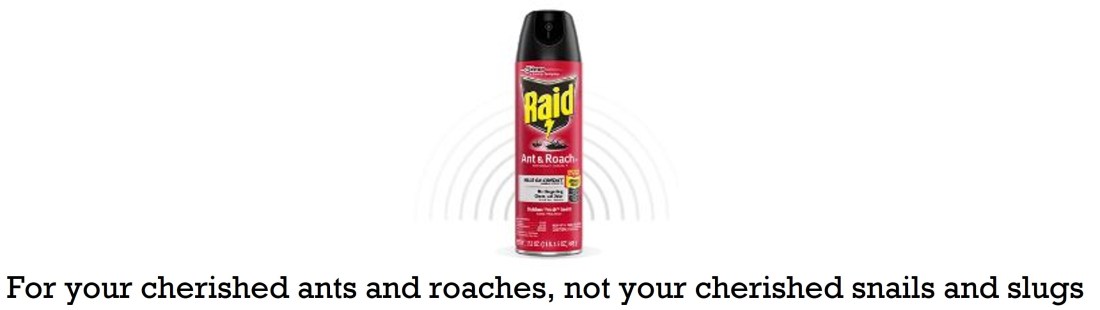
For Your Cherished Ants and Roaches Not Your Cherished Snails and Slugs 05-02-23

Feeling Betrayed?

For years the advocates have been telling you about their safe, proven and reversible fertility control programs, how they’re changing the way wild horse herds are managed and how they’re protecting wild horses from removal by getting rid of them with PZP.

They say they’re trying to slow population growth, but they’re actually trying to reverse it, by snuffing out new life and letting the older horses die off.

Now you’re realizing that they’ve been darting the mares with an EPA-registered pesticide, not a vaccine as they claim, that destroys their ovaries in four to five years.

Moreover, the EPA specifies rules and restrictions for its use, and they rank among the greatest offenders.

They probably haven’t been designated as agents of state and federal governments, which the EPA requires.

They don’t use EPA-mandated PPE when applying the product, as seen at 7:15, 7:50 and 9:10 in this video by the Campaign Against America’s Wild Horses, a leader in the wild horse removal industry.

They’re using the product for pest control in areas identified for animal agriculture, a purpose for which it was not registered.

These are violations of federal law.

RELATED: The Promises of PZP, Unfulfilled.

Calling it a Vaccine 05-01-23

Motorized Equipment Hearing Set for May 24

The online meeting, to be livestreamed, runs from 3:00 to 5:00 PM Mountain time, according to an April 28 news release.

Motorized vehicles and aircraft enable rapid and efficient shifting of resources to privately owned cattle and sheep in the lawful homes of wild horses and burros.

If livestock receive 84% of the authorized forage in areas identified for wild horses before the hearing, they will receive 84% of the authorized forage after the hearing.

Thriving Ecological Balance-3

Stone Cabin Decision Published

The Tonopah Field Office will implement Alternative A, the Proposed Action, according to a Decision Record dated April 11.

The Proposed Action, described in Section 2.2 of the Final EA, features an initial roundup to remove excess animals and achieve low AML, followed by population growth suppression over a ten-year period, including application of Zonastat-H and GonaCon Equine, both restricted-use pesticides, castration, sex ratio skewing and IUDs.

The Complex and surrounding lands are used for animal agriculture, discussed in Section 3.7 of the EA, a purpose for which the pesticides were not registered.

The EA and DR were posted to the project folder with other related documents.

RELATED: Stone Cabin Pest Control Plan Out for Public Review.

Stone Cabin Complex with Allotments 05-01-23