Wild Horses Endangered at Axtell Off-Range Corrals?

Don’t be deceived by the advocates.

Figures obtained by the Campaign Against America’s Wild Horses show 106 horses dead out of 3,552 moving through the facility in 2021, about three percent, according to a report posted today by FOX 13 News of Salt Lake City.

On the Virginia Range, the same group is getting rid of an estimated 600 wild horses every year, out of roughly 3,000, which works out to 20%.  That’s just one of the areas where they’re decimating the herds with the Montana Solution.

Who’s the greater threat to the horses?

RELATED: Virginia Range Darting Program Rivals Major Roundups.

Fish Creek HMA Subject to Montana Solution?

The successful candidate will oversee fertility control projects on the Virginia Range, Fish Creek HMA and Pine Nut HMA/HA, according to the job posting for Nevada State Director by the Campaign Against America’s Wild Horses.

However, the HMA does not appear on the list of roundups and darting programs for FY 2022 published by the BLM.

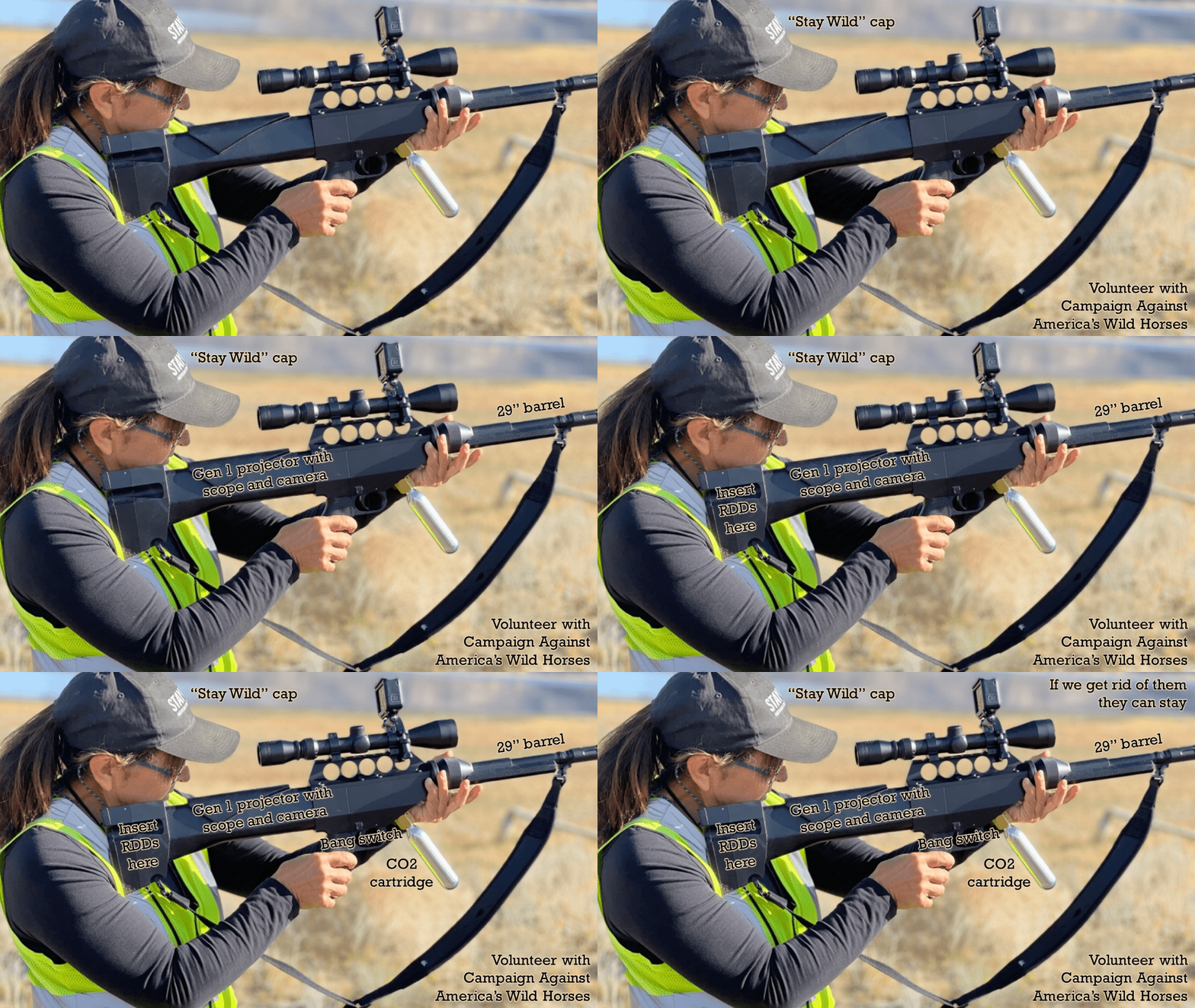
The solicitation did not indicate if applicants would receive “Stay Wild” caps, one of the ways the advocates signal their support of the ranching agenda.

The Fish Creek roundup ending on January 3 last year yielded 18.2% foals.

Curiously, more youngsters were shipped than captured.

RELATED: Spreading the Montana Solution Across the Fruited Plain.

Spreading the Montana Solution Across the Fruited Plain

The Campaign Against America’s Wild Horses is hiring!

Four job openings were posted to Idealist today:

  • Socialist Media Engagement Specialist
  • Grassroots Advocacy and Outreach Manager
  • Nevada State Director
  • Government Relations and Public Policy Fellowship

The bureaucrats and ranchers are watching closely.

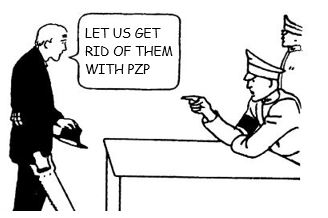
They know the optics of helicopter roundups are bad but they’re wondering if the group can convince enough people that getting rid of wild horses with PZP is good.

RELATED: Do “Stay Wild” Caps Absolve the Advocates from Wrongdoing?

Wild Horse Annie Remembered on International Women’s Day

Sadly, her signature legislation has been altered at the behest of ranching interests and no longer affords the protections of the original.

Worse, the wild horse protection community is almost nonexistent, despite the remarks in this news release.

Groups that claim to protect the horses are actually trying to get rid of them, giving aid and comfort to the ranchers.

For those of you in Rio Linda, “the hills of the Comstock Lode” in the book excerpt is a reference to the Virginia Range.

RELATED: Do “Stay Wild” Caps Absolve the Advocates from Wrongdoing?

Do “Stay Wild” Caps Absolve the Advocates from Wrongdoing?

They’re spreading the Montana Solution across the fruited plain, hoping you won’t notice the absence of foals and the destruction it portends.

By getting rid of the horses, they ratify and reinforce the mismanagement of areas designated for their welfare.

Here’s what they’re trying to protect:

1. Former HMAs now managed almost exclusively for livestock.

  • AMLs are zero
  • Livestock receive most of the resources, with a small amount reserved for wildlife

2. HMAs managed primarily for livestock.

  • AMLs correspond to 20% or less of authorized forage
  • Livestock receive four to six times more forage than the horses

3. Off-range corrals flooded with animals displaced by permitted grazing.

  • True AMLs often exceed current populations by wide margins
  • Carrying capacities have not been exceeded

4. Loss of wildness.

  • Increased presence of humans in their environment
  • Alteration of natural behaviors
  • Low birth rates and rising death rates
  • Herds don’t bounce back

5. Fulfillment of ranching agenda.

  • Non-native species become the primary consumers of resources
  • Ranchers don’t pay for the field work, but they reap the benefits
  • Funding comes from donors who think they’re helping the horses
  • Some support may come from groups aligned with the ranchers

On the bright side, problems of genetic diversity and inbreeding go away, because there is no breeding at all.

All of this is coordinated by a group that refused to sign the letter to Haaland seeking the removal of livestock from HMAs.

If you still don’t think they’re frauds, get your cap, make the pilgrimage to Billings and join their army of certified volunteers.

RELATED: Advocates Protect Ranchers, Not Horses and Burros?

Portrait of an Advocate 01-04-22

Any Wild Horses on Wild Horse Island?

It’s the largest island in Flathead Lake, according to the description by Montana Fish, Wildlife & Parks, covering 2,160 acres.  Access is by boat.

The “handful of wild horses” that inhabit the area turns out to be five.

The stocking rate is 2.3 wild horses per thousand acres, compared to a target rate in areas managed by the BLM of one wild horse per thousand acres.

The horses require 60 AUMs per year.

The forage assigned to bighorns is probably higher.

The description did not indicate if mares and stallions are present, if the studs have been cut, or the mares have been treated with the Montana Solution, but the following video shows no youngsters.

RELATED: Mountain Lions Dispatched from Wild Horse Island.

Mountain Lions Dispatched from Wild Horse Island

State and tribal wildlife officials euthanized two males and one female on the island this winter, because they had become habituated to people and were preying on an isolated population of bighorn sheep, according to a story posted this morning by the Flathead Beacon of Kalispell, MT.

Western Horse Watchers was unable to find a statement by The Wildlife Society condemning the action.

Wildlife officials have been using sheep from the island (native species) to reboot herds in other areas that have been diminished by several factors, including diseases from domestic sheep (non-native species).

How do wild sheep come in contact with domestic sheep?  Take a guess.

A search of TWS yielded several articles about the problem, including this one, but now that they’ve come out as shills for the public-lands ranchers, you probably won’t hear about it anymore.

RELATED: Wildlife Society Acknowledges Support for 2022 Roundup Plan.

Advocates Protect Ranchers, Not Horses and Burros?

A visitor asked for information showing that some of the advocacy groups defer to cattle/mining interests at the expense of wild horses and burros.  Here is the reply:

Hi R.,

Data collection and number crunching are needed to show how the government manages areas set aside for wild horses and burros.

There are many such posts on the blog, here is a recent example:

How Many Wild Horses Can the North Lander Complex Support?

The government puts ranching interests far above those of the horses and burros.

AMLs typically correspond to 20% or less of the authorized forage.

Livestock receive three to six times more forage than the horses and burros.

The off-range corrals and pastures are flooded with animals displaced from their home range by permitted grazing.

In their desire to get rid of the horses with PZP, instead of helicopters, the advocates reinforce the status quo and protect the ranchers.

That’s how you know they’re frauds.

The problem is resource allocation, which is documented in the land-use plans.

As for drilling and mining, they affect anywhere from a few acres to a few thousand acres, but public-lands ranching devours entire HMAs and beyond.

Regards,

B.

westernhorsewatchers.com

RELATED: Lots to Celebrate at Sulphur HMA, If You’re an Advocate.

Three Out of Four Americans Duped by Advocates?

They’re wrong about almost everything in the wild horse world, so it’s easy to imagine, but Western Horse Watchers has no such data.

However, the Campaign Against America’s Wild Horses indicated today in a news release that 74% of those who responded to their poll oppose helicopter roundups, and 63% support birth control for herd management.

Statements regarding the beliefs of Americans, a huge leap from their sample of 520 registered voters, give or take, may or may not be valid.

Referring to helicopter roundups, the group’s executive director noted that “The more the American public knows about the BLM, the less supportive it is of the inhumane and outdated approach to wild horse and burros.”

If the people understood how the BLM manages the public lands, especially areas set aside for wild horses, they’d reject the Montana Solution along with the roundups.

That’s bad news for her and her army of volunteers, who seek the approval of the bureaucrats and ranchers at the expense of our wild horses.

RELATED: Signatories of Rock Springs Petition Duped by Advocates?

Wildlife Society Acknowledges Support for 2022 Roundup Plan

The self-annointed conservation group said today in a news release that it signed the letter endorsing the BLM’s increased use of roundups and fertility control for wild horse and burro management, noting the agency’s commitment to “gather and sterilize 22,000 wild horses and burros across the western U.S. in coming years,” which, of course, is wrong.

The goal is to capture 22,000 such animals in FY 2022 and remove 19,000 from their home range.

That’s between now and September 30.

They don’t even know what they’re supporting.

Western Horse Watchers was unable to determine if the group advocates for all wildlife, including wolves, mountain lions and coyotes, or only the species that fit their agenda.

The announcement indicated that horses and burros, as non-native invasive species, compete with native wildlife and can cause damage to resources and habitat, but was silent on the effects of other non-native species, such as privately owned cattle and sheep, which far outnumber the horses and burros and graze in the same areas.

RELATED: CSF Endorses FY 2022 Resource Enforcement Goals.

NNCC Horses Fetch $92,250 in Recent Auction

Sixteen saddle-started horses and one halter-trained colt, forced off their home range in Nevada to accommodate the public-lands ranchers, were adopted over the weekend at the Northern Nevada Correctional Center, according to a BLM news release dated February 28.

The announcement said there are no natural predators that can effectively control wild horse and burro populations on America’s public lands, as those animals would also be interested in the privately owned cattle and sheep that dominate the landscape and may find them to be easier targets.