
Wild Horses of the Washoe by Donald Cool.
Category: Range
On the range
They Run the Show
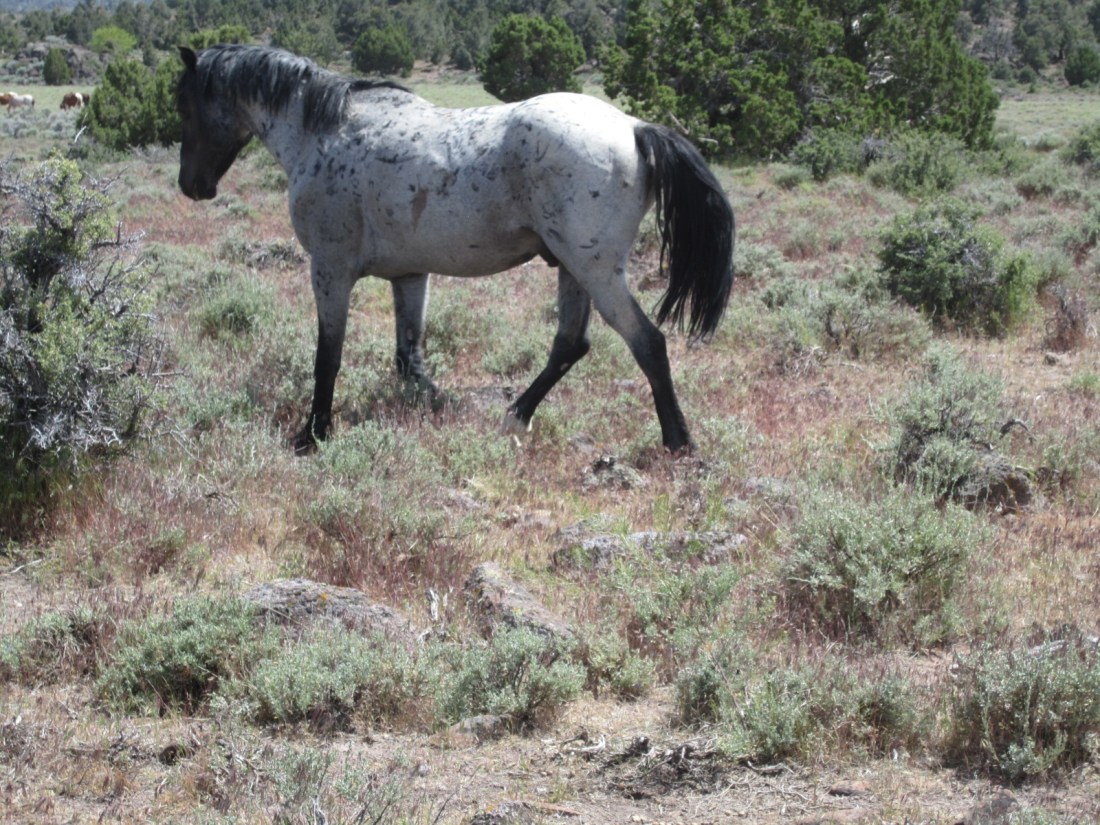
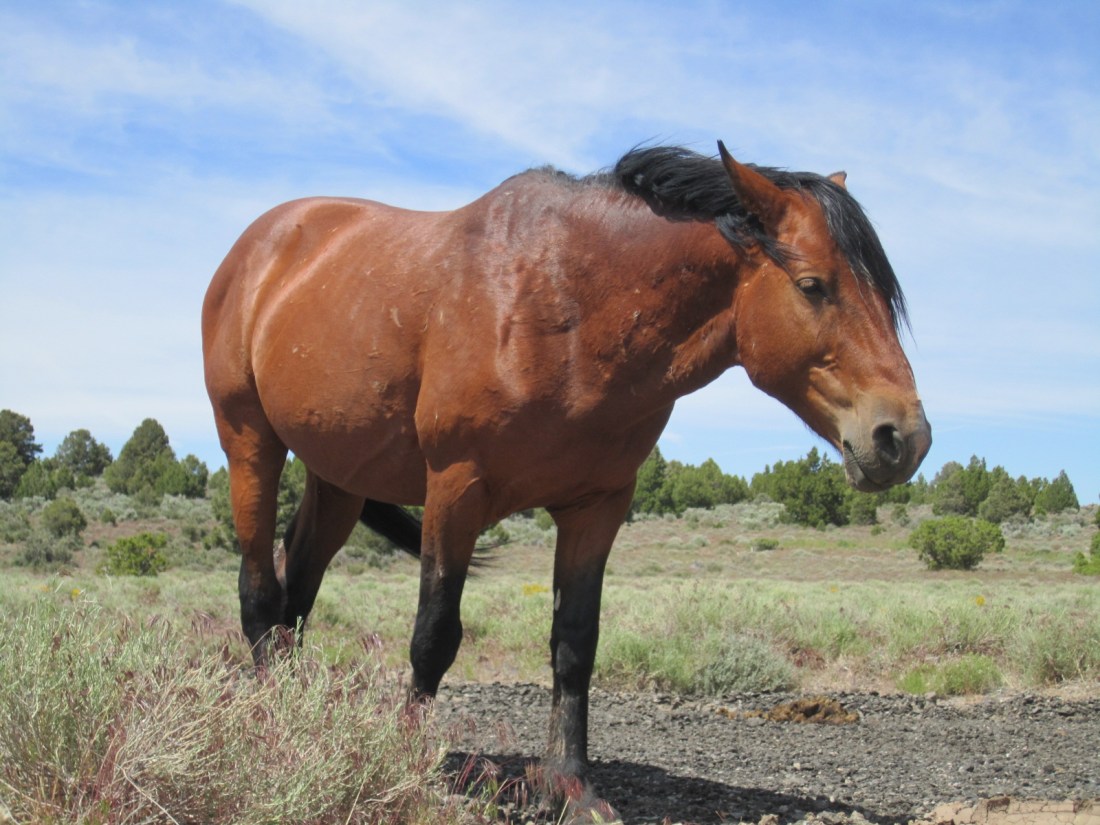
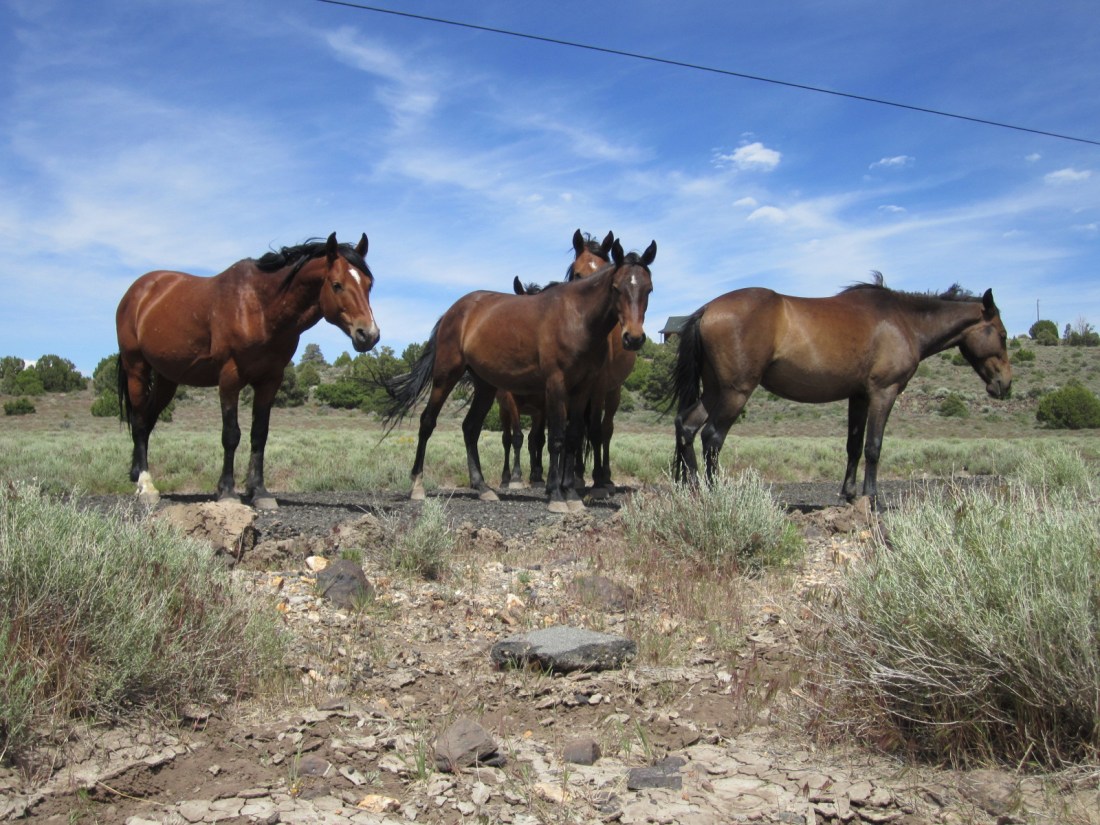
Band stallions on the Virginia Range, 06/15/18. Always fighting off young upstart bachelors who try to steal their mares. You won’t see them pushed off their food by ‘lead mares.’ Sorry ladies.
Eventually, they’ll be overpowered by other stallions and will transition to more-or-less solitary lives in pasture.
BLM to Gather Horses on Goshute HMA Starting Next Week
BLM plans to remove 125 wild horses from the Goshute HMA beginning 06/25/18, due to public safety concerns and private land issues. Refer to this news release dated 06/22/18.
The method of capture will be bait traps. Horses not returned to the range will be transported to the Indian Lakes Off-Range Corrals in Fallon, NV.
The HMA lies in northeastern Nevada, near I-80 and the Utah border, and covers an area of 267,277 acres (418 square miles).
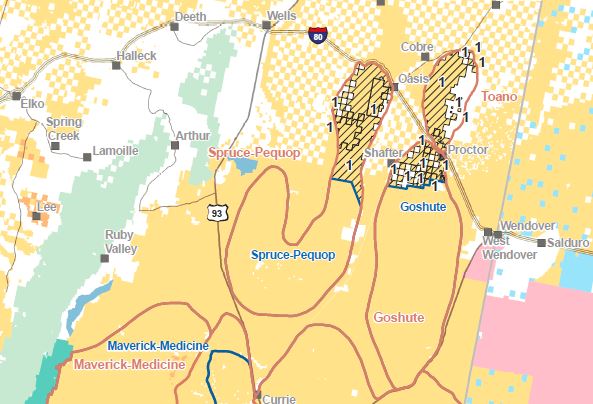
The population density at the upper end of the AML is 0.46 horses per thousand acres, almost nothing. Domestic livestock are present on the HMA, along with wildlife such as deer and antelope.
Good Times Were Had by All
Advocates Bringing Hay to Salt River Horses
More fallout from the drought in southwestern U.S. See this story dated 06/21/18 in AZ Family dot com (CBS affiliate in Phoenix).
UPDATE #1: See also this report, posted 06/22/18 on KJZZ 91.5 FM, Tempe, AZ.
UPDATE #2: And this report from FOX 10 in Phoenix, AZ, 06/22/18. Includes video.
UPDATE #3: Added video.
This Is the Lord’s Doing, and It Is Wonderful In Our Eyes
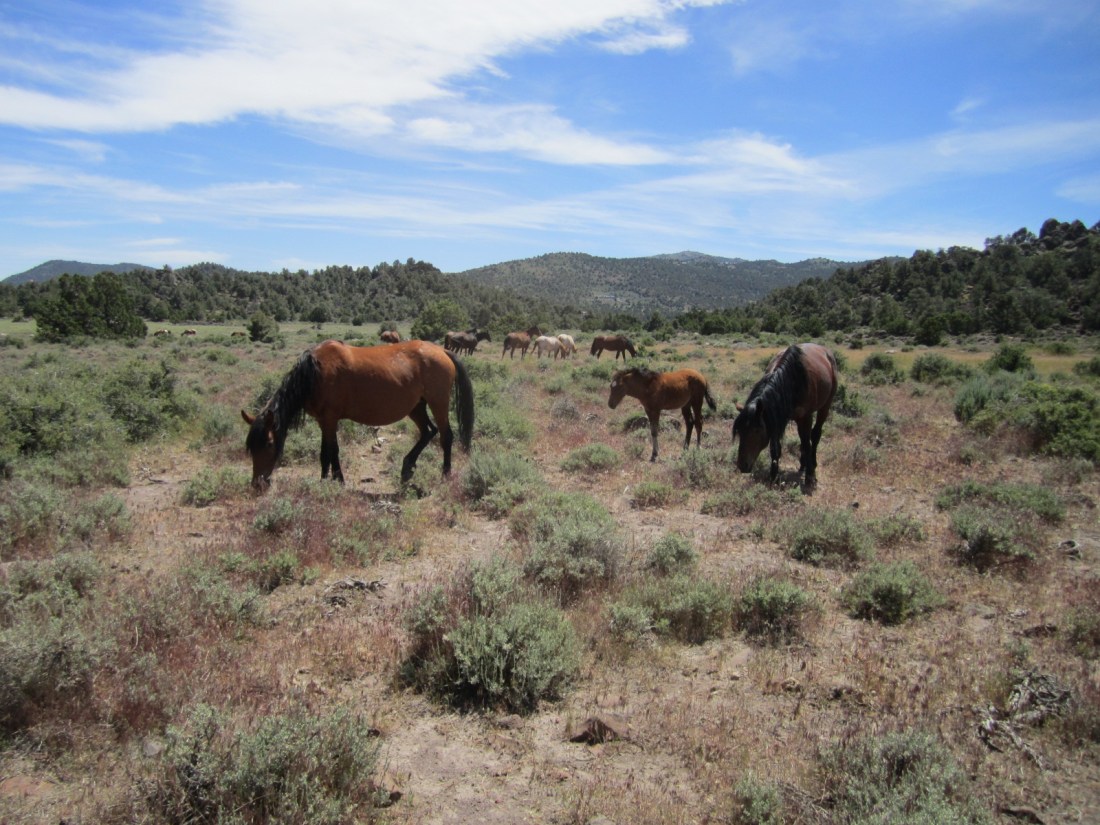
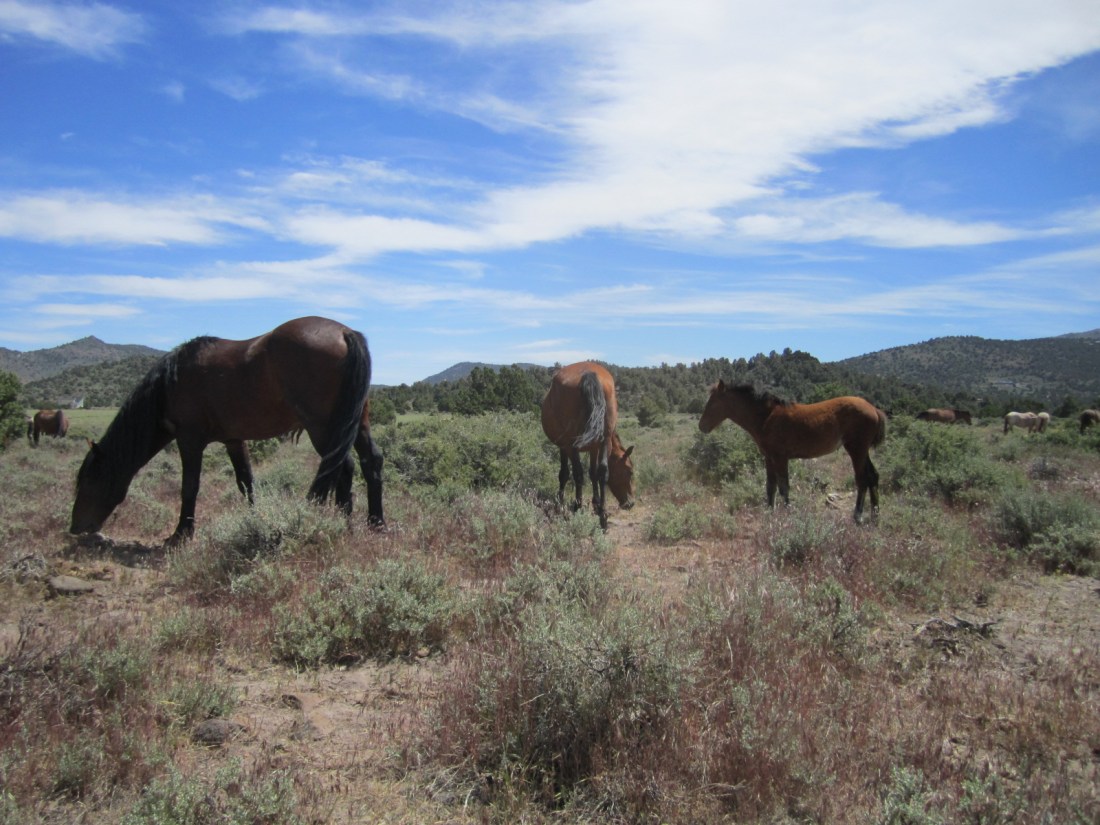
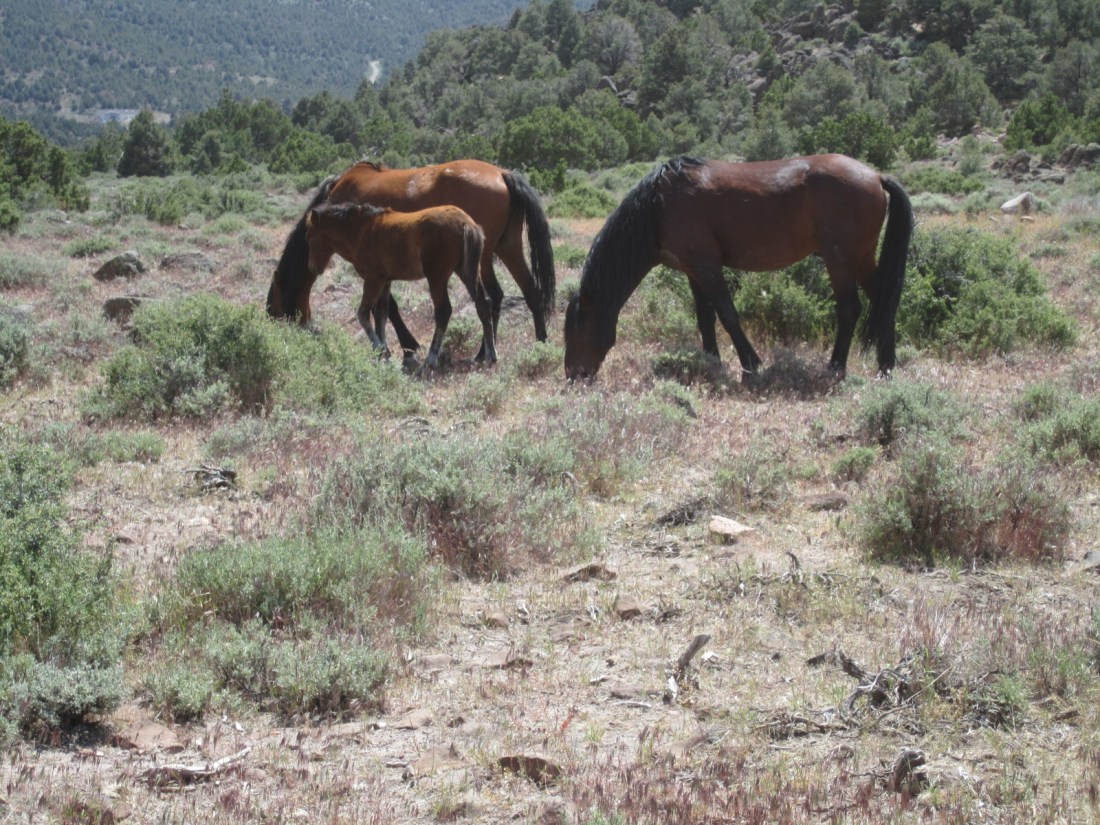
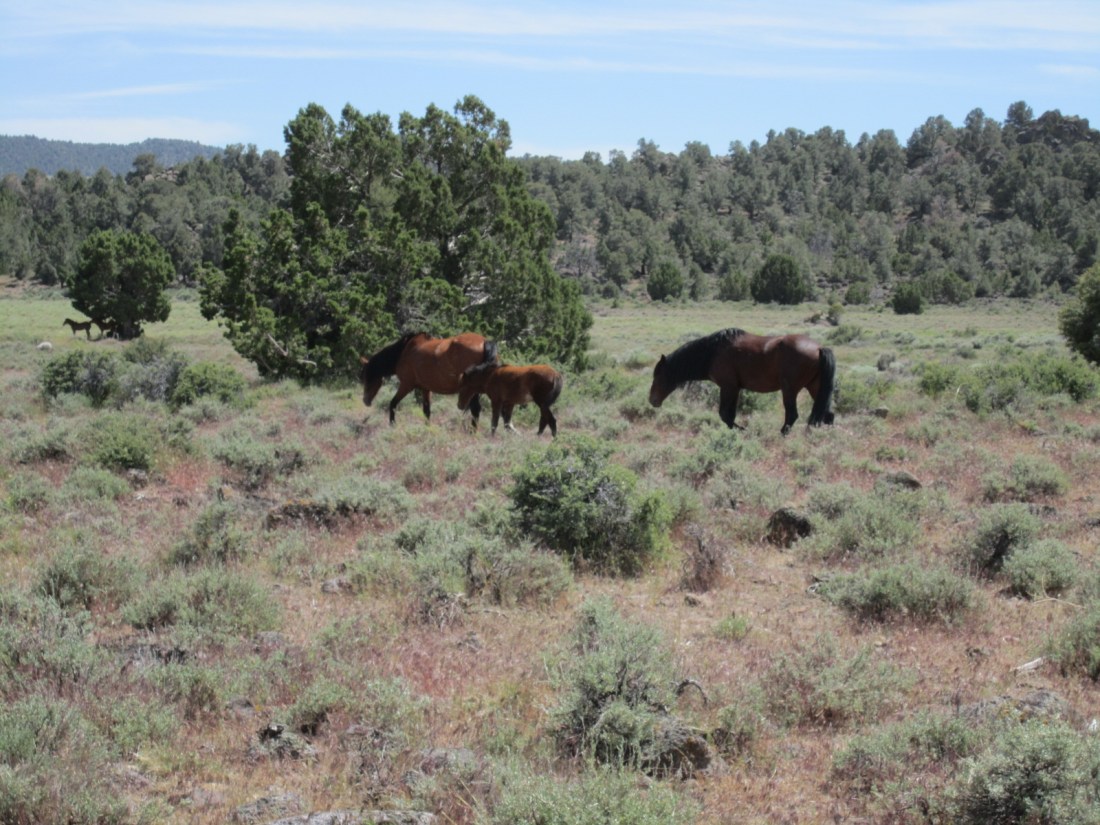
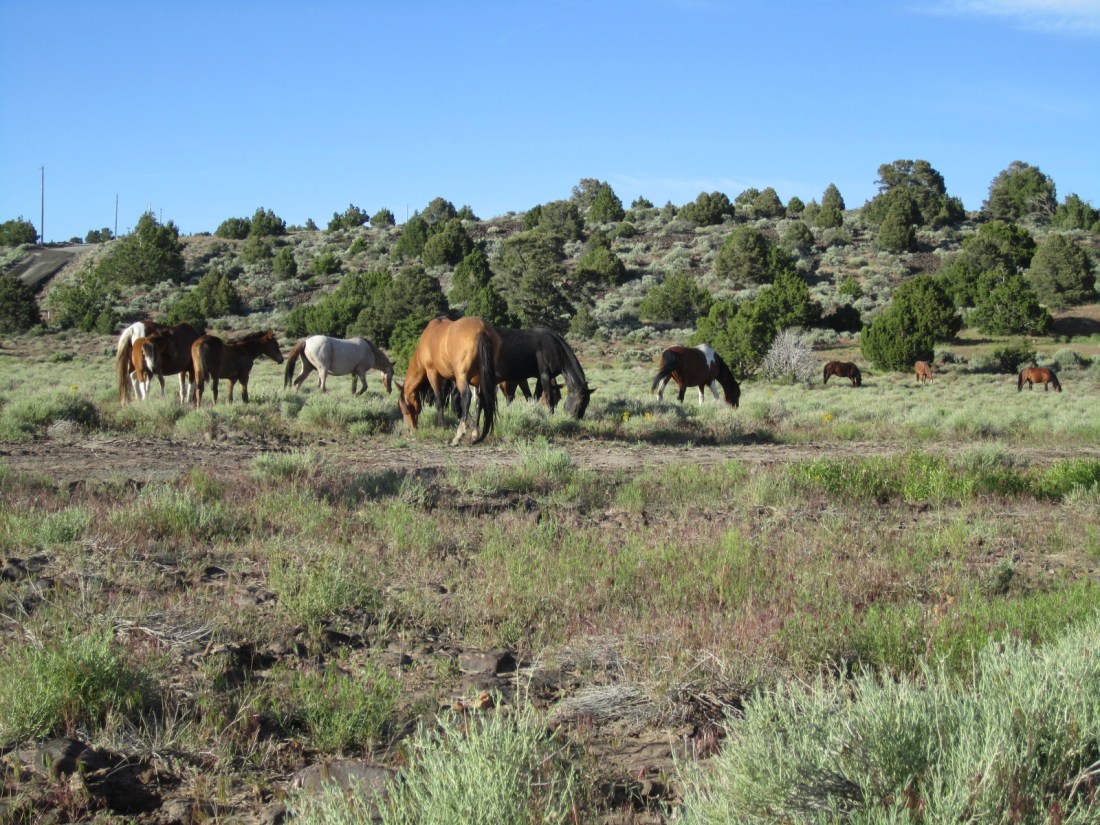
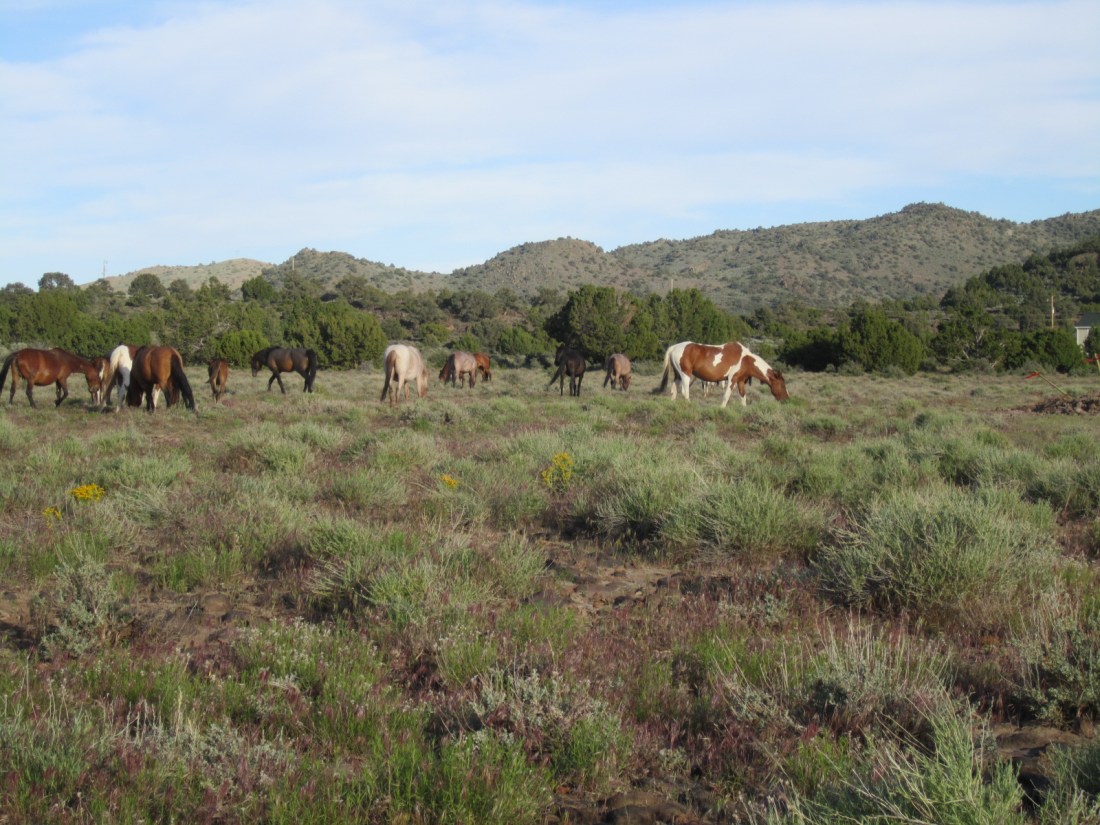
New band on the Virginia Range, 06/15/18. Looks like mom (on the left in first photo) has another one on the way.
Many of the so-called advocates, along with the wild horse haters, say this is wrong, it has to be stopped…that the horses are overpopulated and the land can’t sustain them.
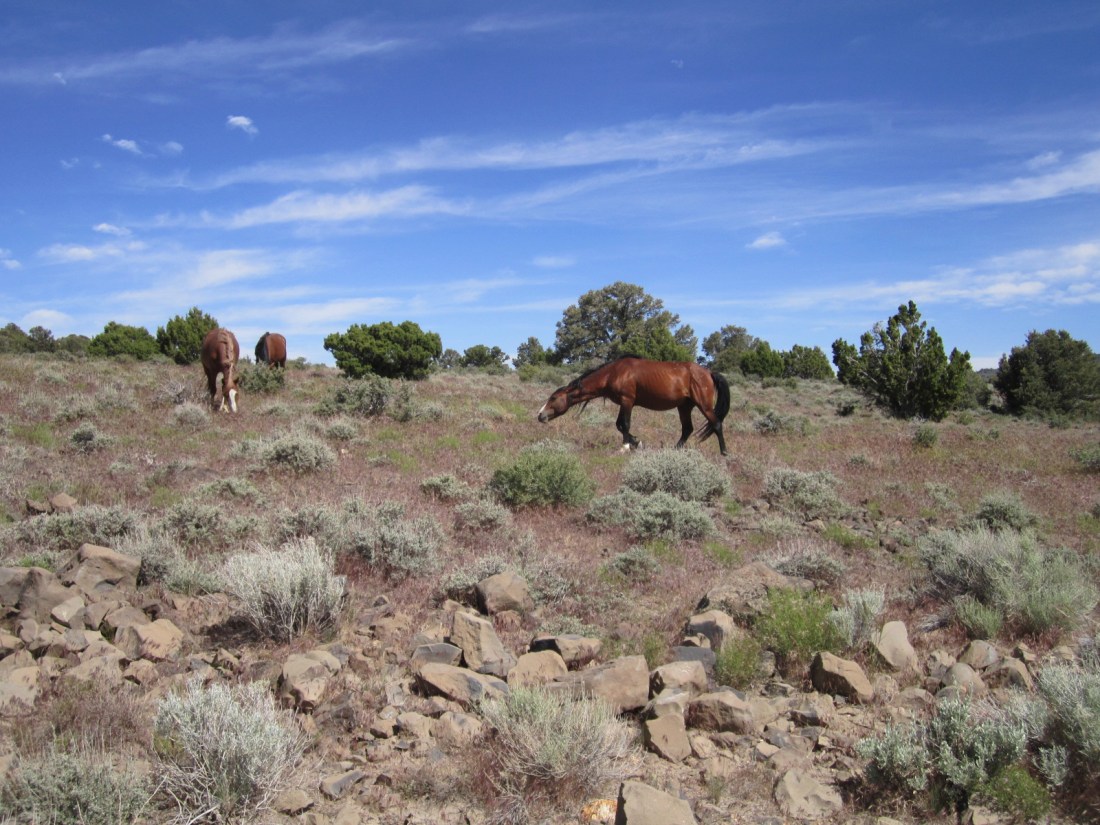
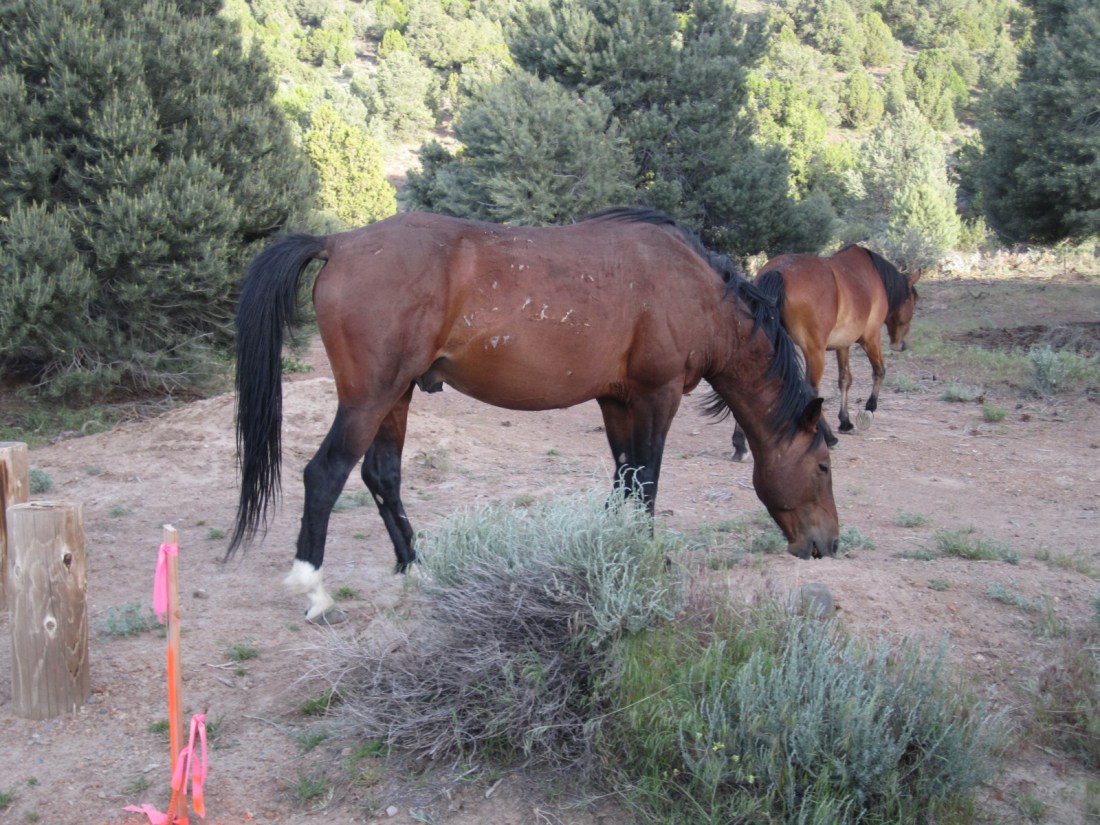
Do you see any evidence of that in the photos that have rolled out this week?
Keep in mind that the Virginia Range has a population density of roughly ten horses per thousand acres, compared to a population density of one horse per thousand acres on your average HMA.
Wild Horses of the Virginia Range, Part 3
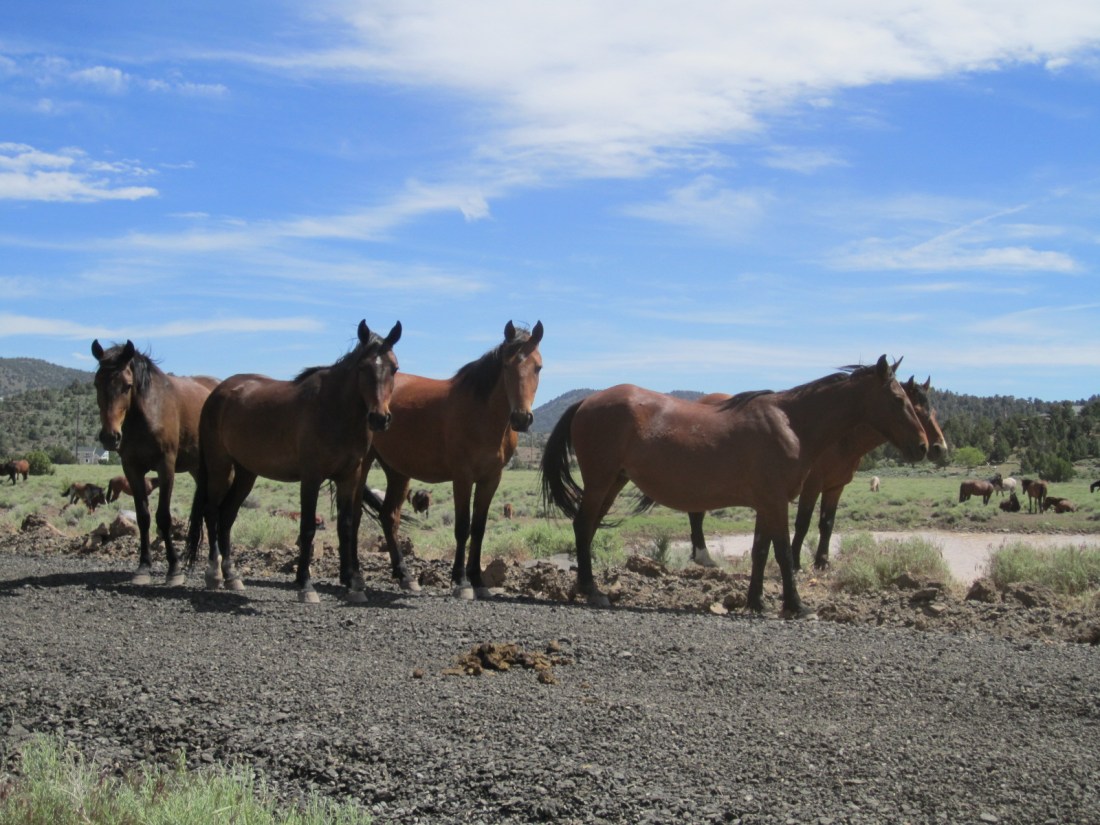
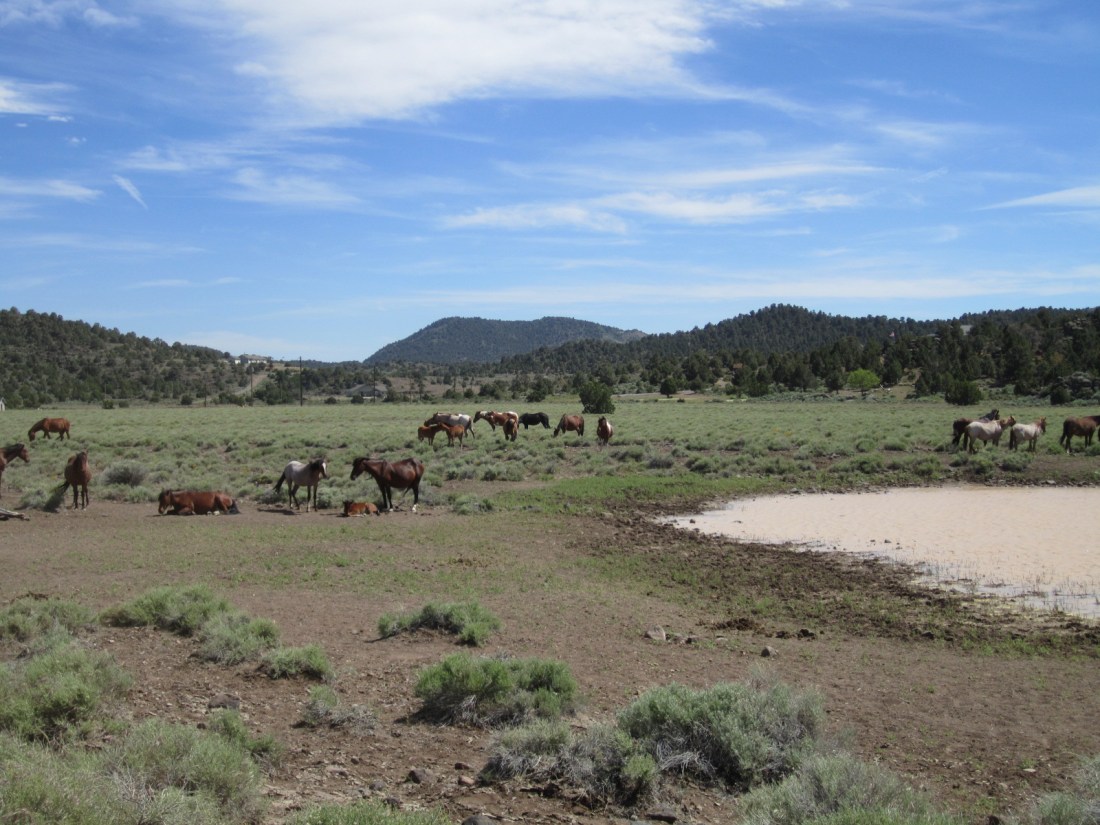
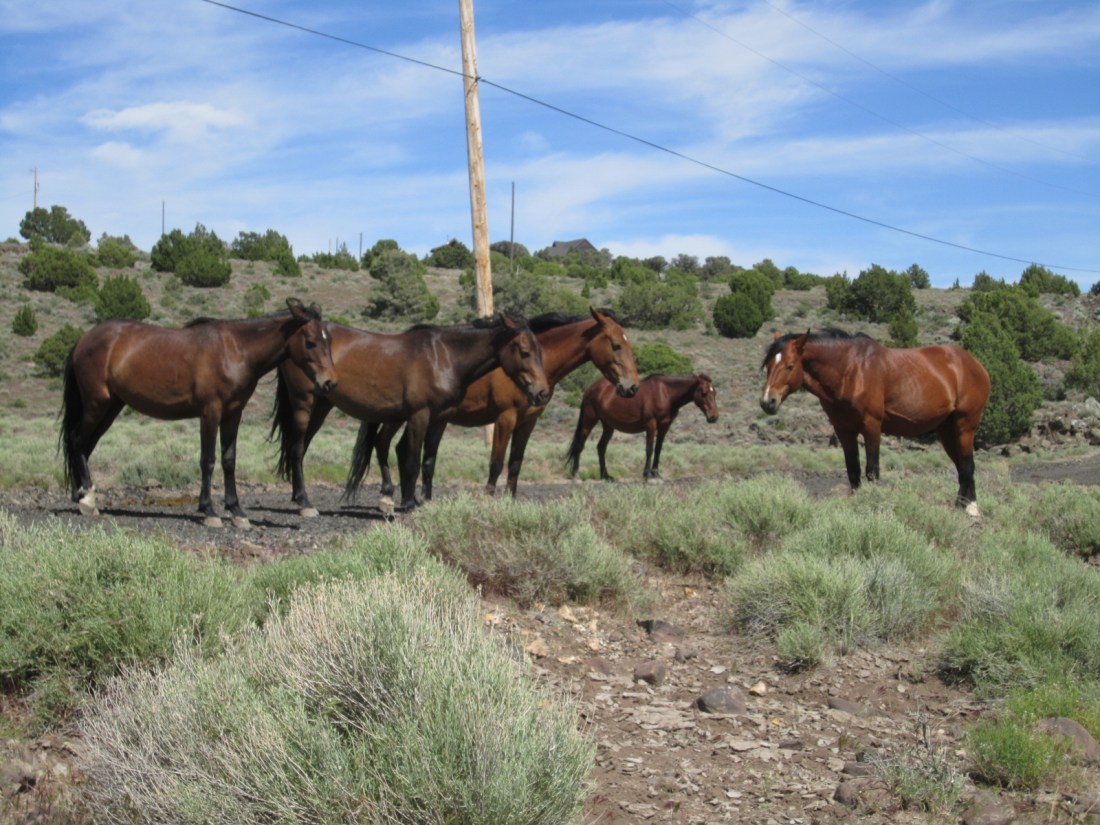
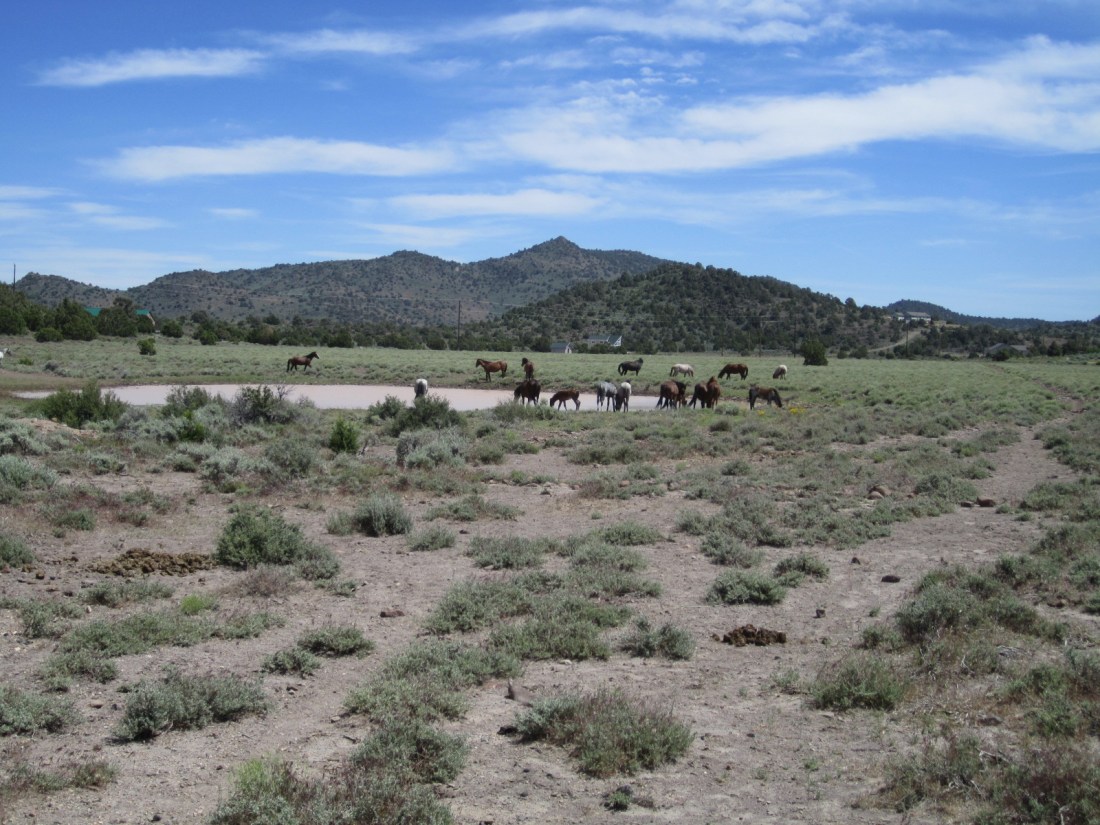
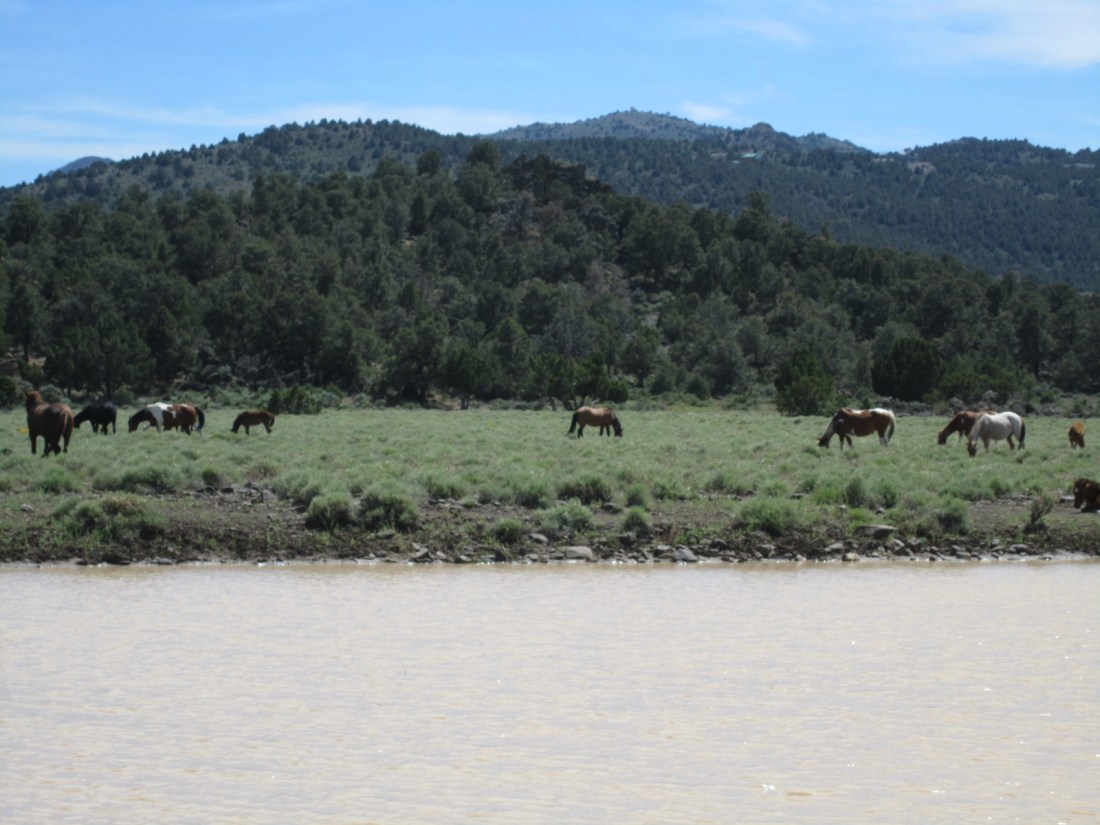
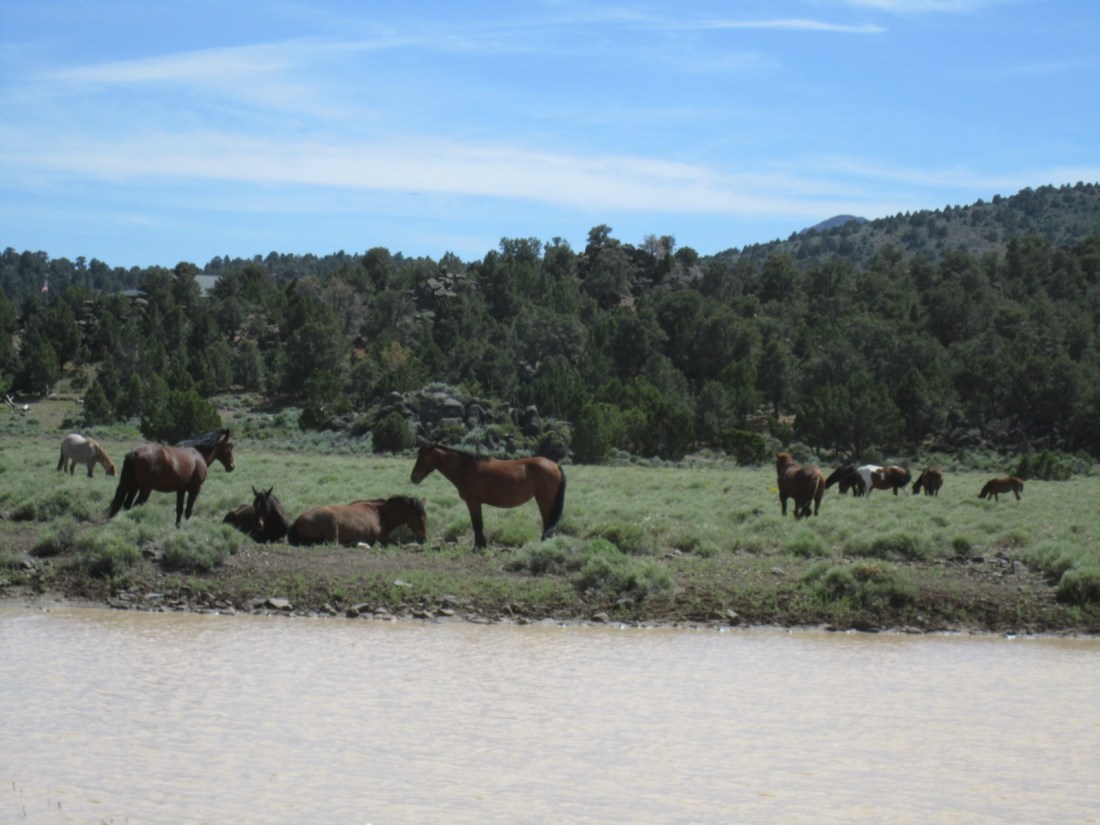
Last set of photos from 06/15/18. These guys spent most of the afternoon near the pond but decided to move on to other pastures around 6:00 pm.
The pond is seasonal and will dry up in another month or so, typical for the Nevada high desert. The horses were not very interested in drinking from it, only saw one go in it.


Advocates Hauling Water to Heber WHT

Wild Horses of the Virginia Range, Part 2
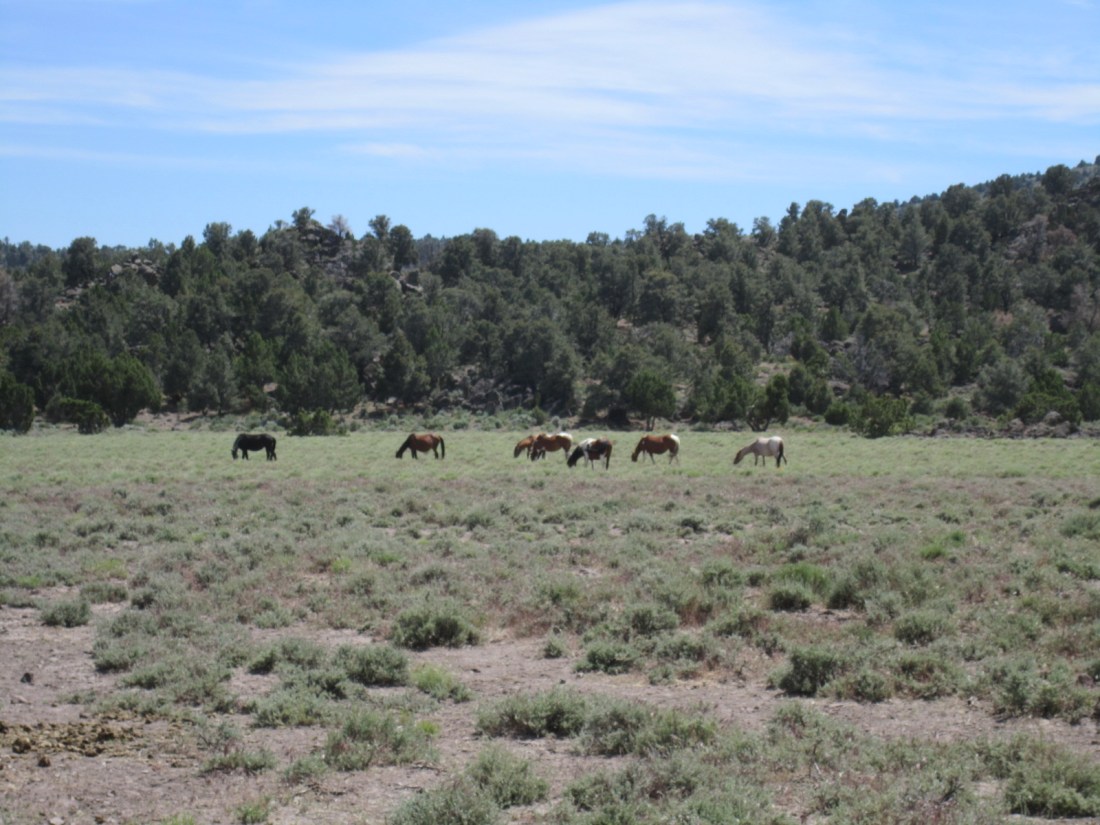
More photos from 06/15/18. Elevation 6500 feet. Wind out of the west with a temperature of 70 deg F.
The Virginia Range mustangs roam an area east of Reno, NV bounded by I-80 on the north, Hwy 395 on the west, Hwy 50 on the south and Hwy 95 on the east.



What Is the Mustang Roll?
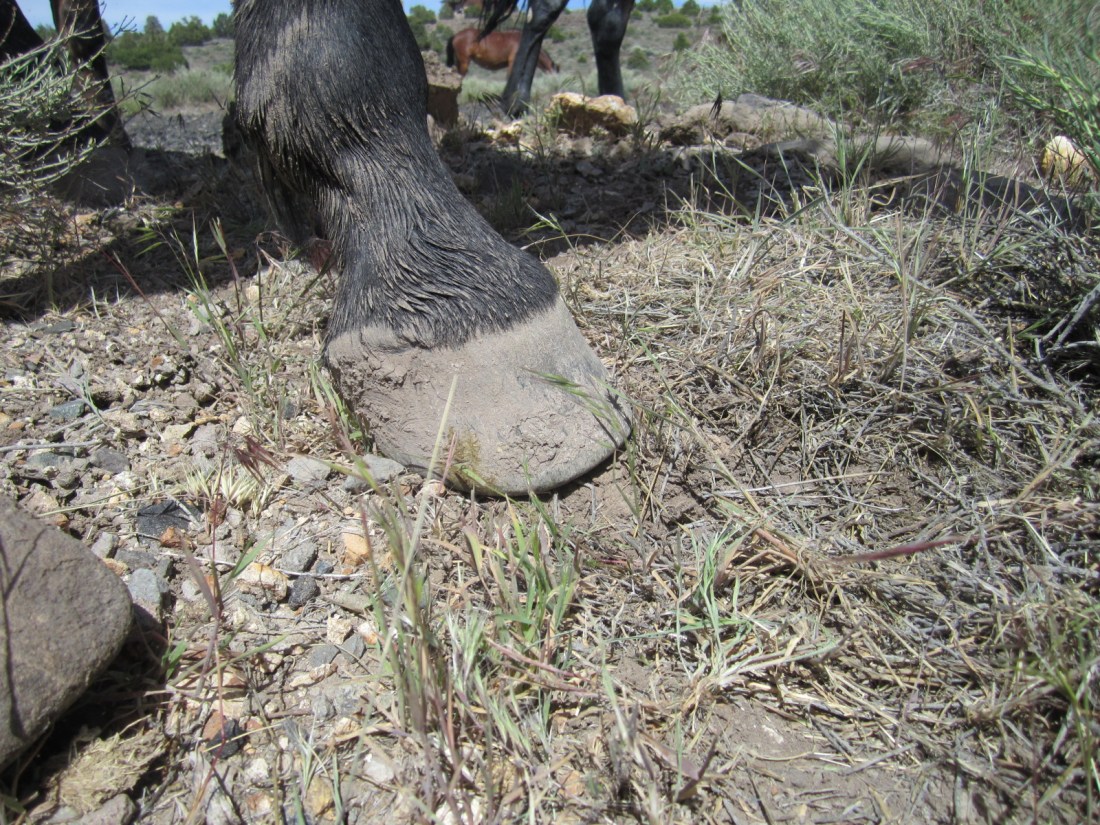
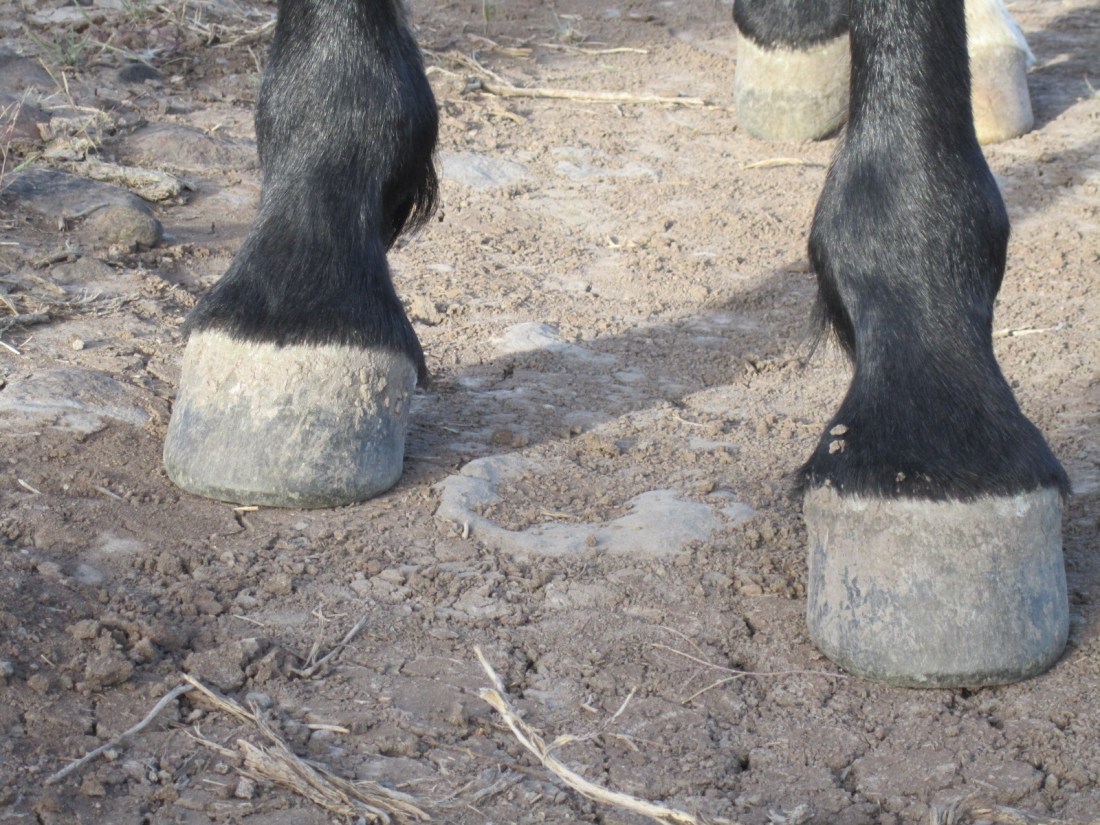
It’s not what your horse does after you give him a bath. It’s not how he gets fresh dirt on his back. It’s the natural rounding of the edge of the hoof that occurs in free-roaming horses and burros.
Here are two examples from the Virginia Range. The rounding of the edge eliminates what’s known as a ‘stress concentration’ in engineering work.
A sharp edge can be susceptible to cracks. Your farrier probably rounds the edge with a rasp when he trims your horse’s feet.
Next time he visits your ranch or barn, ask him about the mustang roll.
Wild Horses of the Virginia Range, Part 1
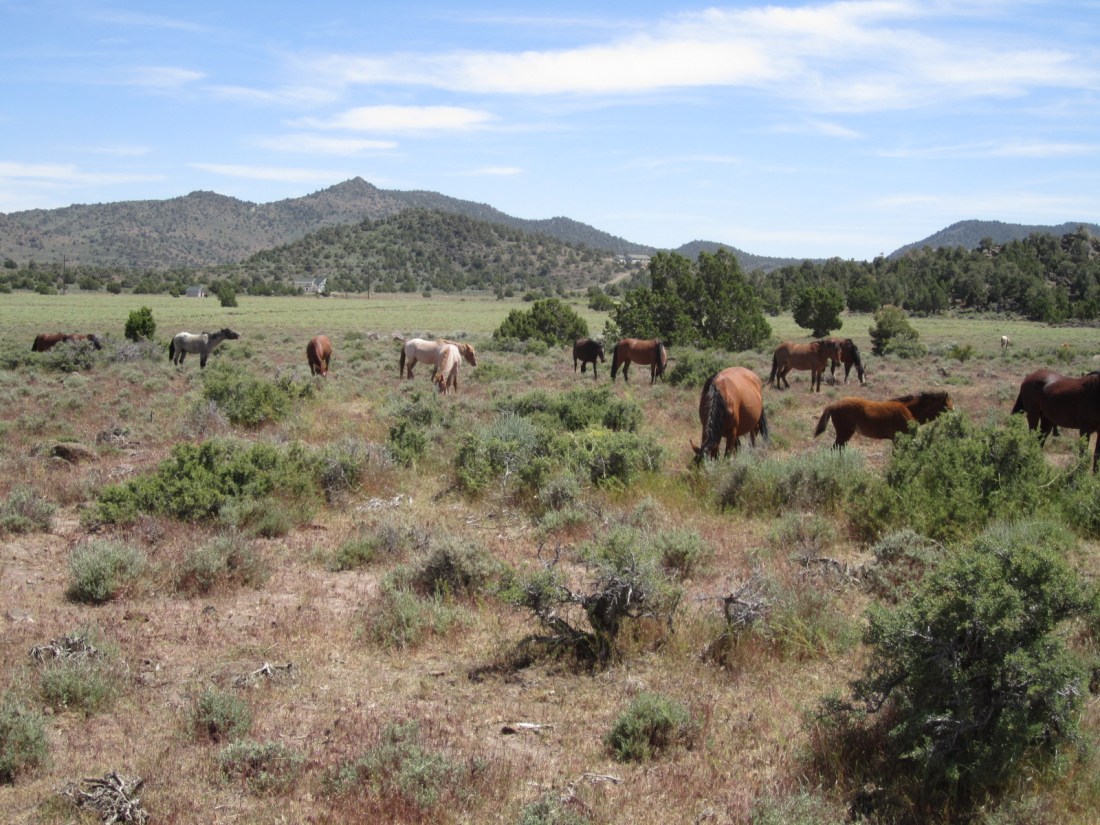
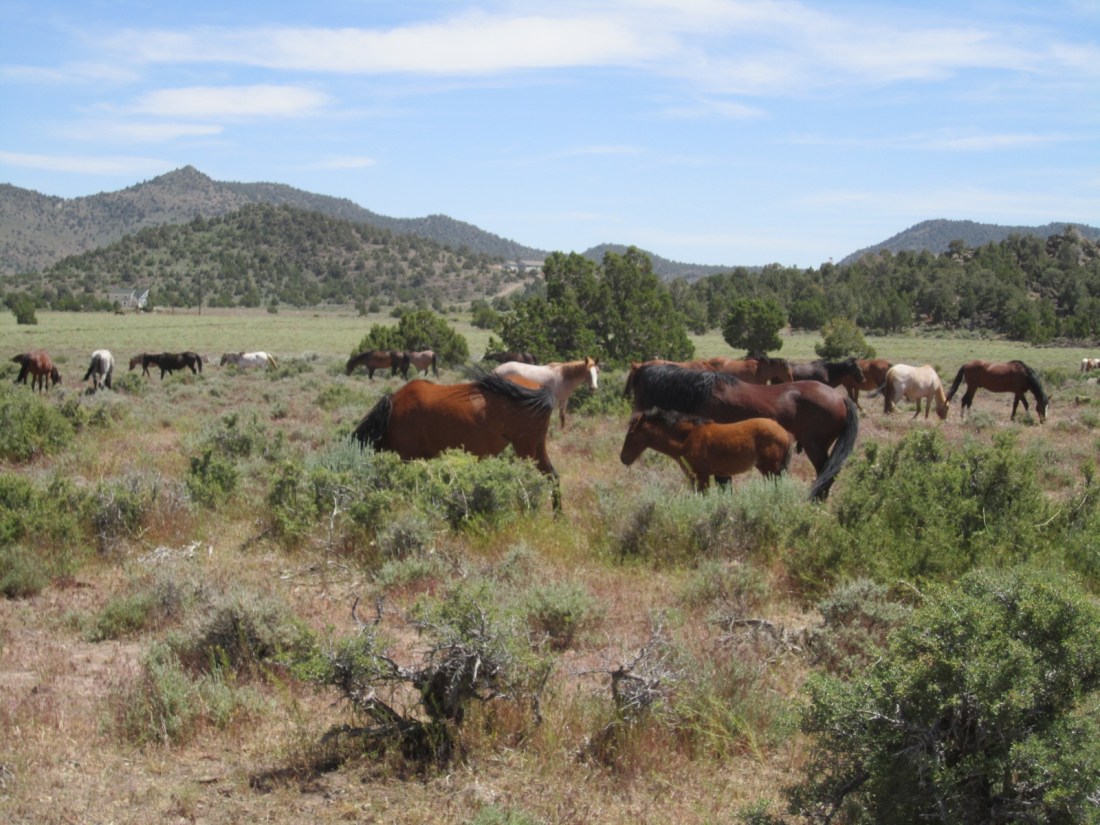
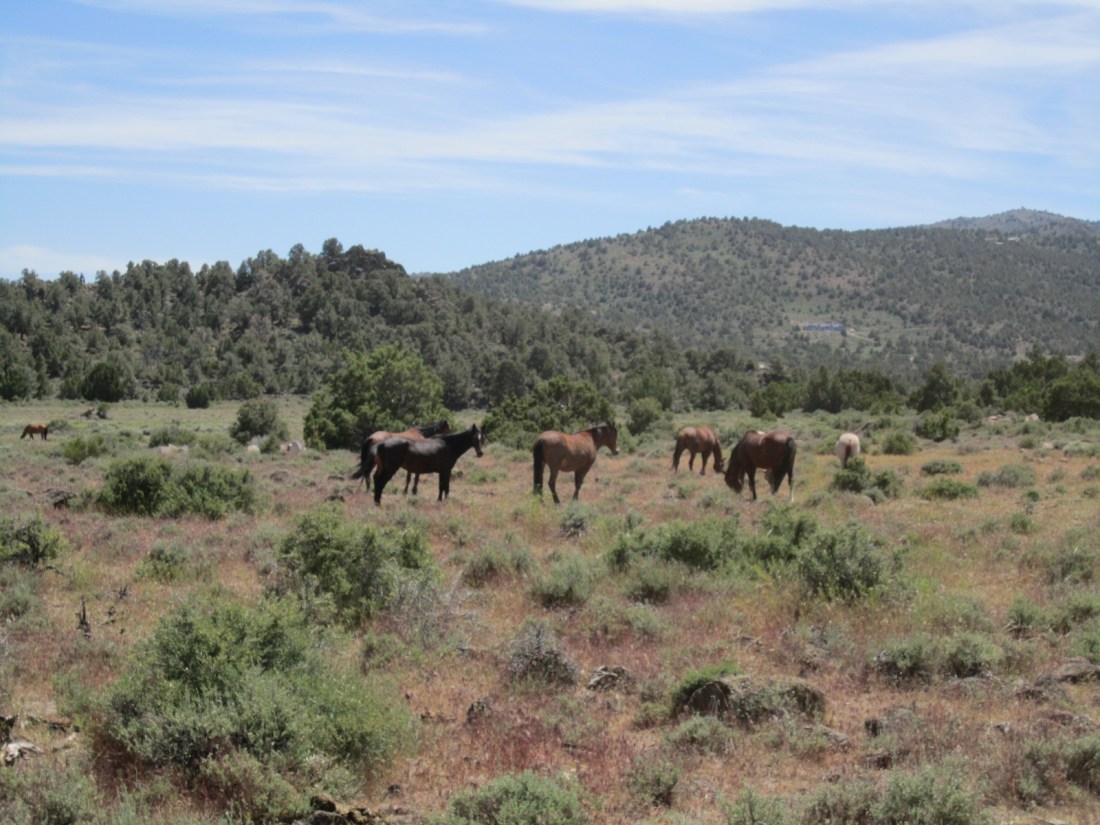
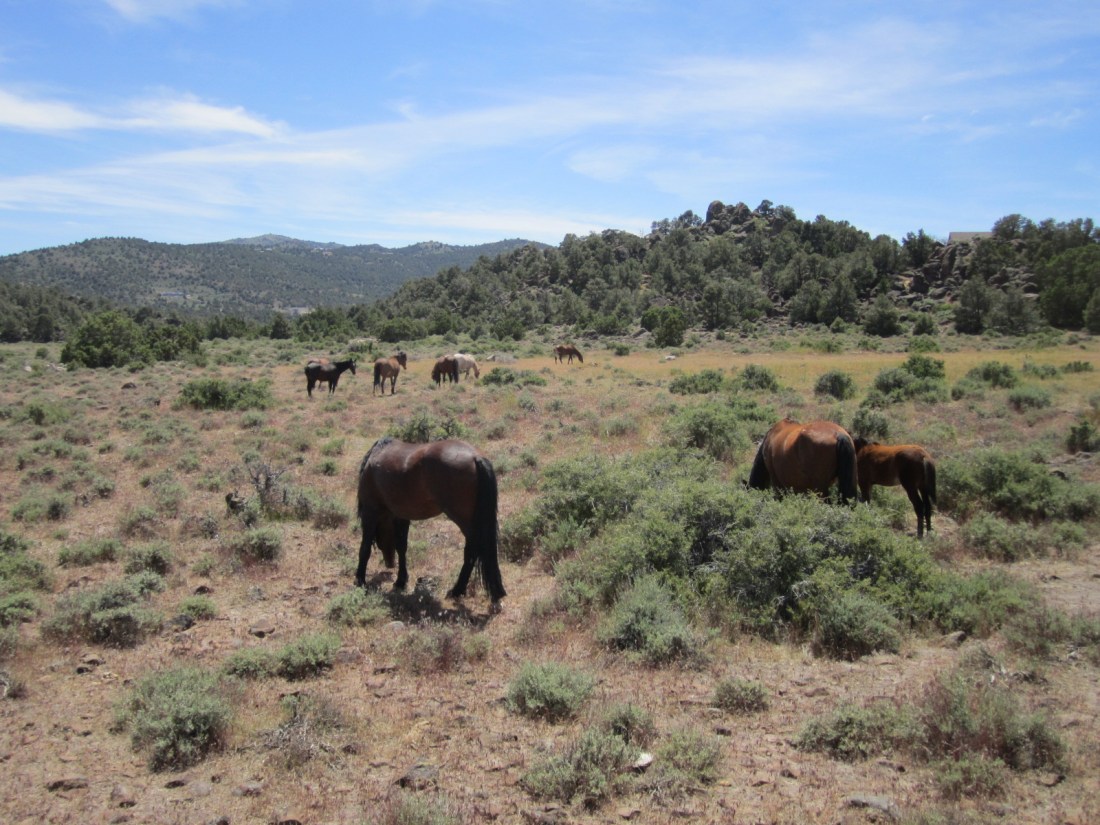
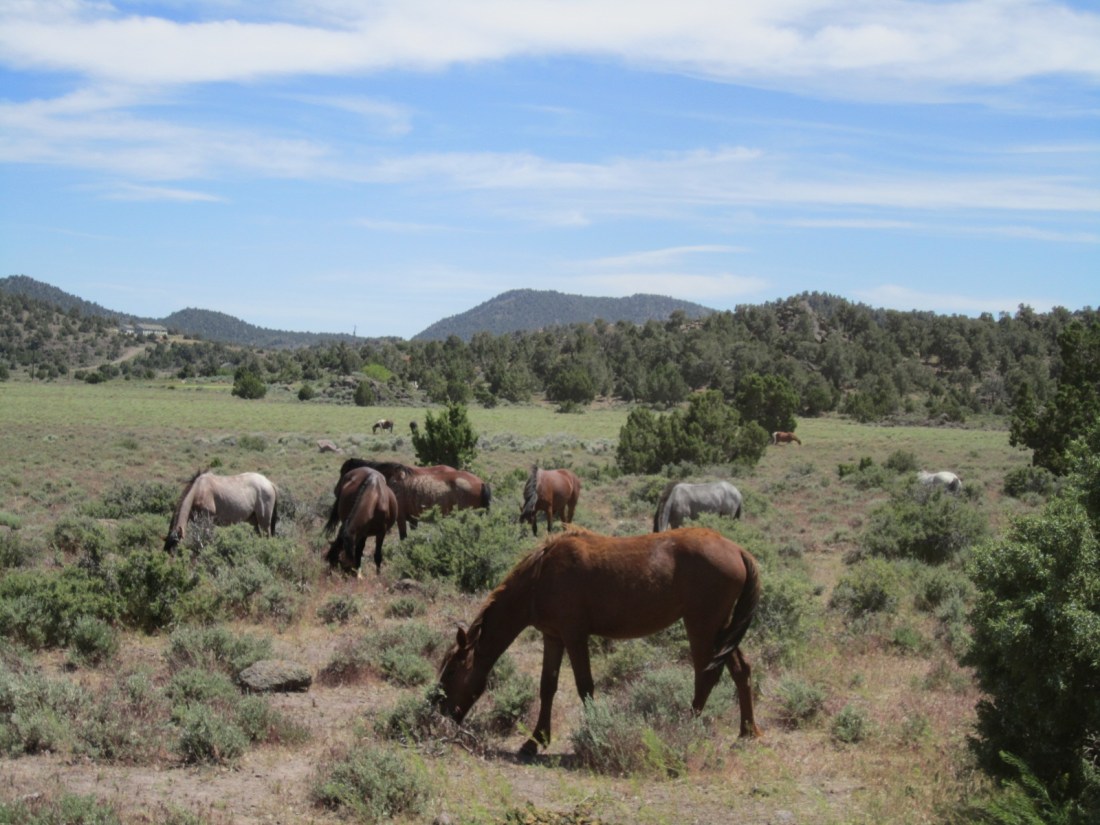
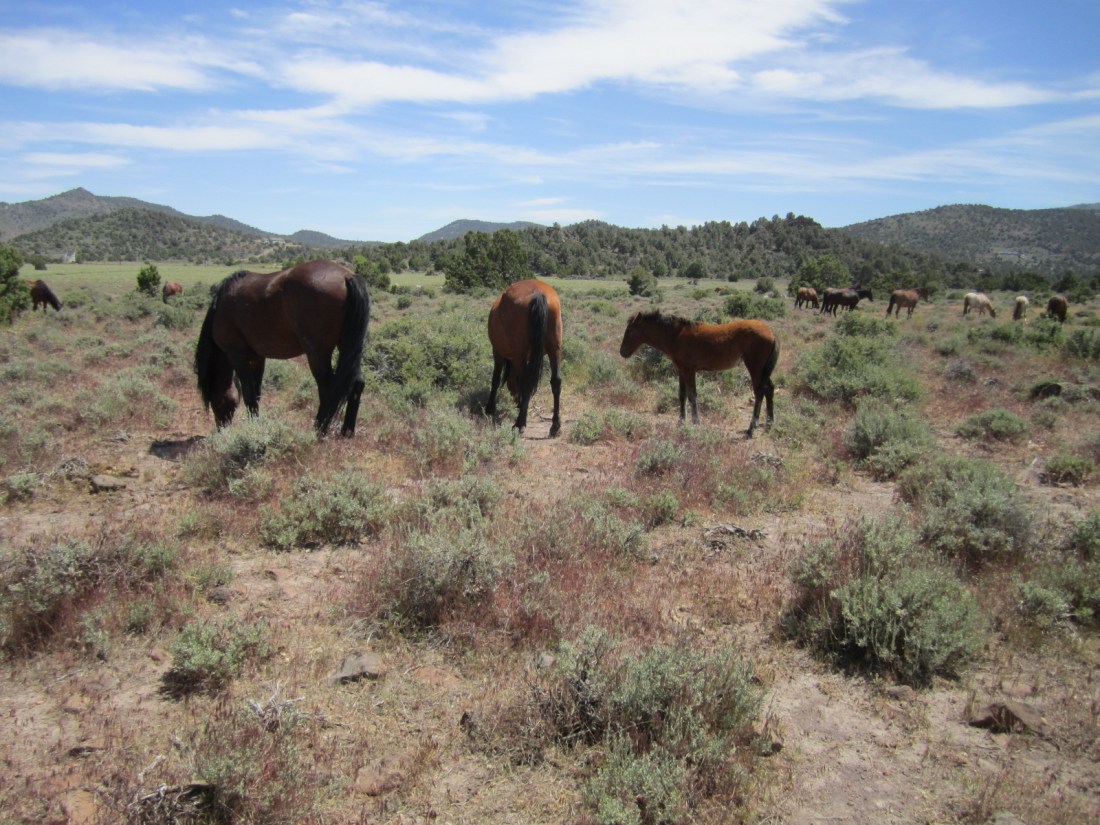
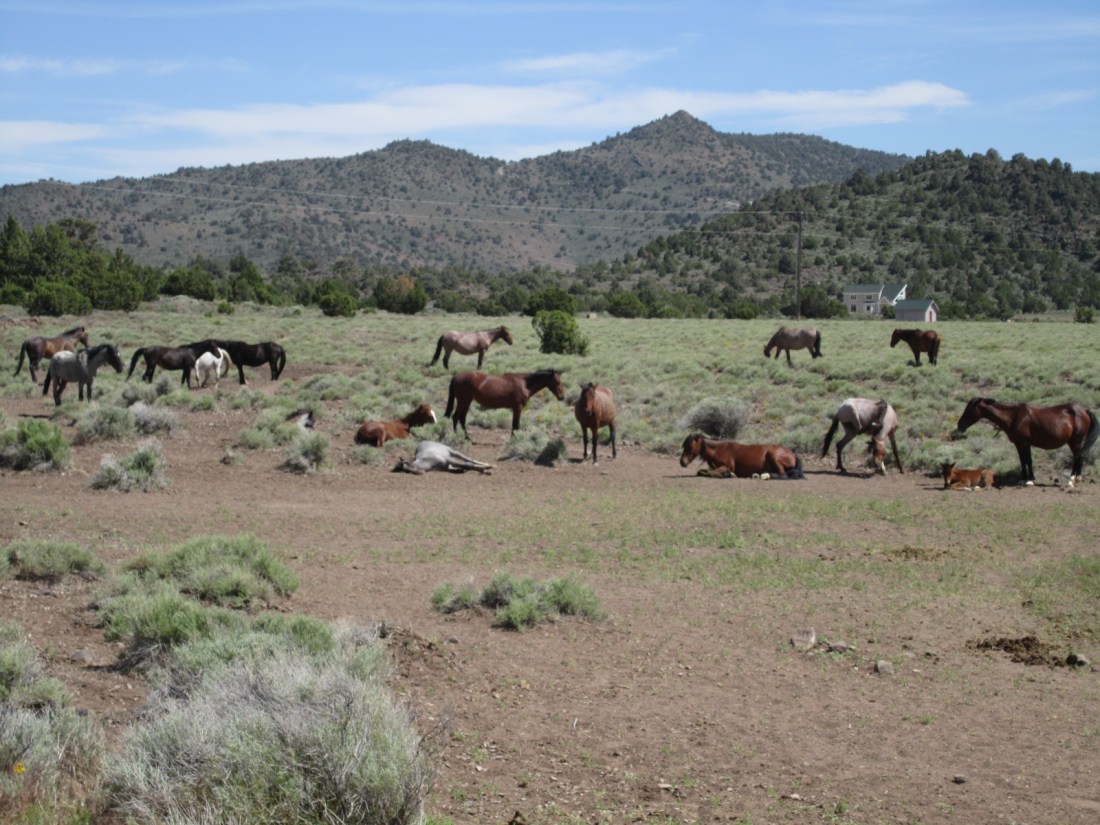
Last Friday was a great day for watching horses on the Virginia Range. You normally don’t see this many together in an area of just 25 to 30 acres. Almost all heads were down, they did not seem to be put off by my presence.



Barren
This band, consisting of one stallion and four mares, was photographed on the Virginia Range 06/15/18. Stallion on the right, no youngsters present.

Closer inspection revealed two mares with welts on their right flanks.


Bruises from getting kicked? Doubt it.
Insect bites? Possibly.
Handiwork of the PZP zealots? Who knows.
There were other bands with foals, why not these guys?
Zonk
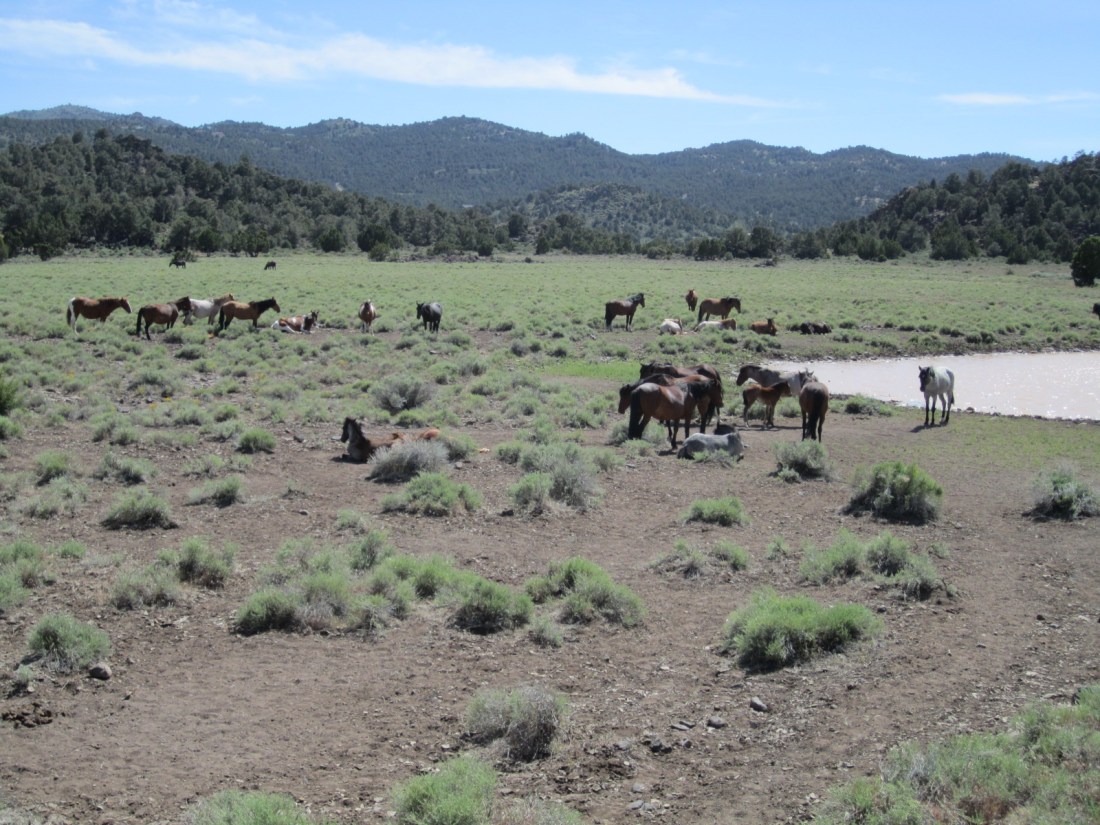
Virginia Range mustangs catch some Zs on 06/15/18, while others stand watch.
Mustang Monday
BLM to Remove Burros from Bullhead City, AZ
See this report in the Mohave Valley Daily News dated 06/16/18. No reason was given for the gather or the number of animals to be removed.
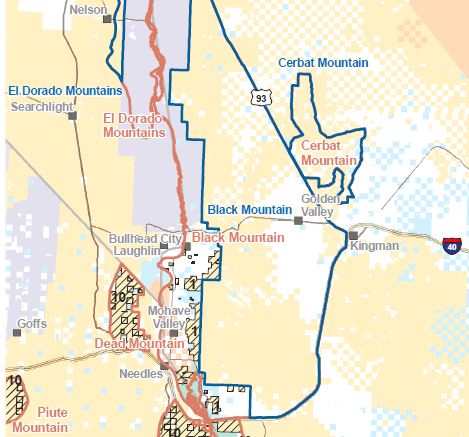
Bullhead City lies to the west of the Black Mountain HMA, but does fall within the Black Mountain HA, a space where WHB are not managed by the BLM because the land doesn’t have the resources to sustain them. Go figure.
The Black Mountain HMA is noted for the panhandlers in Oatman, who work the tourists on a 9-to-5 basis.
Wild Horses Suffering Because of Climate Change?
So says a report in the Arizona Daily Sun dated 06/15/18. Normally, a story like that would get the goodbye click upon reaching such a claim, but there is a problem here.
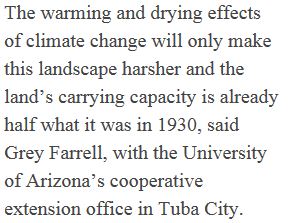
Horses don’t stand around on dry lots and die of thirst. Maybe somebody put up a fence or other obstruction that impedes their ability to find food and water?
Anyway, when this story broke a few weeks ago, little if any effort was being made to help them. But now the advocates have mobilized. It’s the locals helping the horses, not the government.
What an individual can do, society should not take over, and what small societies can do, larger societies should not take over.
That is the principle of subsidiarity.
Power Under Control
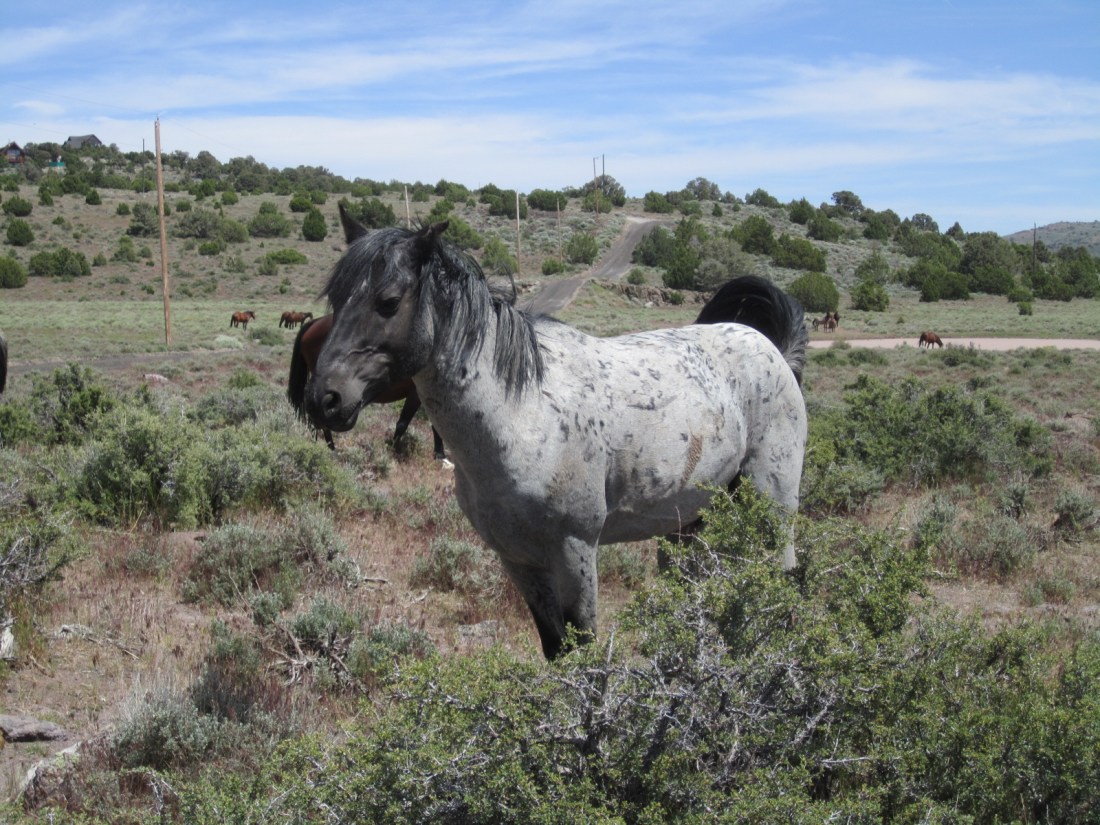
One of the Virginia Range band stallions, photographed on 06/15/18, battle scars and and all. That’s 1000 pounds of virility and potency standing right in front of you. If he spins his butt and fires those cannons, you don’t have a chance. But there he was, as sweet as can be.
This may be an example of what Ann Barnhardt refers to as meekness.
Wild Horse and Burro Posters
Volunteers at the BLM booth at the Western States Horse Expo were handing out posters featuring these icons of the American west. They’re approximately 18″ x 24″ in size, with thick stock and glossy finish. Really nice.
Unfortunately, they’re only available at BLM-related events or shows where the BLM sponsors a booth. Leave a comment if you’re interested in getting these.


Horses Returned to Sands Basin HMA
See this story at KIVI-TV Channel 6, the ABC affiliate in Boise, ID. Includes video.
Today, twenty nine horses were returned to this relatively small HMA, almost three years after it was burned in the Soda Fire. Also present were 100+ observers.
The population density for this area is 5.5 horses per thousand acres, considerably higher than the national average of about one horse per thousand acres (based on upper end of AML).
RELATED: BLM Returning Horses to Sands Basin HMA.
Water Delivery Plans On Hold at Sand Wash Basin HMA
BLM says no. See this report in Steamboat Today posted 06/13/18. Although ponds are drying up, springs are flowing and wells are pumping. So it’s wait and see. No immediate threat to horses, for now they appear to be OK. Situation monitored daily.

