Climate Change Will Bring Us Together?

The greatest threat to our public lands, and the animals living therein, is climate change, according to a story posted yesterday by Reuters.

The signatories to the ‘Path Forward‘—now revealed to be frauds—want you to accept the lie, join their darting army and help them get rid of wild horses.

To save the planet, of course.

RELATED: Support for ‘Path Forward’ Much Greater Than You Think.

Don’t Be Deceived by the Wild Horse Advocates!

AMLs are small because most of the forage in wild horse areas has been assigned to privately owned livestock.

Roundups enforce those assignments.

If you shift the resources back to the horses, the AMLs are much higher.  They represent the number of animals the areas could support if they were managed principally for wild horses, as specified in the statute.  Western Horse Watchers calls them True AMLs.

The ranchers want to get rid of the horses so they can enjoy more of what their allotments have to offer.

Although the advocates protest the roundups, they, like the ranchers, want to see wild horse numbers go down, as a result of their fertility control programs, not helicopters.

They never contest the land-use plans and resource allocations arising therefrom.

They are in business to sell PZP.  You see their influence when state and local officials call for humane management of these animals.

Instead of crashing the horses into pipe panels, stalk them with clipboards and darting rifles, drive birth rates to zero, and let the herds off.

There are few if any voices speaking in their defense.

Welcome to the love triangle on America’s public lands.  It’s a big club but hopefully you’re not in it.

Love Triangle on Americas Public Lands 08-19-21

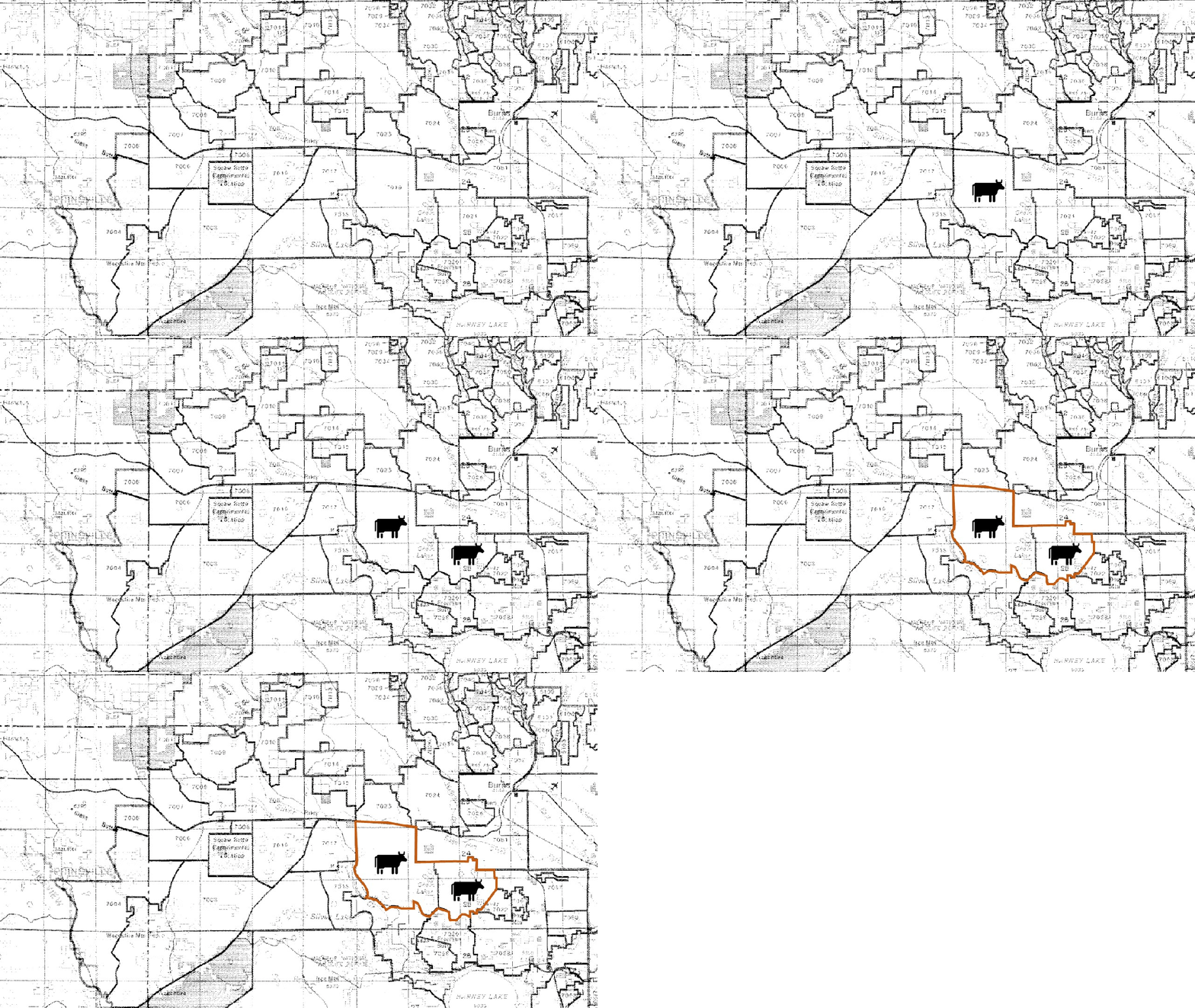
Grazing Allotments Now Referred to as ‘Use Areas?’

The news release for emergency resource enforcement actions at Palomino Buttes said the “HMA is divided by fencing into the Weaver Lake and Palomino Buttes use areas.”

A map from the 1992 RMP shows the HMA has been divided into the Palomino Buttes and Weaver Lake grazing allotments.

Removal of wild horses will protect “other animals and resource uses,” according to the announcement, code words for privately owned livestock.

Palomino Buttes Allotments 08-26-21

Regarding the fences and cattle gates and pastures within the allotments, how are you supposed to have free-roaming horses when you don’t allow free-roaming livestock?

RELATED: Status of Allotments at Palomino Buttes HMA.

Colorado Resident Worried About Sand Wash Roundup?

Her main concern is the use of helicopters, according to a story by KKCO News of Grand Junction.  It could be an “absolute bloodbath.”  “There are other ways to do this.”

Why would you want to get rid of the horses?  Because some bureaucrat, who refuses to tell you the truth about current policies and practices, said they’re overpopulated and have devastated the range?

Nonsense.

The herd has grown and the horses are trying to reclaim some of their food from the public-lands ranchers, in defiance of the land-use plan.

The HMA was set aside for wild horses but it’s now managed primarily for livestock.

That’s what needs to change.

RELATED: Sand Wash Roundup Announced.

Cattle and Horses

Litmus Test for Advocacy Groups

How many wild horses have been displaced from the Antelope Complex, now subject to a massive roundup, by privately owned livestock?

A few dozen?  Maybe a couple hundred?  No, over 6,000.

Did your favorite advocacy group tell you that?  Why not?  Who are they protecting?

Are they telling you that the government should be getting rid of the horses with PZP, not helicopters?

If so, you might want to find a better source of information about wild horses.

Did they tell you that over 1,500 wild horses have been denied a spot on Beatys Butte HMA because of privately owned livestock?

That roughly 700 wild horses have been cheated out of a place at Stinkingwater HMA by privately owned livestock?

Did they mention that 1,400 wild horses at Sand Wash Basin HMA have been forced into off-range holding by privately owned livestock?  Do they even acknowledge that livestock graze in the HMA?

Do they know how to compute these numbers?  Do they talk about environmental assessments, resource allocations and land-use plans?  Or do they tell you there isn’t a good way to calculate the number of wild horses an area can support?

Do they distinguish between cause and effect, between upstream and downstream parts of the management process?

Did they tell you that all of the horses in off-range could be returned to the range if public-lands ranching was stopped in just a few dozen HMAs?  That the off-range pastures and corrals could be emptied three to five times over if permitted grazing was stopped on all HMAs?

If not, you might want to find another source of information about wild horses.

RELATED: Keeping Wild Horses in Check While Livestock Proliferate.

Rider’s Body Picked Clean of Organs by Hospital Vultures?

A story posted yesterday by the Los Angeles Times suggests that she’s still on life support, contrary to a report earlier this week by the Turlock Journal, so the best pieces can be harvested.  Then they will pull the plug.

Just three days after admission, doctors said she was brain dead, so, with some hesitation, the family agreed to part her body out.

With no second opinions, no additional tests, no waiting to see what happens?

Is this how Obamacare works?

As of today, the investigation focuses on the driver.

RELATED: Distracted Driver Didn’t Kill Rider.

Border Patrol Intercepts Horse Trailer, 27 Democrat Votes Lost

The driver of the truck said he was dispatched to a ranch near San Antonio to pick up horses and knew he was transporting something illegal but did not know what, according to a report posted yesterday by the Laredo Morning Times.

The story did not indicate how many carrots were needed to load the trailer and what would have happened to the horses had the driver reached his destination.

Horse Trailer 08-18-21

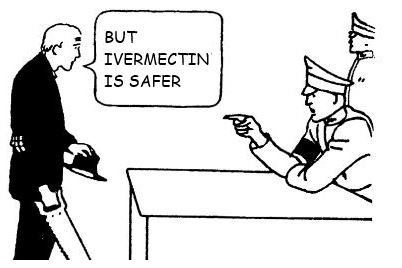
Ivermectin Flying Off Shelves?

Although not approved by the FDA to treat Covid-19, it’s selling like hotcakes, according to a story posted yesterday by KOAM News of Pittsburg, KS.

The one-horse pony and usurper of the White House, his illicit administration and godless political party, along with their sycophants in the media, want you to take the clotshot instead, so roll up your sleeves when the third dose becomes available.

RELATED: Yes We Have No Ivermectin.

Ivermectin Paste Durvet 08-18-21

Climate Change Driving Wild Horse Roundups?

We’ve never seen this before.  Dry conditions out west.  Worsened by global warming.

We should give it a name.  Western Horse Watchers proposes Megadrought Sandy.

As for the horses, how many HMAs are not occupied by privately owned livestock?

How can emergency roundups provide relief to fragile ecosystems without similar cutbacks in permitted grazing?

When conditions improve, will the horses be returned to the range?

The government is not trying to save wild horses, but to insulate the public-lands ranchers from the effects of temporary changes in the weather, and improve their fortunes in the future.  What drives this obsession?

Man-made climate change is a lie, despite what you might read in stories like this one by AP News.

If you want to get off the grid and put your car on blocks, knock yourself out.

Wild Horse Connection Thrives on Double Standard

Management of the Virginia Range mustangs should be left to them.

If you get too close to wild horses, you might receive a citation.

If you feed them you might be accused of unlawful conduct.

If you shoot them with darts you might be charged with animal cruelty.

Not so for the advocates.

WHC Arrogance 08-13-21

This is the double standard of the wild horse world.

RELATED: Advocates Have Answer to Wild Horse Problem?

Keep Wild Horses in Check to Save Greater Sage-Grouse?

A story posted August 4 by This Is Reno considers a key finding from a USGS study: Greater sage-grouse populations may continue to decline—by more than 70% within areas where the horses live by 2034—of horse populations continue increasing at current rates.

Let’s take a closer look at ‘areas where the horses live.’  How many of them are not occupied by privately owned livestock?  How did the researchers get a clean separation between the effects related to horses and those related to livestock, a problem known as ‘confounding?’  Who commissioned the study?

A subsequent column in the Sierra Nevada Ally dated August 8 asks similar questions.

Thriving Ecological Balance-3