
Video from 2018 Yakama Nation Treaty Days rodeo in Washington state. This is what happens to the wild ones they don’t send to slaughter? Language warning.
Author: Western Horse Watchers
Wild Horses of the Virginia Range, Part 2
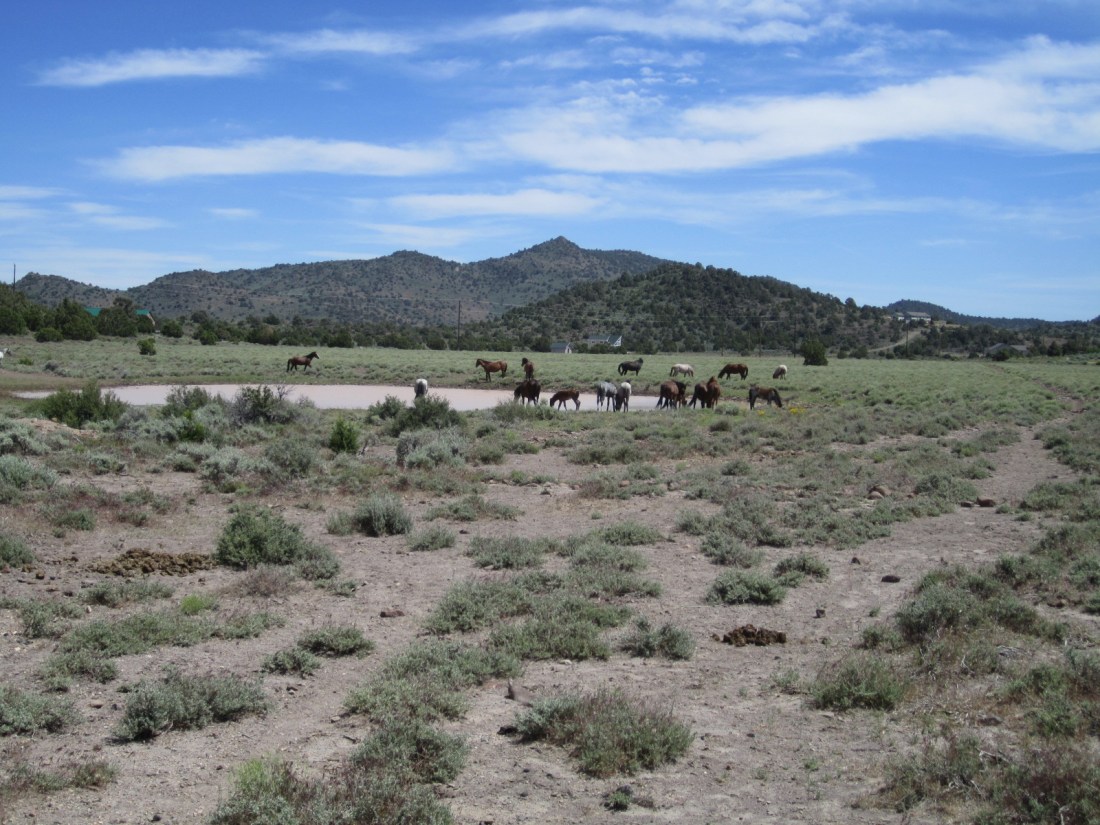
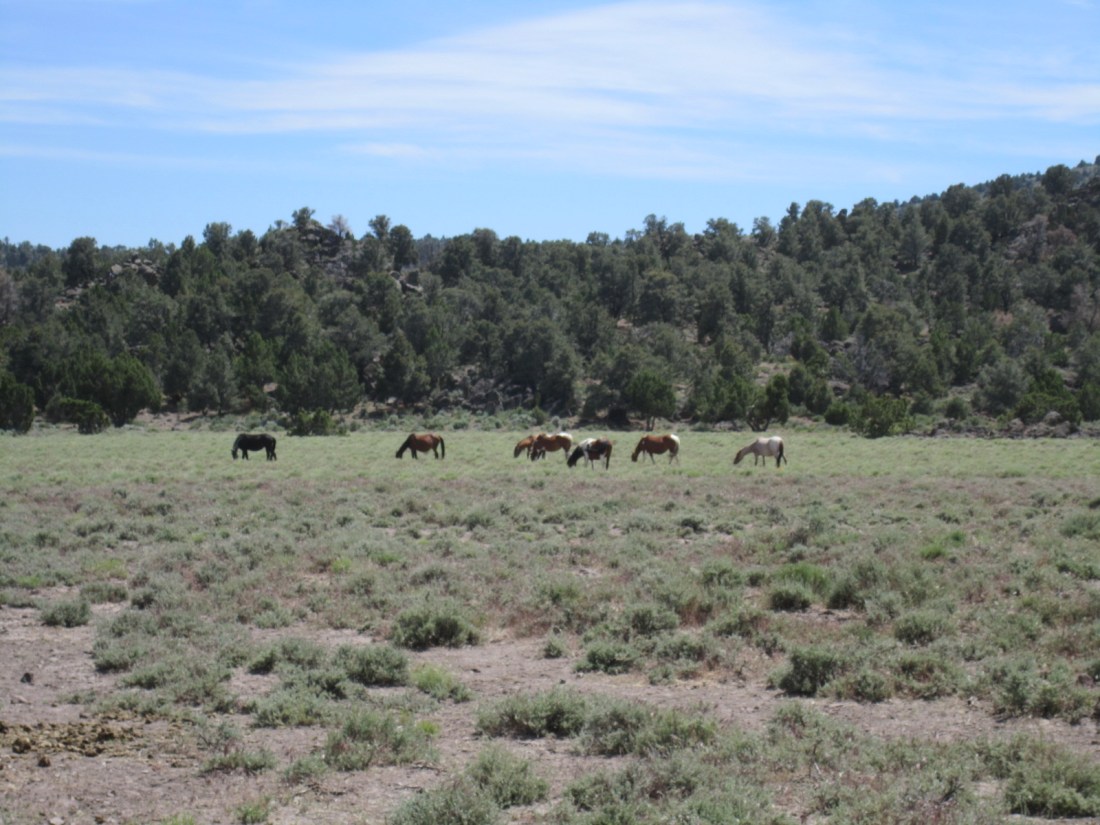
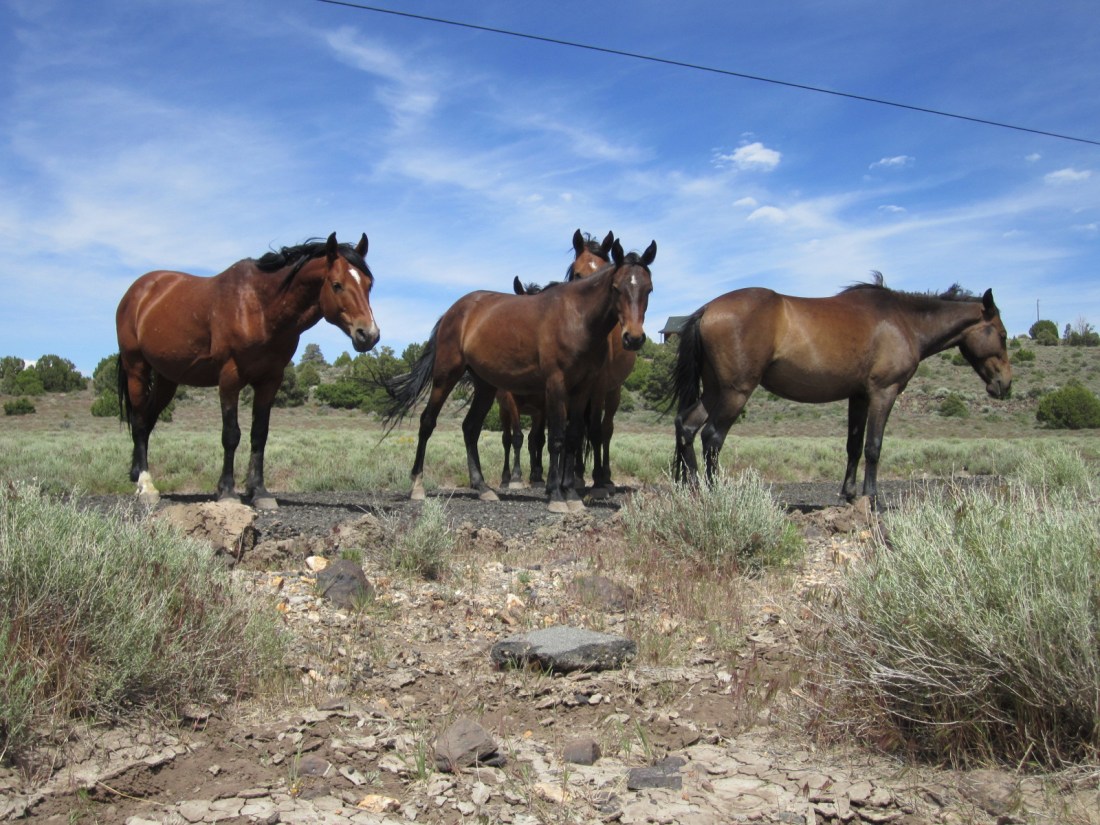
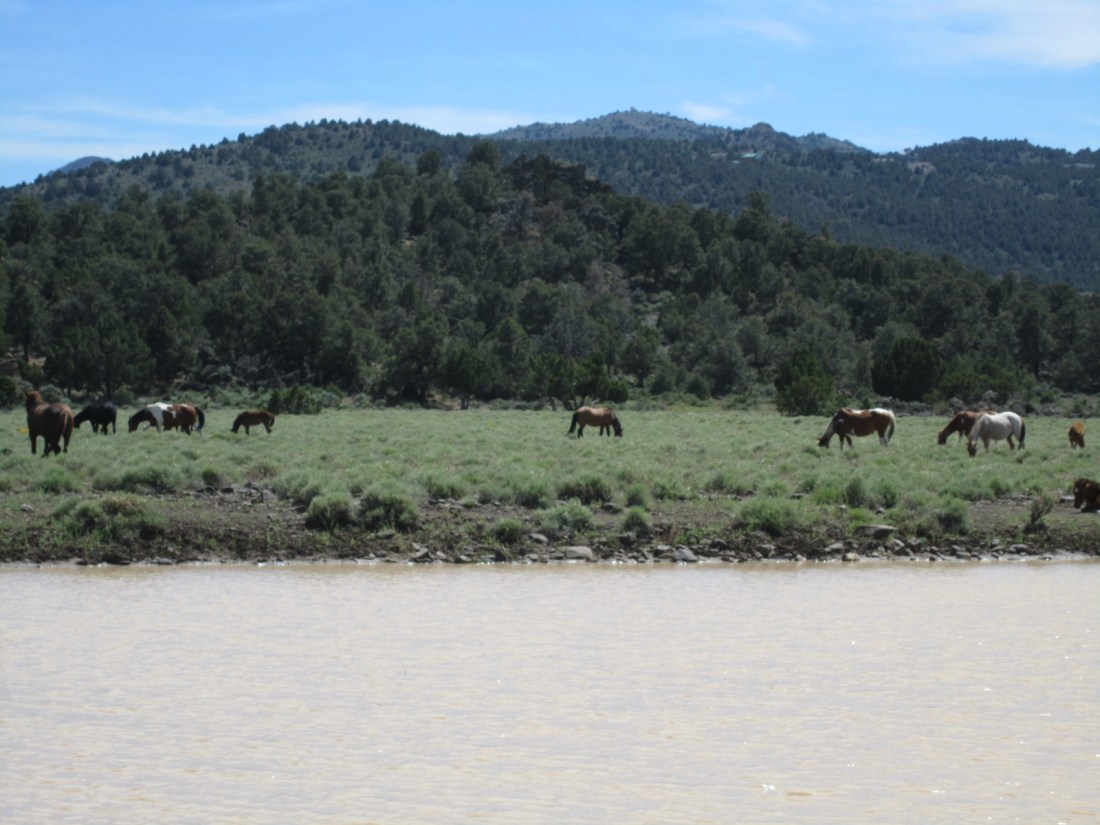
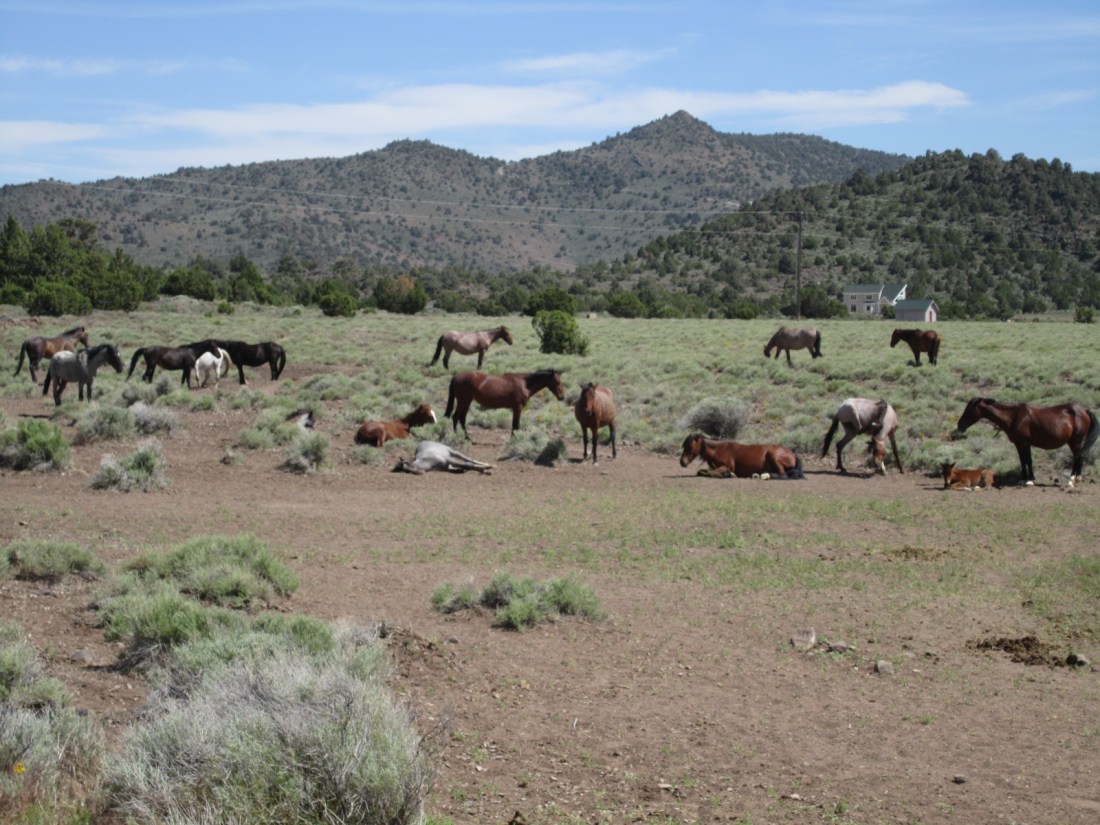
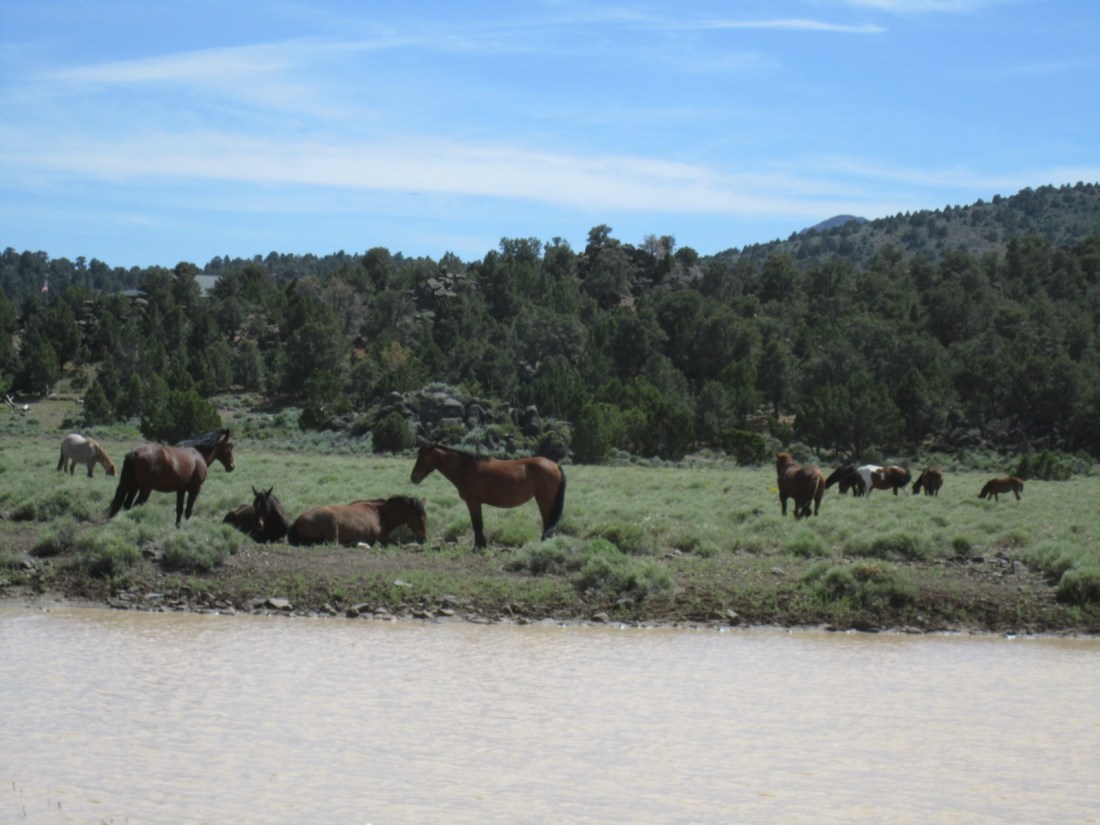
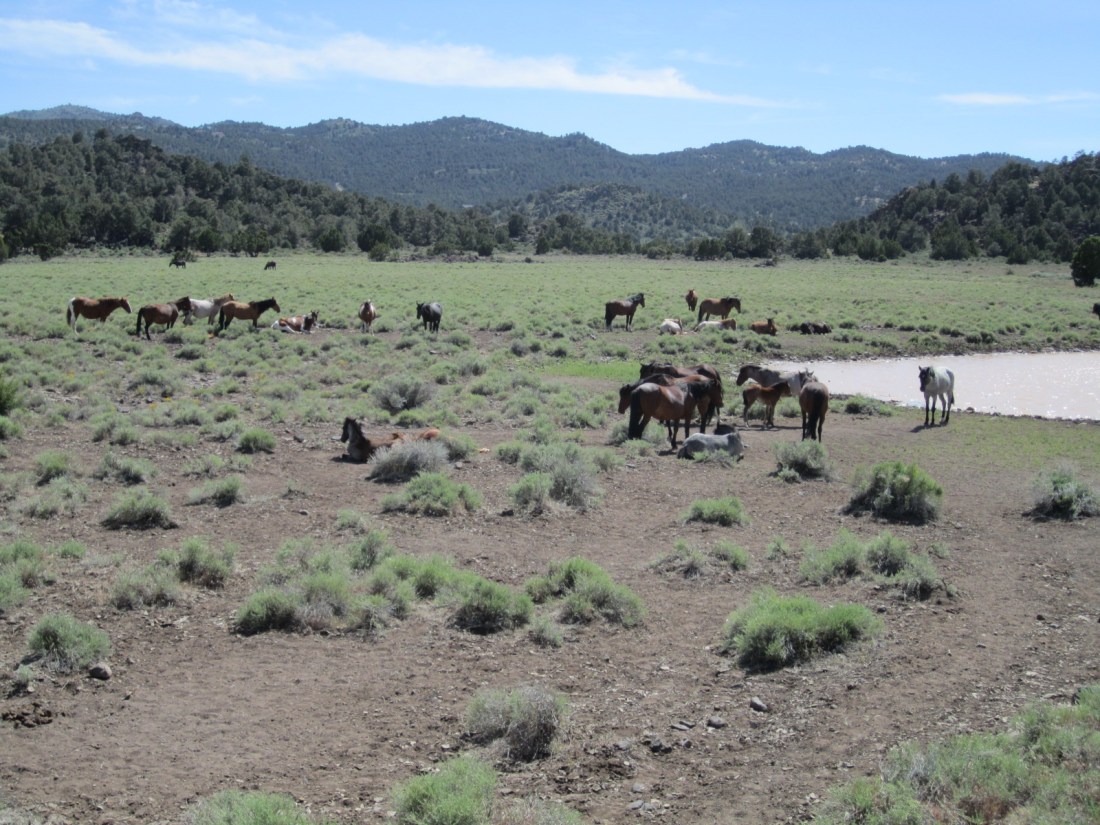
More photos from 06/15/18. Elevation 6500 feet. Wind out of the west with a temperature of 70 deg F.
The Virginia Range mustangs roam an area east of Reno, NV bounded by I-80 on the north, Hwy 395 on the west, Hwy 50 on the south and Hwy 95 on the east.



BLM Seeks Additional Off-Range Pastures for WHB
Refer to this news release dated 06/20/18. Pastures must be able to accommodate at least 100 animals and must be located in Colorado, Kansas, Montana, Oklahoma or Wyoming. They must provide a free-roaming environment and allow for public visitation and viewing.
The action is justified by the number of wild horses and burros on western rangelands vis-à-vis ‘other legally mandated land uses’ [such as, ahem, cough-cough, livestock grazing].
Bidders will be expected to care for the animals for periods of up to ten years. Proposals are due 07/10/18.
What Is the Mustang Roll?
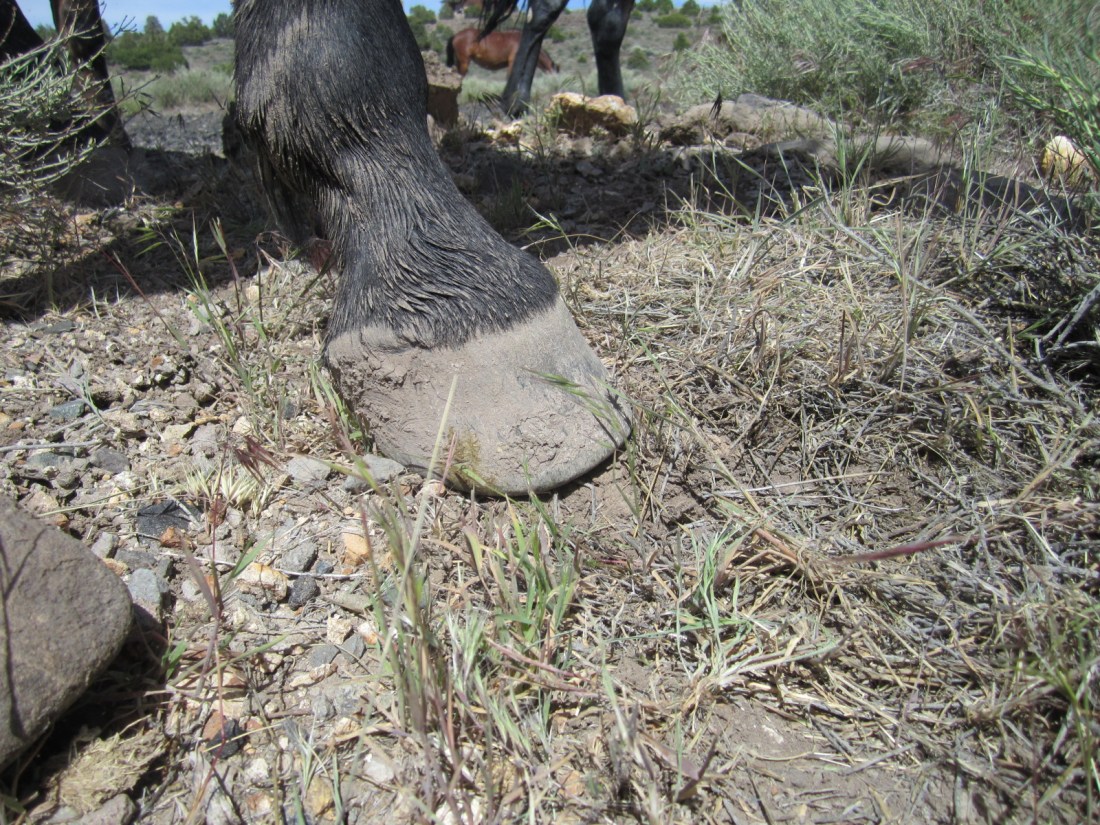
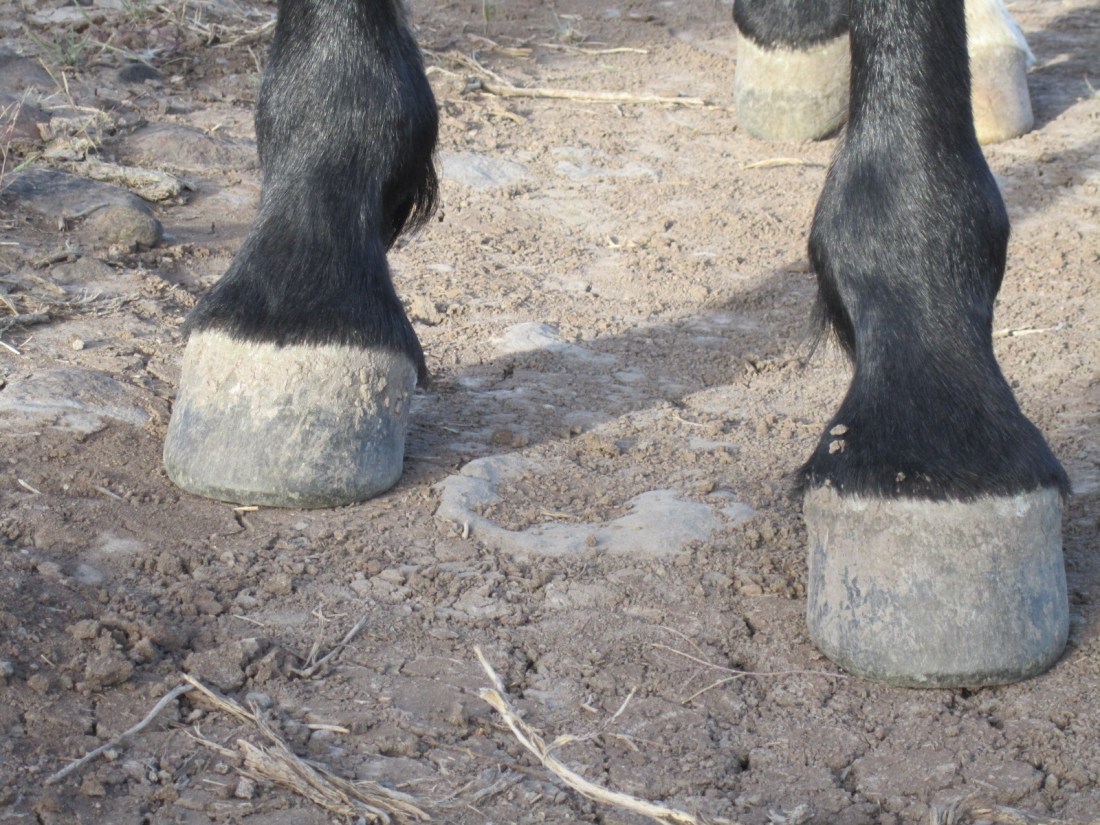
It’s not what your horse does after you give him a bath. It’s not how he gets fresh dirt on his back. It’s the natural rounding of the edge of the hoof that occurs in free-roaming horses and burros.
Here are two examples from the Virginia Range. The rounding of the edge eliminates what’s known as a ‘stress concentration’ in engineering work.
A sharp edge can be susceptible to cracks. Your farrier probably rounds the edge with a rasp when he trims your horse’s feet.
Next time he visits your ranch or barn, ask him about the mustang roll.
Wild Horses of the Virginia Range, Part 1
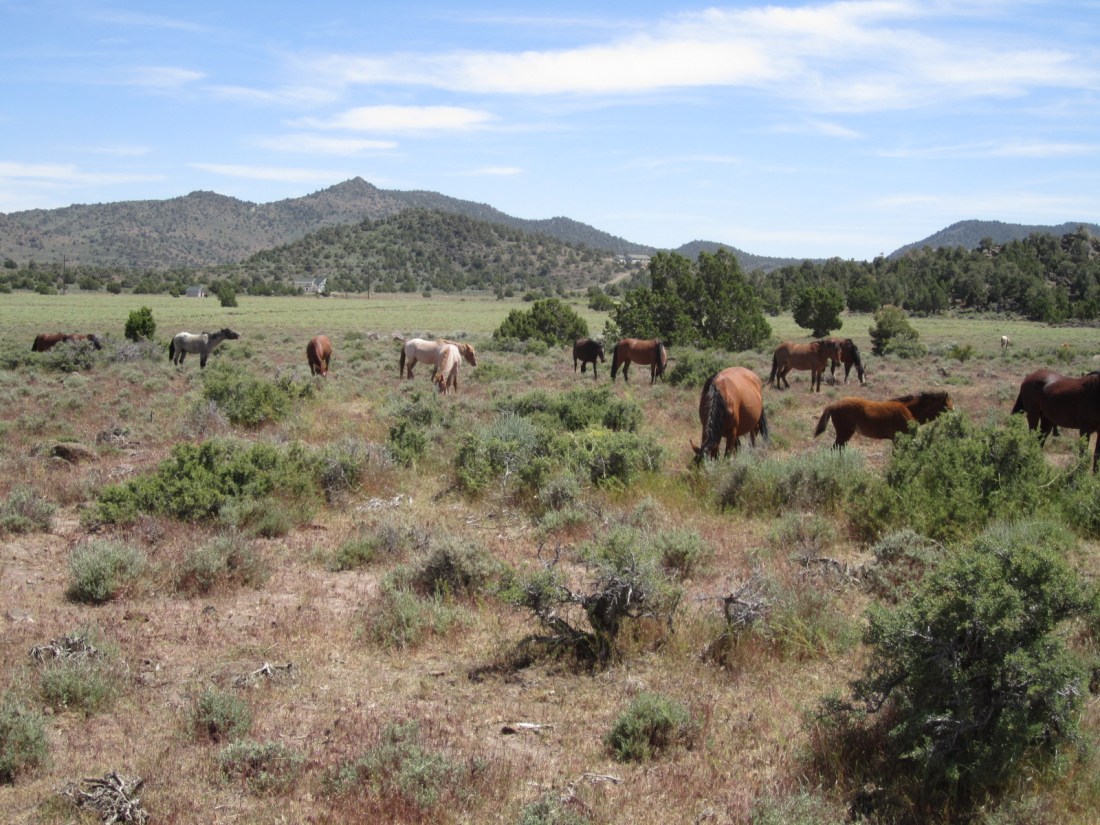
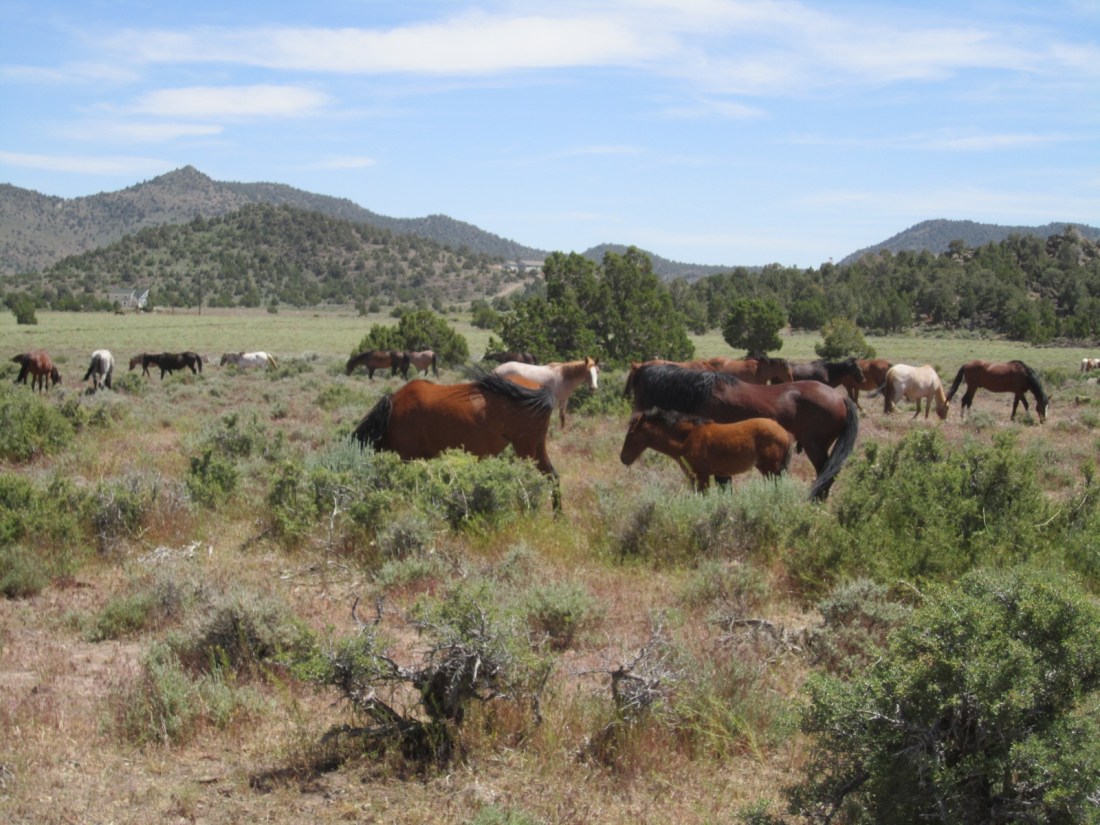
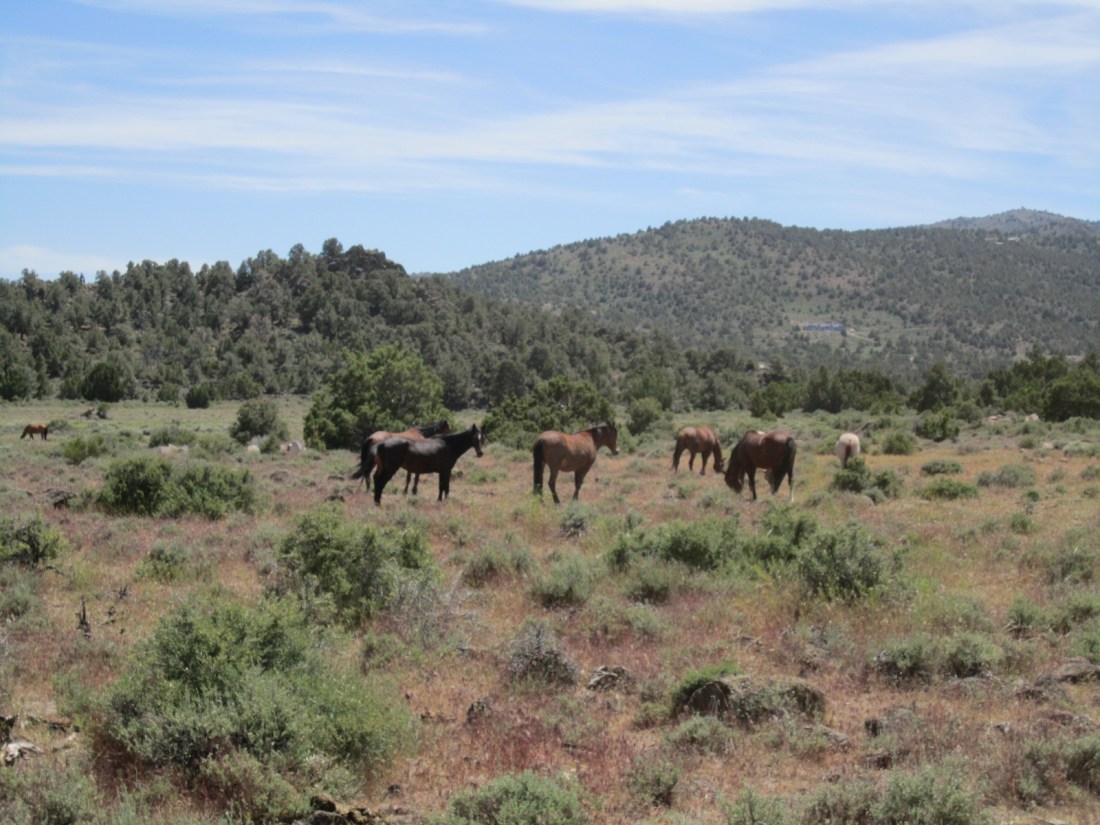
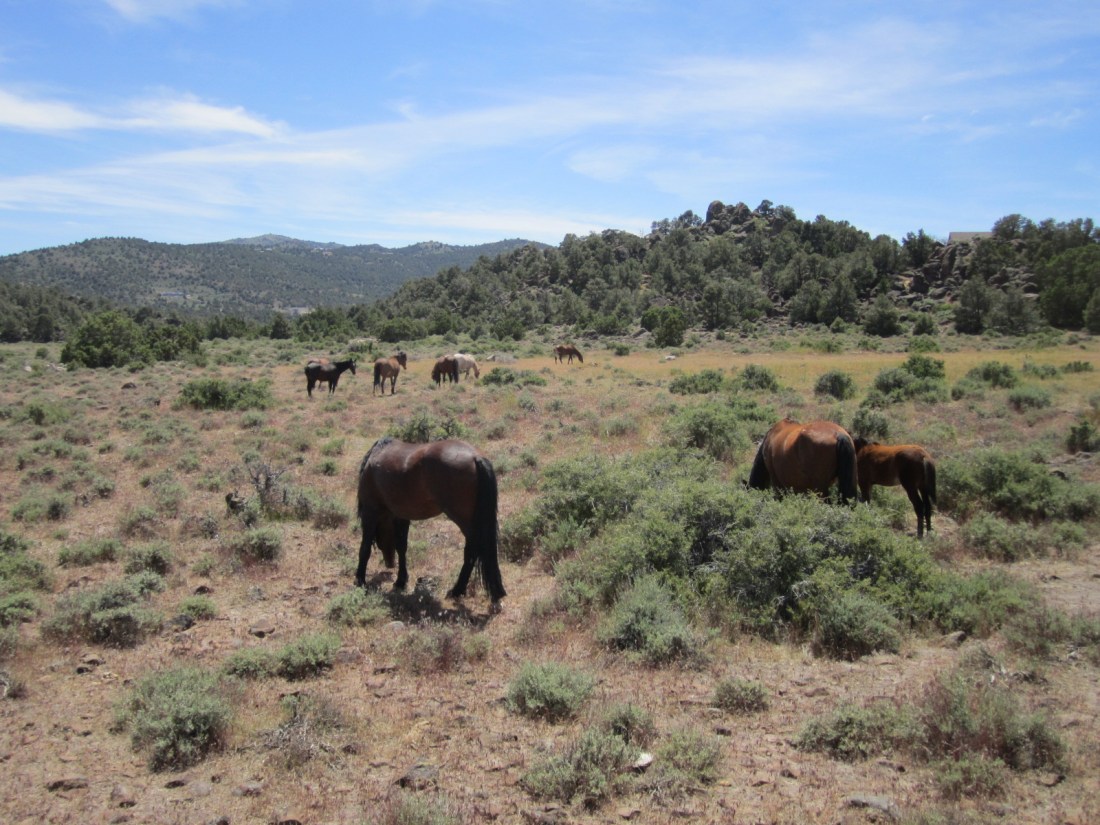
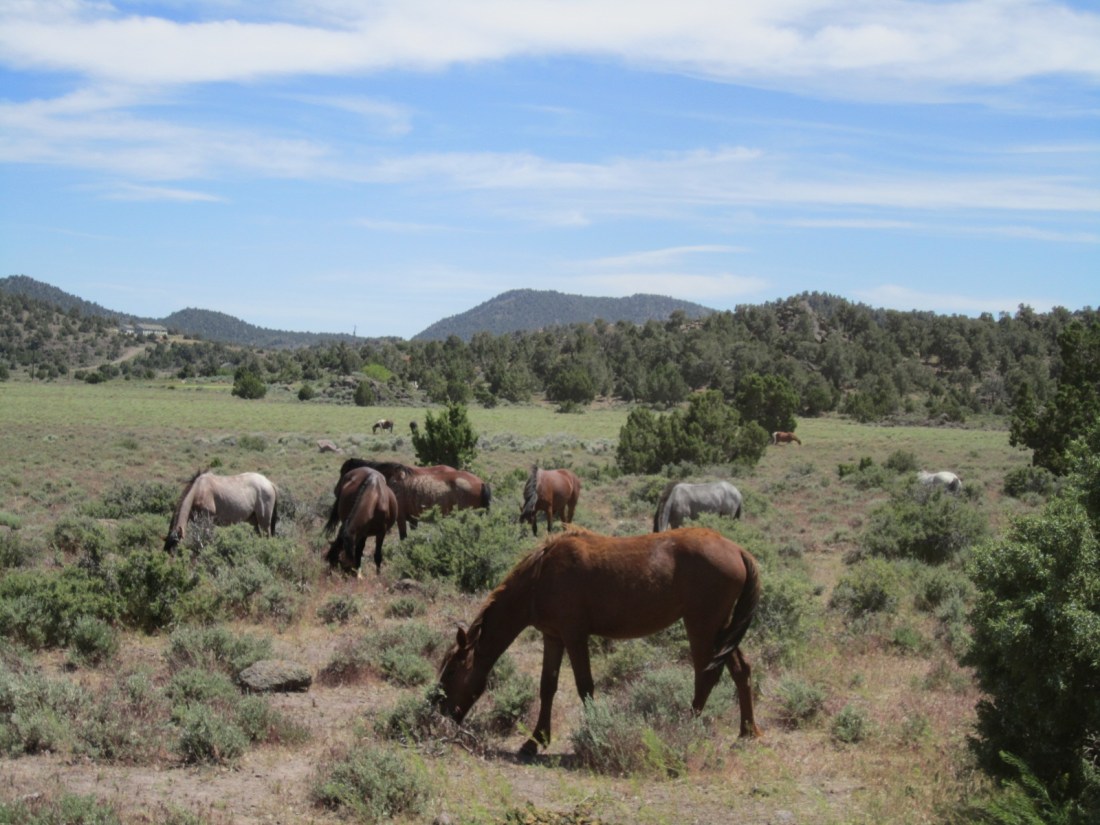
Last Friday was a great day for watching horses on the Virginia Range. You normally don’t see this many together in an area of just 25 to 30 acres. Almost all heads were down, they did not seem to be put off by my presence.



2018 WSHE – Mustang Auction
Video of auction of BLM mustangs at 2018 Western States Horse Expo. Where else are you going to get a saddle-started horse for $300? On the other hand, the purchase price will seem small compared to the amount you’ll spend over his life. Not to mention all the work…
You can also get inmate-trained mustangs through the Northern Nevada Correctional Center partnership with the BLM. You can read about the last adoption here. Next one set for 10/20/18.
If the video does not load, you can view it here. H/T Friends of R3C.
Barren
This band, consisting of one stallion and four mares, was photographed on the Virginia Range 06/15/18. Stallion on the right, no youngsters present.

Closer inspection revealed two mares with welts on their right flanks.


Bruises from getting kicked? Doubt it.
Insect bites? Possibly.
Handiwork of the PZP zealots? Who knows.
There were other bands with foals, why not these guys?
Zonk
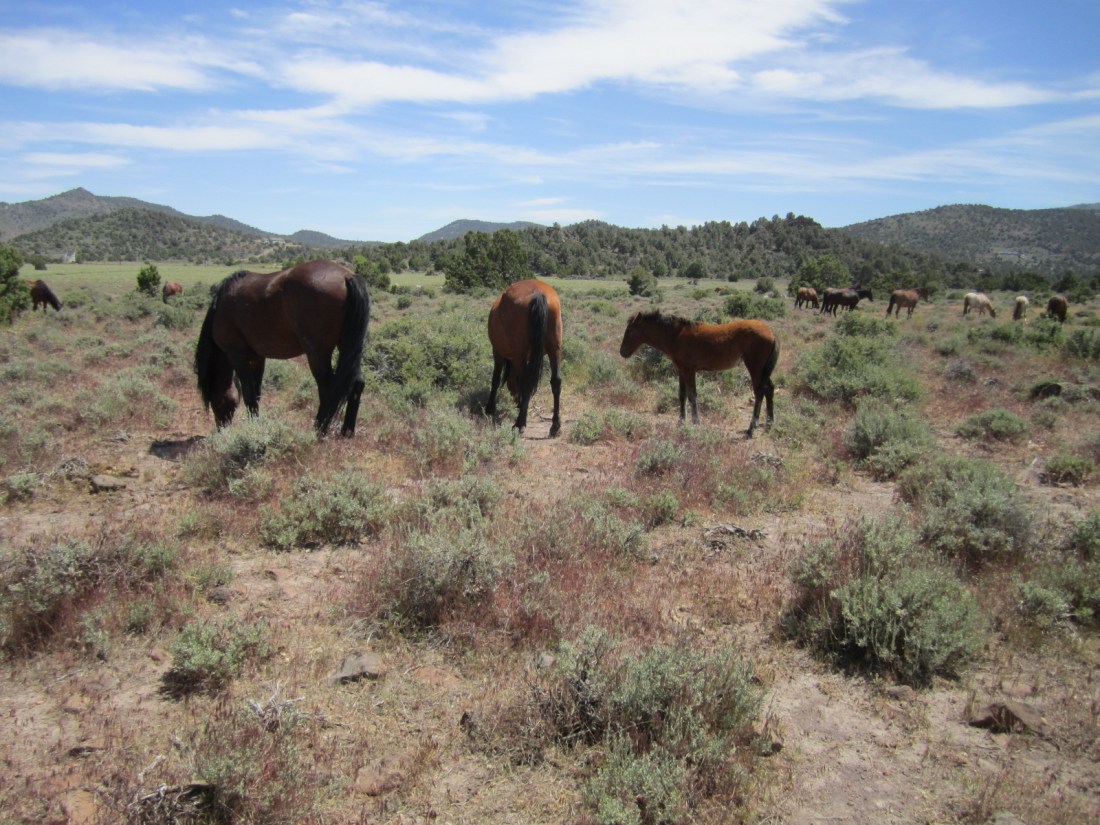
Virginia Range mustangs catch some Zs on 06/15/18, while others stand watch.
Mustang Monday
2018 WSHE – Vendors
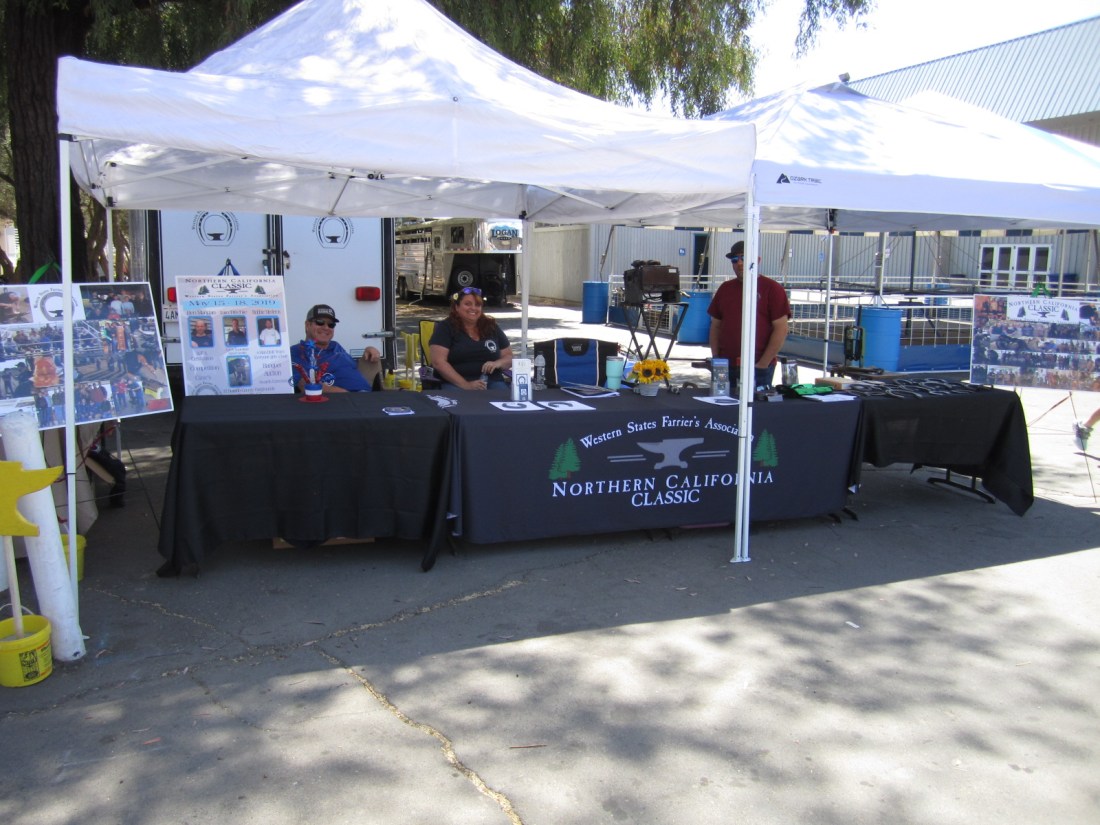
A few more photos from Opening Day of the 2018 Western States Horse Expo. See you next year!





BLM to Remove Burros from Bullhead City, AZ
See this report in the Mohave Valley Daily News dated 06/16/18. No reason was given for the gather or the number of animals to be removed.
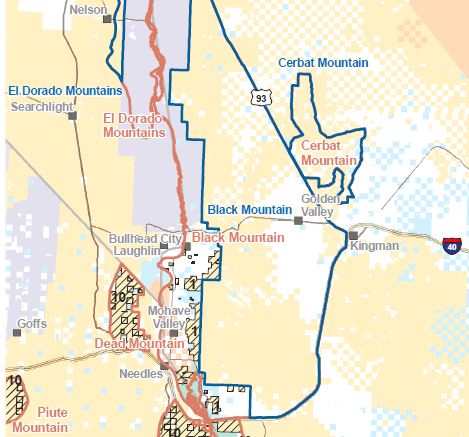
Bullhead City lies to the west of the Black Mountain HMA, but does fall within the Black Mountain HA, a space where WHB are not managed by the BLM because the land doesn’t have the resources to sustain them. Go figure.
The Black Mountain HMA is noted for the panhandlers in Oatman, who work the tourists on a 9-to-5 basis.
Wild Horses Suffering Because of Climate Change?
So says a report in the Arizona Daily Sun dated 06/15/18. Normally, a story like that would get the goodbye click upon reaching such a claim, but there is a problem here.
Horses don’t stand around on dry lots and die of thirst. Maybe somebody put up a fence or other obstruction that impedes their ability to find food and water?
Anyway, when this story broke a few weeks ago, little if any effort was being made to help them. But now the advocates have mobilized. It’s the locals helping the horses, not the government.
What an individual can do, society should not take over, and what small societies can do, larger societies should not take over.
That is the principle of subsidiarity.
Fatherhood
If you didn’t follow the link to Barnhardt’s post on meekness, at least watch the damn video.
Happy Father’s Day
Today we reject the new-age ideals of effeminacy, promiscuity and single-parent families, along with the horrific practice of placing children with same-sex couples.
A father stands up for what’s right, protects what’s his, and has the scars to prove it.
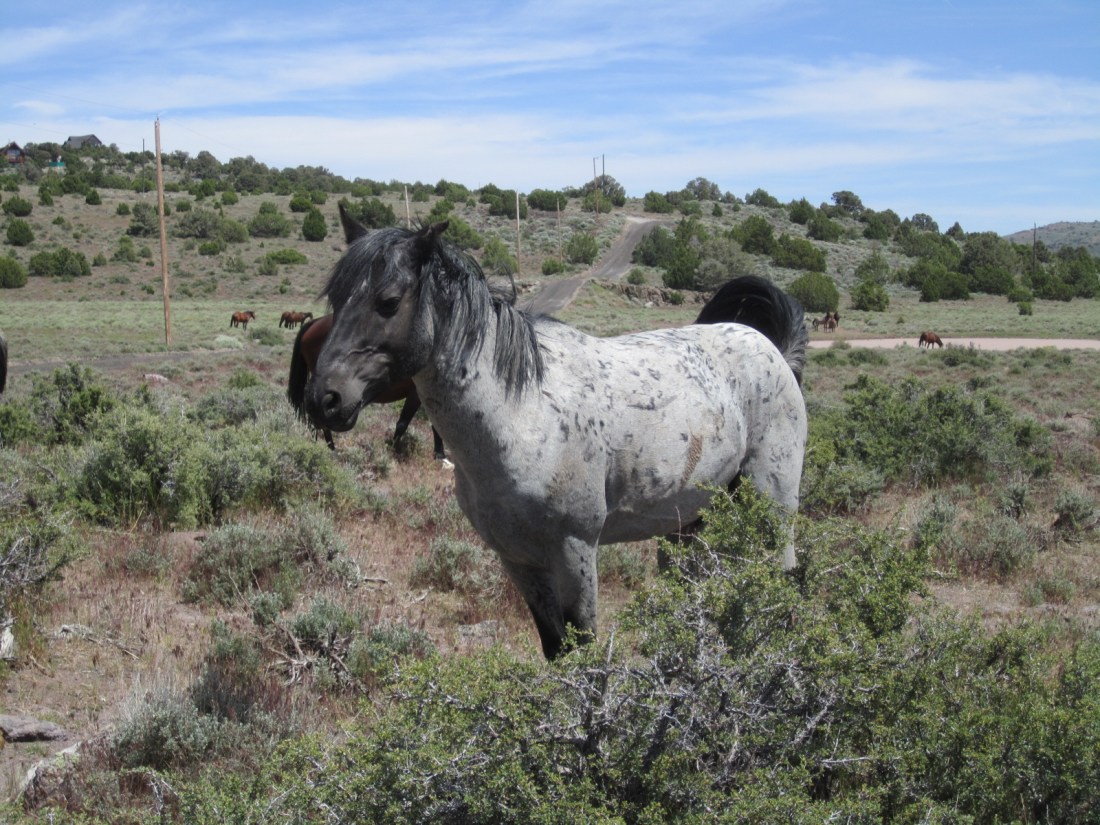
The stallion below, who runs one of the bands on the Virginia Range, doesn’t keep his harem of mares because he’s a nice guy, he keeps them because he’s a badass. Photo taken 06/15/18.
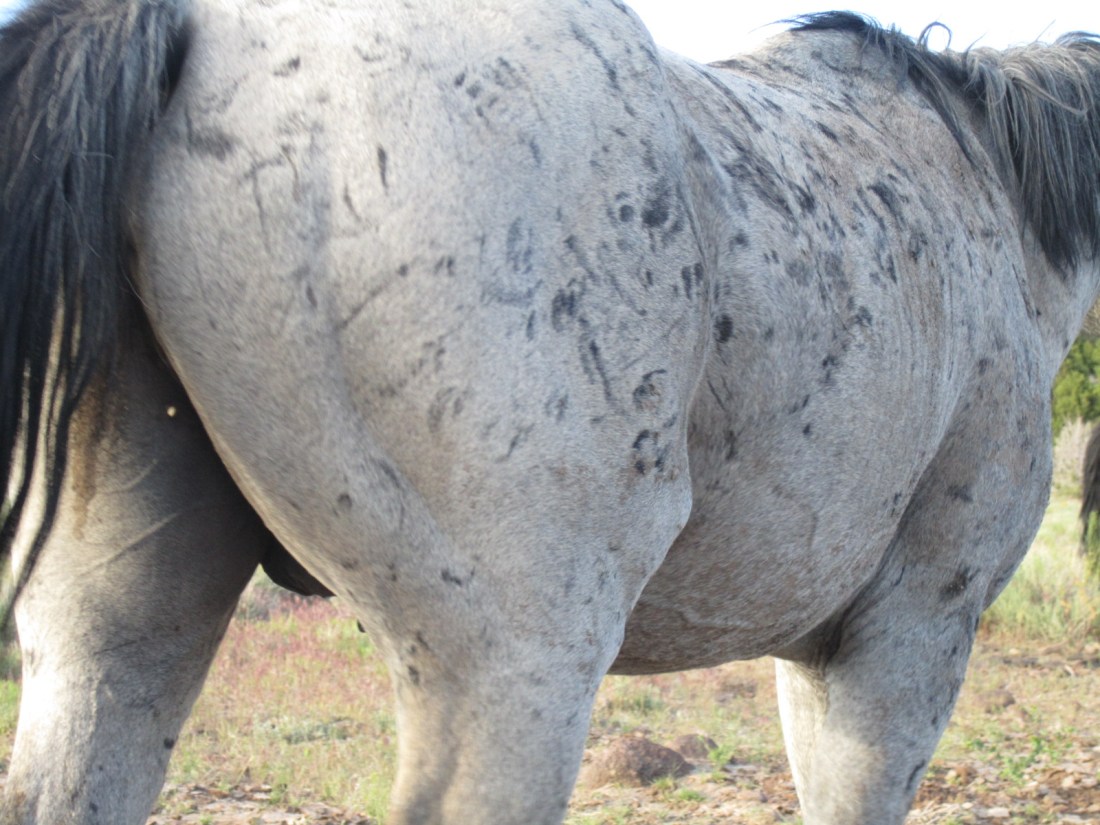
Power Under Control
One of the Virginia Range band stallions, photographed on 06/15/18, battle scars and and all. That’s 1000 pounds of virility and potency standing right in front of you. If he spins his butt and fires those cannons, you don’t have a chance. But there he was, as sweet as can be.
This may be an example of what Ann Barnhardt refers to as meekness.
Working Remotely
A behind-the-scenes look at one of the workstations at WHWA. Yep, three grain buckets and a notebook in one of the corrals. Horses enjoy some oats and rice bran while your host enjoys some hops. Photo taken 06/12/18 while working on post about water shortage at Sand Wash Basin HMA.

Horses Attract Bullies
Personnel with the Salt River Wild Horse Management Group held a press conference recently to review their plans for the Salt River horses. A birth control program was included, of course, with the goal of reducing population growth.
If anything positive can be said about it, at least it’s not aimed at zero population growth or negative population growth.
The contraceptive-of-choice will likely be PZP, administered by CO2-powered rifles. Or maybe they’re using compressed air nowadays because of global warming.
The wild horse haters are almost certainly pleased with the development, as this so-called advocacy group works diligently to advance their agenda of fewer horses on western rangelands.
In the 12/12/17 Nevada Board of Agriculture meeting, where a decision was made to transfer ownership of the Virginia Range horses to a private advocacy group, comments were made about the side-effects of PZP (beginning at 2:32:00 in the video).
- Barren mares stealing foals which die because the mares have no milk
- Abscesses at the injection area
- Pregnant mares aborting their foals after darting
- Fertility cycles changed
Why don’t we ever hear about these things?
The speaker was shouted down by individuals who are so lost in their sins (the contraceptive mindset) that they can’t even conceive of other pro-life methods for managing the horses.
WHB at National Cattle Congress
Wild Horses and burros will be available for adoption today and tomorrow at the National Cattle Congress in Waterloo, IA. Refer to this report in the Black Hills Pioneer, posted 06/14/18.
Event will be held at the Pullin Simonsen Arena.
Posters! Maybe?
And Now for Something Completely Different
Fulton J. Sheen on politeness.
Next Stop for R3C Wild Horse Program is Napa, CA
Saddle-trained mustangs will be available for adoption this weekend at Napa Mustang Days according to a news release dated 06/14/18 in the The Union.
Mustangs trained by inmates at the Rio Cosumnes Correctional Center were offered for adoption last weekend at the Western States Horse Expo in Sacramento, CA.
BLM wild horse posters may be available at this event.

