
At or near South Steens HMA with Joan Martelli.
Author: Western Horse Watchers
Piceance Advocates Endorse Wild Horse Roundup
Like the agency it supports, the group wants healthy horses on healthy rangelands, code words for managing HMAs primarily for livestock.
Other surprises in the story by The Grand Junction Daily Sentinel include photographic evidence from the BLM and two conservation districts (ranching advocacy groups) that wild horses consumed 80% of the forage last year and that next year’s Meeker Mustang Makeover, operated by public-lands ranchers, may feature horses from the HMA.
Roundtable to Focus on Wild Horses in Wyoming
Wyoming Public Radio will host a discussion on June 27 about wild horse management in the state, according to yesterday’s announcement.
The guest list does not include spokesmen for the BLM, cattlemen, drillers and miners.
The event begins at noon local time on socialist media.
Volunteer Ambassadors Sought
The Campaign Against America’s Wild Horses, a ranching front group and leader in the wild horse removal industry, has openings for three individuals with experience in education, public speaking, community relations and networking.
In these roles, you will
- Become a leader on federal, state, and local legislative and policy issues
- Advance initiatives to protect wild horses and burros, the environment and wildlife
- Educate the public by speaking at schools and community organizations
For example, if asked about management practices at the North Lander Complex in Wyoming, your job is to convince others that livestock should receive at least seven times more forage than the horses, and the best way to achieve that goal is not with cruel and inhumane helicopter roundups but with safe and reversible fertility control.
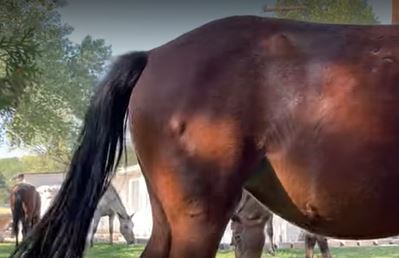
You will not be expected to convert AMLs to AUMs or compute forage allocations for livestock in areas set aside for wild horses because those numbers would destroy the rationale for your darting programs and reveal you and your colleagues as frauds.
RELATED: CAAWH Delusional?
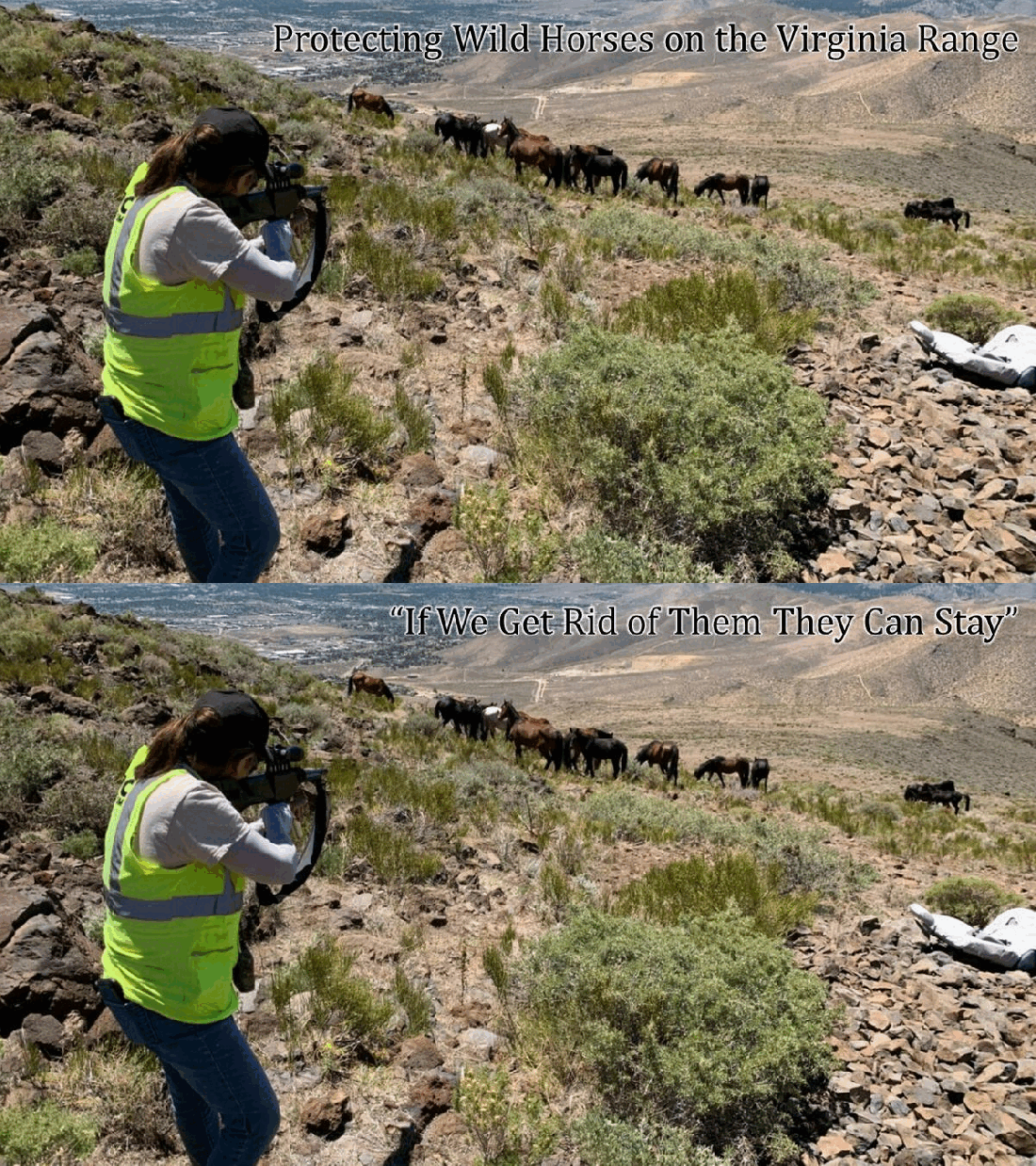
Cañon City Incident, Day 63
A mare died in the West Douglas pens yesterday, according to the June 24 sitrep.
The loss was attributed to acute trauma.
The mortality table shows 146 deaths.
Updates are posted to the Colorado HMA page.
RELATED: Cañon City Incident, Day 48.
Roe Overturned

Victory for Challis Permittees!
Mares captured in the 2019 roundup arrive at a sanctuary. Filmed in February.
Livestock in the HMA receive four times more forage than the horses.
The advocates have an off-the-range mentality, just like the bureaucrats and ranchers.
Even “on-range management” means “off the range.”
PZP Fanatics Worried About Piceance Foals!
As predicted, the Campaign Against America’s Wild Horses has asked the BLM for additional analysis before it resorts to helicopters, out of a concern for the foals.
The roundup was set to begin on June 16, using baited traps, but no horses have been captured according to a story posted by The Grand Junction Daily Sentinel.
The advocates don’t oppose the removals, only the way they are carried out.
They want horses taken off the range with the Montana Solution, not helicopters, with benefits accruing to the public-lands ranchers.
RELATED: Piceance Blackout Continues.
Foal-Free Friday, No Major Side Effects Edition
The June edition of Horse Tales is out, complete with another [fairy] tale about wild horses by the real estate agent and PZP darter in the Minden/Gardnerville area.
The column begins at the bottom of page 19.
“The only side effect we see of the birth control vaccine PZP is that the mares continue to come into heat since they don’t get in foal. As a result they are being bred all season long. In some bands with multiple stallions, the mares tire of the attention.”
She needs a vision check.
Barren mares, confused stallions and shrinking herds are not side effects, they are goals.
Subordination to privately owned livestock is not a side effect, it is a goal.
Injuries and infections in treated animals—a cost of doing business.
Abnormal sex ratios? Can’t talk about that.
Disruption of the natural order? An unintended consequence.
What about sterilization of mares? The ends justify the means.
The advocates profit from the status quo. They have no reason and no desire to improve conditions for America’s wild horses.
RELATED: Foal-Free Friday, Lying for the Cause Edition.

Escaped Mustangs Captured by Saginaw County Deputies
They will be returned to the BLM according to a report posted today by MLive, an online news service in Michigan.
If they are living symbols of the historic and pioneer spirit of the American west, why aren’t they out west?
To protect scarce and fragile resources [that have been assigned to the public-lands ranchers] and to ensure healthy animals [that go moooo and baaaa].
CAAWH Delusional?
They bill themselves as the nation’s leading wild horse protection organization, but wherever they and their surrogates are involved, wild horse numbers go down.

Ever notice that?
Defenders of the public-lands ranchers, they are a leader in the wild horse removal business and a challenger to Cattoor, Sun J and Uhalde.
How many of their supporters are cattlemen and bots?
RELATED: Montana Solution Alleviates Many Wild Horse Problems.
Piceance Blackout Continues
A page for the gather stats and daily reports still hasn’t been created by BLM Colorado.
The incident was set to begin on June 16 using bait traps.
The BLM allotments grazed by the rancher who favors the removal are on the northeast side of the HMA.
RELATED: Status of Piceance Roundup?
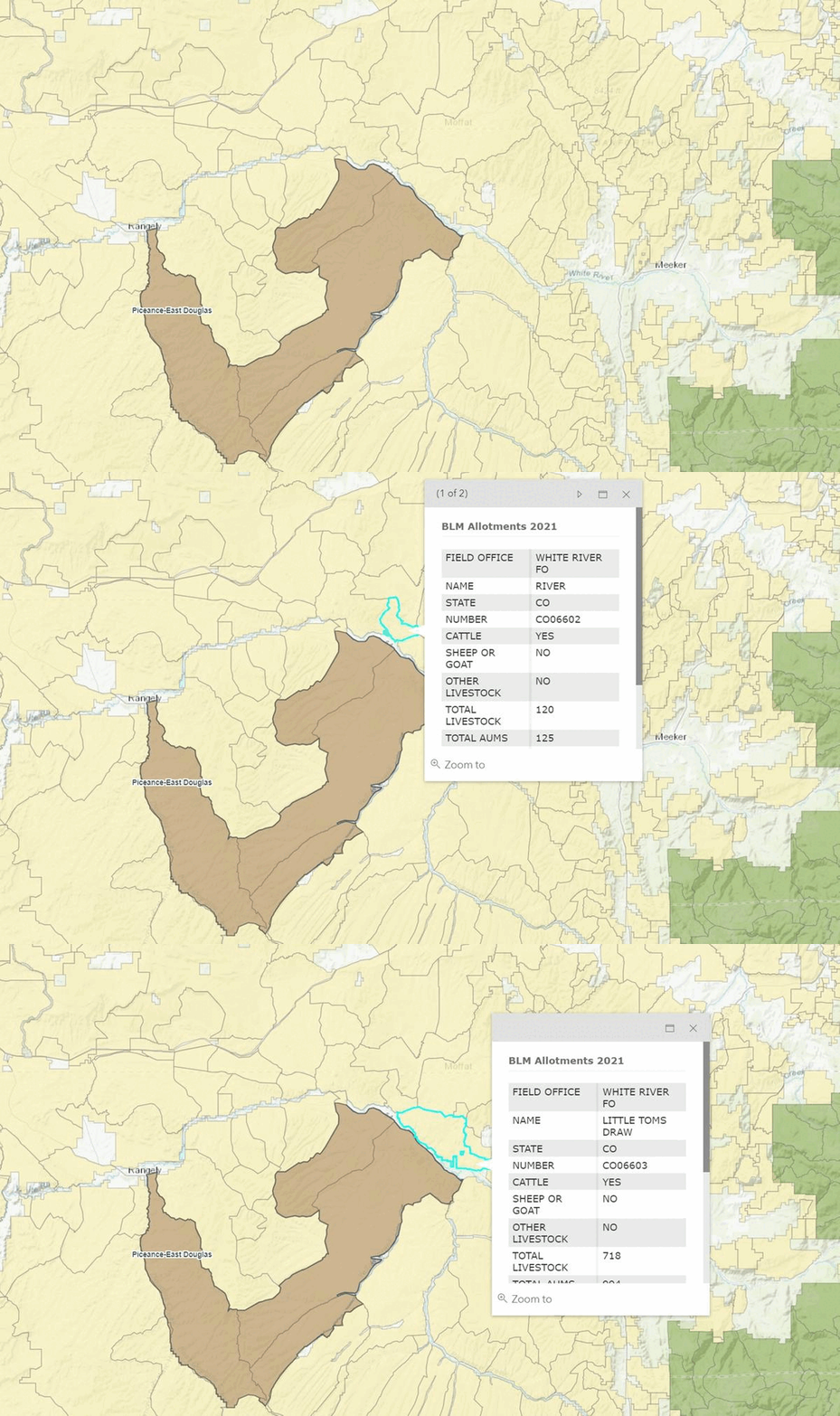
What Are Enteroliths?
They are mineral accumulations around a foreign object that form round, triangular, or flat stones inside the bowel of a horse, usually over the course of several years.
They originate in the large colon and can lead to colic.
Refer to this Q&A by the UC Davis School of Veterinary Medicine.
The stones in the following photos were passed by a mare earlier this week, two on June 20 and two on June 21.
Symptoms began on June 19, including loss of appetite, restlessness, laying down.
The incident was preceded by diarrhea and appears to be resolving but is not over.
Enteroliths are associated with diets that are high in magnesium and protein, present in alfalfa, a staple for wild horses in off-range corrals.
The mare is a registered Paint and is 12 years old.
How to Identify the Wild Horse Newbies
They think the advocates are protecting the horses.
What Is a Curated Horse Exhibit?
It’s an area where wild horses lived, but because of massive human involvement, the natural order has been all but extinguished.
The advocates work hard to keep up appearances but the critical observer will notice
- Unexpected injuries
- Few if any foals
- Abnormal sex ratios
- Decreasing herd sizes
Examples include Theodore Roosevelt National Park, Assateague Island, Currituck Outer Banks, Salt River, Virginia Range, Little Book Cliffs WHR, McCullough Peaks HMA and Pine Nut Mountains HA.
What Is On-Range Management?
The advocates support it so you know it’s bad for the horses.
A report by KLAS News refers to it but does not explain it.
It’s synonymous with “humane management.”
What is it?
The Montana Solution, marketed by the Campaign Against America’s Wild Horses, a voice for the public-lands ranchers and leader in the wild horse removal industry.
RELATED: Montana Solution Alleviates Many Wild Horse Problems.
Mustang Monday
At or near the South Steens HMA with Bill Singleton.
Montana Solution Alleviates Many Wild Horse Problems
Concerns about herd size, genetic diversity and inbreeding go away because there is no breeding at all.
With no new foals hitting the ground, death rates increase as the average age of the herds increases.
In the Conger sterilization experiment, mares left their band stallions to breed with bachelors, upsetting the natural order.
Youngsters grow up to rob the public-lands ranchers of their birthright.
With the Montana Solution, the permittees are safe.
The advocates talk about habitat fragmentation but not about herd fragmentation.
Ever notice that?
They give us so much to be thankful for, we really should be more grateful.
RELATED: Can Darting Programs Compete with Helicopter Roundups?
How Do We Make Changes for the Horses?
Start by asking “Why?”
Why are AMLs small relative to the available resources? Why are HMAs and WHTs managed primarily for livestock? Why do the RMPs assign most of the food to cattle and sheep in areas set aside for horses and burros?
These questions will take you upstream in the management process, to policies, regulations and statutes, as well as the attitudes and beliefs of those who write them.
AMLs are not in the original WHB Act.
Almost half of the land designated in 1971 is now managed exclusively for livestock.
The original statute ordered the secretaries of Interior and Agriculture to work with state wildlife agencies to protect wildlife in those areas, especially endangered species.
There was no provision for livestock.
Roundups, darting programs, sterilization, sex ratio skewing, adoptions, training and slaughter are symptoms of the problem, not causes.
Who benefits from these things?
Wild horse advocacy takes a giant leap forward when it learns how to distinguish between cause and effect.
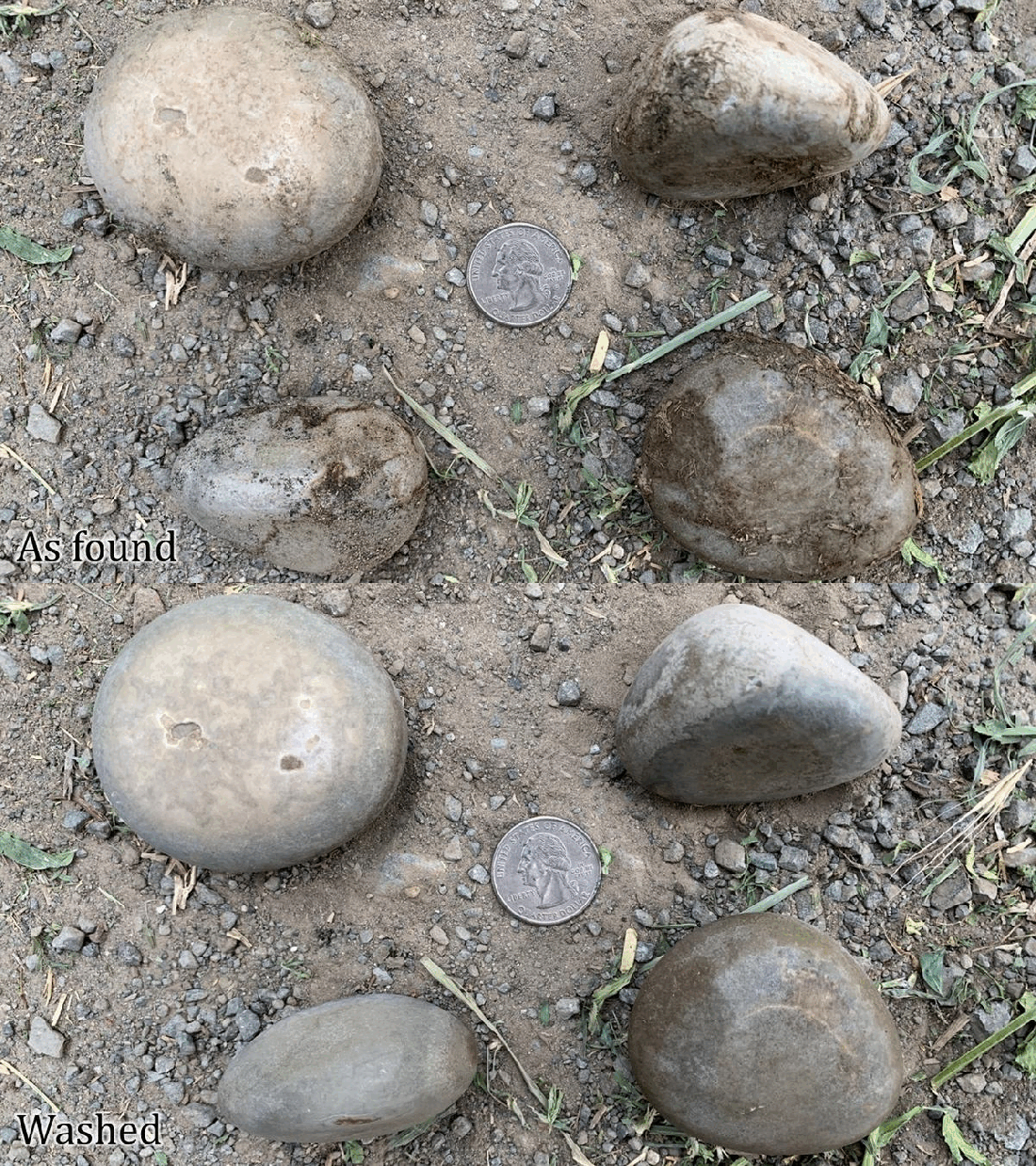
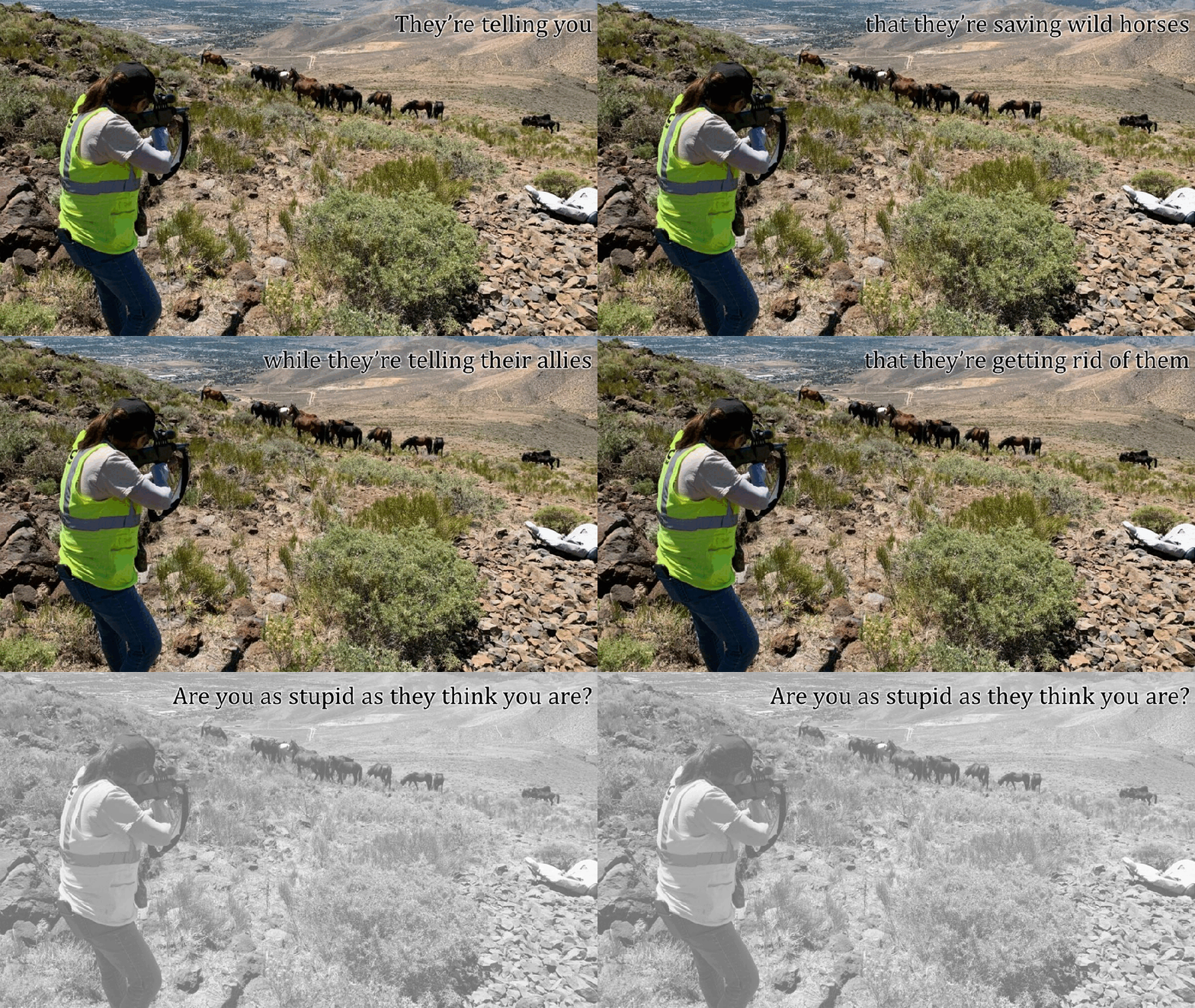
Today, it has a downstream focus and is dominated by frauds, reflected in the following image, so it can never bring improvements for the horses, only prolong their misery.

BLM Colorado Goes Dark?
The bureaucrats tried to reassure the public that they were addressing the problems at the June 16 online meeting but they have provided little information about the Piceance roundup and did not post an update this week for the situation at Cañon City.

They may be providing updates on other platforms. Western Horse Watchers does not read and will not link to anything on socialist media, with the exception of YouTube.
RELATED: Status of Piceance Roundup?

