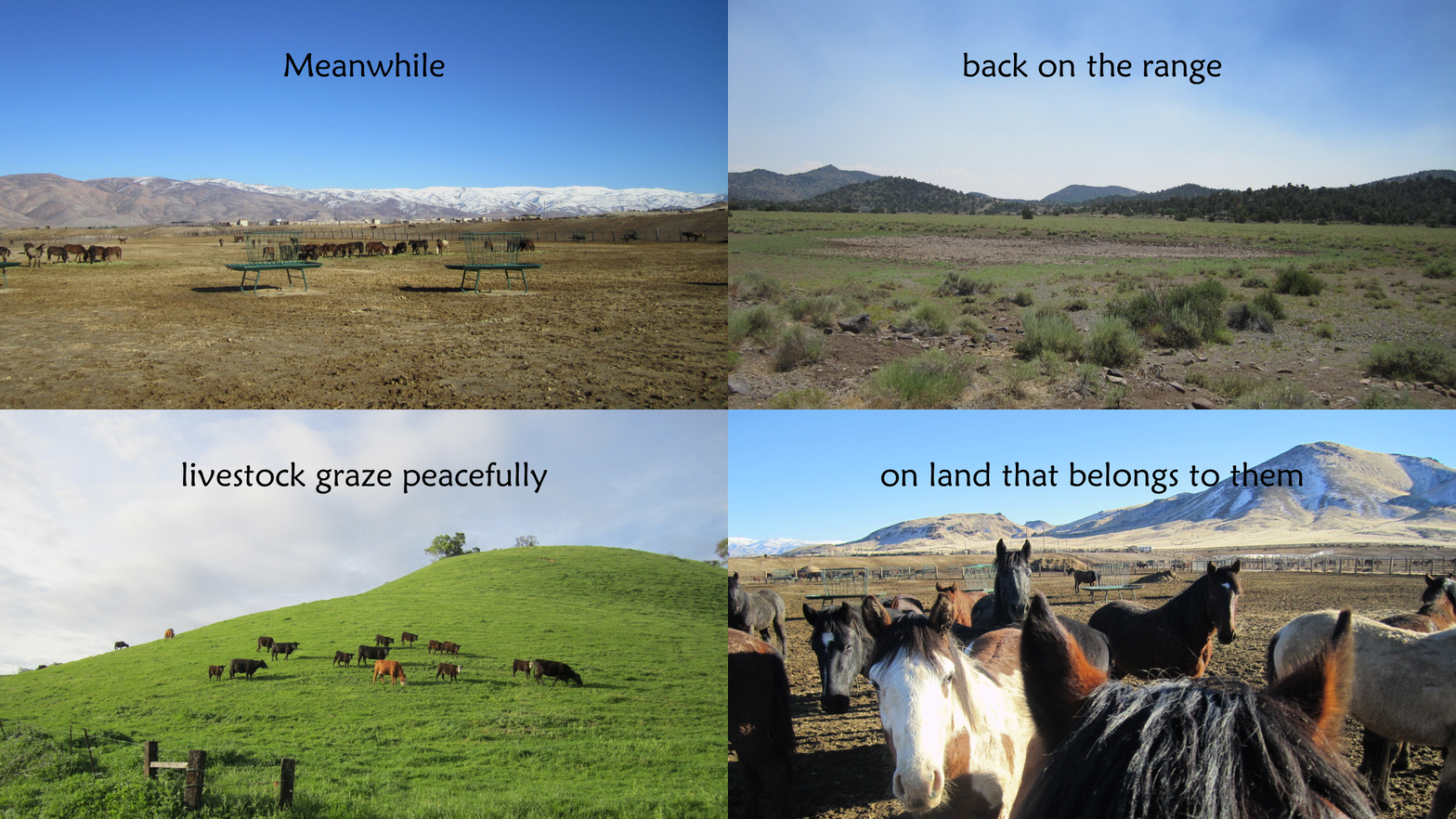
Shawave Follow-Up

The roundup yielded 594 studs and 757 mares.  The sex of the foals was not given.

Do these numbers look like they came from a herd that’s 50% males and 50% females?

The total number of adults is 1,351, with 44% studs and 56% mares.  The expected range of variation can be found from basic statistical formulas, where n = 1,351 and p = .50.

Lower limit = .50 – 3 × Sqrt[.50 × (1 – .50) ÷ 1,351] = .459 = 45.9%

Upper limit = .50 + 3 × Sqrt[.50 × (1 – .50) ÷ 1,351] = .541 = 54.1%

The percentage of studs (or mares) in the total should fall between 45.9% and 54.1%, assuming they were gathered at random from a herd that’s 50% males and 50% females.

The observed percentages fall outside these limits, so one or more assignable causes should be sought.

Perhaps the pre-gather composition of the herd was not 50% males and 50% females.

Another possibility is that the contractor targeted family bands.  Leaving bachelor bands on the range would skew the sex ratio of the herd in favor of males, slowing population growth and reducing the impact on other mandated uses of public lands.

Can you think of other explanations?

Wild Horse Management

Sulphur Roundup Over?

The daily reports stopped on August 28 but there has been no announcement at the BLM news site.  Final results:

  • Animals gathered: 620
  • Animals returned: 46
  • Animal deaths: 8
  • Animals shipped: 566 (computed from daily results)

Foals represented 20.6% of the animals gathered.

The number of unaccounted-for animals was zero, computed as follows:

UAF = Animals gathered – Animals returned – Animal deaths – Animals shipped

The result should be zero, meaning the numbers balance.

RELATED: Sulphur Wild Horse Roundup Starts This Weekend.

Diamond Wild Horse Roundup Starts Next Week

BLM said today that approximately 1,165 wild horses will be removed from three HMAs in central Nevada, beginning on or about September 10, due to overpopulation.

The operation will be carried out with helicopters, according to the news release, and will be open to public observation.  Of the 1,225 horses to be gathered, 60 will be returned to the area, including 30 mares treated with contraceptives.

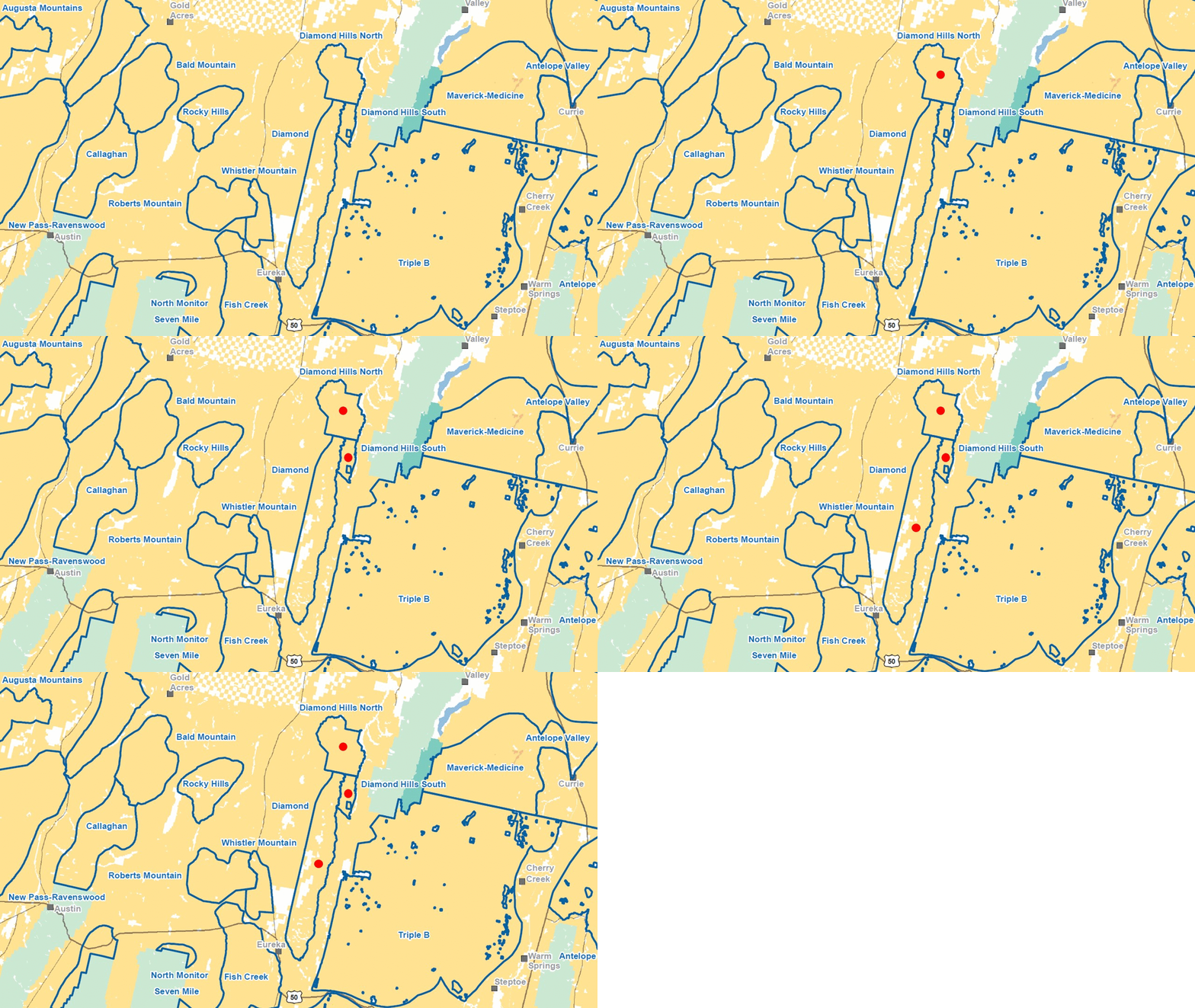
The HMAs cover 255,463 acres and have a combined AML of 210, for an aimed-at stocking rate of 0.8 animals per thousand acres.  Refer to Table 1 in the Final EA for wild horse management actions in the Diamond Complex.

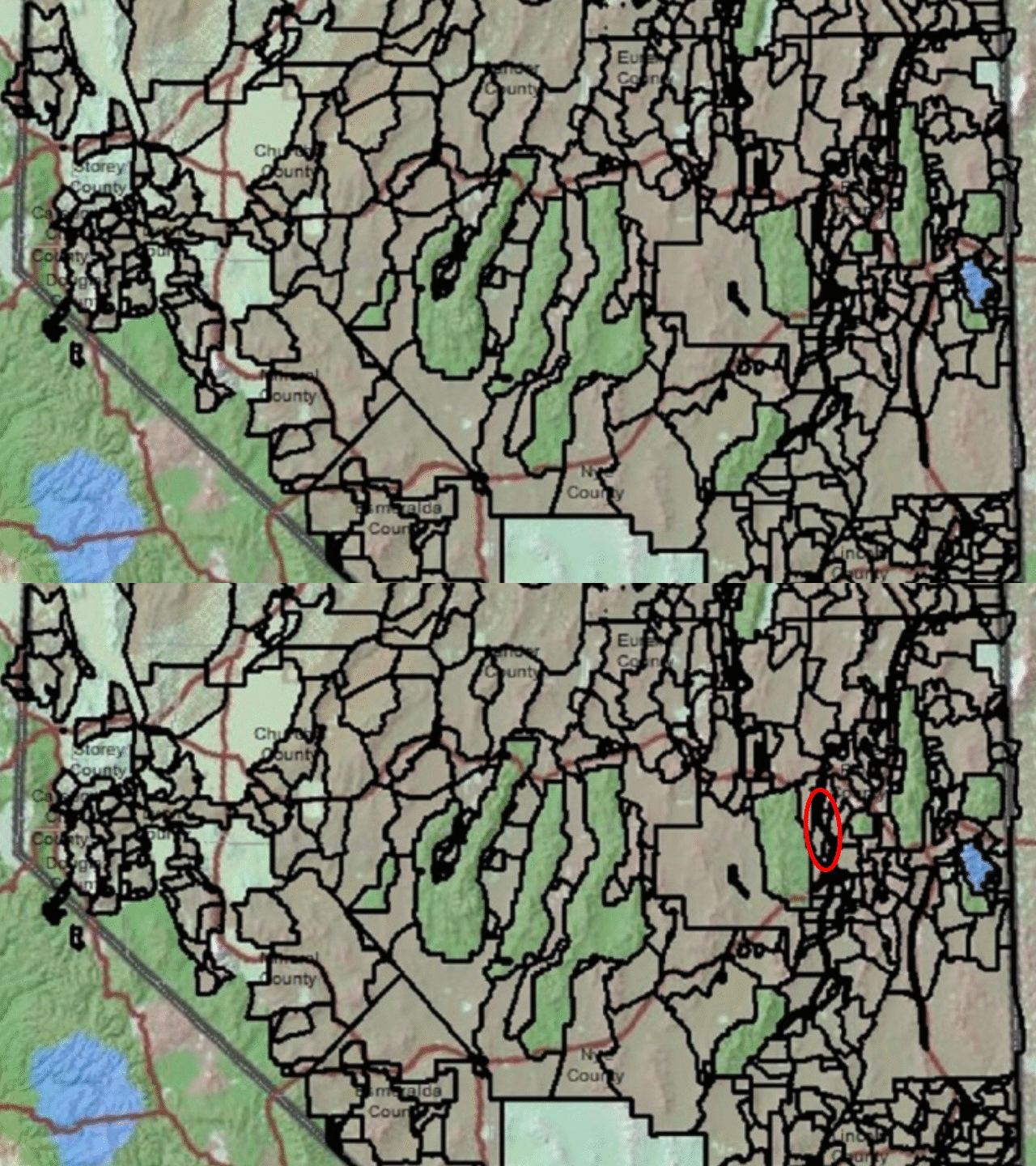
Diamond Complex Map

The HMAs intersect nine allotments according to Map 2 in the EA and all of the acreage is subject to permitted livestock grazing.  The total estimated forage assigned to cattle and sheep inside the HMAs, based on data from Table 15 in the EA, is 17,950 AUMs per year, compared to 2,520 AUMs per year for the horses.

Captured animals will be taken to the off-range corrals in Palomino Valley.

Gather stats and daily reports will be posted to this page.

Devil’s Garden Roundup, Part 3, Starts Next Week

The Forest Service will gather another 500 wild horses from the Devil’s Garden Plateau WHT, beginning September 8, to “address unsustainable impacts on aquatic resources, wildlife, hunting, grazing and other traditional cultural practices.”

In 2018, over 900 wild horses were removed from the area, followed by 500 in 2019.

The operation will be open to public observation on a limited basis, according to the news release, just two persons per day.

The WHT covers 232,520 acres in northern California and has an AML of 335, for an aimed-at stocking rate of 1.4 animals per thousand acres.

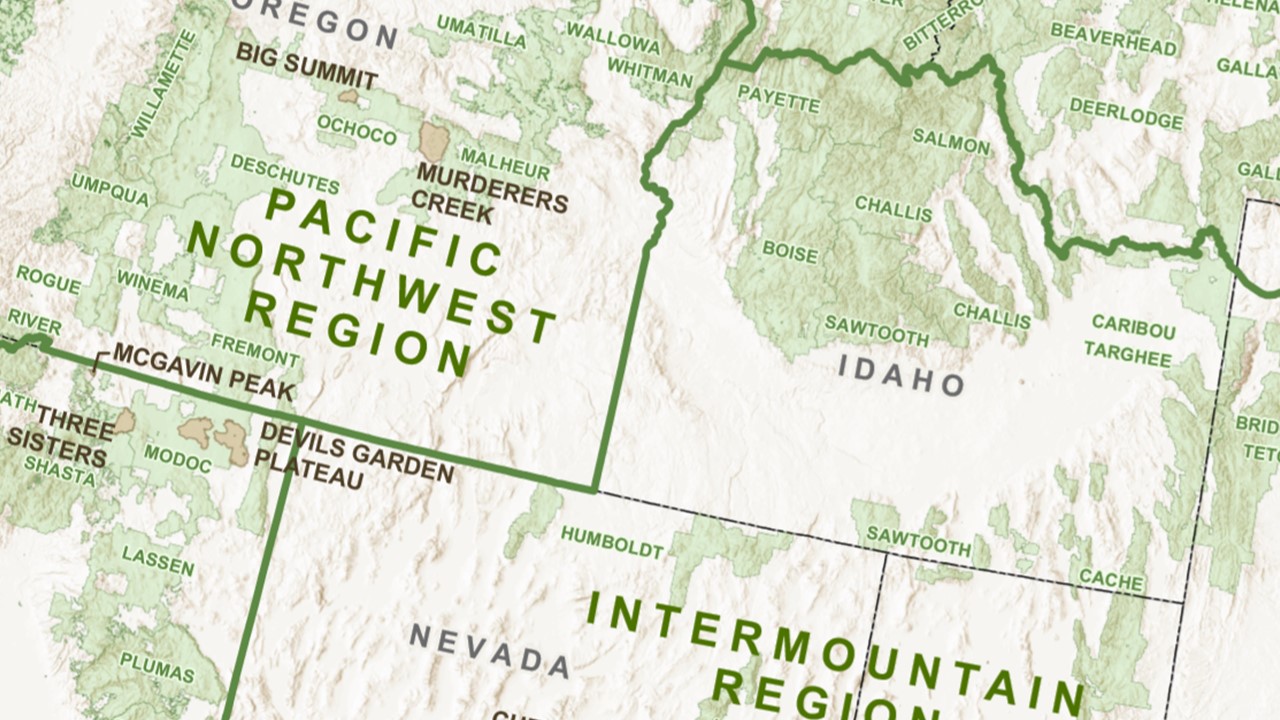
Devils Garden WHT Map-1

The WHT intersects eight allotments and is 100% subject to permitted livestock grazing.

An article published yesterday by the Houston Chronicle might give you the impression that the horses are being forced off their home range by drilling interests.  Curiously, the term does not appear in the Final EA for wild horse management actions at Devil’s Garden, but it does note wild horse impacts on the poor ranchers.  See Section 2.4.1.2.

The forage allocated to livestock would support an additional 1,309 wild horses, for a true AML of 1,644.  The current population, not mentioned in the announcement, may be below that value.

Gather updates and adoption information will be posted to this page.

RELATED: Devil’s Garden Pre-Gather Meeting This Week.

AMLs and True AMLs

What’s the difference?  On HMAs subject to permitted livestock grazing (which is most of them), the AML is the number of horses or burros the land can support after diverting most of the resources to privately owned cattle and sheep.

The true AML is the number of horses or burros the land can support after taking back those resources and managing the HMAs principally for wild horses and burros, per the statute.  Some resources would be assigned to wildlife, bringing the total to 100%, with special attention to endangered species, per the statute.

The column headed ‘New AML’ in this report could have been labeled ‘True AML,’ as it was computed according to the definition above.  You may be shocked by the magnitude of the numbers.

Emergency Roundup Scorecard

Jakes Wash HA

  • Animals gathered: 68 horses
  • Goal: 60 horses
  • Animals shipped: 0
  • Animal deaths: 0
  • Method of capture: Bait trap
  • Gather stats

Montezuma Peak HMA

  • Animals gathered: 5 horses, 43 burros
  • Goal: 50 horses, 25 burros
  • Animals shipped: 2 horses, 43 burros
  • Animal deaths: 0
  • Method of capture: Bait trap
  • Last update: August 17 (No activity since August 4)
  • Gather stats

Nevada WHR

Antelope Valley HMA

Triple B / Maverick-Medicine HMAs

Jackson Mountains HMA

RELATED: Emergency Roundup Scorecard, August 20.

Program Trains Excess Horses for Forest Service Use

There are 95,114 wild horses and burros roaming on America’s public lands, according to a story published August 26 by the Jackson Hole News and Guide, compared to a recommended maximum of 26,770.

In Wyoming, the population exceeds the state’s goal by 4,900 animals and ranchers say the excess “robs rangeland from their cattle.”

Curiously, the article did not include any complaints by drillers, miners and loggers.

There is a problem, however.  There aren’t any excess horses and burros on America’s public lands, overall.

Yes, some areas are overpopulated in terms of their true AML—the number of animals the land can support if forage diverted to privately owned livestock was returned to the horses and burros.  For example, the pre-gather population in the Sulphur HMA, now in a roundup, included 88 excess horses.

But numbers like that are more than offset by shortfalls in other areas.  The 68,344 excess animals indicated above is fiction.

The story did not mention that according to the WHB Act, areas set aside for wild horses and burros are to be managed principally for them.  Instead, the government supplanted the statute with a regulation.  We’ll do that if we feel like it.

It did not mention that almost half of the land set aside for wild horses and burros is no longer managed for them, usually due to ‘inadequate resources.’  Roundups do occur in those areas and many are subject to permitted grazing.  The gather at Jakes Wash in Nevada provides an example.  The Caliente roundup of 2019 is another.

The article noted that wild horses have no natural predators but did not mention that in most cases they share their land with livestock.  The animals that would keep horse populations in check would also be interested in cattle and sheep, and the ranchers aren’t going to tolerate that.

They’ve never been able to tolerate the WHB Act either and have pushed for several amendments since it was signed into law almost 50 years ago.

Today, the WHB program, like predator management programs, is nothing more than a grazing program ancillary, designed to give ranchers unfettered access to cheap feed on America’s public lands.

The enterprise, which has outlived its usefulness, should be shut down effective Monday morning, as the cost of those programs far exceeds the fees paid by the ranchers.


Cattle and Horses

Pine Gulch Fire Smoldering

Today’s report said that unburned fuels in the interior may smolder until rain or snow put the fire completely out.  This may not happen until mid-September, October, or even as late as November.

The latest map shows hot spots on the south and west sides but containment is holding at 77%.  Total area burned is 139,000 acres.

Management teams are transitioning and the number of persons assigned to the incident is declining.

The night shift is no longer needed according to today’s briefing.

Three cheers for our police officers, fire fighters and emergency personnel!

RELATED: Pine Gulch Fire Almost Over?

Sulphur Roundup, Day 14

Gather stats through August 28:

  • Horses captured: 620
  • Horses returned: 46
  • Deaths: 8
  • Goal: 600

Two studs were put down on August 27 due to pre-existing conditions.

Foals accounted for 20.6% of the horses gathered.

Body condition scores over the last two days ranged from 4 to 5.

Some of the horses returned to the HMA may have been treated with contraceptives but no details were given.

The goal of the roundup was to gather 600 wild horses but the number to be removed was not stated.  If 600 horses were gathered and 600 were returned, would the operation be considered as success?

RELATED: Sulphur Roundup, Day 12, Roundup Checks and Balances.

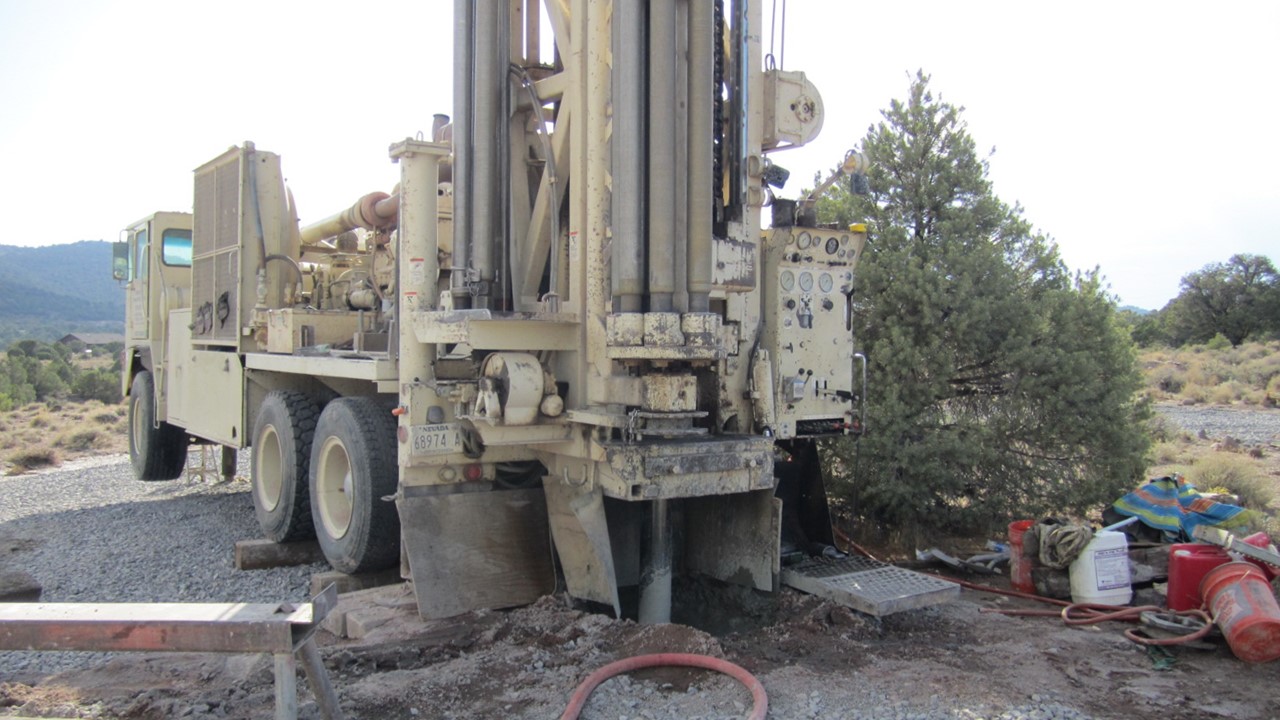
The First Thing to Do When You Buy Land Up Here

You’ll probably have to drill at least 500 feet at a cost of $40 or more per foot.

That doesn’t include the pump, controls or treatment.  It’s just a hole in the ground with a steel casing.  If you find water then you can go on with the rest of the project.

If you prefer smaller risks there’s all sorts of gaming in Reno.

Photo taken August 7 on the Virginia Range.

Well Drilling 08-07-20-1

Pine Gulch Fire Almost Over?

The burn map was not updated today and there was no morning report.

The map in today’s briefing shows the unburned area north of the Division B/A break has now been consumed by the fire, increasing the total acreage involved to 139,000.

The unburned area, referred to as a ‘green island’ at 5:32 in the briefing, can be seen in yesterday’s map.

Containment has increased to 77%.

RELATED: Focus Shifting in Pine Gulch Fire.

Pokegama Wild Horse Roundup Begins Next Month

BLM will remove an unknown number of horses from the Pokegama HMA, starting September 14, at the request of a private landowner.

The operation will be carried out with bait traps, according to the news release, and will not be open to public observation.

The HMA covers 80,885 acres on the California-Oregon border and has an AML of 50, for an aimed-at stocking rate of 0.6 animals per thousand acres.

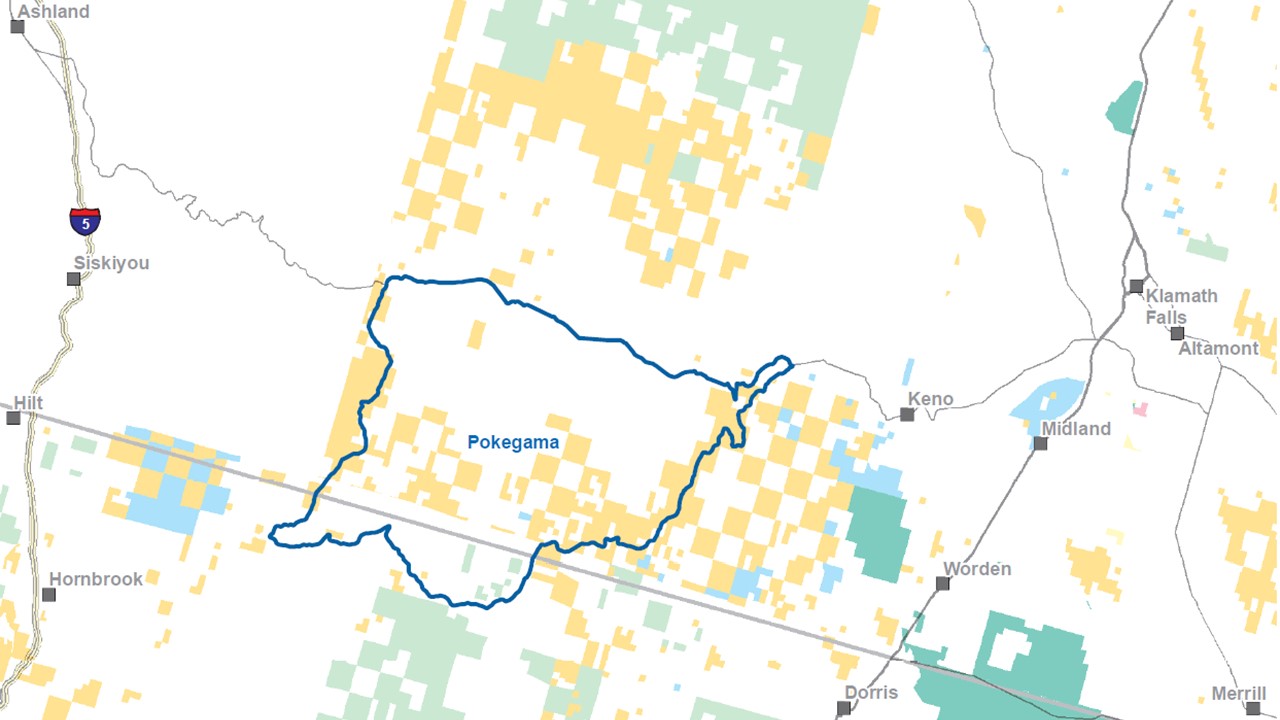
The roundup will occur on private lands only, denoted by white in the following map.

Pokegama HMA Map-1

Horses will not be gathered from public lands, denoted by tan, which constitute a small part of the HMA.  The problem resembles that of the Wyoming Checkerboard: How do you keep the horses off private lands?  Are California and Oregon fence-out states?

Captured animals will be taken to the off-range corrals in Hines, OR.

A link to the gather stats and daily reports was not provided.

Saylor Creek Mares MIA?

Since August 11 only adults and foals have been captured.  But the number of animals gathered has increased from 78 stallions, 4 mares and 14 foals on August 20 to 81 stallions, 7 mares and 16 foals as of today.

The traps have been idle since August 24 according to the daily reports.

The operation will remove all wild horses from the HMA, followed by selective return, including mares treated with contraceptives.

The herd won’t be a product of natural processes, just a carefully curated exhibit.

RELATED: What Happened to the Saylor Creek Mares?

PSA 12-12-19

Jakes Wash Emergency Roundup Begins Tomorrow

BLM said today that approximately 60 wild horses will be removed from the former HMA, starting August 28, due to lack of water.

The operation will be carried out with bait traps, according to the news release, and will not be open to public observation.

The HA covers 153,663 acres in eastern Nevada.  It was demoted in 2008.  It has no AML because it’s not managed for wild horses.

The state allotment map suggests that it’s subject to permitted livestock grazing.

Jakes Wash HA Map

Captured animals will be taken to the Palomino Valley off-range corrals, about 20 miles north of Sparks, NV.

Gather stats and daily reports will be posted to this page.

NOTE: If you don’t know the difference between an AUM and an AML, see the Lexicon.

Focus Shifting in Pine Gulch Fire

The latest report at InciWeb says yesterday’s growth was just 38 acres and the fire shows no signs of breaching the line near the Little Bookcliffs WHR.

The total area burned is approximately 136,000 acres.  Containment, denoted by a black border in today’s map, is now 53%.

A video posted yesterday shows an unmanned aerial vehicle that ignites fuels ahead of the fire to slow its spread.

RELATED: No Major Concerns at Pine Gulch Fire.