Wild Horses Suffering Because of Climate Change?

So says a report in the Arizona Daily Sun dated 06/15/18.  Normally, a story like that would get the goodbye click upon reaching such a claim, but there is a problem here.

Navajo_Horses_Climate_Change-1

Horses don’t stand around on dry lots and die of thirst.  Maybe somebody put up a fence or other obstruction that impedes their ability to find food and water?

Anyway, when this story broke a few weeks ago, little if any effort was being made to help them.  But now the advocates have mobilized.  It’s the locals helping the horses, not the government.

What an individual can do, society should not take over, and what small societies can do, larger societies should not take over.

That is the principle of subsidiarity.

Power Under Control

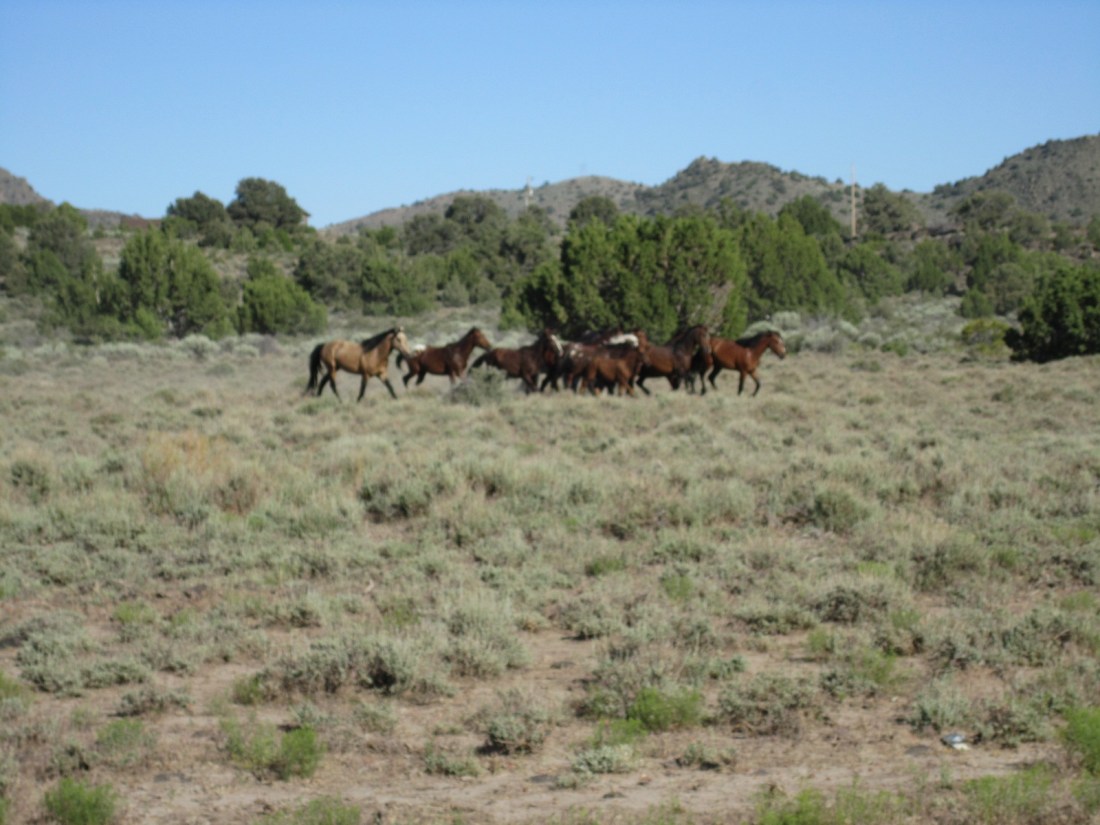
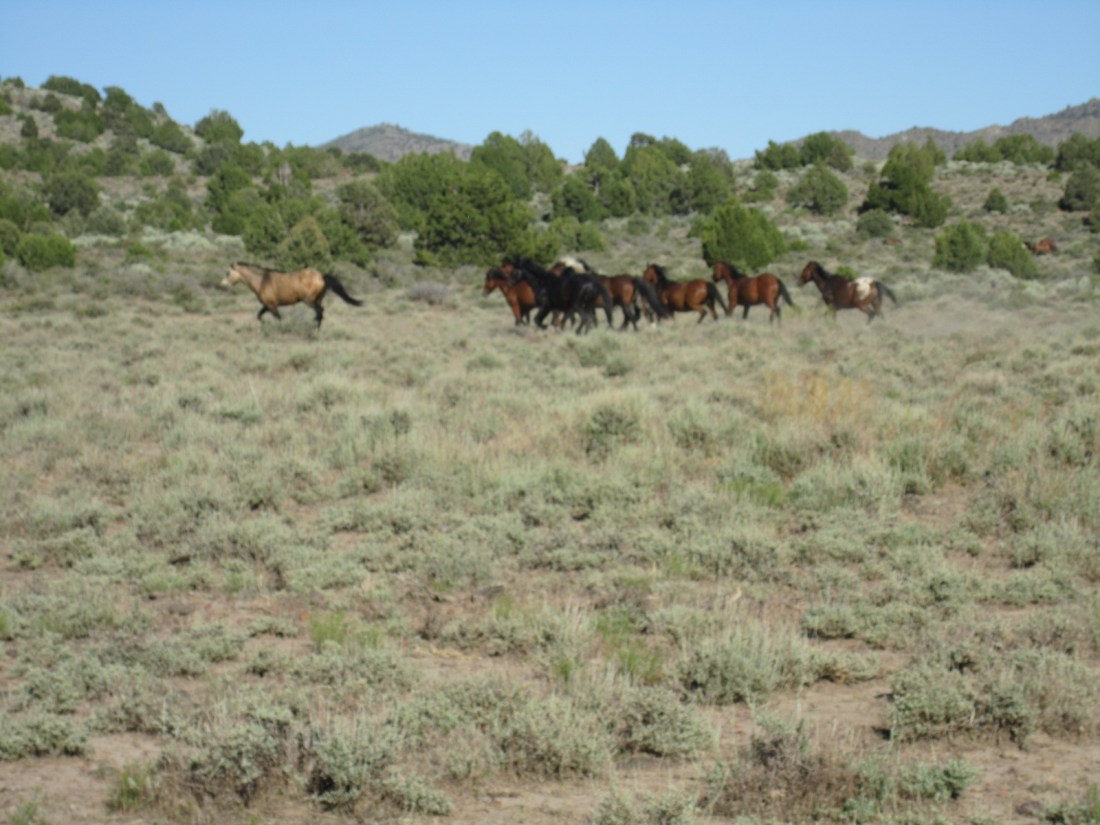
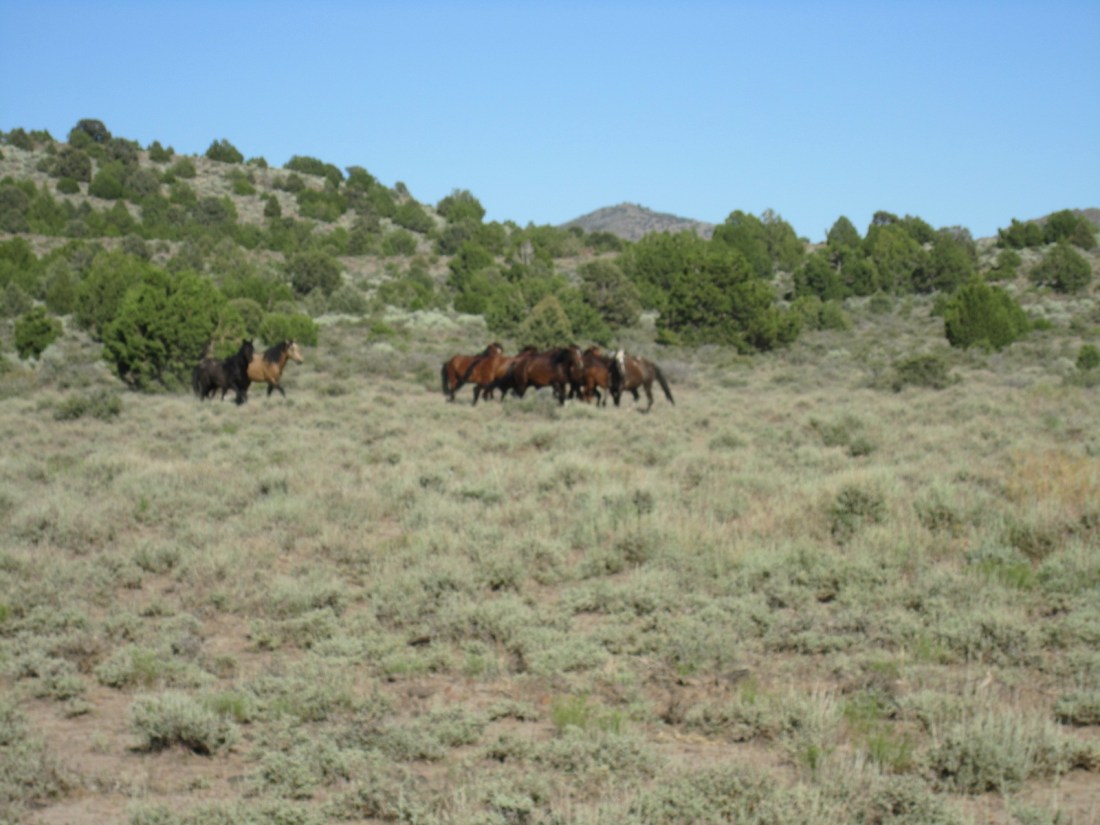
One of the Virginia Range band stallions, photographed on 06/15/18, battle scars and and all.  That’s 1000 pounds of virility and potency standing right in front of you.  If he spins his butt and fires those cannons, you don’t have a chance.  But there he was, as sweet as can be.

This may be an example of what Ann Barnhardt refers to as meekness.

IMG_6028

Horses Returned to Sands Basin HMA

See this story at KIVI-TV Channel 6, the ABC affiliate in Boise, ID.  Includes video.

Today, twenty nine horses were returned to this relatively small HMA, almost three years after it was burned in the Soda Fire.  Also present were 100+ observers.

The population density for this area is 5.5 horses per thousand acres, considerably higher than the national average of about one horse per thousand acres (based on upper end of AML).

RELATED: BLM Returning Horses to Sands Basin HMA.

Volunteers Preparing to Haul Water to Sand Wash Basin HMA

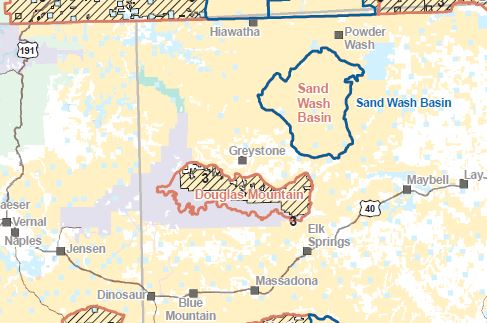
Personnel with Wild Horse Warriors for Sand Wash Basin are finalizing plans to bring water to the Sand Wash mustangs, according to a report posted 06/12/18 in Steamboat Today.  The action stems from ongoing drought conditions.

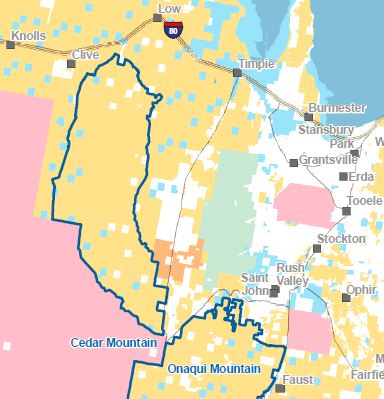
Sand_Wash_Basin_HMA_Map-1

The report says the HMA is enclosed by a fence.  If that’s true, the horses are no longer self-reliant.  If they can’t move to other areas to find food and water, they’ll become dependent on people or will die.  You fence ’em, you own ’em.

Sand_Wash_Water_Update-1

The Sand Wash Basin HMA covers 157,730 acres in northwest Colorado.  The upper end of the AML is 363, for a population density of 2.3 horses per thousand acres.

RELATED: Water Holes Drying Up at Sand Wash Basin HMA.

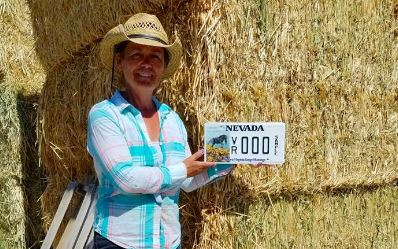
Advocates Still Want Answers for Virginia Range Horses

Although not on the agenda, the Virginia Range mustangs received considerable attention during public comments at the 06/06/18 Nevada Board of Agriculture meeting.

The Board’s plan to transfer ownership of the horses to a non-profit advocacy group was met with no response and was withdrawn on 05/02/18.

Comments begin at 0:06:02 and end at 0:38:20.  Most of the commenters urged the Board to reinstate a birth control program similar to the one cancelled in 2017.  Sad.

Oregon HMA Stats

Most of the herd management areas in Oregon are in the northwest corner of the Great Basin.

Here are some statistics for the state, developed from individual pages at the BLM web site.

  • Number of HMAs: 18 (one jointly managed with USFS)
  • Total land: 2.9 million acres (mostly public, some private)
  • Total animals: 2786 (mostly horses, a few burros, using upper values of AMLs)
  • Stocking rate: 1031 acres per animal (0.97 animals per thousand acres)
  • Stocking rate at 3X AML: 344 acres per animal (2.91 animals per thousand acres)

The last figure is offered as an estimate of the current situation, as many of the HMAs have more animals than allowed by the upper end of their AMLs.

Livestock grazing was not reported on any of the HMAs, although it presumably occurs on some of them.

The largest HMA is the Coyote Lake / Alvord Tule Springs complex at 553,603 acres, while the smallest is Hog Creek, at 21,844 acres.

Stocking rates vary from 5.0 animals per thousand acres at Cold Springs HMA to 0.4 animals per thousand acres at Warm Springs HMA.

Judge Says OK to Round Up Horses at Fort Polk

A federal judge ruled yesterday that the Army can continue rounding up feral horses at Fort Polk while a lawsuit aimed at stopping the gathers works its way through the courts, according to this report at Army Times.

Pegasus Equine Guardian Association, an advocacy group, argued that some of the horses may be traceable to those brought to the New World by Spanish explorers.

The horses roam mostly on the Kisatchie National Forest in Louisiana, which is managed by the USFS but is not a WHT.

BLM Returning Horses to Sands Basin HMA

Twenty six wild horses will be returned to the Sands Basin HMA in western Idaho on 06/13/18, according to this news release from the BLM.  The action follows an emergency gather in 2015 of all horses due to the Soda Fire.

Sands_Basin_HMA_Map-1

Horses in the nearby Hardtrigger and Black Mountain HMAs were also affected.  Refer to page nine in the BLM rehab report for more information.  The fire was started by lightning.

The Sands Basin HMA covers 11,724 acres and has an AML of 64, for a target population density of 5.5 horses per thousand acres.

Are There Any Wild Burros in Oregon?

A few, they can be found in the Warm Springs HMA, south of Burns, along with an occasional mule.  State route 205 marks the eastern boundary of the HMA, second largest in the state.

Warm_Springs_HMA_Map-1

The target population density of the HMA is 0.42 animals per thousand acres (based on upper range of AML), compared to a state average of 0.97.  The likelihood of actually seeing a burro or mule in the area is small, unless they tend to hang out in one place and you know where it is.

A WHB specialist based in Burns or Hines may be able to help you find them.