CANA Foundation Throws in with Public-Lands Ranchers

A news release posted today by EIN Presswire praises language in a draft appropriations bill for the Department of the Interior about the ‘rewilding’ of horses and burros.

The concept, which appears on page 15 of the proposed legislation, refers to the transfer of captured horses from government corrals and contracted pastures to private facilities, not their home range, just as the ranchers wanted.

The draft also includes $6 million for the first phase of the wild horse eradication plan, also favored by the ranchers.  See page 10.

RELATED: CANA Foundation: Don’t Give Them a Penny.

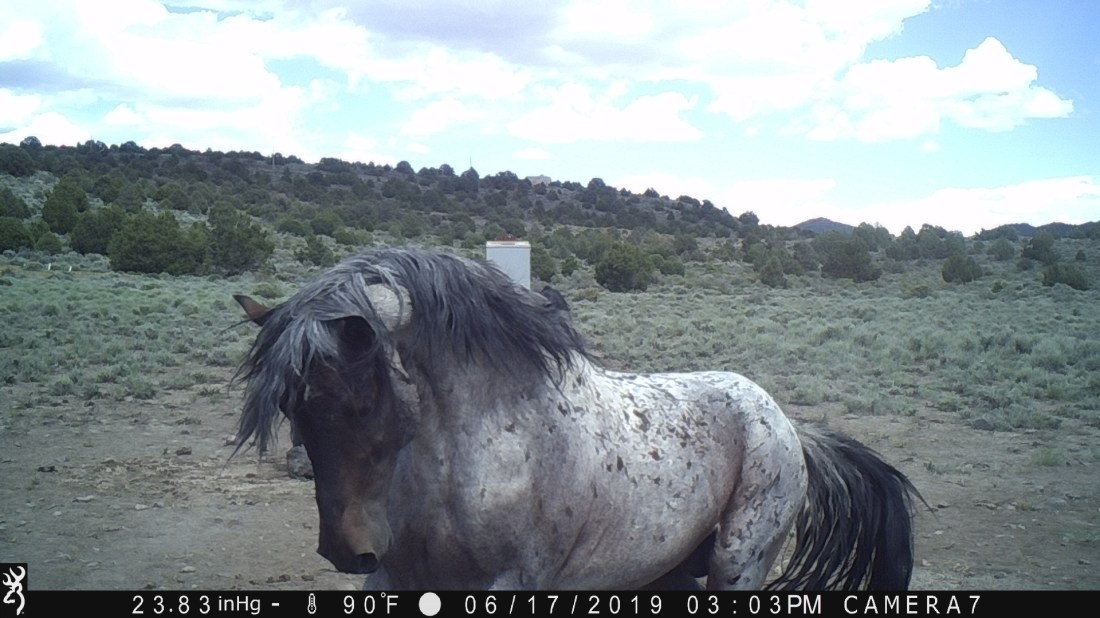
Multiple Use on the Heber WHT

Video of some wild horses trying to live peacefully with ‘other rangeland resources’ in the disputed territory.  What could possibly go wrong?

Oh yeah…eleven of the horses have been killed by gunfire in the past year.

Pay no attention to the fencing.  It was put there by an oil company to keep nosy environmentalists away from their drilling rigs and frac tanks.

RELATED: Advocates Ask Politicians for Help with Heber Shootings.

Visiting the Black Hills Sanctuary

On the road in South Dakota with RVOnTheWayside.

Places like this can never be accepted as a solution to the wild horse ‘problem.’  Privately owned livestock, which far outnumber wild horses on public lands in the western U.S., belong on private land, not free roaming horses.

RELATED: Private Sanctuaries: End-Game of Wild Horse Management Plan, Story of the Black Hills Wild Horse Sanctuary.

The Big-Name Advocacy Groups Have Lost Their Way

Refer to this letter in the Desert Independent, posted 06/15/19.  It’s just one example.

Whenever you see a plea for ‘on-range management’ of wild horses (sometimes posited as ‘humane management’), run.

These organizations offer no meaningful resistance to the ranching juggernaut.

Instead, they argue about methods and timing: The range-fed beef producers want the horses gone now, by any means necessary, while the so-called advocates want their numbers to decline gradually, through application of contraceptives.

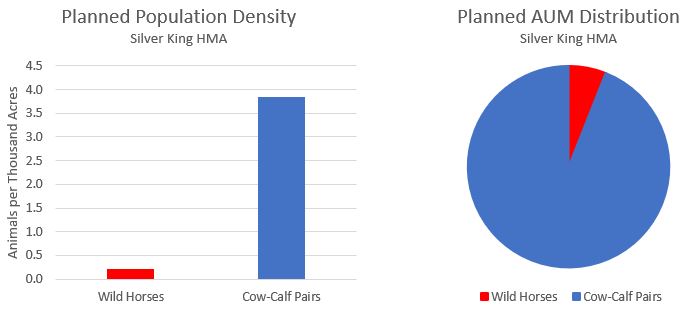
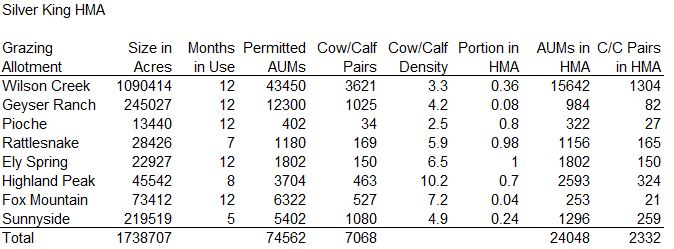
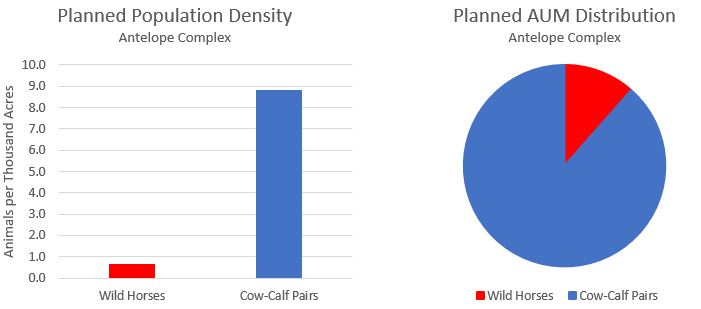
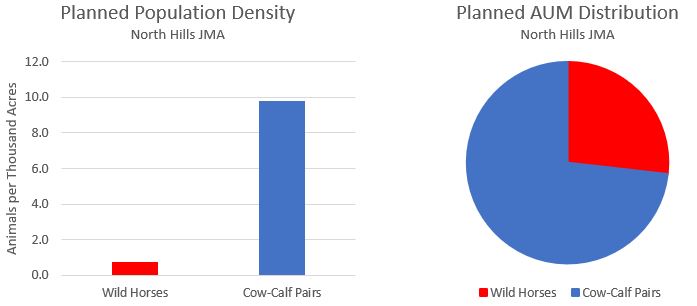
Consider the situation at Twin Peaks HMA, where the horses get the short end of the AUM stick.  Why aren’t they pushing back against the public-lands ranchers?

Might be a good idea to check their donor list before giving them money.

BLM to Renew Burning Man SRP

The environmental impact statement is complete and the special recreation permit should be renewed within 30 days, according to a news release dated 06/14/19.

The festival usually runs from late August through Labor Day weekend on the Black Rock playa northeast of Gerlach, NV.

Burning_Man_Location-1

The anti-family event, which occurs in the middle of wild horse country, is brought to you by the multiple-use mandate of FLPMA, the ‘No Rancher Left Behind Act.’

Lies at Pauls Valley

Adoption event last month at Pauls Valley Off-Range Corral in southern Oklahoma.

Remarks by the woman beginning at 5:11 are false.  The land can support way more than 26,000 horses and burros.  Herd sizes do not double every three years.  BLM forces these animals off their home range (public lands in Western U.S.) so their food can be sold to privately owned cattle and sheep.

Thanks to Camille’s Mustangs for getting this on film.

RELATED: Wild Horse Overpopulation?

Story of Velma Johnston

Good job Elizabeth!

The WHB Act has been amended several times by ranching interests (visible at top of frame at 1:50) and no longer affords the protections sought by Velma.  This is the challenge going forward: Roll back the changes and put an end to public-lands ranching.

Today, more and more horses are being forced off their home range (public lands) so their food can be sold to privately owned cattle and sheep.

Adoptions don’t keep pace with the roundups so most of them end up in government corrals or contracted pastures.  No family, no foals, no legacy.

Slaughter is Good for Horses?

Horse owners don’t have enough options for disposing of animals that aren’t wanted because they’re sick, old, unmanageable or fail to meet expectations, according to a ‘guest column‘ that appeared yesterday in Beef magazine.

Land managers can’t use it as a means of population control for wild horses.

And it’s a damn shame because it’s in the best interest of the animals to be killed, you see.

Just like abortion.  Saves hundreds of thousands of kids from lives of poverty and crime every year.

Legalizing slaughter would alleviate the pain and suffering of horses driven from their home range so their food can be sold to public-lands ranchers.  You know, families torn apart, pregnant mares dropping colts in feedlots and all that.  So unnecessary.

With today’s technology, the process could become highly efficient, opening the door to mass removals from western rangelands, putting an end once and for all to the ‘wild horse problem.’

Call it the Final Solution.

The Way We Manage Western Rangelands Needs to Change

Lawmakers from Montana should endorse the ‘creative’ wild horse management plan announced on 04/22/19, according to an op-ed that appeared today in the Bozeman Daily Chronicle.  It’s the only way to stop the endless cycle of roundups.

The alternative, according to the writer, is the use of lethal tools, such as slaughter and mass killings, to manage wild horse and burro populations.

Although she criticizes current management practices, she does not ask why the roundups occur (as if wild horse overpopulation is an established fact, self-evident).

You can’t solve a problem by treating the symptoms, you to have to remove the causes.

The management plan focuses the symptoms (‘excess’ horses displaced from their home range) but ignores the causes (too many privately owned livestock grazing on public lands set aside for the horses).

In 1971 Velma Johnston won protections for wild horses but not for their land.

It’s time to end public-lands ranching, along with the bureaucracy that supports it.

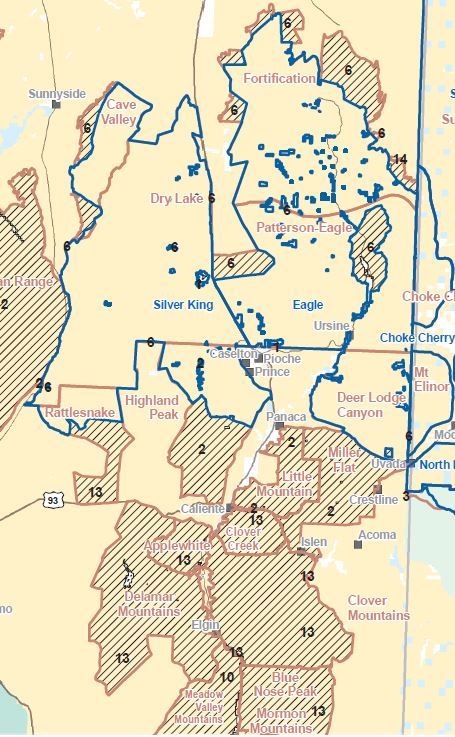
Gossip About Motives in Heber Wild Horse Shootings?

A statement by the Forest Service dated 05/02/19, which coincides with the date that a photographer saw a man shooting at the horses, says “Rumors about possible suspects, gossip about motives, and general misinformation quickly spread throughout social media.”  Are they trying to downplay the incident?

Let’s look at facts:

  1. The Heber WHT is composed of, and surrounded by, grazing allotments.
  2. Ranchers benefit from reductions in wild horse numbers.
  3. Ranchers have a well-established history of taking wild horses off the range.

That they have a motive for killing wild horses is not an accusation, it’s a reasoned conclusion.

RELATED: Group Criticizes Forest Service for Response to Heber Shootings.

Wild Horse Advocates Protest in Salt Lake City

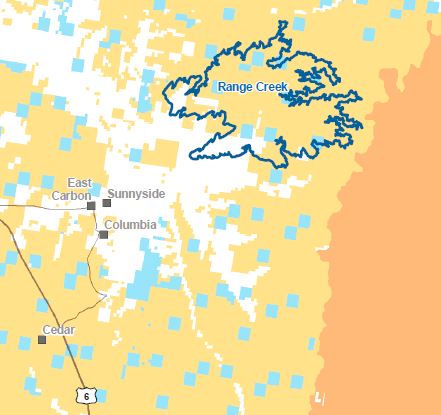
Protesters returned to the state capital yesterday, according to a report by FOX-13 News, in response to a planned roundup of the Onaqui Mountain horses.

Critics of the horses—most of them shills for the public-lands ranchers—say they’re suffering because they don’t have enough food and water.

But the problem is privately owned livestock on public lands set aside for the horses, fences and gates that impede their movement, water sources commandeered for fee-paying animals.

Multiple_Use_Rev-1

The big-name advocacy groups should be going after the misappropriation of these lands, the failure of government to manage them primarily for wild horses and burros, instead of spreading their contraceptive venom across the fruited plain.

RELATED: Onaqui Mountain Protesters Gather in Salt Lake City, Livestock Grazing in Utah, BLM Puts Crosshairs On Onaqui Mountain Horses.