The gather page said “No decisions are being made at this time regarding the long-term disposition of horses gathered as part of this emergency action” but the Forest Service has apparently decided they will be put up for adoption according to a May 9 news release about a new HMAP for the WHT.
The roundup, prompted by the 2024 Rail Ridge Fire, cut the herd by 410.
The status of livestock grazing in the burned area is not known.
Like the NGOs behind it, the membership will not advocate for principal use and management at the minimum feasible level.
Instead, it will support the goal of ranching superiority in the lawful homes of wild horses, sometimes referred to as achieving and maintaining AMLs, but the weapon of choice will be pesticide-laced darts, not low-flying helicopters.
Moreover, they’ll argue that it’s not removal, even though the numbers go down just like they do in roundups.
The major difference is that the herds don’t bounce back.
A story by The Virginian-Pilot says the advocates will not be sharing the names of foals and will use more discretion when sharing the names of the adults, another indication they are worried about the viability of the herd, a problem they caused.
A herd of approximately 100 should produce around 15 foals per year, more than enough to overcome the loss of five to six adults to natural causes.
The low number of foals suggests the herd is shrinking, perhaps irreversibly.
You will never hear the advocates criticize PZP darting programs because their livelihoods as NGOs depends on them.
If the pesticide was taken off the market they’d have nothing, no reason to exist.
The herd has survived on its own for hundreds of years, as stated in the report, but it cannot survive the advocates and their stupid ideas.
The underlying belief of those involved is that that the horses and burros are pests and that the land should be managed primarily for livestock.
The advocates, facing great embarrassment, will switch to another brand of snake oil rather than admit their errors.
It is not possible to overestimate the stupidity and naivety of the wild horse advocates, with the exception of those colluding with the bureaucrats and ranchers.
In those cases, it’s easy to underestimate the depths they will plumb to deceive their supporters and the population at large.
The government will pay $1,000 to illegal aliens that leave the country voluntarily according to a report by AP News.
The story did not indicate if the migrants would receive $500 when they crossed the border and $500 if they stayed out for a year.
The status of compliance inspections is unknown.
Unlike the Adoption Incentive Program, payments are made in lieu of capture and are not available to those who would take the detainees from the government and escort them to Canada or Mexico.
The program is an important step in keeping Democrats away from the levers of power.
The change was mentioned in a response to comments in the Buffalo Hills DNA.
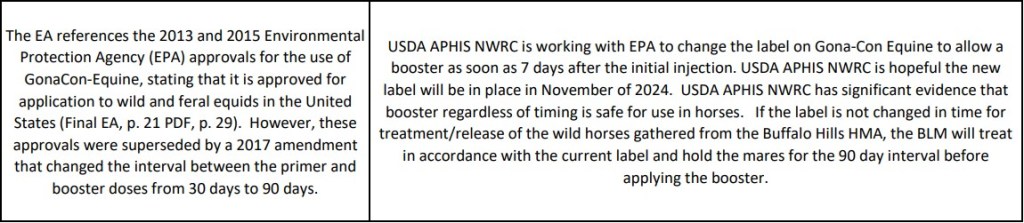
The January 21 labeling amendment allows the second dose to be given in as little as seven days after the first.
The effect of the change on treated animals is not known.
Although the 2017 labeling amendment changed the interval to 90 days, the BLM continued to refer to the 2013 and 2015 registrations in planning documents issued after that date and gave two doses 30 days apart to mares captured in roundups, which constitutes unlawful use of the pesticide.
If that sounds like an allegation of wrongdoing, it is.
Comments are due by June 4 according to the news release.
Alternative A, the Proposed Action, features
Implementation of a new HMAP
Removal of excess animals to low AML
Application of fertility control pesticides
Sterilizing up to one fourth of the herd
Skewing the sex ratio in favor of males
Development of a new water source
The proposed HMAP is discussed in Appendix XIII of the EA.
Section 2.4.2.2 refers to a 2025 labeling amendment for GonaCon Equine, which may have changed the interval between treatments from 90 days to seven, but Western Horse Watchers has not been able to find it at the EPA website.
The Comprehensive Animal Welfare Program applies to horses that are off the range or nearly so.
In effect, it ensures that burn victims receive the best possible care instead of figuring out how to have fewer fires.
It guarantees the removals will continue because it does not address their causes.
The advocates believe the problems can be avoided by not having any horses or not having them in sufficient numbers to protect herd health and genetic viability.
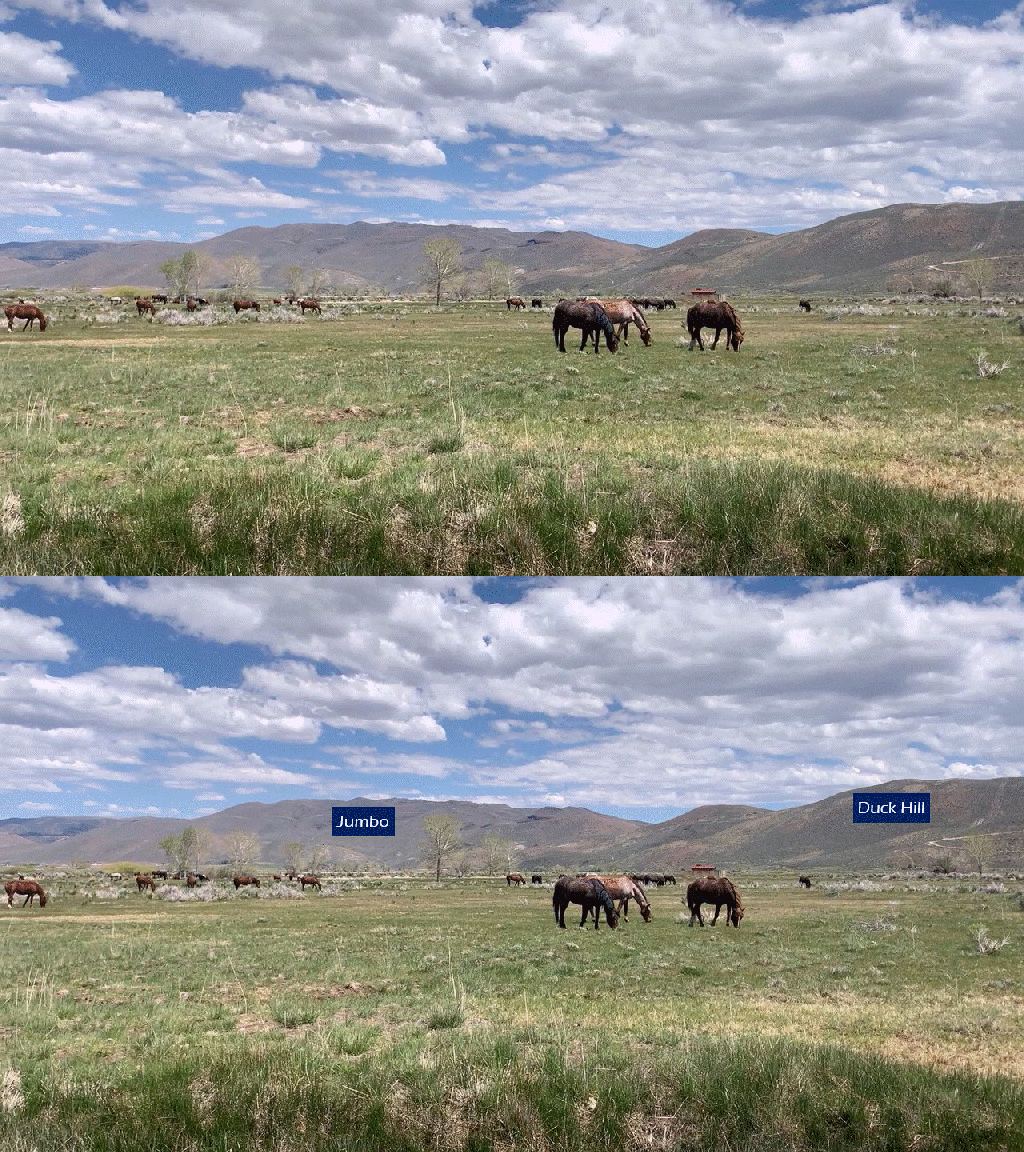
This photo, taken on May 2, helps you understand why the Virginia Range advocates are eager to beat the horse numbers down with ovary-killing pesticides.
The view is from the west side of the lake, looking east across the marsh to the Virginia Range.
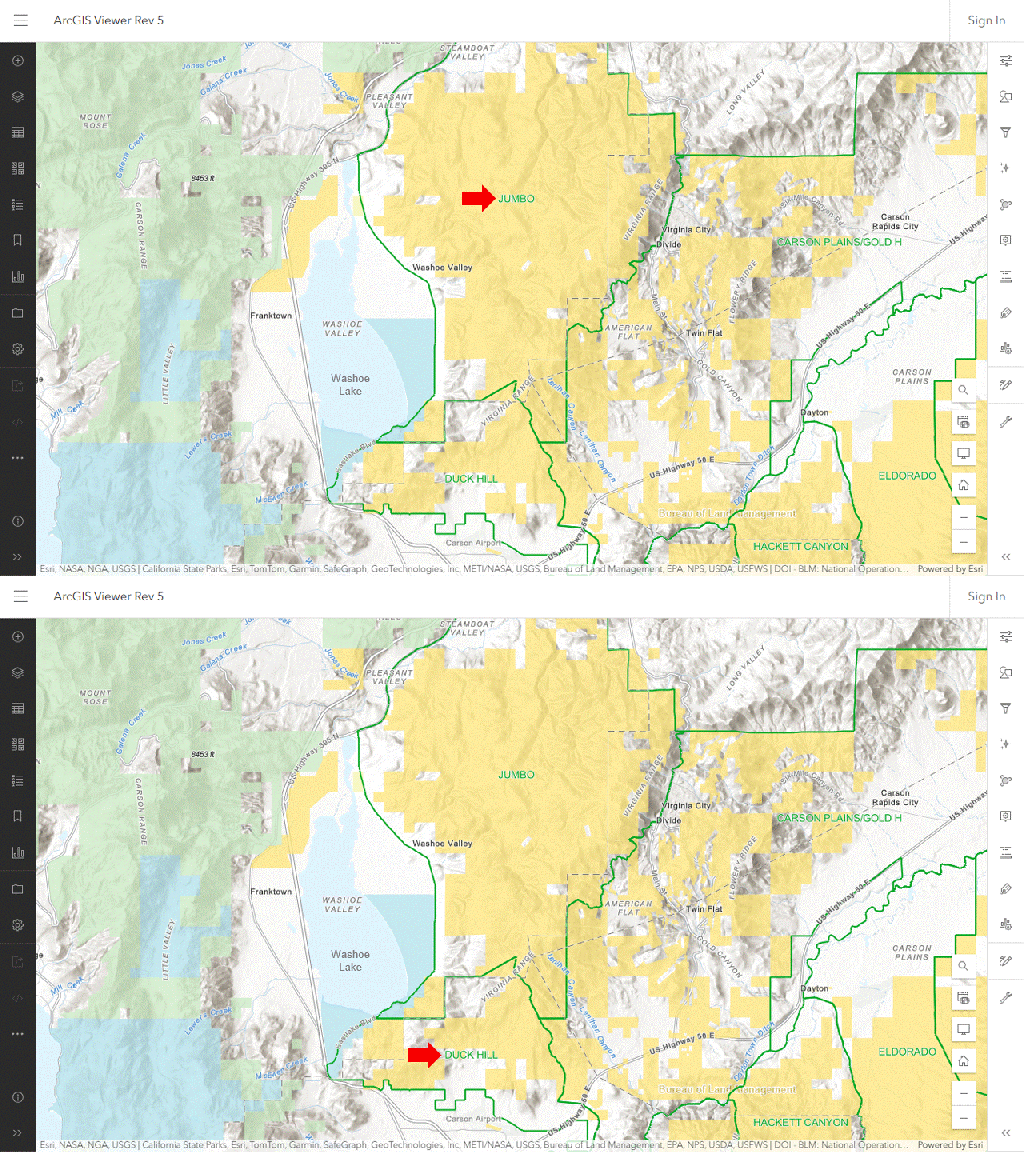
The Jumbo Allotment is on the far side and Duck Hill borders it on the south.
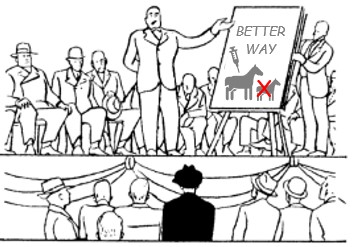
The advocates want the ranchers to win but motorized removal is cruel and costly and somebody has to take care of the captured animals.
A better approach is to not have any horses at all, and mass sterilization is an effective way to achieve that.
The advocates can sterilize a mare for about $200 (six to seven doses of PZP).
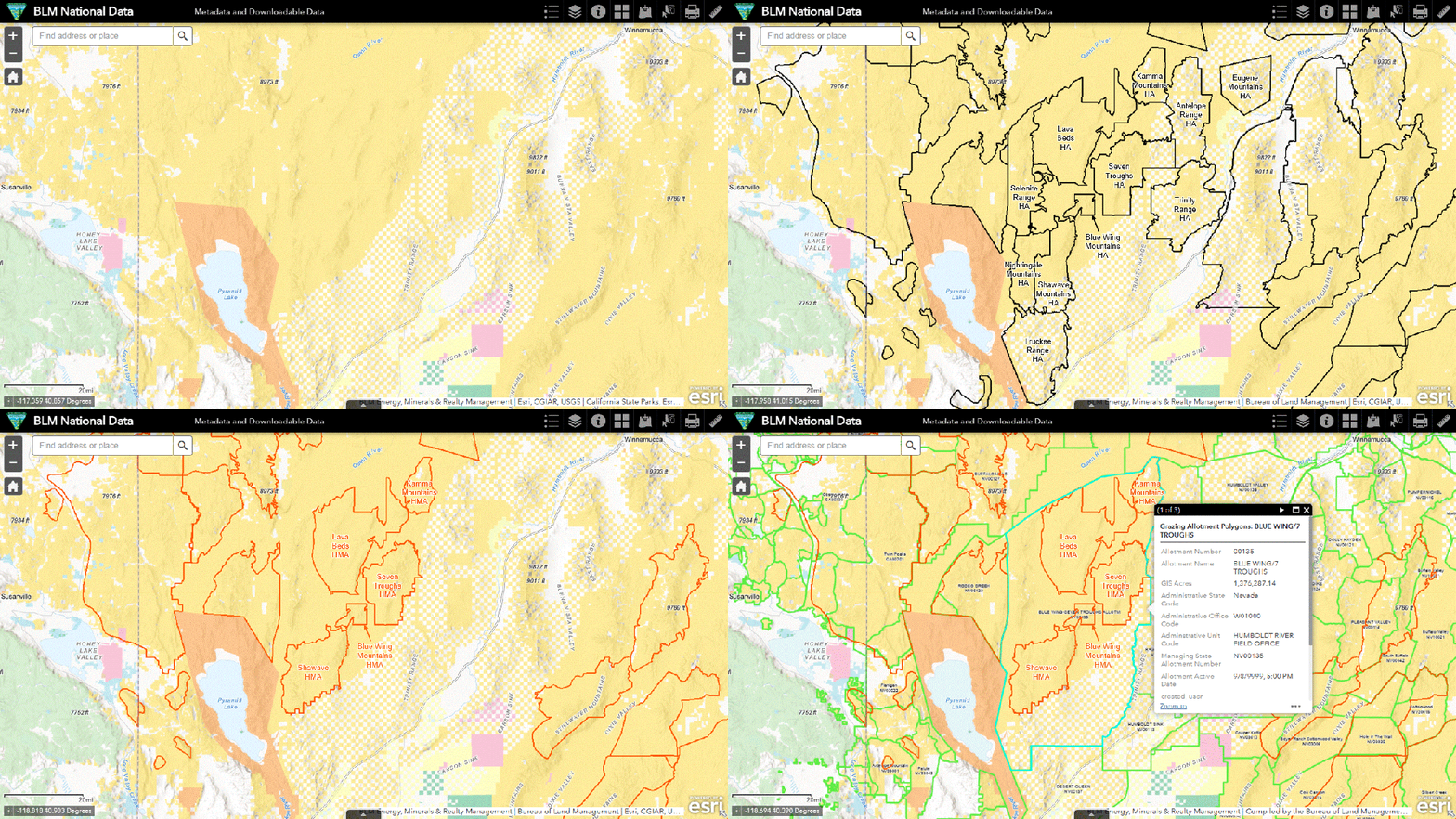
The Allotment Master Report puts Duck Hill in the Improve category, does not meet one or more standards for rangeland heath, and Jumbo in Custodial, condition unknown.
It’s in the Improve category, one or more standards for rangeland health not met.
The management plan assigns no forage to wild horses.
How many could live there?
The forage assigned to livestock is equivalent to 300 wild horses, or 7.7 per thousand public acres.
Why is this important?
Your faithful public servants claim that rangelands in the western U.S. can only support one wild horse per thousand acres (25,500 animals on 25.6 million acres).
The advocates, defeated a long time ago, prop up the fairy tale with their darting programs.
If the allotment was an HMA, the AML would be 39 and 261 wild horses would be consigned to off-range holding because of permitted grazing.
Wild horses can be placed on public lands not identified for their use by acquiring base properties associated with grazing allotments and flipping the preference to horses.
The problem is an unelected bureaucracy that ignores the intent of the original statute and puts ranching interests far above those of the horses and burros.
Not only are you responsible for that, but you can do something about it.
They have been doing a great job of managing the horses according to the writer of a letter to Tuscon dot com.
They administer birth control and provide water troughs and feeding programs at no cost to the government.
Much to her dismay, the Forest Service wants to reduce the herd to 100 or 150 horses, which is the next stop on the tour.
Environmental groups that want it cut to 50 or less will get their wish.
Those who want it wiped out altogether will be gratified.
There is no need to continue the charade. Most of the mares have been ruined by the advocates, which the writer ignores.
Other characteristics omitted from the letter:
Injuries and infections
Elevated death rate
Abnormal sex ratio
Loss of genetic diversity
Selection for faulty immune systems
The writer wants you to send letters to the governor and other officials to keep the herd in the Tonto National Forest even though her buddies are doing the opposite.