A story posted today by The Coastland Times says a new filly was discovered on the island but did not give the condition of the herd now that the storm is gone!
RELATED: Ocracoke Ponies Survive Dorian.

Exposing the Hypocrisy, Lies and Incompetence of the Wild Horse Advocates
A story posted today by The Coastland Times says a new filly was discovered on the island but did not give the condition of the herd now that the storm is gone!
RELATED: Ocracoke Ponies Survive Dorian.
Refer to this report by Capital Press, a trade publication based in Salem, OR.
Agricultural producers in the area like to use wild horses to market their products but they don’t like to talk about their history.
Moreover, videos that tell the story of HHH keep getting scrubbed.
What are they trying to hide?
RELATED: Replaced by Wind, Wine and Wheat.
The story has faded from the headlines but a report posted today by KNPR of Las Vegas says most of the dead burros were found near water holes and some appear to have been shot from the highway (I-15).
The animals share the land with wildlife and livestock, according to the report, and the investigation continues.
An audio segment with Jason Lutterman of the BLM was provided.
RELATED: Clark Mountain Burros Still in the News.
Filmed after the swim back to their home island by Those Aquatic Chickens.
RELATED: Chincoteague Ponies Make Annual Swim.
They’re not exactly free-roaming horses, but they’re okay according to a story posted today by WAVY News of Portsmouth, VA.
NPS says the Ocracoke Ponies have been housed in pens since 1959. They differ from other horses in their size and posture, as well as the number of vertebrae and ribs.
RELATED: Rachel Carson and Corolla Wild Horses Survive Dorian.
A story posted today by Inforum of Fargo, ND says the fourteen young horses removed last month from Theodore Roosevelt National Park have been adopted.
Critics believe that current herd management practices at TRNP have produced low genetic diversity and a greater risk of inbreeding, according to the report.
RELATED: Wild Horse Roundup Starts Today at TRNP.
Trailcam photos from the Virginia Range.
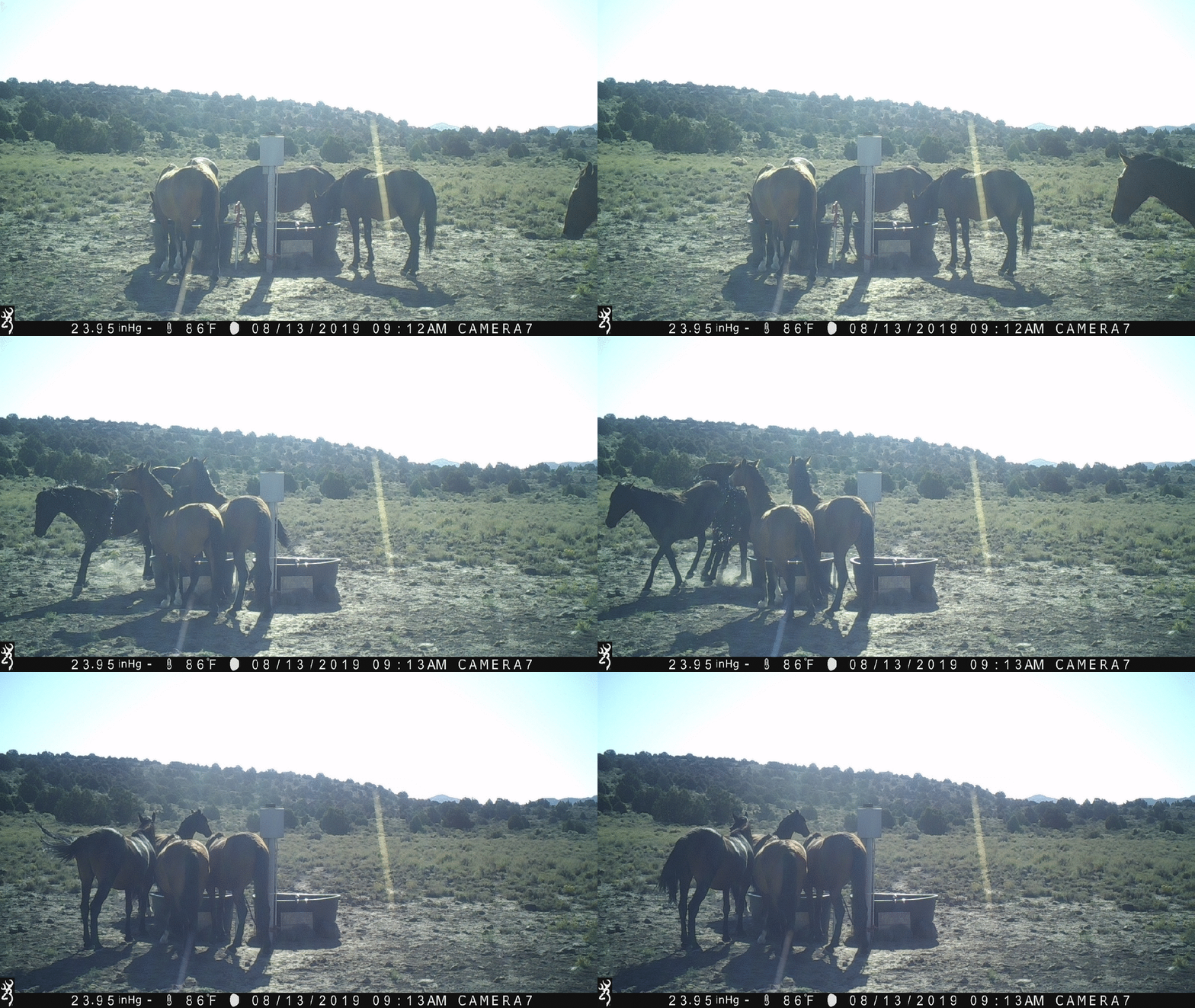
From a different angle.
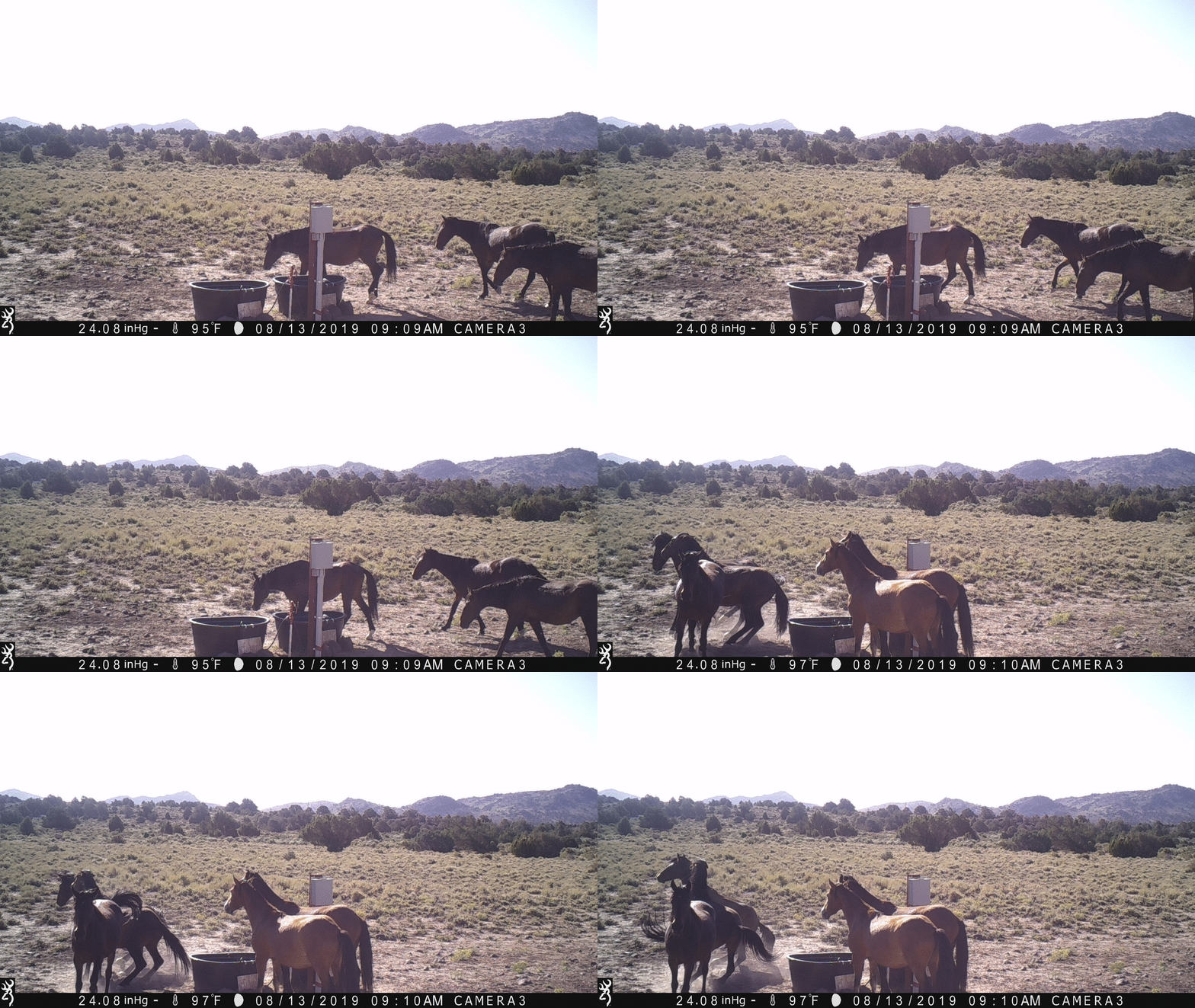
The condition of the Ocracoke and Shackleford horses is still not known, according to a report posted yesterday by WECT News of Wilmington, NC.
RELATED: Dorian Leaving OBX.
On Sand Wash Basin HMA with Steve Hostetler.
Trailcam photos from the Virginia Range. OK, hop in!
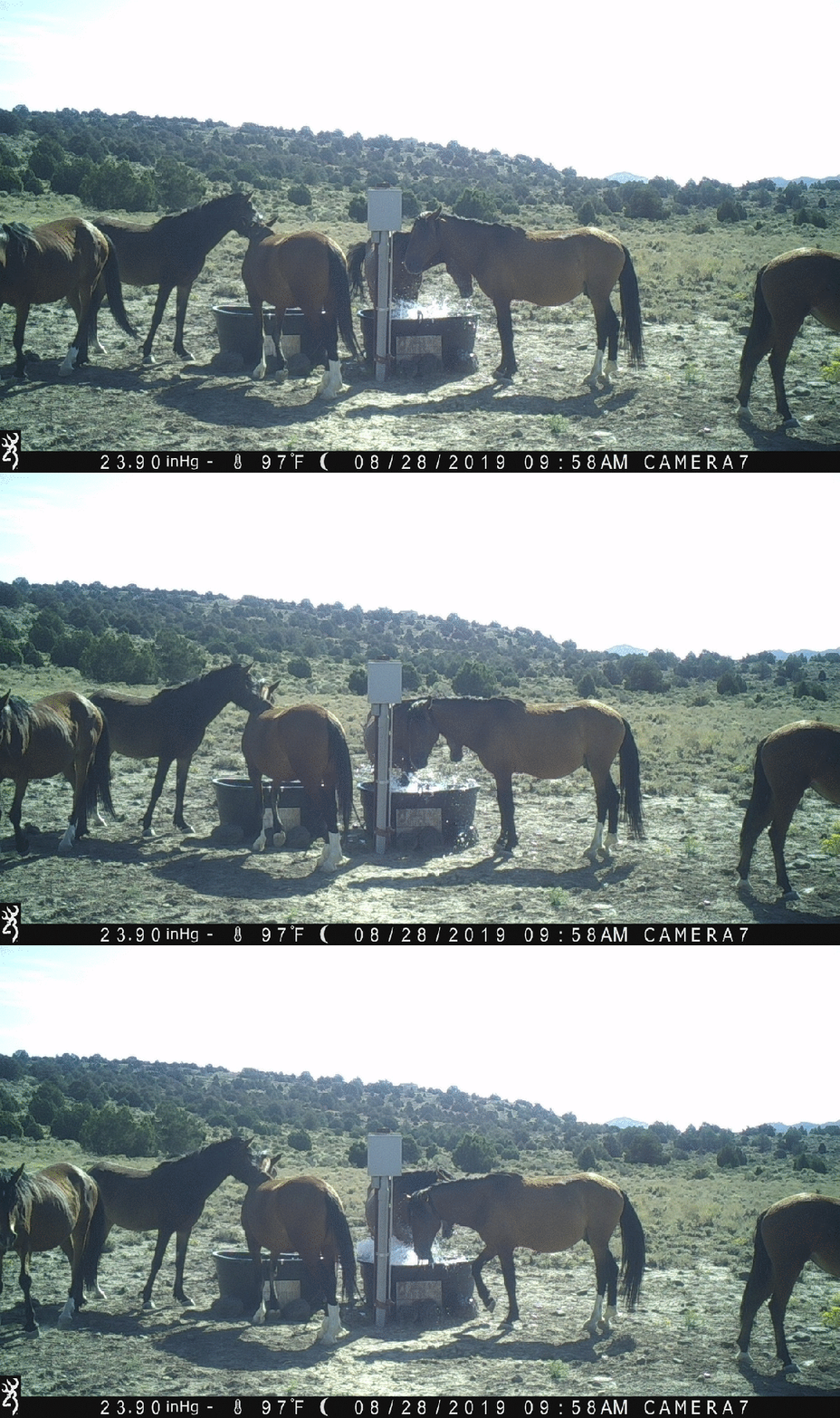
Trailcam photos from the Virginia Range (not enough daylight for full color mode).

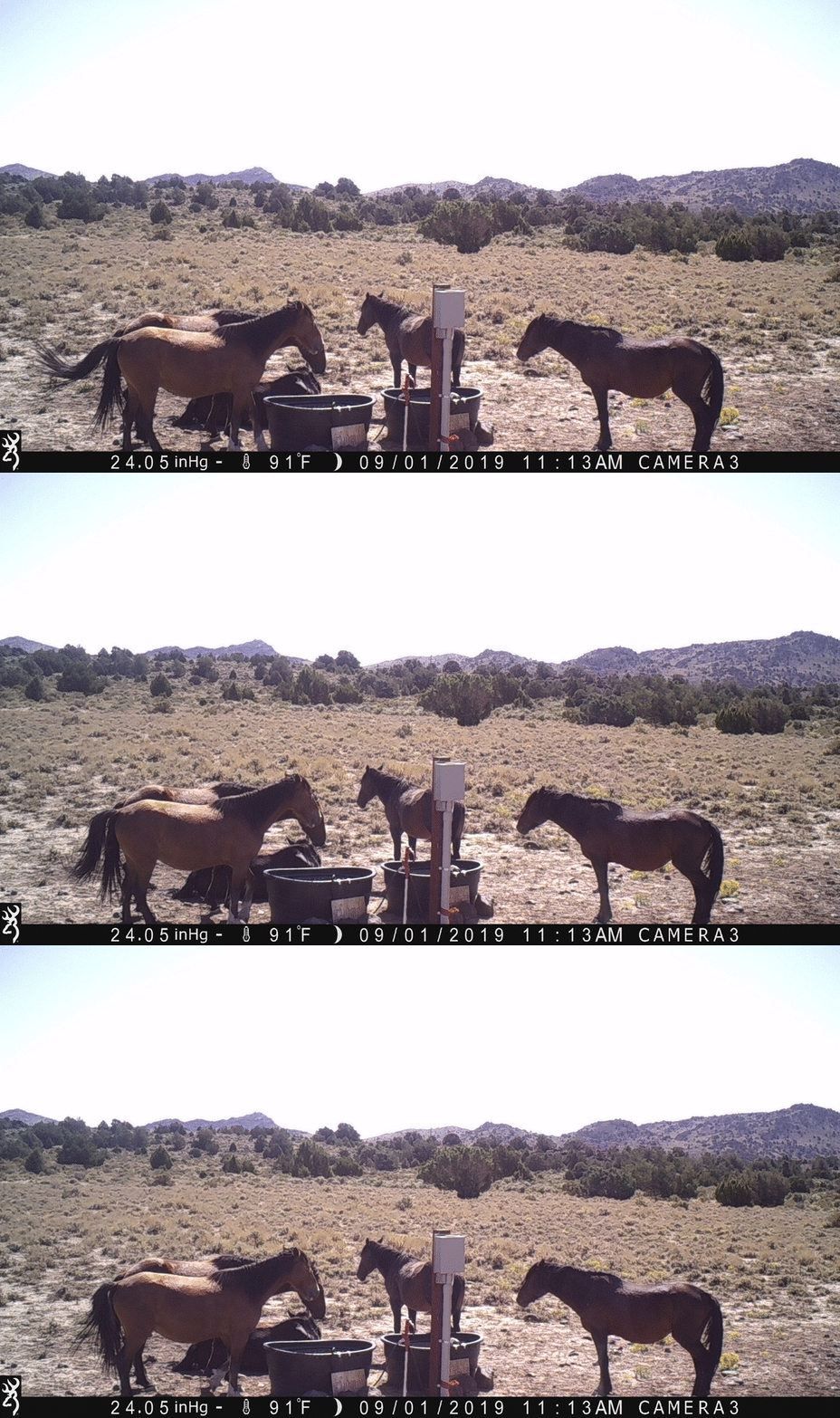
Earlier that day, these guys decided to chill at the same location.
Paddle boarding with the wild ones, by Aging Ethically.
The worst is over for the Banker Horses. The storm has picked up forward speed and is now moving up the coast.

Reports on the condition of the horses may still be a few days away, depending on the amount of storm damage and how easily their territory can be accessed.
RELATED: Dorian Closing in on OBX.
The first step is to build public support for the plan—just like Velma did—and to find individuals in Congress who believe in freedom/ruggedness/self-reliance and want to conserve something that’s right and good.
This automatically excludes liberals.
Individuals who signed on to the new wild horse management plan, the PZP zealots and others that have bought into the overpopulation narrative (indicated by their support of wild horse gathers, adoption incentives and expanded training programs) are of no use to the effort.
RELATED: Mass Training Is Not the Answer!
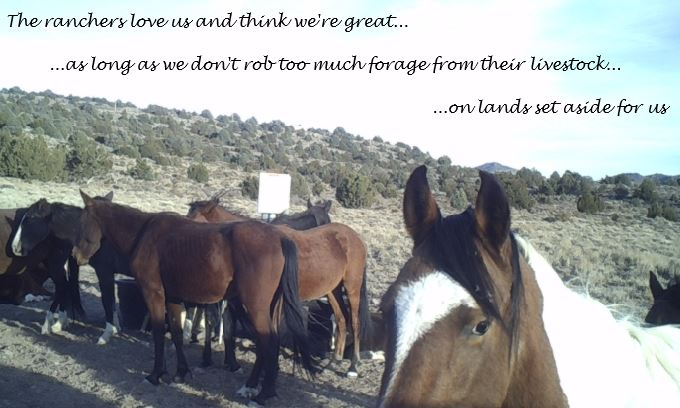
Holding pens are flooded with wild horses and burros because the WHB Act no longer functions as Velma intended. The safeguards that would keep these animals on public lands in the western U.S. are gone.
Meanwhile, back on the range, privately owned livestock graze peacefully on land that belongs to the horses and burros.
The alternative is not slaughter and euthanasia, it is to end public-lands ranching and roll back the changes to the statute.
RELATED: PZP Is Not the Answer!
Virginia Range mustangs grazing in the Hidden Valley area, by Scott. Note the Flehmen response at 10:40 and 11:00.
The track hasn’t changed very much in the past 24 hours. The Banker Horses are likely feeling the effects already, with water starting to rise in low lying areas. Their story has been picked up by major news outlets.
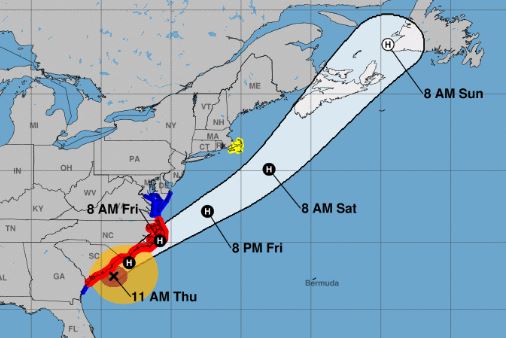
The flow will switch from onshore to offshore as the system passes by tomorrow, with the strongest winds near the center (indicated in red on the map above).
RELATED: Dorian Still Heading to OBX.
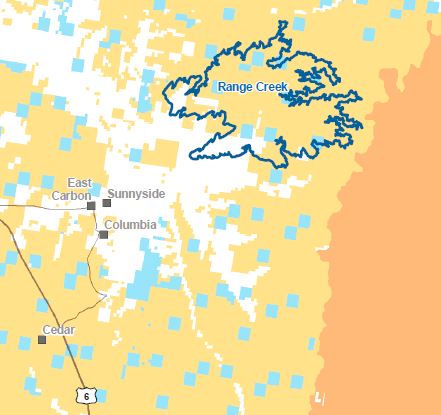
BLM said today that 200 wild horses would be removed from the Range Creek HMA in September but did not give a starting date. Declining rangeland health was cited as a reason for the action. The roundup follows the removal of 92 wild horses from lands surrounding the HMA last year.
The news release did not indicate how the gather would be carried out (helicopters or baiting) and if it would be open to public observation.
The HMA covers 55,023 acres in eastern Utah and has an AML of 125, for an aimed-at population density 2.3 horses per thousand acres. The target density across all HMAs is one animal per thousand acres.
The announcement did not say where the captured horses would be taken and did not provide a link to the gather stats and daily reports.
The HMA lies within a single grazing allotment, according to the Final EA, with grazing activity held to 15% of permitted use for the past six years.
The roundup will not increase the permitted AUMs for livestock grazing but will allow increased grazing activity.
RELATED: Comments Invited on EA for Range Creek Gather Plan.
The latest track has the storm approaching the Outer Banks on Friday but the expected path has bent slightly to the east compared to yesterday. The onshore flow will increase as the storm moves in from the south due to its counter-clockwise rotation.

A syndicated report posted by WBTV News of Charlotte, NC says the horses usually go to higher ground and huddle together to ride out the storm, with their butts to the wind.
RELATED: Dorian to Drench Banker Horses?

