This episode of Bonanza tells the story of Henry T. P. Comstock and one of the greatest mining discoveries in the American West. Originally aired 1959. Watch out for the gooey blue stuff.
H/T Rope and Wire.

Western Horse Watchers Association
Exposing the Hypocrisy, Lies and Incompetence of the Wild Horse Advocates
On the range
This episode of Bonanza tells the story of Henry T. P. Comstock and one of the greatest mining discoveries in the American West. Originally aired 1959. Watch out for the gooey blue stuff.
H/T Rope and Wire.
Video posted June 2017 by liberal/modernist/progressive NBC Left Field. At least they admit their bias. Shows PZP darting of mares.
You want to build a house? Buy some land.
New factory or chemical plant? Get some land.
You want to graze livestock? Run to government.
Farming and ranching are two of the most respectable professions out there.
But get your own land. Like everybody else. And leave the horses alone.
Second Q&A period closes today, refer to sections 5 and 6 in the RFP for details.
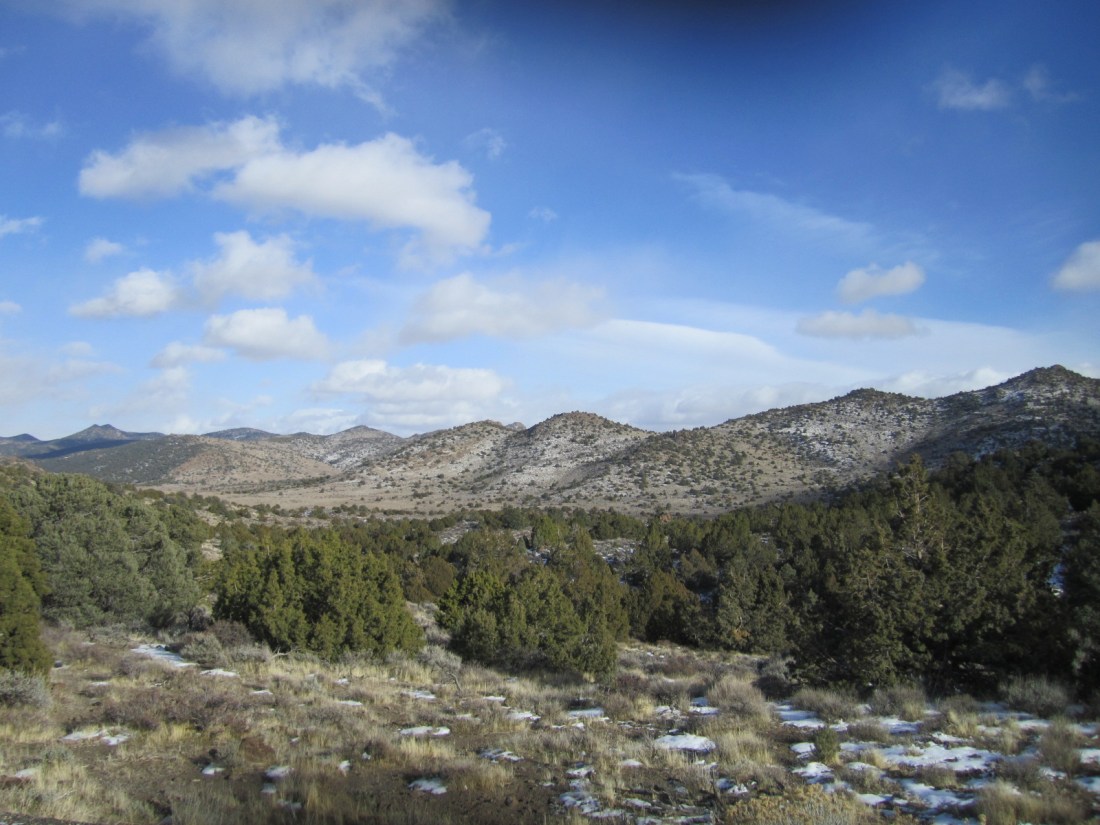
On the Virginia Range.
Refer to this article published 09/17/15 in Smithsonian.com.
Topping the list is our beloved Virginia Range.

Next meeting of the Nevada Board of Agriculture will be on 03/14/18 in Sparks, NV at 9:00 AM.
The agenda does not have a line item for consideration of the RFP for transfer of ownership of the Virginia Range horses, but does provide an opportunity for public comment (on any topic related to the Board’s mission and scope).
Opponents of the Board’s plan for the VR horses will likely attend the meeting.
See this report in the Reno Gazette Journal. Public response still mostly negative.
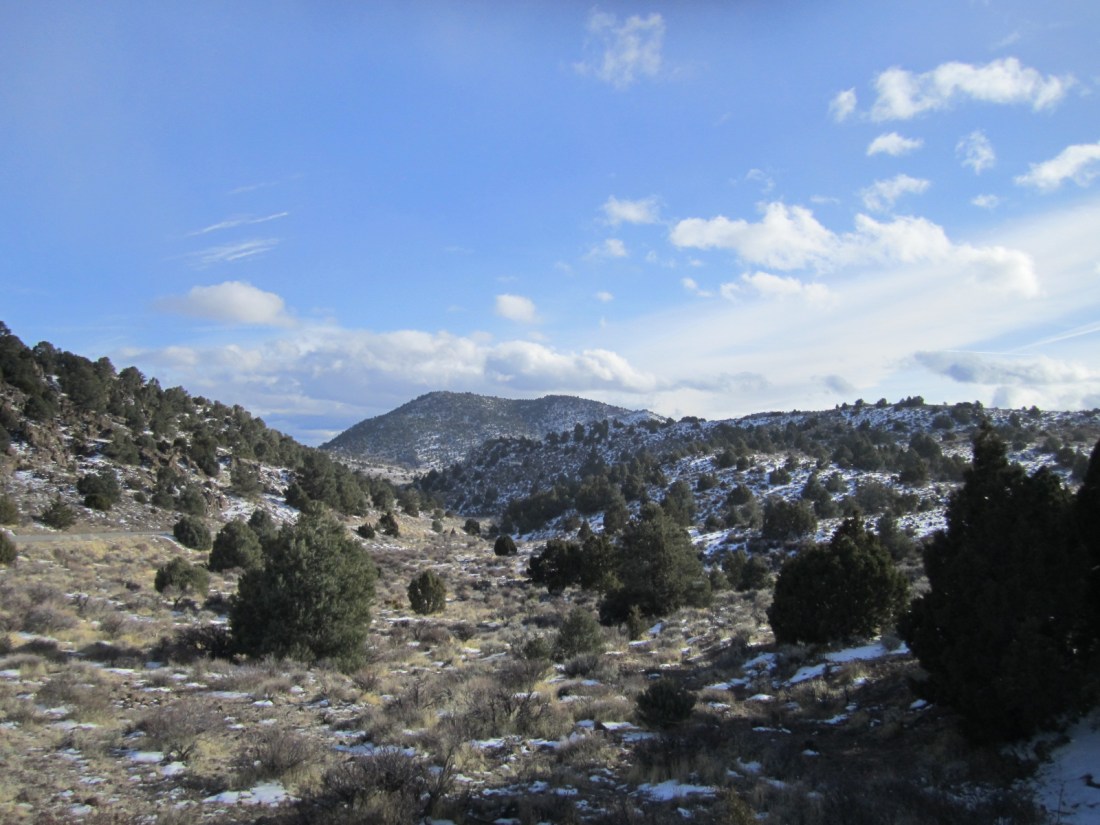
On the Pine Nut Mountains herd area.
First foal reported 02/18/18 in PryorWild, along with an explanation of naming conventions for the Pryor Mountain horses.
If you buy land up here, you’re getting a horse property whether you want it or not.
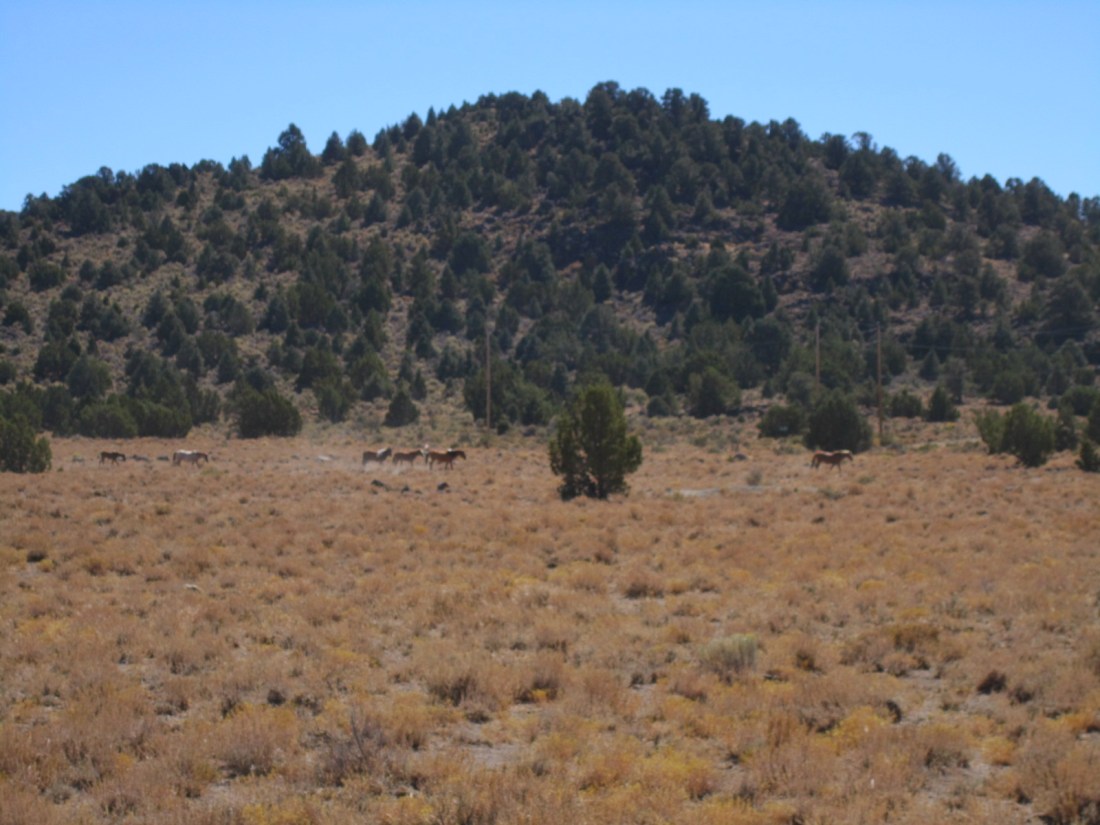
Gather complete according to this press release from BLM. Stats can be found here.
Remainder taken to Palomino Valley Adoption Center in Reno and Litchfield Corrals in Susanville.
Photos posted at this Flickr page.
Next internet adoption begins 04/03/18.
Suppose you visited an HMA in Nevada and found a band of 16 horses near a water hole. Six had a base color of red and ten were black.
According to the post on horse colors, 25% of horses should be red, 75% should be black.
In your sample, 6/16 = 37.5% are red.
Are red horses over-represented in this group? Is there discrimination toward black?
Let’s start with the genetics of base color. There are four possibilities in the Extension Locus: EE, Ee, eE, ee. Any combination containing E will be black (because it’s dominant). Therefore, 3/4 = 75% of horses should have a base color of black, 1/4 = 25% should be red.
The expected proportion of red is a property of the population of all horses, not samples of sixteen. The range of variation of red in samples of sixteen is found by calculation:
Mean ± 3 Standard deviations
Given that a horse is red or not-red, the mean and standard deviation can be supplied by the binomial distribution:
np ± 3 × Sqrt[np × (1 – p)]
where p = .25 and n = 16.
The upper limit of variation is 9.196. Round ‘inward,’ toward the mean, to 9.
The lower limit is -1.196. Round to the nearest non-negative integer, 0.
In groups of 16, you should expect to find anywhere from zero to nine red horses. In this example, six is well within the expected range of variation. No sign of trouble here.
Now suppose you went to the Kiger HMA in Oregon and found no red horses in a group of 25.
The expected range of variation is 0 and 12 so you might conclude that red is not under-represented in that area. However, your subject-matter knowledge tells you the HMA is managed primarily for grullos and bay duns so the low number of reds is not surprising.
Imagine you just read a report on the results of a wild horse gather, where 101 mares and fillies were rounded up along with 79 stallions and colts. Were the helicopter pilots targeting females?
Show your work.
Hint: p = .5 and n = 180.
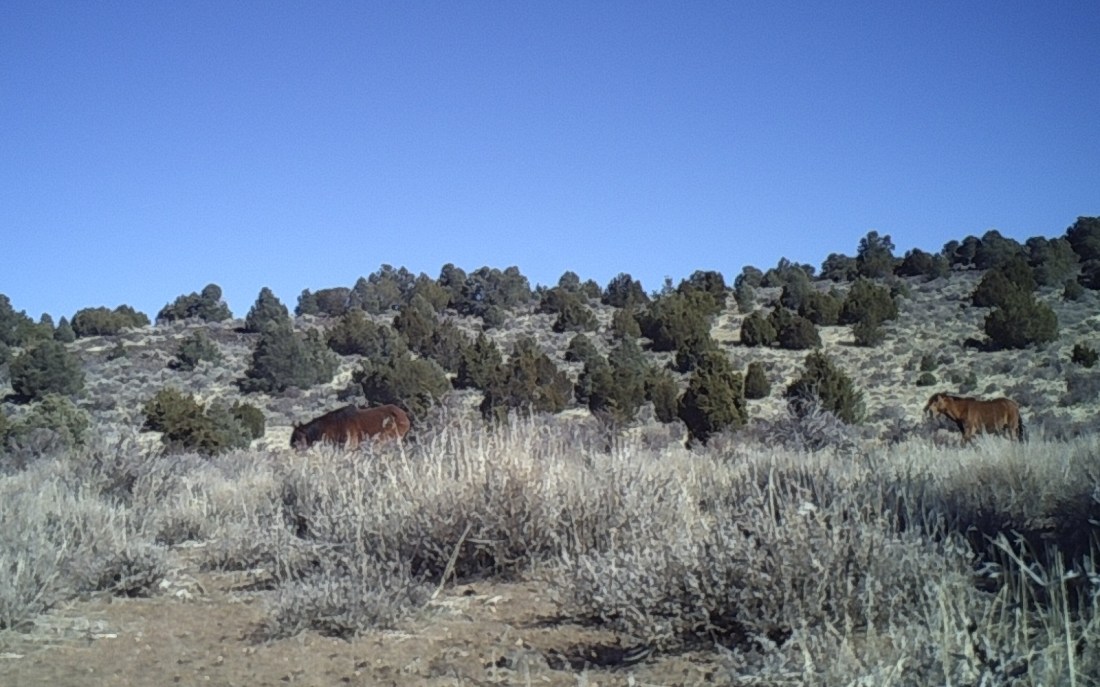
Cattle blamed for tearing up the range. See this report in the Los Angeles Times.
Yep, six foot T-posts make great walking sticks.
Meanwhile, in Storey County, feral horses continue their reign of terror on the Virginia Range.

Answers to the first round of questions for transfer of ownership of the Virginia Range horses have been posted. Only one page with four questions and answers.
On the Pine Nut Mountains herd area.
Film from 2008. Release of some Virginia Range mustangs at the Tahoe Reno Industrial Center.
You can hear Lacy J. Dalton every Wednesday on the Mustang Matters radio program.
Organizations mentioned in the video:
These groups would be grateful for your financial support.
Spin-off from ISPMB rescue in 2017. Returning a small group to their homeland in Arizona. Learn more at the Gila Herd Foundation FB page.
Two base colors…red and black. Red is recessive, black is dominant. You should see roughly three black-based horses for every red-based horse.
Common modifiers:
Red-based combinations:
Black-based combinations:
More at Mustangs 4 Us.
Color of a BLM horse can be found in his signalment key.

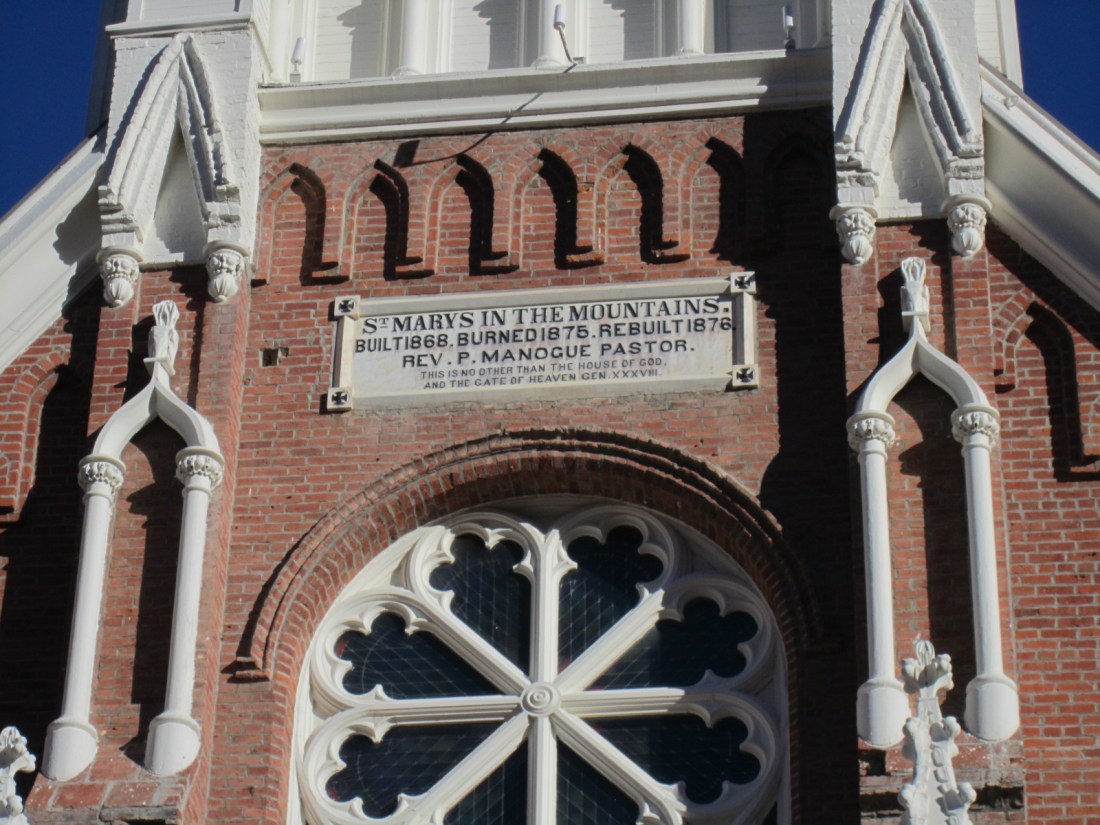
New colt spotted in Virginia City, see photo on St. Mary’s FB page.