Day 1 ended with 28 horses captured, including fourteen stallions, nine mares and five foals. The goal is 450 with no horses returned.
One death was reported, due to pre-existing conditions.

Western Horse Watchers Association
Exposing the Hypocrisy, Lies and Incompetence of the Wild Horse Advocates
On the range
Day 1 ended with 28 horses captured, including fourteen stallions, nine mares and five foals. The goal is 450 with no horses returned.
One death was reported, due to pre-existing conditions.
The 9:00 AM report says Division L has merged into Division O and today’s map shows little if any progress toward the Pine Nut Mountains HA.
The total area burned is now 67,800 acres, with over 1,600 personnel involved.
Today’s forecast calls for thunderstorms, with the potential for heavy rains, according to the overview at InciWeb.
RELATED: Tamarack Fire Still Growing.
UPDATE: Added video of today’s briefing.
The WHBAB floated the idea earlier this month. Now, the writer of letter to The Salt Lake Tribune jumps on the bandwagon, claiming that the horses will starve and/or die of thirst if they’re not pulled off the range.
The current population has surpassed 3X AML, which means three times more than allowed by plan.
Given that livestock receive four to six times as much forage than the horses, there should be enough food overall.
Many ranchers have voluntarily reduced grazing in response to the drought, according to the writer, but by by much? Five to ten percent? A symbolic gesture in anticipation of resource enforcement actions by the federal government?
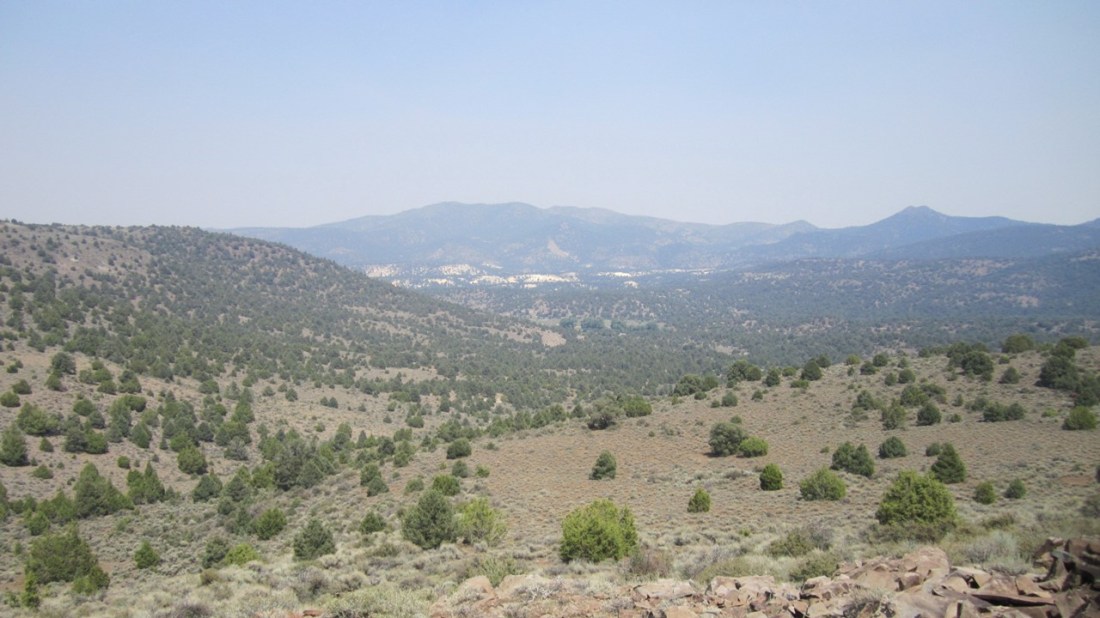
The white patches in the distance, obscured by smoke from wildfires, provided the backdrop for the horses in this post. Photo taken 07-23-21, looking east.
Division L has been established on the northeast side of the fire, which should reduce or limit the spread into the Pine Nut Mountains Herd Area.
The latest map shows containment on the west side of Highway 395 at Spring Valley.
The total area burned is now 66,700 acres, with over 1,500 personnel involved.
Chance of thunderstorms today with gusty outflow winds.
RELATED: Light Winds Slow Progress of Tamarack Fire.
No youngsters though, thanks to the advocates. Filmed 07-23-21, with the Chalk Hills on the left in the background of the long shot.

Later today, winds are expected to shift to the northwest, according to the July 23 community briefing, steering the fire away from the Pine Nut Mountains HA (go to 12:35 in this video).
The burned area is now 65,100 acres with 4% containment. The section along Highway 395 falls under Division O in this morning’s 9:00 AM report.
This photo was taken yesterday from the west side of the Virginia Range, about 50 miles north of the fire.

An estimated 450 wild horses will be removed from the West Douglas Herd Area, south of Rangely, CO, starting on July 26. Dry conditions have reduced forage production and a wildfire has burned critical summer habitat, according to a BLM news release.
The horses will be pushed into the traps with helicopters and the operation will be open to public observation.
West Douglas has no AML. Although horses were found there in 1971, it has not been managed for them since 1975.

The announcement did not indicate if the HA was subject to permitted grazing and did not provide the destination of captured animals.
The gather page says they will be available for adoption though the Cañon City facility.
Daily reports and cumulative totals will be posted to that page.
It’s harmless because the advocates said so.

The map at InciWeb confirms the fire has crossed Highway 395, near the south end of the Pine Nut Mountains HA.
A report by The Record-Courier of Gardnerville, NV says yesterday’s estimates did not include lands in Nevada, so the size probably exceeds 60,000 acres.
Residents in Smith Valley have been asked to prepare for evacuation.
RELATED: Tamarack Fire Jumps Hwy 395?
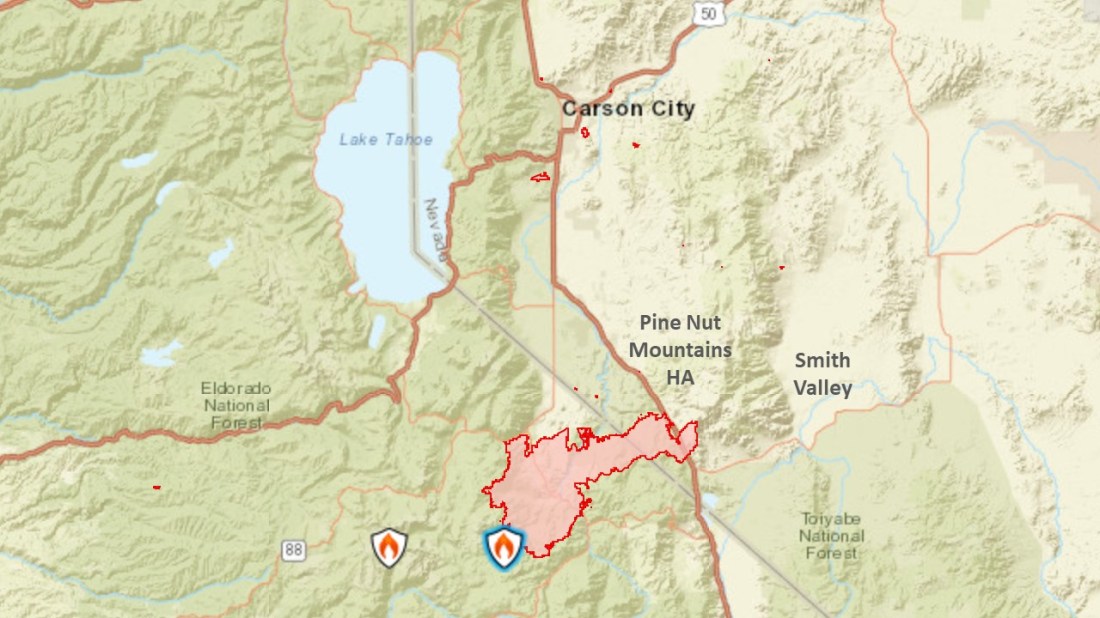
This evening’s 5:30 PM report says a 2,500 acre area is burning on the east side of the road but it does not appear on any of the maps.
The area is equivalent to almost four square miles.
RELATED: Tamarack Fire Near Highway 395.
Refer to this map from InciWeb, posted a few hours ago. The Pine Nut Mountains HA is on the other side of the highway.
The Decision Record was signed today, clearing the way for a roundup in October that will gather approximately 4,400 wild horses from five HMAs, according to the news release, with 3,555 to be removed.
Mares returned to the range will be treated with fertility control.
The Final EA was posted with other project documents.
The project is not associated with the Rock Springs RMP Amendments, which will close three of the HMAs and downsize a fourth.
RELATED: Comments Invited on Draft EA for Rock Springs Gather Plan.
This map shows the location of the fire relative to the HA, with expected spread to the north and east.
The HMA is in the upper half of the HA but wild horses are found throughout.
Highway 395, now closed, runs along the southwest edge of the HA.
RELATED: Tamarack Fire Enters Nevada.
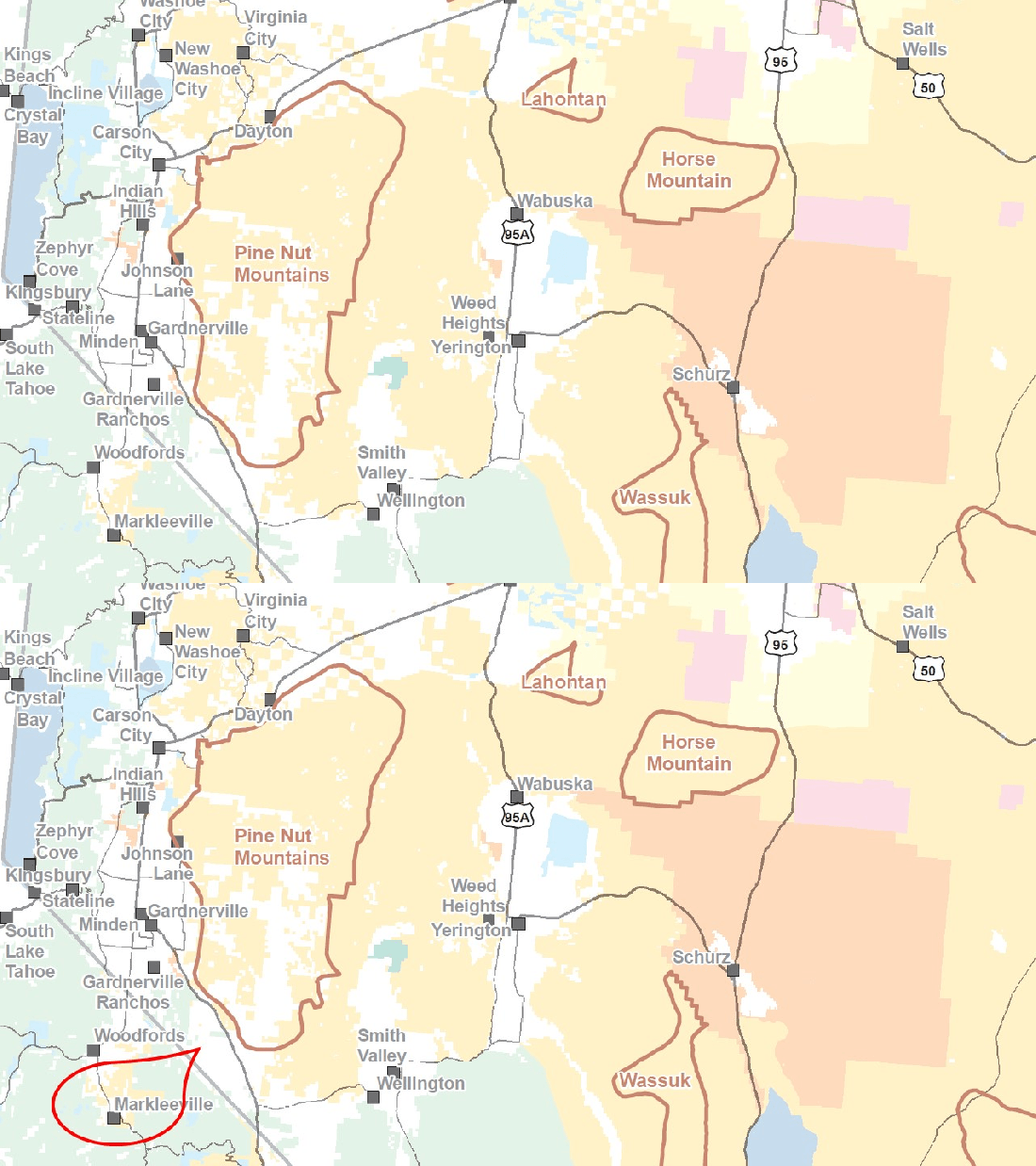
The fire crossed into Douglas County yesterday. The area burned is now 43,900 acres, according to the overview at Inciweb, with no containment.
Yesterday’s 5:30 PM update said Highway 395 has been closed and the Spring Valley Subdivision is threatened.
A report by Carson Now said the flames jumped the highway but fire crews were able to stop the spread.
RELATED: Tamarack Fire Approaching Nevada State Line.
A five to seven year study would yield a better way to manage horses on public lands and thus reclaim the public’s trust, according to a news release issued this morning.
Personnel to be involved in the project would include habitat specialists, behaviorists, ecologists and scientists.
RELATED: ISPMB: Keep Wild Horse Families Intact for Self-Regulation.
Today, the BLM published a preliminary environmental assessment for resource enforcement actions in the Sinbad HMA. Comments can be submitted through August 20, according to the news release.
The proposed action features periodic gathers to remove excess animals, fertility control vaccines and possible use of IUDs. The plan would be valid for ten years.
The HMA covers 99,241 acres in central Utah and has an AML of 70 wild burros, equivalent to 35 wild horses. The equivalent stocking rate is 0.35 wild horses per thousand acres, considerably lower than the average rate of one wild horse per thousand acres across all HMAs.

The HMA intersects seven grazing allotments, according to Table 6 in the EA. Burros have not been documented in two of them per the footnotes. A map provided with the project documents shows the arrangement.
Concerns about resource allocations and management priorities, although valid, should not be submitted as they are outside the scope of the project.
The problem is upstream, in the Price RMP, cited numerous times in the EA.
An emergency roundup occurred in the area about a year ago.
The fire started on July 4, according to the overview at InciWeb, and was monitored until July 16 when rapid growth prompted the deployment of firefighting resources.
Douglas County, home of the Pine Nut and Fish Springs horses, is now threatened but no evacuation orders have been issued.
This video from Storey County, a few miles to the north, suggests that the Virginia Range mustangs are also affected.
He was born Sunday evening, according to a report by WAVY News of Norfolk, VA.
A herd of this size would normally be expected to produce around 20 foals per year, but birth rates and breeding patterns are controlled by the advocates.

