Inmate-Trained Horses and Burros in Arizona

New video about the wild horse and burro training program at the state prison in Florence, AZ, which is sponsored by Arizona Correctional Industries, Bureau of Land Management and the Arizona Department of Corrections.

Inmates are taught how to care for the animals and prepare them for adoption, a process known as ‘gentling.’

Programs like this one have been proven to reduce recidivism, a positive result for the inmates and taxpayers.

The Florence Off-Range Corrals, destination for wild horses and burros removed from public lands in the state, are also on prison grounds.

Wanted: More Off-Range Pastures for WHB

BLM requested bids today for long-term care of wild horses and burros removed from public lands in the western U.S.  A similar request was posted last June.

Facilities must be located in Colorado, Idaho, Kansas, Montana, Nebraska, Nevada, North Dakota, Oklahoma, Oregon, South Dakota, Texas (panhandle only), Utah, Washington or Wyoming.  Contracts will be awarded for 200 to 5,000 animals, with four-year and nine-year renewal options.

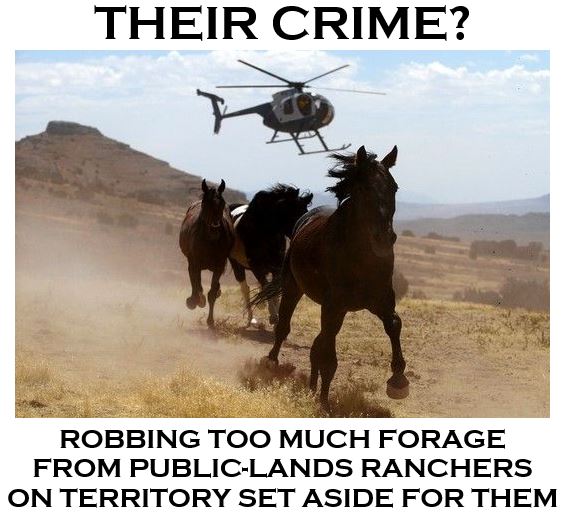
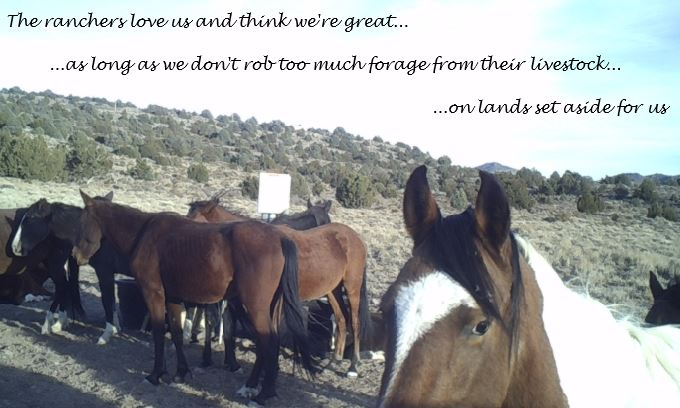
Western rangelands can’t support the current number of wild horses and burros in conjunction with ‘other legally mandated uses,’ according to the news release, a euphemism for ‘privately owned livestock.’

What does this say about the 2019 roundup season?  Ten thousand plus?

The forage currently allocated to livestock on public lands managed by the BLM would support 750,000 wild horses and burros, enough to empty all of the off-range corrals and long-term pastures fifteen times over.

RELATED: Wild Horse Overpopulation?, Economics of Wild Horse Gathers.

UPDATE: See also this report posted today by Oregon Public Broadcasting.

Barn Fire Kills Four Horses

A fire at Paint’d Horse Stables in Monroe, WA destroyed the main barn and arena on 02/28/19, claiming four horses, two tons of hay and some ranch equipment, according to a report posted today by KIRO-7 News in Seattle.

The facility rescues wild horses from the Yakama Indian Reservation that would otherwise go to slaughter.

The report did not indicate if the deceased animals were locked in stalls.

2019 Wildfire Season – February Progress Report

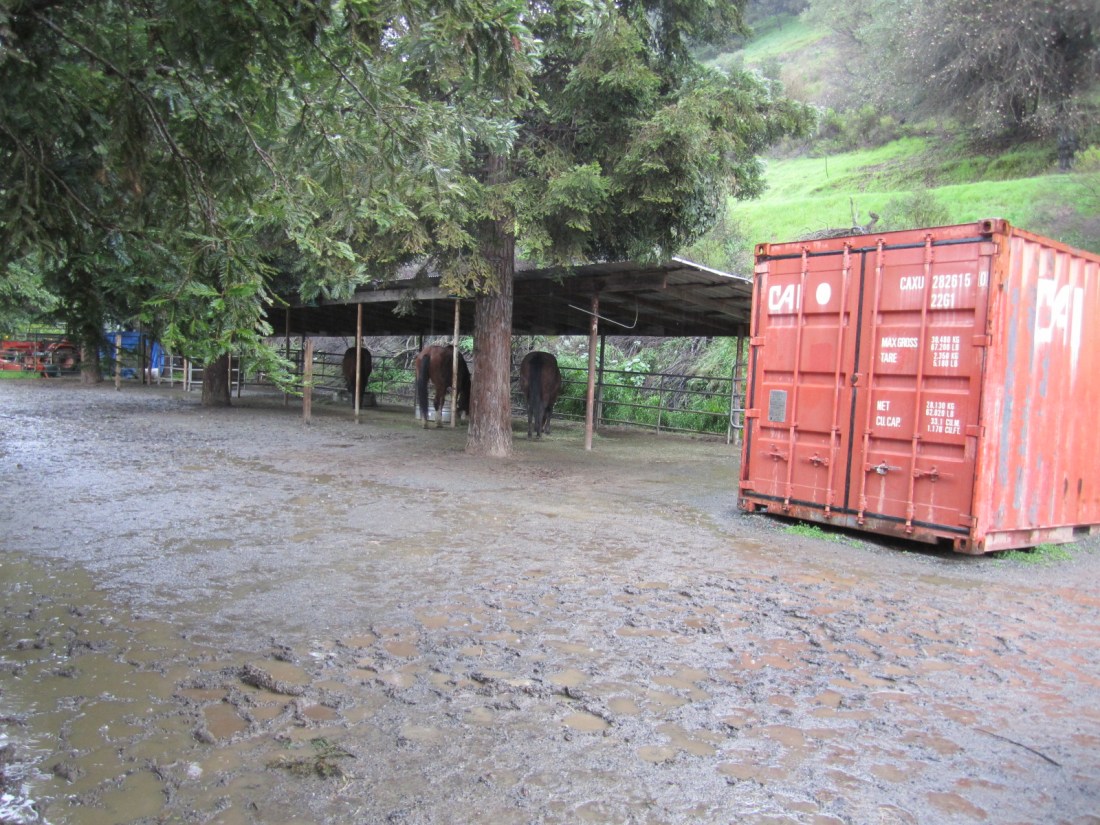
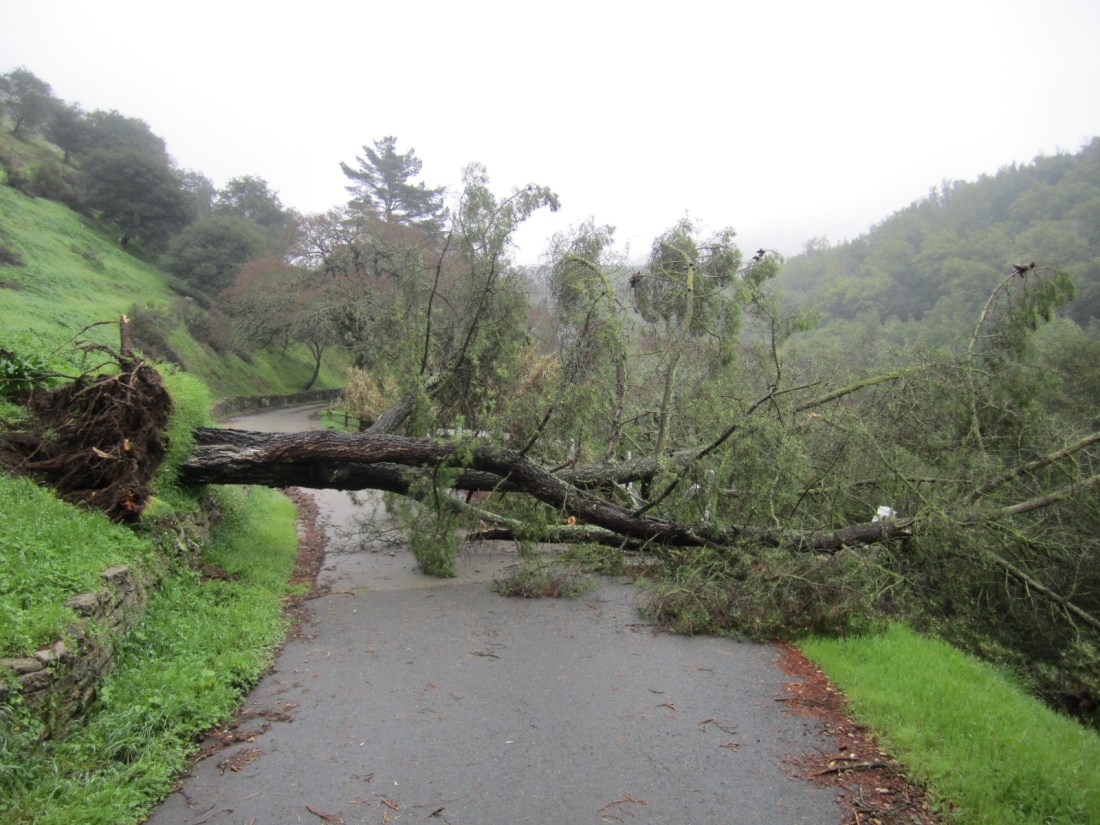
Last two months have been very wet and the hills are now velvety green.  The dry season will begin in May with a bumper crop of fuel.

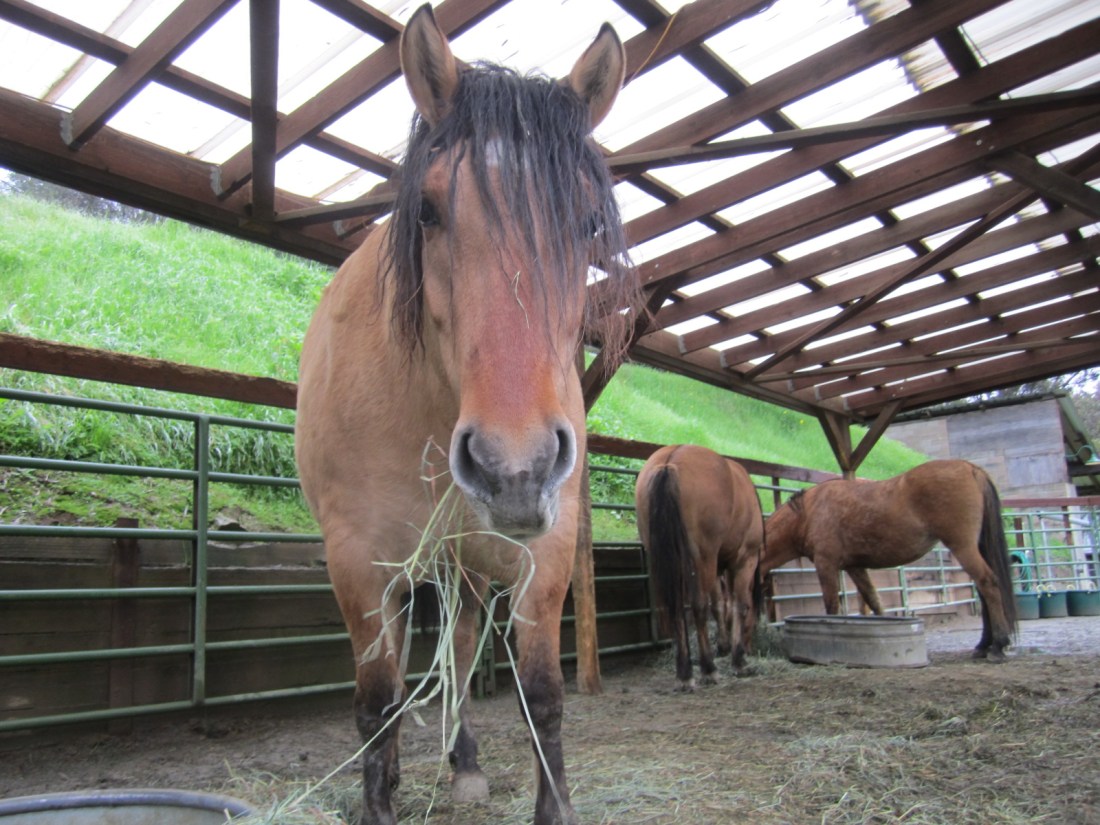
These photos were taken 02/17/19 in the same places as the previous report.  Note the lowest rail in the pipe panels is now pretty much submerged.

IMG_8189

IMG_8195

IMG_8182

The electric company installed these instruments last fall, presumably to monitor wind and humidity, and help them decide if power should be shut off because the risk of fire is too high.

IMG_8212

WHB Adoption This Weekend In Wickenburg, AZ

A BLM news release posted yesterday said wild horses and burros would be offered for adoption and sale February 15 – 17 at the Everett Bowman Rodeo Grounds.

The announcement did not indicate how many animals would be available.

Inmates from the Arizona Department of Corrections will demonstrate the gentling and training process on Friday and Saturday.

If you can’t adopt, tell your U.S. representative that you’d rather see these guys wild and free on western rangelands, not privately owned cattle and sheep.

IMG_5882

Placitas Wild Horse Preserve Needs New Home

An organization known as Placitas Wild has been asked to vacate a preserve on which they’ve kept about 70 wild horses for almost four years, according to a story by KRQE News in Albuquerque, NM.

The report did not indicate why the horses were there or what would be done with the land after they are gone.

One of the volunteers told this writer that the preserve has been “operated by several old ladies working only from donations who have been caring for these horses for 15 years or more.  We cannot find the land, the funds, or the younger volunteers needed to continue to operate a free roaming preserve.”

Salt River Rescue Attacked Again

Shots were fired Sunday into a rescue operated by the Salt River Wild Horse Management Group, according to a report posted yesterday by FOX-10 in Phoenix.

Personnel with the Maricopa County Sheriff’s Office are investigating the incident.

The facility, and the Salt River horses, are west of the Heber WHT, where ten wild horses have been shot in the past three weeks.  No arrests have been made in the case.

My friends, you’re not in California.  Set the dart guns aside and get reacquainted with gas operated, magazine fed, semiautomatic rifles, such as this one.  Note the images at 0:22 and 2:42.  In the forest.  Hint, hint.

RELATED: Shots Fired at Salt River Wild Horse Rescue Facility.

UPDATE: Added video by ABC-15 in Phoenix.

Return to Palomino Valley Wild Horse Corrals

Last day of government shutdown, at least for a while.  Two BLM workers were on site.

Service gate was open but visitor gate was closed.

Some of the corrals that were empty on 12/31/18 had horses, some of the corrals that had horses back then were empty.  Youngsters seen on 12/31 were not there.

Ranchers like these wild horses best—the ones that are off the range—permanently.

No freedom, no family, no foals, no legacy.

RELATED: Palomino Valley Corrals, Day Ten of Government Shutdown.

Backyard Chickens – Intro

If you have horses on your property, you can probably have chickens too.  Even in urban areas, you may be able to keep a few hens for personal use.  Check the ordinances.

To get started, you’ll need these items:

  • Galvanized tub with screen and lamp
  • Coop with covered run
  • Wood shavings
  • Feeder
  • Waterer
  • Chicks
  • Egg cartons

Feed stores usually have chicks in the spring, some have them year around.  Start with four to six.  They must be kept warm until they have feathers.

Place them in the tub with some bedding, cover it with a metal screen, and set a reflector lamp on top.  Sixty to seventy five watts should be adequate (incandescent bulb).  Add feed (medicated) and water daily.  The chicks will outgrow the tub in three to four weeks but will be ready to go into the coop.

Choose a location that’s level and protected from wind.  Coops are usually built with wood frames and wire cloth.  Chicken wire is not acceptable.  The mesh for the wire cloth should be 1/2 inch or less.  Install it on the floor of the coop to stop rodents from tunneling their way in.

img_0613

You can build a coop or buy one.  The feed store probably sells them, ready to use.  You can also find them online.  Ideally, the run would be of walk-in height.

img_0612

You’ll need to access the run daily.  The feeder and waterer can be hung from the wood frame if strong enough to carry the weight.  As with horses, you should provide clean, fresh water every day.  The hen house should also be accessible but if the nesting boxes have separate access (such as the hinged cover on the left in the top photo), you won’t need to open this door very often.

img_0605

Put some wood shavings in the nesting boxes and on the floor of the hen house.  A ramp extends from the house down into the run.  Two bales of straw can be positioned below the house for additional protection from wind and rain.

img_0630

A corrugated roof can be added to the run to keep it dry.

img_0636

The last step is to place the chicks in the cage.  They can go outside when three months old.  If the cage is in a remote area, there is a risk of predation by hawks and coyotes.

img_0666

Allowing them to go scratch for bugs and seeds (known as free ranging) may improve the quality of the eggs.  Don’t worry about getting them back in the cage at sunset, they will do that by themselves.  Just remember to close the gate!

Be prepared to find little ‘fox holes’ where they have temporarily nested.  They can make a mess of your yard and garden.

At this point you can go back to the feed store and get a few more chicks, repeating the process to build up your flock.  The coop in these photos will handle ten to twelve hens, although it held sixteen at one point.

Eggs will appear in the nesting boxes when the hens are about five months old.  Their feed should be switched to the non-medicated type before this time.  Read and follow the directions on the bag.

IMG_4960

Photos above were taken in 2011, when everything was new, except for the last one.

This YouTube video from 2018 shows the ‘halfway house’ that was added a few years after the coop was delivered.  Chicks are moved there after their stay in the tub and are turned in with the older hens when three months old.