The Area Is Decimated

That’s how Protect the Harvest describes the Virginia Range.

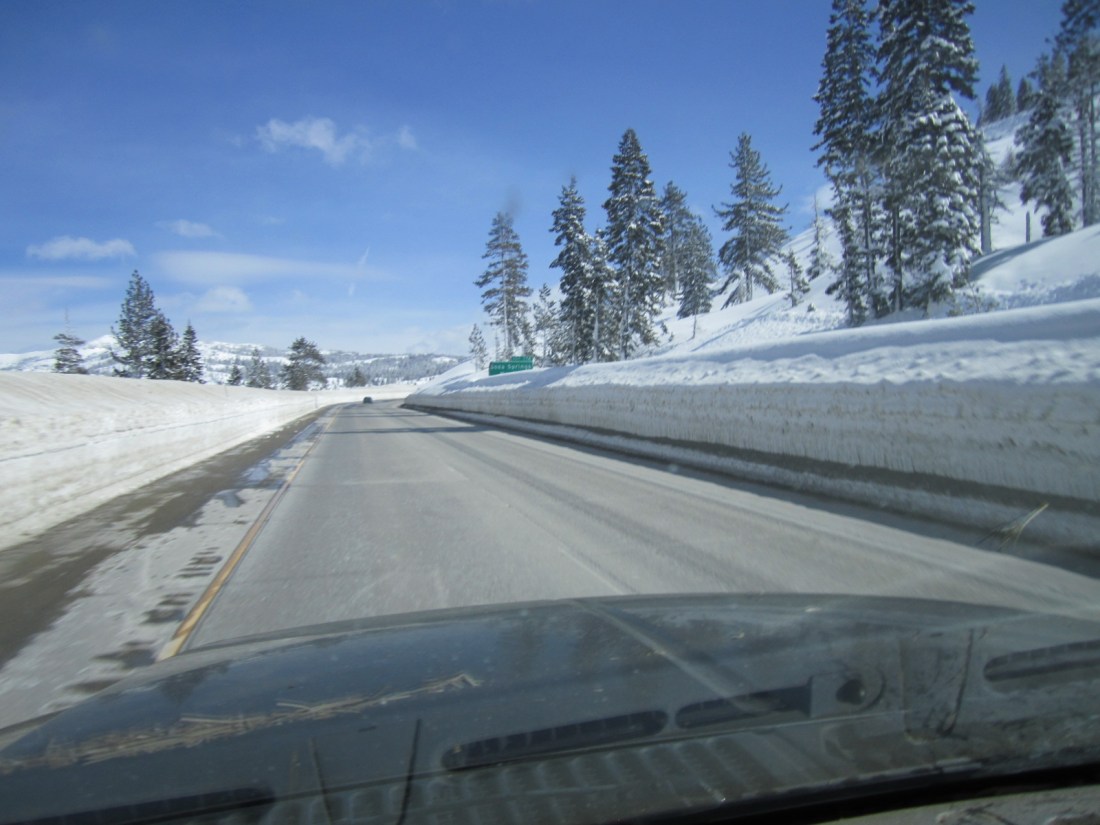
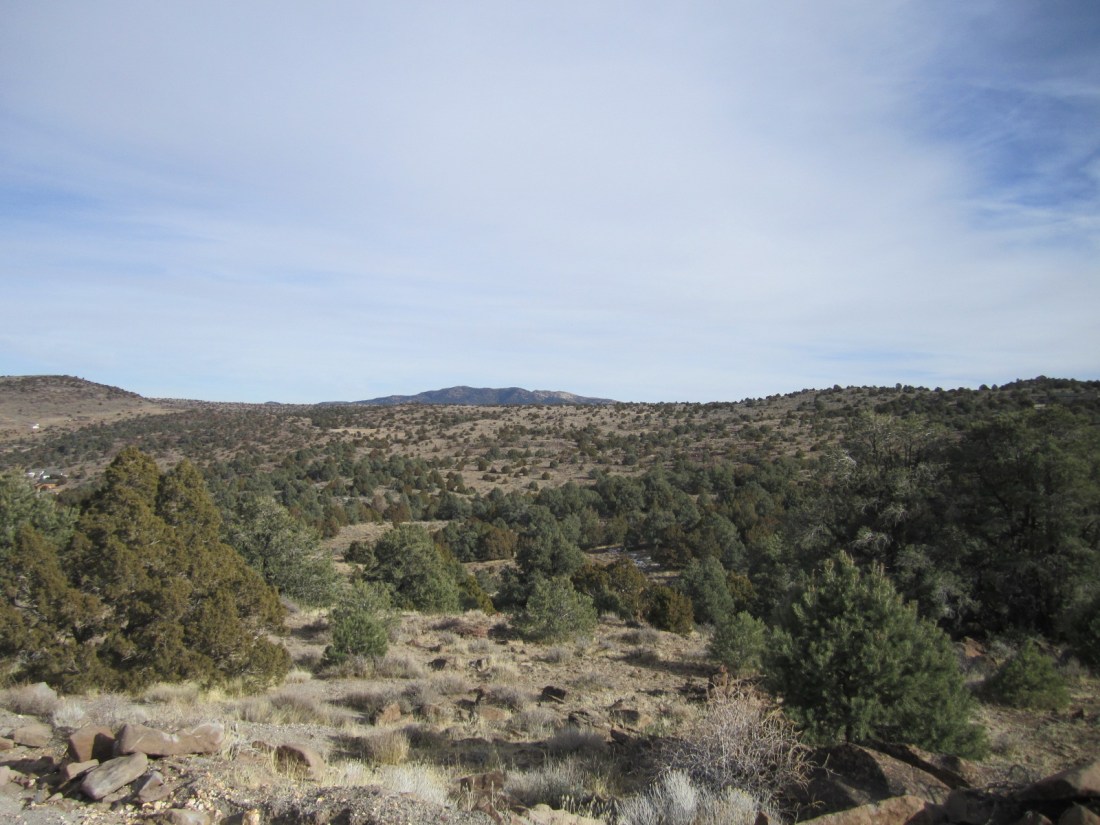
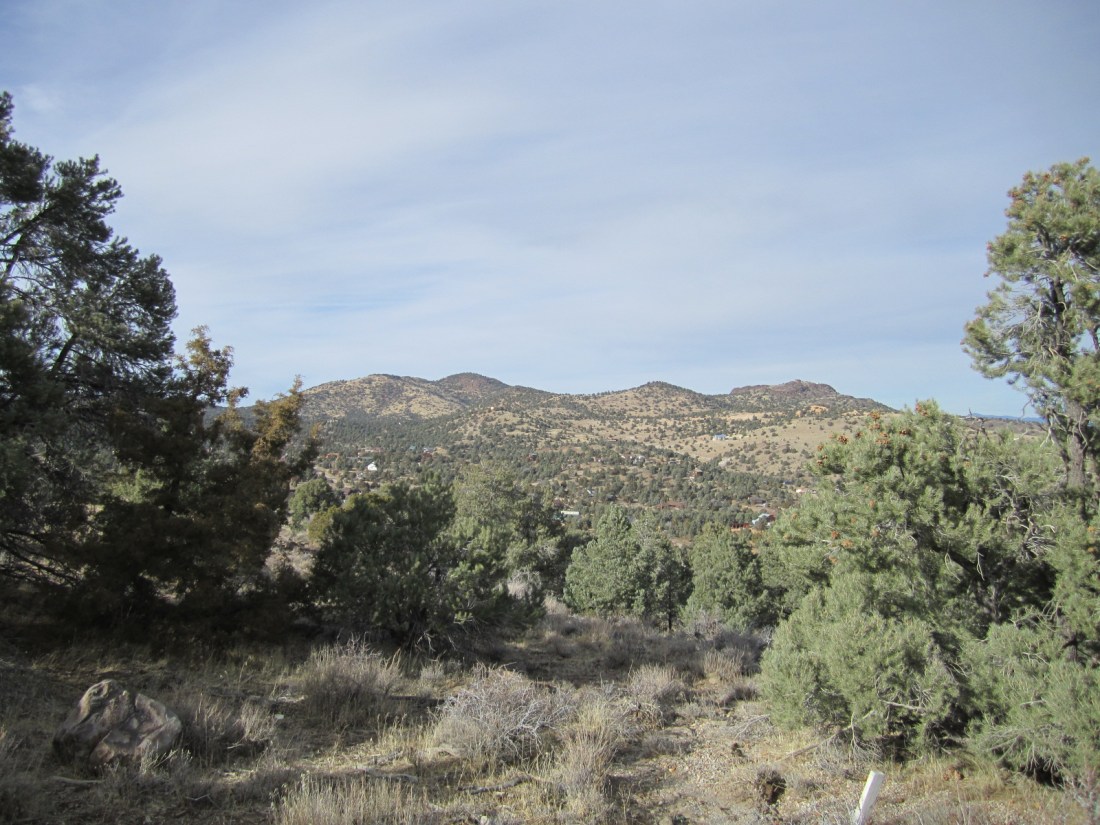
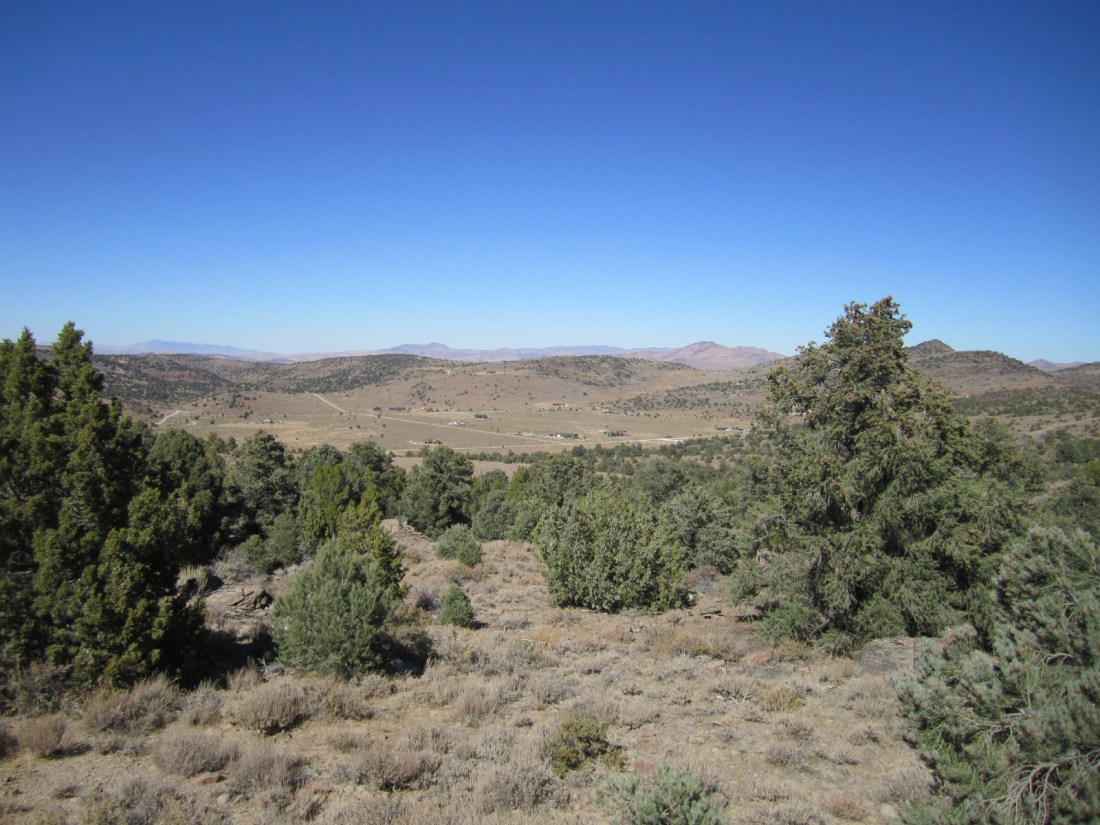
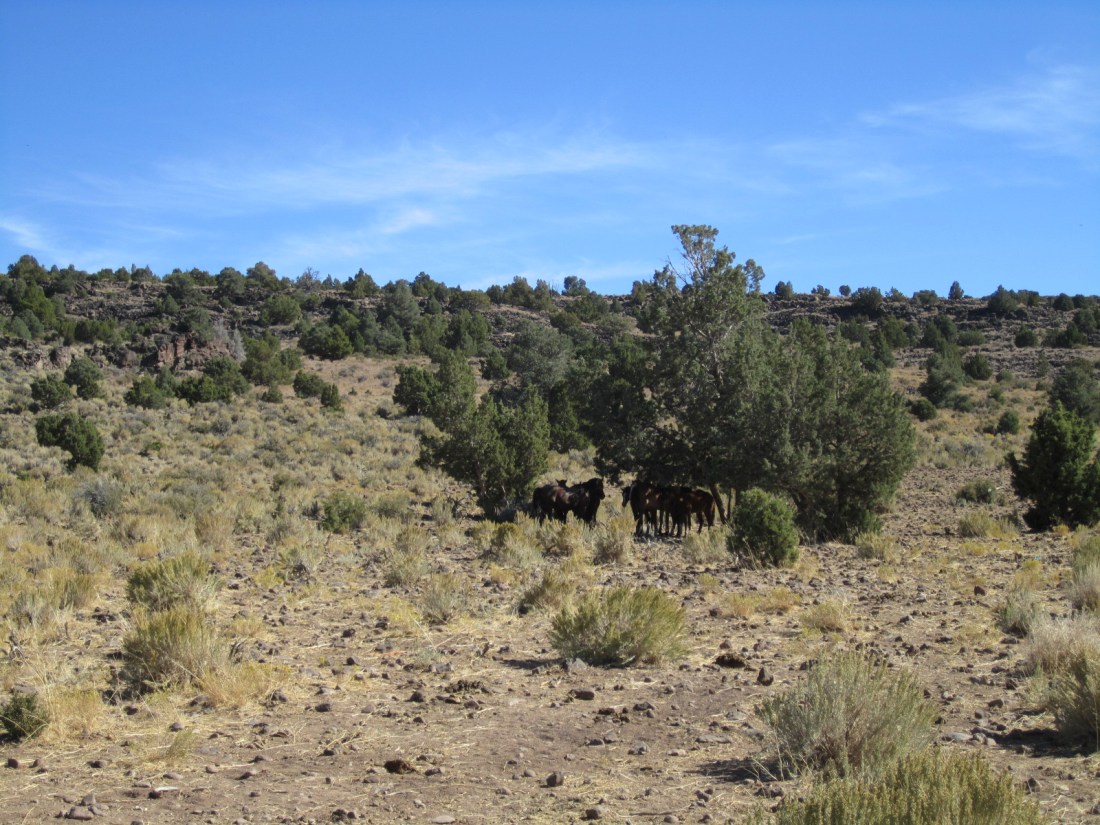
This site contains numerous photos of the Virginia Range and VR horses, most taken within the last year.  Do you see any signs of starvation?  Land wiped out by overgrazing?

These guys are on record as having no interest in taking ownership of the VR horses.

A representative of PTH appeared before the Board of Agriculture on 12/12/17 stating exactly that (go to 47:20 in the audio at this post).

A similar statement was made in an interview published 01/31/18 by The Storey Teller.

So why are they following the case so closely?

Here’s one possibility: The Virginia Range is an outlier, the numbers don’t fit the pattern established by their allies at the BLM.

If you want to get a quick estimate of the number of horses allowed in a given HMA, take the available acreage and divide by 800 (800 acres per horse).  A parcel with 88,000 acres will support a maximum of 110 horses.

The VR has 3000 horses on 500 square miles.  That’s 500 × 640 ÷ 3000 = 106 acres per horse.

The Virginia Range horses are surviving on a smaller ‘per capita’ land allocation than your typical HMA.  The carrying capacity of the land is greater than BLM allows, at least on the Virginia Range.  This casts a long shadow over the figures used by BLM and PTH.

The number of horses on the Virginia Range needs to be reduced to 500 or less, not because of a problem with the land, but to bring it in line with the BLM/PTH narrative.

If you’re still not convinced, consider this trailcam image from 07/24/17.  It provides graphic evidence of the damage to wildlife and rangeland caused by the VR horses.

IMG_1121a

Are Wild Horses a Problem?

Not according to an editorial published 01/13/18 in The Salt Lake Tribune.  Their habitat has been cut in half and they’re competing with livestock for food so what do you expect?

Sounds like sabotage.

Keep in mind the WHB Act, in its current form, still gives priority to horses and burros in areas where they lived in 1971.

Principally

No, we need to get rid of the ones in captivity and restrict the growth of those still on the range.

They’ll be born into a world of starvation and thirst, you know.

If the administration wants to reduce spending (generally a good idea), eliminate funding for Planned Parenthood and leave the horses alone.  A child born into poverty without a father certainly faces challenges ahead but that doesn’t mean he should be denied his right to life.

[That statement pretty much guarantees these remarks will never appear in Google search results.]

Related: See the video in this post.  If anyone has film of ranchers sobbing as their cattle are loaded for slaughter please link it here.

Multiple Use

Code word for ‘diversity’ on the range.

However, the goal is not variety of inhabitants.  It’s about reducing the influence of certain ‘undesirable’ elements in the population.

You know, like straight white men.  No, wait a minute…wild horses and burros.

Not that you hate horses and burros.  Just the things they represent.

Family, freedom, self-reliance, mobility, autonomy, virility.

You’ll need some metrics to promote awareness of the ‘problem.’

Give them nice names, such as ‘appropriate management levels.’

Values can be assigned to the metrics by tables of random numbers or lightning bolts from Mt. Olympus.  These numbers establish limits on the size of the population segments.  If their size goes beyond the AMLs, corrective actions will be taken.

Other segments in the population have no limits.  Especially if they were placed on the range from other ‘areas.’

You need to be more welcoming and inclusive.

P.S. Would like to see the folks over at Maggie’s Farm rethink their position on the subject.

Comments on RFP for VR Horses

Section 2, Scope of Work.

During the 12/12/17 meeting, Board members indicated that the horses would be managed by their new owner ‘…as they see fit.’  (Go to the remarks between 9:30 and 10:50 in the audio at this post.)

So why is there a mandate for fertility control?

RFP-SOW

What if the new owner believes that PZP darting of mares is harmful?  Listen to the remarks in the audio from 2:33:40 to 2:34:40.  Somebody in the gallery tries to shut the speaker down at 2:34:16.  Here you see a glimpse of pro-life vs. pro-choice in the wild horse world.

Update on NDA Plan for VR Horses

The backlash continues, see this report in the Reno Gazette Journal.

You’d think the people in Storey County would welcome the chance to become guardians of the Virginia Range horses.  But it ain’t so.

Concerns about private owners removing the horses and selling them at auction can be addressed in the bylaws of the new organization.  Those rules could also put an end to harmful practices like PZP darting of mares.

The horses will never be safe until they’re placed into the hands of the people who love them and provide the land for them to roam, via a non-profit corporation chartered for this purpose.

IMG_4413

More Thoughts on NDA Plan for VR Horses

Suppose private party A wants to graze livestock on lands owned by private party B.

1. What happens if an animal (owned by A) is hurt on B’s land?  Is A free to enter B’s land to care for it?  Is B liable?

2. What happens if A’s agent (employee, friend, contractor) trips over a rock on B’s land while checking the animals and breaks an arm?

3. What happens if an animal owned by A knocks down a fence on B’s property and feeds on B’s gardens?

To answer these questions, B may ask A to sign a lease or easement before placing any livestock on his property.  This agreement spells out the relationship between the land owner (grantor) and livestock owner (grantee), sets limits of liability, specifies how and under what conditions grantee may enter grantor’s land, fees to be paid, termination of rights granted thereunder, etc.

In this and other such cases, grantee is subordinate to grantor.  Grantor controls the situation, he specifies the terms of the deal.

Allowing an established advocacy group to take control of the Virginia Range horses, where Virginia Range land owners have no voice in the process, inverts the traditional relationship between grantor and grantee.

That is why ownership of the Virginia Range horses should be transferred to a non-profit corporation with land owners as voting members.

IMG_4418

RFP for VR Horses: Stakeholder Involvement Required

According to the motion approved by the Nevada Board of Agriculture on 12/12/17, ownership of the Virginia Range horses could be transferred to ____________.

  1. A faraway animal advocacy group that specializes in dogs and cats.
  2. A non-profit group sponsored by a cattle rancher’s association.
  3. A network of veterinarians with ties to the pharmaceutical industry.
  4. An environmental group that sees great potential for wind and solar.
  5. A private group that puts animal rights ahead of property rights.

Answer: None of the above.  The Department of Agriculture probably wouldn’t accept any of those choices.  Neither would the people in and around the Virginia Range.

Why?  No stakeholder involvement.

Consider this approach: Privately owned but publicly held.

The group that owns the horses should be related to those who own the land on which the horses roam.  Keep decision-making authority close to the people affected.

Power over the horses should not be concentrated in the hands of a few.  A non-profit corporation directed by its members (e.g., land owners) might work.  This would be the legal entity to which the horses are transferred.  The land owners could provide ‘seed money’ for the corporation.

The corporation would also accept support from other interested parties, such as monetary donations, grants, donations of equipment/materials/tools, donations of services, people who volunteer their time.

Bylaws would specify what the corporation does and does not do, procedures for meetings, how to make decisions, who has voting rights, etc.

Policies, programs and practices for managing the horses would be subject to member approval.

Some folks are upset with the Board’s decision, understandably.  But we have to face the situation as it is and be creative.  These are Annie’s horses.  The Virginia Range is ground zero for the wild horse preservation movement.

You can still spend a lot of time with those guys (the VR horses).  There is a lot of work to do and the clock is ticking.  The RFP will be posted in three or four weeks.

Comment on NDA Plan for VR Horses

If ownership of the Virginia Range horses passes from the Nevada Department of Agriculture to a privately owned animal advocacy group, as proposed by the Board of Agriculture on 12/12/17, you will have animals belonging to one party grazing on land owned by another.

Can private party A (who owns horses) compel private party B (who owns land) to accept A’s horses for grazing?

If A can place his property on B’s land without B’s consent, could A also place cattle and sheep on B’s land?  Equipment and supplies?

How will the concept of fence out / open range work in this environment?

See NRS 568.300.  The horses will be considered livestock when placed into the hands of the advocacy group.

IMG_3539

Subsidiarity

The principle of keeping power closest to those it affects.

What an individual can do, society should not take over, and what small societies can do, larger societies should not take over.

On 12/12/17, the Nevada Board of Agriculture voted to give control of the wild horses on the Virginia Range to a yet-to-be-determined non-profit animal advocacy group, according to a report in the Reno Gazette Journal.

If those horses belong to the people of Nevada, as opponents of the action claim, then YOU be that group.  YOU form the non-profit.  YOU keep the horses on the range and away from slaughter.  The people of Storey County.

This is an opportunity not a catastrophe.

IMG_3543

Cultural Annihilation

Ask for more than you can achieve.

Give your idea a nice name that masks your true intent.

Use the media and educational tools to inculcate your view in the public.

Develop your own lexicon, redefine words, keep pounding those words into the psyche.

Attack your opponents not on logic or facts, but by name-calling and emotion.

Don’t concede until you’ve moved the marker a little closer to your goal.

Reset the measures so the new position is considered normal.

Refer to adherents of the old position as extremists.

Never, ever give up or stop pushing.

CA