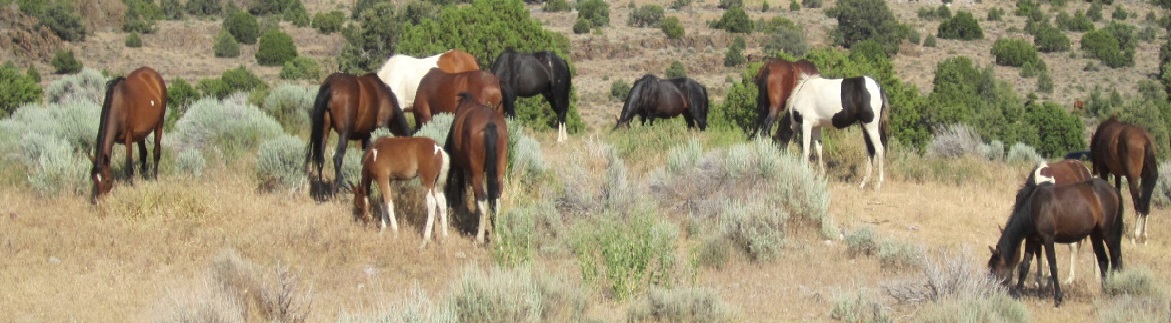
The event, titled “Honest Horses: A Portrait of the Mustang in the Great Basin,” features photographs by Paula Morin. Refer to this report by Carson Now for dates, times and the location. Given that it’s in Virginia City, you might see a few of the locals as well!
Author: Western Horse Watchers
Cedar Island Loss Renews Debate on Banker Horse Protections
Refer to this opinion piece in Horse Nation by Joanna Grossman of the Animal Welfare Institute. The Corolla wild horses are considered by some to be critically endangered, yet they are subject to ‘humane management practices.’ Go figure.
RELATED: Cedar Island Herd to be Rebuilt.
Group Demands RTF Withdraw Support for ‘Path Forward’
Refer to this news release on Digital Journal, posted today.
Mustang Monday
On Sand Wash Basin HMA with Karen King.
Spiders Anyone?
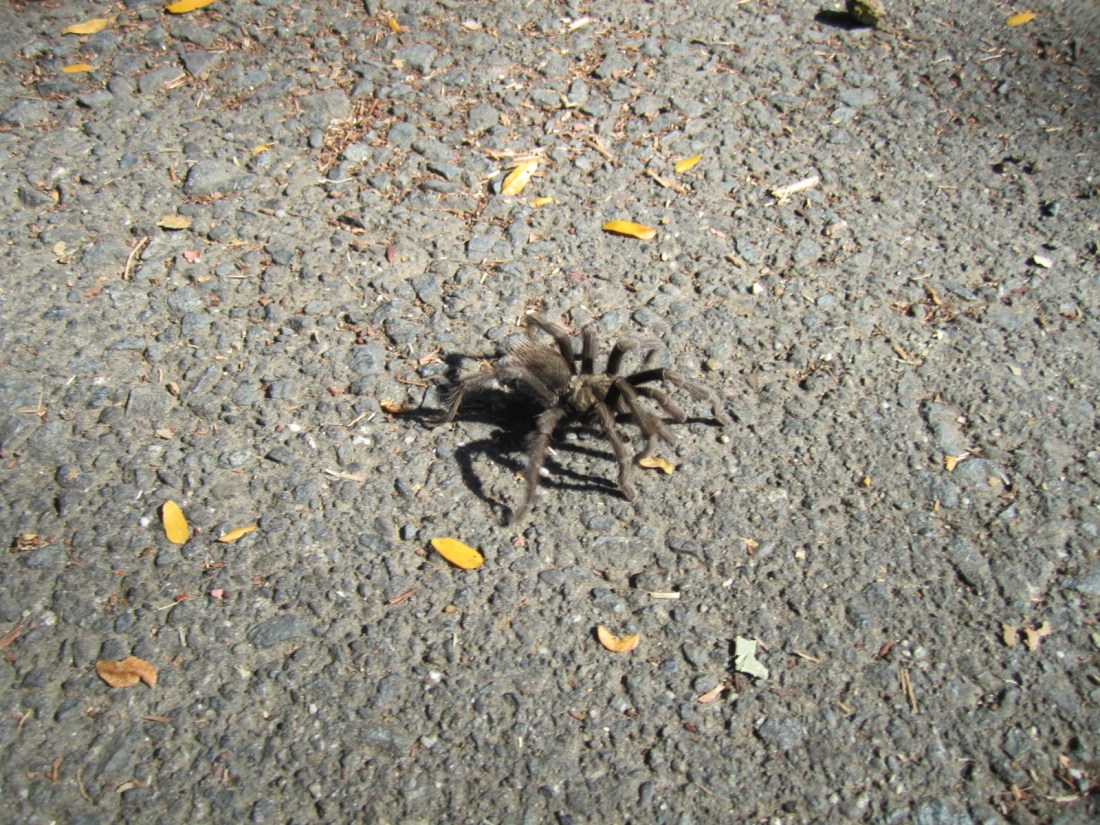
This guy strolled by yesterday, about 2-1/2 inches across. Adult tarantulas are usually around four inches across. I typically see them in September, not October.
How 4WD Was Discovered
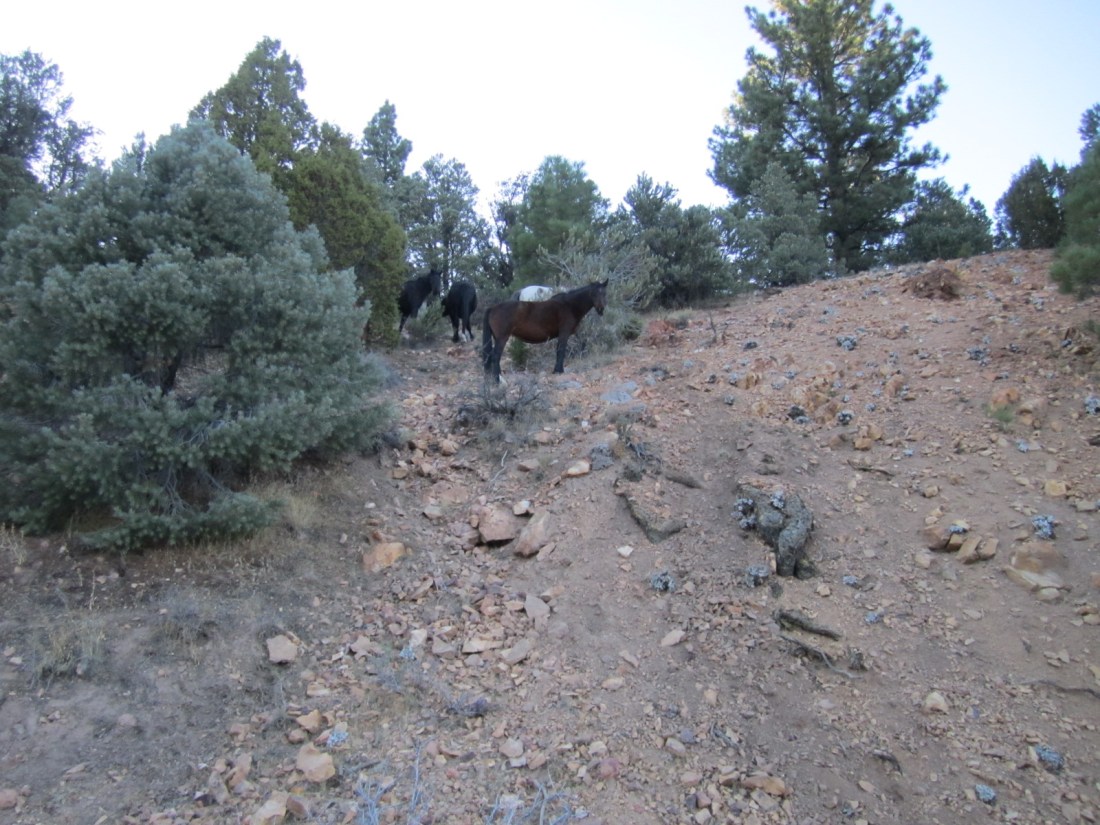
A guy saw a horse go up a steep rocky hillside. Off-roading followed a few years later.
The Greatest Threat to Public Lands is Public-Lands Ranching
Five areas were considered this week in a series of posts about the number of wild horses that have been displaced from public lands by privately owned livestock.
- Saylor Creek HMA – 933
- Warm Springs HMA – 1,616
- Devil’s Garden WHT – 1,309
- Silver King HMA – 2,004
- Twin Peaks HMA – 2,265
Yep, 8,127 wild horses have been denied a place on their home range by pro-ranching statutes and regulations of the federal government.
How many more HMAs would you have to look at to reach 50,000—the number of wild horses and burros languishing in off-range corrals and long-term pastures?
The government spends roughly $50 million every year to care for those animals, with the expectation of receiving just $12 million per year from the ranchers.
The ridiculous ‘Path Forward‘ will only make the situation worse.
There is no wild horse problem on western rangelands.
Public-lands ranching is rarely mentioned in news reports, such as this one, and most of allegations against the horses are aimed at getting them off the land—land that was set aside for them—so their food can be sold to the ranchers at fire-sale prices.
It’s a gravy train if ever there was one.
RELATED: Greatest Threat to Public Lands: Wild Horses and Burros.

Dancing in the Moonlight
Would you believe drinking in the moonlight?

Greatest Threat to Public Lands: Wild Horses and Burros
That’s what the acting director of the BLM said today at a conference of the Society of Environmental Journalists at Colorado State University in Fort Collins. Refer to this report by High Country News of Paonia, CO.
Twin Peaks Quiz
A judge has ruled that the BLM cannot give itself power to decide which HMAs will be managed primarily for wild horses and burros, and that the ‘thriving ecological balance’ of the WHB Act refers to wildlife, not privately owned cattle and sheep. With livestock coming off the Twin Peaks HMA at the end of the grazing season, by how much can the AML be increased?
A. 2,265
B. 1,550
C. 925
D. 385
E. 95
Answer: A (27,178 ÷ 12).
That’s on top of the 758 wild horses currently allowed by plan.
Water System Looking Good
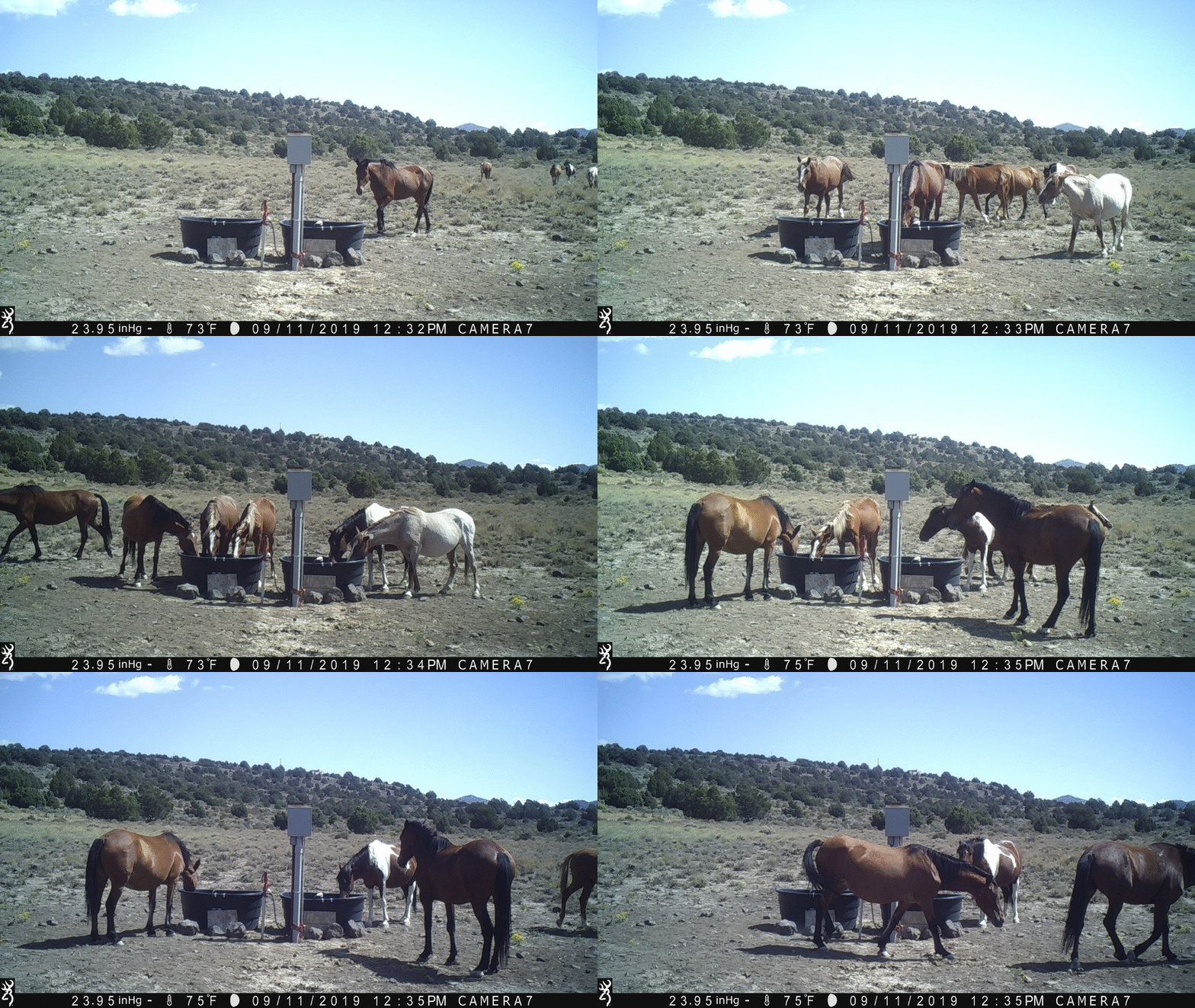
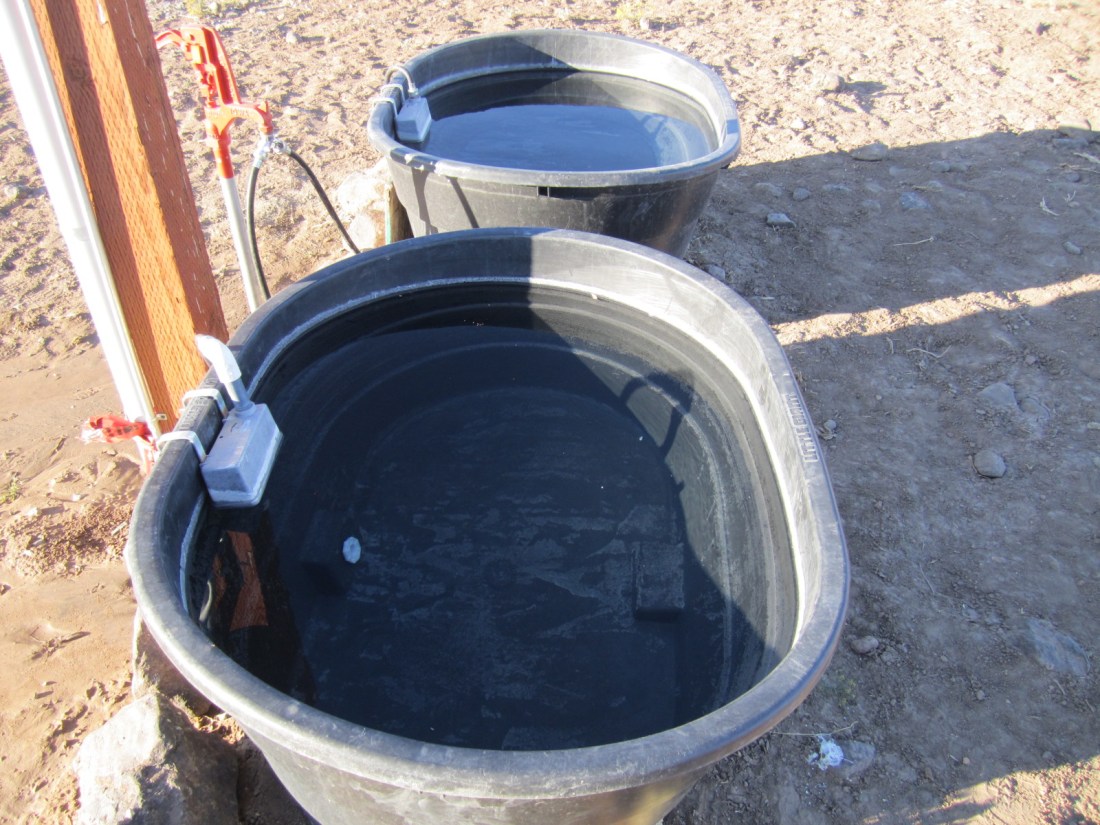
Photo of stock tanks after they were dumped, bleached and refilled on 10-05-19.
System has been operating for about a year. The idea is to keep the horses up in the hills and away from populated areas, a practice known as ‘diversionary watering.’
Trailcam photos of Virginia Range mustangs getting a drink are taken at this spot.
RELATED: Story of the Water System on YouTube.
Settling In on the Virginia Range
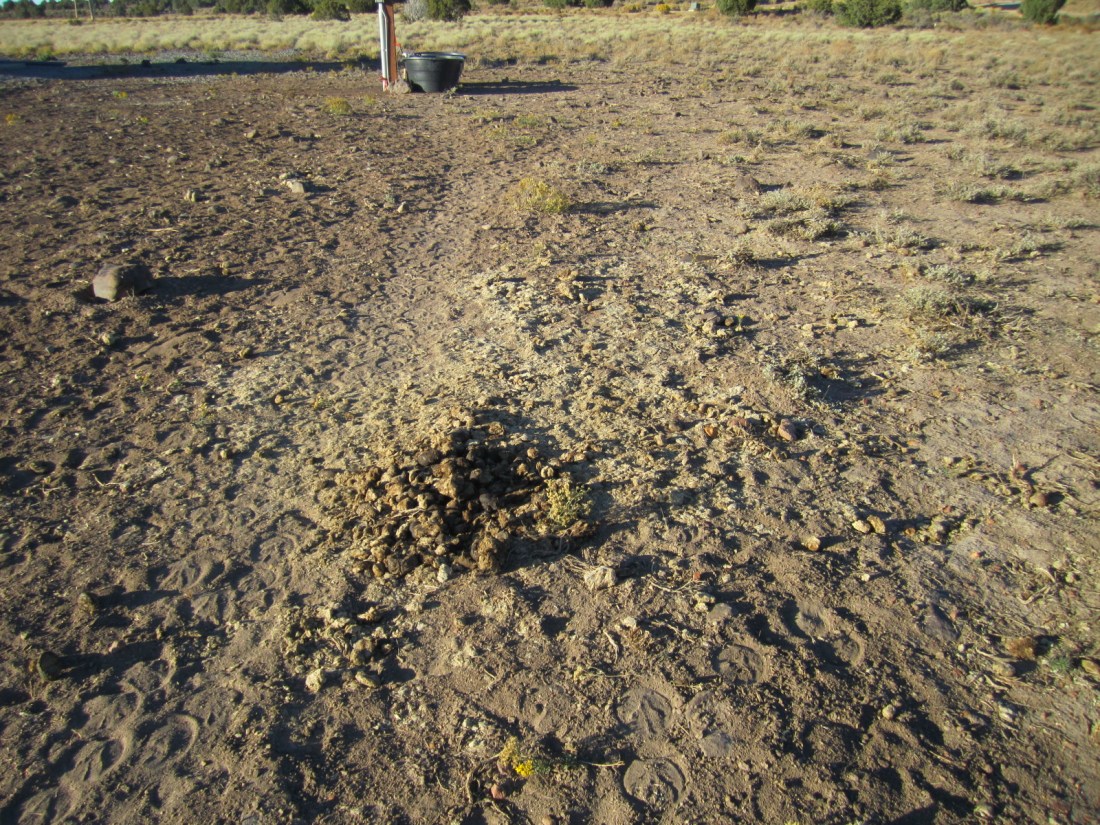
You know you’ve arrived when you have a stud pile near your stock tanks.
RELATED: Story of the Water System on YouTube.
Silver King Quiz
Four years have passed since new rules went into effect regarding the labeling of range-fed beef. Consumers, angered by the way wild horses were being treated, refused to buy the product, putting the public-lands ranchers out of business, including those at Silver King HMA. With the livestock gone, by how much can the AML be increased?
A. 84
B. 313
C. 850
D. 1,645
E. 2,004
Answer: E (24,028 ÷ 12).
That would be in addition to the miniscule 128 wild horses already allowed by plan.
Latest Assateague Census Shows No Improvement
The Park Service found 22 stallions and 54 mares on the Maryland side of the island in September, according to a story published today by WBOC-TV of Salisbury, MD.
One death was reported since the last census but no births.
Not noted in the report was the abnormal sex ratio of the herd, roughly 29% males and 71% females. The range of variation attributable to natural causes for a herd this size is 33% to 67%. Both of the observed values fall outside these limits.

The upper and lower limits were computed with basic statistical formulas, where n = 76 and p-bar = .5. The chart says ‘Look for an assignable cause.’
Could it be the contraceptives that have been applied to the herd for the last 25 years?
RELATED: Latest Census Says ‘Search for Trouble’ in Assateague Herd.
Devil’s Garden Quiz
Suppose the Devil’s Garden ranchers gave up their permits because the grazing fee had been brought in line with the cost of warehousing wild horses in off-range pastures ($60 per AUM vs. the current $1.35). By how much could the AML be increased?
A. 1,309
B. 1,064
C. 897
D. 436
E. 149
Answer: A (15,711 ÷ 12).
On top of the 402 wild horses already allowed by plan.
Horsey Camo
Came across this dirty boy on E Street in Virginia City. Does the mud help him blend in with the surroundings? Photo taken 10-05-19.

Caliente Roundup Ends
BLM announced today that 102 wild horses had been removed from the Caliente Herd Area Complex in an operation that began in late July. No animals were returned to the range and one death was reported.
The news release said the horses had to go because they were harming private property, which doesn’t make sense in a fence-out state.
RELATED: Mustangs to Be Removed from Eastern Nevada Starting Today.
Devil’s Garden Roundup Over
The Herald and News of Klamath Falls, OR said in a report issued today that the gather had ended, with 499 wild horses removed from their home range, and that the death toll at the Double Devil corrals had risen to three.
The final notice was posted to this page by the Forest Service.
RELATED: Devil’s Garden Casualties.
Lunacy at Warm Springs
The Warm Springs HMA can support 1,800 wild horses, but only 200 are allowed, because most of the forage has been sold to public-lands ranchers.
Many of the former inhabitants have been languishing in BLM corrals for a year, at a cost of $5 per day per head. That’s almost $1.5 million per year for 800 horses.
The HMA has enough capacity to empty those corrals twice.
The ranchers pay $26,000 per year to graze livestock on the same territory.
Yep, the government is spending $1.5 million per year to warehouse wild horses so they can collect $26,000 per year from the ranchers, on land set aside for the horses.
Eventually, most of the captives will be moved to long-term holding, at a cost of $2 per head per day.
Even then, the economics stink. Nobody in the private sector would do that.
The situation reeks of politics, favoritism and special interests, all at the expense of America’s wild horses.
RELATED: Warm Springs Quiz.
Passers-By on the Virginia Range
One of the local bands stops by for a drink on 09-11-19.