The gather page now says 27 mares treated with GonaCon Equine have been released.
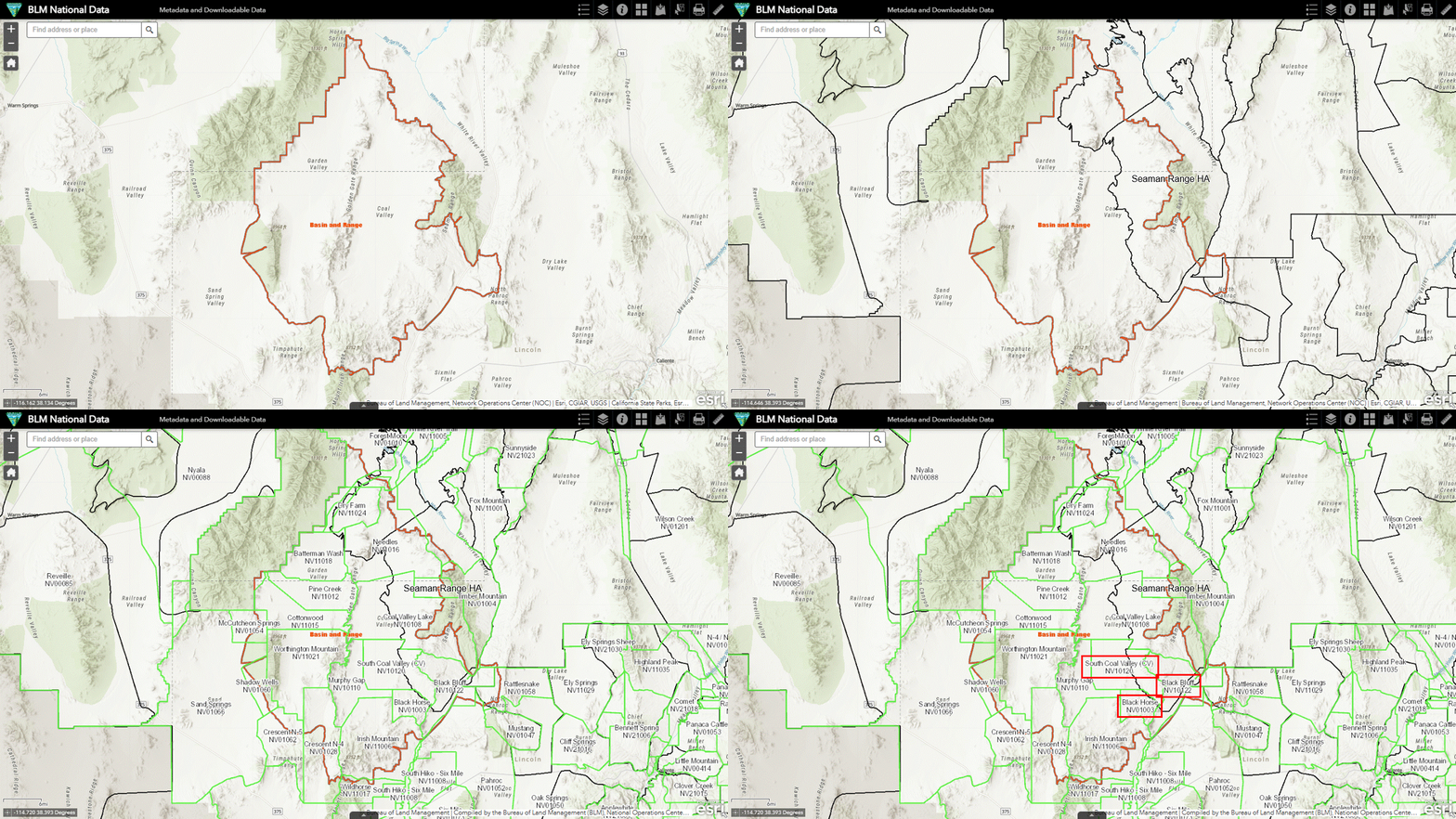
RELATED: Reveille HMA to Become Crime Scene?
Western Horse Watchers Association
Exposing the Hypocrisy, Lies and Incompetence of the Wild Horse Advocates
The gather page now says 27 mares treated with GonaCon Equine have been released.
RELATED: Reveille HMA to Become Crime Scene?
On the Virginia Range with Slang 4201.
The incident concluded on August 5 with 16 horses captured, 16 shipped and none dead, and 115 burros captured, 114 shipped and one dead.
There were no unaccounted-for animals.
The capture goals were 25 horses and 100 burros. The removal goals were identical.
The capture total for horses included four stallions, eight mares and four foals.
For burros, the total included 47 jacks, 58 jennies and 10 foals.
The gather received little if any news coverage.
UPDATE: BLM issued news release on August 7.
RELATED: Johnnie Roundup Announced.
The complaint seeks a temporary restraining order, but a hearing will not occur before August 10, according to a story dated August 4 by KLAS News.
The BLM is scheduled to file a response tomorrow.
The south roundup concluded on July 26.
The average daily take in the north roundup since July 27, when a second helicopter was put into service (probably from the south unit), is 105.
With 1,530 horses captured as of August 4, and a goal of 2,000, operations will probably conclude by the hearing date.
RELATED: Antelope Roundup North, Day 27.
She was a top producing mare, according to a report by the Outer Bank Voice, but apparently this year she was without foal.
Could it be that Meg Puckett, herd manager and PZP darter, decided she had produced enough and took her out of service with safe, proven and reversible fertility control?
The roundup ended July 3. Up to 27 mares were to be treated with GonaCon Equine and be returned to the range, along with 26 stallions.
As of today, 30 stallions have been released but no mares, suggesting they’re awaiting a second dose.
The booster can only be given 90 or more days after the primer, according to a 2017 EPA labeling amendment.

If the gather page shows the return of mares before October 1, the booster dose was dropped or it was given illegally.

Sadly, the advocates have already designated most wild horse areas as crime scenes.

But they’ve joined forces with the bureaucrats and ranchers to fix the problem once and for all.
RELATED: BLM Using Outdated Information to Apply GonaCon Equine?

“Words have to match actions,” Laura Leigh told a reporter in a story posted yesterday by the Las Vegas Sun.
Agree. But you’ll find as many counterexamples from the advocates as you will from the bureaucrats.
They tell their supporters that they’re protecting wild horses as they poison the mares with ovary-killing pesticides.
The topic of fertility control was not discussed in the interview, but Leigh is on record in BLM planning documents as a PZP adherent.
She cited habitat loss and fragmentation as the driver of challenges faced by all wildlife, including wild horses, but did not explain how those conditions evolved.
She lamented an increase in mining claims over the last two years but did not acknowledge that the trend is driven in part by the search for lithium and vanadium, two essential constituents of “clean energy,” which she votes for! (Yes, she’s a liberal and climate alarmist.)
Again, words don’t match deeds.
As for the so-called conservatives who back the public-lands ranchers, they won’t admit that it’s government dependency and redistribution of wealth, hallmarks of a political ideology they despise, supposedly.
Her remark about management planning is probably a reference to HMAPs, reflecting a erroneous belief that they help wild horses. Sadly, they can only ratify and reinforce the lopsided resource allocations that drive the roundups and benefit the ranchers.
She should know that. But telling the truth might upset her financial supporters.
RELATED: Confusing Cause and Effect at Antelope Complex.

The incident started on July 20. Results through August 3:
No horses were captured on Days 14 and 15, leaving the total at 16.
The goal was 25.
All have been shipped.
Eleven burros were caught on Day 14 followed by 18 on Day 13, bringing the total 115.
The goal was 100.
Sixty-six have been shipped, no change from Day 13.
No deaths were reported and no animals have been returned to the range.
Youngsters represented 8.7% of the burros gathered.
Of the adults, 44.8% were male and 55.2% were female.
At the end of Day 15, there were 49 unaccounted-for burros.
The location of the trap site was not disclosed.
With a score of -9 for the horses and +15 for the burros, the incident will likely conclude this weekend.
RELATED: Johnnie Roundup, Day 13.
The BLM should be controlling their numbers with ovary-killing pesticides, not motorized equipment, according to a report by KRNV News, suggesting that these voices for the horses are actually shills for the public-lands ranchers.
A BLM spokesman said they’re just trying to protect the habitat for other wildlife species, by balancing the herd size with what the land can support.
RELATED: Advocates to Protest Antelope Roundups Tomorrow.

The incident began on July 9. Results through August 4:
The figures above are based on the daily reports, not the totals posted by the BLM.
The number of horses captured is 1,536 and the number shipped is 1,451 according to the figures in the sidebar.
A mare and colt were put down on Day 26 due to pre-existing fractures. A mare was euthanized on Day 27 due to a tumor and a stallion was dispatched due to curvature of the spine.
All four survived the chase and would probably be alive today if there was no roundup.
The death rate is 1.4%.
The capture total includes 600 stallions, 699 mares and 231 foals.
Youngsters represented 15.1% of the animals gathered.
Of the adults, 46.2% were male and 53.8% were female.
A 15% birth rate corresponds to a growth rate of 10% per year, a bit less than the 20% growth rate used by land managers to predict herd sizes and management actions.
Body condition scores on Days 26 and 27 ranged from 2 to 4.
The location of the trap site was not disclosed.
The HMAs and surrounding lands are subject to permitted grazing.
*According to advocates.
Day 27 ended with 55 unaccounted-for animals.
Other statistics:
Overpopulation means more horses than allowed by plan, not necessarily more horses than the land can support.
RELATED: Antelope Roundup North, Day 25.
The meeting convenes at 1:00 PM local time, according to the announcement.
No agenda has been posted.
Minutes from the May meeting indicate a herd size of 99 but do not give a breakdown of males and females.
The population was 106 a year ago.
Meg Puckett, herd manager and PZP darter, was appointed to the Board.
The advocates have their own vocabulary to conceal the truth about themselves and their anti-horse / pro-ranching agenda.
Zonastat-H is a vaccine not a pesticide.
Their targets aren’t pests, they’re cherished/beloved/innocent/treasured wild horses.
They’re protecting them from removal by getting rid of them with PZP.
They don’t cater to the bureaucrats and ranchers, they manage the numbers to fit what’s available to the horses.
Overdosed mares are self-boosting, not sterile.
Herds don’t die off, they age out.
Sex ratios aren’t abnormal, mares live longer.
Families consist of barren mares and confused stallions.
They don’t disrupt the natural order, they reinforce it.
They want to be greeted with respect in the marketplace and they expect your unwavering financial support.
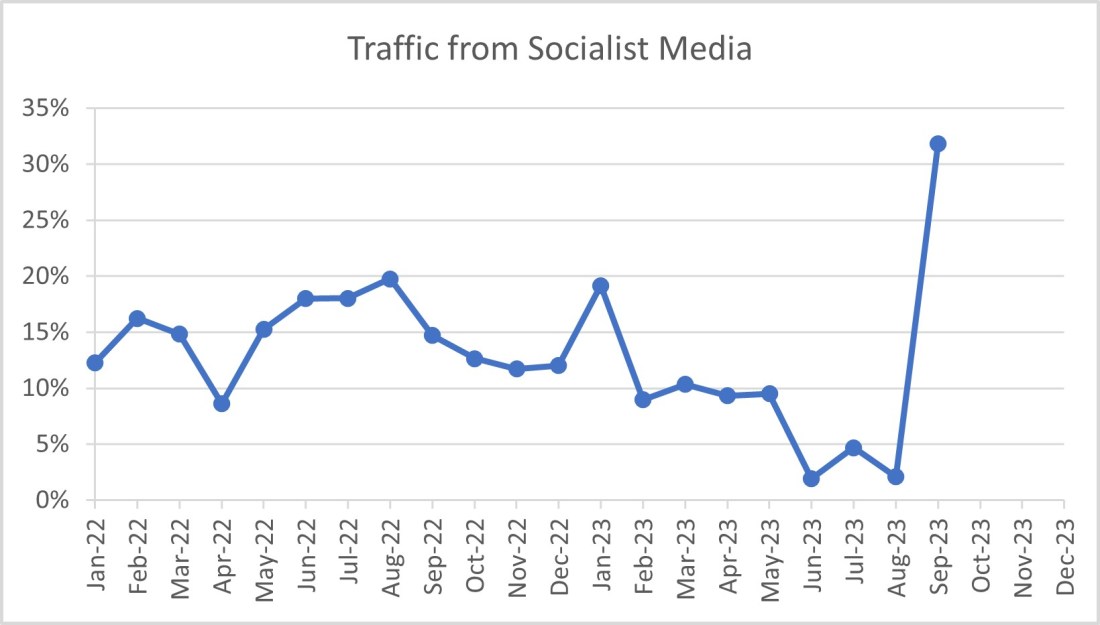
Give them a thumbs up on socialist media.
RELATED: Foal-Free Friday, Veterans for Pesticides Edition.

The project has received 1,241 comments as of this evening.
The numbers change minute-by-minute.
A petition at Change dot org equates bait trap removal to killing wild horses by running them to death, a process that will greatly reduce the population in the national park.
Don’t worry though, advocates with Friends of a Legacy are already on the job.
RELATED: Draft EA for McCullough Pest Control Out for Review.
The event starts at 9:00 AM local time at the BLM state office in Reno, according to a news release on EIN.
Organizers will likely focus on mistreatment of captured animals, not the reasons for removal from their lawful homes, guaranteeing the problems will continue.
The incident began on July 9. Results through August 2:
The figures above are based on the daily reports, not the totals posted by the BLM.
The number of horses captured is 1,350 and the number shipped is 1,253 according to the figures in the sidebar.
The death rate is 1.3%.
A stallion was released (or escaped) on Day 24, followed by two more on Day 25, but no details were given.
The capture total includes 523 stallions, 612 mares and 209 foals.
Youngsters represented 15.6% of the animals gathered.
Of the adults, 46.1% were male and 53.9% were female.
A 16% birth rate corresponds to a growth rate of 11% per year, a bit less than the 20% growth rate used by land managers to predict herd sizes and management actions.
Body condition scores on Days 24 and 25 ranged from 3 to 4.
The location of the trap site was not disclosed.
The HMAs and surrounding lands are subject to permitted grazing.
*According to advocates.
Day 25 ended with 71 unaccounted-for animals.
Other statistics:
Overpopulation means more horses than allowed by plan, not necessarily more horses than the land can support.
RELATED: Antelope Roundup North, Day 23.
The incident started on July 20. Results through August 1:
No horses were captured on Days 12 and 13, leaving the total at 16.
All have been shipped.
Eight burros were caught on Day 12 followed by one on Day 13, bringing the total 86.
Sixty-six have been shipped, no change from Day 11.
No deaths were reported and no animals have been returned to the range.
Youngsters represented 5.8% of the burros gathered.
Of the adults, 46.9% were male and 53.1% were female.
At the end of Day 13, there were 20 unaccounted-for burros.
The location of the trap site was not disclosed.
The capture and removal goals are identical, 25 wild horses and 100 wild burros.
RELATED: Johnnie Roundup, Day 11.
No more posts going around on Facebook?
Couldn’t care less!
The advocates have their little fiefdoms and Potemkin Villages online, where they try to separate you from your money, but hopefully those sites are crumbling as well-meaning donors realize they’re liars and frauds.
RELATED: Western Horse Watchers Banned from Socialist Media?

GonaCon Equine has been applied to wild horses in the park but what are the long-term effects?
Most wild horse advocates condemn the product but praise Zonastat-H, an ovary-killing pesticide known as the Montana Solution.
The incident began on July 9. Results through July 31:
The figures above are based on the daily reports, not the totals posted by the BLM.
Data quality is poor. Accuracy went south on Days 16 and 17.
The number of horses captured is 1,207 and the number shipped is 1,128 according to the figures in the sidebar.
A colt was put down on Day 22 due to torticollis (wry neck).
A mare was euthanized on Day 23 due to a broken neck.
The death rate is 1.4%.
The capture total includes 469 stallions, 549 mares and 183 foals.
Youngsters represented 15.2% of the animals gathered.
Of the adults, 46.1% were male and 53.9% were female.
A 15% birth rate corresponds to a growth rate of 10% per year, a bit less than the 20% growth rate used by land managers to predict herd sizes and management actions.
Body condition scores on Days 22 and 23 ranged from 3 to 4.
The location of the trap site was not disclosed.
The HMAs and surrounding lands are subject to permitted grazing.
*According to advocates.
Day 23 ended with 56 unaccounted-for animals.
Other statistics:
Overpopulation means more horses than allowed by plan, not necessarily more horses than the land can support.