
Disco Inferno by The Trammps.
Month: July 2018
WHB Coming to Tahlequah, OK Later This Month
Wild horses and burros will be offered by the BLM for adoption and sale July 27 – 28, 2018 at the Cherokee County Fairgrounds, according to a BLM news release dated 07/02/18. Tahlequah is about 60 miles east of Tulsa.
Wild horse and burro posters will be available at the event.

Sterilization Research Proposed for Wild Horses
There are some sick minds in the federal government and the BLM is no exception.
They’re trying to develop methods for cutting ovaries out of mares (while keeping the mortality rate to an ‘acceptable’ level, of course). In the following video, one of the wild horse Mengeles carries out the procedure for your viewing enjoyment.
According to the statement posted with the video, “…no highly effective, easily delivered and affordable fertility-control methods are currently available to manage wild horse and burro populations.”
In other words, PZP darting of mares is too expensive, too difficult to administer and doesn’t provide a lasting solution (to the wild horse ‘problem’). We have to come up with something better, such as sterilization or euthanization of ‘excess’ animals.
All of this is a scam. It’s not about saving money on roundups. There are no plans to close departments, sell buildings and lay people off if the techniques are successful. The goal is to clear the deck for more livestock grazing on public lands set aside for wild horses and burros in 1971.
And don’t forget the kooks at Protect the Harvest who put together a rodeo to showcase these mutilated ponies.
Clearly, they are in bed with folks at the Burns office, who posted the video.
RELATED: Stepping Stones.
RELATED: These Guys Are Not WH Advocates.
Cancer Across the Nation
For your contemplation on this 242nd anniversary of Independence Day, 07/04/18.
LIBERALISM / MODERNISM / PROGRESSIVISM
The system of lies
Employed by The Diversity
To fill the void in their lives
Where God used to be

If you’re not in one of the favored classes, know that you’re hated beyond imagination.
Salt River Preemie Doing OK
Yes, he’s in the house. Either that or you put a cot in the barn. That’s what you have to do with critical-care babies. Just ask Palomino Armstrong. See also the videos posted last few days at the Salt River Wild Horse Management Group FB page.
Icons of Freedom
Short video on the Corolla wild horses. Filmed at dawn. H/T Bill Williams.
Happy Independence Day!
Advocates Win Approval to Haul Water to Sand Wash Horses
BLM says OK. See this post on their FB page, originally published 06/29/18, updated 07/03/18. The area has received some rain in recent weeks but they’re still not out of the woods.
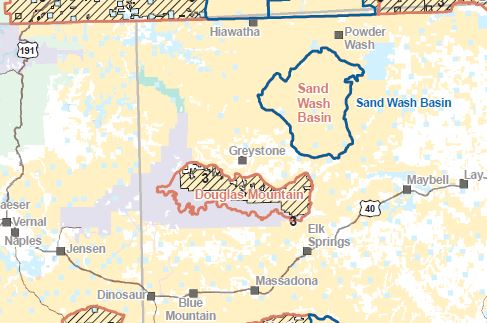
The Sand Wash Basin HMA is in northwest Colorado. The target population density (at upper end of AML) is 2.3 animals per thousand acres, a bit higher the national average (all HMAs) of one animal per thousand acres.
RELATED: Water Delivery Plans On Hold at Sand Wash Basin HMA.
Not a Care in the World
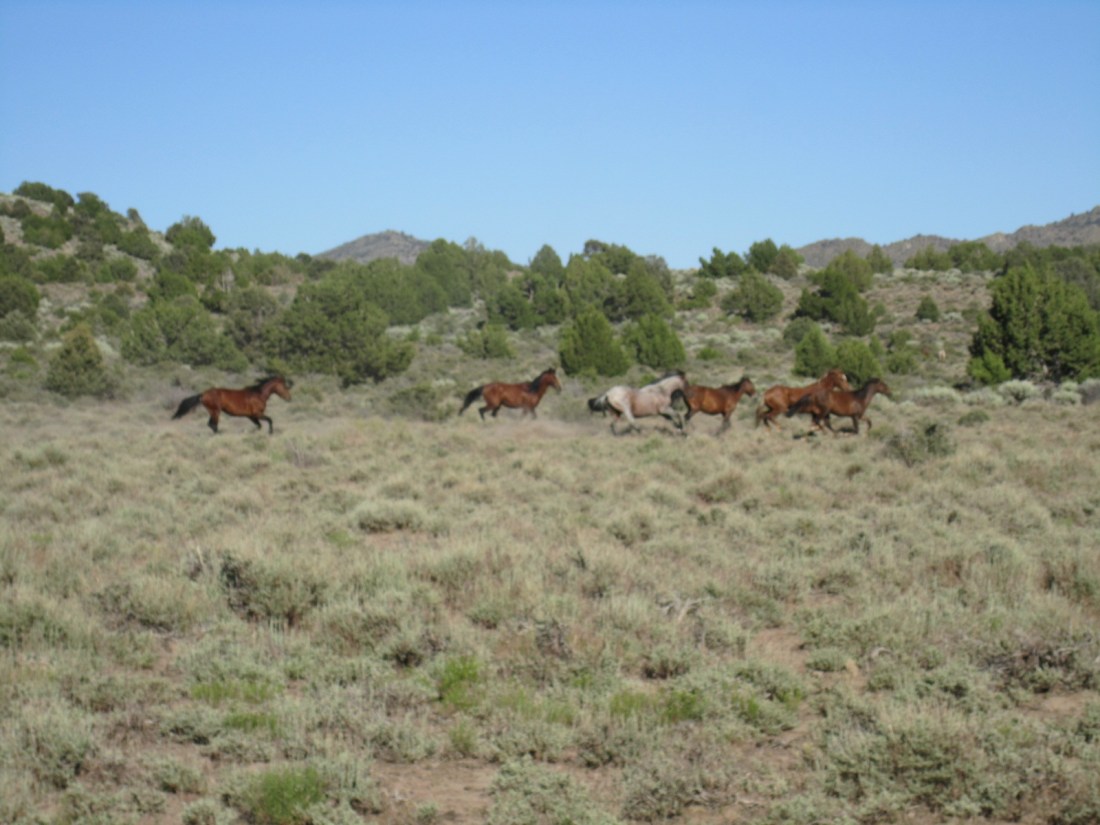
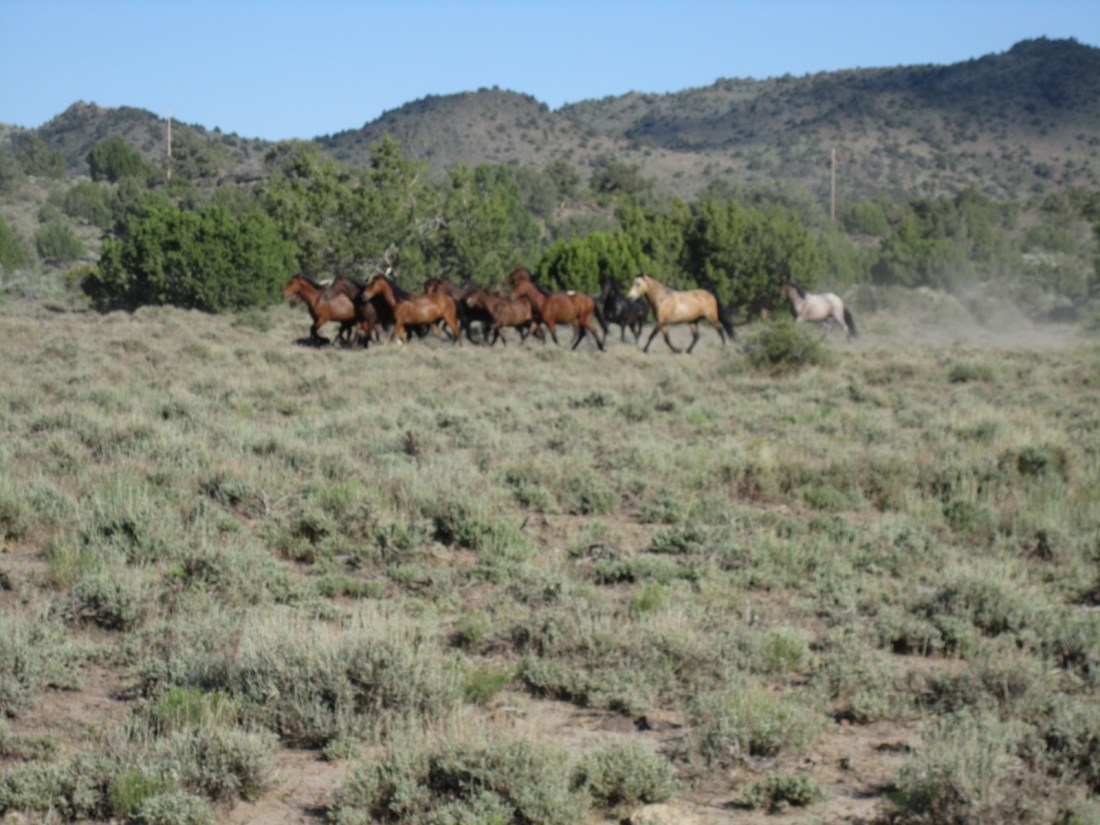
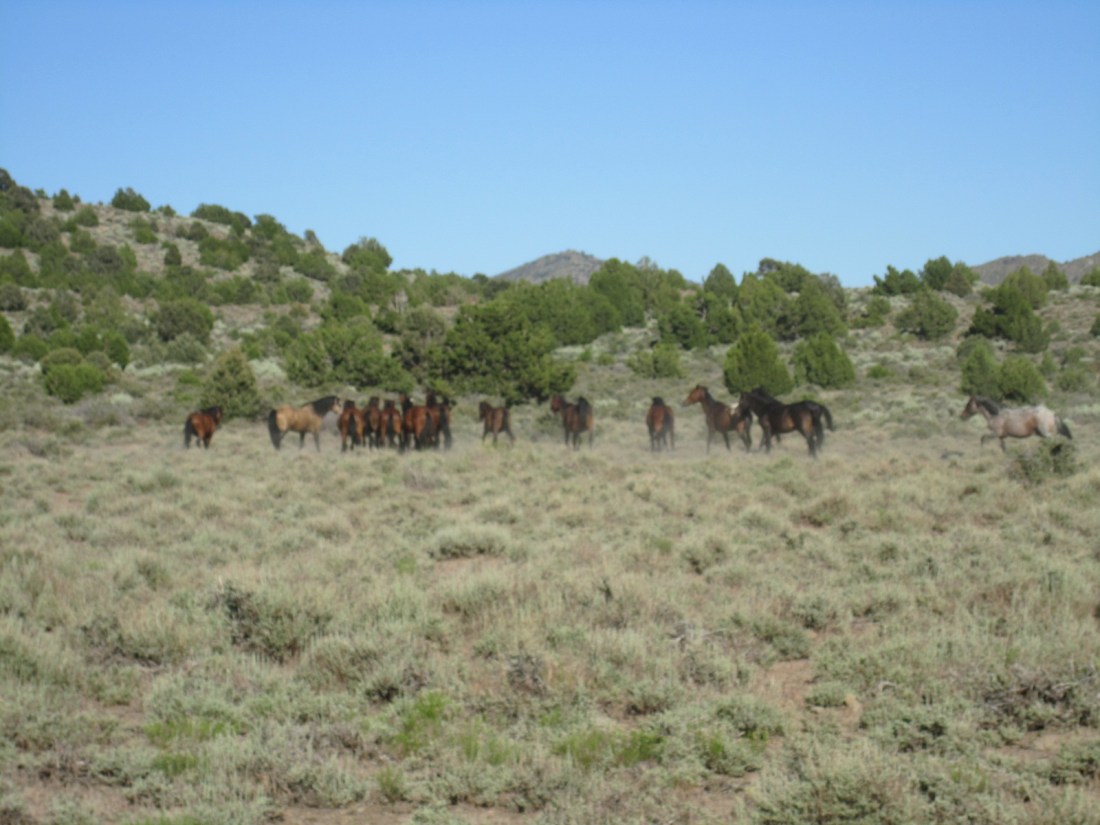
Bachelors playing on the Virginia Range 06/29/18.
Independence Day Quiz
Mustangs of Oregon
Sometimes it’s better to watch a TV program several years after it was broadcast, because you can see what’s changed. Consider this documentary by Oregon Public Broadcasting, originally aired February, 2014.
At the time it was filmed, wild horses and burros inhabited 32 million acres. Today, that figure is 27 million acres.
When the video was produced, there were 179 HMAs across ten western states, now there are 177. Back then, Oregon had 19 HMAs, today it’s 18.
Some things haven’t changed. In 2014, the carrying capacity of the land for WHB (based on upper value of AMLs) was about 26,000 animals. Ditto for today.
Rancher sentiment hasn’t changed. They still think wild horses and burros are destroying western rangelands and consuming forage that belongs to them.
But there is hope. The BLM corral facility in Hines, OR, may soon become Auschwitz of the West, where the Josef Mengeles of the of the wild horse world perform gruesome experiments on mares to find the best method of sterilization.
Stay tuned folks, you won’t want to miss it.
Grandfather Cuts Loose the Ponies
That’s the name of an unfinished sculpture set on a ridge above the Columbia River to commemorate the statehood of Washington and the horses that once roamed there (not the horses that died off 10,000 years ago, the horses that were rounded up and slaughtered in the middle of the last century to make way for wineries, farms and Democrat pinwheels).
The video is as haunting as the memory of these free-roaming spirits.
Outer Banks Adventures
Report posted earlier today by 13News Now, the ABC affiliate in Hampton Roads, VA.
The horses in the story are thought to be descendants of those brought to the New World by Spanish explorers 500 years ago.
See also this article in Smithsonian.com on the best places to see wild horses.
RELATED: Wild Horse Hit by Truck in Outer Banks, NC.
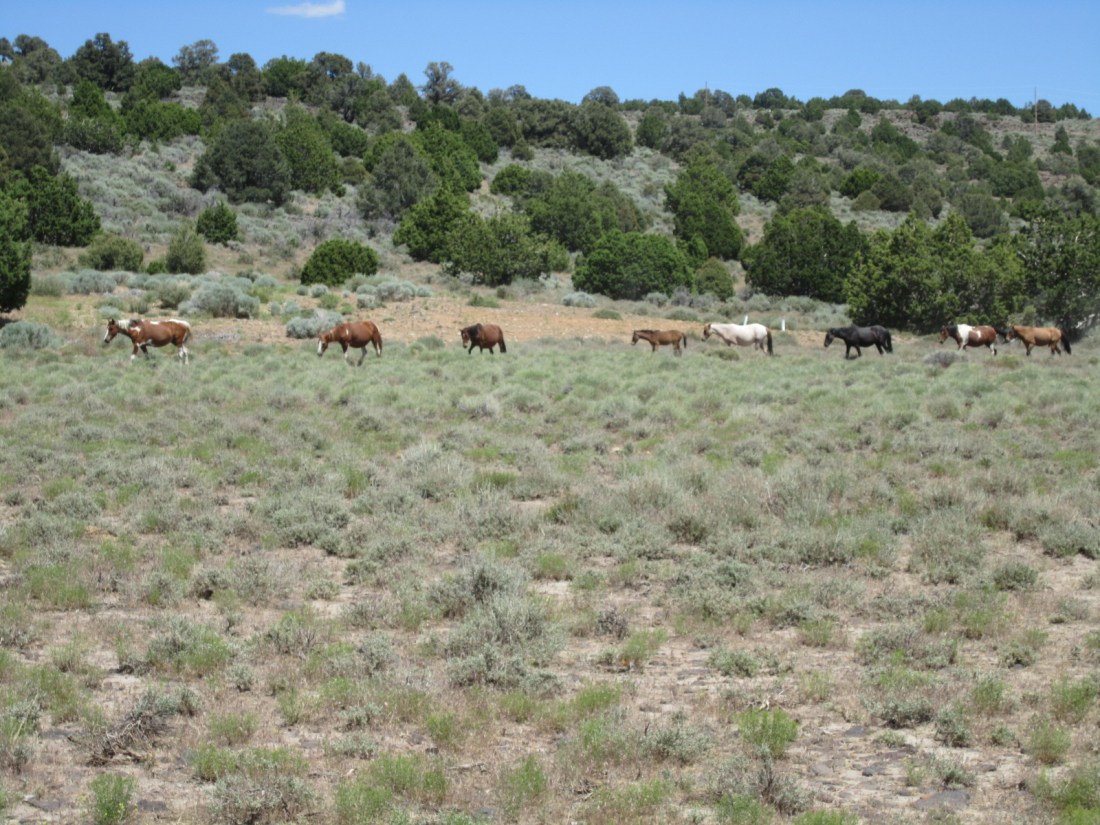
Caravan on the Virginia Range
Family unit passing by on 06/29/18. These bands are usually a bit more quiet and subdued, compared to the bachelors.


Mustang Monday
On Heber WHT. Many of the trees in the area were destroyed by a fire in 2002.
For Your Sunday Contemplation
Two from Barnhardt, related.
Immune cells pass from a pre-born child to the mother across the placenta. They carry the complete DNA of the child and persist in the mother’s body for the rest of her life.
Thus it is possible for a woman to be healed in part by the baby she murdered.
Sacred Heart of Jesus, have mercy on us.
Immaculate heart of Mary, pray for us.
In the name of the Father, the Son, and the Holy Spirit.
Amen.
Still Barren
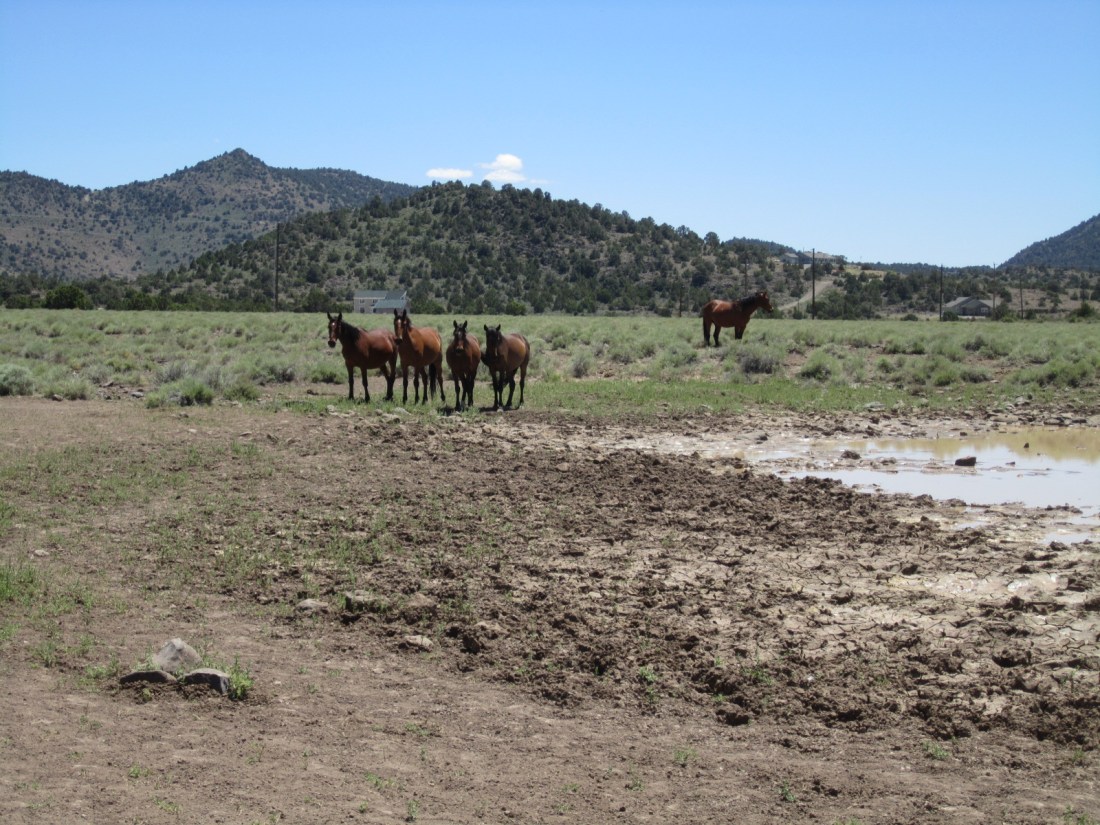
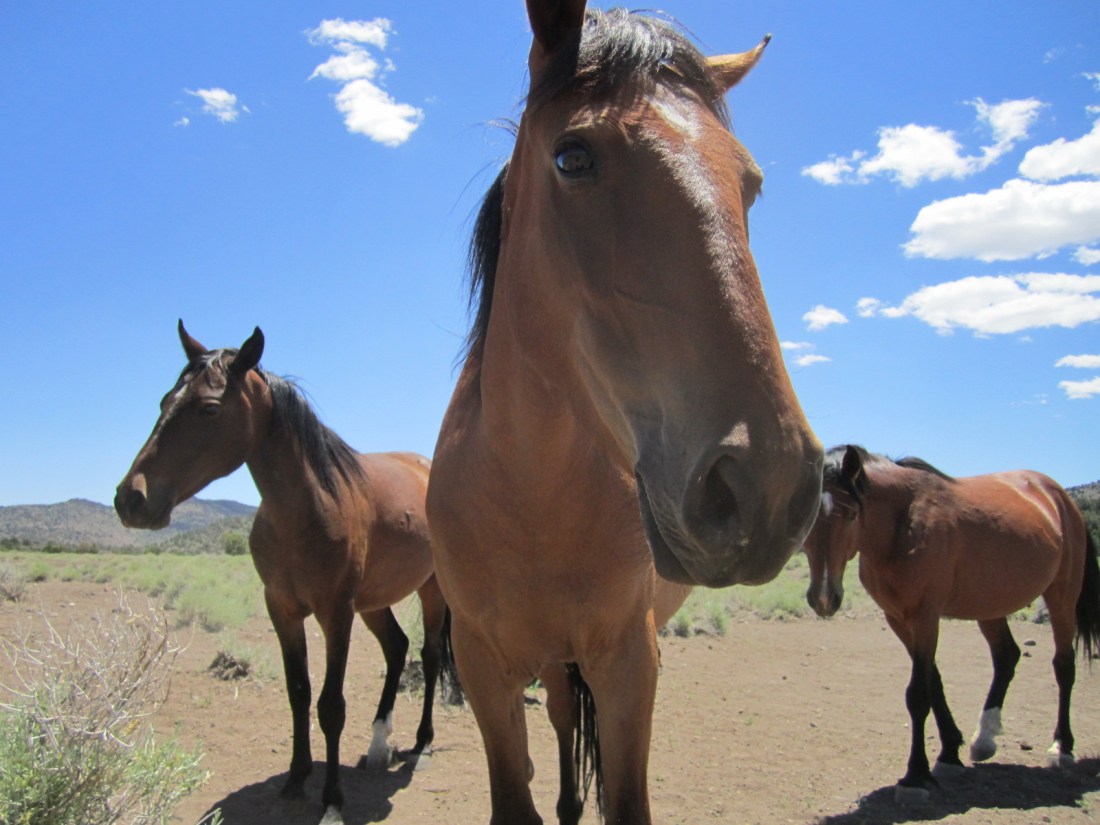
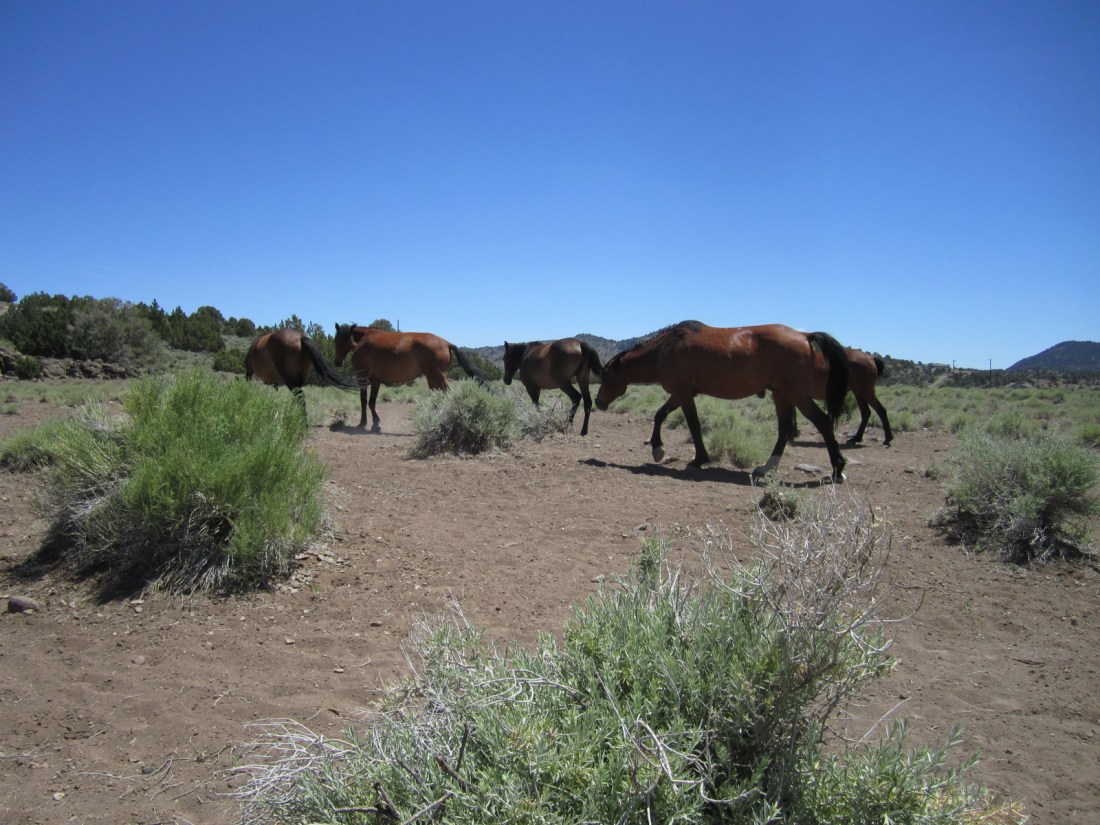
Update on the horses in this post. Tried to get some photos of the mares with welts but the stud wouldn’t have it. No improvement on the mare with the smaller welt. Unable to see the mare with the larger welt (third photo in original post). Inflammation due to bites or stings should have resolved by now. These photos taken 06/29/18.
The pond seen in the photos from 06/15/18 has lost quite a bit of water, which increases the concentration of dissolved minerals, making it unfit for animal consumption.
 Western Horse Watchers Association