Multiple Use

Code word for ‘diversity’ on the range.

However, the goal is not variety of inhabitants.  It’s about reducing the influence of certain ‘undesirable’ elements in the population.

You know, like straight white men.  No, wait a minute…wild horses and burros.

Not that you hate horses and burros.  Just the things they represent.

Family, freedom, self-reliance, mobility, autonomy, virility.

You’ll need some metrics to promote awareness of the ‘problem.’

Give them nice names, such as ‘appropriate management levels.’

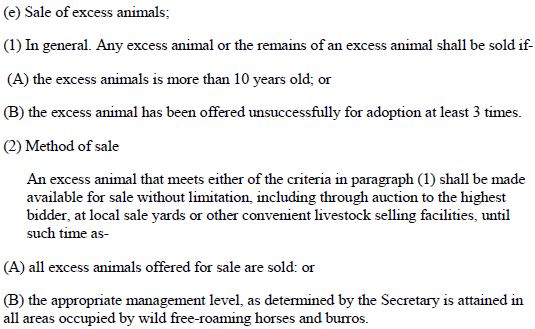
Values can be assigned to the metrics by tables of random numbers or lightning bolts from Mt. Olympus.  These numbers establish limits on the size of the population segments.  If their size goes beyond the AMLs, corrective actions will be taken.

Other segments in the population have no limits.  Especially if they were placed on the range from other ‘areas.’

You need to be more welcoming and inclusive.

P.S. Would like to see the folks over at Maggie’s Farm rethink their position on the subject.

BLM Policies and Practices

Presentation by John Ruhs, State Director for BLM in Nevada, at the National Wild Horse and Burro Summit in August 2017.  Thirty minutes in length but worth it.

Remarks from 0:01:30 to 0:03:09 reflect the BLM mission in the post-Obama era.

  • Making America Safe through Energy Independence
  • Making America Great Through Shared Conservation Stewardship
  • Making America Safe – Restoring Our Sovereignty
  • Getting America Back to Work
  • Serving the American Family

Wild horses and burros fall under the ‘historic values’ category (0:02:17).

Conference sponsored by the National Horse & Burro Rangeland Management Coalition, which is not a WHB advocacy group.

The second presentation in the video focuses mostly on the burros in Arizona.

The final presentation deals with disease on the range.

Comments on RFP for VR Horses

Section 2, Scope of Work.

During the 12/12/17 meeting, Board members indicated that the horses would be managed by their new owner ‘…as they see fit.’  (Go to the remarks between 9:30 and 10:50 in the audio at this post.)

So why is there a mandate for fertility control?

RFP-SOW

What if the new owner believes that PZP darting of mares is harmful?  Listen to the remarks in the audio from 2:33:40 to 2:34:40.  Somebody in the gallery tries to shut the speaker down at 2:34:16.  Here you see a glimpse of pro-life vs. pro-choice in the wild horse world.

Hay Transport

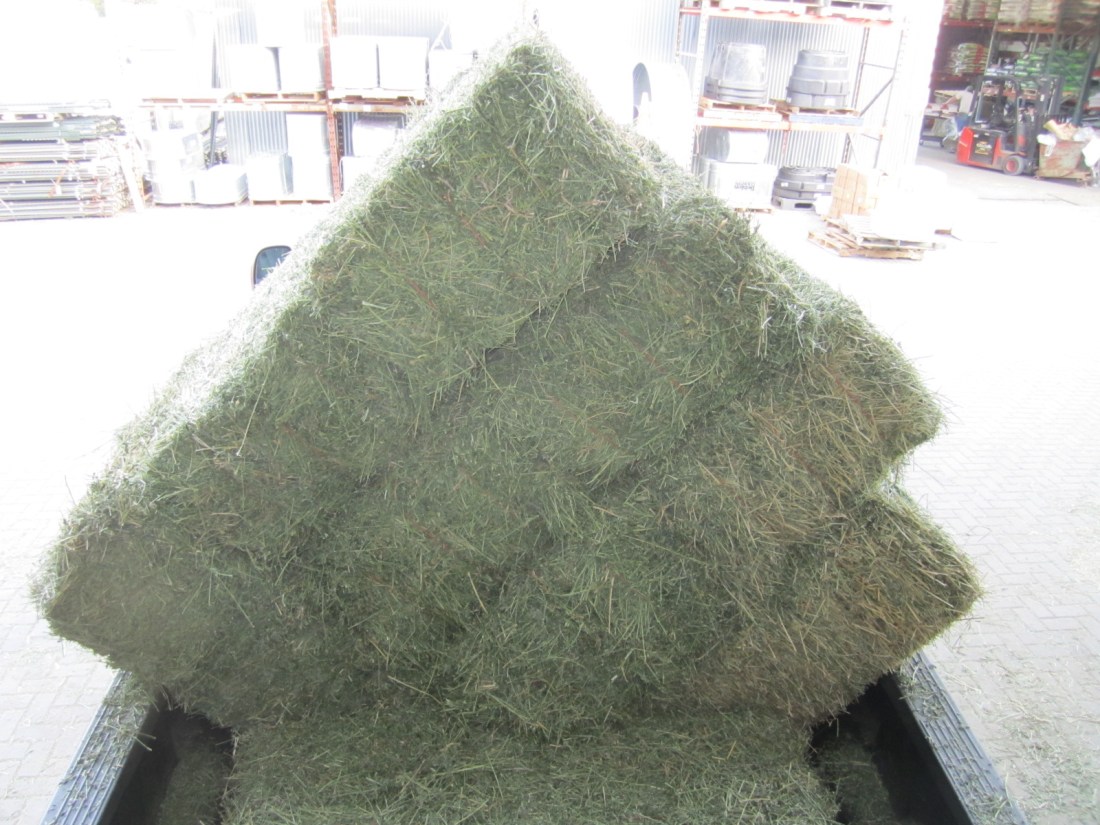
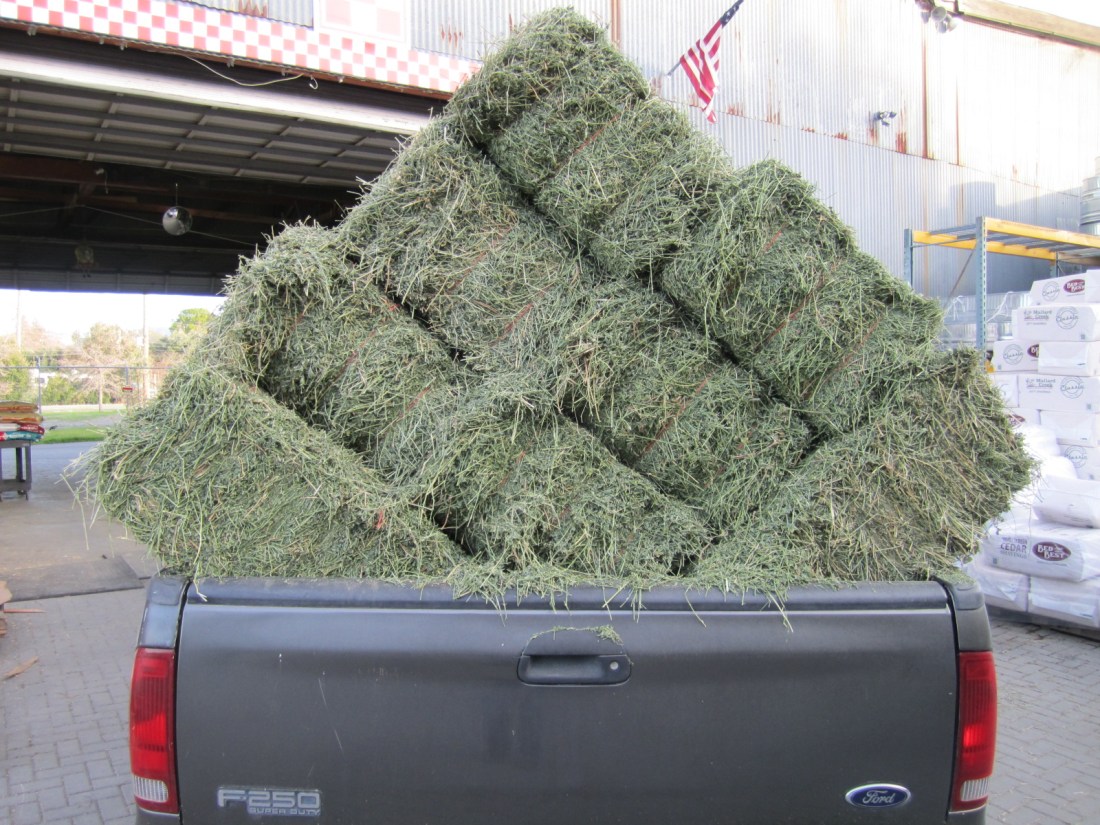
You can fit 20 bales of hay into your truck if it has an eight foot bed.  Start with four bales in V-formation.

IMG_4656

Next, lay six bales in the valley, all with the same orientation.

IMG_4666

Repeat the process in the rear half of the bed.


IMG_4669

The finished stack will resemble a cube.

IMG_4671

It doesn’t obstruct your side-view mirrors and if you’re not going too far, ropes and straps won’t be needed.  The feed store offers a price break at 20 bales so this is really great!

Murphy Was An Optimist

If your ranch has trees, you’ll probably want to keep a chainsaw around, along with fuel, cutting oil and a spare chain.  Some day a tree will come down, due to age, weather or disease, and it won’t be the one at the far end of the pasture where nobody goes.

That’s your driveway and gate under there.

IMG_2280

A case like this should be handled by professionals.  It’s too much work and for an individual and too dangerous.  You’d need a boom truck, bucket truck, chipper and variety of saws.

Don’t worry though, there will be cases where you can do the work:

  • A smaller tree comes down on the access road to your barn.  Use your chainsaw to cut off large branches and drag them out of the way with your tractor.  Same for the trunk.  When time permits, burn or dispose as needed.
  • Low-hanging branches on one of your riding trails.  Trim them back as needed.
  • Chaparral is taking over your pasture.  Cut it back with your saw and remove the stumps with your backhoe.  Or just plain dig the whole thing out in one piece.

Incidents like the one above can cost over $5000 in cleanup and repairs, and you can’t put them off due to their location.  Another reason why you want to have some cash in a savings account.

If you have the right equipment however, expenses like that can be minimized.

IMG_3562

IMG_3568

Scratching Posts

Originally installed as a tie point for grooming and hoof cleaning, this post is now used for scratching and rubbing.  It’s a 4 x 6 treated timber 8 foot long, cemented about 30 inches into the ground.

The metal loop at the top is known as a ‘shoulder nut ring bolt.’  The eye (above the ring) has been polished by these guys.

IMG_4630

Tie points should be high enough and lead ropes short enough so the horse can’t step on the rope or get his leg over it.  If you’ll be around while he’s tied, then maybe you can give him a little more slack.  See if you can get him to stand quietly without tieing while you clean his feet.

If circumstances are such that you want to be able to untie him quickly, try the bank robber’s knot: