Lake Pleasant Roundup, Day 74

The incident started on February 5.  Results through April 18:

  • Scope: Lake Pleasant HMA
  • Target: Burros
  • Type: Planned
  • Method: Bait
  • Goals: Gather 400, remove 400
  • Captured: 353, up from 247 on Day 63
  • Shipped: 331, up from 180 on Day 63
  • Released: None
  • Deaths: 4, no change from Day 63
  • Average daily take: 4.8
  • Unaccounted-for animals: 18

The figures above are based on the daily reports.  The sidebar indicates 376 animals captured, including one freeze-marked horse.

The death rate is 1.1%.

The capture total includes 140 jacks, 176 jennies and 37 foals.

Youngsters represented 10.5% of the animals gathered.

Of the adults, 44.3% were male and 55.7% were female.

The location of the trap site was not given.

The HA and HMA are the same size.  The area is subject to permitted grazing.

  • Forage liberated to date: 2,118 AUMs per year
  • Water liberated to date: 1,765 gallons per day

There are no plans to treat any of the jennies with fertility control pesticides and return them to the range.

The roundup targets animals that are damaging private property and creating a public safety hazard, purposes for which PZP was not authorized.

The incident supports three tenets of rangeland management.

RELATED: Lake Pleasant Roundup, Day 63.

Lake Pleasant HMA with Allotments 02-06-23

Caliente Roundup, Day 3

The incident started on April 16.  Results through April 18:

  • Scope: Caliente Complex
  • Target: Horses
  • Type: Planned
  • Method: Bait
  • Goals: Gather 350, remove 350
  • Captured: 64, up from 29 on Day 1
  • Shipped: 36, up from zero on Day 1
  • Released: None
  • Deaths: 2, up from zero on Day 1
  • Average daily take: 21.3
  • Unaccounted-for animals: 26

The figures above are based on the daily reports.

A mare died of a fractured neck on Day 3.  Another mare was put down due to blindness in one eye, bringing the death rate to 3.1%.

The capture total includes 24 stallions, 33 mares and 7 foals.

Youngsters represented 10.9% of the animals gathered.

Of the adults, 42.1% were male and 57.9% were female.

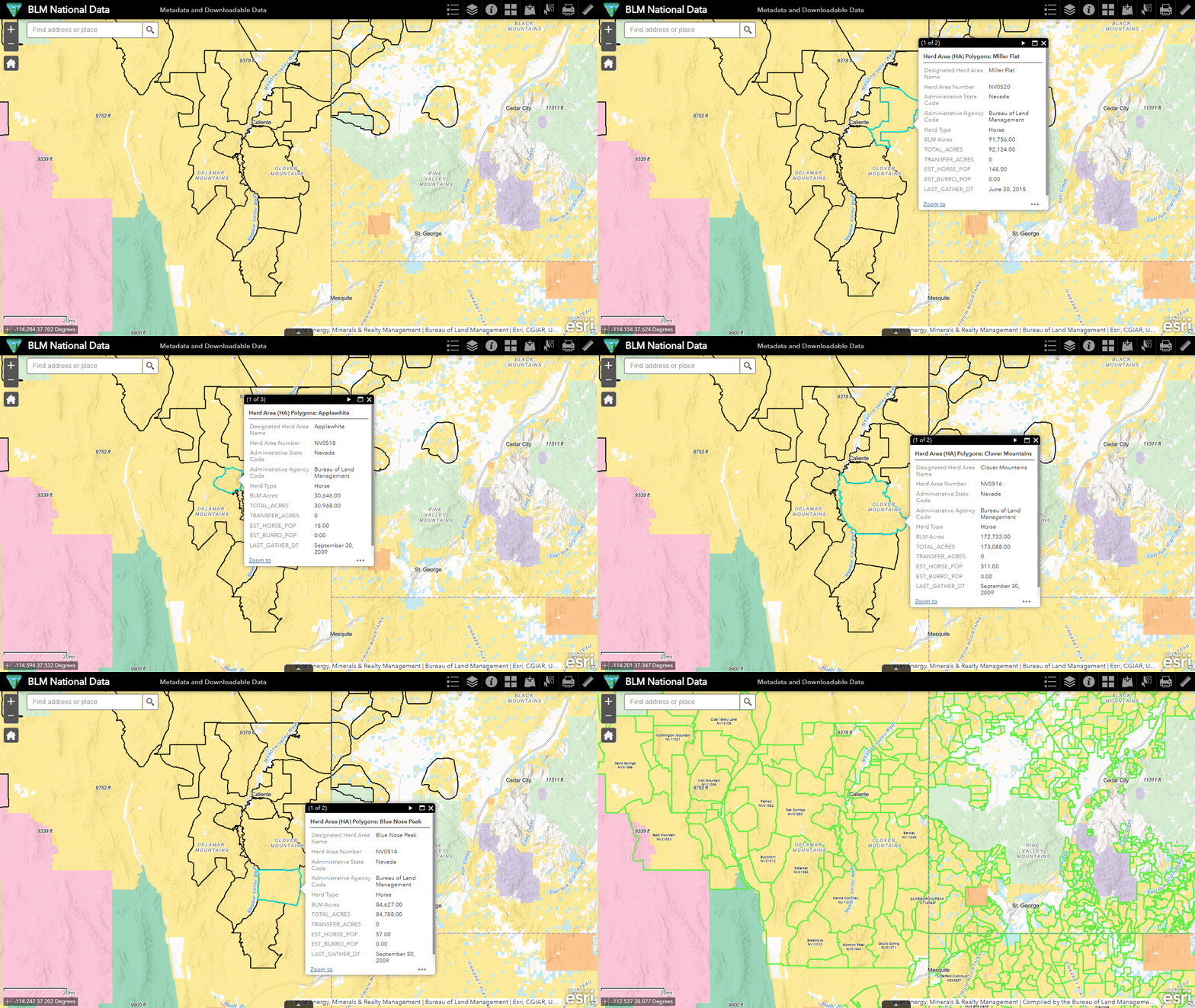
The Complex is subject to permitted grazing.

  • Forage liberated to date: 768 AUMs per year
  • Water liberated to date: 640 gallons per day

There are no plans to treat any of the mares with fertility control pesticides and return them to the range.

The roundup supports three tenets of rangeland management.

RELATED: Caliente Trapping Begins.

Caliente Complex with Allotments 03-28-24

Public Lands in Wyoming Can’t Support 9,435 Wild Horses?

That’s the estimated population in the state according to the 2024 HA/HMA Report.

The land-use plans allow 3,795 wild horses on 3,644,013 public acres, or approximately one wild horse per thousand public acres.

BLM allotments in the state offer 1,902,445 active AUMs on 17,312,214 public acres, according to the Allotment Information Report at RAS.

That means they’re supporting privately owned livestock equivalent to 158,537 wild horses on 17,312,214 public acres, or 9.2 wild horses per thousand public acres.

Why is this important?

The bureaucrats and ranchers tell us that public lands in the western U.S. can only support one wild horse per thousand acres (27,000 animals on 27 million acres).

Given that the HMAs are a subset of the allotments, they should be able to support 10.2 wild horses per thousand public acres, or approximately 37,000 wild horses, four times higher than the current population.

For every wild horse allowed on Wyoming public lands, nine have been consigned to off-range holding because of permitted grazing.

The advocates use this disparity to peddle their fertility control programs, helping the bureaucrats realize their goal of ranching superiority in the lawful homes of wild horses.

NOTE: The active AUMs in the allotments can be found by adding the values in column Q of the unfiltered dataset.  The total public acres can be found by filtering the list for duplicate entries in column A and adding the remaining values in column E.

RELATED: Why Are There So Many Wild Horses in Off-Range Holding?

If Beaver Creek Was Managed Principally for Wild Horses

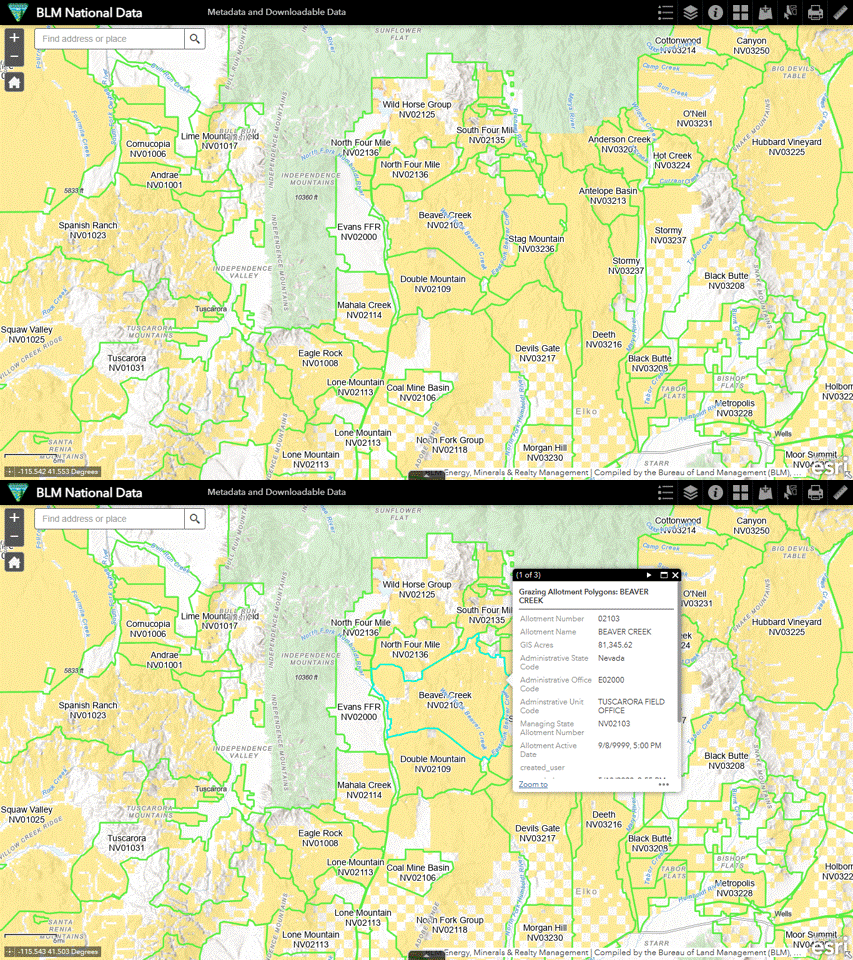
The AML would be 1,188 and the stocking rate would be 15.8 animals per thousand public acres.

The allotment, located northwest of Wells, NV, offers 14,258 active AUMs on 75,139 public acres, according to the Allotment Master Report.

Why is this important?

The bureaucrats and ranchers tell us that public lands in the western U.S. can only support one wild horse per thousand acres (27,000 animals on 27 million acres).

The advocates reinforce the story with their darting programs.

If it was an HMA, the AML would be 75 and 1,113 horses would be consigned to off-range holding because of permitted grazing.

RELATED: The Allotments Tell the Story: They’re Lying, All of Them.

Beaver Creek Allotment 04-15-24

Rhyolite Ridge Mine to Affect Silver Peak Burros, Livestock?

Today the BLM announced the start of a 45-day public comment period on a draft EIS for a proposed lithium mine in Nevada’s Silver Peak Range.

As of this evening, no new documents have been copied to the project folder.

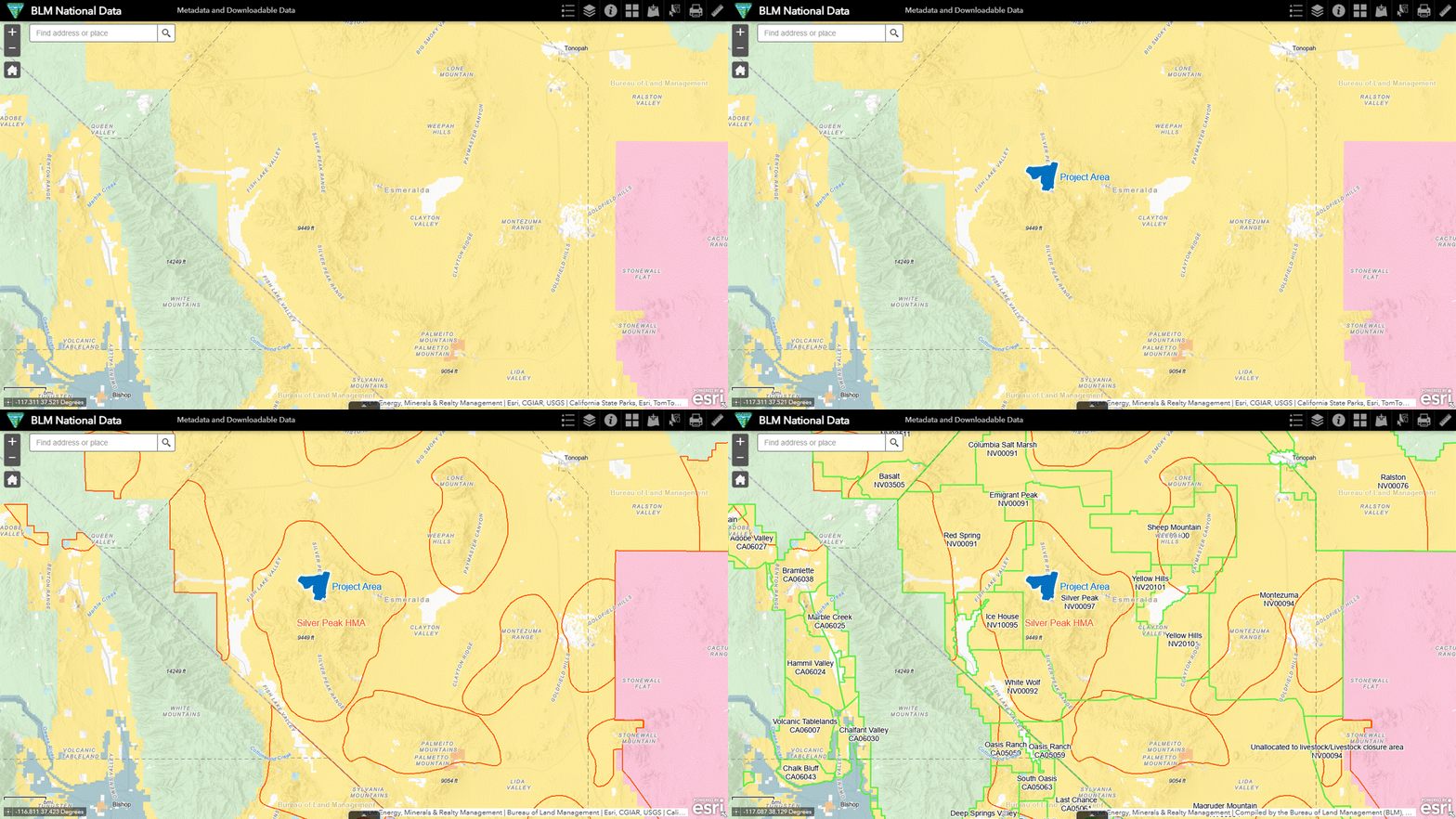
The 2022 scoping overview puts the mine in the Silver Peak HMA, which overlaps the Silver Peak Allotment.

The HMA allows six wild burros on 239,801 public acres.

The allotment offers 1,530 active AUMs on 281,489 public acres, equivalent to 255 wild burros, on 281,489 public acres.

The land is not very useful from an agricultural viewpoint.

Lithium is used in batteries for electric vehicles, utilities, computers and mobile phones.

The advocates complain about habitat loss attributable to mining even though they, as believers in man-made climate change, vote for it.

Rhyolite Ridge Lithium Mine 04-12-24

Foal-Free Friday, More Bang for Your Buck Edition

A report distributed by ISPMB indicates that administration of the first dose of PZP before sexual maturity may cause infertility, according to a study by Knight & Rubenstein discussed on page 35.  If you can’t access the file, click here.

Can you think of an easier way to make your darting resources go farther?

Females who have not yet reached puberty, which occurs 12 to 15 months after birth, could be sterilized with one injection.

You don’t have to stalk them for five years to finish them off.

This idea helps you to do more with less and will certainly get you noticed by the bureaucrats and ranchers.

RELATED: Foal-Free Friday, Shooting the Messenger Edition.

Pesticide Patrol 08-16-23

Lake Pleasant Roundup, Day 63

The incident started on February 5.  Results through April 7:

  • Scope: Lake Pleasant HMA
  • Target: Burros
  • Type: Planned
  • Method: Bait
  • Goals: Gather 400, remove 400
  • Captured: 247, up from 183 on Day 51
  • Shipped: 180, no change from Day 51
  • Released: None
  • Deaths: 4, up from 3 on Day 51
  • Average daily take: 3.9
  • Unaccounted-for animals: 63

The figures above are based on the daily reports.

A jenny died on Day 55 after colliding with the trap.

The death rate is 1.6%.

The capture total includes 95 jacks, 124 jennies and 28 foals.

A freeze-marked horse was caught on Day 61 and returned to its owner.

Youngsters represented 11.3% of the animals gathered.

Of the adults, 43.4% were male and 56.6% were female.

The HA and HMA are the same size.  The area is subject to permitted grazing.

  • Forage liberated to date: 1,482 AUMs per year
  • Water liberated to date: 1,235 gallons per day

There are no plans to treat any of the jennies with fertility control pesticides and return them to the range.

The roundup targets animals that are damaging private property and creating a public safety hazard, purposes for which PZP was not authorized.

The incident supports three tenets of rangeland management.

RELATED: Lake Pleasant Roundup, Day 51.

Lake Pleasant HMA with Allotments 02-06-23

Assateague Island Prefigures Salt River, Virginia Range

The Save Our Wild Horses conference starts next week in Reno against a backdrop of the largest wild horse sterilization effort in the nation.

Volunteers with the Campaign Against America’s Wild horses are driving the breeding population into the single digits, with 11 foals born this year to a herd of almost 3,500.

Many of the mares are at risk of sterility.

The same is true at the Salt River in Arizona, where CAAWH facilitates another wild horse eradication program.

Protecting Them From Removal 12-03-23

Both herds will reach the tipping point this year, a threshold passed by the Assateague herd over ten years ago.

With too many nonviable mares, the herd is imploding and the only way to save it is to bring in horses from other areas.

RELATED: If PZP Is Reversible, Why Hasn’t Assateague Herd Rebounded?

Assateague Population Trend 04-11-24

Latest Census Shows Assateague Herd Imploding

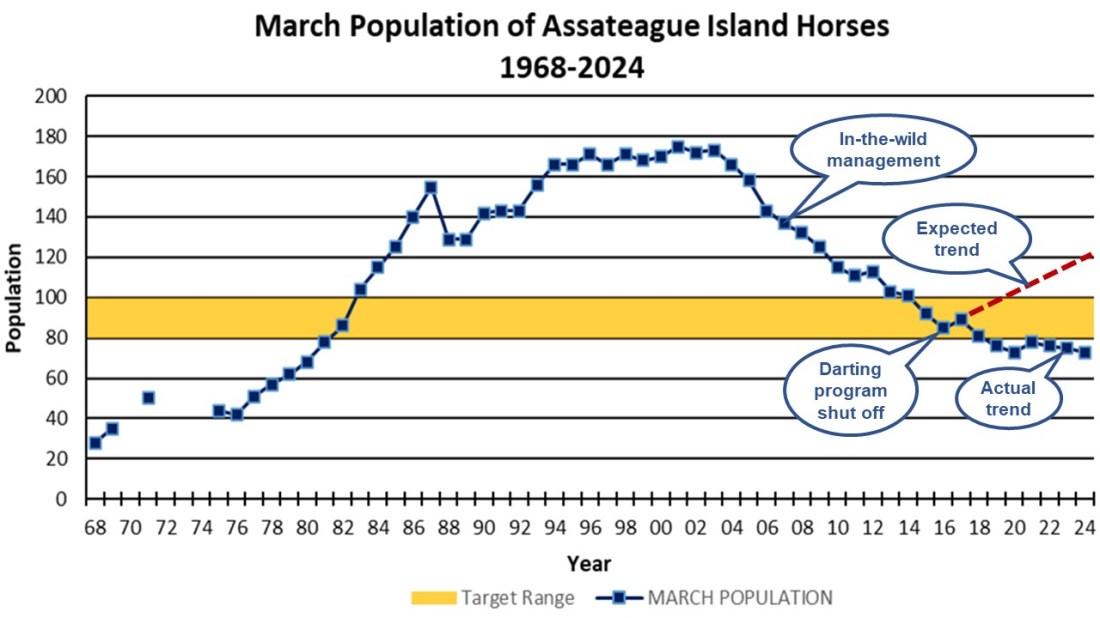
An undated report by the Park Service indicates the population in March was 73, including 30 stallions and 43 mares, down from 75 in March of last year and 76 in March 2022.

Ten deaths and eight births were recorded since the last report.

For years the advocates pointed to the herd as a model of wild horse management.

Now they’ve swept it under the rug because it contradicts their lies about PZP.

The herd exhibits characteristics for which the pesticide is famous:

  • Sterile mares
  • Abnormal sex ratio
  • Tiny breeding population
  • Increasing death rate
  • Irreversible decline

This is what the advocates want for all wild horse herds.

RELATED: No Growth for Assateague Herd in Latest Census.

Assateague Population Trend March 2024 Update 04-10-24

Challenge to SOWH Conferees

Get out of the classroom and see how many barren mares you can find on the Virginia Range.

Should be easy.

Last week the Campaign Against America’s Wild Horses, a leader in nonmotorized removal, reported that only eleven foals have been born this year to a population of nearly 3,500, thanks to them.

The herd is reaching the tipping point.

Although publicly CAAWH denies that PZP is a sterilant (refer to following video), its own literature states otherwise.

CAAWH Self Boosting Mares 04-07-24

Refer to the Advocatespeak Decoder for the meaning of “self-boost.”

The conference provides an opportunity for organizers and attendees to denounce the sterilization effort, which will spread to other areas once the bureaucrats and ranchers realize its finality.

Condemnation forthcoming?  Don’t bet on it.

RELATED: Backdrop for Saving Wild Horses Conference: Mass Sterilization.

Any Wild Horses to See 2024 Total Solar Eclipse?

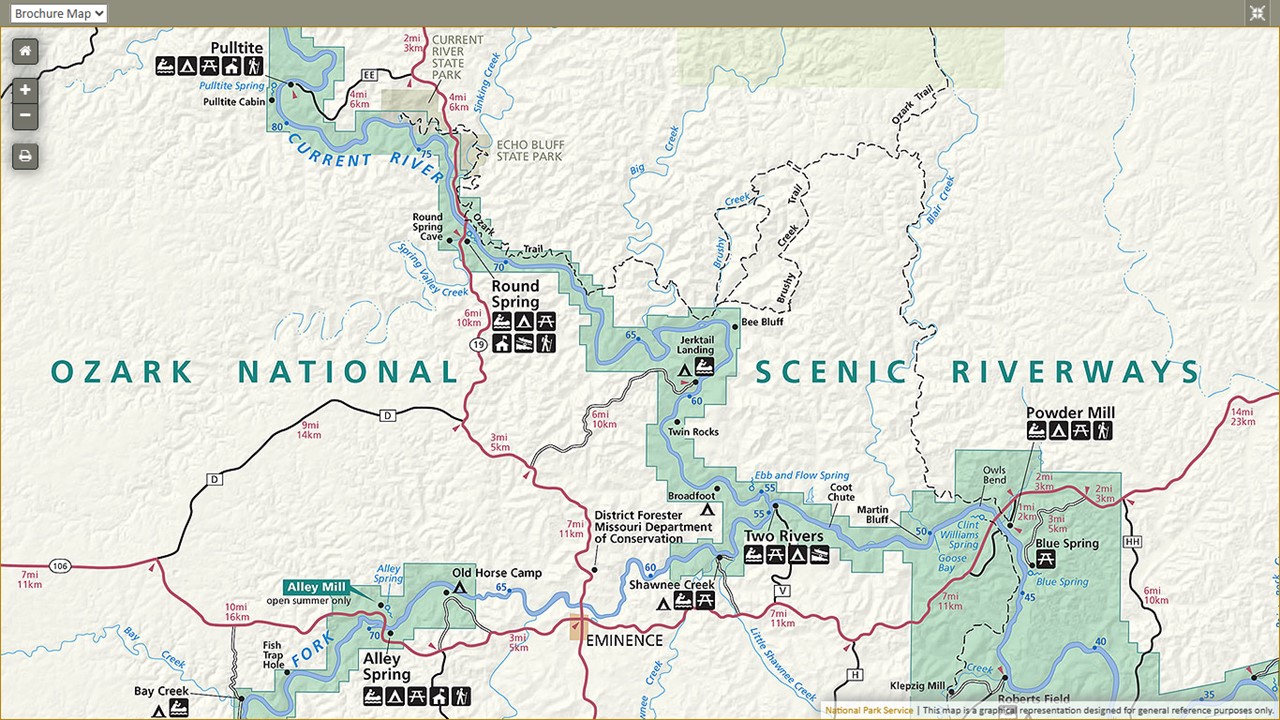
Not on the east coast and not out west but horses in the Ozark National Scenic Riverways will.

An article by the Park Service puts the town of Eminence in the zone of totality and with it most of the park.

The Pulltite Campground is on the western edge.  Click on image to open in new tab.

An interactive map by NASA shows the track across the U.S.  The event occurs April 8.

Ozark National Scenic Riverways 04-04-24

If Sourdough Was Managed Principally for Wild Horses

The AML would be 545 and the stocking rate would be 7.9 animals per thousand public acres.

The allotment, located southeast of Harper, OR, offers 6,538 active AUMs on 68,844 public acres, according to the Allotment Master Report.

The bureaucrats and ranchers tell us that public lands in the western U.S. can only support one wild horse per thousand acres (27,000 animals on 27 million acres).

The advocates give credence to the story with their darting programs.

If it was an HMA, the AML would be 70 and 475 horses would be consigned to off-range holding because of permitted grazing.

RELATED: The Allotments Tell the Story: They’re Lying, All of Them.

Sourdough Allotment 04-01-24