An administrative officer with The Wild Animal Sanctuary, parent of the refuge, told Western Horse Watchers that they were aware of the Taylor Grazing Act developments in Montana and the potential implications they could have in Colorado, but as of today there have been no issues or changes to their permits.
The May 8 news release did not mention that the final decision, and the agency’s new understanding of the meaning of livestock, arose from bureaucratic interpretation of the statutes, to pacify the crybabies in Phillips County, not the court’s.
He’s the Government Relations & Policy Director according to the staff directory.
He was with the Wild Horse Refuge but his bio at CAAWH is silent about that.
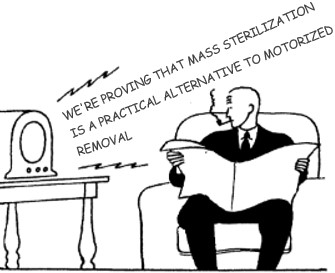
The Campaign Against America’s Wild Horses and its partner organizations lead the nation in mass sterilization, which they peddle as wild horse conservation.
Approaching the horses can cause dangerous habituation, according to a report by WCTI News, a condition that can ultimately lead to them being removed from the wild.
Apples and carrots are not part of their natural diet and can cause fatal choking or colic.
Not all of their advice is good.
Moving away if they approach you tells them they’re higher, a practice that may lead to more encounters and removal from the wild.
Who’s giving the orders and why are they being overly cautious about the herd?
The rangeland eugenicists, who routinely got as close as they could to the mares to pummel them with pesticide-laced darts.
It’s still not clear if the program was halted soon enough to allow the birth rate to rise above the death rate and stay there, avoiding slow but certain demise.
The owners have been charged for allowing livestock to run at large and for failing to cooperate with recovery efforts according to an update from WSOC News.
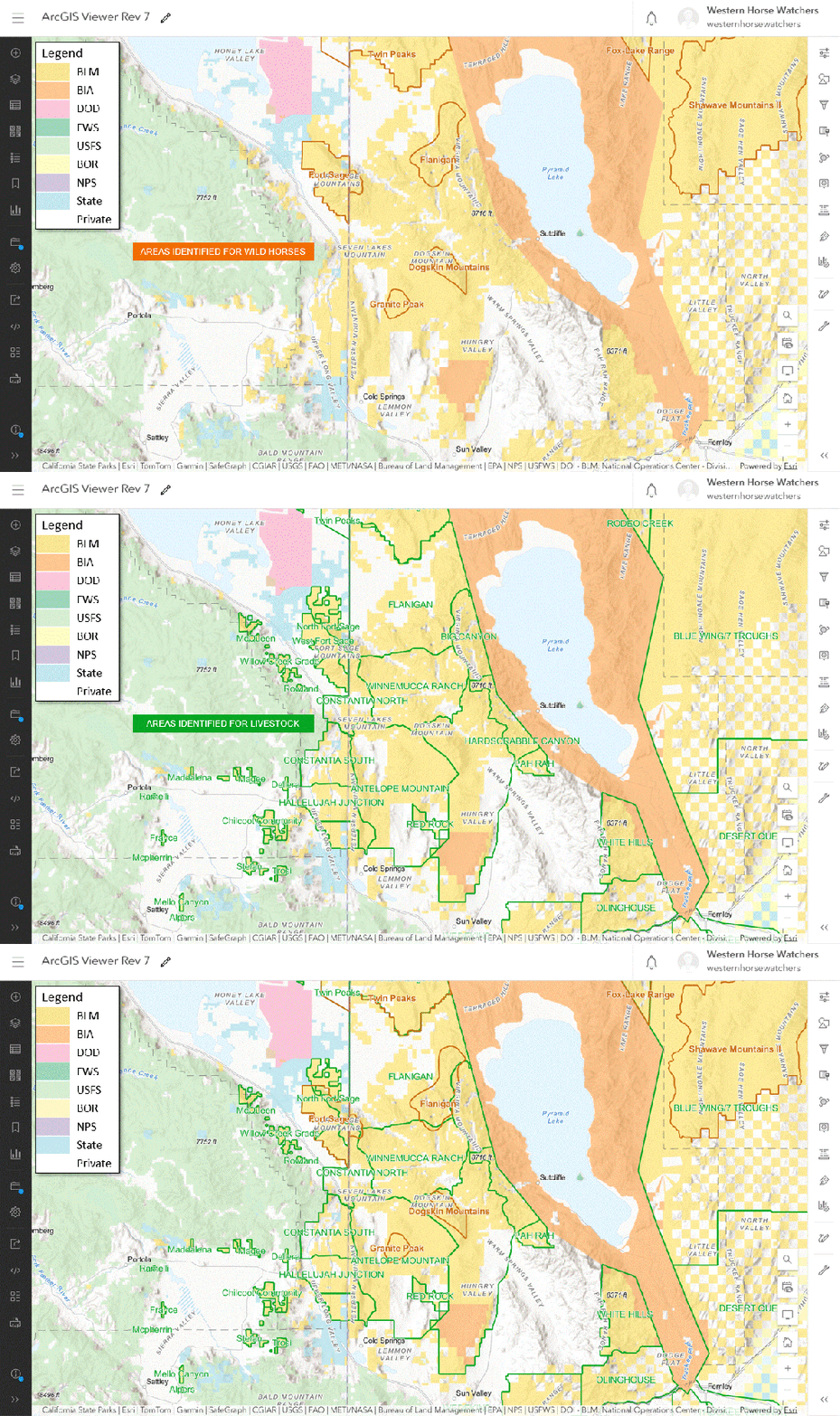
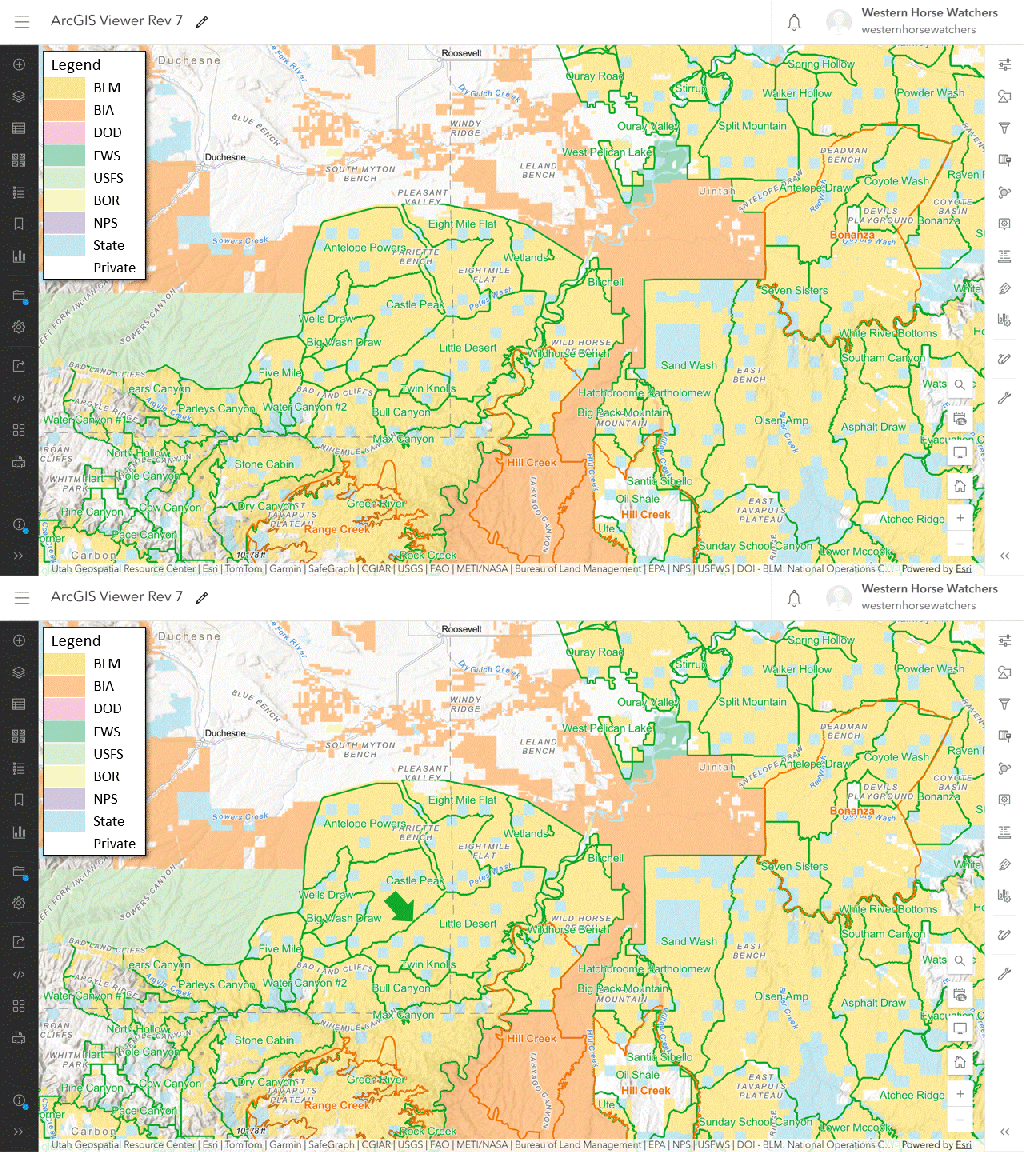
The parcel doesn’t overlap any areas identified for wild horses but it’s close to the Hill Creek HA and the vacant allotments in Uintah County.
The BLM recently approved the installation of an underground water storage tank and associated trough according to yesterday’s news release.
The CX and DR were copied to the project folder in ePlanning.
The allotment master report puts it in the Improve category, suggesting that your stewards of the public lands are not taking their responsibilities seriously.
On the bright side, approximately 33% of the permitted use has been moved to the suspended column to help the land recover.
The allotment offers 2,003 active AUMs on 43,370 public acres, equivalent to 3.8 wild horses per thousand public acres.
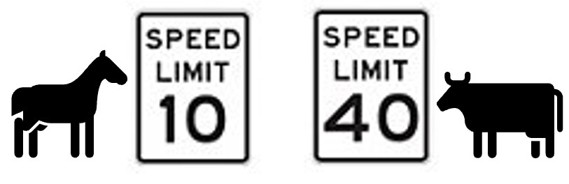
Your faithful public servants claim that public lands in the western U.S. can only support one wild horse per thousand acres, and that rangeland health will suffer if the stocking rate exceeds that value.
Yet in Little Desert, the authorized stocking rate is almost four times higher, even after changes were made to reduce grazing pressure.
The double standard for rangeland health.
If all of the AUMs were in the active column, the equivalent stocking rate would be 5.7 wild horses per thousand acres.
A story by Phoenix New Times says a strike-everything amendment would place a three-year moratorium on wild horse removals from the Lower Salt River while researchers conduct a genetic viability study examining how many animals are needed to maintain a healthy breeding population.
The bill cleared the Arizona Senate in February and has been taken up by the House, where legislators have proposed several amendments.
The House engrossed version states that the population was 273 as of March 28, with a negative growth rate due to a successful fertility control program—which has evolved into a mass sterilization program because it has exceeded the window of reversibility.
Simone Netherlands, instigator of the program, thinks the state is pushing the herd toward long-term genetic collapse.
But it’s a fait accompli—she and her field workers have already done it.
You cannot maintain genetic diversity when the birth rate and breeding population are essentially zero and will stay at zero because the mares have been ruined by fertility control pesticides.
The article noted that the bill, if approved by the House, will have to go back to the Senate for ratification of amendments.
Steve Cohen, who represented Tennessee’s ninth congressional district for almost 20 years, will retire at the end of the term according to a report by The Hill.
Here he speaks about the PZP amendment, an attachment to a FY21 spending bill.