
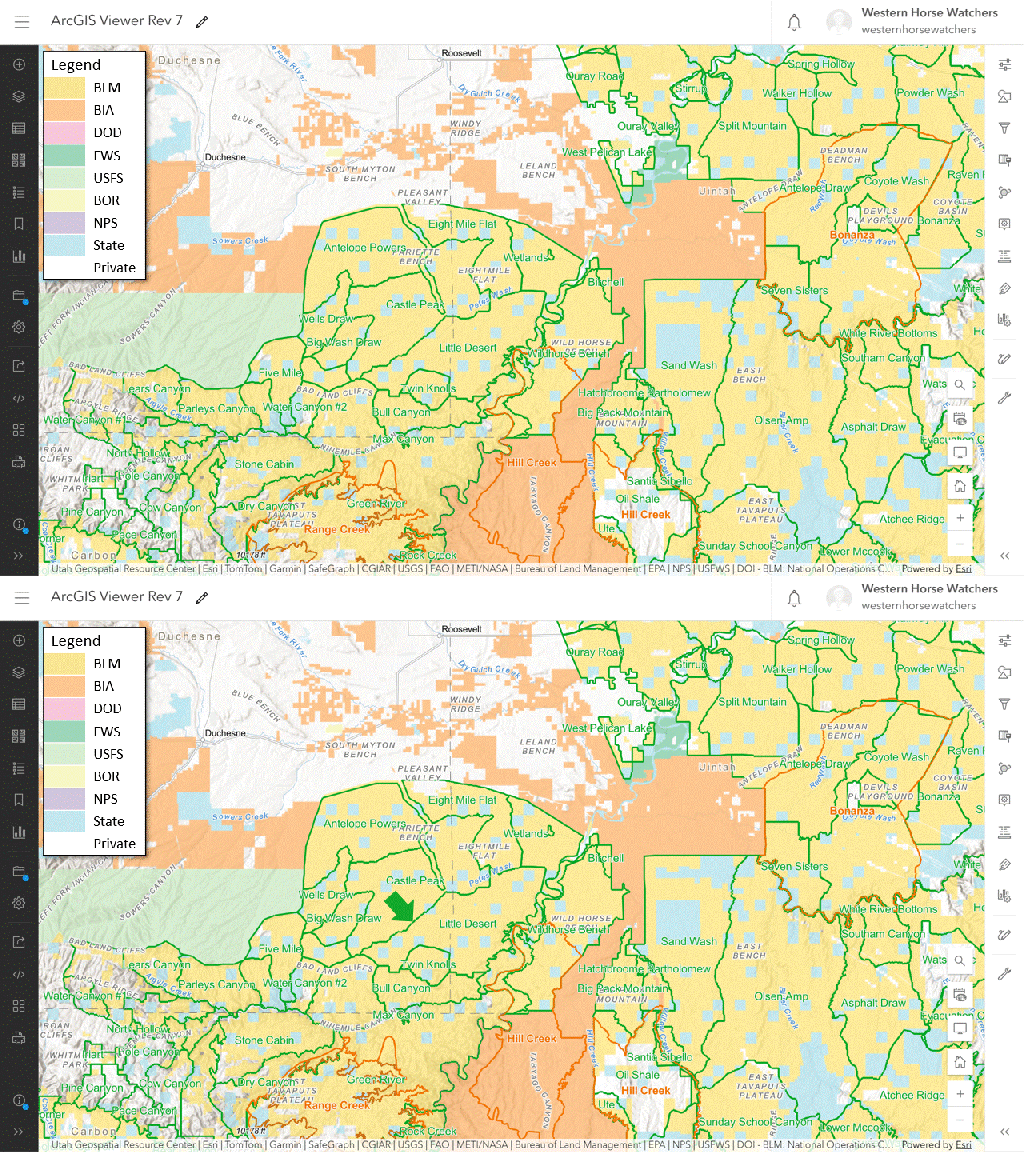
The parcel doesn’t overlap any areas identified for wild horses but it’s close to the Hill Creek HA and the vacant allotments in Uintah County.
The BLM recently approved the installation of an underground water storage tank and associated trough according to yesterday’s news release.
The CX and DR were copied to the project folder in ePlanning.
The allotment master report puts it in the Improve category, suggesting that your stewards of the public lands are not taking their responsibilities seriously.
On the bright side, approximately 33% of the permitted use has been moved to the suspended column to help the land recover.
The allotment offers 2,003 active AUMs on 43,370 public acres, equivalent to 3.8 wild horses per thousand public acres.
Your faithful public servants claim that public lands in the western U.S. can only support one wild horse per thousand acres, and that rangeland health will suffer if the stocking rate exceeds that value.
Yet in Little Desert, the authorized stocking rate is almost four times higher, even after changes were made to reduce grazing pressure.
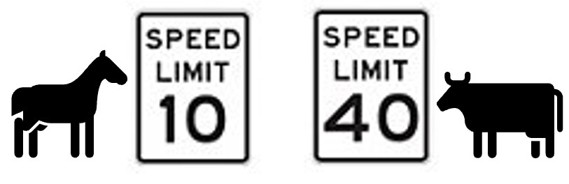
If all of the AUMs were in the active column, the equivalent stocking rate would be 5.7 wild horses per thousand acres.
RELATED: The Allotments Tell the Story: They’re Lying, All of Them.
► Get the truth about wild horses and the wild horse advocates at westernhorsewatchers.com.
 Western Horse Watchers Association