2018 WSHE – Mustang Auction

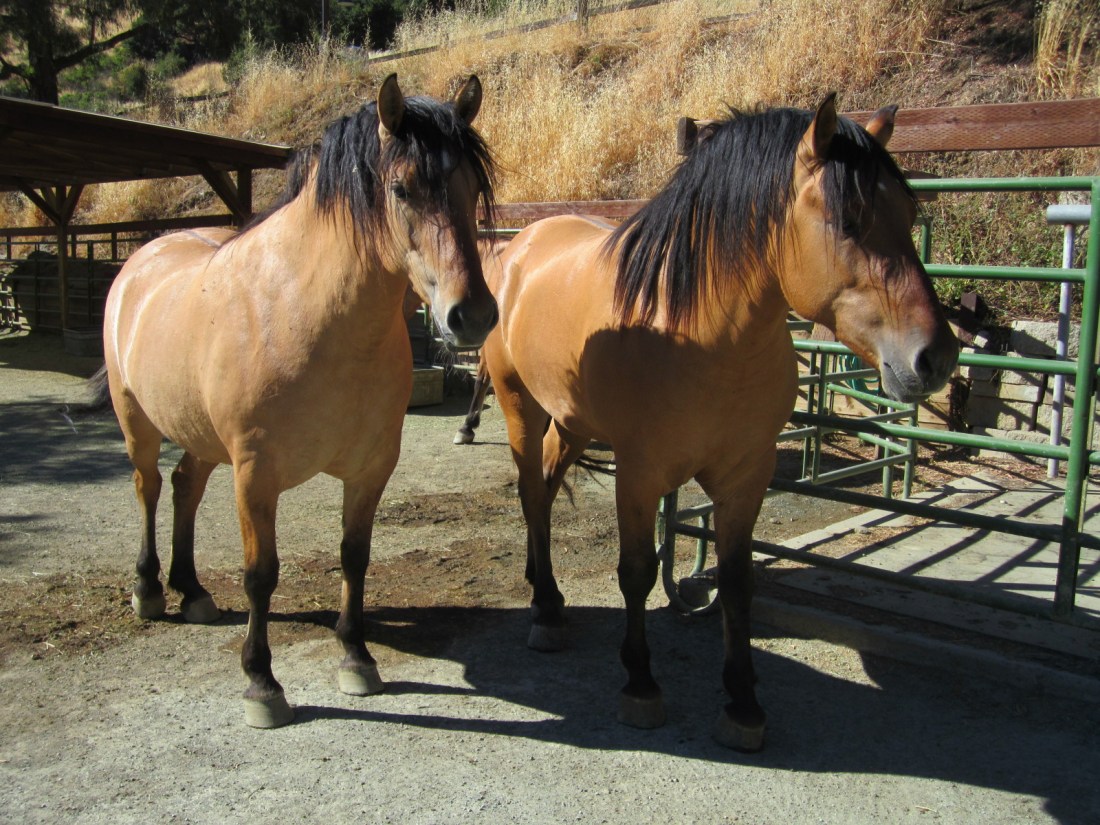
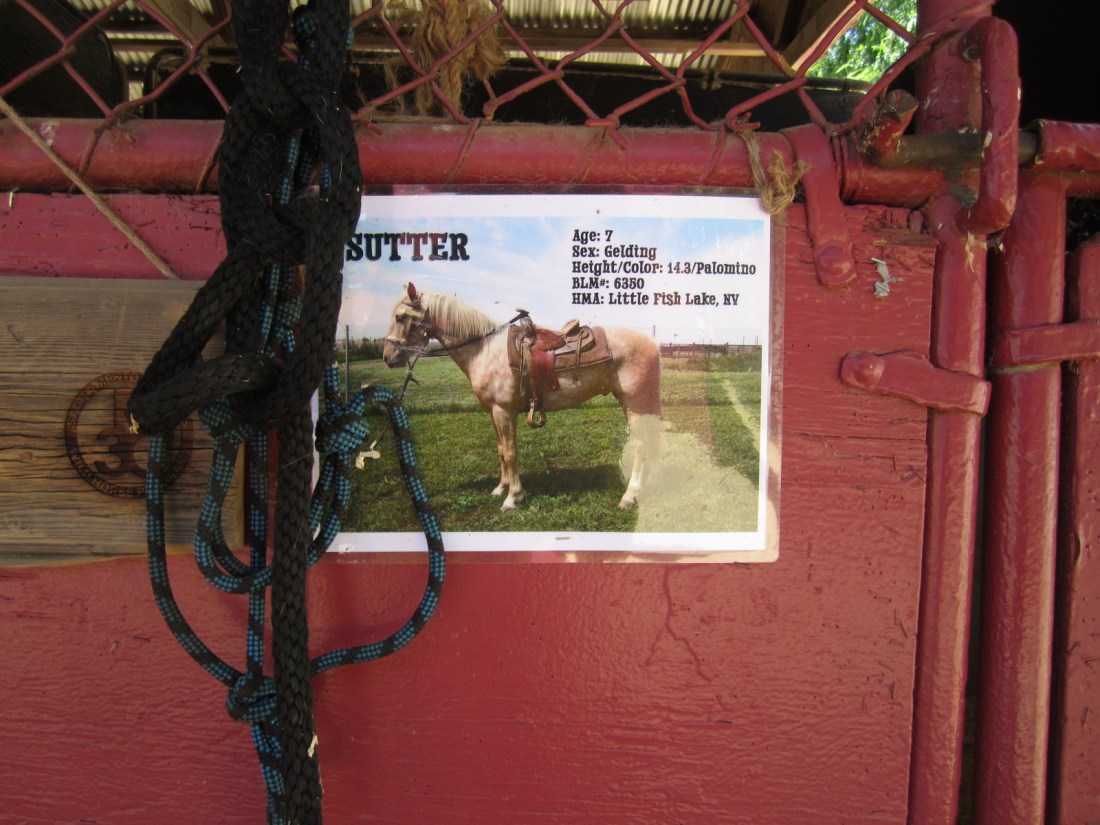
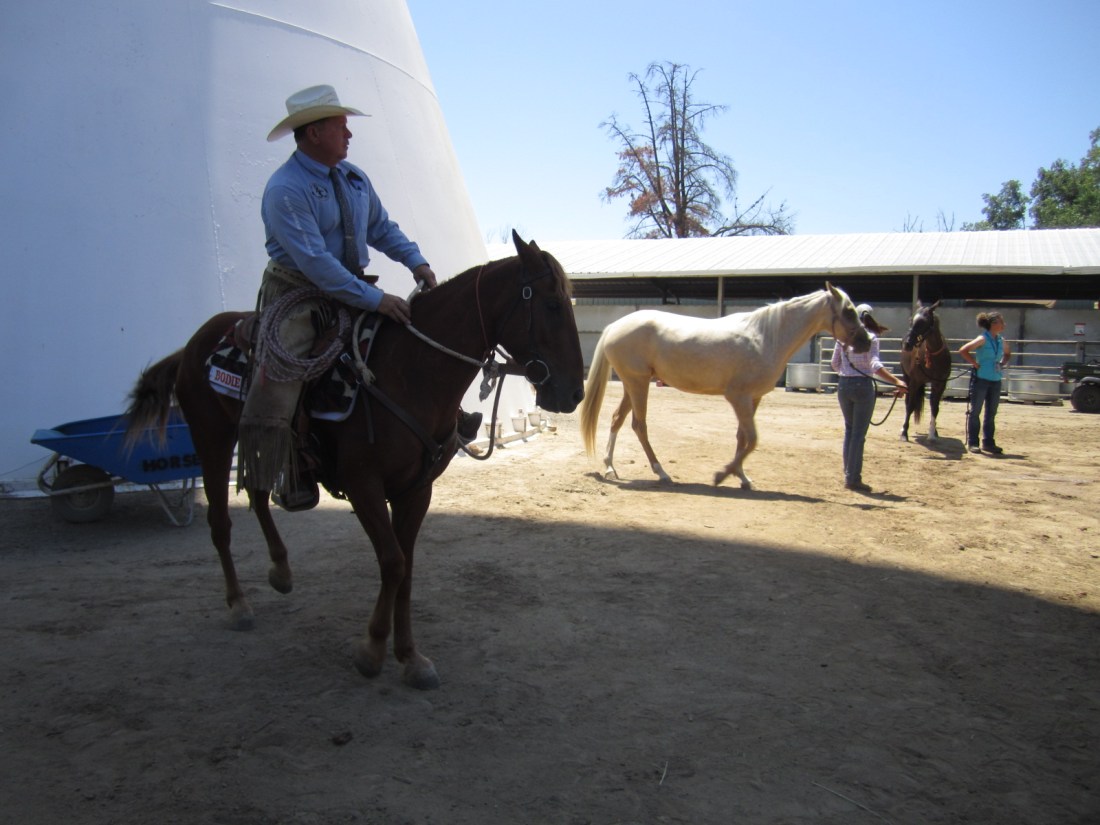
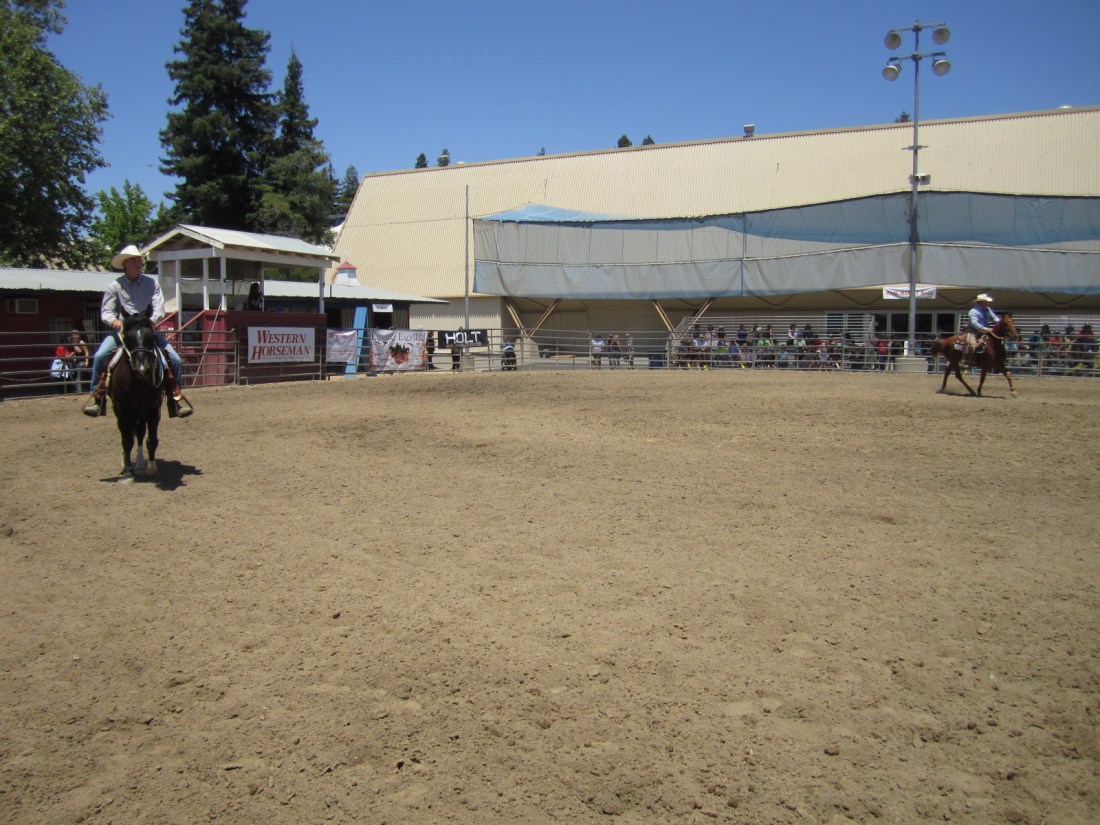
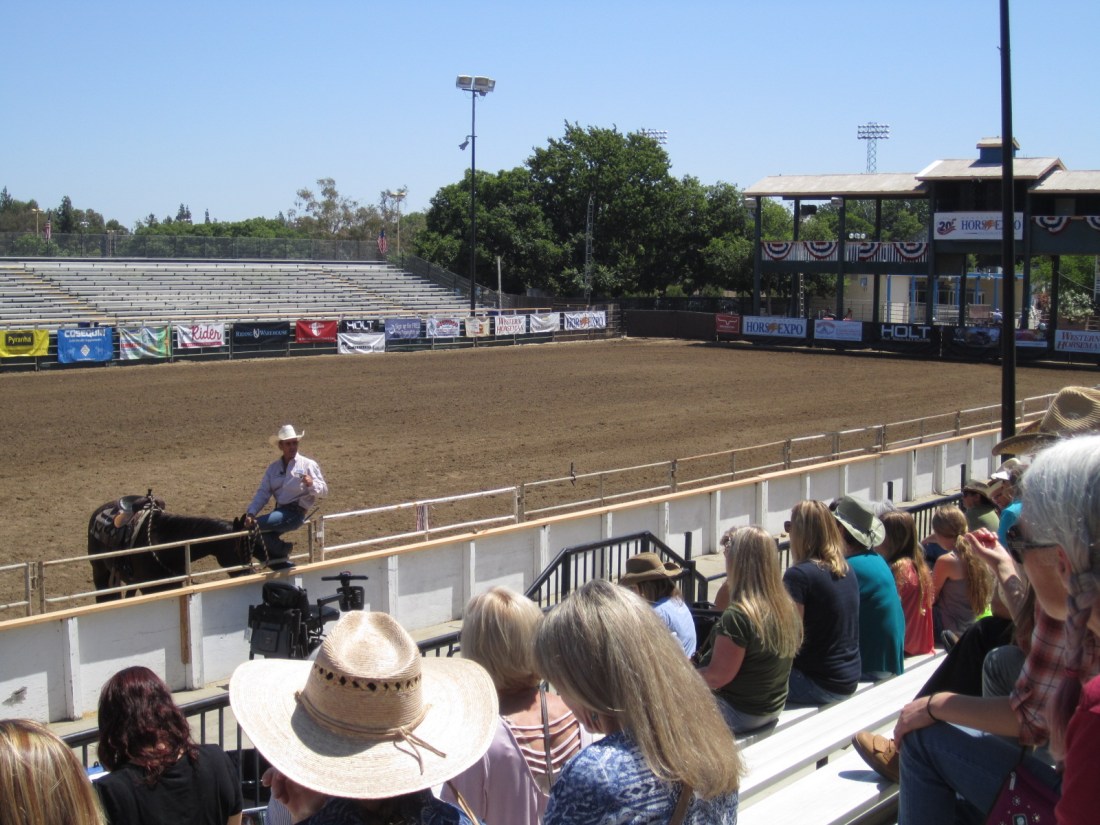
Video of auction of BLM mustangs at 2018 Western States Horse Expo.  Where else are you going to get a saddle-started horse for $300?  On the other hand, the purchase price will seem small compared to the amount you’ll spend over his life.  Not to mention all the work…

You can also get inmate-trained mustangs through the Northern Nevada Correctional Center partnership with the BLM.  You can read about the last adoption here.  Next one set for 10/20/18.

If the video does not load, you can view it here.  H/T Friends of R3C.

All About Equine Animal Rescue

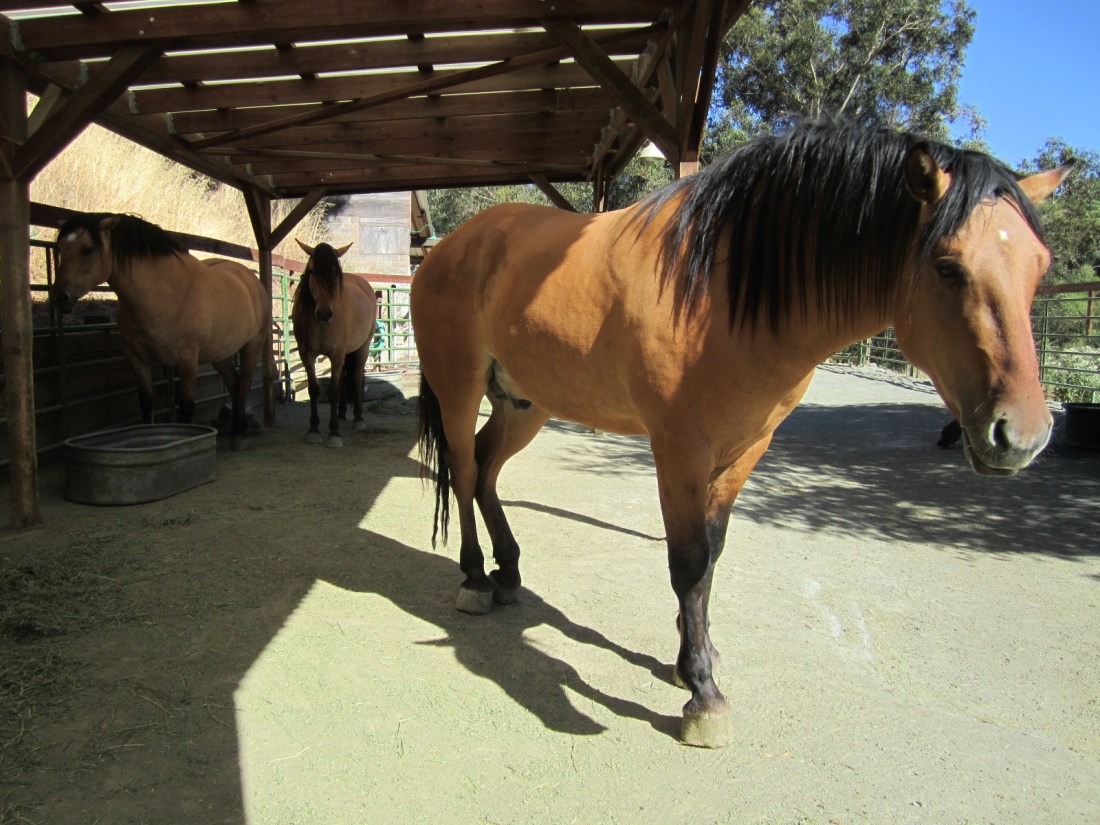
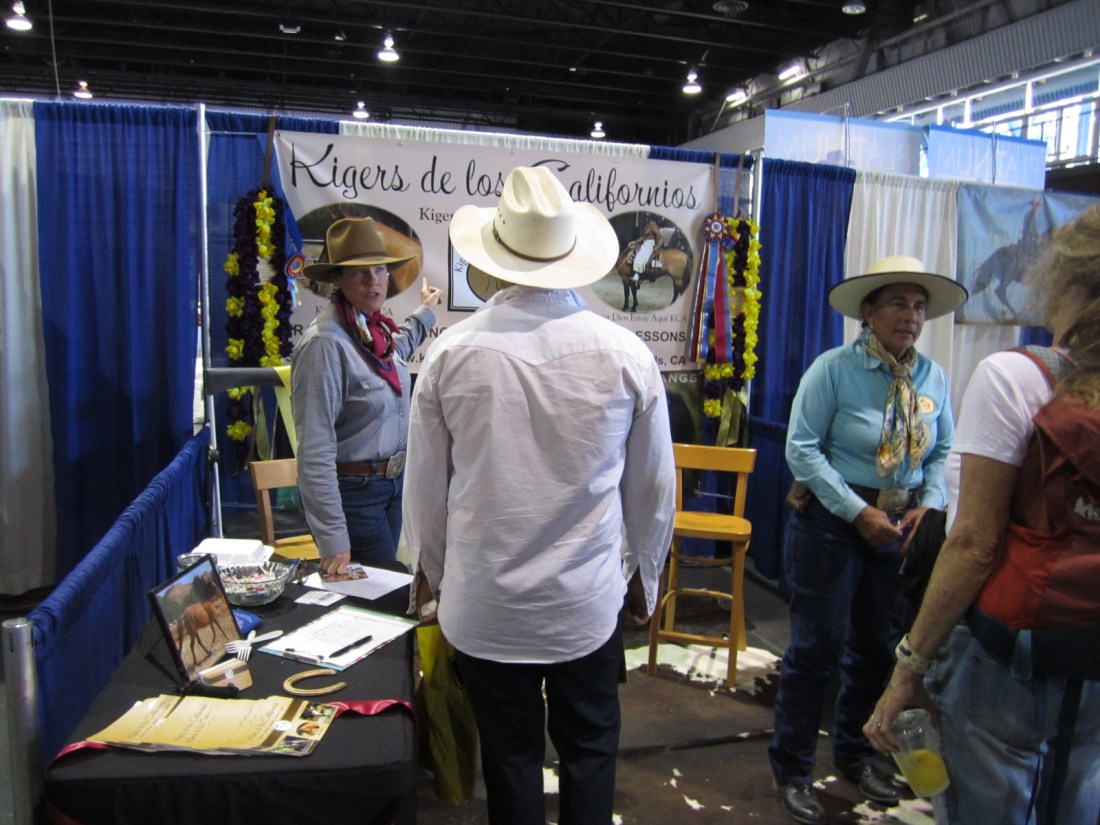
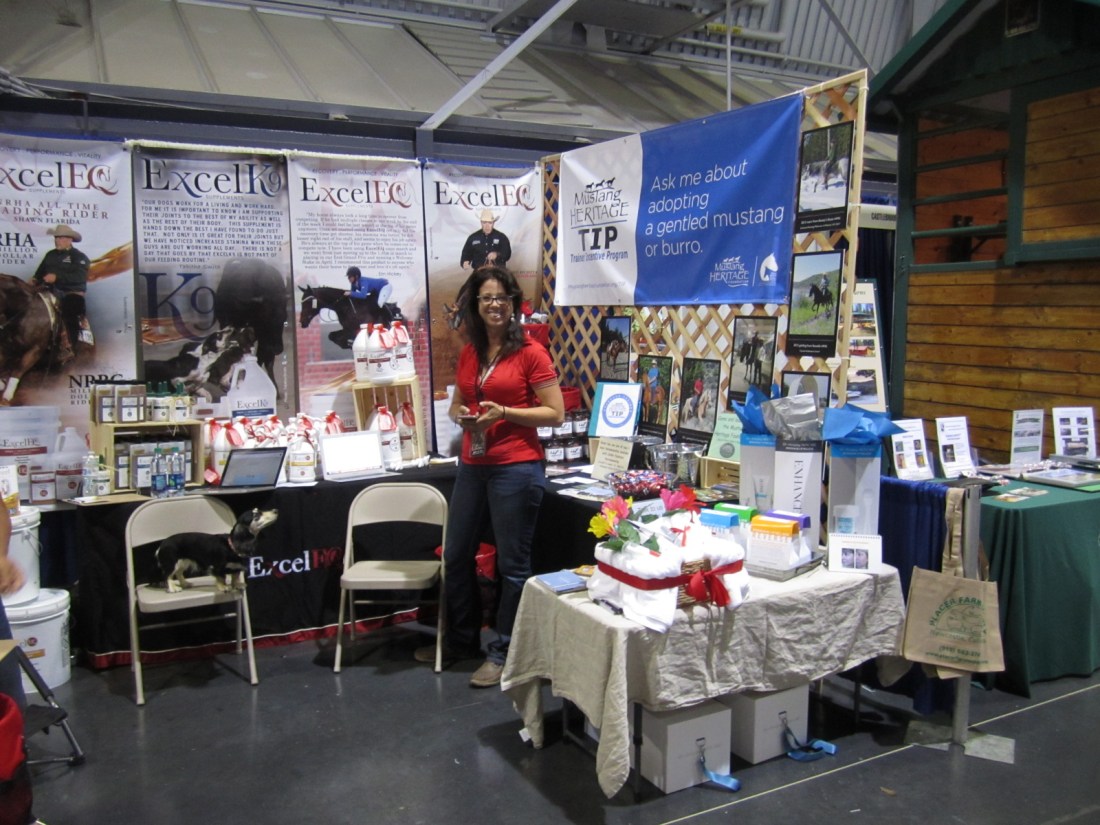
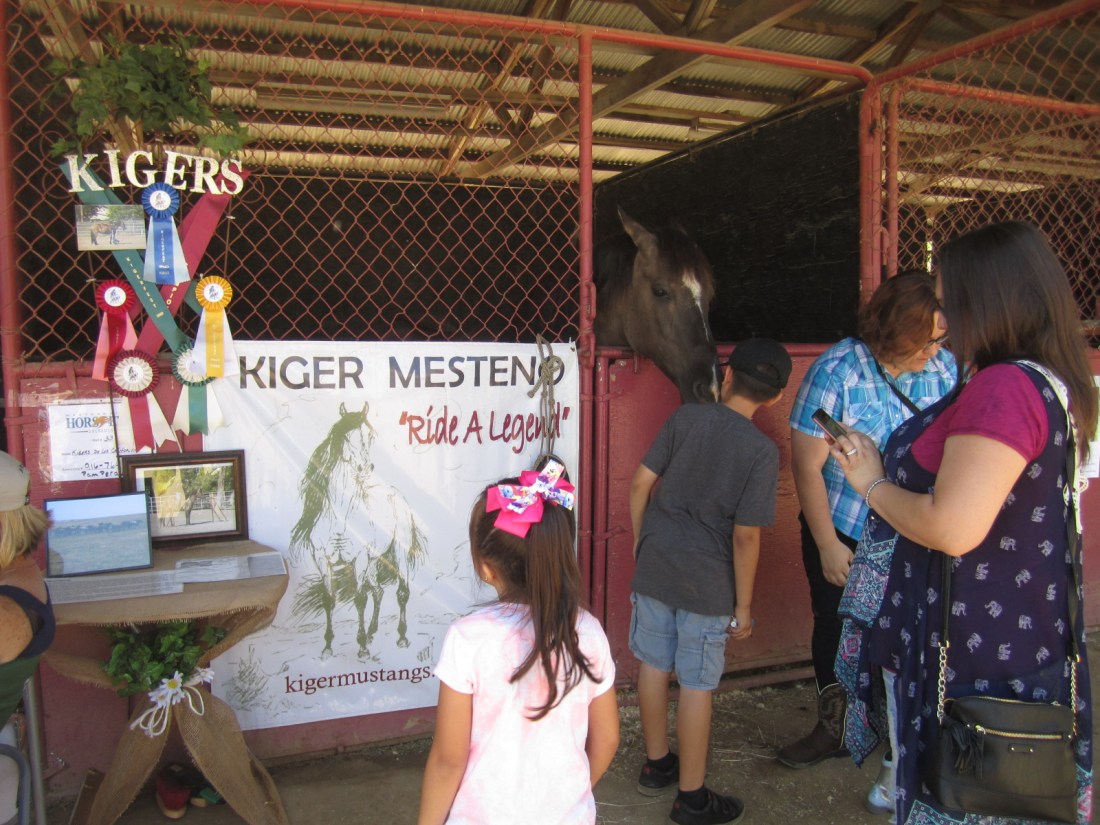
Six of the Hallelujah Horses were placed with this organization last year, and are now at their ranch in El Dorado Hills, CA.  They appear in the ‘Under Evaluation’ section of their adoption page as Kix, Bentley, Hank, Denver, Outlaw and Toby.

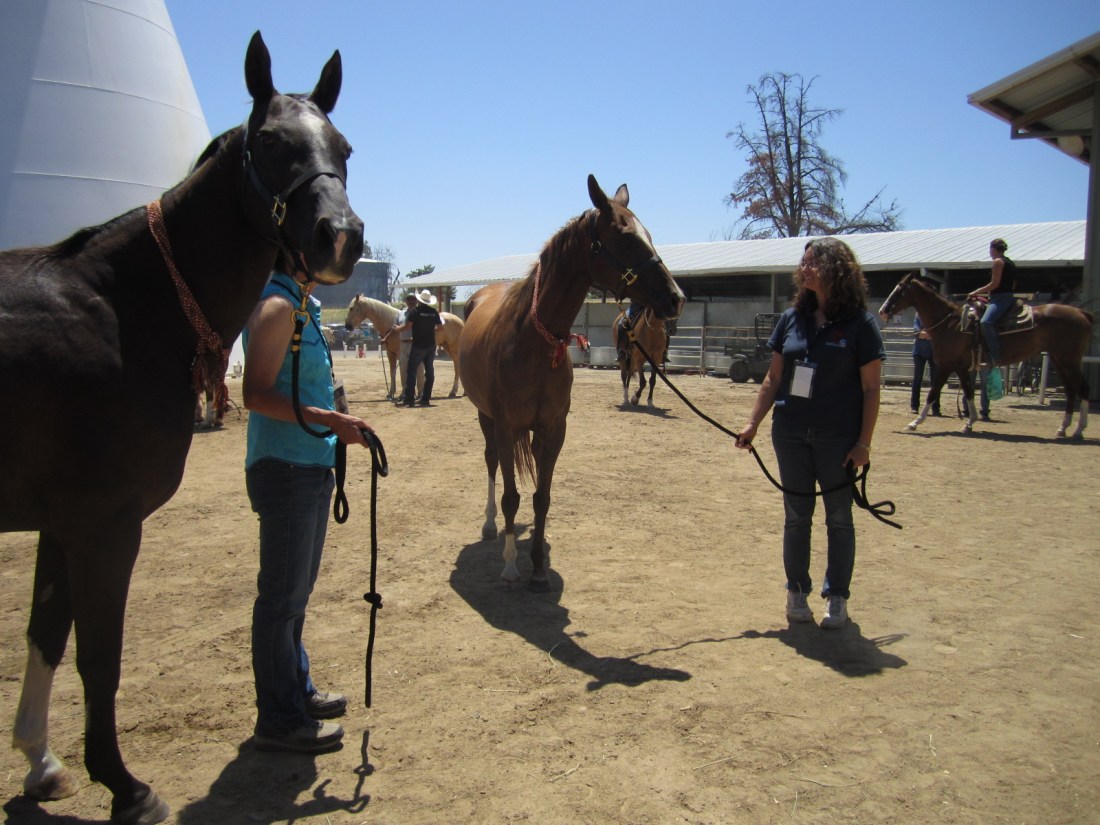
Photo below from the All About Equine exhibit at the 2018 Western States Horse Expo.

As for the ISPMB rescue, it’s Mission Complete!  The original FB page is still active and individuals are now sharing the stories of their adopted horses.

RELATED: ISPMB Update from December 2017.

IMG_5834

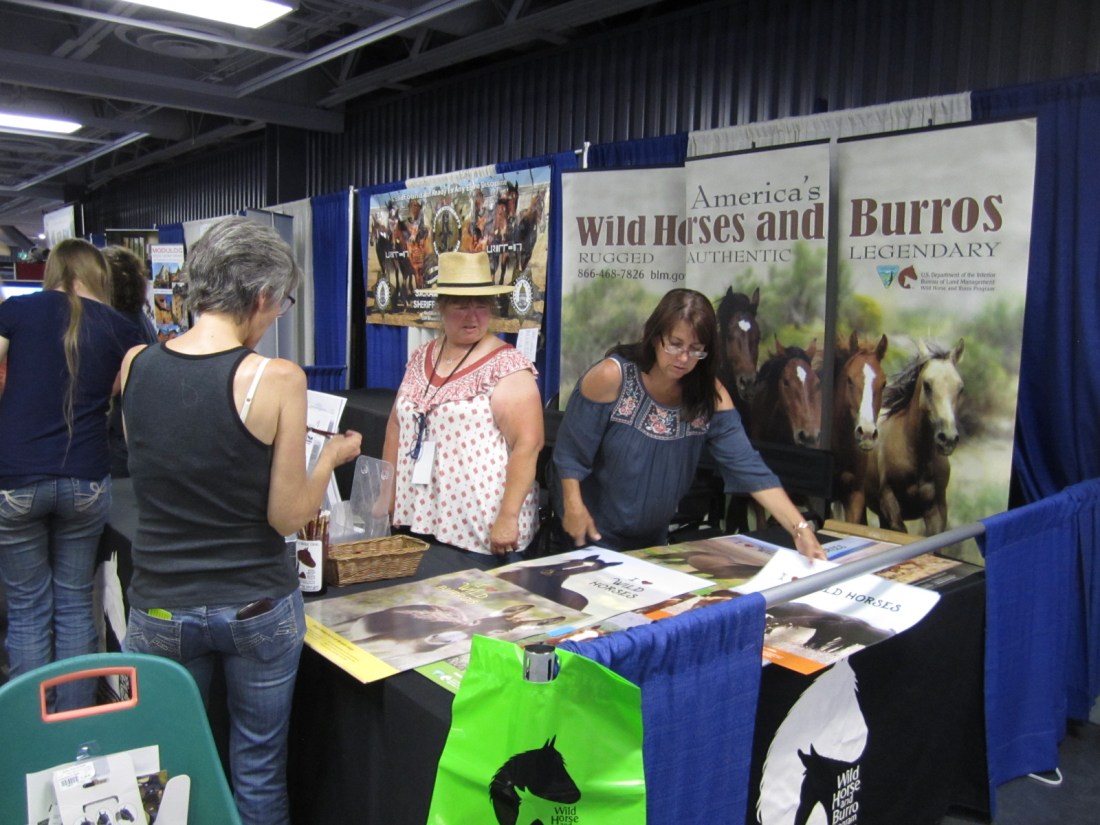
2018 WSHE – BLM Mustangs

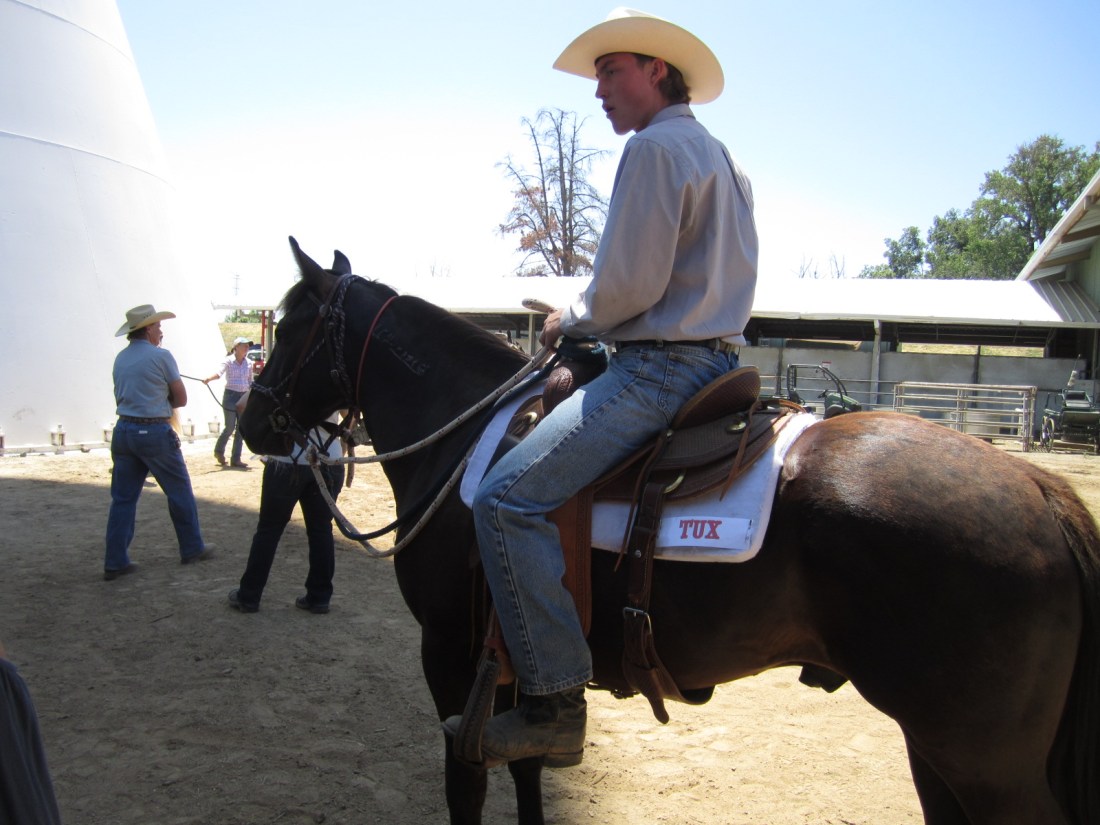
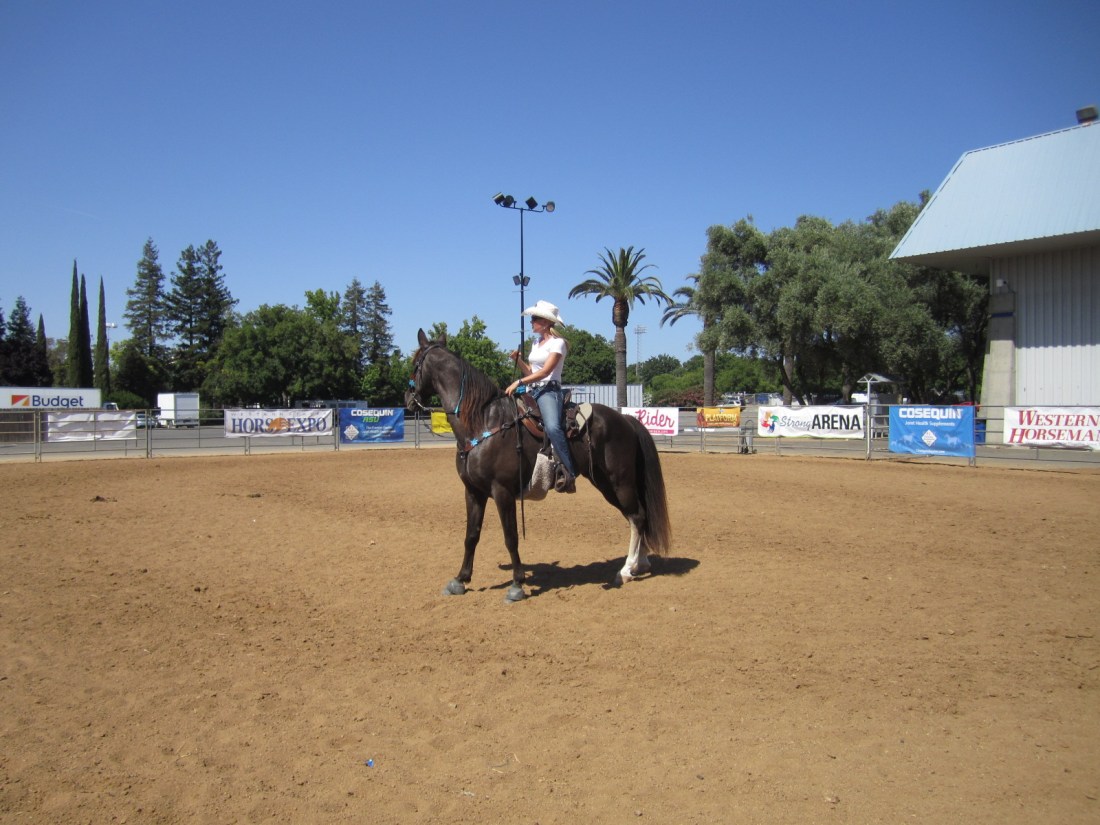
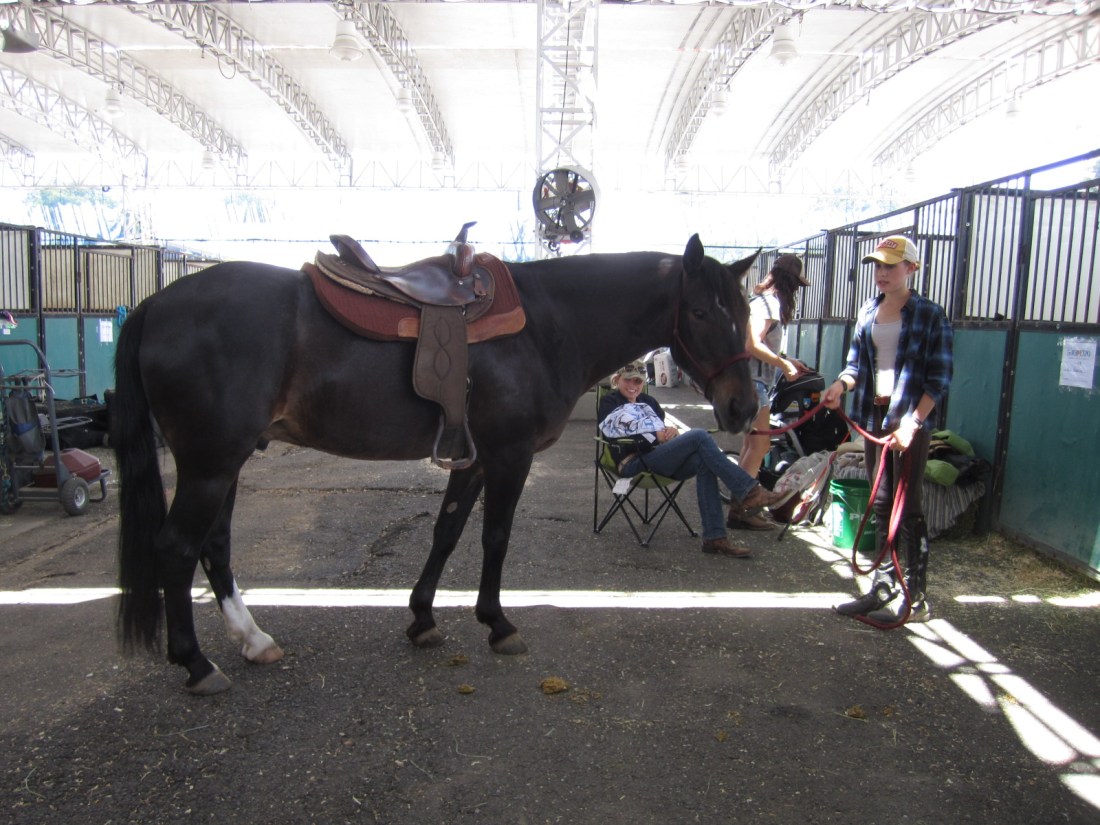
This year’s Western States Horse Expo featured four saddle-ready mustangs.  They were trained by inmates at the Rio Cosumnes Correctional Center in Elk Grove, CA, and ridden by staff of the Sacramento County Sheriff’s Wild Horse Program.

Photos taken on opening day, 06/08/18.  Adoption took place on 06/10/18, results appear at the Friends of R3C adoption page.

IMG_5623

IMG_5618

IMG_5637

IMG_5641

IMG_5676

IMG_5772

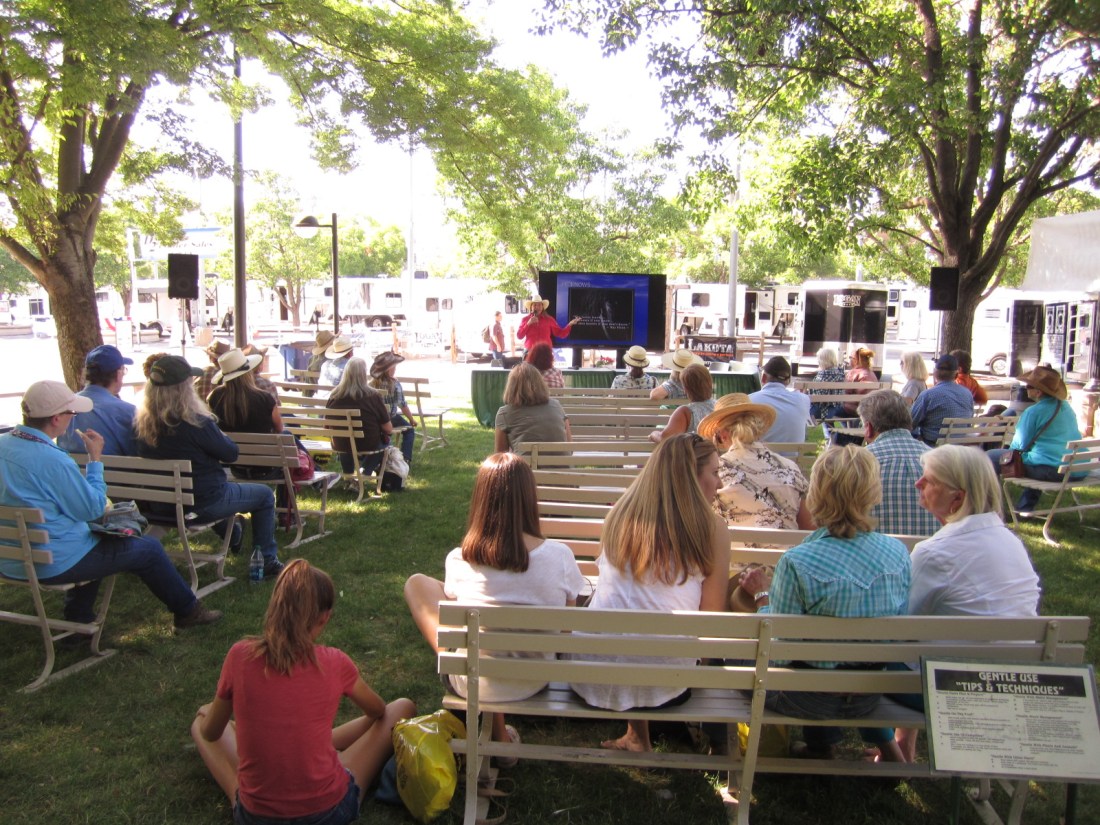
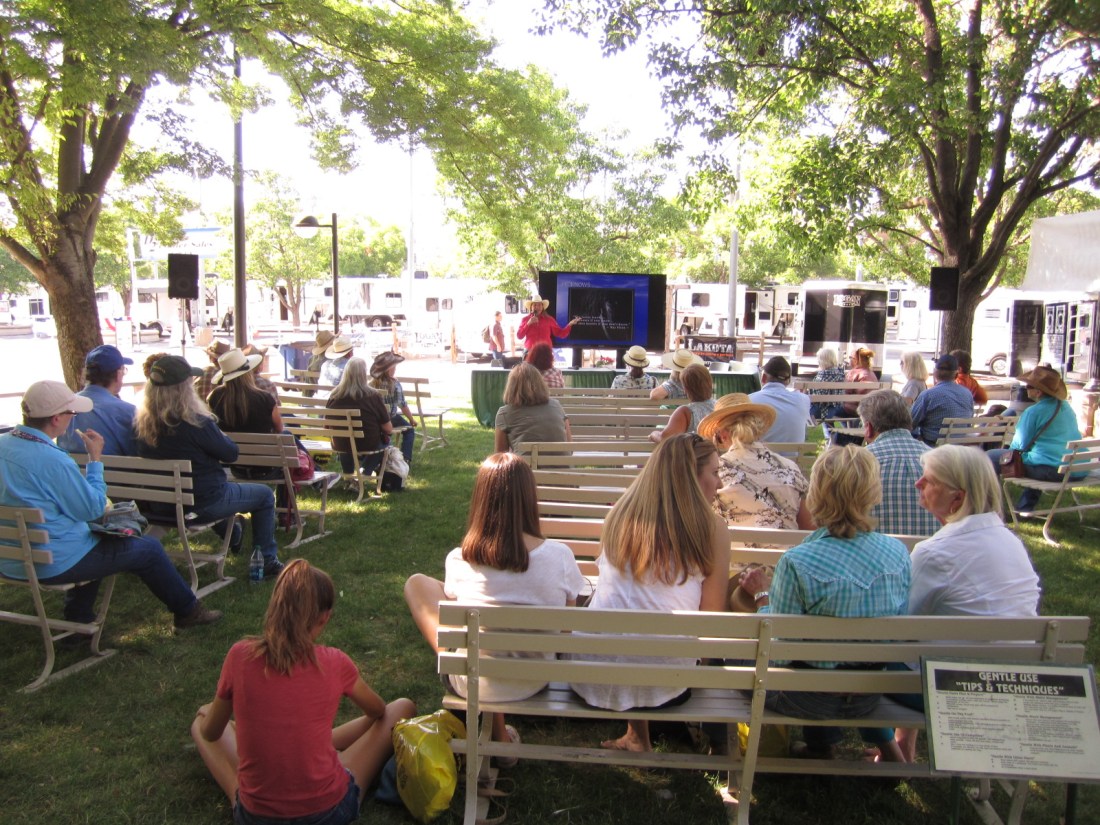
2018 WSHE – Clinicians

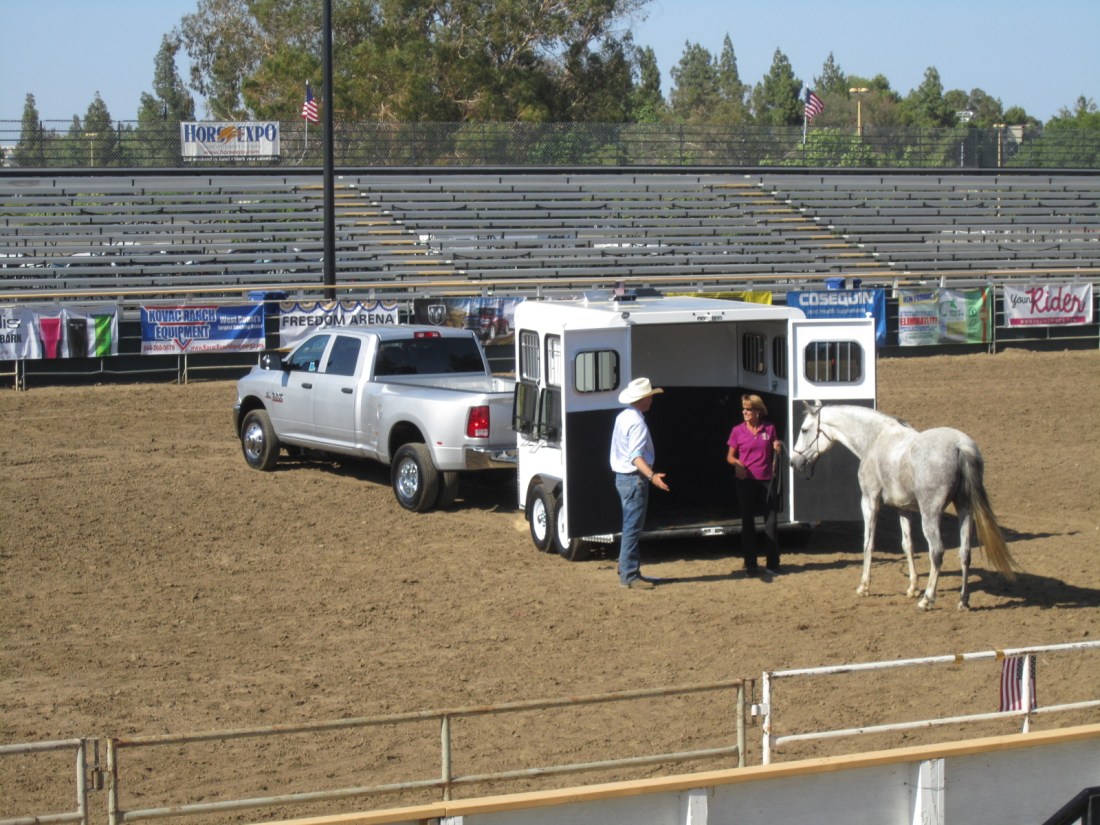
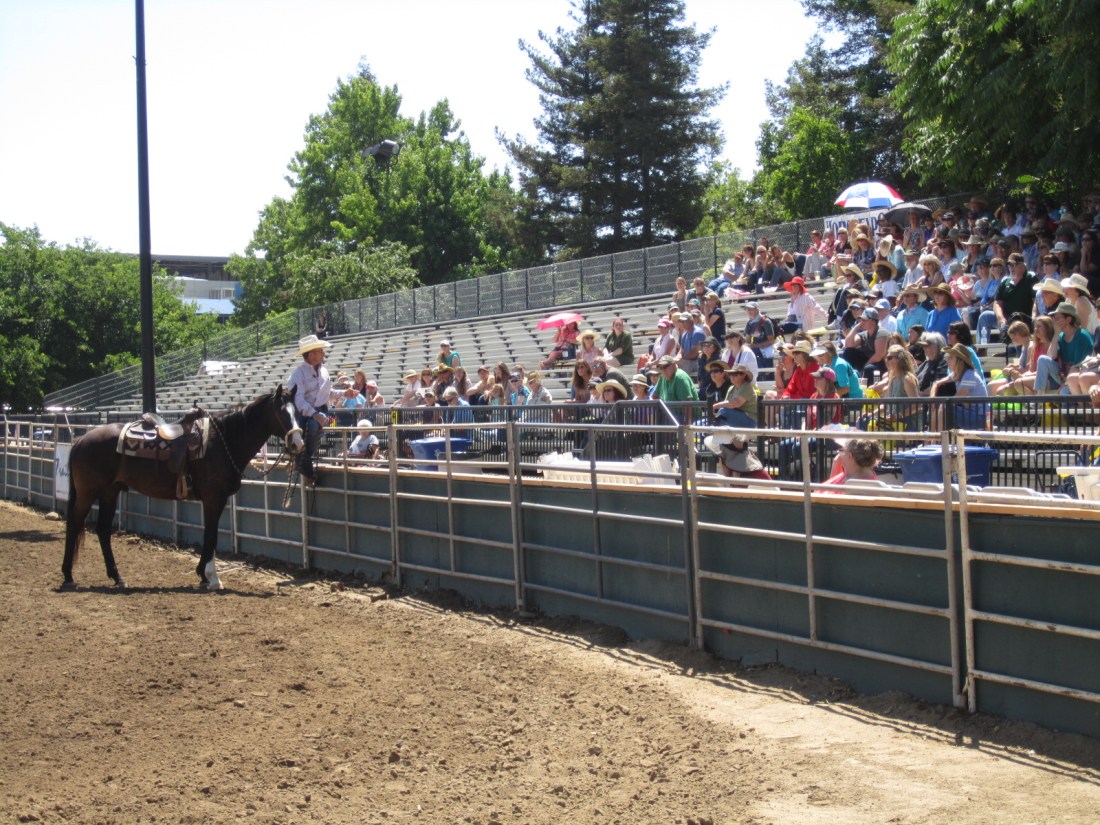
Photos from Opening Day of the Western States Horse Expo, 06/08/18.

Warwick Schiller, speaking about unwanted horse behaviors.

IMG_5594

Curt Pate on how to start a young horse.  Seen here riding with one rein.

IMG_5796

Gaye DeRusso shares her knowledge of gaited horses.

IMG_5813

Heidi McLaughlin, speaking about rider confidence.

IMG_5849

Jonathan Field on trailer loading.

IMG_5861

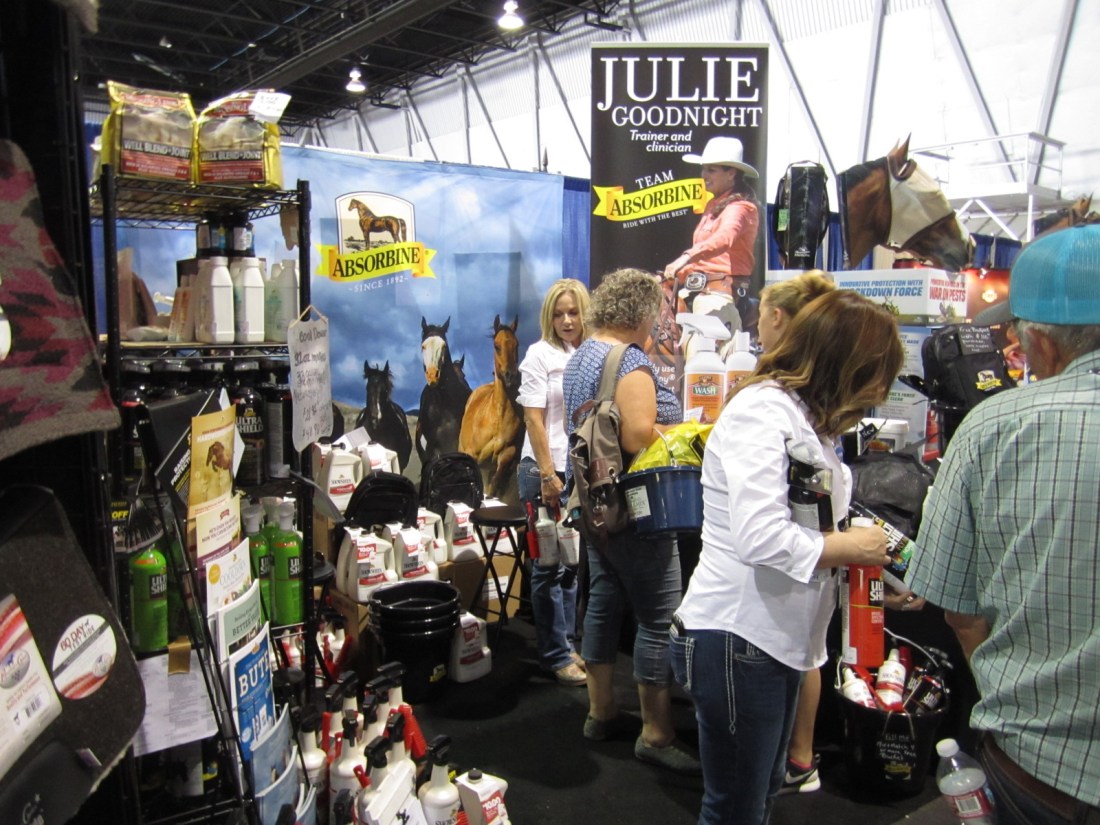
Julie Goodnight, discussing communication and social behaviors of horses.

IMG_5868

Waste Management

Here are the results of cleaning operations on 06/03/18.  Exhibit 1, from a corral containing three horses, 24 hours since last cleaning:
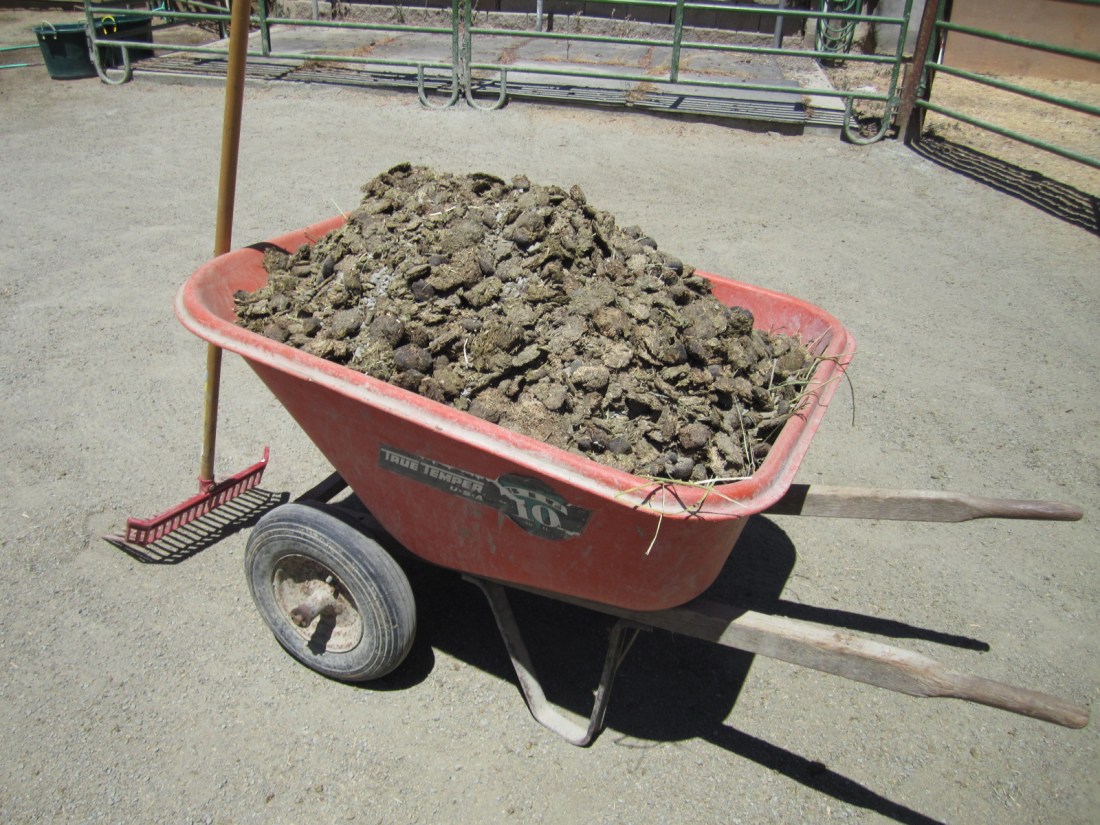
IMG_5493

Next, Exhibit 2, from a corral also containing three horses, 24 hours since last cleaning:
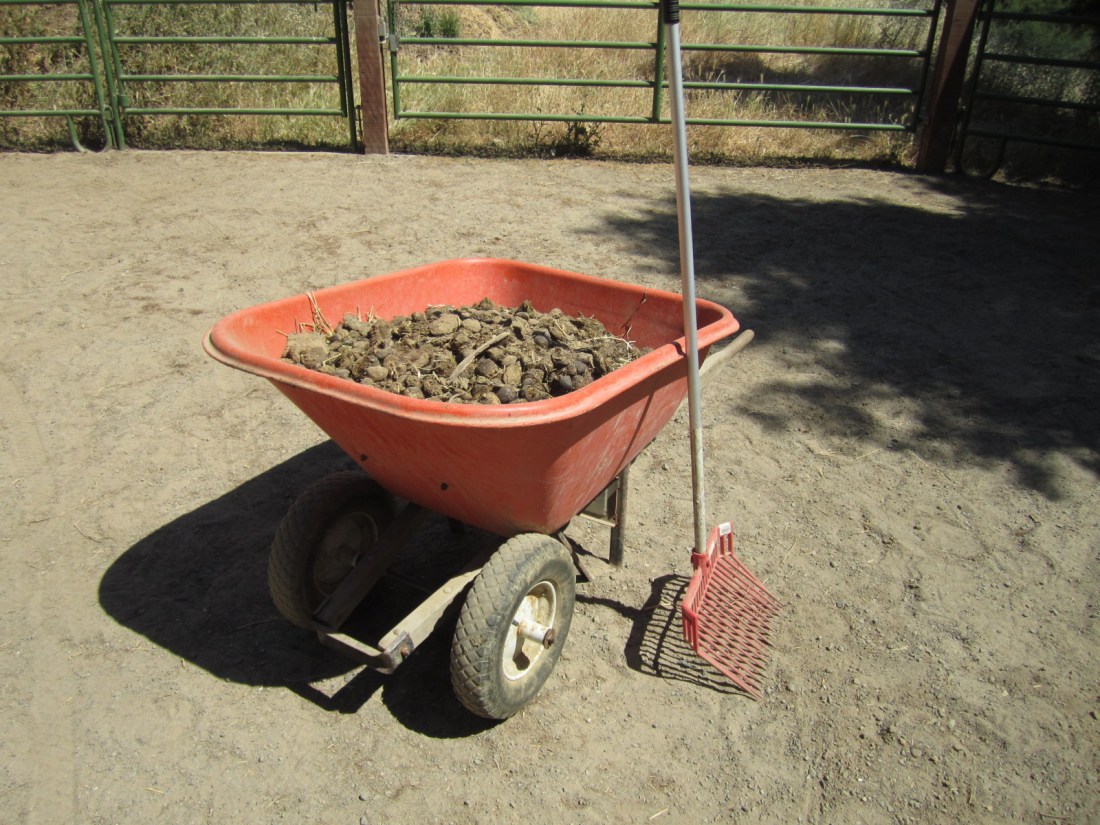
IMG_5527

Both wheelbarrows hold ten cubic feet.  Some days you have a bit more, some days you have a bit less.  Based on these results, your average horse generates about three cubic feet of waste materials per day (poop and uneaten hay).

After a few years, you’ll have quite a pile.  You’re going to need a tractor to work it.

Don’t forget spare rakes and/or rake heads.  A rake with one or more missing tines is a productivity killer when you’re scooping poop, but can be used well enough in the barn for cleaning up spilled hay.

Rakes with metal handles, seen in the second photo, are fine in the summer but they draw the heat out of your hands in the winter.  Wood is better.

Working Their Own Land

One of the most respectable professions out there.  WTWT.  About 44 minutes.  Video owner does not allow embedding.  From the 2010 TV series Last American Cowboy.

No government serfs here.  Nobody trying to graze cattle on public rangelands at fire-sale prices*, especially the areas set aside for wild horses in burros in 1971.

Do not let the U.S. become a nation of renters, tenants and sharecroppers.

*$1.41 per cow/calf pair per month in 2018

Rural Water Systems – Testing

Your water treating supplier can give you test strips to monitor the hardness of water from your well and downstream of the treatment system.  In the example below, there is no green tint, no orange tint, so the hardness is around seven grains per gallon.  Photo was taken about an hour after the test so the indicator may have faded.

Your supplier may also have kits that measure other properties of your water, such as pH, hardness and alkalinity.  If not, try a pool equipment vendor.  The kit may also test for chlorine, which typically is not present in rural water systems.
The addition of chlorine or bleach to water creates hypochlorous acid, among other things, which kills bacteria.  If you have a pool at your ranch or other body of water you’re trying to disinfect, it’s important to keep the pH between seven and eight so the HA can do it’s job.

Look at a bottle of Vetericyn, a common treatment for wounds in the horse world.  The active ingredient is hypochlorous acid.

IMG_5479

Rural Water Systems – Electrical

The last step in installing a pump in your well is to connect it to the water and power systems.

In the photo below, black poly tubing brings water into the pump house, transitioning to white PVC pipe inside the wall.  It connects to the water system at the pressure switch, the small grey box above the PVC pipe with corrugated metal conduits on either side.

The wall-mounted box with orange label is the controller for the pump.  To the left is a smaller box that monitors for dead-heading and dry-running.

The colored wires going into the slab provide power to the pump, 480 feet down.

The grey panel near the door provides power to all circuits in the pump house.  The receptacle at the lower left of the panel lets you plug in your portable compressor, in case the air in the pressure tanks needs to be topped off.

Now you have water to the surface!  You’ll want to cycle the system several times to flush out any turbidity (cloudiness).  Connect a hose to the drain valve on one of your pressure tanks and let the water run out until the pump comes on (40 psi).  When the pump shuts off (60 psi), open the valve and drain the tank(s) again.  Repeat until the water is clear.

After you install a treatment system, you’ll have clean, fresh water for your horses.

IMG_5440

More Virility and Potency

Horses move other horses by applying pressure.  If a lower horse yields to a higher horse, pressure is released.  When the lower horse moves, he may protest with a tail swish or kick.  If the pecking order is not well established, the lower horse may challenge the higher horse by pushing back, biting, rearing or kicking.

You use the same technique to communicate with your horse.  A good horseman tries to achieve a result with the least amount of pressure.  For example, he’ll ask his horse to back up with a simple voice command, nod of his head, or light touch to the chest.

If the horse doesn’t respond, he’ll turn up the heat.

  1. Please
  2. Pretty please
  3. You better
  4. You should have

When the horse moves, he gets release.  That’s the right answer, and the horse just learned it.  No hugging and kissing, no verbal praise, those are pressure.

The mom in this video starts in stage 1 but ends up in stage 4, where she lays down the law.  The segment of interest runs from 1:24 to 13:58.

Anybody in your herd lacking in the respect department?  H/T Rick Gore at Think Like a Horse.  Related: Pressure and Release.