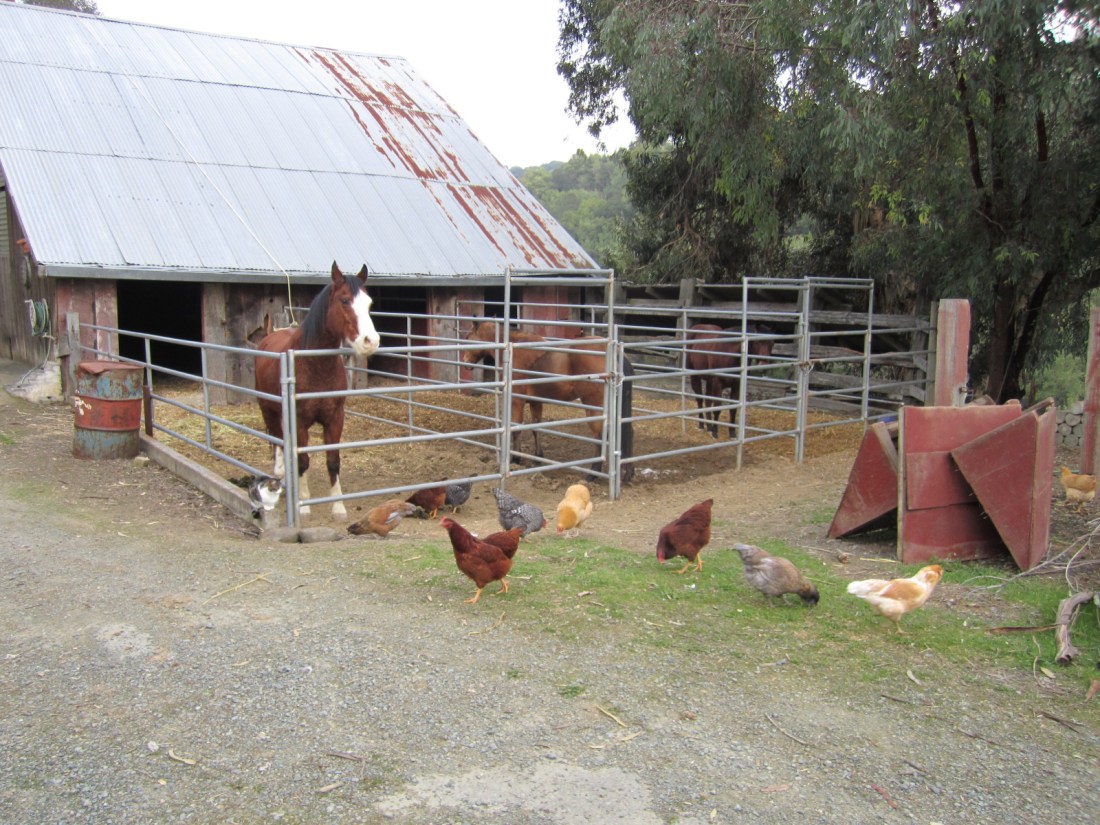
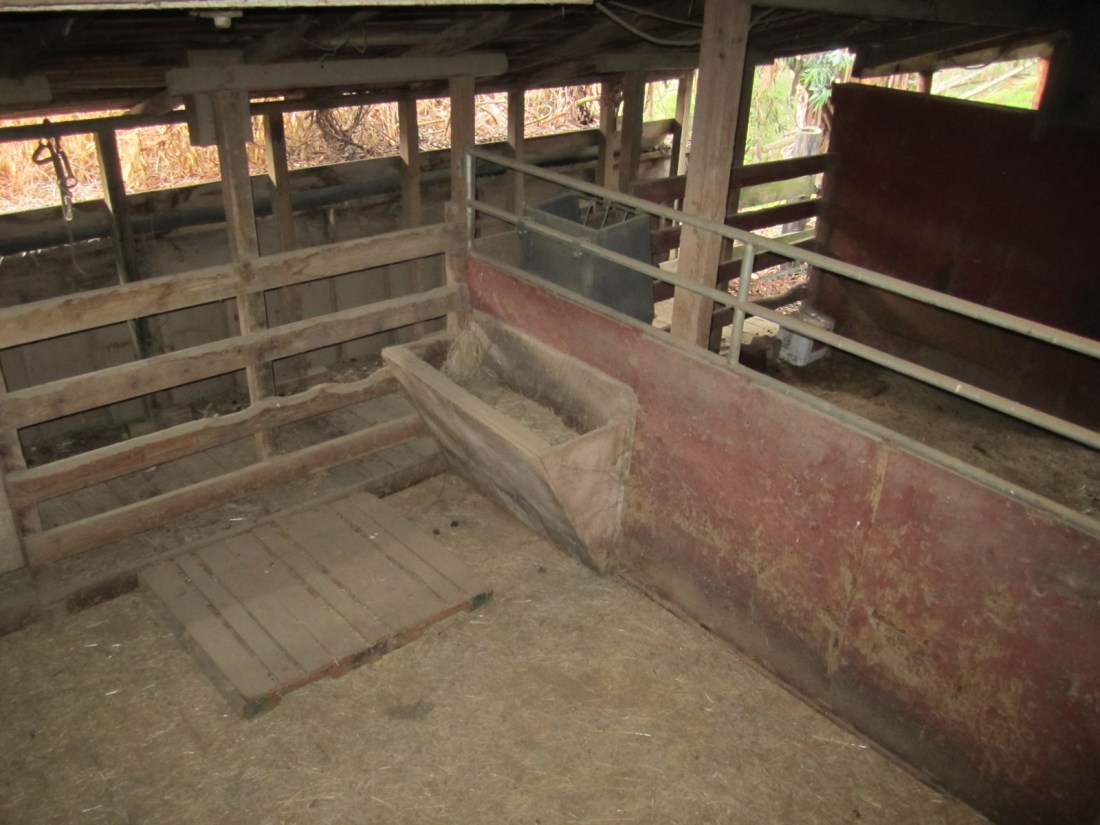
If you have horses on your property, you can probably have chickens too. Even in urban areas, you may be able to keep a few hens for personal use. Check the ordinances.
To get started, you’ll need these items:
- Galvanized tub with screen and lamp
- Coop with covered run
- Wood shavings
- Feeder
- Waterer
- Chicks
- Egg cartons
Feed stores usually have chicks in the spring, some have them year around. Start with four to six. They must be kept warm until they have feathers.
Place them in the tub with some bedding, cover it with a metal screen, and set a reflector lamp on top. Sixty to seventy five watts should be adequate (incandescent bulb). Add feed (medicated) and water daily. The chicks will outgrow the tub in three to four weeks but will be ready to go into the coop.
Choose a location that’s level and protected from wind. Coops are usually built with wood frames and wire cloth. Chicken wire is not acceptable. The mesh for the wire cloth should be 1/2 inch or less. Install it on the floor of the coop to stop rodents from tunneling their way in.
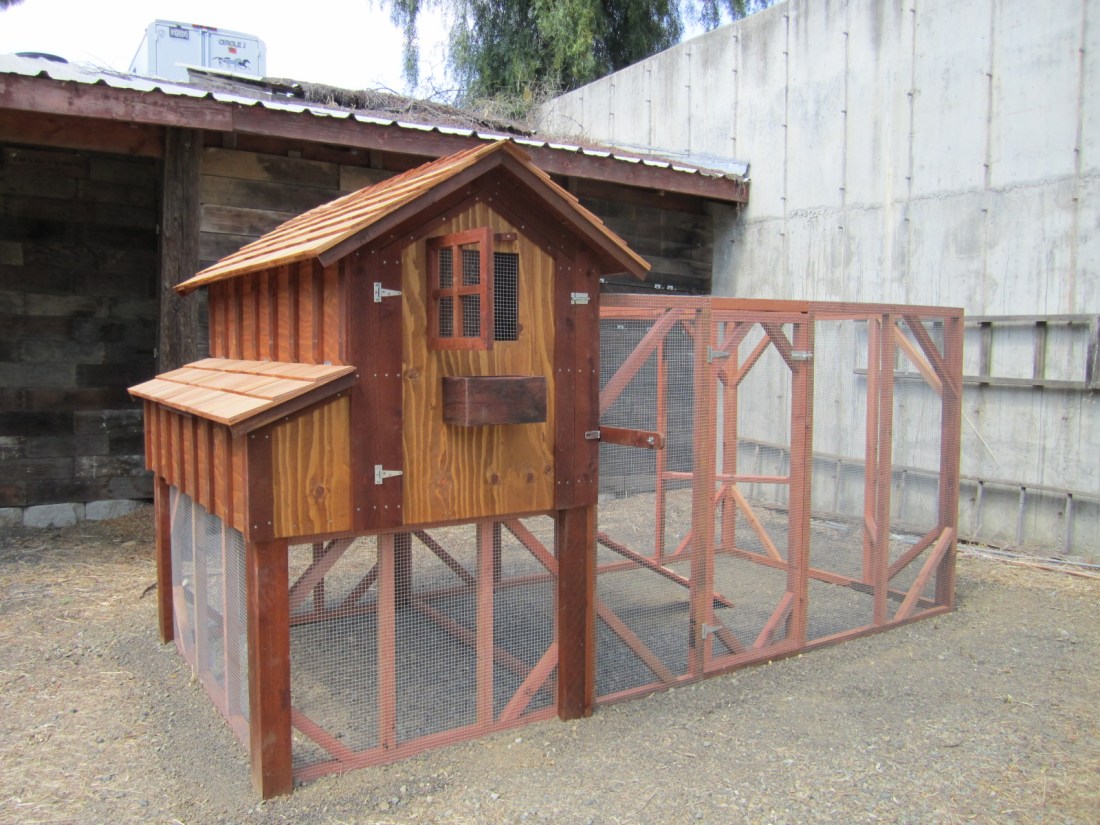
You can build a coop or buy one. The feed store probably sells them, ready to use. You can also find them online. Ideally, the run would be of walk-in height.
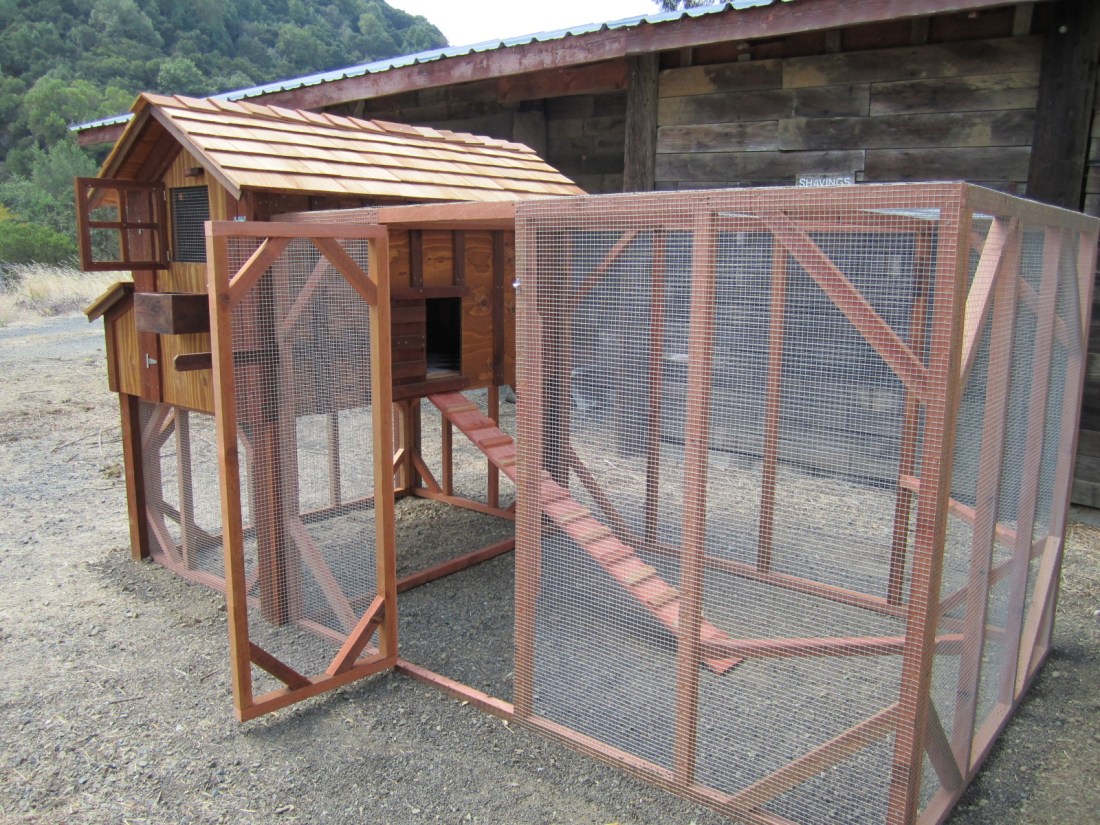
You’ll need to access the run daily. The feeder and waterer can be hung from the wood frame if strong enough to carry the weight. As with horses, you should provide clean, fresh water every day. The hen house should also be accessible but if the nesting boxes have separate access (such as the hinged cover on the left in the top photo), you won’t need to open this door very often.

Put some wood shavings in the nesting boxes and on the floor of the hen house. A ramp extends from the house down into the run. Two bales of straw can be positioned below the house for additional protection from wind and rain.

A corrugated roof can be added to the run to keep it dry.

The last step is to place the chicks in the cage. They can go outside when three months old. If the cage is in a remote area, there is a risk of predation by hawks and coyotes.

Allowing them to go scratch for bugs and seeds (known as free ranging) may improve the quality of the eggs. Don’t worry about getting them back in the cage at sunset, they will do that by themselves. Just remember to close the gate!
Be prepared to find little ‘fox holes’ where they have temporarily nested. They can make a mess of your yard and garden.
At this point you can go back to the feed store and get a few more chicks, repeating the process to build up your flock. The coop in these photos will handle ten to twelve hens, although it held sixteen at one point.
Eggs will appear in the nesting boxes when the hens are about five months old. Their feed should be switched to the non-medicated type before this time. Read and follow the directions on the bag.
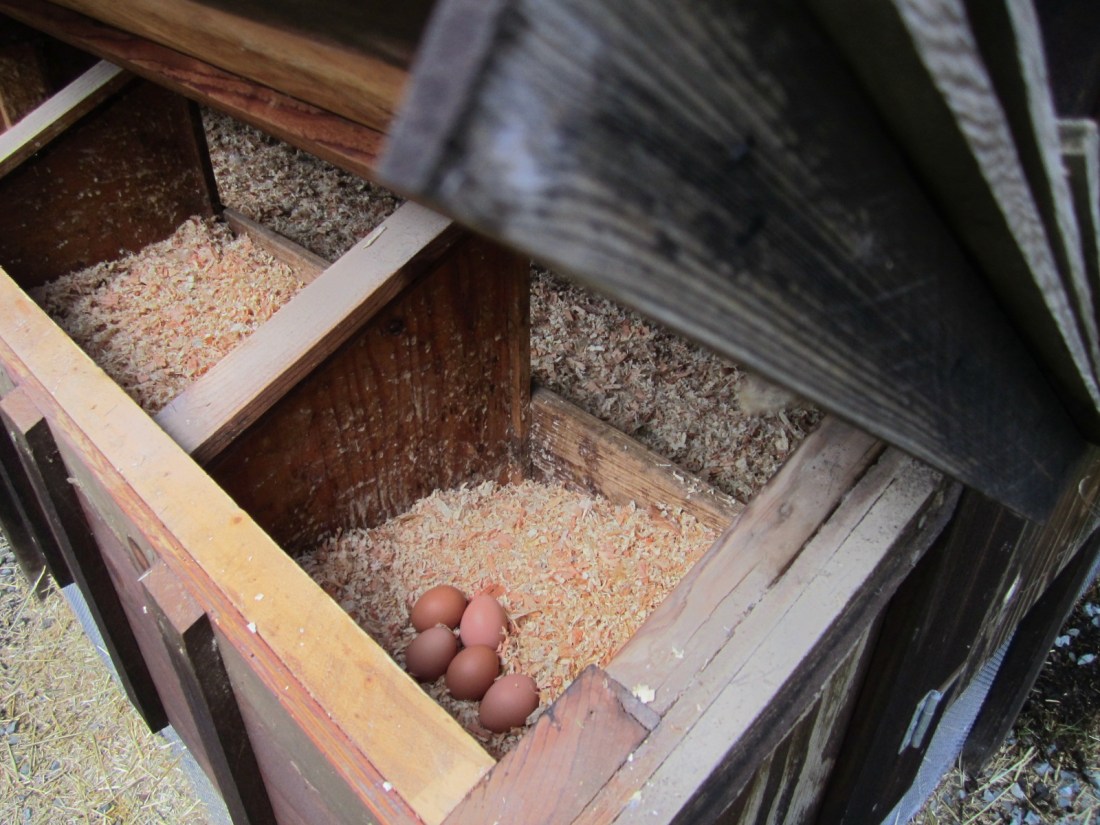
Photos above were taken in 2011, when everything was new, except for the last one.
This YouTube video from 2018 shows the ‘halfway house’ that was added a few years after the coop was delivered. Chicks are moved there after their stay in the tub and are turned in with the older hens when three months old.