Here you have a horse surrounded by dozens of sodomites, fornicators, adulterers, baby murderers and idolaters.
Disgusting.
H/T Rick Gore for the following video.
See also this report in the Miami New Times.

Western Horse Watchers Association
Exposing the Hypocrisy, Lies and Incompetence of the Wild Horse Advocates
Here you have a horse surrounded by dozens of sodomites, fornicators, adulterers, baby murderers and idolaters.
Disgusting.
H/T Rick Gore for the following video.
See also this report in the Miami New Times.
Your new mustang probably doesn’t know what a carrot is. Nor an apple. Never heard of crimped oats, rice bran or any of the other grains.
So first time you give him these treats he might just walk away. May even pee on them.
If that happens try again in a few days. Eventually he’ll decide he likes them, even waits at the gate while you’re mixing them up in the barn. (Especially if you have a consistent pattern in your chores around the ranch: It’s dusk, my corral has been cleaned, my water buckets are full, I know what that human is doing in there.)
Also remember that he doesn’t know what worm paste is, never had a syringe shoved in his mouth…at least by you. So use this opportunity to teach him to take the medicine in his grain. Smear some paste on a few pieces of carrot, same for the apples. If you feed cookies, put a dab on them too. One third of a tube per horse (this is usually less than the recommended dosage). Repeat tomorrow.
Look at his poop next few days to gauge effectiveness. Follow the manufacturer’s recommendations for intervals between treatments.

First foal reported 02/18/18 in PryorWild, along with an explanation of naming conventions for the Pryor Mountain horses.
If you buy land up here, you’re getting a horse property whether you want it or not.
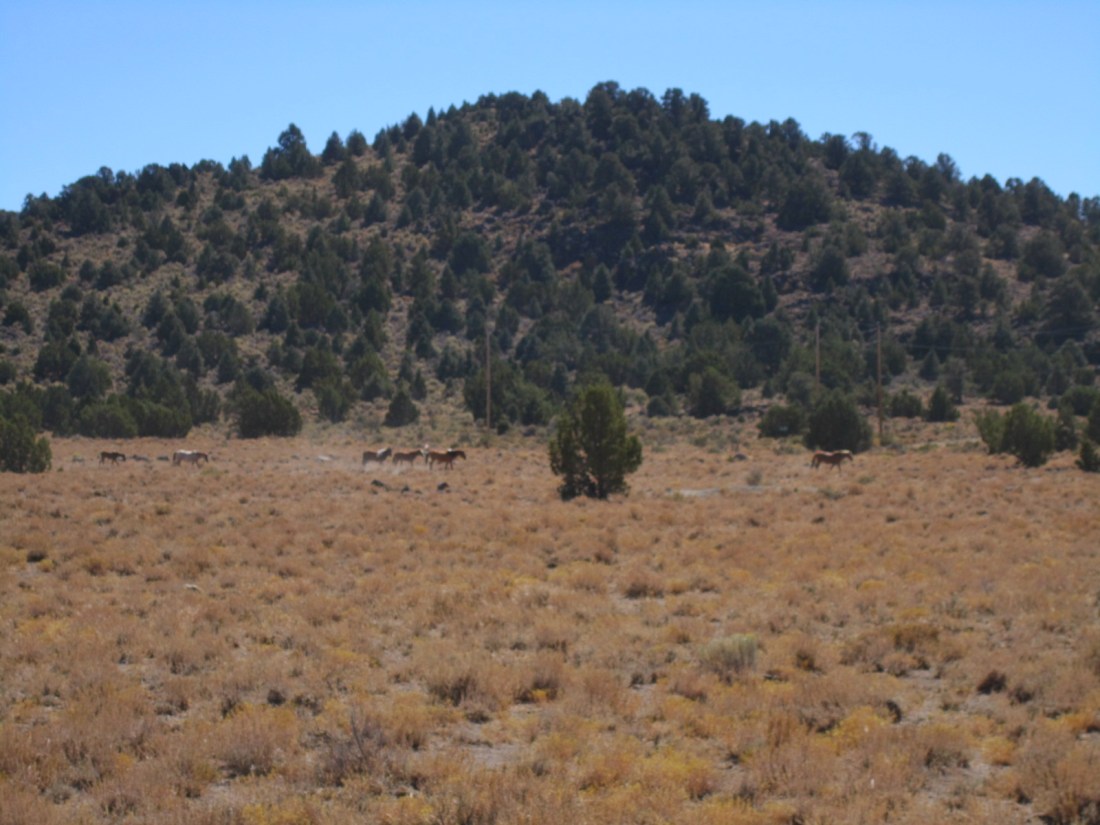
Gather complete according to this press release from BLM. Stats can be found here.
Remainder taken to Palomino Valley Adoption Center in Reno and Litchfield Corrals in Susanville.
Photos posted at this Flickr page.
Next internet adoption begins 04/03/18.
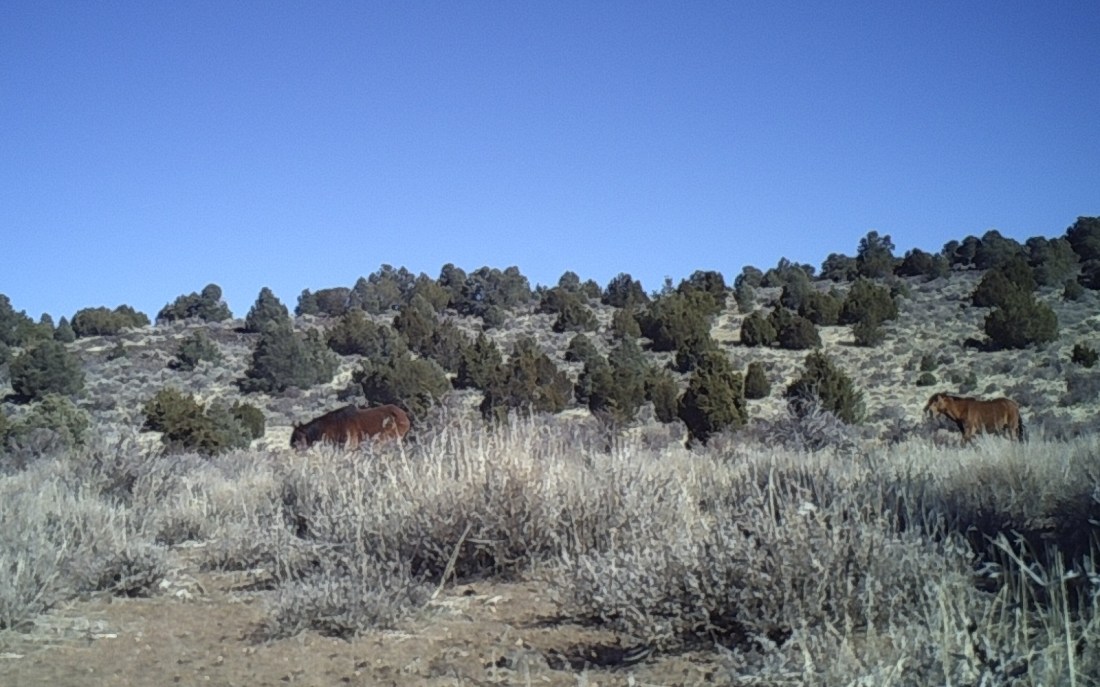
Suppose you visited an HMA in Nevada and found a band of 16 horses near a water hole. Six had a base color of red and ten were black.
According to the post on horse colors, 25% of horses should be red, 75% should be black.
In your sample, 6/16 = 37.5% are red.
Are red horses over-represented in this group? Is there discrimination toward black?
Let’s start with the genetics of base color. There are four possibilities in the Extension Locus: EE, Ee, eE, ee. Any combination containing E will be black (because it’s dominant). Therefore, 3/4 = 75% of horses should have a base color of black, 1/4 = 25% should be red.
The expected proportion of red is a property of the population of all horses, not samples of sixteen. The range of variation of red in samples of sixteen is found by calculation:
Mean ± 3 Standard deviations
Given that a horse is red or not-red, the mean and standard deviation can be supplied by the binomial distribution:
np ± 3 × Sqrt[np × (1 – p)]
where p = .25 and n = 16.
The upper limit of variation is 9.196. Round ‘inward,’ toward the mean, to 9.
The lower limit is -1.196. Round to the nearest non-negative integer, 0.
In groups of 16, you should expect to find anywhere from zero to nine red horses. In this example, six is well within the expected range of variation. No sign of trouble here.
Now suppose you went to the Kiger HMA in Oregon and found no red horses in a group of 25.
The expected range of variation is 0 and 12 so you might conclude that red is not under-represented in that area. However, your subject-matter knowledge tells you the HMA is managed primarily for grullos and bay duns so the low number of reds is not surprising.
Imagine you just read a report on the results of a wild horse gather, where 101 mares and fillies were rounded up along with 79 stallions and colts. Were the helicopter pilots targeting females?
Show your work.
Hint: p = .5 and n = 180.
To calm the horse.
Cattle blamed for tearing up the range. See this report in the Los Angeles Times.
Yep, six foot T-posts make great walking sticks.
Meanwhile, in Storey County, feral horses continue their reign of terror on the Virginia Range.

Answers to the first round of questions for transfer of ownership of the Virginia Range horses have been posted. Only one page with four questions and answers.
On the Pine Nut Mountains herd area.
Film from 2008. Release of some Virginia Range mustangs at the Tahoe Reno Industrial Center.
You can hear Lacy J. Dalton every Wednesday on the Mustang Matters radio program.
Organizations mentioned in the video:
These groups would be grateful for your financial support.
Signs that you have a lousy relationship with your horse:
You’ve thrown in with the wrong crowd. Shake the dust from your boots and move on.
Spin-off from ISPMB rescue in 2017. Returning a small group to their homeland in Arizona. Learn more at the Gila Herd Foundation FB page.
Two base colors…red and black. Red is recessive, black is dominant. You should see roughly three black-based horses for every red-based horse.
Common modifiers:
Red-based combinations:
Black-based combinations:
More at Mustangs 4 Us.
Color of a BLM horse can be found in his signalment key.

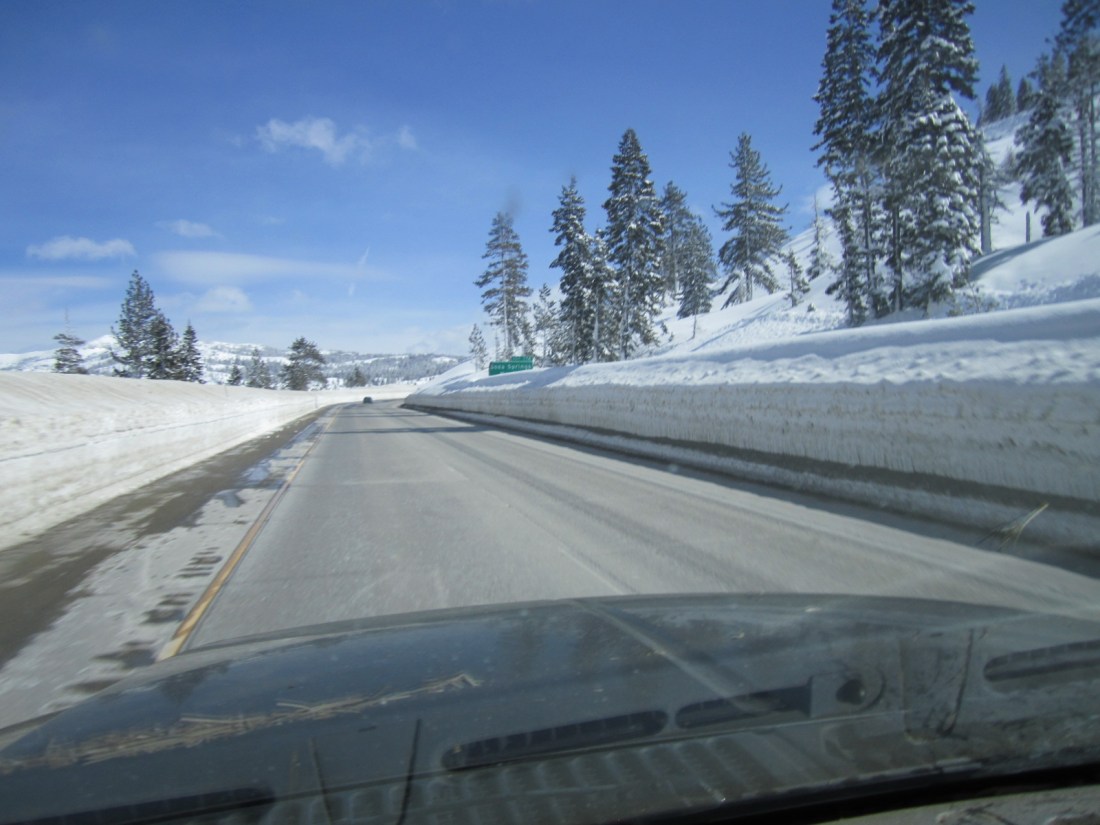
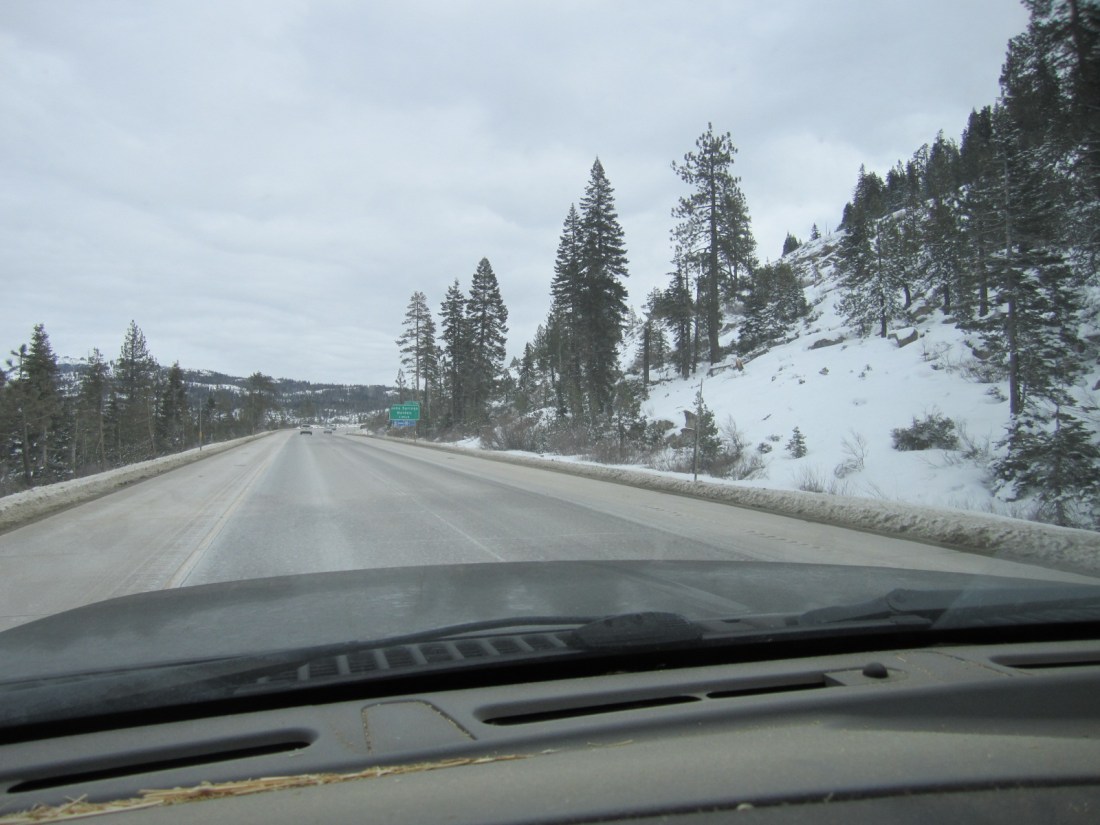
Eastbound on I-80, approaching Soda Springs, CA. A bit less moisture this year.
02/24/17
02/24/18
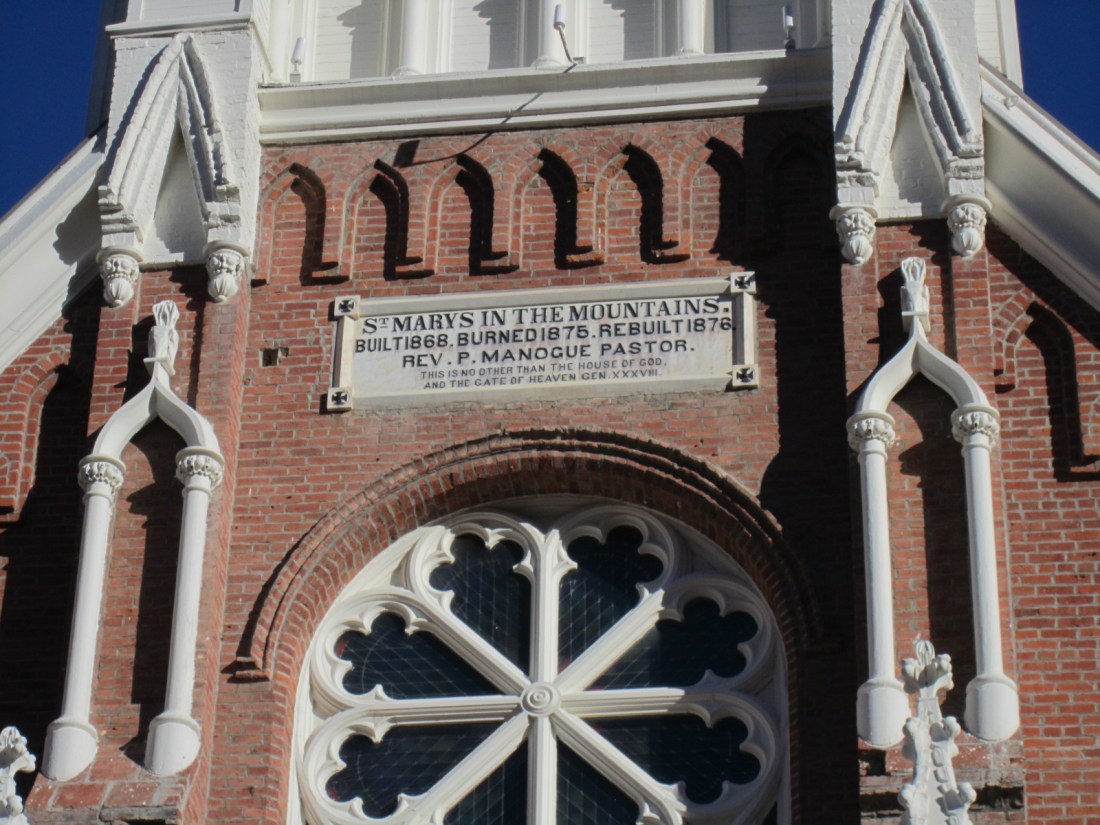
New colt spotted in Virginia City, see photo on St. Mary’s FB page.
Man arrested for riding while intoxicated.
Tack suggests he was a skilled rider and had a great relationship with his horse.
What about immigration status?
Of the horse, you idiot. Guera.
Problems at the border might be greater than originally thought.
On the Pine Nut Mountains herd area, just south of the Pine Nut Mountains HMA.
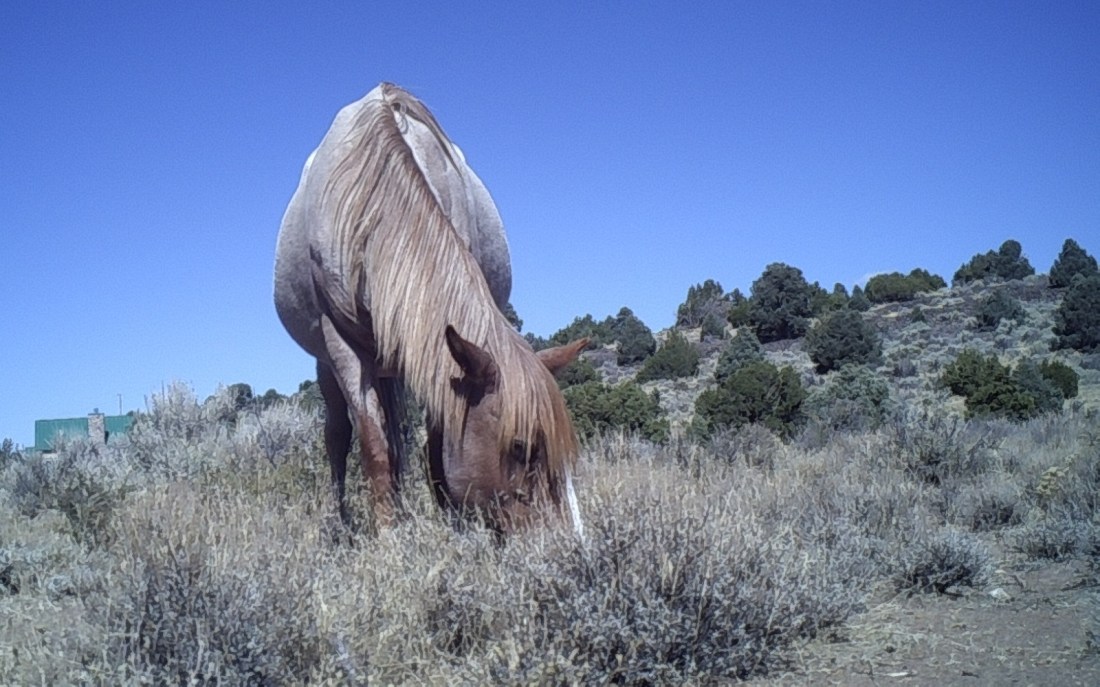
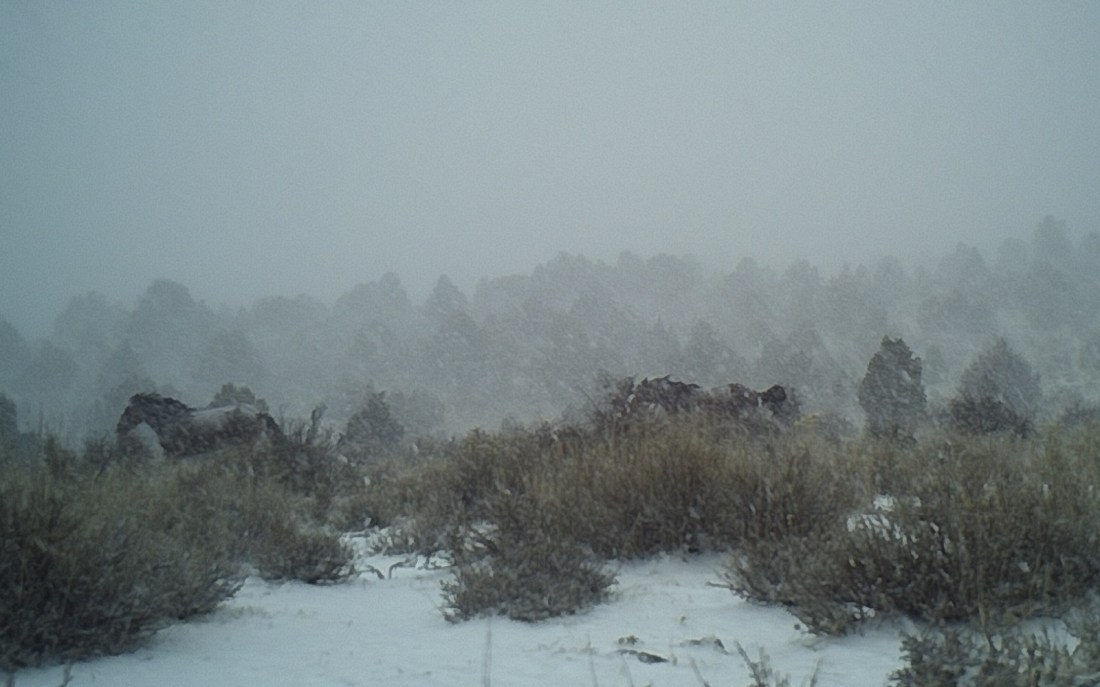
Trailcam image from 02/18/18. Temperature 26 °F, elevation 6500 ft.
Video from 2015. Probably not ideal, but you gotta smile.

