Another project has been created in ePlanning and two documents have been uploaded.
The Decision Record says the agency is closing public lands within five miles of active trapping locations and temporary holding facilities to all public entry for the duration of the incident.
Only operations personnel and any public observers who are escorted by BLM staff will be allowed in the closure area.
A map on the last page shows the project area but does not indicate trap locations.
Burros that have migrated into the Complex will also be taken into custody.
A helicopter will push the animals into the traps.
Operations will be open to public observation on a limited basis, which contradicts a closure notice issued today.
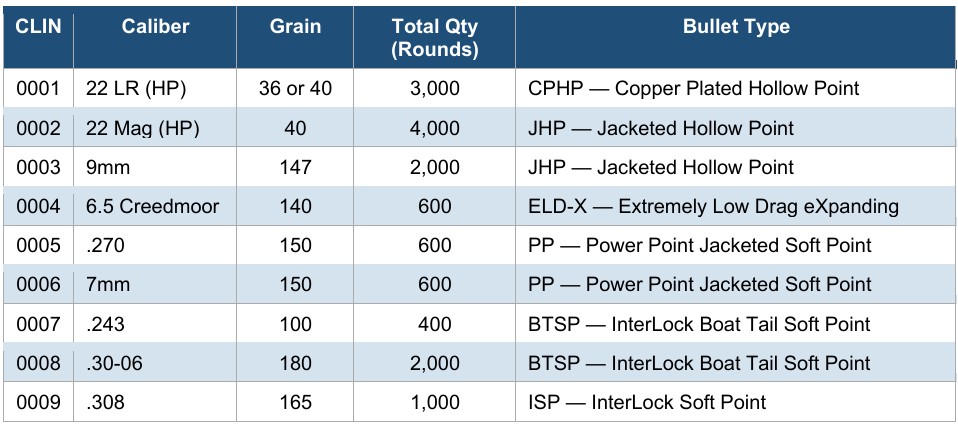
Animals not put down at the temporary holding pens will be taken to the off-range corrals at Palomino Valley and the privately owned facility known as Indian Lakes.
There are no plans to treat any of the mares with fertility control pesticides and return them to the range.
If it was, your faithful public servants would not be trying to insert “production-oriented livestock” into the Part 4100 regulations, restricting grazing permits to operations that produce meat, milk or fiber.
They are, in effect, trying to make wild animal preserves illegal, even though the concept has been demonstrated in Montana, Nevada and Colorado.
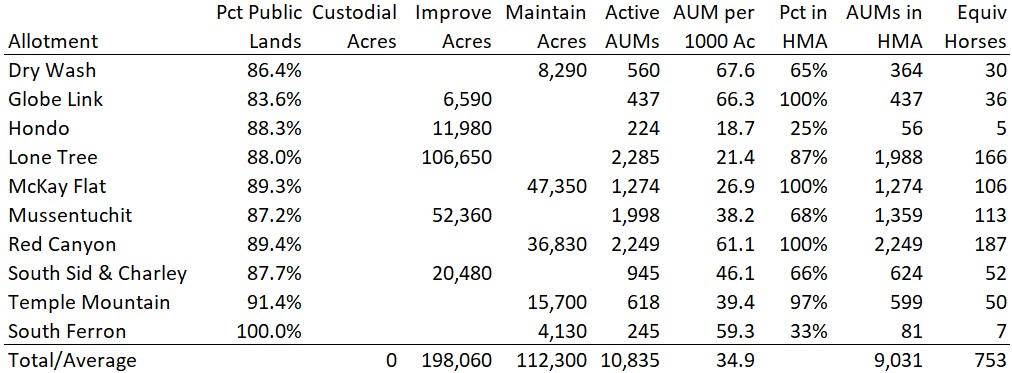
Did you know the Campaign Against America’s Wild Horses, though its LLC in Nevada, holds 75% of the active AUMs in the Buckeye Allotment?
Why hasn’t the nonprofit converted its preference to wild horses, establishing the Pine Nut Wild Horse Preserve? There would finally be winners of the Buckeye Lottery.
Approval of the grazing rule update would give it the perfect excuse to continue running cattle on the allotment, much to the delight of its allies, the public-lands ranchers.
The ranching advocacy group stated in a May 12 news release that the reforms were a clear signal of BLM’s commitment to restoring effective multiple-use management, which is not true.
The update would reduce the uses of public lands identified for grazing, limiting them to production-oriented livestock.
There would be no opportunities for conversion of allotments to wild animal preserves, a practice that has already been demonstrated in Montana, Nevada and Colorado.
If multiple use was really the goal, the rules would not only accommodate allotment repurposing but encourage it, at great savings to American taxpayers.
The doctrine of multiple use will apply to allotments in areas identified for wild horses and burros, as it does now.
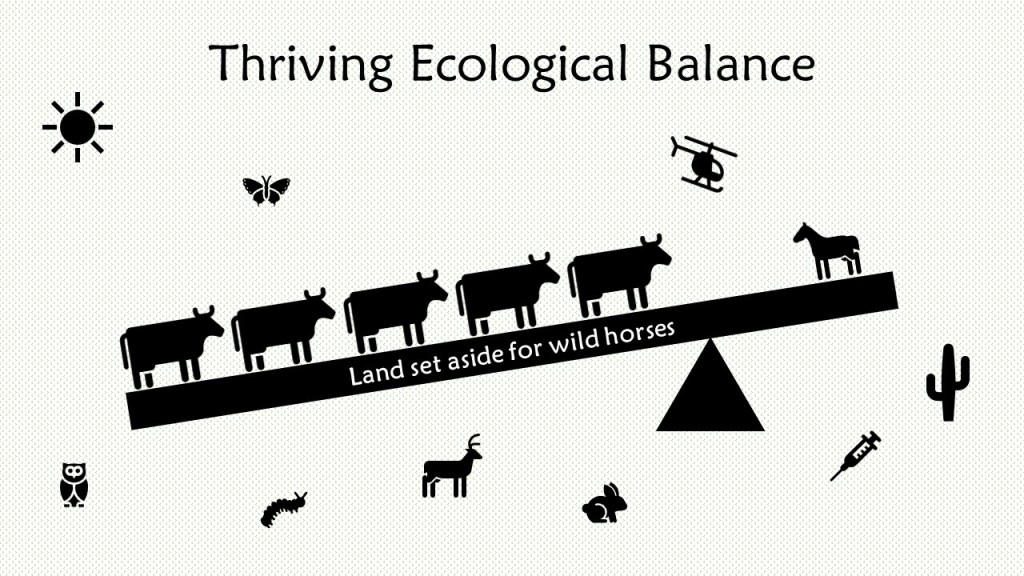
Livestock will be authorized in those areas and will be entitled to most of the resources.
The doctrine will not apply to allotments outside those areas.
Owning or leasing base properties and petitioning the government for changes in livestock types and seasons of use, will no longer be recognized as a method for establishing wild animal preserves on public lands.
The Utu Utu Gwaitu Paiute Tribe of the Benton Paiute Reservation brought the case earlier this week according to a story by Native News Online.
The complaint alleges that the defendants, which include the BLM and Forest Service, did not complete the legally required government-to-government consultation, identifying sacred sites and cultural resources within the operation’s footprint, or assessing the impact of helicopter operations on Benton Paiute land.
The plaintiffs asked the court to vacate and set aside the 2025 Decision Record and halt the removal of wild horses from the project area, among other things.
The solicitation does not include a statement of work.
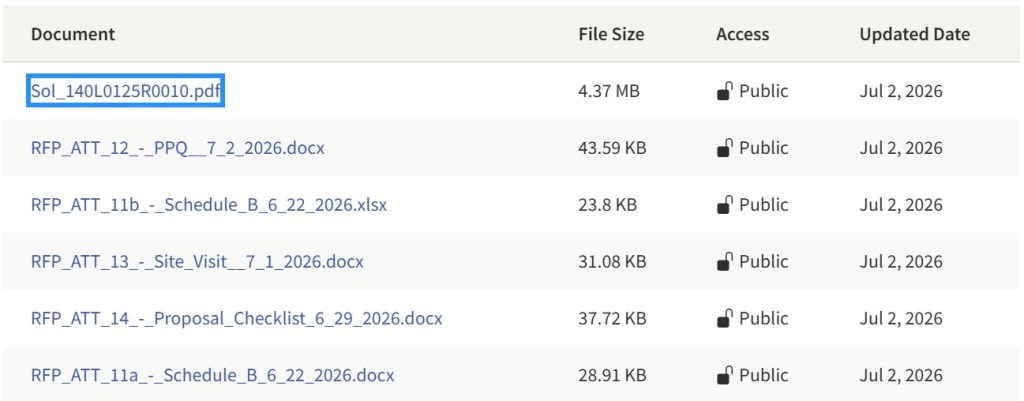
Scroll down to the Attachments section and click on the pdf. Your download manager should ask you to open or save it.
Facilities should be located in Kansas, Missouri, Oklahoma or Utah and have the capacity of at least 200 animals.
They are not intended to be public viewing areas but the agency may require access for public and/or media tours during the life of the contract, which is ten years.
Proposals are due by August 3.
The facilities report gives capacities and inventories of existing corrals and pastures.
A new project was opened in ePlanning yesterday and two documents were uploaded.
There were no opportunities for public comment.
The agency will close public lands within a two-mile radius of active trapping locations and temporary holding facilities to all public entry for the duration of the roundup.
Observers escorted by BLM staff are exempt.
Attachment 1 in the Decision Record shows the location of the trap sites.
The gather area is easily five times larger than the HMA and contains numerous grazing allotments, not shown in the map.
The incident has not been announced but is on the schedule with a start date of September 10.
Only essential gather personnel and permitted personnel will be allowed at trap and holding sites during operations according to the Inyo news release.
Permitted personnel may correspond to observers escorted by the Forest Service.
The closure areas contain numerous grazing allotments, not shown on the maps.
The moratorium on helicopter roundups concluded on July 1.
The idea is that foals born in the spring are now strong enough to endure forcible removal from their lawful homes (in favor of privately owned livestock).
The largest roundup of FY26 will occur at the Callaghan Complex starting on July 10.
At least 25% of the captured animals will need to be foals to support claims that the herd is growing at a rate of 20% per year.
The incident has not been announced and a gather page has not been created.
The advocates want to replace motorized removal with long-term use of fertility control, resulting in permanent infertility and herd collapse.
A new project in ePlanning authorizes the closure of public lands within a two-mile radius of active trapping locations and temporary holding facilities at the Piceance–East Douglas Herd Management Area, North Piceance Herd Area and West Douglas Herd Area to all public entry for the duration of the incidents.
The news release said the changes would give ranchers more flexibility, improve the health of rangelands and support rural communities across the West.
What they’re really trying to do is limit the use of allotments to animals approved by the ranching industry, not the preference holders, thwarting the creation of wild horse and burro refuges on public lands.
A special interest will control the way allotments are used, not the owners or lessors of the base properties attached to them.
You can comment against the proposal at the Federal Register.