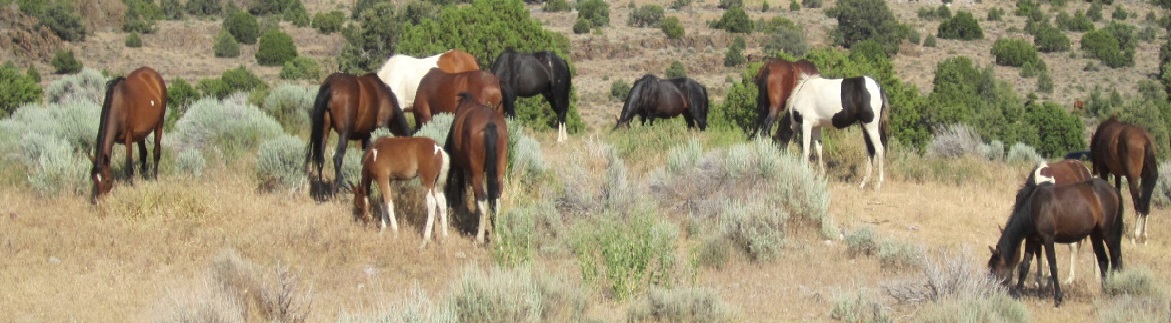
AIB Issue 1 in Appendix A addressed the impact of new wells on native vegetation.
The answer was, after construction, disturbed areas outside the permanent footprint would recover naturally over time. Herbaceous vegetation, including bluebunch wheatgrass, would be expected to reestablish over multiple growing seasons from surviving root crowns and seed sources, while low sagebrush recovery would occur more slowly.
Almost certainly this was disturbing to any advocate who read it.
If they were involved, the correct answer would be to apply herbicides across the entire project area (slightly less than two acres), with annual booster treatments, to make sure nothing grows back.
That’s what they want for America’s wild horses.
PREVIOUS: Would Little Juniper Springs Be a Good Wild Horse Preserve?
► Get the truth about wild horses and the wild horse advocates at westernhorsewatchers.com.

