
The incident began on December 8. Results through December 12:
- Scope: Nevada WHR
- Purpose: Pest control, resource enforcement, rancher protection
- Target: Horses
- Type: Planned
- Method: Helicopter
- Category: Cruel and costly*
- Better way: Beat their numbers down with ovary-killing pesticides*
- Captured: 298, up from 123 on Day 3
- Average daily take: 59.6
- Capture goal: 350
- Removal goal: 138
- Returned: 1, no change from Day 3
- Deaths: 2, no change from Day 3
- Shipped: 97, up from 58 on Day 3
The death rate is 0.7%.
The capture total includes 88 stallions, 180 mares and 30 foals.
Youngsters represented 10.1% of the animals gathered, consistent with a herd growth rate of 5% per year.
Of the adults, 32.8% were male and 67.2% were female. These figures don’t look like they came from a simple random process centered at 50% males / 50% females.
Body condition scores were not given.
The WHR is not subject to permitted grazing but surrounding lands are.
*According to advocates.
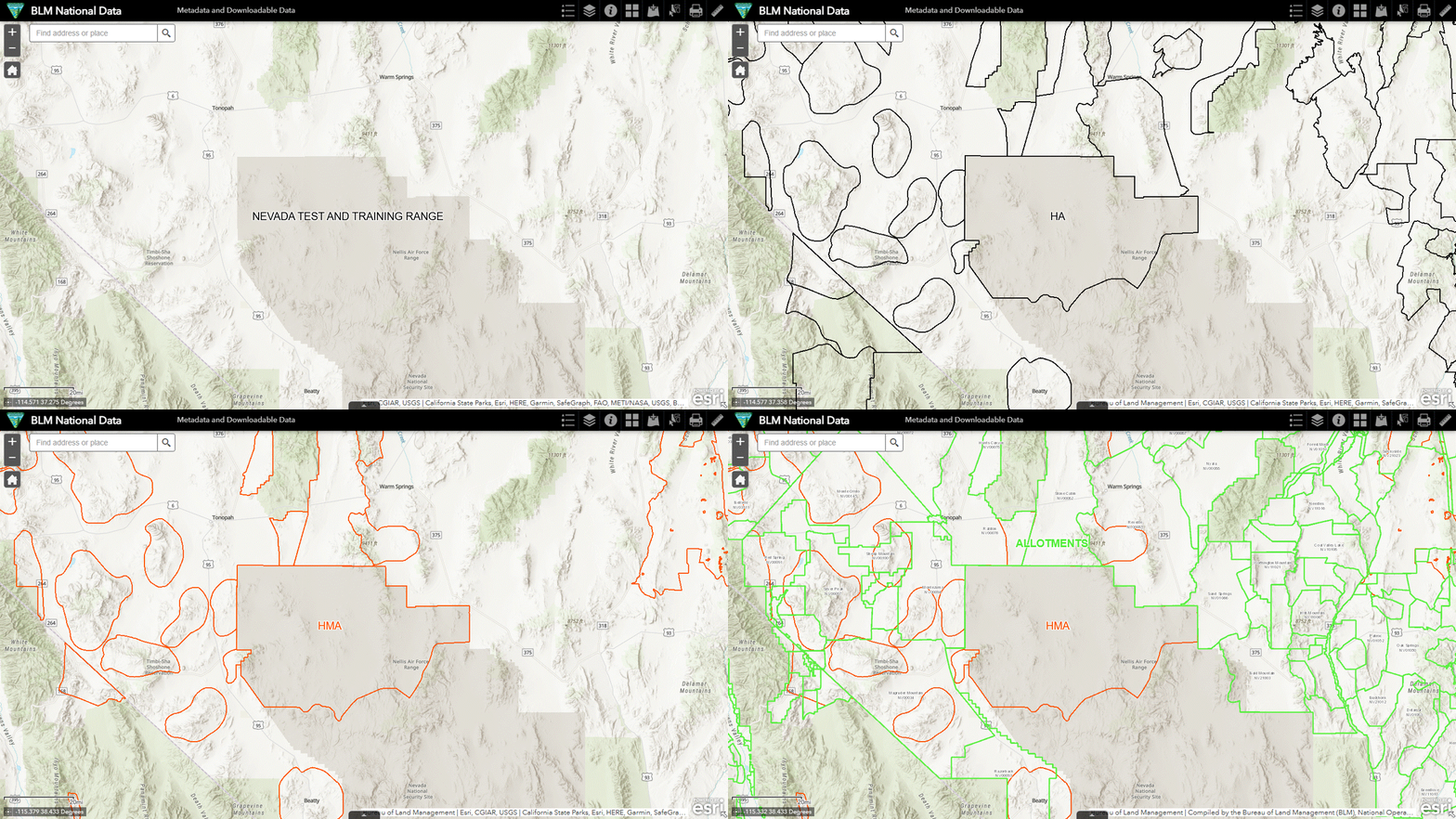
Day 5 ended with 198 unaccounted-for animals.
Up to 106 mares will be treated with GonaCon Equine, a fertility control pesticide, before being returned the range with up to 106 stallions.
Operations will likely conclude this week.
Other statistics:
- Forage liberated to date: 3,564 AUMs per year
- Water liberated to date: 2,970 gallons per day
- Horses allowed by plan: 500
- Pre-gather population: 438
- Forage assigned to horses: 6,000 AUMs per year
- Forage assigned to livestock: None
- Horses displaced from HMA by permitted grazing: None
- True AML: 500
- Stocking rate at new AML: 0.4 wild horses per thousand acres
- Horses displaced by drilling and mining: Ask the advocates
RELATED: Nevada WHR Roundup, Day 3.

