EPA Updating Certification Standards for RUP Applicators

According to the FAQs at the standards update page, the EPA classifies the most acutely toxic pesticides or those needing to be applied with special care as RUPs, which means they may be bought and applied only by a certified applicator or someone working under his or her direct supervision.

RUPs are not available for purchase or use by the general public.

Zonastat-H, also known as PZP and the Montana Solution, is a restricted-use pesticide, on the same EPA list as toxic chemicals.

It’s much better than cruel and costly helicopter roundups according to the Campaign Against America’s Wild Horses.

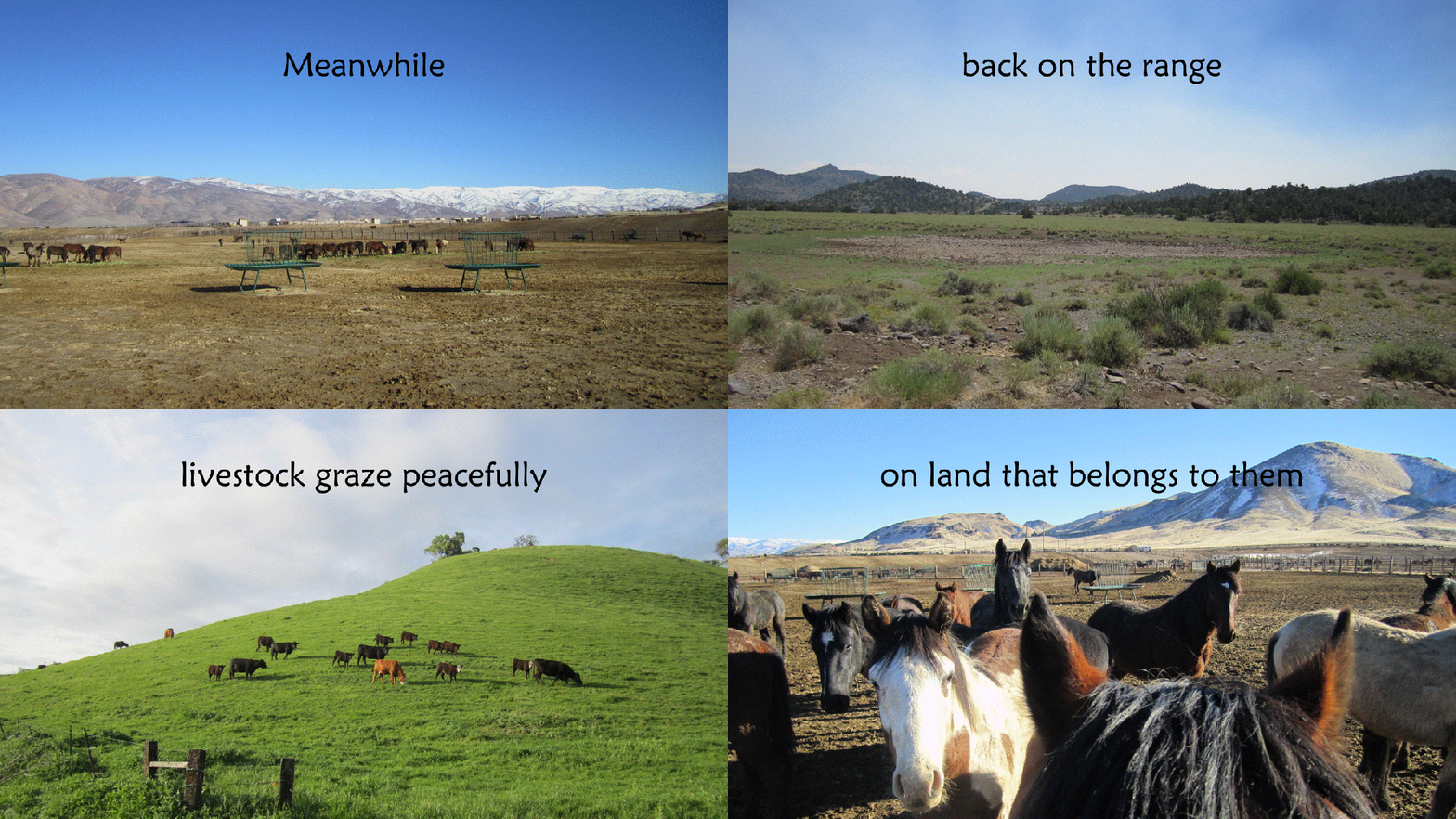
Let Us Fix Your Wild Horse Problem 02-18-23

Although the advocates apply pesticides for the production of agricultural commodities, they’re not working on land they own or rent.  Therefore, they’re considered to be commercial applicators.
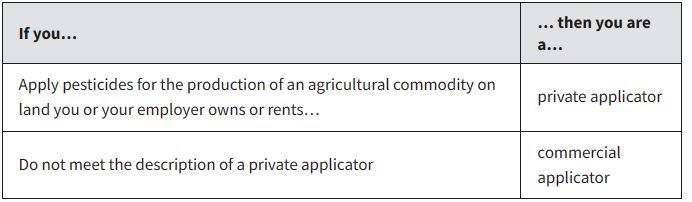
RUP Applicator Types 07-04-23

Will a diploma from the Billings School of PZP Darting and Public Deception meet the new standards?

There are ten federal categories of certification.

The advocates probably fall under agricultural pest control with one distinction: Horses are the pests!
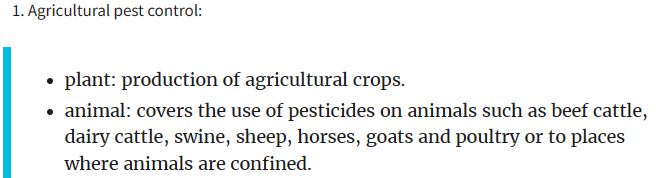
Agricultural Certification Category 07-04-23

We’re not talking about the use of fly spray or dewormers to help the horses, we’re talking about reproductive barriers that help the ranchers.

Unfortunately, Zonastat-H was not approved for such purposes, making the glorious darting programs illegal.

RELATED: Multiple Use Applies to Public Lands, Not Registered Pesticides.

Reveille Roundup Over

The Day 3 report indicated 134 horses captured, 76 shipped, 30 released and one dead.

With 27 mares held for treatment with GonaCon Equine, there were no unaccounted-for animals.

Youngsters represented 11.2% of the horses captured.

Of the adults, 52.9% were male and 47.1% were female.

The report said the GonaCon mares will receive a second dose of the pesticide in 30 days, a violation of federal law.

Gonacon 90-Day Requirement 07-01-23

The 2017 labeling amendment that dropped the RUP designation increased the time interval between doses from 30 days to 90 days.

The BLM probably won’t mobilize law enforcement resources against itself.

RELATED: Reveille Gather Ops Conclude.

Fish Springs Advocates Double Down on Pest Control Program

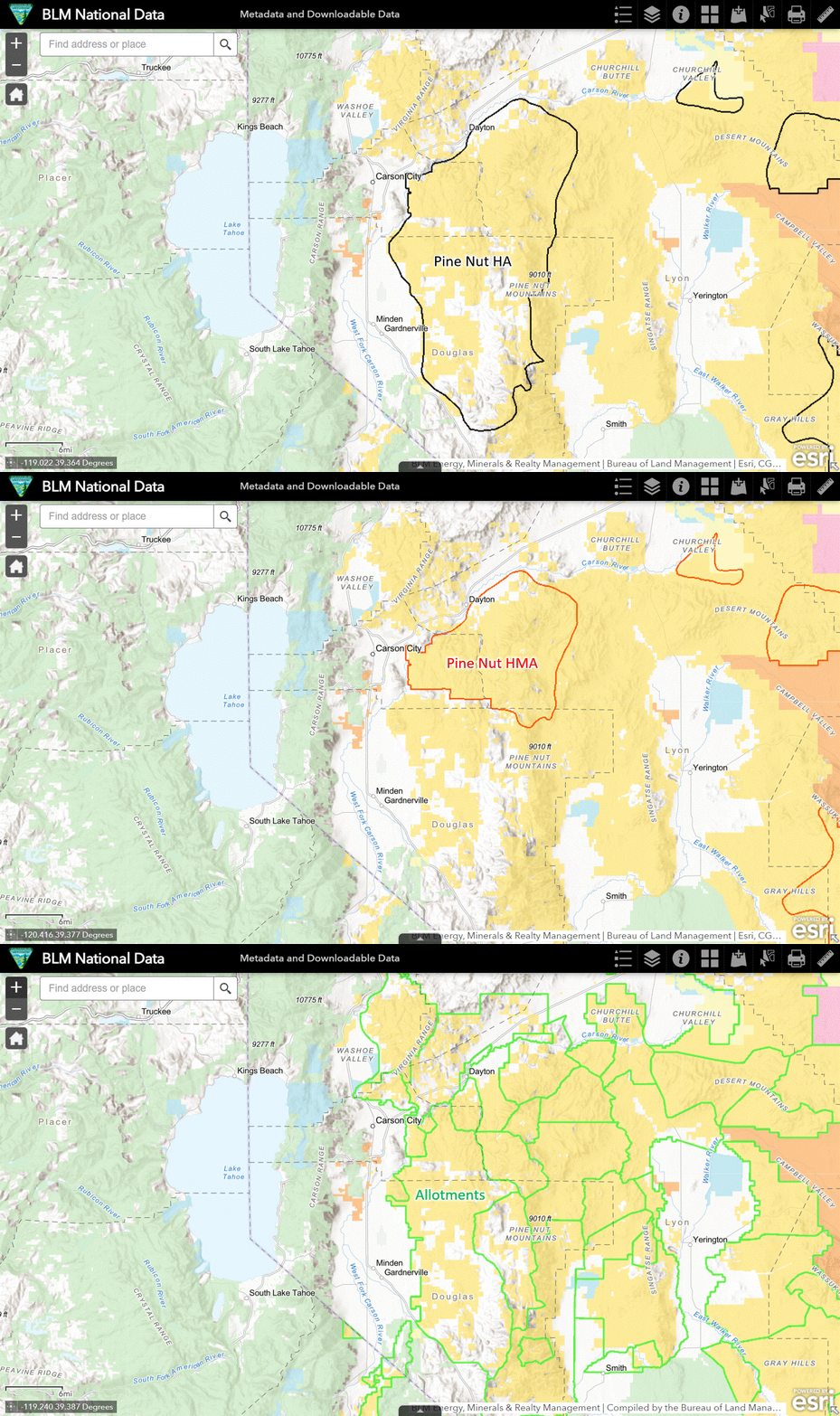
In an attempt to prove they can be as ruthless as the helicopter pilots and wranglers, mares in the Pine Nut HA have been reprimed “to be sure they don’t get in foal,” according to the real estate agent and PZP darter in the Minden/Gardnerville area.

Go to the column titled “Wild Horse Tales” in the June edition of Horse Tales.

Protect Wild Horses from Advocates 08-29-21

Instead of pushing back against ranching overreach and the continual loss of resources, the advocates solve the problem by pounding the mares with ovary-killing pesticides.

As explained last year by Tracy Wilson, defeatist for the Campaign Against America’s Wild Horses, “As you start reducing the amount of available space and forage, then you need to manage the numbers to fit what’s available for the horses.”

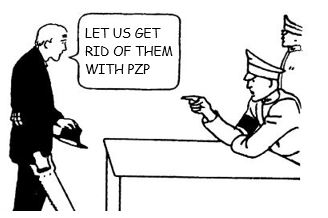
RELATED: Protecting Them from Removal by Getting Rid of Them with PZP.

Pine Nut HMA with Allotments 07-03-23

Reveille Gather Ops Conclude

Helicopters were grounded this afternoon, with 133 horses captured, 39 shipped and one dead.

The colt lost yesterday died from a spinal cord injury caused by blunt trauma to the lower neck, according to today’s report.

One more update will be posted tomorrow.

Mares treated with Gonacon Equine could be returned to the HMA this week, but they won’t go home until October if two doses are given.

Gonacon 90-Day Requirement 07-01-23

Stallions identified for return could be released before the contractor demobilizes.

RELATED: Where Are the Reveille Foals?

Chaos at Wheatland Corrals?

Last year the facility was closed due to a strangle outbreak.  Nineteen horses were lost.

In March, on-site adoptions resumed.

In June, in-person adoptions were suspended in favor of the online system.

On Friday, a BLM news release said wild horse and burro adoptions will resume as scheduled throughout the summer.

The Wheatland population consisted of 2,511 wild horses and 23 wild burros, according to the May 21 Facility Report.

PSA 12-12-19

Where Are the Reveille Foals?

Yesterday’s action netted 37 stallions, 40 mares and 6 foals.

Almost certainly the helicopter pilots are targeting family bands, as the advocates do, but why the low percentage of foals?

The sample size was not large but at the rate the incident is going, the chase may end tonight.

A 7.2% birth rate implies a herd growth rate of two percent per year.

Can the results be attributed to population suppression efforts?  Harsh winter?

Mares captured in the 2020 roundup were treated with fertility control of unspecified type according the gather page.

RELATED: Reveille Roundup in Progress

Bold Prediction for Fertility Control Pesticides

Of the two leading products, Zonastat-H and GonaCon Equine, Gonacon will outpace Zonastat in use, for the following reasons:

  • May sterilize treated mares
  • Applicators need not be certified
  • Can be misused with no consequences
  • Few if any limitations on where it can be used

In the first part of the June 14 roundup schedule, for nonmotorized removals, the two products are more-or-less evenly split.

Given that GonaCon Equine can be used to control or eradicate pests (wild horses and burros) that interfere or could interfere with animal agriculture (permitted grazing), which is not true for Zonastat-H, it will become the pesticide of record until something better comes along.

RELATED: An Incomplete History of GonaCon Equine.

WHBAB Meeting Ends with Strange Remarks about Fertility Control and Forage

In yesterday’s public comments, Ginger Fedak, certified applicator for In Defense of Animals, said PZP was not a pesticide as some claim, refusing to look at the EPA fact sheet, apparently, and the restricted-use product report, which puts it on the same list as toxic chemicals.

She pointed to Spring Creek Basin as a shining example of wild horse management but ignored the disaster on the Maryland side of Assateague Island, with similar evidence now leaking out from the Currituck herd.

To her credit, she identified misuse of GonaCon Equine by the BLM, where mares receive a second dose of the pesticide thirty days after the first, not ninety days as specified in the directions.

Gonacon 90-Day Requirement 07-01-23

This is not a problem to be resolved by a new project in ePlanning.  It is a matter for law enforcement.

As stated on the label, “It is a violation of Federal law to use this product in a manner inconsistent with its labeling.  A copy of this label must be in the possession of the user
at the time that the product is applied.”

The agency intends to use the product on the Reveille mares after a roundup that’s scheduled to begin today.

Hayden Ballard, a rancher and attorney specializing in natural resources, spoke about the economics of livestock grazing, noting that ranchers pay $300 to $650 per AUM, a price heretofore not seen or heard.

If that’s true, it’s easy to see what they want the horses off the range, where livestock operators pay $1.35 per AUM.

He did not say where those prices prevail.

Last year, the McGregor auction yielded an average of $31.36 per AUM.

Your host currently pays around $180 per AUM for hay, compared to $95 per AUM two years ago, a fine example of Bidenomics, where the one-horse pony and his illicit administration are hollowing out the middle class, not protecting it.

RELATED: WHBAB Meeting Grinds On.