Moriah Roundup, Day 5

The incident began on October 17.  Results through October 21:

  • Scope: Moriah HA
  • Purpose: Pest control, resource enforcement, rancher protection
  • Target: Horses
  • Type: Planned
  • Method: Helicopter
  • Category: Cruel and costly*
  • Better way: Sterilize mares with pesticide-laced darts*
  • Captured: 336, up from 203 on Day 3
  • Average daily take: 67.2
  • Capture goal: 400
  • Removal goal: 400
  • Returned: None
  • Deaths: 2, up from zero on Day 3
  • Shipped: 284, up from 103 on Day 3

The figures above are based on the daily reports, not the totals posted by the BLM.

Two colts were put down on Day 5, one because of club foot and another due to lameness in both front legs.

The death rate is 0.6%.

The capture total includes 113 stallions, 151 mares and 72 foals.

Youngsters represented 21.4% of the animals gathered.

Of the adults, 42.8% were male and 57.2% were female.

Body condition scores ranged from 3 to 4 both days.

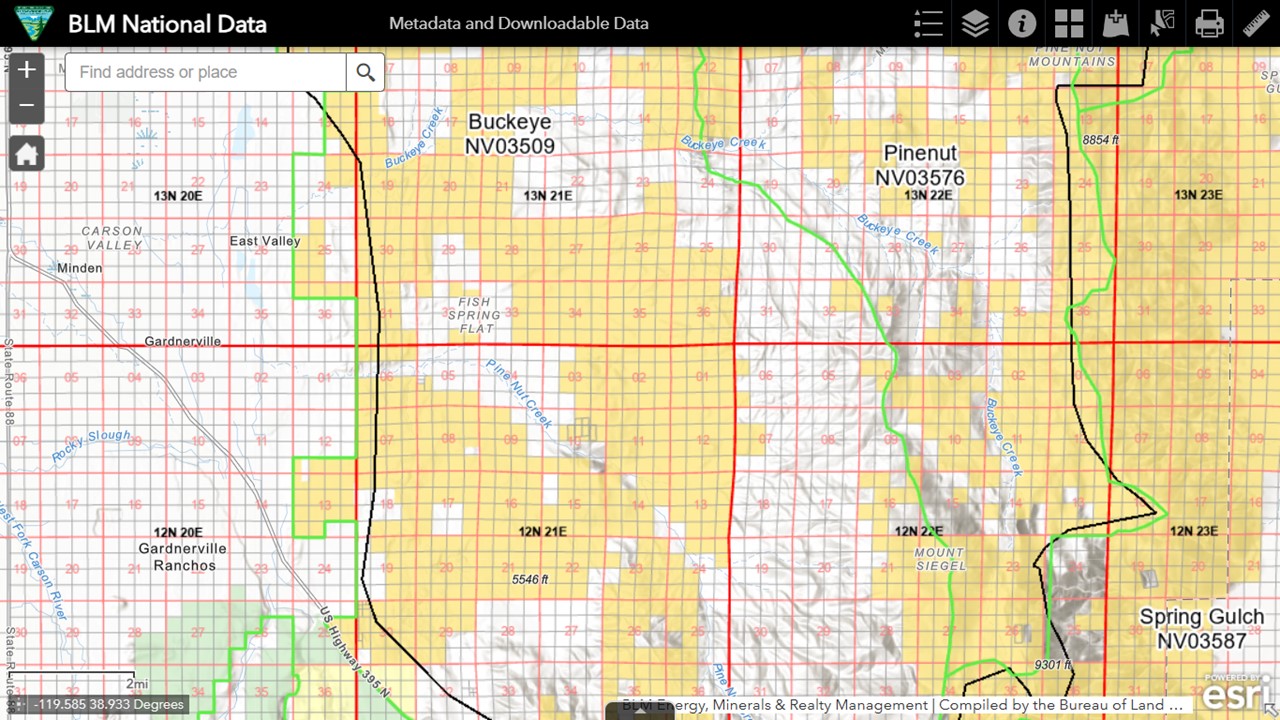
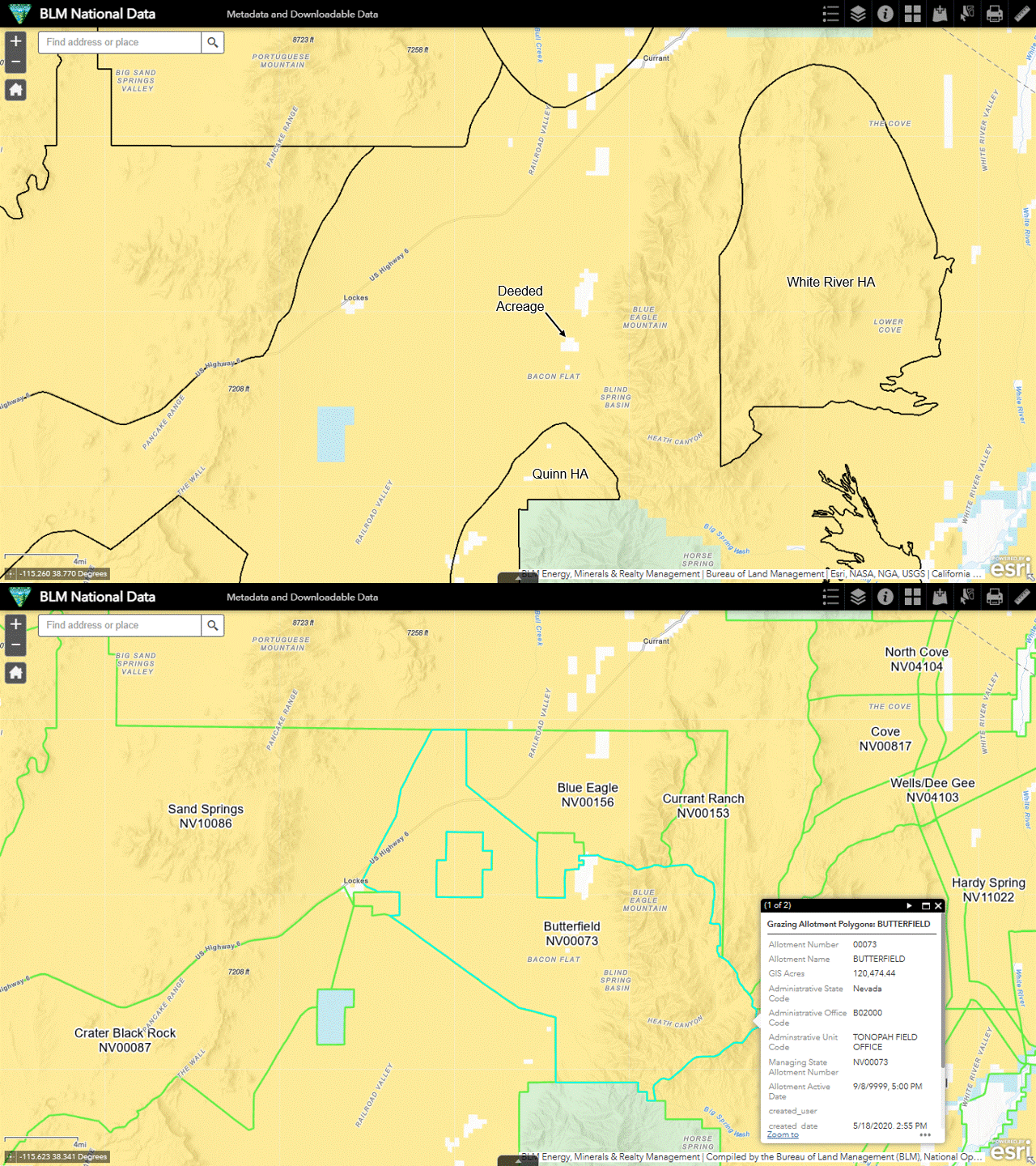
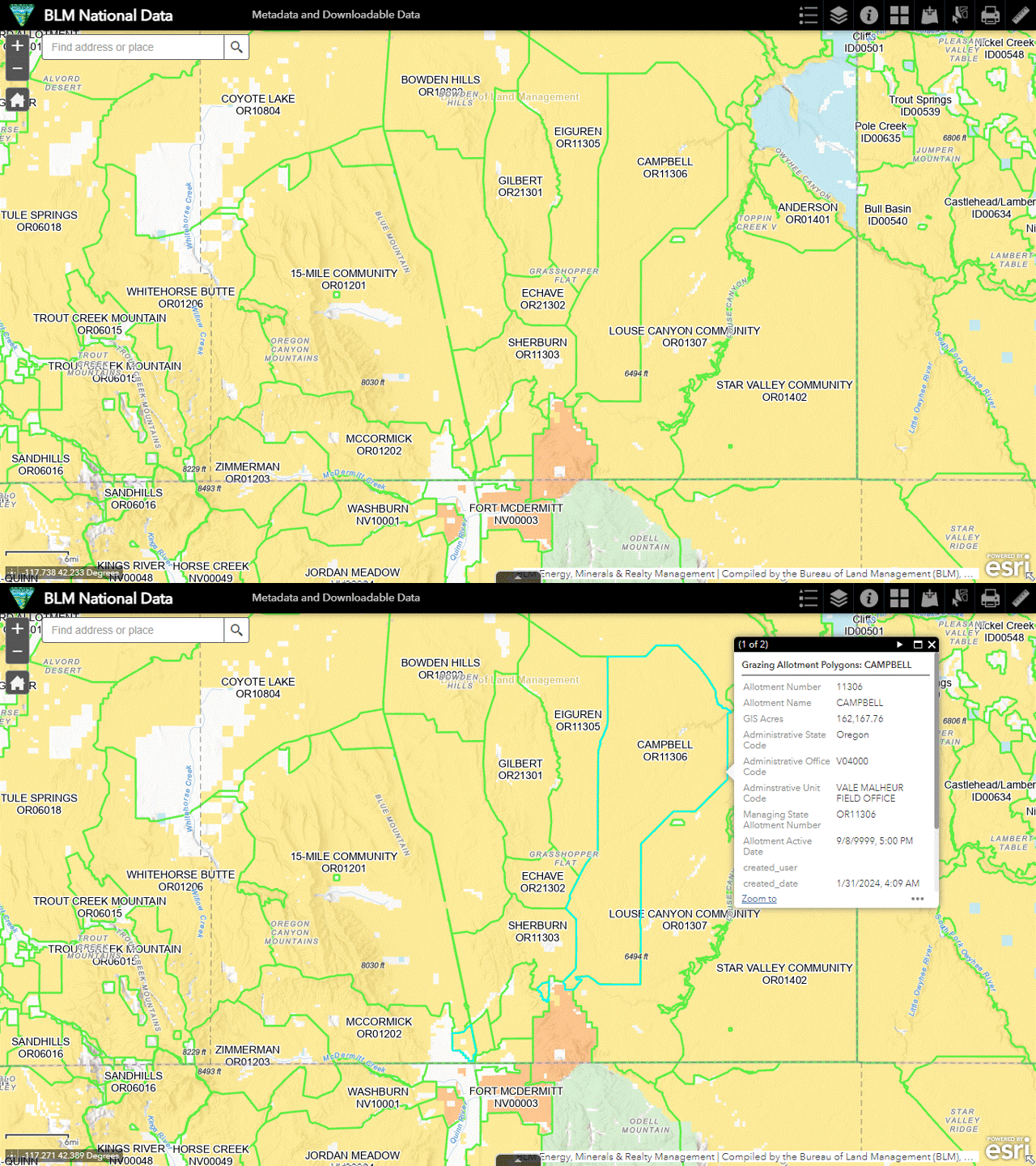
The HA and surrounding lands are subject to permitted grazing.

*According to advocates.

Moriah HA with Grazing Allotments 10-20-23

Day 5 ended with 50 unaccounted-for animals.

Other statistics:

  • Horses allowed by plan (AML): None
  • Forage liberated to date: 4,032 AUMs per year
  • Water liberated to date: 3,360 gallons per day
  • Forage assigned to livestock: Undetermined
  • Horses displaced from HA by permitted grazing: Undetermined
  • True AML: Undetermined
  • Stocking rate at new AML: Undetermined
  • Horses removed because of drilling and mining: Ask the advocates

Overpopulation means more horses than allowed by plan, not necessarily more horses than the land can support.

RELATED: Moriah Roundup, Day 3.

Stone Cabin Permittees Demand Immediate Removal of Horses

The case was disclosed on October 18 by KLAS News but the article did not include a link to the complaint.

Yesterday The Nevada Independent covered the story and provided a link.  If you can’t access the document click here.

The plaintiffs allege that the federal government determined that wild horse overpopulation existed within the Stone Cabin Complex and that removal of excess animals was necessary but did not act in a timely manner.

They pointed to §1333(b)(2) in the WHB Act (16 USC 30) which directs the government to immediately remove excess animals to achieve appropriate management levels and restore a thriving ecological balance.

They further allege that they’ve taken up to 56% suspension of AUMs on the allotments to achieve standards for rangeland health.

The plaintiffs asked the court to declare any off-site conditions impeding the timely removal of wild horses to be irrelevant, such as funding, scheduling, contractor availability and space in the off-range corrals, and to compel the implementation of the new pest control plan subject only to on-site conditions as the court deems appropriate.

The Operator Information and Allotment Information Reports at RAS tie the plaintiffs to the following BLM authorizations and allotments:

  • COLVIN & SON LLC: 2706100, WAGON JOHNNIE and STONE CABIN
  • STONE CABIN RANCH LLC: 2706117, HUNTS CANYON, WILLOW CREEK and STONE CABIN

These parcels are mentioned in Paragraphs 10 and 12 of the complaint.

Paragraph 10 also indicates that Colvin & Son have grazing privileges on the Little Fish Lake and Wagon Johnnie Allotments in the Humboldt-Toiyabe NF.

Paragraph 12 indicates that Stone Cabin Ranch has grazing preference on the Monitor Complex, Stone Cabin and Saulsbury Allotments in said forest.

Those allotments are not covered by RAS and do not appear in the National Data Viewer, but the forage allocations, livestock types and seasons of use can be found in the AOIs (Colvin & Son | Stone Cabin Ranch).

The Forest Service allotments can be seen in the Western Watersheds map.

Although the plaintiffs claim they have cooperated with federal agencies to achieve applicable standards for rangeland health, the Allotment Master Report puts all of their allotments in the Improve category (Colvin & Son | Stone Cabin Ranch).

A ruling in favor of the plaintiffs would throw the wild horse and burro program into chaos.

As of today, the Stone Cabin Complex is not in the FY24 roundup schedule.

RELATED: Stone Cabin Decision Published.

Thriving Ecological Balance-3

Nevada Stallion Shot, Killed, Marked with Ford Mustang Logo

The remains were found about 50 miles west of Ely by a field worker with the Campaign Against America’s Wild Horses, according to a story by KOLO News of Reno.

The CAAWH Communications Director called for an investigation but did not offer a reward for information leading to arrest and convictions of the person(s) responsible.

Do not be misled.  Next to the federal government, nobody’s getting rid of more wild horses than CAAWH and its army of nitwits.

Not shooters, hunters, ranchers, campers, motorists, drillers, miners or loggers.

Pesticide Pushers 07-17-23

Moriah Roundup, Day 3

The incident began on October 17.  Results through October 19:

  • Scope: Moriah HA
  • Purpose: Pest control, resource enforcement, rancher protection
  • Target: Horses
  • Type: Planned
  • Method: Helicopter
  • Category: Cruel and costly*
  • Better way: Pummel mares with pesticide-laced darts*
  • Captured: 203, up from 62 on Day 1
  • Average daily take: 67.7
  • Capture goal: 400
  • Removal goal: 400
  • Returned: None
  • Deaths: None
  • Shipped: 103, up from zero on Day 1

The figures above are based on the daily reports, not the totals posted by the BLM.

The capture total includes 69 stallions, 89 mares and 45 foals.

Youngsters represented 22.2% of the animals gathered.

Of the adults, 43.7% were male and 56.3% were female.

Body condition scores were not given.

The HA and surrounding lands are subject to permitted grazing.

*According to advocates.

Moriah HA with Grazing Allotments 10-20-23

Day 3 ended with 100 unaccounted-for animals.

Other statistics:

  • Horses allowed by plan (AML): None
  • Forage liberated to date: 2,436 AUMs per year
  • Water liberated to date: 2,030 gallons per day
  • Forage assigned to livestock: Undetermined
  • Horses displaced from HA by permitted grazing: Undetermined
  • True AML: Undetermined
  • Stocking rate at new AML: Undetermined
  • Horses removed because of drilling and mining: Ask the advocates

Overpopulation means more horses than allowed by plan, not necessarily more horses than the land can support.

RELATED: Moriah Roundup in Progress.

Nye County Commissioners Balk at Helicopter Ban

They opted instead for a new rule seeking humane treatment during roundups, according to a report dated October 19 by the Pahrump Valley Times.

An outright ban would be a serious affront to those associated with animal agriculture, which the commissioners promote as a key part of the local economy.

A markup of the proposed rule describes it as NYE COUNTY ORDINANCE NO. 599.

The article said the motion passed unanimously, with an effective date of October 30, but it has not been posted to the county’s ordinance page as of this morning.

RELATED: Nye County Commissioners Reject Helicopter Roundups.

Calico Roundup Ends Early

Gather operations concluded today, with 489 horses captured, 329 shipped, 145 released and 15 dead.

There were no unaccounted-for animals.

The capture goal was 761 and the removal goal was 380.

Data quality was good.

The death rate was 3.1%.

The capture total included 173 stallions, 257 mares and 59 foals.

Youngsters represented 12.1% of the animals gathered, consistent with a herd growth rate of 7% per year.

Of the adults, 40.2% were male and 59.8% were female, not consistent with a simple random process centered at 50% males / 50% females and a sample of 430 horses.

Some of the mares will be treated with a fertility control pesticide and be returned to the range, so the net removal cannot be determined at this time.

The roundup was billed at catch-treat-release.

RELATED: BLM Announces Surprise-Calico Wild Horse Roundups.

Roberts Mountain Roundup Starts Next Week

The incident will begin on or about October 22.  Three HMAs are affected.

The capture goal is 1,106 and the removal goal is 1,068.

Helicopters will push the horses into the traps and operations will be open to public observation.

Up to 19 mares will be treated with GonaCon Equine, a fertility control pesticide, before being returned to the range with up to 19 stallions.

The current population is thought to be 1,161.

The AML, the number of horses allowed by plan, is 110 – 184.

The National Data Viewer shows habitat loss and the beneficiaries thereof, not named in the news release.  Click on image to open in new tab.

The roundup supports three tenets of rangeland management:

  • Pest control
  • Resource enforcement
  • Rancher protection

Captured animals will be taken to the off-range corrals in Axtell, UT.

Gather stats and daily reports will be posted to this page.

RELATED: Decision Published for Roberts Mountain Complex.

Roberts Mountain Complex with Allotments 10-16-23

Richfield Base Property Available for $25 Million

The ranch includes 7,942 deeded acres east of Richfield, UT, with grazing preference on approximately 80,000 state and federal acres, according to the agent’s listing.

The operator runs approximately 350 cow/calf pairs year around.

In addition to forage on public lands, the owners feed hay produced from valley operations as well as purchased hay.

The agent’s map links the deeded acreage, shown in red, to six BLM allotments, shown in yellow, and one FS allotment, shown in green.

The National Data Viewer shows the BLM allotments.  The FS allotment is south of North Cove Mountain and west of Bear Valley in the Fishlake NF.

The allotments do not intersect any wild horse or burro areas.

Richfield Base Property with Allotments 10-16-23

The Operator Information Report at RAS ties Annabella Land & Cattle to Authorization #4305032.  The Allotment Information Report ties the authorization to Bear Valley, Gypsum, North Cove Mountain and Salls Meadow.

A keyword search of the Allotment Master Report yielded four instances of “Annabella,” consistent with the Allotment Information Report.

The permittees on the two remaining allotments may be DBAs or lessees but this was not explained in the listing.

Information about the Forest Service allotment can be found in the 2023 AOI.

An outlay of $25 million obtains access to a miniscule 558 AUMs per year on BLM land and roughly 483 AUMs per year on FS land.  Not a great deal in your host’s opinion.

The price tag would break the budget of the new adoption partnerships program, but nobody said public-lands ranching was for the little guy.

Calico Roundup, Day 15

The incident began on October 1.  Results through October 15:

The figures above are based on the daily reports, not the totals posted by the BLM.

No horses were caught on Days 14 and 15.

The trap and temporary holding pens were moved to another undisclosed location on Day 15.

The contractor dispatched a mare on Day 14 due to low body condition score and loss of teeth.

The death rate is 3.3%.

The capture total includes 168 stallions, 235 mares and 45 foals.

Youngsters represented 10.0% of the animals gathered, consistent with a growth rate of five percent per year.

Of the adults, 41.7% were male and 58.3% were female, suggesting the herd has an abnormal sex ratio.

The HMAs and surrounding lands are subject to permitted grazing.

*According to advocates.

Surprise-Calico HAs and HMAs with Allotments 09-17-23

Day 15 ended with no unaccounted-for animals.

Mares returned to the Complex will be treated with GonaCon Equine, a fertility control pesticide.  As of today, all returned animals have been stallions.

Other statistics:

  • Forage liberated to date: 3,636 AUMs per year
  • Water liberated to date: 3,030 gallons per day
  • Forage assigned to livestock: Undetermined
  • Horses displaced from area by permitted grazing: Undetermined
  • True AML: Undetermined
  • Stocking rate at new AML: Undetermined
  • Horses removed because of drilling and mining: Ask the advocates

Overpopulation means more horses than allowed by plan, not necessarily more horses than the land can support.

RELATED: Calico Roundup, Day 13.

Calico Roundup, Day 13

The incident began on October 1.  Results through October 13:

The figures above are based on the daily reports, not the totals posted by the BLM.

The location of the trap site on Days 12 and 13 was not given.

Body condition scores ranged from 3 to 4 on both days.

The contractor euthanized a stallion on Day 13 due to low BCS and lameness.

The death rate is 3.1%.

The capture total includes 168 stallions, 235 mares and 45 foals.

Youngsters represented 10.0% of the animals gathered, consistent with a growth rate of five percent per year.

Of the adults, 41.7% were male and 58.3% were female, suggesting the herd has an abnormal sex ratio.

The HMAs and surrounding lands are subject to permitted grazing.

*According to advocates.

Surprise-Calico HAs and HMAs with Allotments 09-17-23

Day 13 ended with 65 unaccounted-for animals.

Mares returned to the Complex will be treated with GonaCon Equine, a fertility control pesticide.  As of today, all returned animals have been stallions.

Other statistics:

  • Forage liberated to date: 4,056 AUMs per year
  • Water liberated to date: 3,380 gallons per day
  • Forage assigned to livestock: Undetermined
  • Horses displaced from area by permitted grazing: Undetermined
  • True AML: Undetermined
  • Stocking rate at new AML: Undetermined
  • Horses removed because of drilling and mining: Ask the advocates

Overpopulation means more horses than allowed by plan, not necessarily more horses than the land can support.

RELATED: Calico Roundup, Day 11.

BLM Offers $7.5 Million for WHB Adoption Partnerships

The opportunity is open to local and state governments, tribes, other federal agencies and nonprofit organizations through January 15, according to today’s news release.

Proposals will support off-range activities related to placement of wild horses and burros into private care, such as training, outreach and compliance inspections.

An additional funding opportunity related to research may be announced in November and another in December for on-range projects such as application of fertility control.

The agency did not indicate if the solicitation was related to the falling out with MHF.

One possibility would be to seek funding to acquire a base property, update the livestock type and season of use for the allotments attached thereto, and place adopted horses or burros on public lands, as American Prairie did for bison in Montana and as Madeliene Pickens tried to do for horses in Nevada.

Calico Roundup, Day 11

The incident began on October 1.  Results through October 11:

The figures above are based on the daily reports, not the totals posted by the BLM.

There was no gather activity on Day 10.

The location of the trap site on Day 11 was not given.

The average body condition score on Day 11 was 3.

The contractor euthanized a mare on Day 10 due to an infection.

The death rate is 3.4%.

The capture total includes 149 stallions, 193 mares and 35 foals.

Youngsters represented 9.3% of the animals gathered, consistent with a growth rate of four percent per year.

Of the adults, 43.6% were male and 56.4% were female.

The HMAs and surrounding lands are subject to permitted grazing.

*According to advocates.

Surprise-Calico HAs and HMAs with Allotments 09-17-23

Day 11 ended with 55 unaccounted-for animals.

Mares returned to the Complex will be treated with GonaCon Equine, a fertility control pesticide.  As of today, all returned animals have been stallions.

Other statistics:

  • Forage liberated to date: 3,204 AUMs per year
  • Water liberated to date: 2,670 gallons per day
  • Forage assigned to livestock: Undetermined
  • Horses displaced from area by permitted grazing: Undetermined
  • True AML: Undetermined
  • Stocking rate at new AML: Undetermined
  • Horses removed because of drilling and mining: Ask the advocates

Overpopulation means more horses than allowed by plan, not necessarily more horses than the land can support.

RELATED: Calico Roundup, Day 9.