Fixing Wet Spots

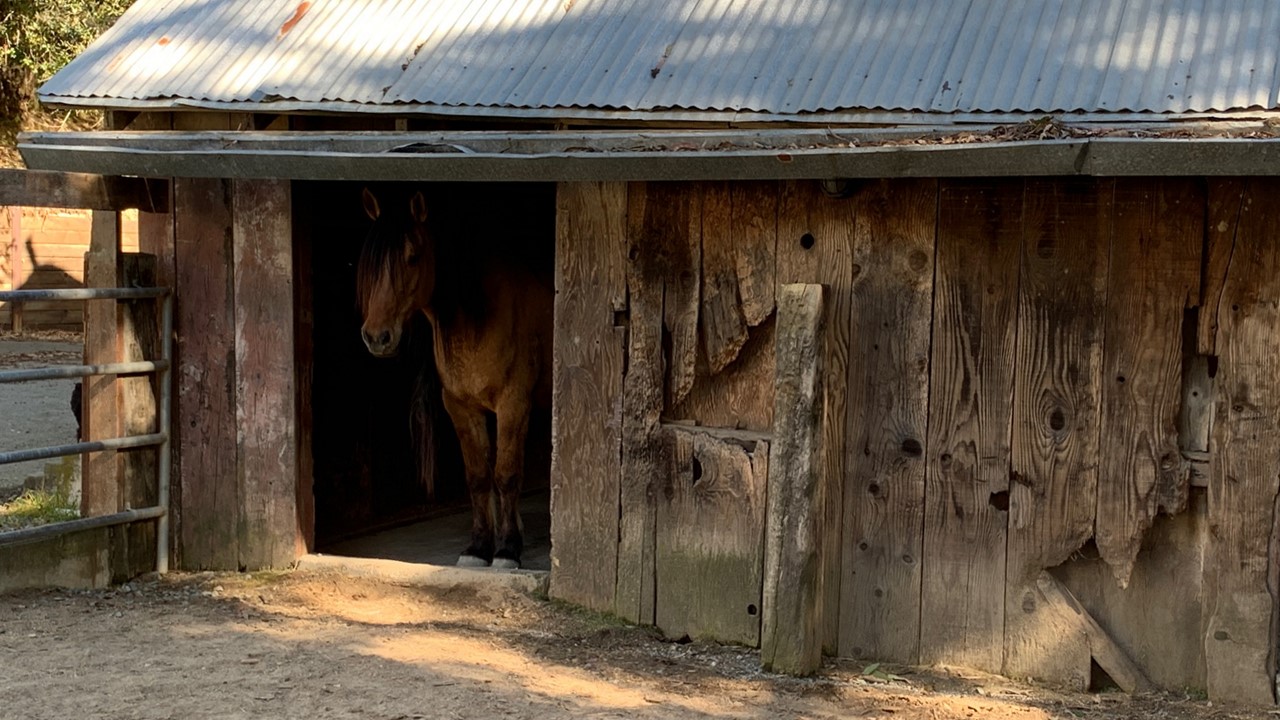
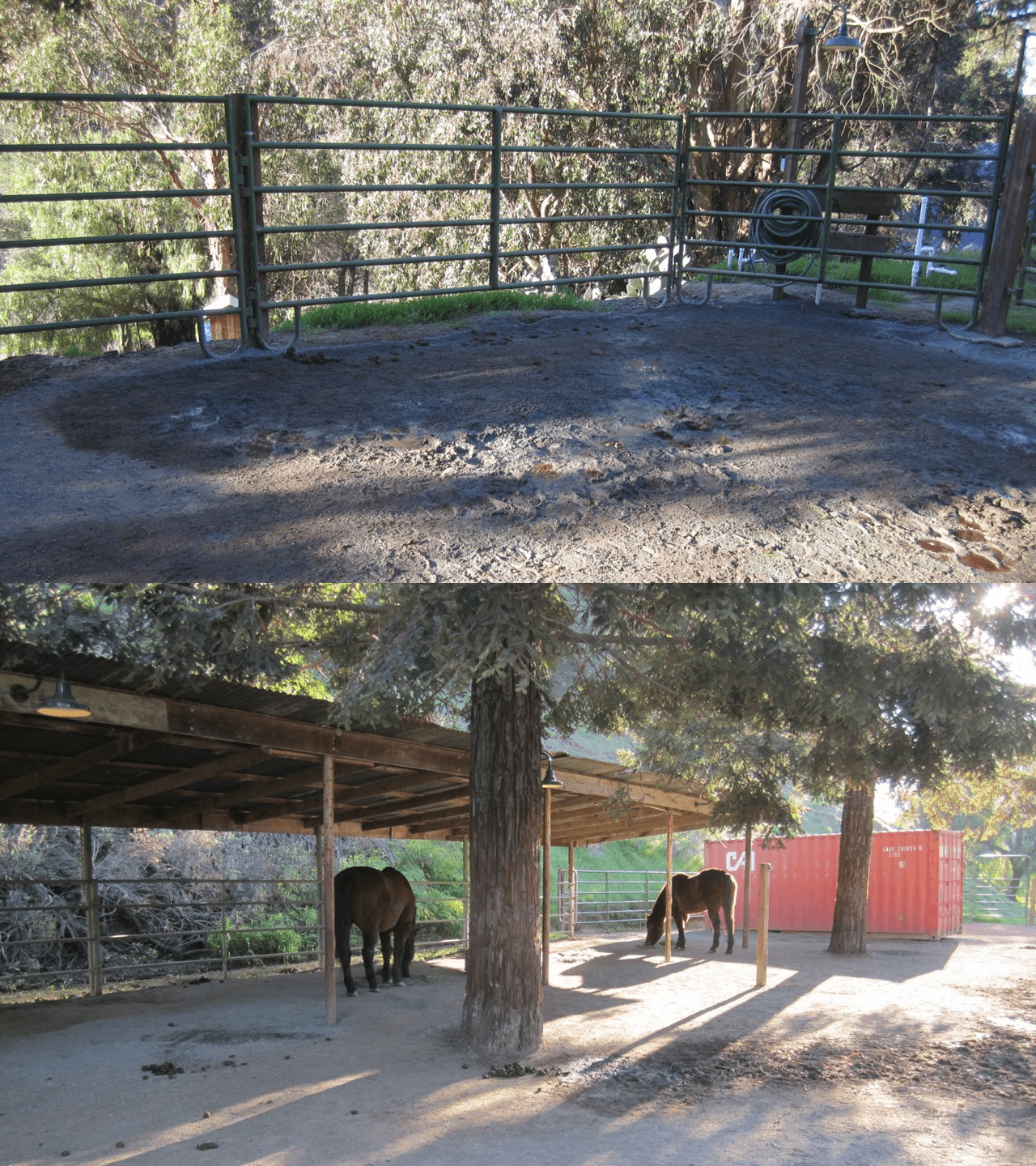
A few weeks ago this corner of the corral was a pond.  The addition of some fill material made things better but it was still wet, suggesting there was another source of water.

You might point to the horses in the shelter, and you’d be right, but the hose used to fill their water buckets, seen in the photo, was leaking.  That was fixed on December 9.

How do you know if you addressed the cause of a problem?  It goes away.

Getting rid of the horses is not an option.  Throwing out some kitty litter to absorb the moisture doesn’t fix the leak and only prolongs the problem.

Fixing Wet Spots 12-11-21

Price of Hay Up Again

On July 3, the price was $19 per bale for 20 bales or more.  Today, the price was $24 per bale, a 26% increase in just four months.

The average horse would consume around five bales per month, putting the cost of feeding him at $120 per AUM.

Price to graze livestock on your public lands?  Steady at $1.35 per AUM.

Adopters will burn through the $1,000 incentive in about eight months.

RELATED: Price of Hay Still Climbing.

Price of Hay Still Climbing

On July 3, a bale of alfalfa-grass sold for $19.  Yesterday, the price was $23, a 21% increase.  That’s with the quantity discount.  The single-bale price is now $24.

If this pattern is true in other areas, what will be the effect on horse owners and adopters who were struggling to get by in the summer?

A horse would need at least five of these bales each month, given their smaller size and weight.  That works out to $115 per AUM or more.

The government pays around $60 per AUM for horses in long-term holding.

Ranchers pay $1.35 per AUM to graze their livestock on your public lands, including those set aside for wild horses.

RELATED: Cost of Hay Rising.

Who Will Look After the Nokotas When Frank Is Gone?

Brother Leo died unexpectedly three years ago and now some are wondering what will happen to the herd when Frank passes on, according to a story appearing in today’s edition of the Grand Forks Herald.

There are currently abut 300 head in his care, thought to be descendants of Sitting Bull’s horses.

Their predecessors were removed from Theodore Roosevelt National Park in the 1980s and 1990s.  The horses you see in the park today are not related.

Insiders are looking for a benefactor to secure the horses’ future when the time comes.

RELATED: New Film About Nokota Horses in the Works.

New Safeguards for AIP?

The Adoption Incentive Program remains in effect, despite legal actions, but additional measures were announced today to provide greater oversight and protection of animals placed into private care.

The news release did not indicate if the new steps would apply to sale-eligible animals and those sold outright, sometimes for as little as $1 each.

RELATED: Adoption Incentive Backfiring or Working Exactly as Planned?

More AIP Fallout?

A rescue in West Fulton, NY has increased capacity to take in former wild horses that ended up in kill pens.  The woman running the operation pays 75 cents per pound to get them out and $1,000 or more to ship them home, according to a story posted yesterday by The Daily Gazette of Schenectady, NY.

She said that one of the mustangs brought in last year was supposed to be in long-term holding with the government paying a rancher for her care but she was handed off to kill buyers instead.

RELATED: Adoption Incentive Backfiring or Working Exactly as Planned?