At the BLM Wild Horse Corrals in Hines, OR. Two are better than one. BLM can remove neck tags (recommended) and add halters (not recommended) before loading.
H/T Rebekah Lynn.
RELATED: You’re Their Only Hope.

Western Horse Watchers Association
Exposing the Hypocrisy, Lies and Incompetence of the Wild Horse Advocates
Around the ranch
At the BLM Wild Horse Corrals in Hines, OR. Two are better than one. BLM can remove neck tags (recommended) and add halters (not recommended) before loading.
H/T Rebekah Lynn.
RELATED: You’re Their Only Hope.
Video from 2009. Explains the adoption process. Should be the same today. No sale authority, no cash and carry. You do the heavy lifting for a year as a foster home, then you get title.
See this story posted earlier today by Reuters. H/T Drudge Report.
On a private off-range pasture somewhere in the Flint Hills of eastern Kansas. For some background on the subject, read this article in The Wichita Eagle dated 03/13/11.
RELATED: BLM Seeks Additional Off-Range Pastures for WHB.
Adopt. Get started at the BLM Internet Auction page.
Half-acre parcel west of Las Vegas, in the Wheeler Pass HMA. Not large enough for a horse ranch but mustangs pass through the area. The water tap avoids a $30,000 to $40,000 expense of drilling a well and installing a private water system. Not on the electric grid. It’s a rugged landscape, tough on the horses too.
RELATED: USFS Ends Cold Creek Gather.
Pipe panels are best, with metal posts. Wood posts can rot and break off. BLM horses must be placed inside six foot fences, mustangs obtained through rescues may have different requirements. H/T Rick Gore for the video.
BLM announced today that it would commence bait-trapping operations immediately, with a goal of removing approximately 250 wild horses from the Antelope Valley HMA, due to insufficient water. The gather will not be open to public observation.
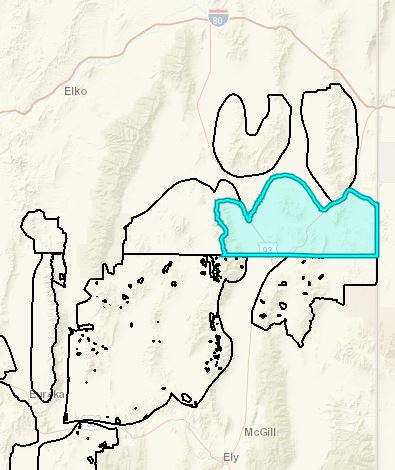
The HMA is about 60 miles southeast of Elko, NV, and covers 502,909 acres (463,540 acres per the news release). The AML of 259 gives a target population density of 0.5 animals per thousand acres (1942 acres per animal).
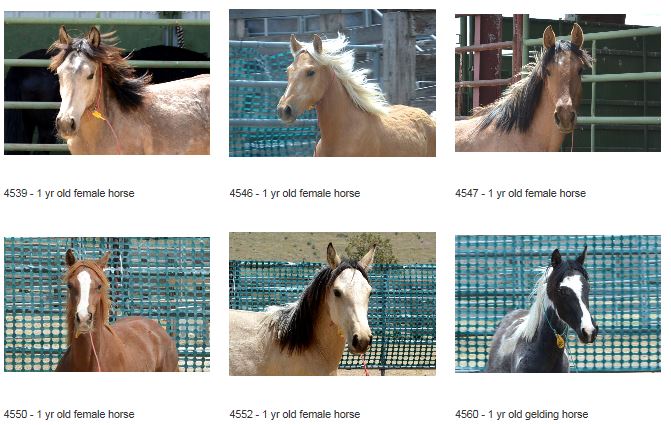
Captured horses will be taken to the Indian Lakes Off-Range Corral in Fallon, NV, where they will be evaluated by a veterinarian and prepared for adoption. Gather stats can be found at this page.
The news release did not indicate if livestock were present on the HMA or surrounding lands where the horses might roam in search of food or water.
An open house and BBQ will be held at Giddy Up Horse Ranch in Bend, OR, on 08/11/18 so interested persons can see the foals saved from slaughter by the Yakima Orphan Foal Network, also known as Thunder Mountain Farms Equine Rescue.
See this announcement at Visit Bend, a public relations site created by the Bend City Council.
These foals are coming from the Yakama Indian slaughter pipeline in Washington state, where slaughter-bound horses are hauled off in trucks marked ‘666.’ There are some sick minds in that industry.
Yes, he can learn. Past experience has an effect on future experience because of things going on inside his head. If that wasn’t true, hot wires would serve no useful purpose.
The horse, like his rider, does not sit around helplessly as life passes by. Instead, he is a factor that determines, in part, what it shall present.
H/T Rick Gore for the video.
Indeed.
The adoption event will be held July 20 – 21 at the Shale Knoll Arena on Sherks Church Road, according to a BLM news release dated 06/25/18.
A trainer with experience in gentling mustangs will be on site demonstrating both days.
Availability of wild horse and burro posters not known.

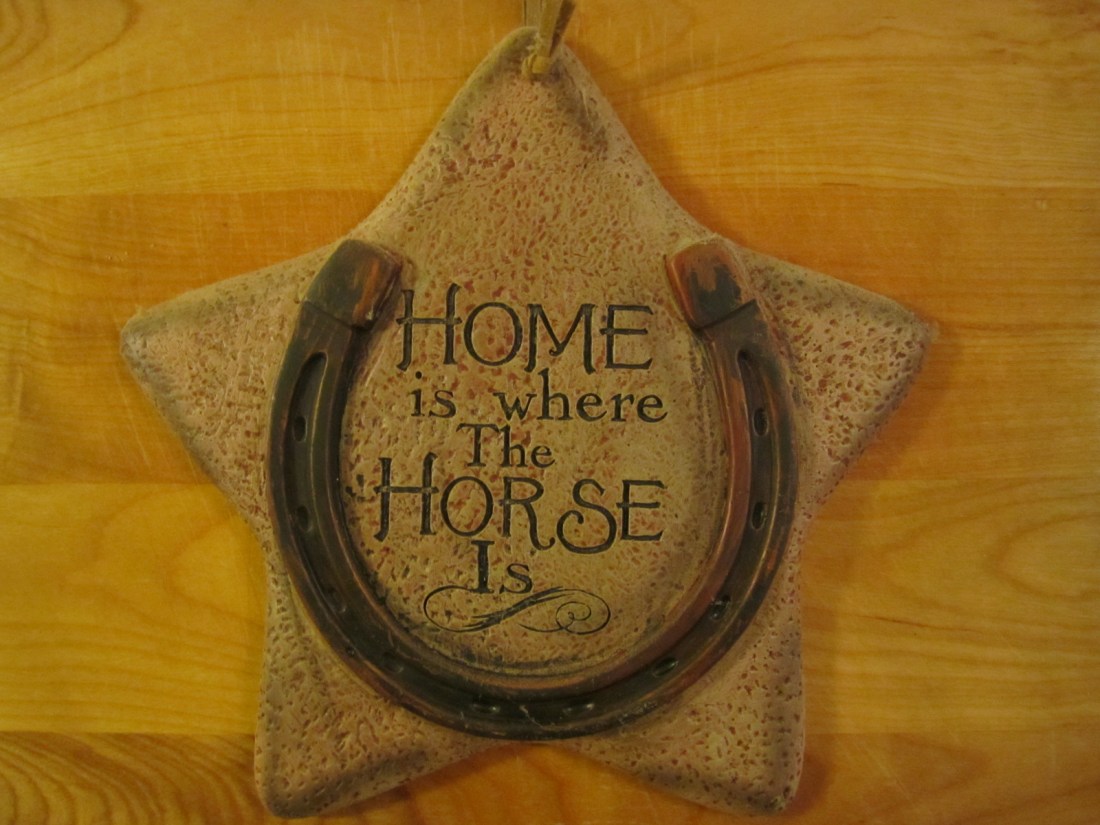
Nail them to a wall or put them above the entrance to your barn, open end up so the good luck won’t spill out!

An advantage of using 15-gallon buckets for water is they can be easily dumped, rinsed and refilled. A disadvantage is the horses can easily put their feet inside, splash out half the water and flip the things over. Which happens frequently in summer. That’s what horses do. But having no water when temperatures are over 90 degrees is unacceptable.
One way to avoid the problem is to add a 100-gallon stock tank. The drain has a 1-1/4″ pipe thread, which accepts a 1-1/4″ x 3/4″ bushing for installing a valve. The rim is high enough to deter contamination from dirty feet. You can always set it on a pallet or cinder blocks for extra protection.
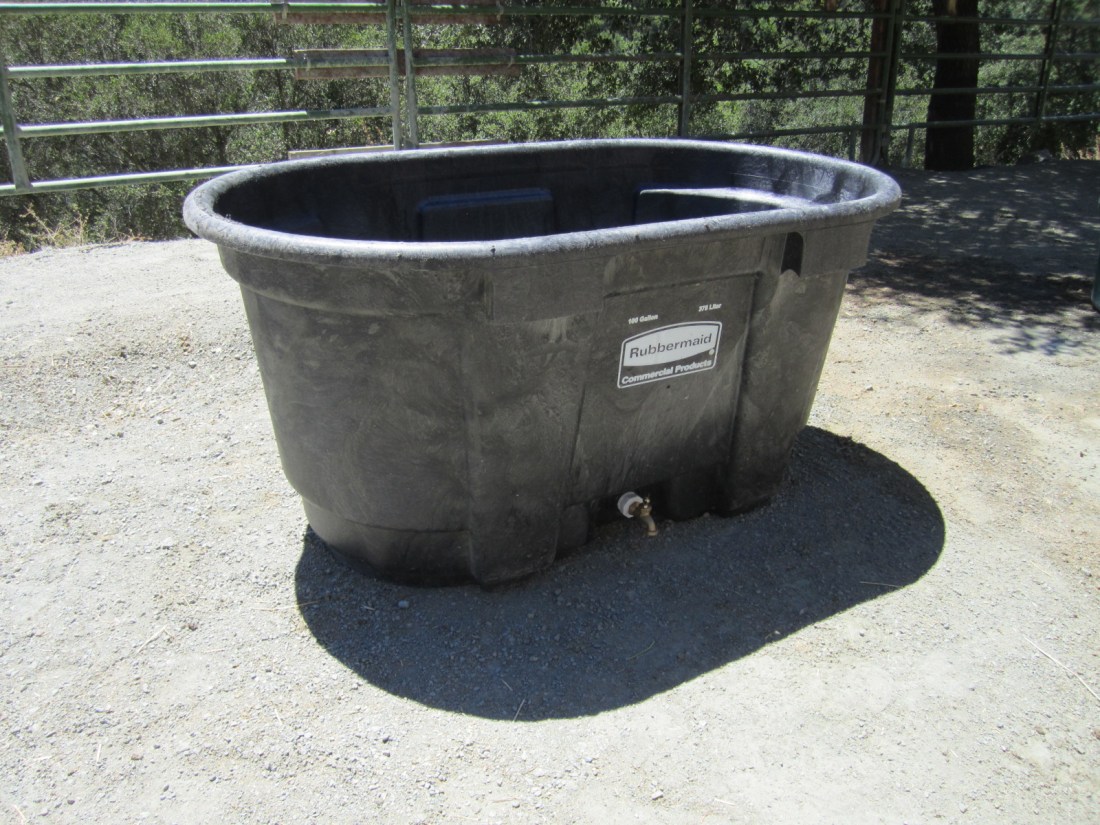
When full, the tank weighs over 800 pounds, which means it’s not going anywhere until you drain it. The tank supplements but does not replace the 15-gallon buckets. You can be away for a day or two and not have to worry about water, assuming you have someone who can help with feeding and cleaning.
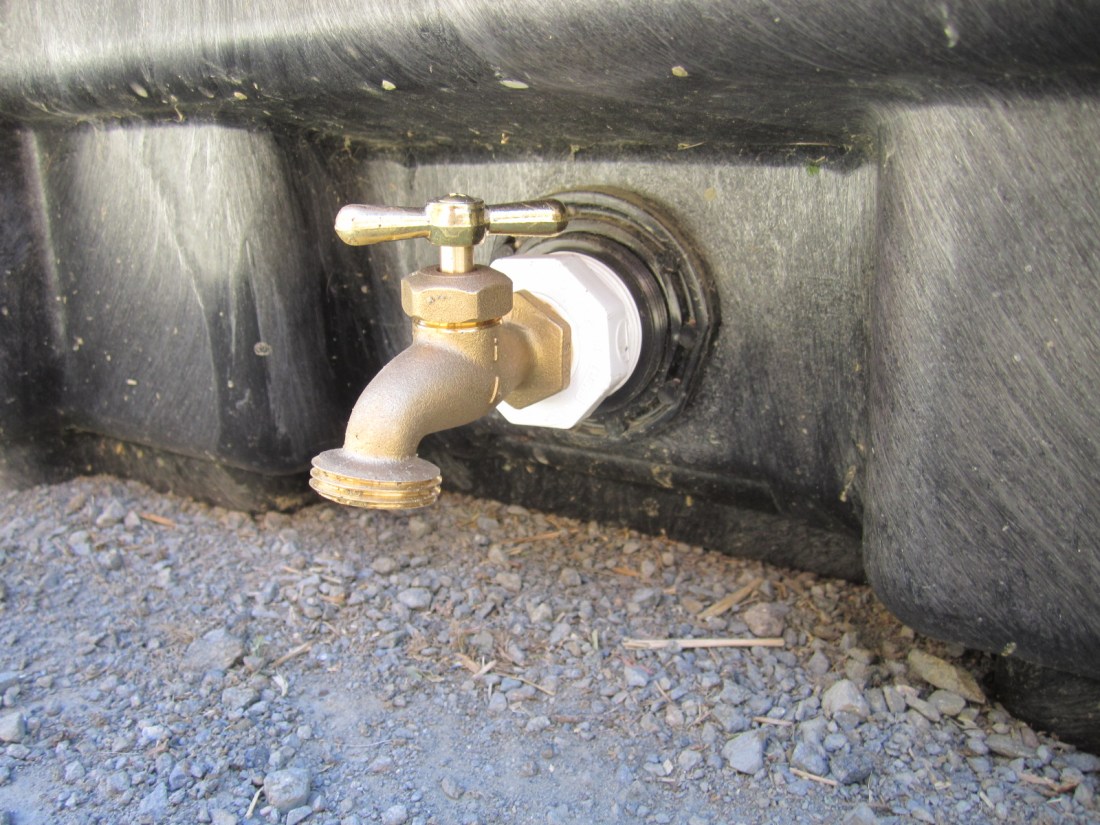
If you elevate the tank a few inches you can connect a garden hose to the valve and direct the old water to a suitable spot. Or you can just let it go to the ground so your horses can play in it.
The size and weight of the empty tank put it in the ‘luggable’ category. You’ll still need to clean it two to three times a week. Price was about $125 at the local feed store.
The event will occur on 08/11/18 at the Regional WHB Corrals in Ridgecrest, CA, as indicated in a news release dated 07/10/18. Most of the horses are aged two years and older, but some colts and fillies will be available. All of the boys have been gelded. The whereabouts of captured mares was not provided.
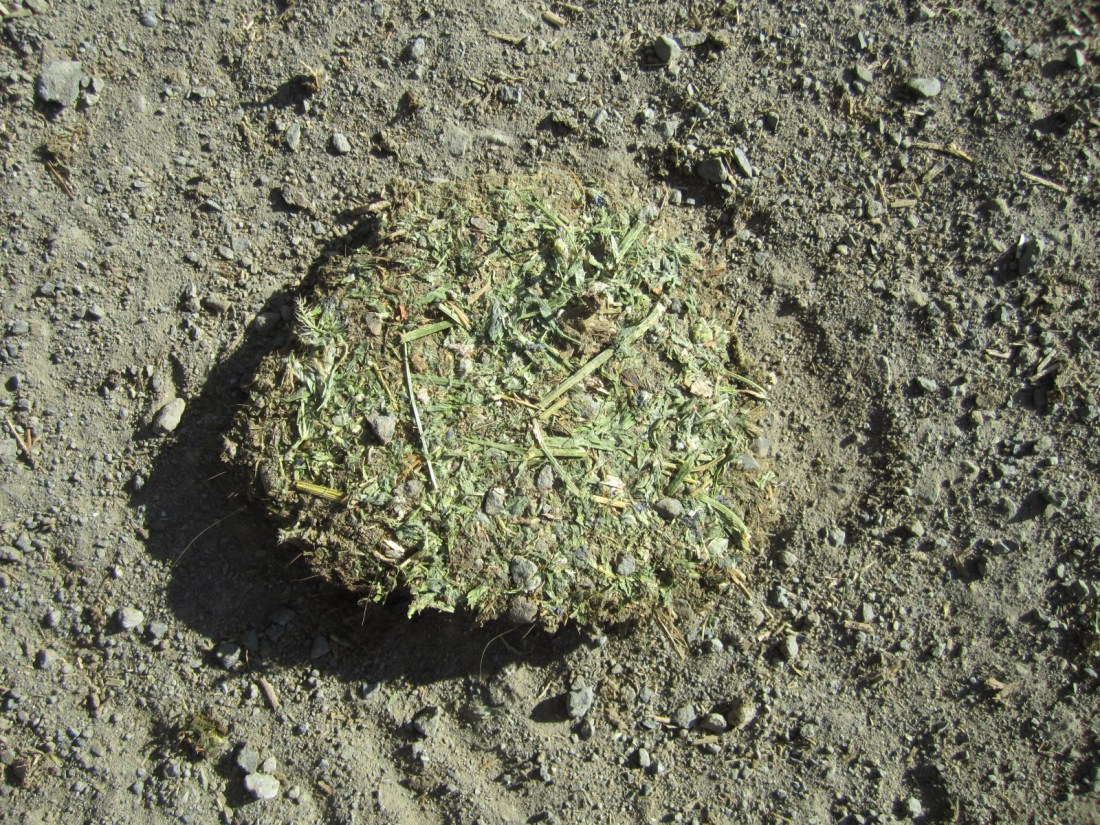
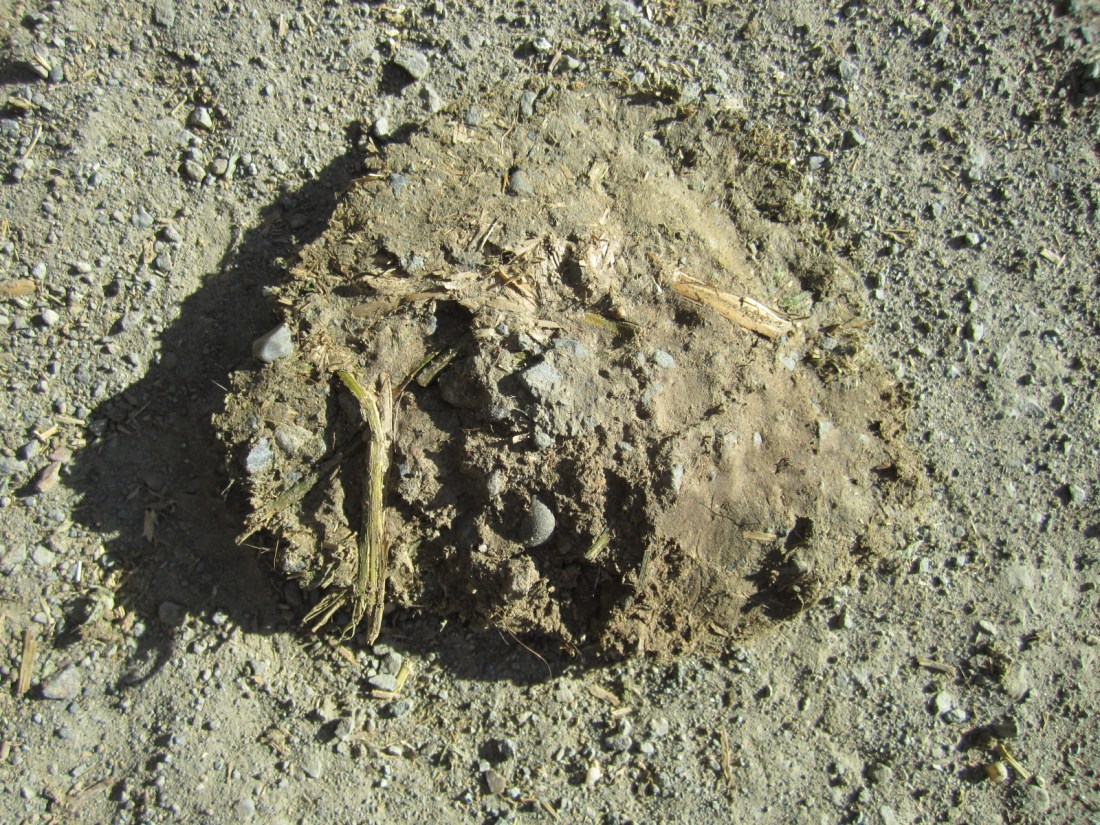
Found this in one of the corrals on 07/06/18. It’s the compressed material flung out of a horse’s foot as he moves. The first photo shows the outer surface that faces the ground. The second photo shows the inner surface that contacts the hoof. Note the rocks and other debris that were pulled out.
In one of his earlier videos, Rick Gore used the example of an overflowing water trough to keep mud in the pasture. He explains the vacuum effect of mud as well as the flinging of dried mud in this video.
Tips for using a trailer with no tack room. H/T Wild Horse Girl.
Wild horses and burros will be offered by the BLM for adoption and sale July 27 – 28, 2018 at the Cherokee County Fairgrounds, according to a BLM news release dated 07/02/18. Tahlequah is about 60 miles east of Tulsa.
Wild horse and burro posters will be available at the event.

Yes, he’s in the house. Either that or you put a cot in the barn. That’s what you have to do with critical-care babies. Just ask Palomino Armstrong. See also the videos posted last few days at the Salt River Wild Horse Management Group FB page.
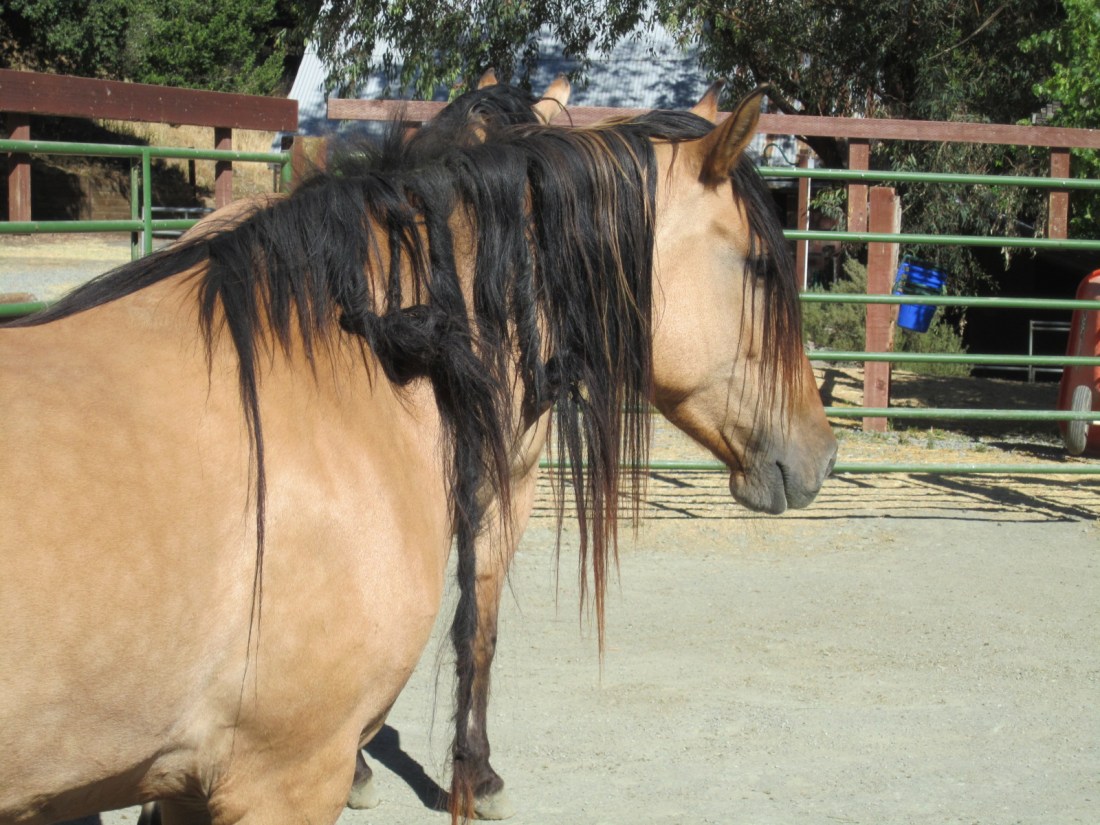
At first glance, you might think someone tried braiding the mane of this horse. Nope, the wind did it. Fairly common in horses with long manes. Especially if they’re wild or in pastures.
And what the wind creates, the wind can take away. A few days later the knots may be gone, without human involvement.
 Western Horse Watchers Association