Fundraiser for Sunny Hills 24

Advocates with Wild Horse Connection, still denying any responsibility for the roundup, will hold an estate sale this weekend to provide food and shelter for the horses until they find new homes, according to an ad on Craigslist.

Western Horse Watchers estimates the cost of hay for 24 former wild horses to be around $3,600 per month.

RELATED: Advocates Want You to Pay for Their Errors.

Criteria for Choosing the Winner in Tonight’s Presidential Debate

For Harris to win, she must

  • Show up

For Trump to win, he must

  • Walk on water
  • Give sight to the blind
  • Cure world hunger

Which one is a symbol of liberty and which one is a symbol of tyranny?

Keep in mind that Project 2025 was created by The Heritage Foundation, not the Trump campaign.

RELATED: Project 2025 Targets America’s Wild Horses and Burros?

McCullough Fundraiser Set for September 14

Advocates with Friends of a Legacy need your help.

They’re fighting back against genetic diversity, natural order and principal use.

Their primary weapon, PZP, doesn’t grow on trees.

Join them this Saturday for the ninth annual Mustang Rendezvous.

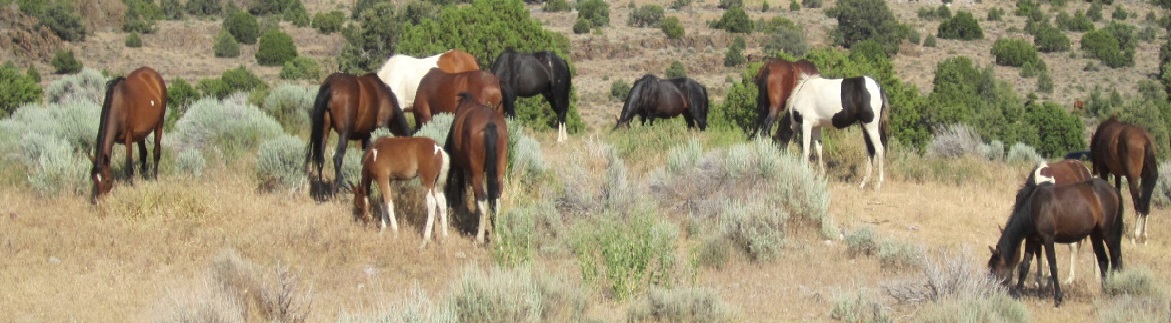
Proceeds from the event will support their mission to protect and preserve the wild horses of McCullough Peaks, illustrated in the photo below.

Refer to this article by The Cody Enterprise for more information.

You can’t take the advocates at face value.

They’re not who they say they are.

They want the ranchers to win.

McCullough Peaks Darting-1

Tensions Mount Ahead of Little Book Cliffs Roundup?

Contrary to the remarks in a September 10 article by The Colorado Sun, all parties involved are on the same page.

The author’s bio says she loves to write about agriculture and ranching, the driver of wild horse roundups, but apparently there has been a falling out.

A representative of the Campaign Against America’s Wild Horses, a leader in nonmotorized removal, said the incident, set to begin tomorrow, rejects published science and persistent calls from the governor and state lawmakers to delay the roundup in favor of in-the-wild conservation, a codeword for destroying the herd with PZP.

Advocates with Friends of the Mustangs, applicators of the pesticide, will help the BLM decide which horses stay and which ones go.

And the ranchers whose allotments surround the HMA, not mentioned in the story, are cautiously optimistic about the future and the prospects of fewer wild horses leaving the reservation in search of greener pastures.

They may be giving money to the nonprofits.

BLM allotments in the state support livestock equivalent to 49,546 wild horses on 7,448,367 public acres, or 6.7 wild horses per thousand public acres.

RELATED: Advocates Protest Little Book Cliffs Roundup.

Working Together for a Horse-Free Future 12-21-22

Davis Fire Not Growing Despite Zero Percent Containment

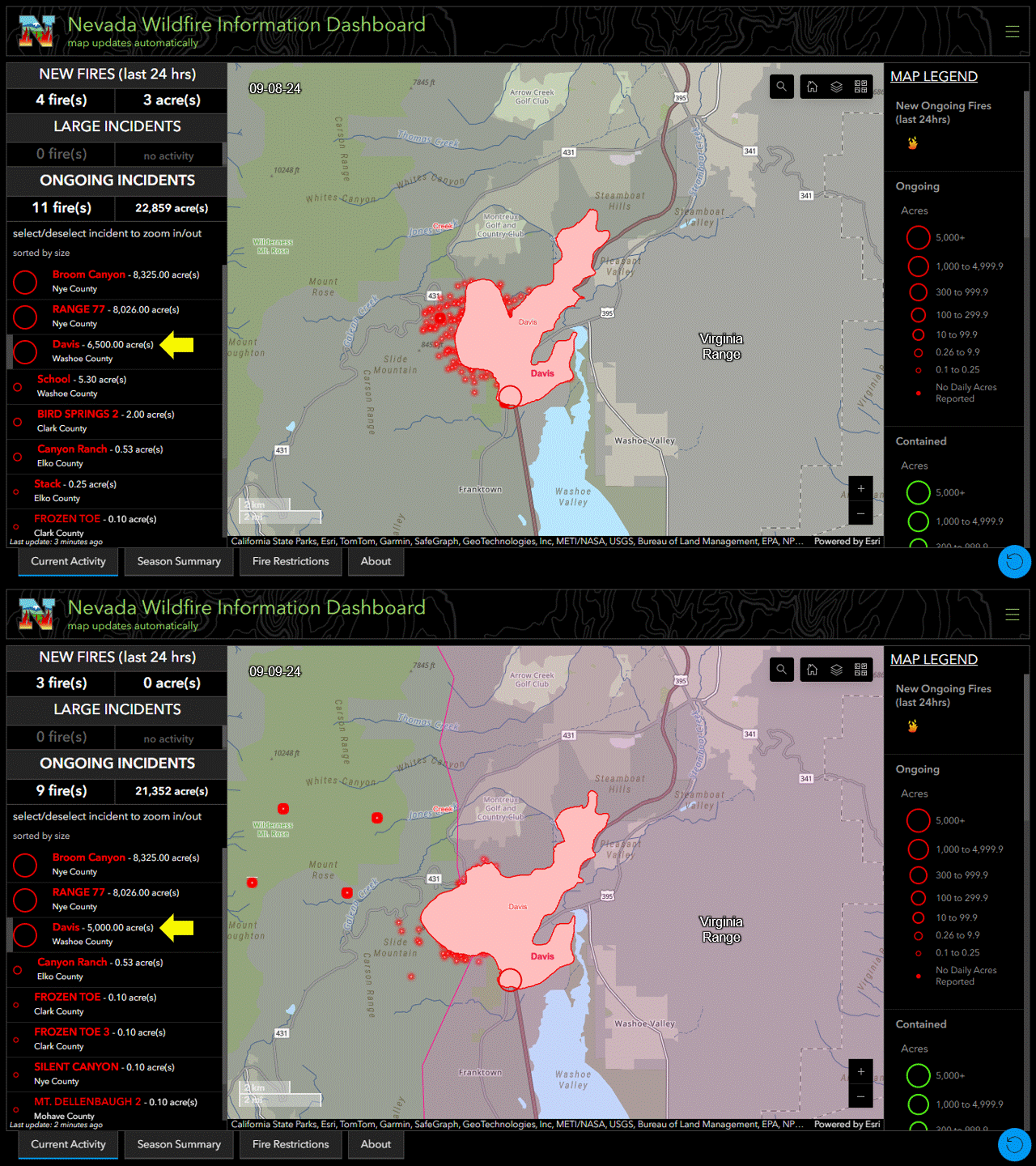
Some reports, such as this one from KOLO News, say the size has been trimmed to approximately 4,700 acres but InciWeb still says 6,500.

One way to tell if videos of running horses were filmed near the Virginia Range is the absence of youngsters, thanks to the Campaign Against America’s Wild Horses and its army of nitwits.

RELATED: Davis Fire Jumps I-580, Grows to 6,500 Acres.

Davis Fire Now on InciWeb

The site initiated coverage last night.

  • Cause not determined
  • Zero percent contained
  • 1,500 acres burned

A report by Carson Now indicates wild horses moving near Geiger Grade, the main road from south Reno up to the Highlands.

Your host received another email from NV Energy saying that power had been restored, hopefully to the entire area.

RELATED: Davis Fire Threatens Virginia Range Mustangs?

Davis Fire Threatens Virginia Range Mustangs?

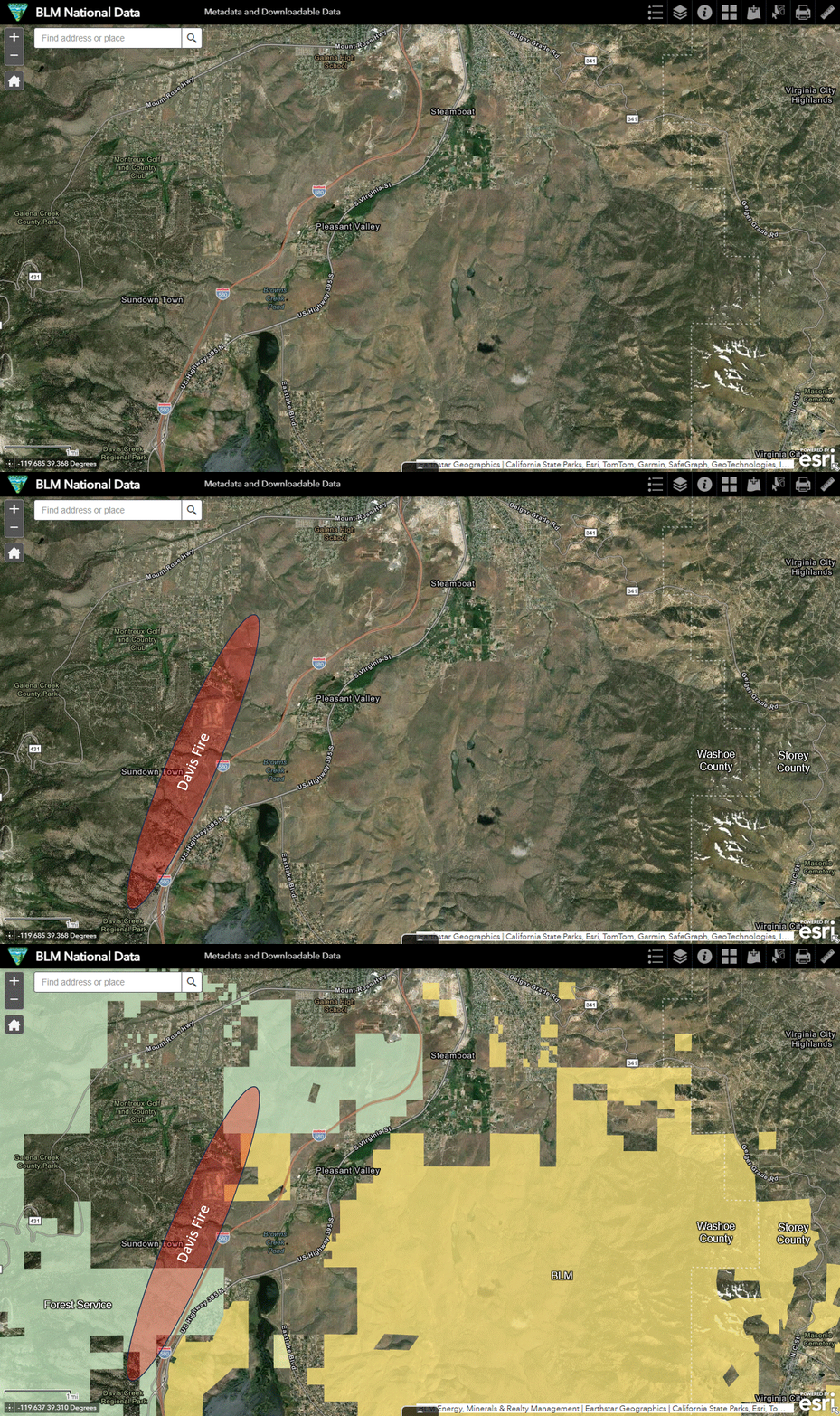
The fire is burning on the west side of I-580 near the intersection of Highway 431.

The 8:53 PM update by KTVN News says the Virginia City Highlands, an area in the hills to the east frequented by the horses, is under an evacuation warning, probably due to the risk of secondary fires caused by wind-driven embers.

Your host received an email this evening stating that NV Energy, a white-flag company, has de-energized the circuit that serves the area.

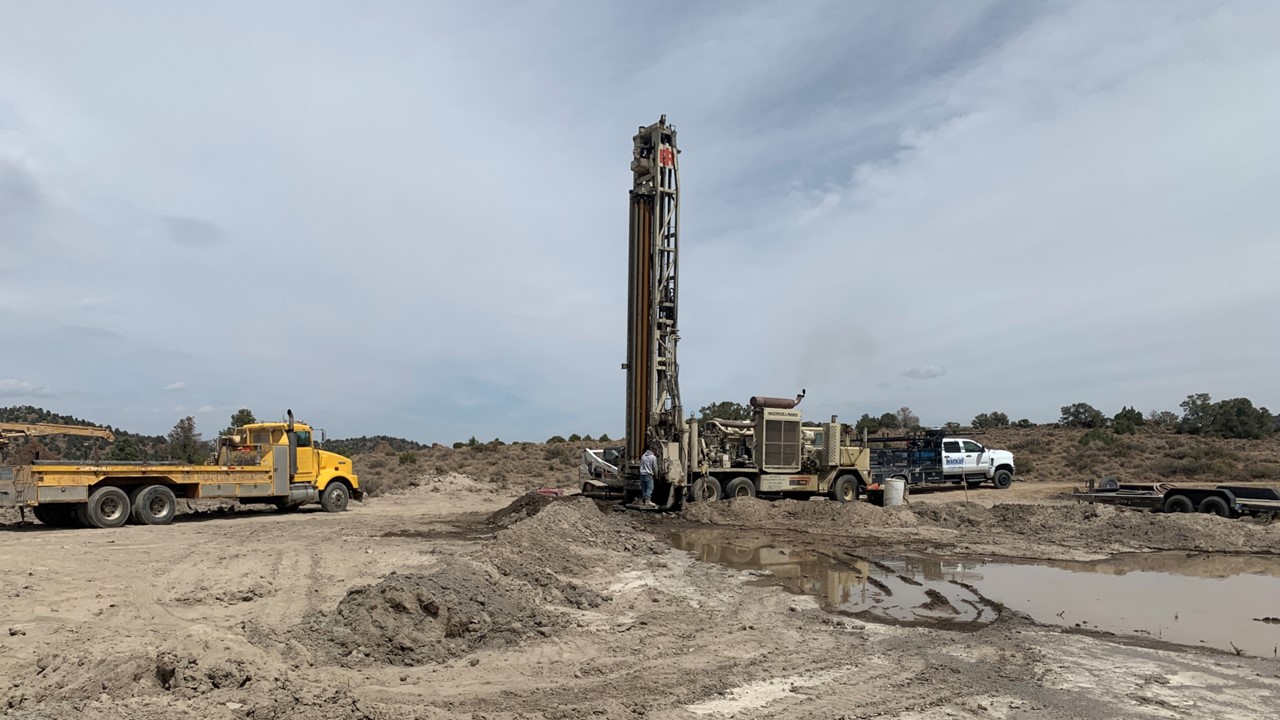
There is no public water supply up there.  Everybody is on a well.

If you don’t have backup power, good luck protecting your property.

Drilling a Well 08-23-24

Equine Delusions: The Advocates Think They’re the Good Guys

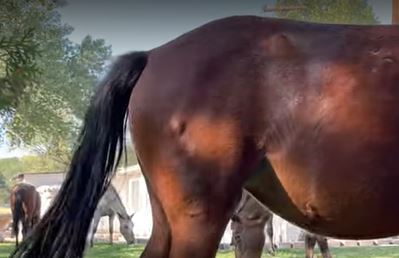
They’re poisoning the mares with PZP and praying for the older horses to die.

They’re skewing the sex ratios in favor of females.

They’re inflicting injuries and infections.

VR Darting Injury 09-15-21

They’re driving the breeding populations into the single digits.

They don’t care about genetic diversity.

They want the ranchers to win.

Yet they write columns and opinion pieces painting themselves as disciples of Velma.

Consider the article starting on page 15 of the August edition of Horse Tales.

It was written by a trained PZP darter and close supporter of the Campaign Against America’s Wild Horses, a leader in nonmotorized removal.

The column ends with a remark about wild horses being mistreated and removed from their homes by the very people put in place to protect them.

Protect Wild Horses from Advocates 08-29-21

Is she talking about the BLM or herself and fellow travelers?

RELATED: If You Want to Help the Ranchers Give Money to the Advocates.

Foal-Free Friday, Spiking the Pesticides Edition

Despite assurances by Jay Kirkpatrick that PZP would only be used to slow population growth, the advocates have ignored his warnings about long-term use are now using the pesticide beyond its five-year limit.

How long will they be satisfied with near-zero birth rates?

Attrition is a slow process and the bureaucrats and ranchers want quick results, the domain of motorized removal.

The announcement earlier this week of the Little Book Cliffs roundup echoed their frustration: “Fertility treatment alone cannot reduce wild horse herd populations.”

Why do they want small herds?

Because the horses consume forage that belongs to the ranchers.

Public lands are not managed for the benefit of the American people as specified in FLPMA, but for a select few.

Unabashed, the advocates are now actively helping the bureaucrats realize their goal of ranching superiority in the lawful homes of wild horses, sometimes referred to as achieving and maintaining AMLs.

With few if any new foals hitting the ground, the average age of the herds is increasing, along with the death rate.  But that’s not good enough.

The accidental poisoning last month of dozens of rodeo horses indicates there are other ways to achieve the desired results.

An August 30 report by Tri-State Livestock News noted that less than one half a gram of monensin can be fatal to a horse.

In their desire to win the approval of the bureaucrats and ranchers and dominate the removal industry, how long before the advocates experiment with substances that hasten death?

Liberals are on the forefront of society’s downward spiral and most wild horse advocates are liberals.

RELATED: Foal-Free Friday, Filling the Vacuum Edition.

Pesticides R Us Better Way 11-07-23

Virginia Range Darting Update for August 2024

The Campaign Against America’s Wild Horses, a leader in nonmotorized removal, reported today that 141 mares received 141 doses of PZP during the month, 27 given as primers and 114 as boosters.

Over the life of the program, which began in 2019, the advocates have pumped 9,767 doses of the pesticide into 2,058 mares, for an average of 4.7 doses per mare.

Since the beginning of the year, 154 foals have been born and 44 died.

The current population is thought to be 3,515, with 302 horses listed as missing, compared to 3,548 with 311 horses listed as missing in July.

The population was 3,521 with 302 horses listed as missing in June and 3,502 with 310 horses listed as missing in May.

The loss of 24 wild horses in the Sunny Hills fiasco was not discussed.

The Year 6 agreement with NDA has not been posted to the darting resources page.

The Year 5 summary has not been posted to the monthly reports page.

A goal for September is to maximize booster treatments so the herd will continue to shrink and to complete the training of newly certified darters.

Not discussed in the August update:

  • Long-term population goal
  • Number of viable mares
  • Size of breeding population
  • Loss of genetic diversity
  • Changes in death rate and sex ratio
  • Unlawful use of pesticides

The report will be submitted to the Nevada Department of Agriculture.

RELATED: Virginia Range Darting Update for July 2024.

Adjectives for Pests 12-01-23

Little Book Cliffs Roundup Set for Next Week

The incident will begin on or about September 11 according to today’s news release.

The capture and removal goals are 130 and 100, respectively.

The pre-gather population is not known.

A helicopter will push the horses into the trap and operations will be open to public observation.

The HMA covers 36,100 total acres in western Colorado, including 35,178 public acres.

The 150 horses allowed by plan require 1,800 AUMs per year.

The stocking rate allowed by plan is 4.3 wild horses per thousand public acres.

Mares returned to the range will be treated with fertility control pesticides.

In a move that will likely anger the advocates, the news release said “Fertility treatment alone cannot reduce wild horse herd populations.”

Mass Sterilization and Motorized Removal 08-10-24

Animals identified for removal will be taken to the off-range corrals in Cañon City.

The HMA is not subject to permitted grazing but surrounding lands are, denoted by green borders in the following map.

BLM allotments in the state support livestock equivalent to 49,546 wild horses on 7,448,367 public acres, or 6.7 wild horses per thousand public acres.

Little Book Cliffs WHR with Allotments 04-28-24

Maverick-Medicine Roundup Ends with 9% Overreach

The incident concluded today with 109 horses captured, 106 shipped, none released and three dead.

There were no unaccounted-for animals.

The capture and removal goals were 100 each.

The death rate was 2.8%.

The average daily take was 21.8.

The capture total included 50 stallions, 40 mares and 19 foals.

Youngsters represented 17.4% of the animals gathered.

Of the adults, 55.6% were male and 44.4% were female.

Body condition scores were not given.

There were no plans to treat any of the mares with fertility control pesticides and return them to the range, a huge disappointment to the advocates.

The roundup liberated 1,308 AUMs per year, giving new hope to the permittees.

RELATED: Maverick-Medicine Emergency Roundup Announced.

UPDATE: The September 3 news release did not indicate if other animals, including privately owned livestock, were suffering from lack of water.

Decker Base Property Available for $21 Million

The ranch covers 23,665 total acres in southern Montana, including 13,800 deeded acres, according to the listing.

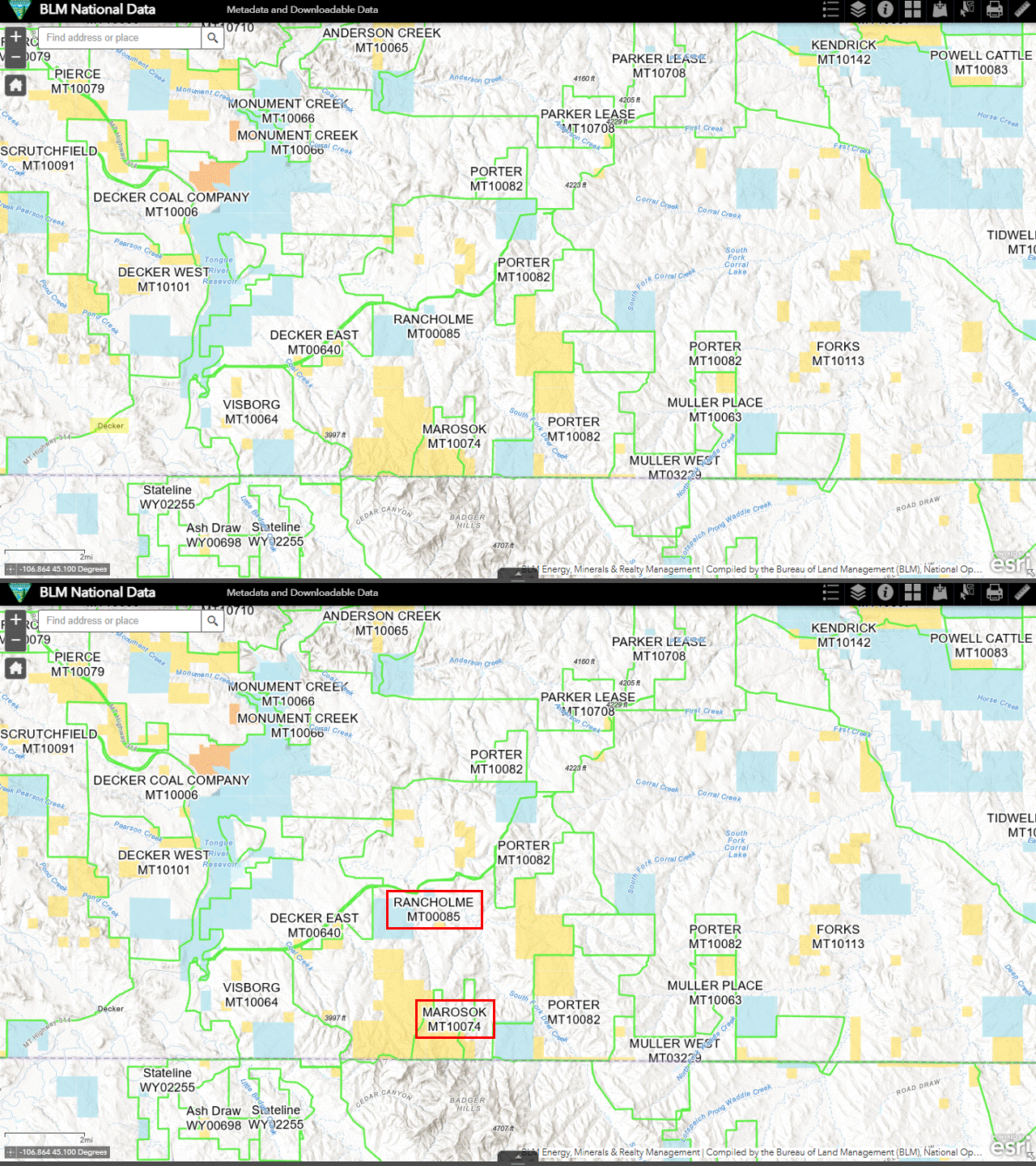
The description indicates it has preference on the Rancholme Allotment but the map suggests it also has access to Marosok.

The Allotment Master Report ties both parcels to the same permittee.

The land ratio is too low to make the property attractive from a wild horse viewpoint.

You must acquire 13,800 deeded acres to access 4,638 public acres, or approximately three deeded acres per public acre.  You want it to be the other way around.

The idea is to buy small private parcels attached to larger public parcels.

Then convert the grazing preference to horses as American Prairie did for bison elsewhere in the state.

Rancholme and Marosok Allotments 09-02-24