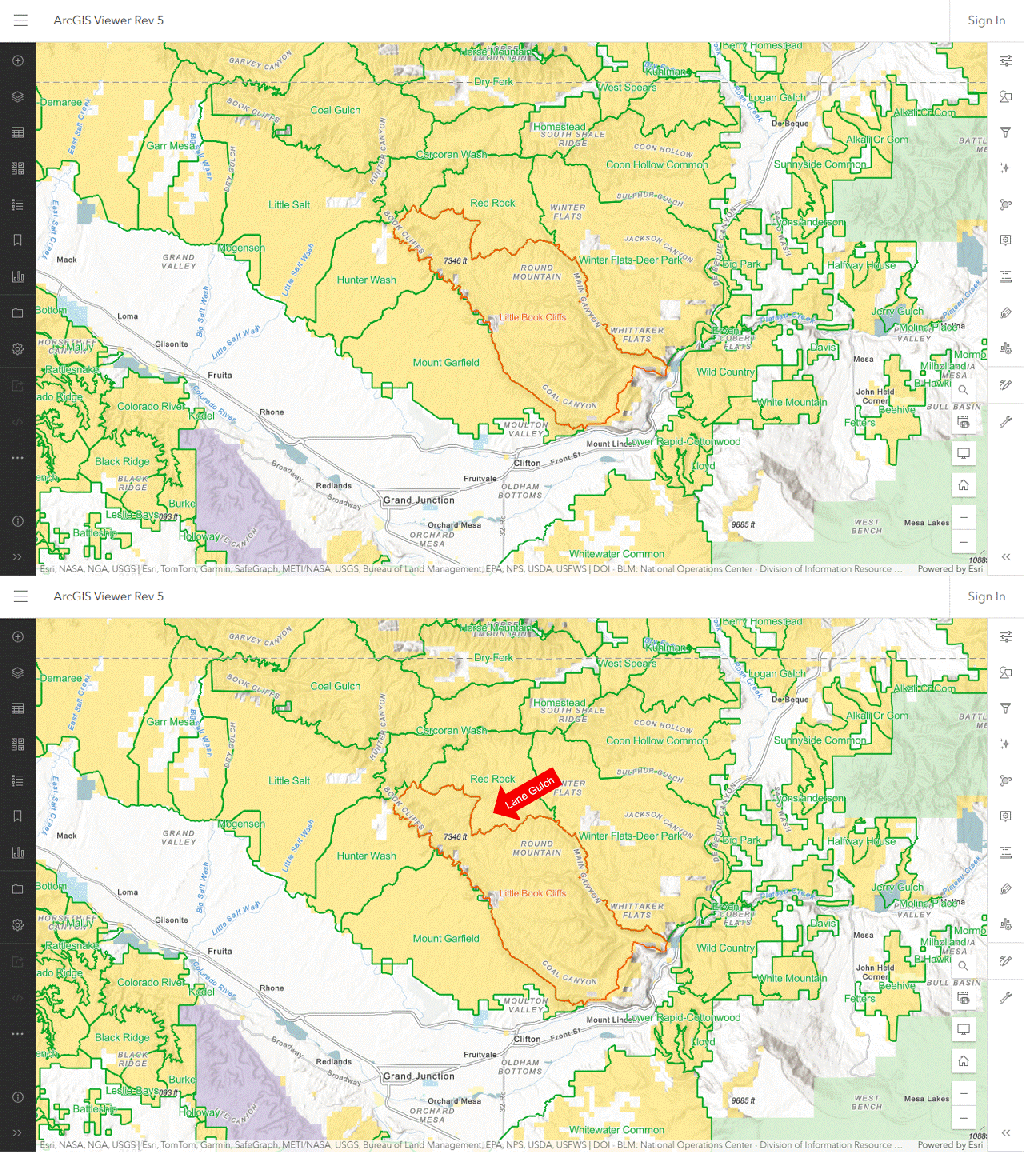
The project map indicates that one quarter to one third of the seed will fall in Lane Gulch, an area not in the HMA but in the Red Rock Allotment.
The Allotment Master Report puts it in the Improve category, another sign that your stewards of the public lands are not taking their responsibilities seriously.
The BLM proposed the installation of a cattle guard on the north side of Lane Gulch in 2023 with the goal of containing the equine pests.
A new project was created today in ePlanning but no documents have been posted.
The Proposed Action, according to the description, would apply a seed mix over a ten-year period as funding allows.
Wild horse overpopulation and persistent drought have been detrimental to rangeland ecology, especially native bunchgrasses, which are a primary component of their diets.
The Allotment Master Report puts it in the Improve category, suggesting that your stewards of the public lands have not been taking their responsibilities seriously.
The permittees receive 2,609 active AUMs on 36,475 public acres.
If the area was designated for wild horses, how many could live there?
The forage assigned to livestock is equivalent to 217 wild horses, or 5.9 per thousand public acres.
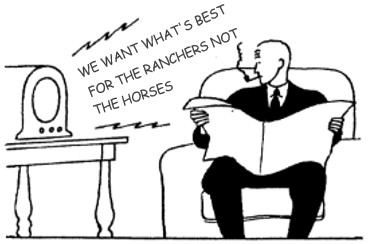
Your faithful public servants claim that public lands in the western U.S. can only support one wild horse per thousand acres (25,500 animals on 25.6 million acres).
The advocates reinforce the narrative with their darting programs.
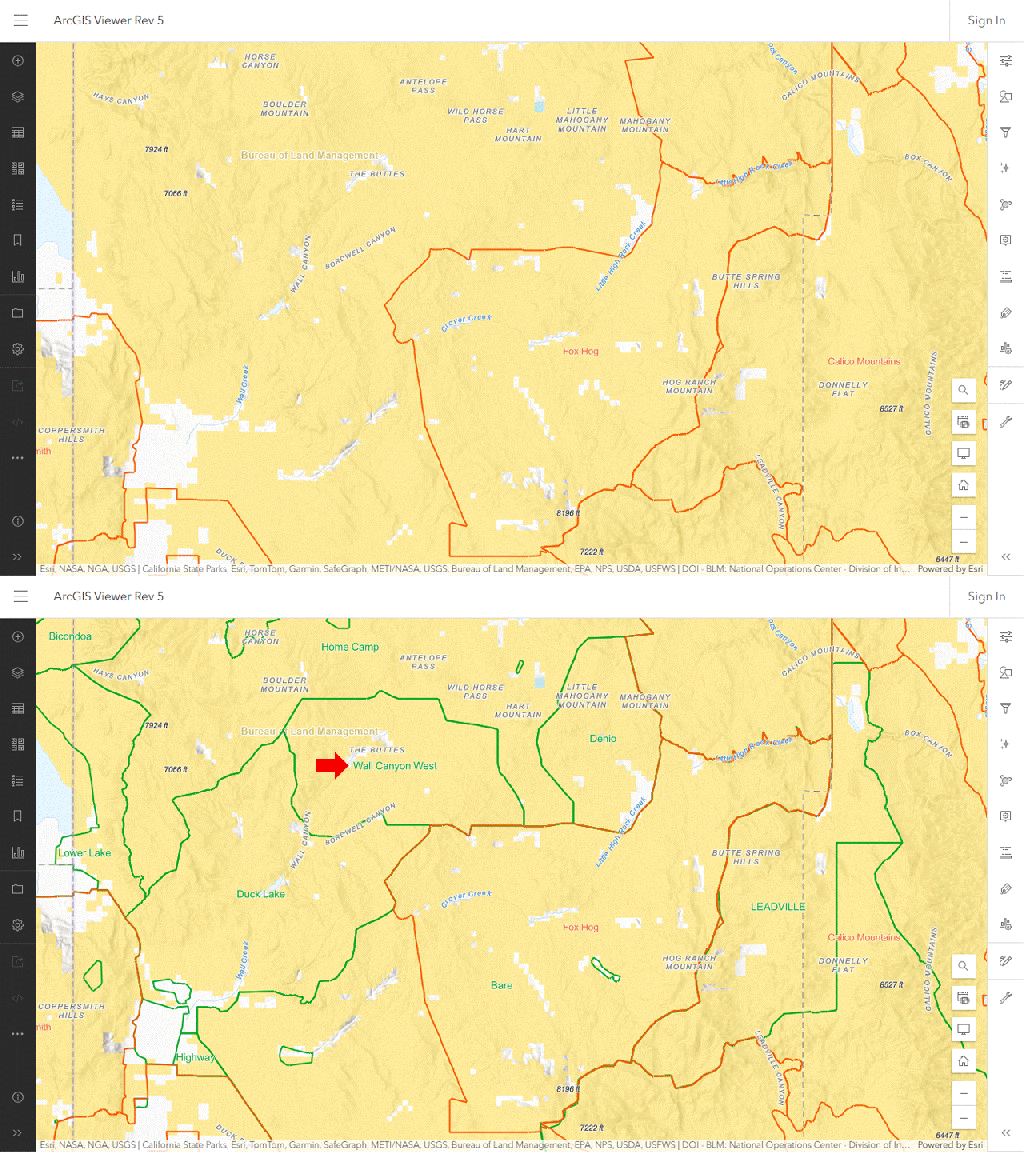
If the allotment was an HMA, the AML would be 36 and 181 wild horses would be consigned to off-range holding because of permitted grazing.
Wild horses can be placed on public lands not identified for their use by acquiring base properties associated with grazing allotments and flipping the preference to horses.
A new project has been opened in ePlanning with comments due by June 13.
The DNA asserts that a 2018 EA covers the Proposed Action, which would capture most of the horses in the HMA and return up to 100 in a ratio of 60% males to 40% females.
There are no plans to treat any of the mares with fertility control pesticides.
Ideally, the incident would occur in the fall but it is not on the latest schedule.
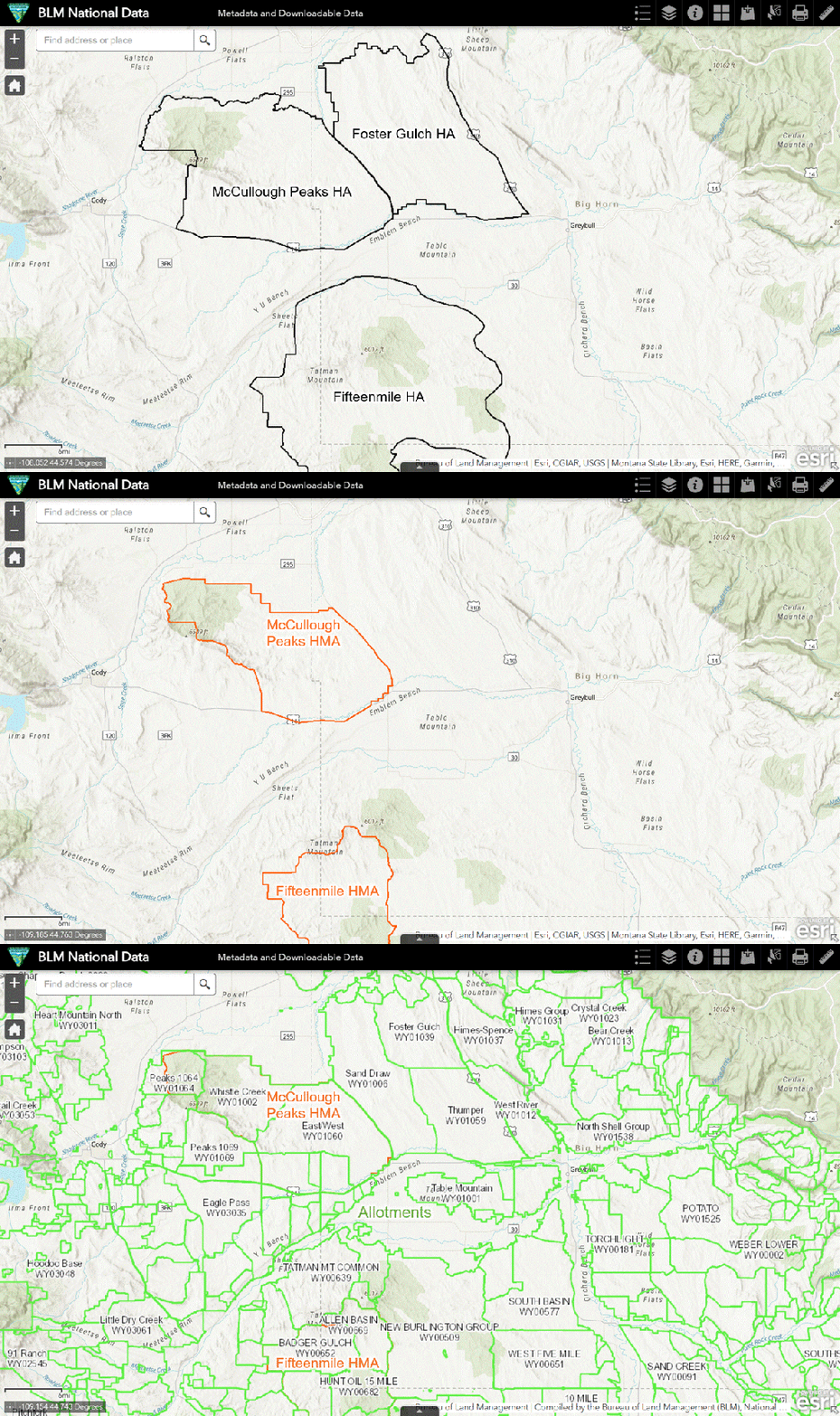
UPDATE: The news release appeared after this post went live. The HMA, considerably smaller than the HA, is subject to permitted grazing.
The order was given because he had a body condition score of 2 and a poor prognosis for recovery according to a report by KULR News.
Advocates with The Cloud Foundation argued that his condition was normal for a horse coming out of winter and that the agency should “…let nature call the shots.”
They don’t believe that!
Although the culling of unfit horses occurs most frequently during roundups, it is an ongoing process and is not limited thereto.









 Western Horse Watchers Association