A black-and-tan German Shepherd mix and a black Cane Corso attacked the animal last week according to a report by ABC7 News, supporting the theory that recent injuries and deaths have been inflicted by trained dogs.
The memorandum of understanding, signed by both agencies, will strengthen coordination, cut bureaucratic red tape and deliver immediate, tangible support for America’s farmers and ranchers who rely on public lands.
“By working closely with American ranchers, we are enhancing communication, investing in innovation, and modernizing our approach to land management practices,” according to Secretary Burgum, “to deliver real results for the people who feed and sustain this country.”
Yep, if it wasn’t for them we’d all be vegans.
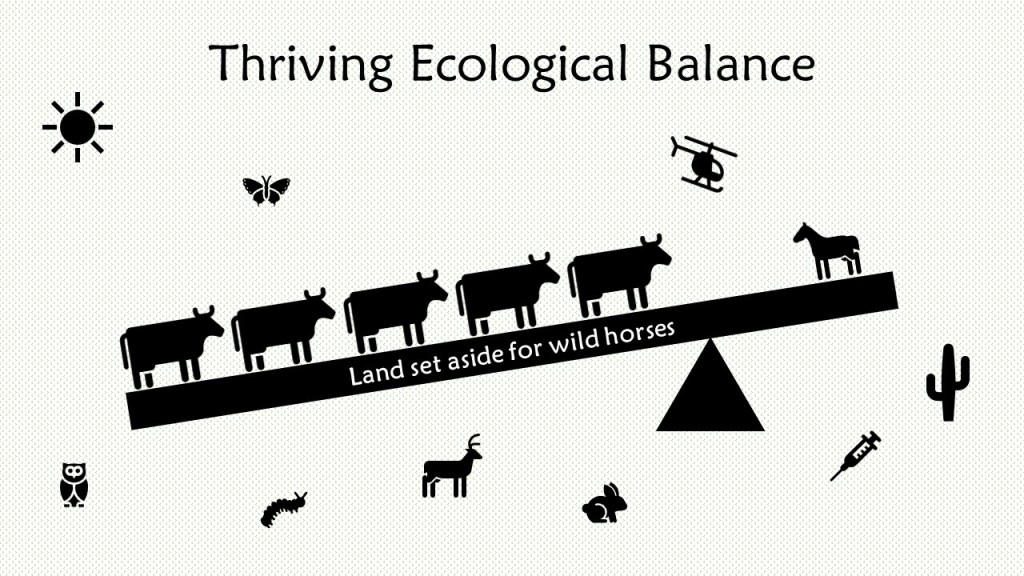
The aim of the grazing program is to ensure that high-net-worth individuals receive generous government benefits, often at the expense of America’s wild horses and burros, with no means testing and no expiration dates.
The facilities will serve as waypoints for animals traveling to adoption and sale events and provide a pick-up location for participants in the Online Corral program.
They must be located east of the Mississippi River and must be capable of holding up to 400 animals.
They will be open to the public.
Instructions for accessing the solicitation are given in the news release.
The move will put leadership closer to the forests and communities it serves, according to the news release, and marks the beginning of a sweeping restructuring.
The impact on wild horses and permitted grazing was not discussed.
The list maintained by DSC Photography shows four new lives, all female.
Only 99 more needed to tie last year’s record.
The herd, known for its abnormal sex ratio and unprecedented birth rate, has been manipulated by the Saltwater Cowboys into a moneymaker for the Chincoteague Volunteer Fire Company while FWS looks the other way.
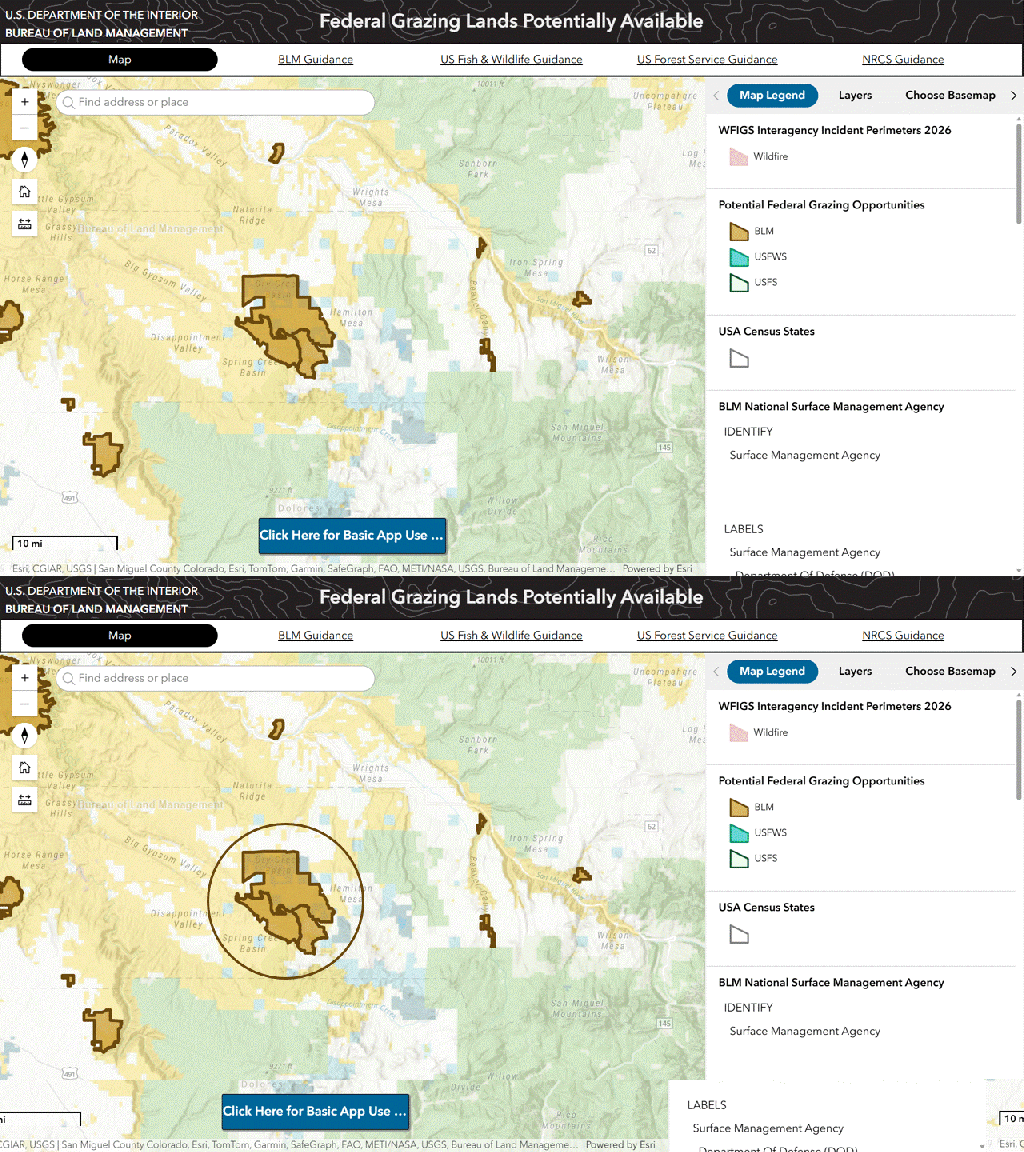
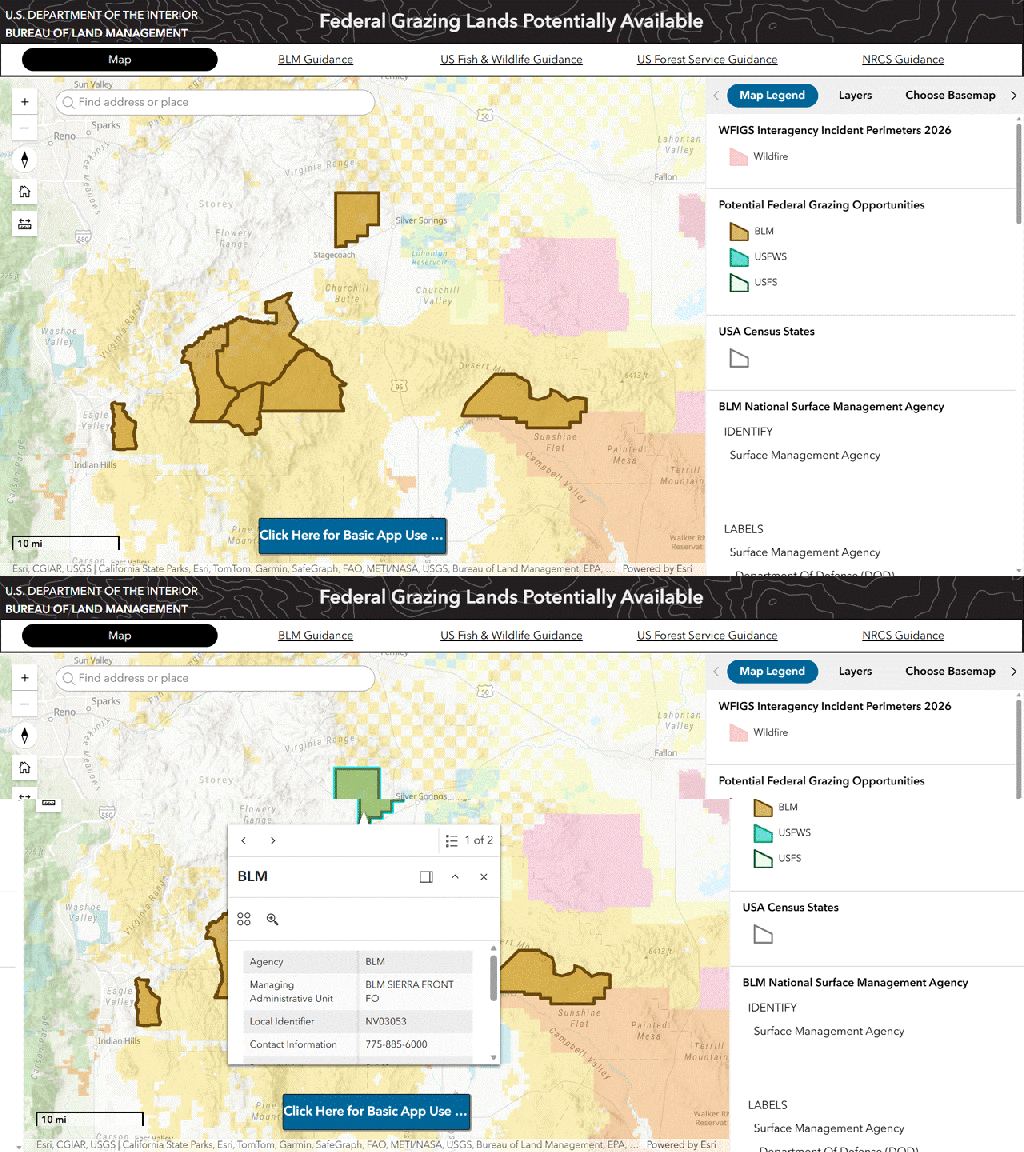
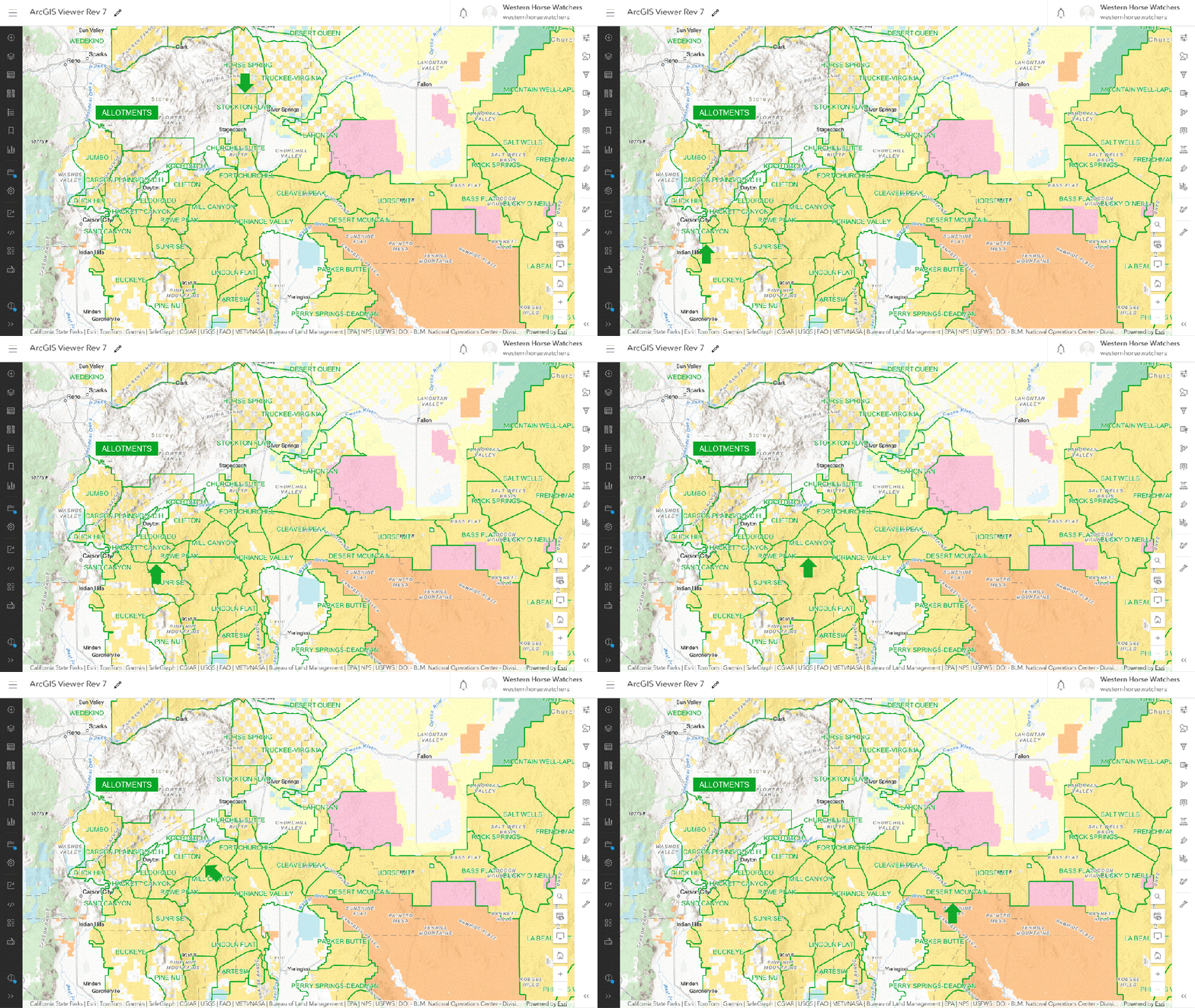
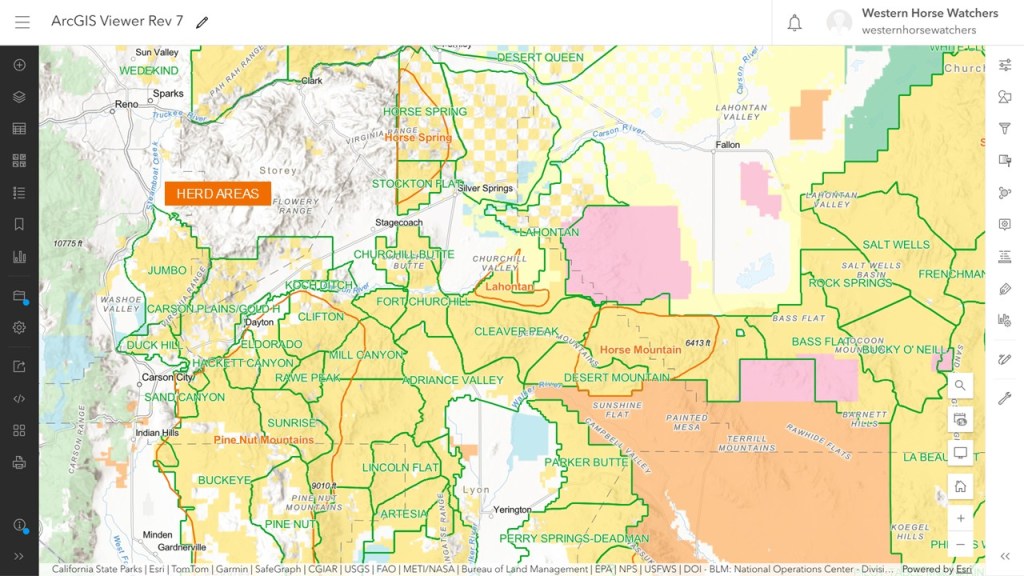
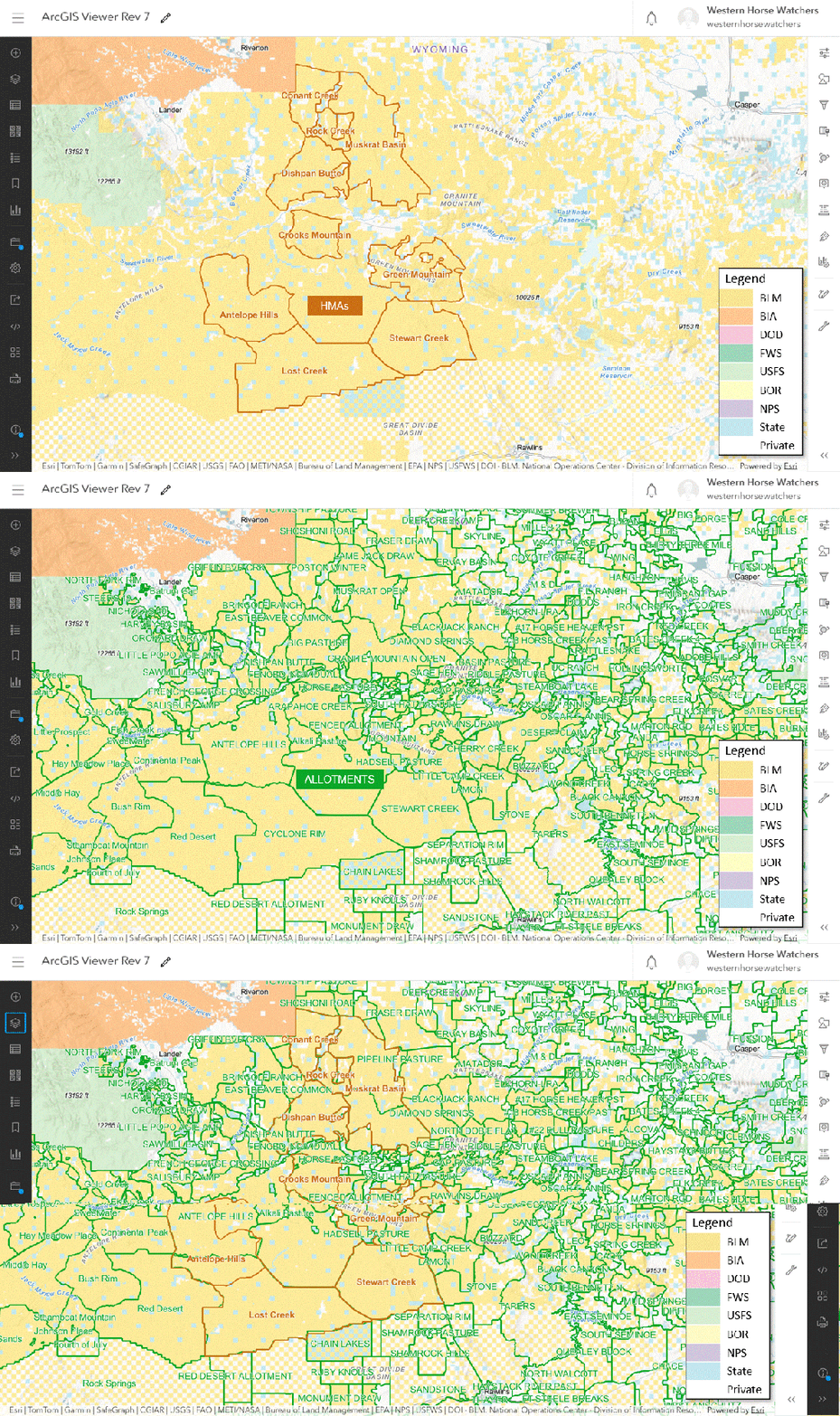
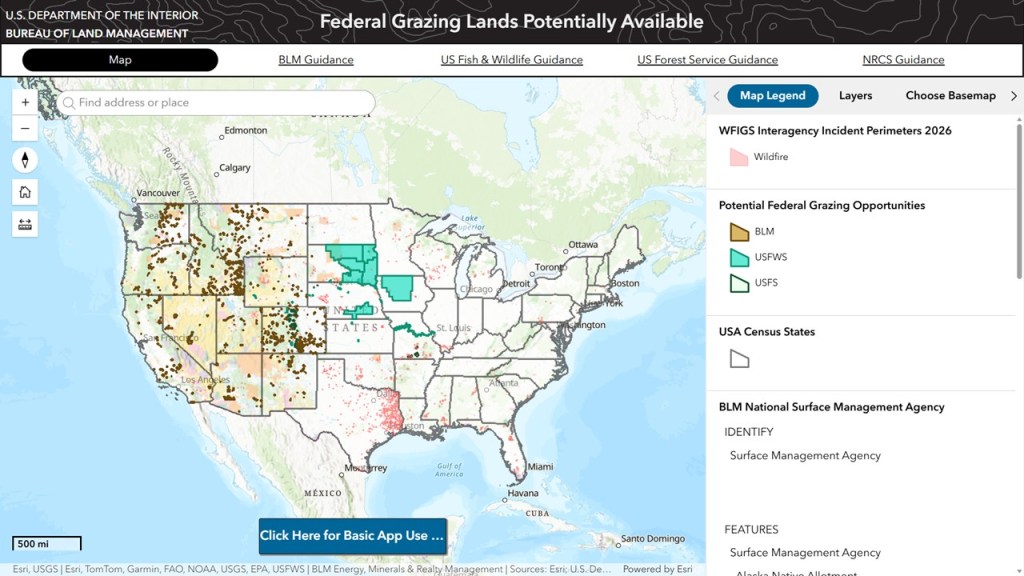
The web-based app helps ranchers locate allotments that might be suitable for grazing and provides easy instructions to obtain a permit according to the news release.
The disclaimer, which must be acknowledged to access the site, says it displays potential opportunities for grazing on Bureau of Land Management, U.S. Fish & Wildlife Service and U.S. Forest Service lands.
Acreage and AUMs are estimates and NEPA reviews may be required.
The announcement did not mention base properties and did not indicate if said parcels could be repurposed by interested parties as wild horse preserves.
Yesterday the Agendas & Minutes page contained links to documents from three special meetings.
Today, it has links for March 12 only, minus the minutes.
Minutes from the September 18 special meeting put the herd size at 112 but did not indicate the number of males and females.
The number of self-boosting mares was not provided. (Refer to the AdvocateSpeak decoder if you don’t know what that means.)
The size of the breeding population was not provided.
The effect on genetic diversity was not discussed.
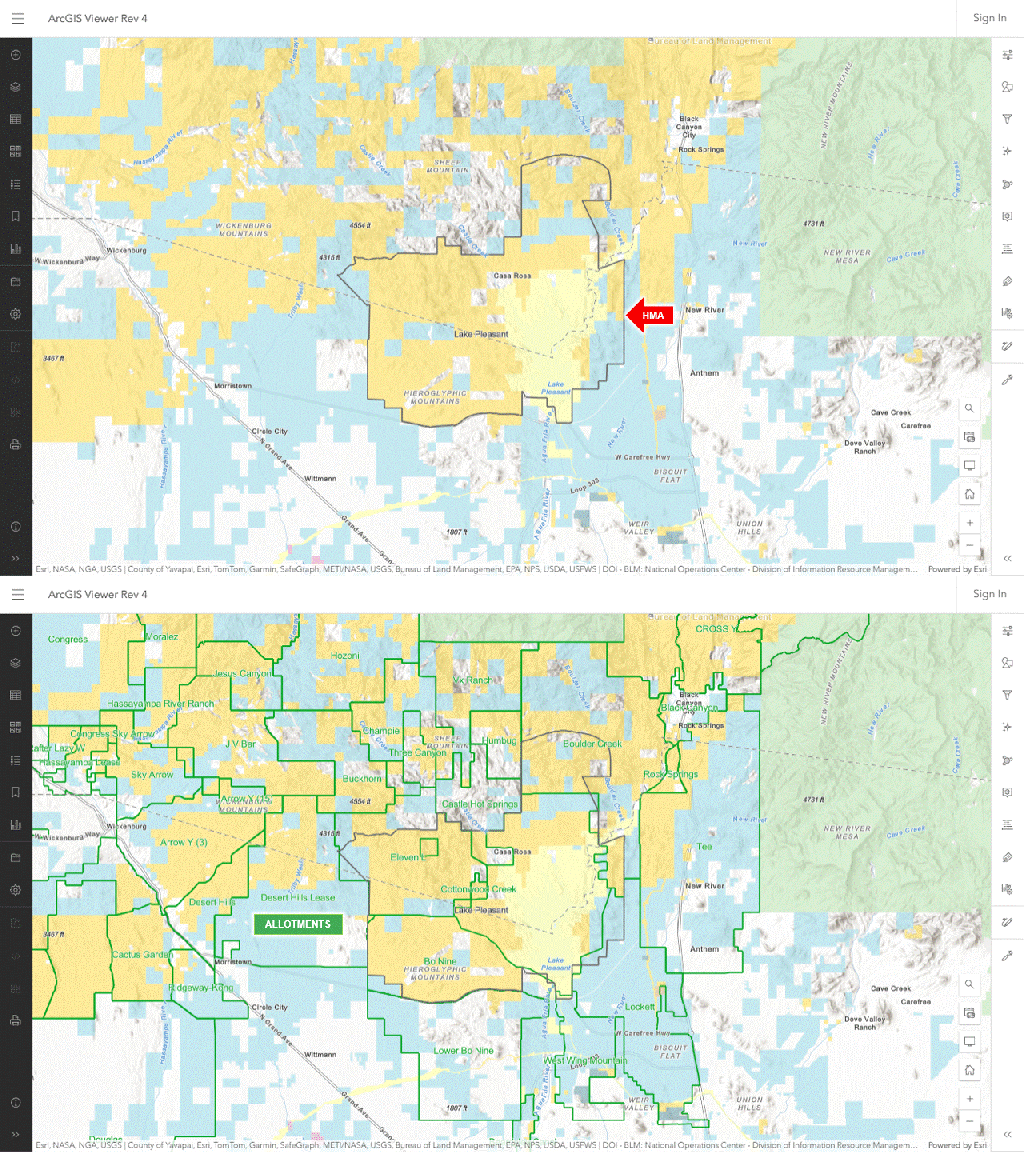
Healthy mares were not darted in 2025 due to questions about the long-term effects of PZP according to comments under Action 1K (bottom of page 12 in the pdf).
In an attempt to thwart a better understanding of how the pesticide works, protocols are in place to send the uterus—not the ovaries—of any deceased mares to researchers at the Science and Conservation Center for analysis (manufacturers of PZP).
There are no plans to treat any of the jennies with fertility control pesticides and return them to the range.
The roundup will liberate up to 9,000 AUMs per year for other mandated uses of public lands, which is of little interest to drillers, miners, loggers, tourists, hikers and campers, but it’s great news for _________.
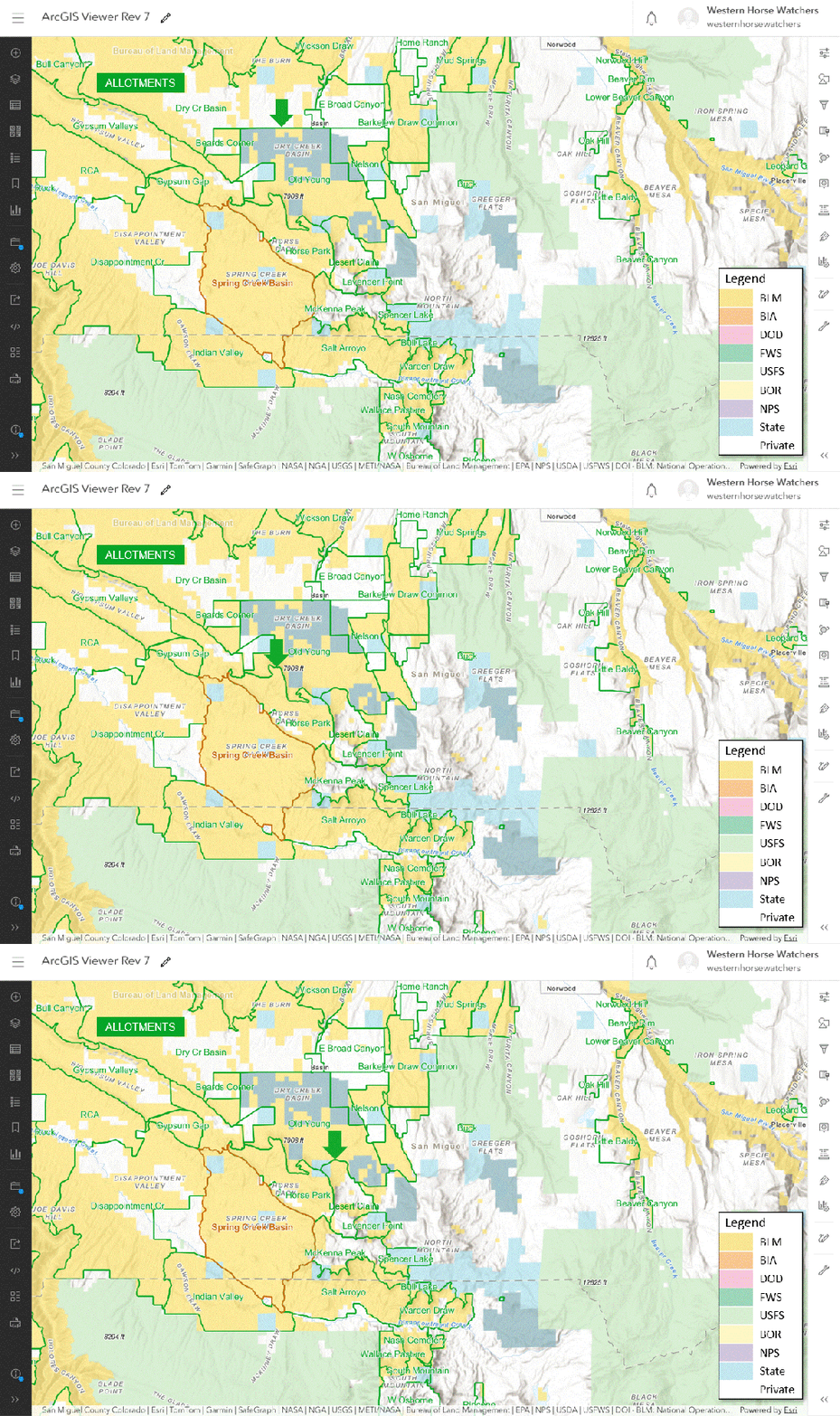
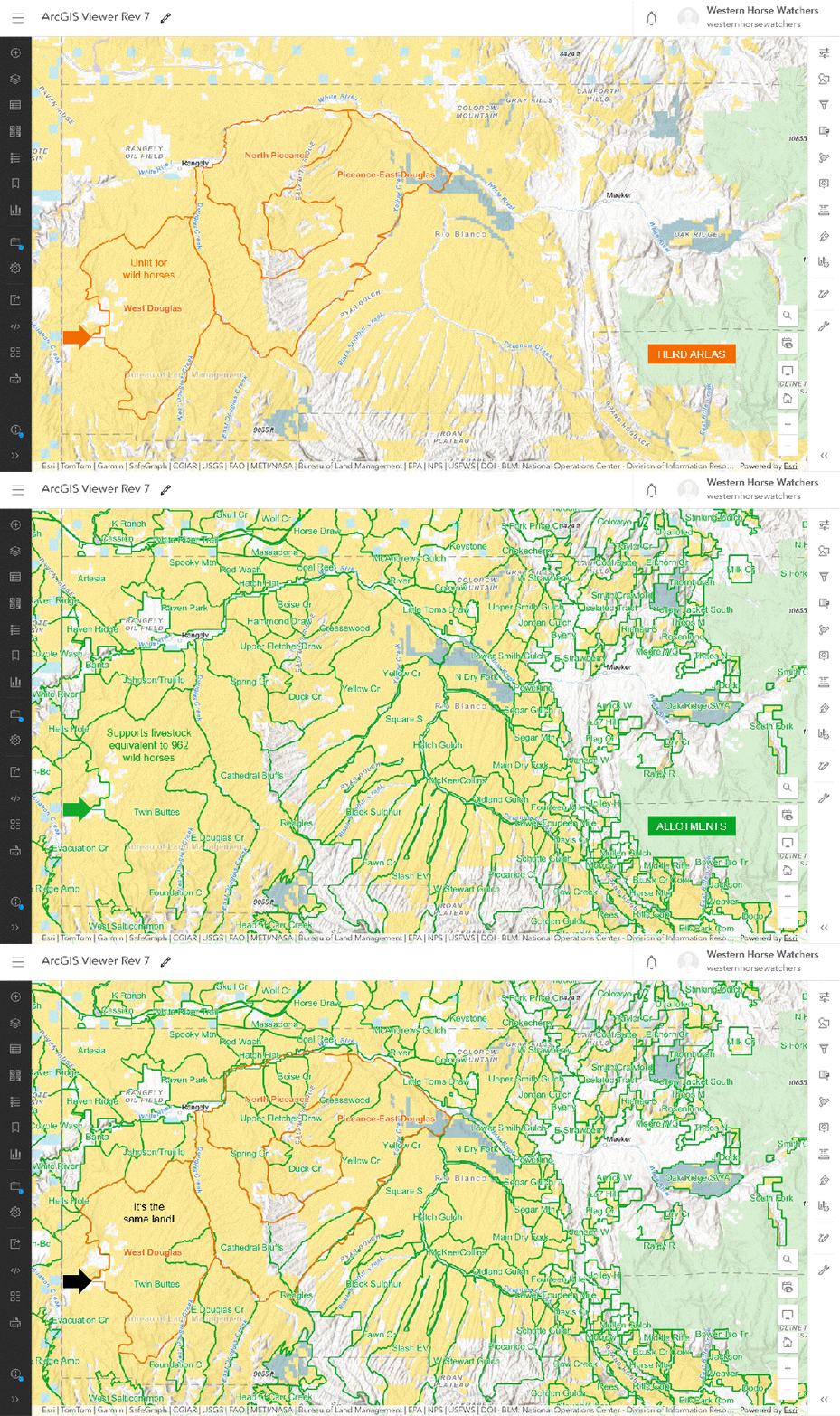
The herd area is not suitable for wild horses but the allotment that contains most of it supports livestock equivalent to 962 wild horses.
The equivalent stocking rate in the allotment is 6.9 wild horses per thousand public acres, almost seven times higher than the rate that avoids rangeland degradation (one wild horse per thousand acres according to your faithful public servants).
If the bureaucrats and advocates held a lying contest, who would win?
The project started with the donation of a ten-acre parcel according to a story by The Journal of Cortez, CO.
It’s not a base property and doesn’t have grazing privileges on public lands.
The facility reflects a shift in the group’s priorities, from keeping wild horses on public lands to ownership of displaced animals and placing them into private care.
The ranchers couldn’t be happier.
Western Horse Watchers refers to the trend as the downward spiral in wild horse advocacy, characterized by acceptance of methods that were previously eschewed.
If a proposed refuge doesn’t include public lands and doesn’t displace livestock therefrom, it’s not worthy of your support.