BLM Imposes Murderer’s Creek DNA

A new project containing one document was opened today in ePlanning and public comments were not requested.

The DNA asserts that a 2024 Environmental Assessment fully analyzes and discloses the effects of the Proposed Action, which isn’t in the EA and was not analyzed.

Instead, the agency concurs with the Forest Service in adopting a modified Alternative 4 that updates the AML, approves an HMAP and authorizes the removal of excess animals from the JMA.

RELATED: Forest Service Issues Murderer’s Creek Final Planning Documents.

AIP Op-Ed Misleads Readers, Gives Cover to Ranchers

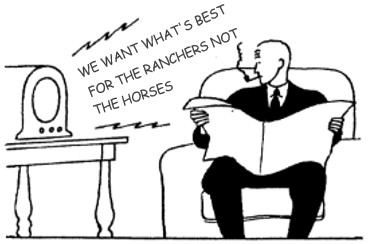
A good way to hide a problem is to omit it from the discussion and that’s what the writer does in a May 19 column about wild horses published by The Hill.

From the first paragraph: “With few natural predators and virtually no population control, these animals have multiplied far beyond the landscape’s carrying capacity — leading to degraded rangeland wildlife habitat, brutal horse starvations and mounting taxpayer costs.”

If accuracy was the goal—and it is not—the intro would read “With few exceptions, areas identified for wild horses are overlapped by grazing allotments, and management plans developed by the government favor ranching interests, not wild horses.”

That would explain the symptoms in the opening remarks:

  • Lack of predators
  • Degraded habitats
  • Inadequate food
  • Increasing costs

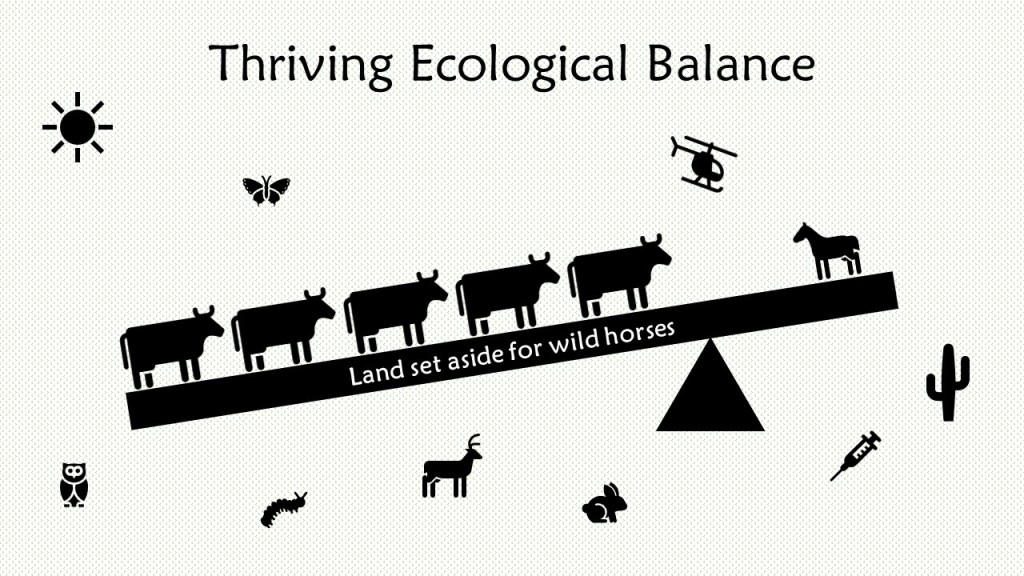
If the writer was honest, he’d tell you that the bureaucrats assign about 80% of the forage in the lawful homes of with horses to ranchers.

Carrying capacities are much higher than the government admits and the off-range corrals are flooded with wild horses because the government manages the land primarily for livestock.

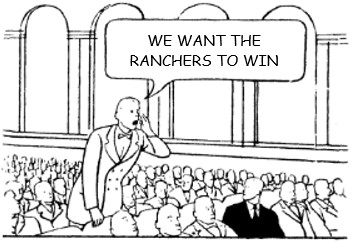
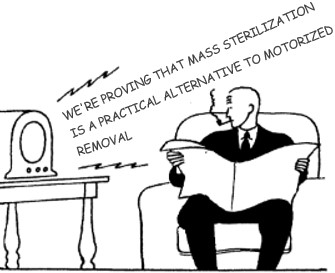
Curiously, the nonprofit that won the case, halting the adoption incentive, wants the horses gone as much as the ranchers.

But they want it done with pesticides not helicopters.

RELATED: Why Are There So Many Wild Horses in Off-Range Holding?

Rewilding Advocate to Lead Colorado Land Board

The term was defined in a May 16 article by The Fence Post as purchasing agricultural lands and converting them to wildlife refuges.

The Public Lands Council, a ranching trumpet, opposes the concept and hiring decision.

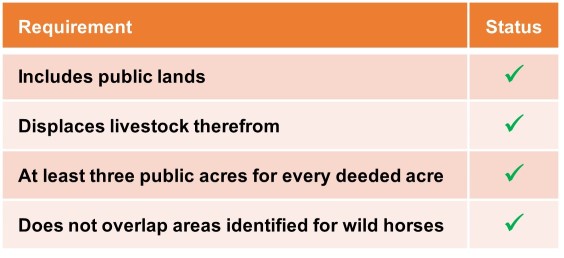
If a proposed refuge for wild horses does not include public lands and does not displace livestock therefrom, it’s not worthy of your support.

RELATED: Key Indicators for New Wild Horse Preserves.

Save Our Wild Horses Conference Moves to Colorado

The event runs from May 23 to 26 in Craig according to a news release on PRN.

A link to the agenda was not provided but some information is available at Save Our Wild Horses and Wildlife.

Last year’s conference in Reno produced a manifesto for HMAPs but now that the plans are rolling out the advocates have opted for another brand of snake oil.

Day 2 includes a tour of Wild Horse Refuge, an example–but not a shining example–of a wild horse preserve.

Day 3 includes a trip to Sand Wash Basin, perhaps to rub shoulders with the pesticide pushers and pay homage to the ranchers.

The last day features a trip to Salt Wells Creek, to be zeroed out this summer in the year’s largest roundup.

Not because of drilling and mining as the advocates would have you believe, but because of permitted grazing.

Who Benefits from Little Book Cliffs Seeding?

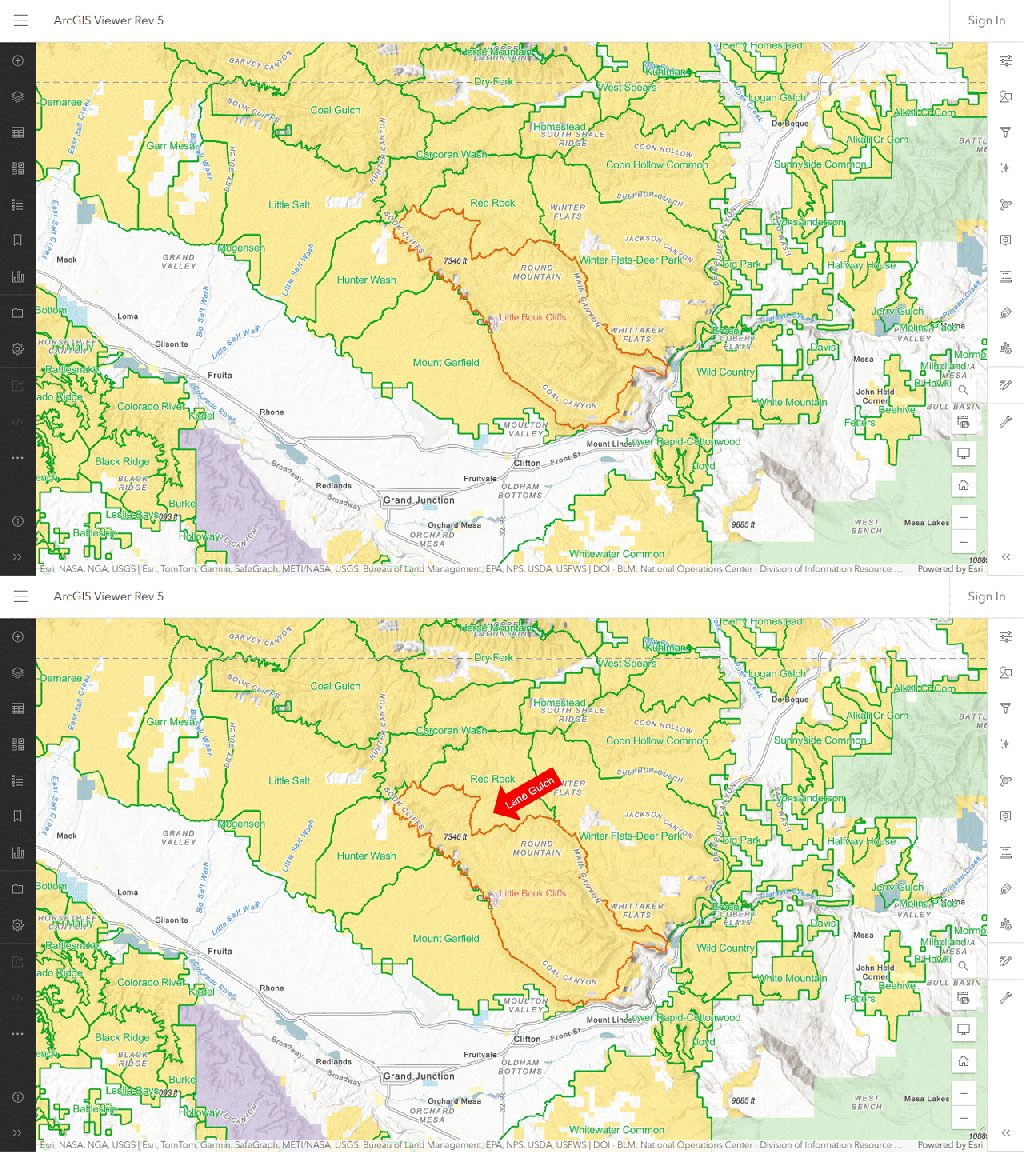
The project map indicates that one quarter to one third of the seed will fall in Lane Gulch, an area not in the HMA but in the Red Rock Allotment.

The Allotment Master Report puts it in the Improve category, another sign that your stewards of the public lands are not taking their responsibilities seriously.

The BLM proposed the installation of a cattle guard on the north side of Lane Gulch in 2023 with the goal of containing the equine pests.

RELATED: BLM to Augment Forage at Little Book Cliffs?

America’s Public Lands Dominated by a Failed Industry

Pick a random acre.

Is it subject to drilling or mining?  Probably not.

How about logging?  Maybe.

Permitted grazing?  Almost certainly.

Does it stand on its own two feet?  Pull its own weight?  No.

The ranchers pay almost nothing for the resources they consume and the services rendered on their behalf by the government and its partners.

  • Promotion and propaganda
  • Access to forage for pennies on the dollar
  • Removal of competing animals
  • Control of predators
  • Wildfire recovery
  • Cheatgrass mitigation
  • Fuels reduction
  • Range improvements
  • Administrative and clerical

The grazing fee would have to be raised to $15 per AUM just to pay for the wild horse and burro program.

10,000,000 AUMs sold per year × $15 per AUM = $150,000,000 per year

The current fee is $1.35 per AUM.

The advocates portray drillers and miners as the bad guys while giving the ranchers a pass.

Makes you wonder whose side they’re on.

How to Win the Salt River Management Contract

As stated previously:

1. Acquire or nominate land that meets the requirements of a base property.

2. Attach it to one or more vacant allotments in the Tonto National Forest, such as St. Clair or Bartlett, and change the livestock type to horses.

3. Move the horses from the contested area to their new and much larger home.

4. Obtain a court order blocking the advocates from the area.

RELATED: State Not Happy with Salt River Sterilization Program?