Antelope Roundup North, Day 37

The incident began on July 9.  Results through August 14:

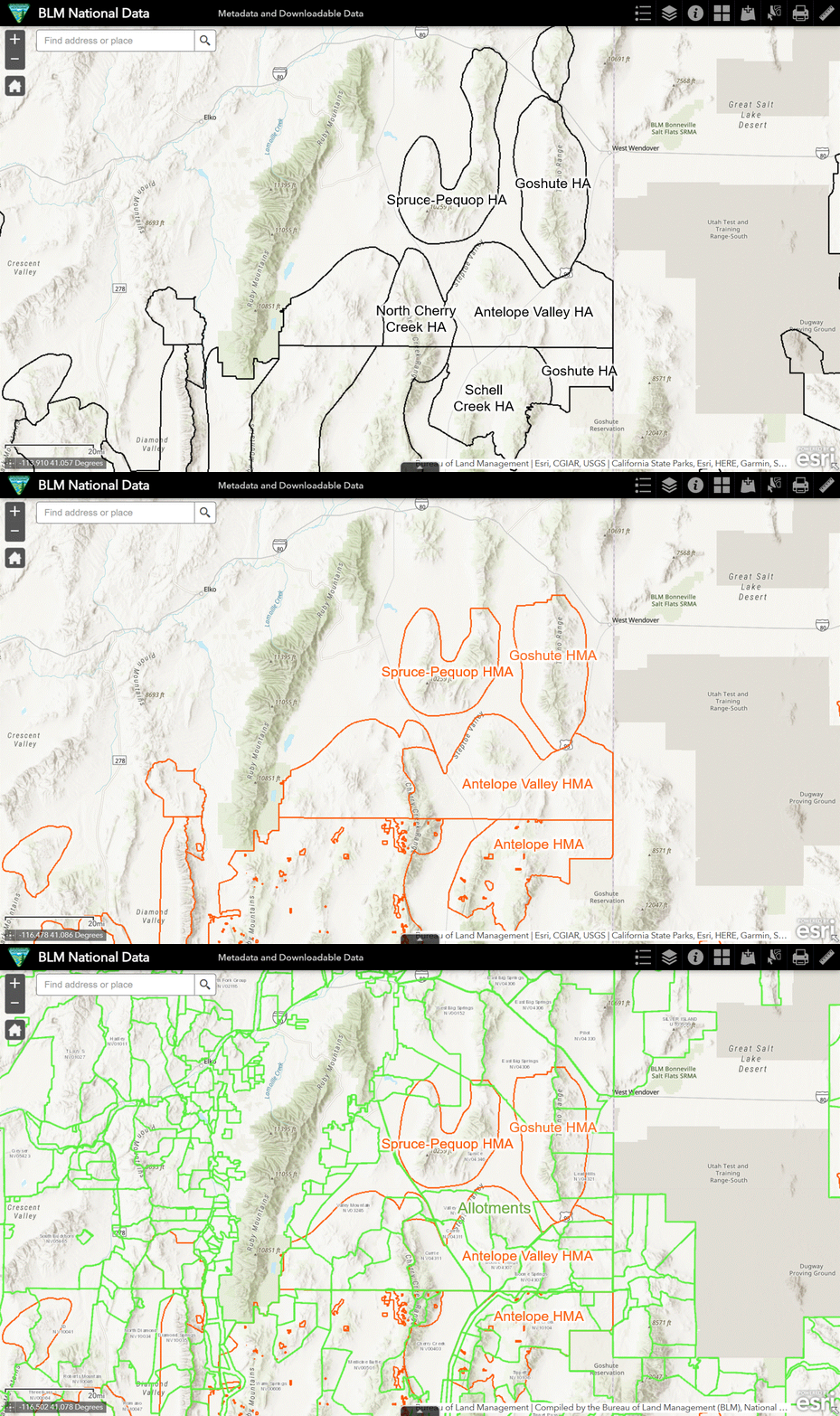
  • Scope: Spruce-Pequop, Goshute, Antelope Valley HMAs
  • Purpose: Pest control, resource enforcement, rancher protection
  • Target: Horses
  • Type: Planned
  • Method: Helicopter
  • Category: Cruel and costly*
  • Better way: Poison mares with ovary-killing pesticides*
  • Captured: 1,813, up from 1,765 on Day 35
  • Average daily take: 49.0
  • Capture goal: 2,000
  • Removal goal: 2,000
  • Returned: 5, no change from Day 35
  • Deaths: 23, up from 22 on Day 35
  • Shipped: 1,739, up from 1,676 on Day 35

The figures above are based on the daily reports, not the totals posted by the BLM.

The number of horses captured is 1,819 and the number shipped is 1,741 according to the figures in the sidebar.

No horses were gathered on Day 36 and a case of swayback was reported as a death.

The death rate is 1.3%.

The capture total includes 710 stallions, 823 mares and 280 foals.

Youngsters represented 15.4% of the animals gathered.

Of the adults, 46.3% were male and 53.7% were female.

A 15% birth rate corresponds to a growth rate of 10% per year, a bit less than the 20% growth rate used by land managers to predict herd sizes and management actions.

Body condition scores on Day 37 ranged from 3 to 4.  They’re not starving.

The location of the trap site was not disclosed.

The HMAs and surrounding lands are subject to permitted grazing.

*According to advocates.
Antelope Complex with Allotments 07-06-23

Day 37 ended with 46 unaccounted-for animals.

Other statistics:

  • Forage liberated to date: 21,696 AUMs per year
  • Water liberated to date: 18,080 gallons per day
  • Forage assigned to livestock: Unknown
  • Horses displaced from area by permitted grazing: Unknown
  • True AML: Unknown
  • Stocking rate at new AML: Unknown
  • Horses removed because of drilling and mining: Ask the advocates

Overpopulation means more horses than allowed by plan, not necessarily more horses than the land can support.

RELATED: Antelope Roundup North, Day 35.
How Many Wild Horses Can the Palomino Buttes HMA Support?

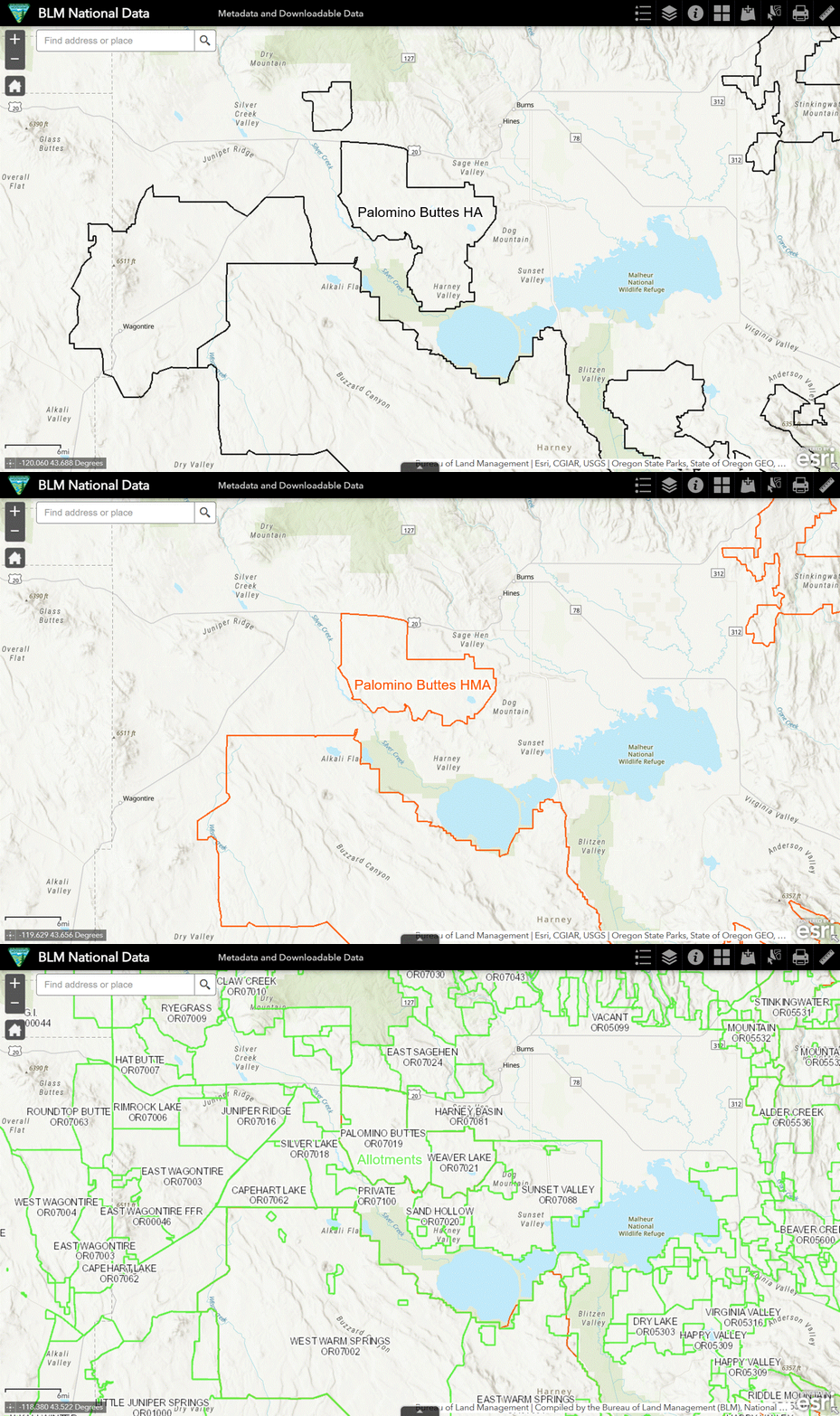
The boundaries of the Palomino Buttes and Weaver Lake allotments coincide almost perfectly with the boundary of the HMA, except for a small wiggle on the southern edge and a minor indentation on the western edge.

Therefore, the forage assigned to livestock in these allotments represents horses displaced from the HMA by permitted grazing.  No per-acre calculations are required.

Palomino Buttes offers 2,806 AUMs per year on 48,100 public acres and Weaver Lake offers 1,396 AUMs per year on 23,548 public acres, according to the Allotment Master Report.

The combined resource, 4,202 AUMs per year, would support 350 wild horses.

The True AML would be 64 + 350 = 414, to be achieved by confining the ranchers to their multi-million-dollar base properties and expecting them to pay the going rate to feed their animals.

The HMA covers 72,359 public acres, so the stocking rate at the new AML would be 5.7 wild horses per thousand public acres.

The Virginia Range was carrying ten before the advocates got involved.

The pre-gather population is thought to be 254.

You don’t have a wild horse problem, you have a resource management problem.

RELATED: Palomino Buttes, Stinkingwater Roundups Announced.

Palomino Buttes HMA with Allotments 06-15-23

Palomino Buttes, Stinkingwater Roundups Announced

Western Horse Watchers saw the gather pages but not the news release.  It may have been published recently but backdated to July 31, burying it in the list.

The incident at Palomino Buttes is set to begin today.

A helicopter will push the horses into the trap, according to the gather page, and operations will be open to public observation.

The capture and removal goals are 225 and 200, respectively.

The current population is thought to be 254.

Around 25 mares will be treated with fertility control and returned to the HMA, which covers 74,234 total acres in eastern Oregon, including 72,359 public acres.

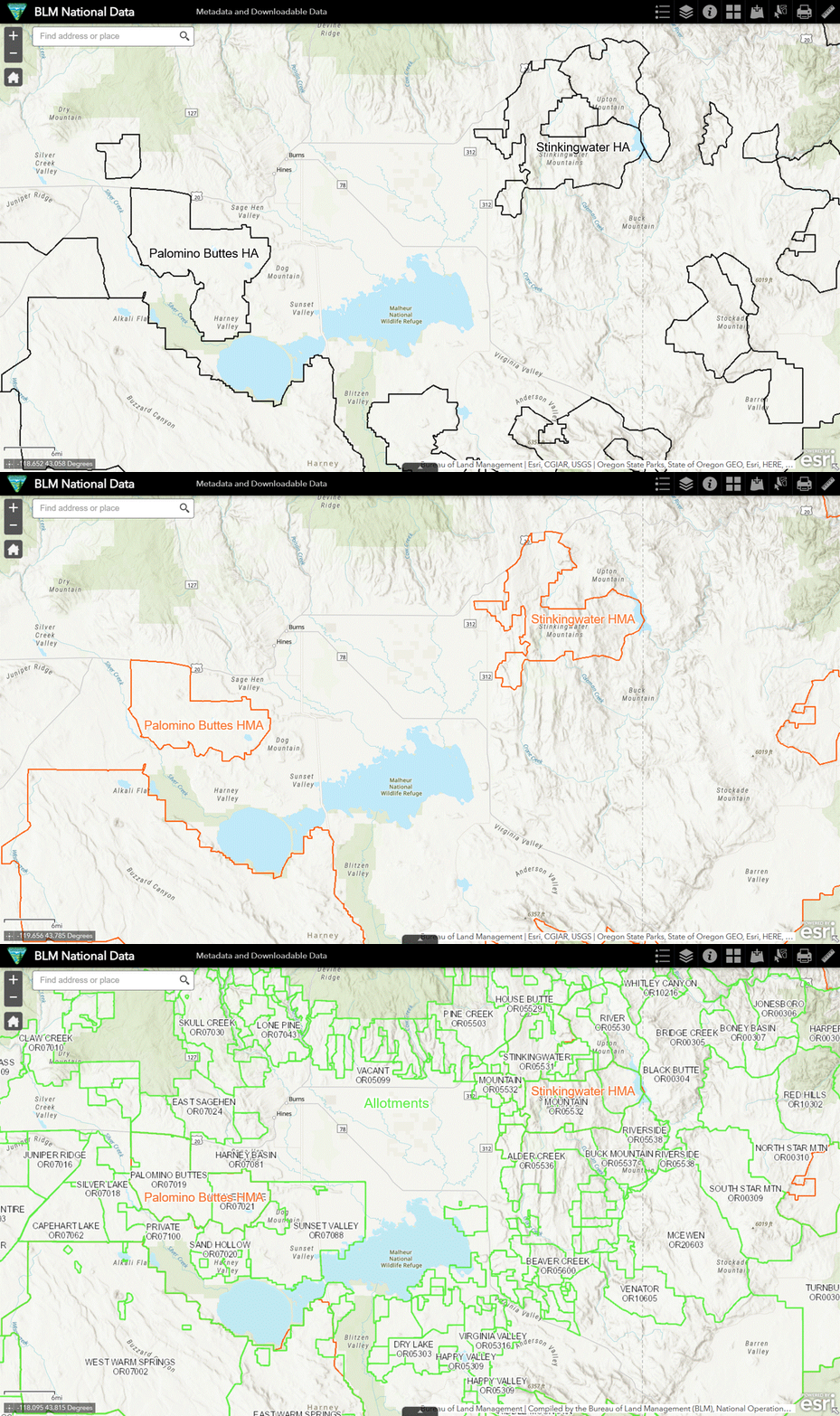
The AML ranges from 32 to 64, the number of horses allowed by plan, not the number of horses the land can sustain.  This is why the BLM said “while allowing for other animals and resource uses” in the news release.  The other resource use is animal agriculture (permitted grazing), indicated in the map below.

Captured animals will be taken to the off-range corrals in Hines.

The Stinkingwater roundup will begin on August 17, according to the gather page.

The incident will be carried out with a helicopter, and operations will be open to public observation.

The July 13 schedule indicates capture and removal goals of 85 and 65.

The current population is thought to be 103.

Around 20 mares will be returned to the HMA after receiving fertility control treatments of unspecified type.

The leading candidates are GonaCon Equine and Zonastat-H, both EPA-registered pesticides.  The bureaucrats prefer the former while the advocates prefer the latter.

The AML ranges from 40 to 80.

Unlike Palomino Buttes, the Stinkingwater HMA is the same size as the HA, covering 92,086 total acres with 78,312 public acres.  Refer to the 2023 HA/HMA Report for these and other such figures.

Like Palomino Buttes, captured animals will be taken to the corrals in Hines.

The following map from the National Data Viewer shows HA boundaries in black, HMA boundaries in orange and allotment boundaries in green.  Click to open in new tab.

Much of the land identified for wild horses in 1971 (areas in black) has been declared unfit for them but not for privately owned livestock.

This is the pattern that has to be stopped and reversed.

Don’t look to the advocates for leadership.  They were defeated a long time ago.

Palomino Buttes and Stinkingwater HMAs with Allotments 08-14-23

Reveille HMA Transformed by Catch-Treat-Release

With 30 stallions and 27 nonviable mares returned post-gather, the herd can be moved into the nonreproducing column.

Although GonaCon Equine may not be the #1 choice of the wild horse advocates, they got what they wanted: Nonmotorized removal by ovary-killing pesticide.

This is what they’re doing on the Salt River and Virginia Range.

With few if any births expected in the next five years, and a death rate of five percent per year, the Reveille herd will shrink around 22%.

Next up: Hog Creek HMA.

RELATED: Catch-Treat-Release, Misuse of GonaCon, Roll Out at Reveille.

Antelope Roundup North, Day 35

The incident began on July 9.  Results through August 12:

  • Scope: Spruce-Pequop, Goshute, Antelope Valley HMAs
  • Purpose: Pest control, resource enforcement, rancher protection
  • Target: Horses
  • Type: Planned
  • Method: Helicopter
  • Category: Cruel and costly*
  • Better way: Poison mares with ovary-killing pesticides*
  • Captured: 1,765, up from 1,701 on Day 33
  • Average daily take: 50.4
  • Capture goal: 2,000
  • Removal goal: 2,000
  • Returned: 5, no change from Day 33
  • Deaths: 22, no change from Day 33
  • Shipped: 1,676, up from 1,644 on Day 33

The figures above are based on the daily reports, not the totals posted by the BLM.

The number of horses captured is 1,771 and the number shipped is 1,678 according to the figures in the sidebar.

No horses were gathered on Day 34.

The death rate is 1.2%.

The capture total includes 691 stallions, 801 mares and 273 foals.

Youngsters represented 15.5% of the animals gathered.

Of the adults, 46.3% were male and 53.7% were female.

A 16% birth rate corresponds to a growth rate of 11% per year, a bit less than the 20% growth rate used by land managers to predict herd sizes and management actions.

Body condition scores on Day 35 ranged from 3 to 4.  They’re not starving.

The location of the trap site was not disclosed.

The HMAs and surrounding lands are subject to permitted grazing.

*According to advocates.

Antelope Complex with Allotments 07-06-23

Day 35 ended with 62 unaccounted-for animals.

Other statistics:

  • Forage liberated to date: 21,120 AUMs per year
  • Water liberated to date: 17,600 gallons per day
  • Forage assigned to livestock: Unknown
  • Horses displaced from area by permitted grazing: Unknown
  • True AML: Unknown
  • Stocking rate at new AML: Unknown
  • Horses removed because of drilling and mining: Ask the advocates

Overpopulation means more horses than allowed by plan, not necessarily more horses than the land can support.

RELATED: Antelope Roundup North, Day 33.

SHOCKER: Advocate Praises Titus, Helicopter Ban

The U.S. representative should be applauded for her dedication to humane management of America’s wild horses and burros, according to Tracy “You need to manage the numbers to fit what’s available for the horses” Wilson, defeatist and pesticide-pusher with the Campaign Against America’s Wild Horses, in an opinion piece published as news by the Las Vegas Sun.

Humane management is a euphemism for poisoning cherished/beloved/innocent wild horses with pesticide-laced darts, giving ranchers greater access to their food and water.

The bill would not stop wild horse removals but would shift them from motorized to nonmotorized, or nearly so, while ignoring the land-use plans that drive them.

Makes perfect sense, doesn’t it?

RELATED: SHOCKER: Pesticide Pusher Wants Helicopters Grounded.

Pesticide Pushers 07-17-23

Catch-Treat-Release, Misuse of GonaCon, Roll Out at Reveille

The initiative, announced in 2022 and briefly discussed at the last WHBAB meeting, was acknowledged by the BLM in a blog post dated August 11.

Let’s put the first sentence under the microscope:

Wild horses in the Reveille herd in southern Nevada were among the first to be part of a new initiative from the Bureau of Land Management aimed at expanding the use of fertility control vaccines to slow population growth and protect wild herds from overpopulation.

Like PZP, GonaCon Equine is a pesticide, not a vaccine.

It does not slow population growth, it reverses it.  With sufficient use, breeding populations dip well below the minimum specified in the WHB Handbook, allowing death rates to exceed birth rates.

It protects livestock operators, not wild horses.

The article said 29 mares had been inhibited while the gather page says 27.

It includes a photo of a mare in a chute receiving a booster dose prior to release.

The final paragraph suggests it was applied 30 days after the primer and is expected to prevent pregnancy for four to five years.

Unfortunately, this is a violation of federal law.  A 2017 labeling amendment that dropped the RUP designation extended the interval to 90 days.

Gonacon 90-Day Requirement 07-01-23

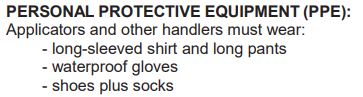
The person applying the product is not wearing the proper PPE, another violation.

GonaCon PPE Requirements 07-09-23

Is it by stupidity or brazenness that such images are released for public consumption?

The Hog Creek roundup will likely be the next installment of CTR, which, in the interest of accuracy, is really catch-treat-release-a-small-subset-of-the-original-herd.

Public acceptance of these poisons, and the concept of nonmotorized removal, has been driven mostly by propaganda from the wild horse advocates, especially the Campaign Against America’s Wild Horses, an outspoken proponent of PZP.

NOTE: The August 2 report at the bottom of the gather page confirms the treatment interval was not 90 days.

Reveille Treatment Interval 08-14-23

RELATED: Reveille HMA Now Crime Scene?

Working Together for a Horse-Free Future 12-21-22

Antelope Roundup North, Day 33

The incident began on July 9.  Results through August 10:

  • Scope: Spruce-Pequop, Goshute, Antelope Valley HMAs
  • Purpose: Pest control, resource enforcement, rancher protection
  • Target: Horses
  • Type: Planned
  • Method: Helicopter
  • Category: Cruel and costly*
  • Better way: Poison mares with ovary-killing pesticides*
  • Captured: 1,701, up from 1,607 on Day 31
  • Average daily take: 51.5
  • Capture goal: 2,000
  • Removal goal: 2,000
  • Returned: 5, no change from Day 31
  • Deaths: 22, up from 21 on Day 31
  • Shipped: 1,644, up from 1,563 on Day 31

The figures above are based on the daily reports, not the totals posted by the BLM.

The number of horses captured is 1,707 and the number shipped is 1,646 according to the figures in the sidebar.

No horses were gathered on Day 33.

A deformity on the left front leg of a stallion was reported as a death on Day 33.

The death rate is 1.3%.

The capture total includes 666 stallions, 774 mares and 261 foals.

Youngsters represented 15.3% of the animals gathered.

Of the adults, 46.3% were male and 53.7% were female.

A 15% birth rate corresponds to a growth rate of 10% per year, a bit less than the 20% growth rate used by land managers to predict herd sizes and management actions.

Body condition scores on Day 32 ranged from 3 to 5.  They’re not starving.

The location of the trap site was not disclosed.

The HMAs and surrounding lands are subject to permitted grazing.

*According to advocates.

Antelope Complex with Allotments 07-06-23

Day 33 ended with 30 unaccounted-for animals.

Other statistics:

  • Forage liberated to date: 20,352 AUMs per year
  • Water liberated to date: 16,960 gallons per day
  • Forage assigned to livestock: Unknown
  • Horses displaced from area by permitted grazing: Unknown
  • True AML: Unknown
  • Stocking rate at new AML: Unknown
  • Horses removed because of drilling and mining: Ask the advocates

Overpopulation means more horses than allowed by plan, not necessarily more horses than the land can support.

RELATED: Antelope Roundup North, Day 31.

Foal-Free Friday, Fountains of Stupidity Edition

When the advocates say “Jump!” their drones say “How high?”

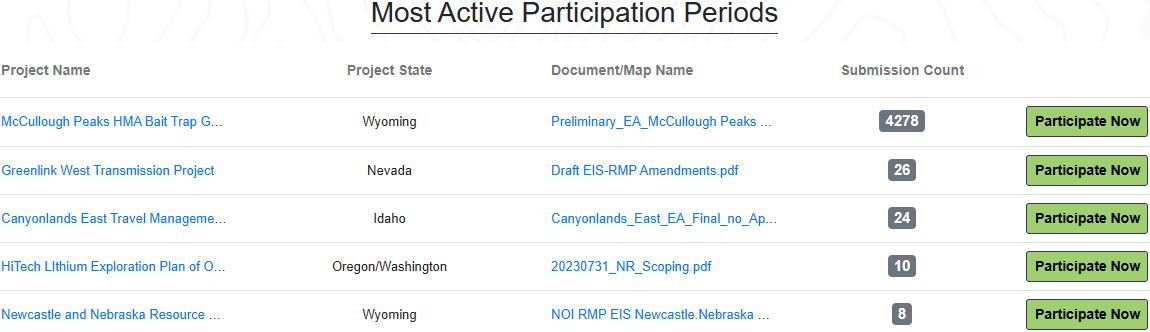
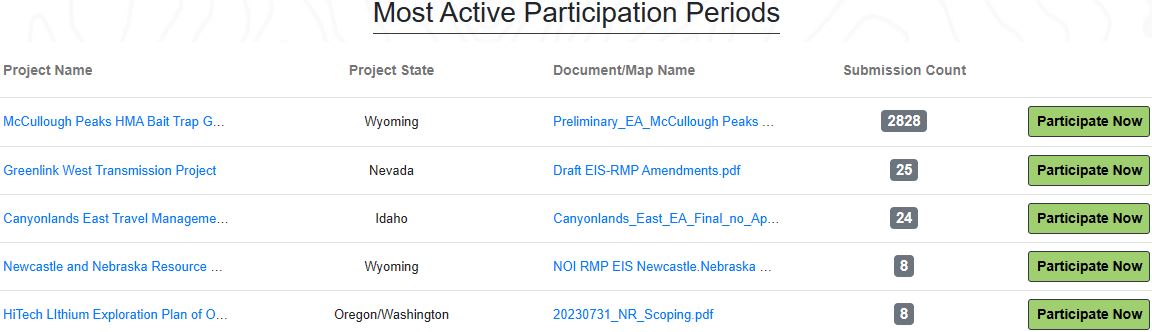
Such is the case for the McCullough Peaks bait trapping project, which is now being flooded with the same stupid comments and talking points.

“Give the darting program a chance.”

“No need to remove wild horses.”

“More poison, less bait.”

Removal by any method—using helicopters or ovary-killing pesticides—keeps the scales tipped in favor of the public-lands ranchers.

RELATED: Foal-Free Friday, Controlling the Narrative Edition.

McCullough Comments Approaching 3000 08-10-23

Antelope HMA to Become Crime Scene?

Up to 15 mares captured in the Water Canyon area, part of the South roundup, will be treated with GonaCon Equine and returned to the HMA.

As of today, the gather page shows no such animals.

The incident started on July 9 and concluded on July 26.

If they receive two doses, the booster cannot be given sooner than 90 days after the primer, according to a 2017 labeling amendment, which couldn’t be given before July 9.

Gonacon 90-Day Requirement 07-01-23

If treated mares are released before October 9, then the product was applied unlawfully and the matter should be turned over to EPA law enforcement.

This pattern has already been observed at the Reveille HMA.

RELATED: BLM Using Outdated Information to Apply GonaCon Equine?

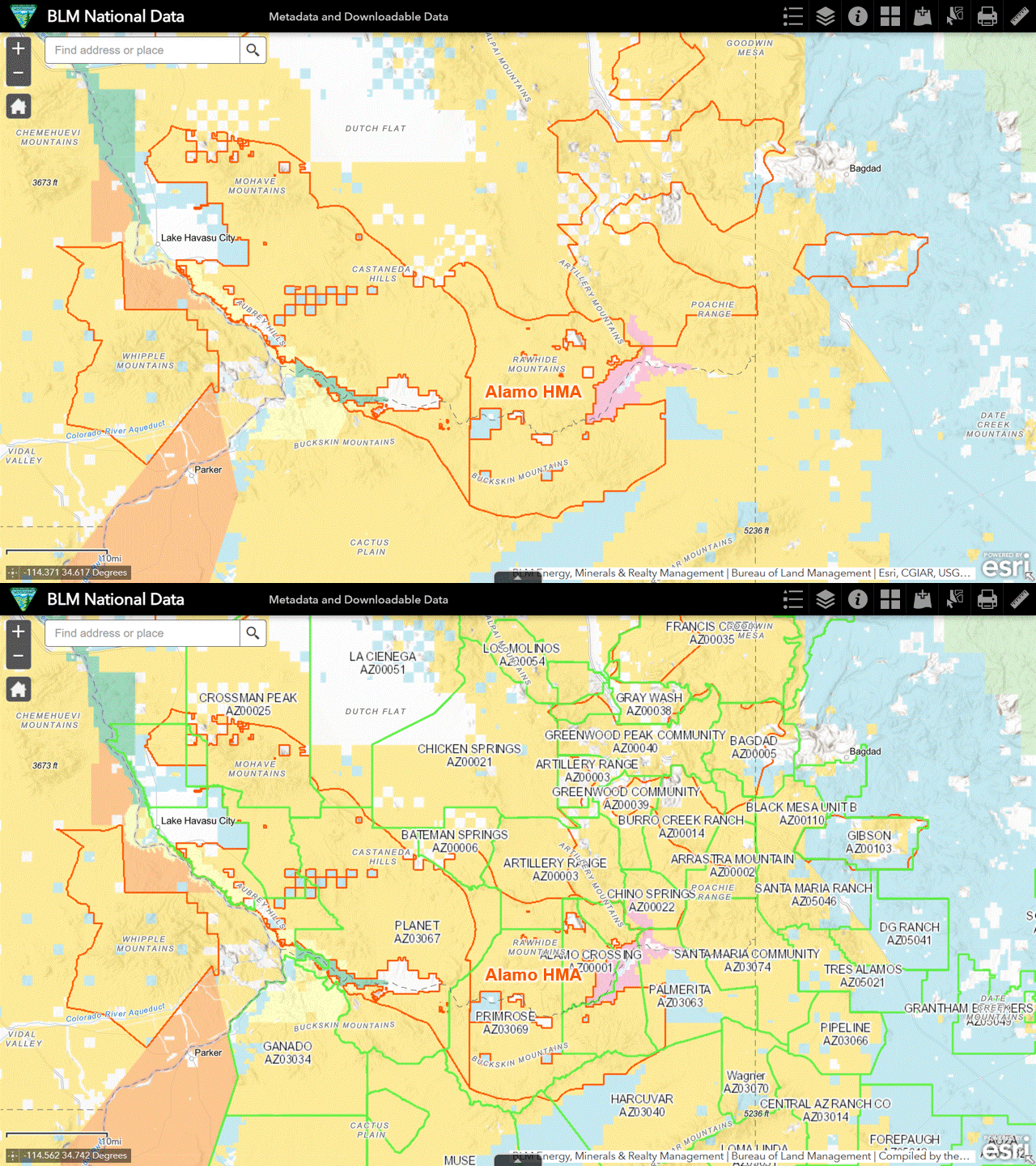
Alamo Roundup in Progress

The incident started in July but results weren’t posted until this week.

As of August 3, Day 16, 29 burros have been captured and 29 have been shipped.

No deaths were reported.

The capture total includes 17 jacks, 10 jennies and two foals.

Youngsters represented 6.9% of the animals gathered.

Of the adults, 63% were male and 37% were female.

The HMA is subject to permitted grazing.

RELATED: Alamo Roundup Pending?

Alamo HMA Map with Allotments 06-06-23

BLM Responds to Antelope Legal Complaint

The agency believes it’s complying with the Comprehensive Animal Welfare Program, citing “sensational allegations” in the lawsuit, according to a story dated August 8 by KLAS News.

The North roundup is approximately 80% complete, although it was suspended yesterday for a “resource flight.”

The South roundup concluded on July 26.

The report indicated that a similar complaint had been filed in Oregon by The Cloud Foundation, seeking real-time monitoring of gather operations.

Attention will shift to that area next week when three roundups are scheduled to begin.

The group’s founder stated that “The public has the right to see how our federal government is using our tax dollars and how the agency is treating America’s wild horses and burros.”

Your host believes the American people need to know how the advocates, including TCF, are treating wild horses and burros.

Deniz Bolbol TCF Darter 03-11-23

They think the agency should be controlling their numbers with pesticide-laced darts, not motorized equipment, so ranchers can access most of the food and water in their lawful homes.

RELATED: Antelope Legal Action Unlikely to Stop Roundup?

Antelope Roundup North, Day 31

The incident began on July 9.  Results through August 8:

  • Scope: Spruce-Pequop, Goshute, Antelope Valley HMAs
  • Purpose: Pest control, resource enforcement, rancher protection
  • Target: Horses
  • Type: Planned
  • Method: Helicopter
  • Category: Cruel and costly*
  • Better way: Poison mares with ovary-killing pesticides*
  • Captured: 1,607, up from 1,568 on Day 29
  • Average daily take: 51.8
  • Capture goal: 2,000
  • Removal goal: 2,000
  • Returned: 5, no change from Day 29
  • Deaths: 21, no change from Day 29
  • Shipped: 1,563, up from 1,490 on Day 29

The figures above are based on the daily reports, not the totals posted by the BLM.

The number of horses captured is 1,613 and the number shipped is 1,565 according to the figures in the sidebar.

Gather operations were suspended in favor of a “resource flight” on Day 31.

The death rate is 1.3%.

The capture total includes 629 stallions, 735 mares and 243 foals.

Youngsters represented 15.1% of the animals gathered.

Of the adults, 46.1% were male and 53.9% were female.

A 15% birth rate corresponds to a growth rate of 10% per year, a bit less than the 20% growth rate used by land managers to predict herd sizes and management actions.

Body condition scores on Day 30 ranged from 3 to 5.

The location of the trap site was not disclosed.

The HMAs and surrounding lands are subject to permitted grazing.

*According to advocates.

Antelope Complex with Allotments 07-06-23

Day 31 ended with 18 unaccounted-for animals.

Other statistics:

  • Forage liberated to date: 19,224 AUMs per year
  • Water liberated to date: 16,020 gallons per day
  • Forage assigned to livestock: Unknown
  • Horses displaced from area by permitted grazing: Unknown
  • True AML: Unknown
  • Stocking rate at new AML: Unknown
  • Horses removed because of drilling and mining: Ask the advocates

Overpopulation means more horses than allowed by plan, not necessarily more horses than the land can support.

RELATED: Antelope Roundup North, Day 29.

How Many Wild Horses Can the Hog Creek HMA Support?

The HMA is a subset of Allotment #4, which offers 5,502 active AUMs on 58,369 public acres, according to the Allotment Master Report.

The HMA covers 22,381 total acres, including 21,819 public acres, according to the 2023 HA/HMA Report, and the AML ranges from 30 to 50.

The forage assigned to livestock inside the HMA would be 21,819 ÷ 58,369 × 5,502 = 2,057 AUMs per year, assuming the resource is distributed evenly across the parcel.

The number of horses displaced from the HMA by permitted grazing is 2,057 ÷ 12 = 171.

The True AML would be 50 + 171 = 221, to be achieved by confining the ranchers to their base properties and expecting them to pay the going rate to feed their animals.

The stocking rate at the new AML would be 221 ÷ 21,819 × 1,000 = 10.1 wild horses per thousand public acres, ten times higher than the target rate across all HMAs of one wild horse per thousand acres (27,000 anmials on 27 million acres).

The BLM collects 2,057 × 1.35 = $2,777 per year from ranching activity inside the HMA, while it spends 171 × 5 × 365 = $312,075 per year to care for horses displaced thereby.

Would you say that’s a wise use of public lands?

RELATED: Hog Creek Roundup Announced.

Hog Creek HMA with Allotments 08-08-23

Nonreproducing Herd Coming to Hog Creek HMA?

The roundup will take all horses off the range.

Thirty will be released.

The July 13 schedule indicates that 15 will be treated with fertility control.

The balance will probably be stallions.

The post-gather population will consist of 15 stallions and 15 barren mares.

The growth rate may go negative.

The breeding population will be zero.

If the pesticide-of-choice is GonaCon Equine, will it be applied unlawfully as at Reveille HMA?

RELATED: Hog Creek Roundup Announced.